These Arizona Raised Garden Bed Ideas Work No Matter The Space Or Budget
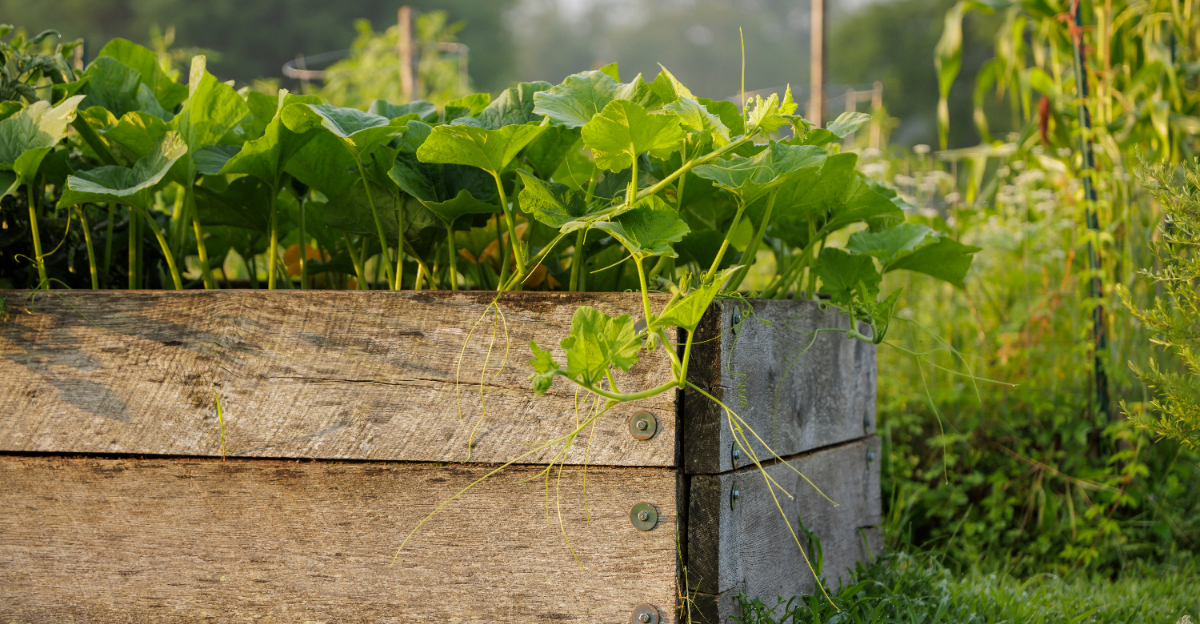
Arizona yards rarely match one perfect setup, yet growing food or flowers still feels possible with the right structure in place. Space limits, tight budgets, and harsh sun push gardeners to think differently instead of giving up.
Raised beds keep showing up as the one change that shifts everything without overcomplicating the process. Smart layouts and simple materials start making a real difference sooner than expected.
Choices vary more than most expect, and some ideas work even in the smallest corners or on bare ground. Results improve when height, soil control, and placement finally line up with Arizona conditions.
Many gardeners miss how flexible these setups can be until they try one approach that actually fits their space.
A few well planned ideas can turn any yard into something far more productive and easier to manage.
1. Use Deep Beds To Protect Roots From Extreme Heat
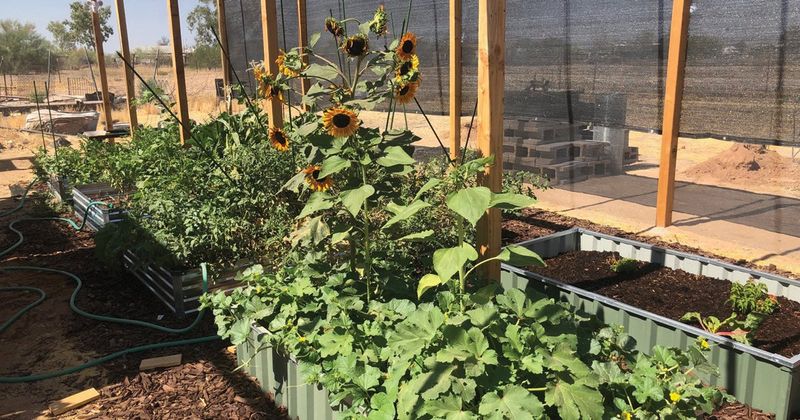
Shallow beds bake through in Arizona summers, and your plants suffer for it. When soil depth drops below eight inches, root systems have nowhere to go to escape the heat radiating up from the ground.
Deeper beds act like natural insulation, keeping the lower layers cooler even when surface temps spike above 100 degrees.
Most experienced Arizona gardeners aim for at least 12 to 18 inches of depth. That extra space lets roots push downward where the soil stays a bit more stable in temperature.
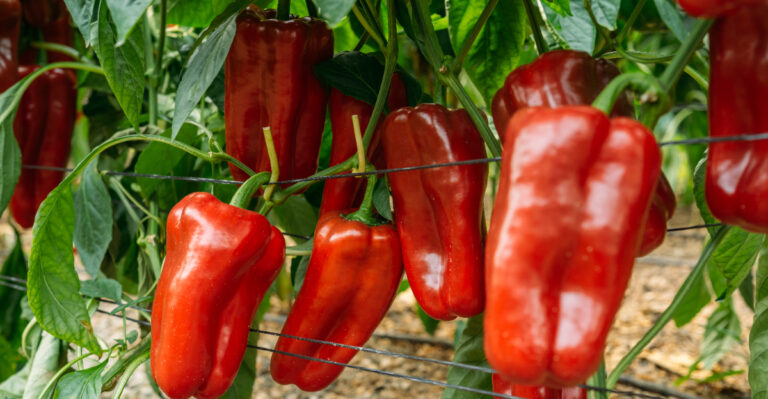
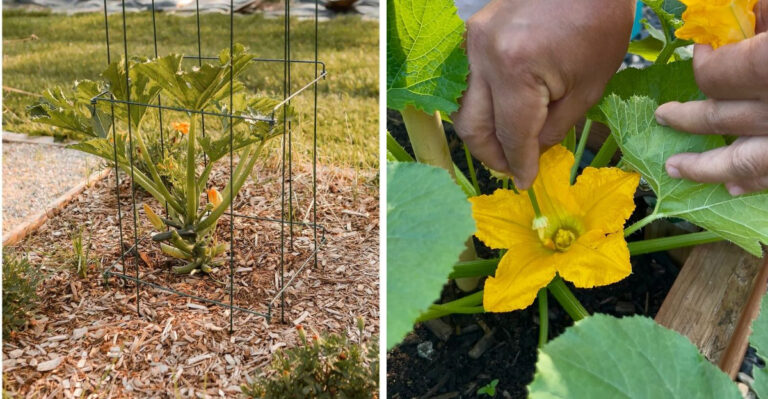
Crops like tomatoes, peppers, and squash especially need that room to anchor themselves and pull water from deeper layers.
Building a deeper bed does not have to cost more money. Stack two rows of standard lumber or cinder blocks to reach the height you need.
Cinder blocks work especially well in Arizona because they absorb heat slowly and release it at night, which can actually extend your growing season into cooler months.
One thing worth knowing is that deeper beds dry out faster at the top but stay moist longer at the bottom. Pair your deep bed with a drip system and you will get much more consistent moisture throughout the entire root zone.
Checking soil moisture at different depths, not just at the surface, will help you water smarter and avoid both overwatering and underwatering in Arizona’s unpredictable climate.
2. Choose Heat Tolerant Materials Like Metal Or Stone
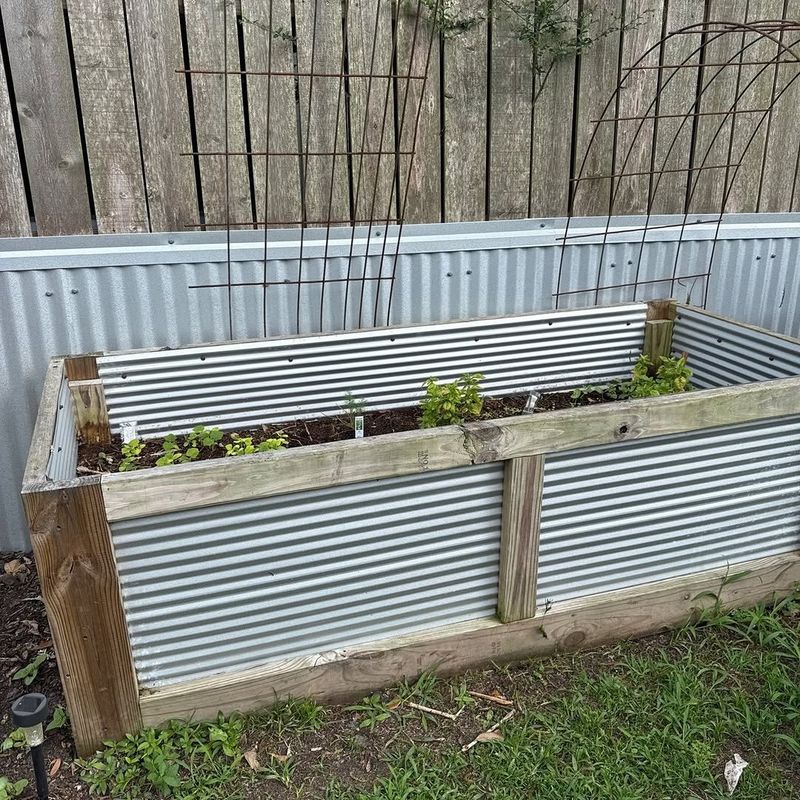
Not every material holds up in Arizona heat, and picking the wrong one means rebuilding your beds every few years. Standard pine boards can warp, crack, and rot quickly under intense UV exposure and temperature swings.
Metal and stone, on the other hand, are built for exactly these kinds of conditions.
Galvanized steel beds have become popular across the state for good reason. They resist rust, handle extreme temperatures without warping, and look clean and modern.
Some gardeners worry that metal beds overheat the soil, but lining the inside walls with cardboard or a layer of straw insulation reduces that heat transfer significantly.
Natural stone is another solid choice, especially if you already have rocks on your property. Stacking flat stones or using larger boulders as border walls gives your bed excellent thermal mass.
Your Arizona Garden Changes Every Week. Your Plan Should Too.
Gardening in Arizona changes quickly throughout the season. Every Friday you’ll receive a simple weekly plan showing exactly what to plant, prune, fertilize, harvest, and protect so you never miss the right timing.
Stone absorbs heat during the day and slowly releases it at night, which can actually help warm-season crops like basil and eggplant thrive longer into fall.
Concrete blocks and cinder blocks offer a budget-friendly middle ground between metal and natural stone. They are widely available at hardware stores across Arizona, cost very little per block, and can be stacked without any tools or fasteners.
Whatever material you choose, make sure it is food-safe if you plan to grow edibles. Treated wood containing certain chemicals can leach into soil over time, so checking labels before building matters more than most people realize.
3. Add Shade Cloth To Prevent Plants From Burning
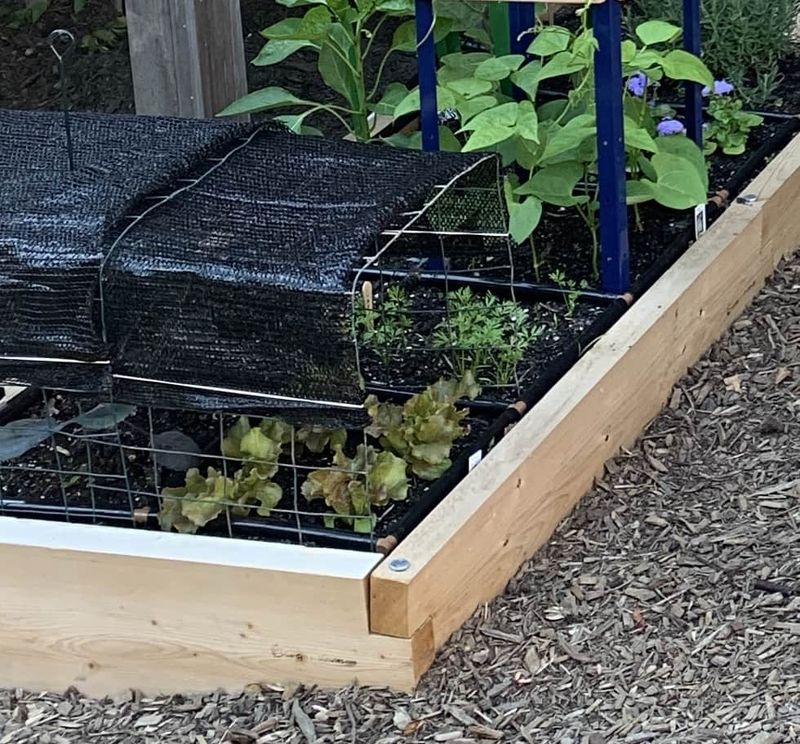
Arizona’s afternoon sun does not just warm plants, it can scorch leaves, stress root systems, and halt fruit production entirely during peak summer. Even heat-loving crops like peppers and tomatoes hit a wall when temperatures push past 110 degrees Fahrenheit.
Shade cloth is one of the simplest, most affordable fixes available to Arizona gardeners.
A 30 to 50 percent shade cloth blocks enough light to reduce leaf burn without cutting off the photosynthesis your plants need. You can stretch it over a simple PVC pipe frame that sits right above your raised bed.
The frame does not need to be fancy, just sturdy enough to hold the cloth without sagging onto the plants below.
Timing matters when it comes to using shade cloth in Arizona. Most gardeners put it up in late April or early May and take it down in September once temps begin to drop.
Leaving it up year-round is unnecessary and can actually reduce yields during cooler months when full sun helps plants thrive.
Shade cloth is reusable for several seasons if you store it properly when not in use. Folding it loosely and keeping it out of direct sunlight during storage helps preserve the fabric.
Across the Phoenix metro area and in the Sonoran Desert region, gardeners who use shade cloth consistently report better fruit set on tomatoes and fewer wilted seedlings during summer transplanting.
It is a low-cost upgrade that pays off quickly in real, measurable ways.
4. Fill Beds With Well Draining Soil That Handles Desert Conditions
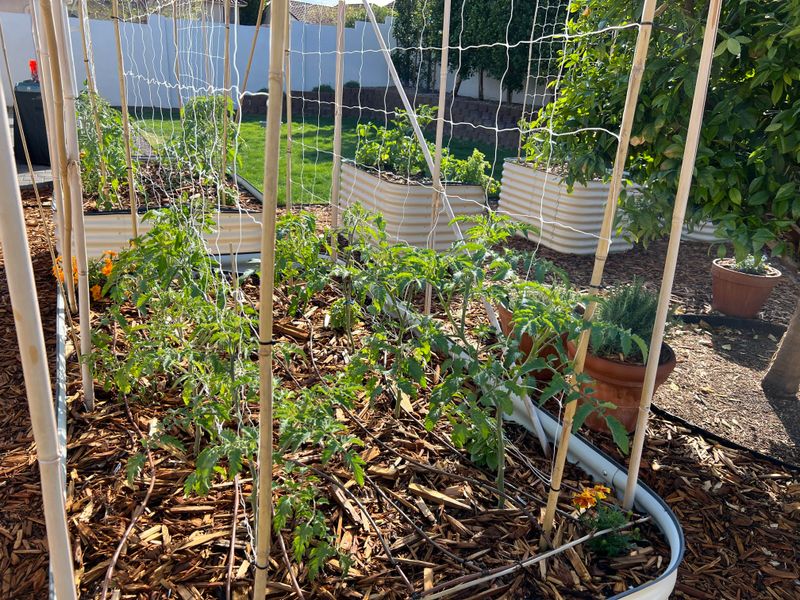
Arizona’s native ground is often compacted caliche or sandy desert soil that drains too fast or barely at all, depending on the layer. Neither extreme supports healthy vegetables.
Filling your raised beds with a purpose-built mix is what separates struggling plants from thriving ones across the state.
A reliable desert-friendly mix combines compost, coarse sand or perlite, and a quality potting base in roughly equal parts. Compost feeds soil biology and holds some moisture.
Perlite or coarse sand opens up the texture so water moves through without pooling around roots. Avoid using native Arizona soil as a base because it often compacts over time and blocks drainage.
Worm castings are worth adding if your budget allows. Even a small amount mixed into the top few inches boosts microbial activity and helps plants pull nutrients more efficiently.
In a desert environment where heat slows decomposition, giving your soil a biological boost makes a real difference over a full growing season.
Refreshing your soil between growing seasons is just as important as the initial fill. Arizona’s heat burns through organic matter faster than cooler climates, so topping off with fresh compost each fall and spring keeps the nutrient level steady.
Some gardeners in the Tucson and Scottsdale areas also add a layer of biochar to help retain moisture and reduce how often they need to water. Soil quality is genuinely the foundation of every successful raised bed garden in Arizona.
5. Install Drip Irrigation To Save Water And Keep Soil Evenly Moist
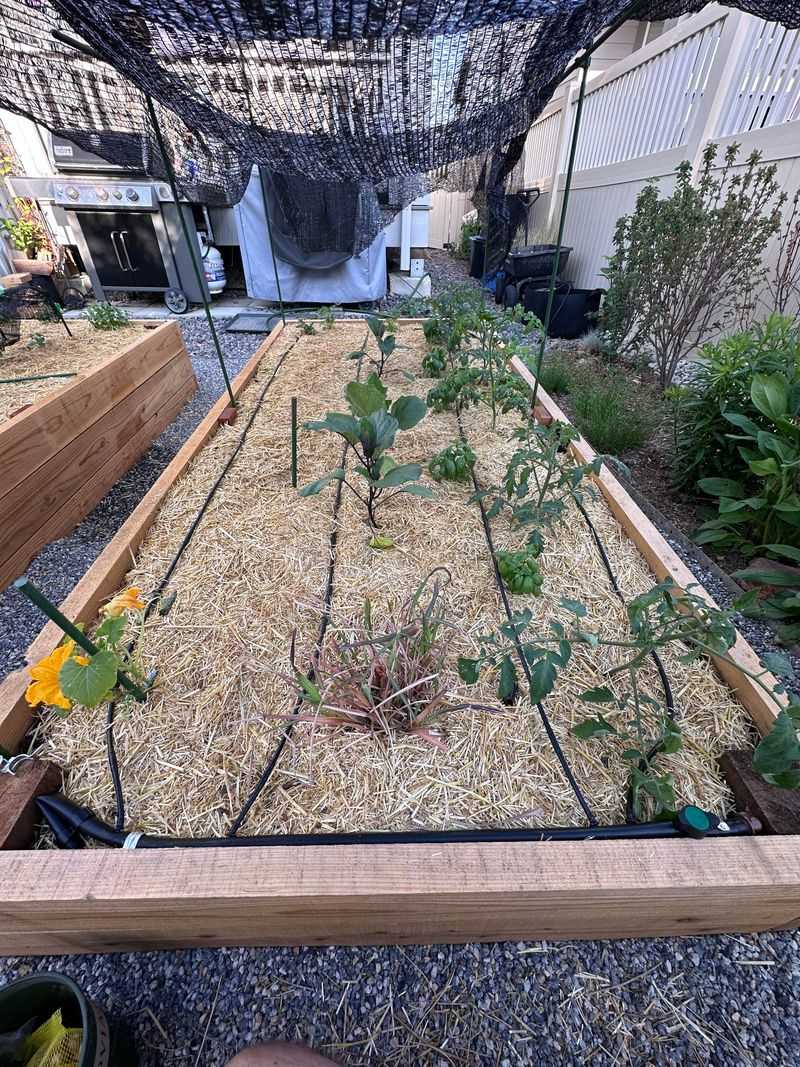
Watering a raised bed by hand in Arizona is a losing game during summer. Water evaporates off the surface before it reaches roots, and uneven hand-watering leads to dry pockets that stress plants in ways you might not notice until it is too late.
Drip irrigation solves both problems at once.
A basic drip system for a single raised bed costs between twenty and fifty dollars at most Arizona hardware stores. You connect it to a standard outdoor spigot, run a main line along the length of the bed, and add individual emitters near each plant.
Running it on a timer means your garden gets watered even when you are at work or traveling.
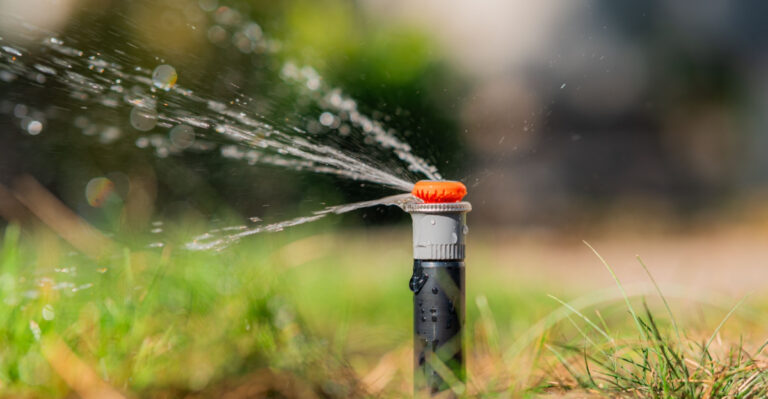
Drip irrigation also conserves water in a state where conservation genuinely matters. Arizona faces ongoing water restrictions in many municipalities, and drip systems use significantly less water than sprinklers or hand-watering by delivering moisture directly to the root zone.
Less water is lost to evaporation, which is a constant issue in the dry desert air.
Checking emitters regularly keeps the system working properly. They can clog with mineral deposits from Arizona’s hard water, so flushing the lines every few weeks and replacing clogged emitters promptly prevents dry spots in your beds.
Low-pressure emitters rated at half a gallon per hour work well for most vegetables. Pairing your drip system with a simple moisture meter helps you fine-tune your watering schedule as the seasons shift throughout the year in Arizona.
6. Place Beds Where They Get Morning Sun And Afternoon Shade
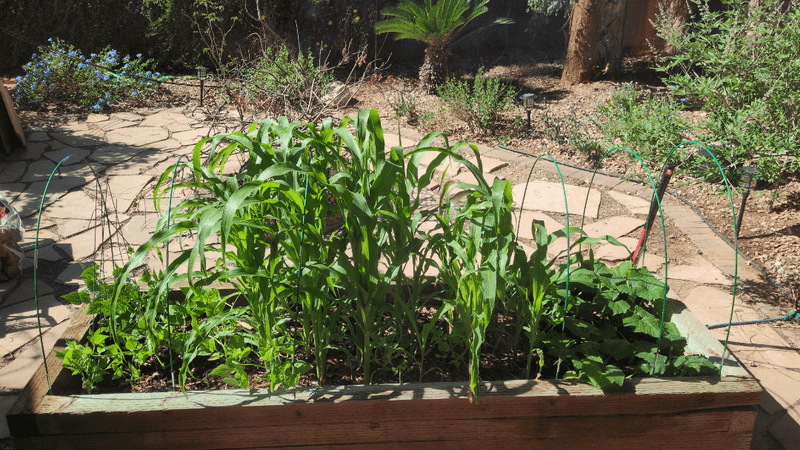
Where you place your raised bed in Arizona matters almost as much as what you plant in it. Full sun exposure from dawn to dusk sounds ideal in most gardening guides, but Arizona’s afternoon sun is a different beast entirely.
Temperatures on the west side of a home in Tucson or Mesa can hit 115 degrees against a wall on a summer afternoon.
East-facing spots are gold in Arizona. Morning sun gives plants the gentle, productive light they need for photosynthesis, while the afternoon shade from your home, a fence, or a mature tree protects leaves from the most intense heat of the day.
Crops like lettuce, spinach, and herbs especially benefit from this kind of placement.
Even warm-season plants like tomatoes and cucumbers perform better with some afternoon protection in Arizona.
Afternoon shade can keep temperatures in your bed just cool enough to keep pollination on track during the hottest weeks.
Before you build your beds, spend a day watching how shadows move across your yard at different times. Note where shade falls between noon and four in the afternoon, because that window is the most critical in Arizona’s climate.
Moving a bed just six feet in the right direction can make a dramatic difference in how well your plants handle the summer. Placement is free, and getting it right costs nothing but a little observation time.
7. Use Mulch To Keep Soil Cool And Reduce Water Loss
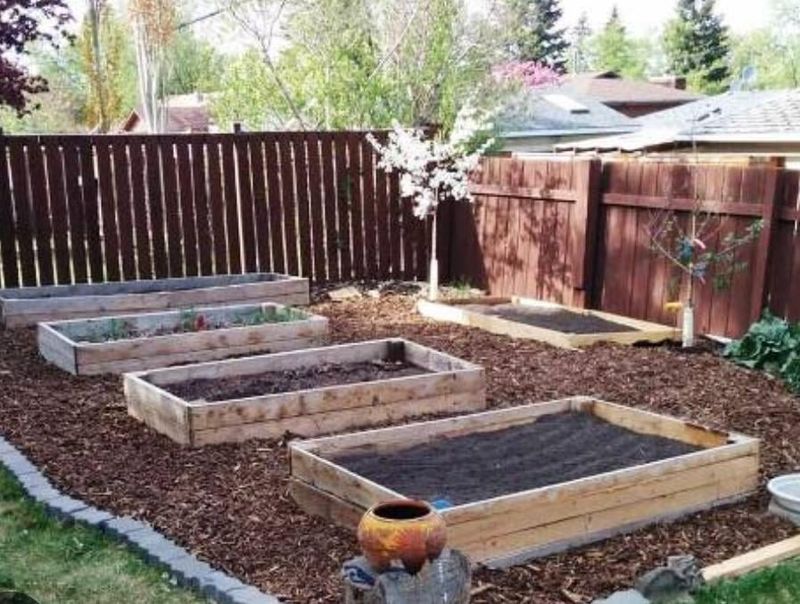
Bare soil in an Arizona raised bed loses moisture at a shocking rate. On a 105-degree day with low humidity, an uncovered bed can lose a significant amount of surface moisture within just a few hours of watering.
Mulch acts as a barrier between the soil and the brutal sun overhead.
Straw is one of the most popular mulch choices among Arizona gardeners because it is affordable, lightweight, and easy to apply. Spreading a two to three inch layer around your plants reduces soil surface temperature noticeably and slows evaporation between waterings.
Wood chips work well too, though they take longer to break down and can temporarily tie up nitrogen as they decompose.
Organic mulches do double duty in raised beds. Beyond moisture retention, they gradually break down into the soil and add organic matter over time.
In Arizona’s fast-draining desert soil, anything that builds organic content is worth using. Topping off your mulch layer a couple of times per growing season keeps the benefits consistent as the material breaks down.
Gravel and rock mulch are common in Arizona landscaping but less useful inside raised vegetable beds. Rock holds and radiates heat, which is the opposite of what most food crops need during summer.
Stick with organic options for edible beds and save the decorative rock for pathways between your raised beds.
Mulching is one of those simple habits that makes a visible difference within just a few days of application, especially during Arizona’s peak summer heat.