Texas Gardeners, This Is What To Fertilize In May For A Lush Summer Garden
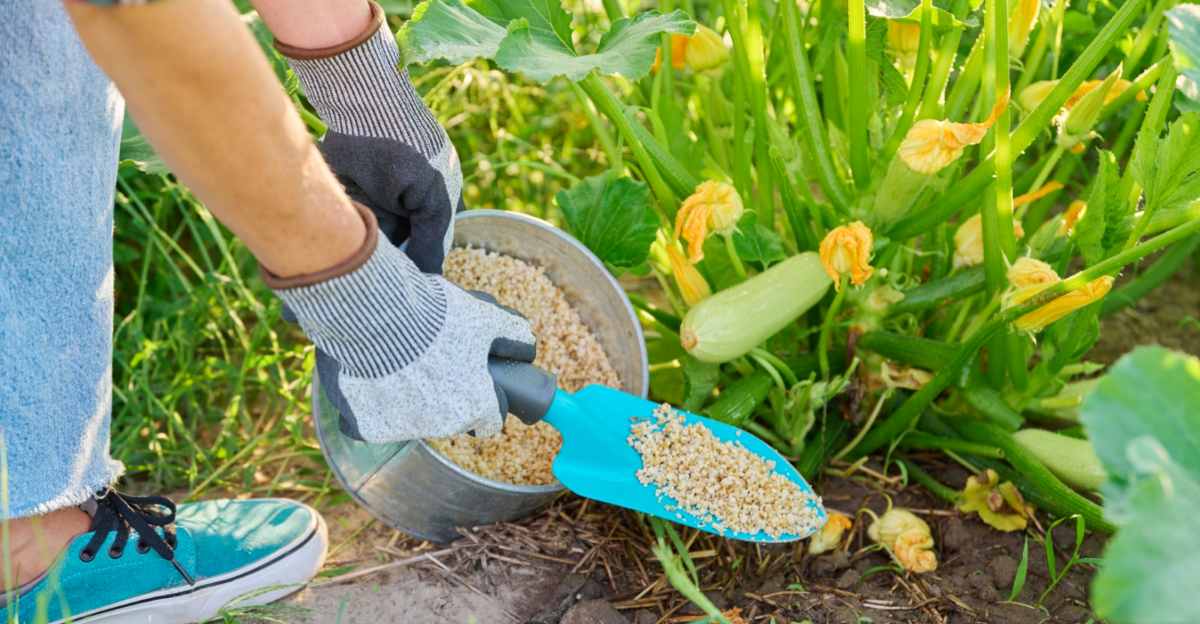
May is when a Texas garden starts acting like it has big plans. The soil is warm, the days are longer, and plants seem to wake up all at once with fresh leaves, buds, and that sudden burst of “look at me now” energy.
Vegetable beds start filling in, flower borders gain momentum, and fruit trees and lawns begin to look a lot more serious about summer. It is an exciting stretch, and honestly, the garden can feel a little dramatic in the best way.
That is exactly why May feeding matters. A lush Texas garden usually does better when you feed the plants that are actively growing and actually ready to use those nutrients, instead of tossing fertilizer everywhere and hoping for magic.
Some plants are hungry now, some need a lighter touch, and some may not need much at all.
Getting that timing right can help your garden head into summer looking fuller, healthier, and ready to put on a proper show.
1. Tomatoes Love A May Boost
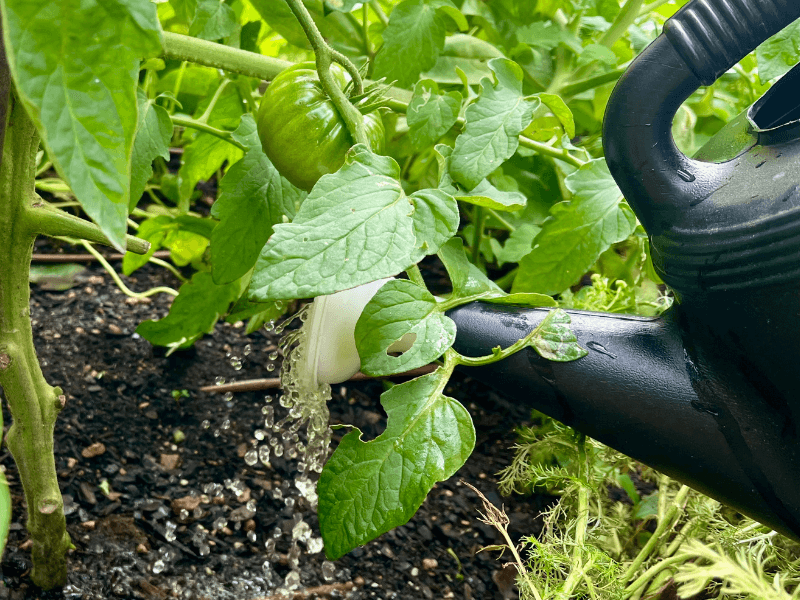
Few vegetables reward a May feeding quite like tomatoes. Right now, tomato plants in Texas are growing fast, setting flowers, and starting to form fruit – and all that activity takes a lot of energy.
Giving them a boost in May helps support strong stems, healthy leaf growth, and better fruit development before summer temperatures make things tougher.
A balanced fertilizer or one slightly lower in nitrogen and higher in phosphorus and potassium works well once plants are actively flowering. Too much nitrogen at this stage can push leafy growth at the expense of fruit.
Look for something labeled for vegetables or tomatoes specifically, and follow the label directions carefully.
Gardeners across Texas often notice a real difference when they feed tomatoes in May versus skipping the feeding. Plants tend to look fuller, hold more blooms, and produce more consistently through June.
Side-dressing with a granular fertilizer around the base of each plant, then watering it in well, is a simple and effective approach.
Check how your plants are performing first – if they already look strong and deep green, a lighter feeding may be all they need.
2. Warm-Season Vegetables Need A Fresh Feeding
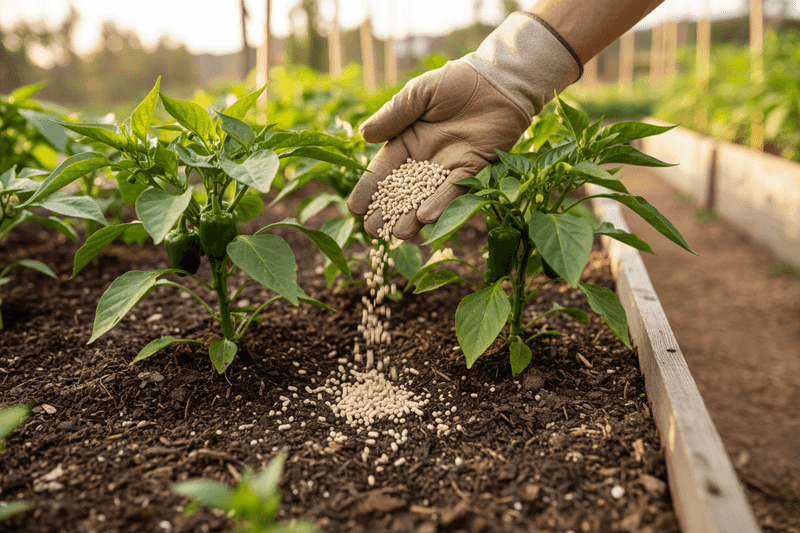
Squash, peppers, beans, cucumbers, and sweet corn are all hitting their stride in Texas gardens during May.
These warm-season crops thrive when soil temperatures are consistently warm, and right now conditions are just right for rapid, productive growth.
Feeding them at this point helps keep that momentum going into early summer.
A general-purpose vegetable fertilizer applied according to label directions gives most of these crops what they need. Peppers, in particular, benefit from steady feeding since they can be slow to set fruit without adequate nutrition.
Squash and cucumbers are heavy feeders and often show the most noticeable response to a May application.
One thing Texas gardeners should keep in mind is that not every bed needs the same amount. If you amended your soil well before planting with compost or a slow-release fertilizer, you may only need a light supplemental feeding now.
Your Texas Garden Changes Every Week. Your Plan Should Too.
Gardening in Texas changes quickly throughout the season. Every Friday you’ll receive a simple weekly plan showing exactly what to plant, prune, fertilize, harvest, and protect so you never miss the right timing.
Pay attention to leaf color – pale or yellowing leaves often signal a nutrient need, while dark, healthy green leaves may mean your soil is already doing a good job.
Water your garden beds thoroughly after applying any granular fertilizer to help nutrients move into the root zone where they can actually be used.
3. Annual Flowers Bloom Better With A May Feeding
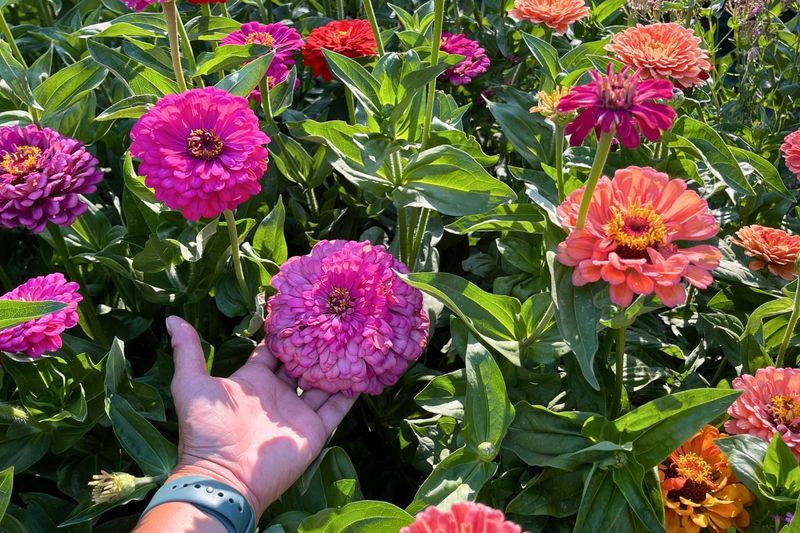
Zinnias, marigolds, petunias, and celosias planted in Texas flower beds are putting on fresh new growth as May rolls in. These summer annuals are working hard to establish roots and push out blooms, and a well-timed feeding gives them the fuel to do exactly that.
Blooms tend to be more plentiful and longer-lasting when plants have steady access to nutrients during active growth.
A balanced water-soluble fertilizer or a slow-release granular product works well for most annual flowers. Water-soluble options give a quicker response, which can be helpful if plants look a little pale or sluggish after transplanting.
Slow-release granulars are more convenient because one application can feed plants for several weeks without repeat trips to the garden bed.
Keep in mind that too much nitrogen can lead to lots of lush green leaves but fewer flowers. For blooming annuals, look for a fertilizer with a middle or higher third number, which represents potassium, since that supports flowering and overall plant health.
Texas summers can be tough on annuals, so giving them a strong nutritional foundation in May helps them stay productive and colorful well into the hottest months.
Deadheading spent blooms alongside regular feeding makes a noticeable difference in flower output.
4. Perennials Wake Up With Spring Feeding
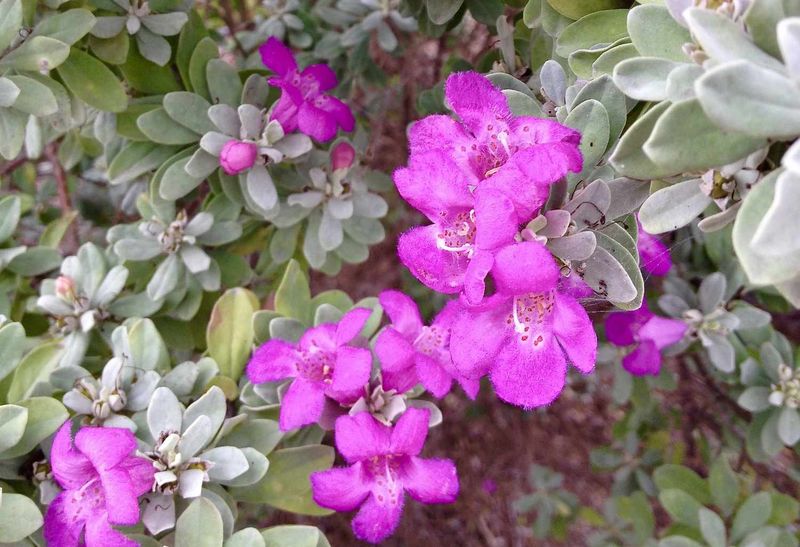
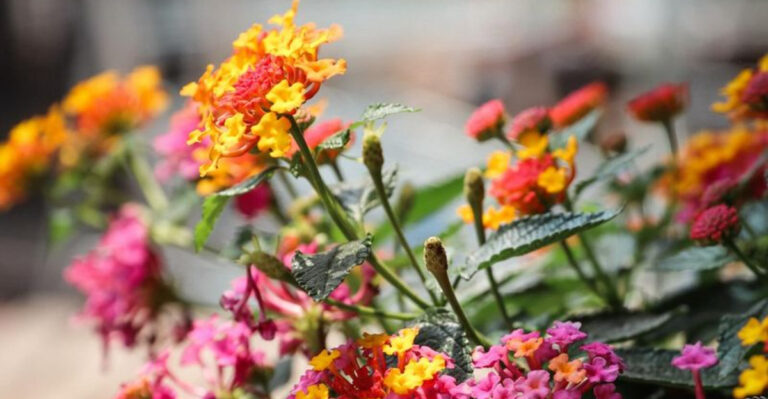
Salvia, black-eyed Susan, coneflower, and lantana are among the Texas-tough perennials that come roaring back each spring, and May is a great time to support that renewed energy with a light feeding.
These plants have been drawing on their root reserves to push new growth, and a modest fertilizer application can help them fill out and set buds more reliably.
Unlike annuals, perennials do not always need heavy fertilization. In fact, overfed perennials can become floppy or produce more leaves than flowers.
A light application of a balanced slow-release granular fertilizer, worked gently into the soil around the base of each plant, is usually enough to give them a helpful boost without overdoing it.
One of the best things about feeding perennials in May in Texas is that you are catching them right at the beginning of their most productive season.
They have the whole summer ahead of them, and a good feeding now helps them build the strength to handle heat, occasional drought, and the long growing season Texas throws at them.
If your perennials are already well-established in rich soil, even a small amount of compost worked in around the base can substitute for a commercial fertilizer application and still deliver solid results.
5. Ground Covers Enjoy A May Pick-Me-Up
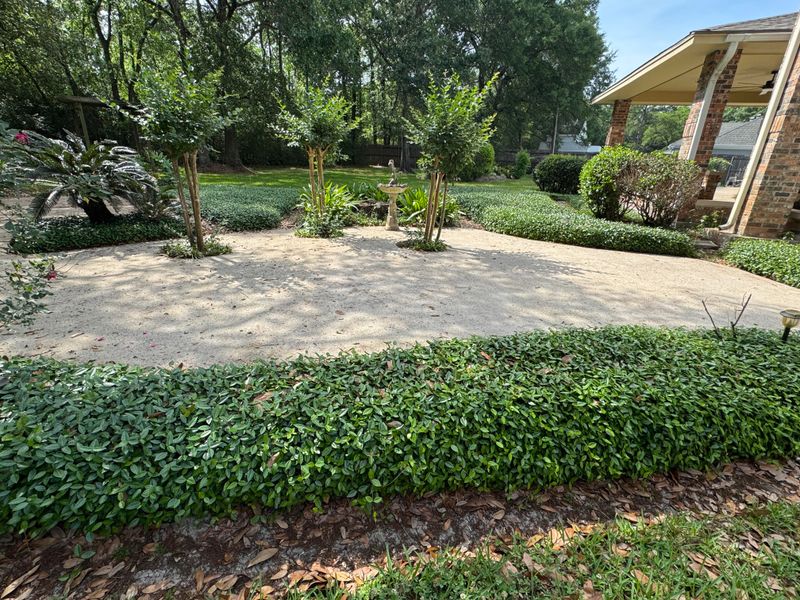
Asian jasmine, monkey grass, and other spreading ground covers often look a little tired coming out of winter, but by May they are pushing out fresh new leaves and filling in gaps.
A light feeding at this point encourages denser, more uniform coverage and helps suppress weeds by creating a thicker mat of growth through summer.
Ground covers in Texas are generally low-maintenance, but they do respond well to occasional fertilization, particularly in spring.
A balanced slow-release granular fertilizer broadcast evenly over the planting area and watered in works well for most types.
Avoid high-nitrogen formulas that push rapid, soft growth, since that kind of growth can be more vulnerable to pest pressure and heat stress later in summer.
Shaded ground covers like monkey grass may need less fertilizer than those growing in full sun, where competition from tree roots can reduce available nutrients in the soil.
If your ground cover looks patchy or the color seems off compared to previous years, a soil test can take the guesswork out of what nutrients are actually missing.
Many Texas county extension offices offer affordable soil testing, and the results can help you apply only what your landscape genuinely needs rather than guessing at a solution.
6. Vines Grow Better With A May Boost
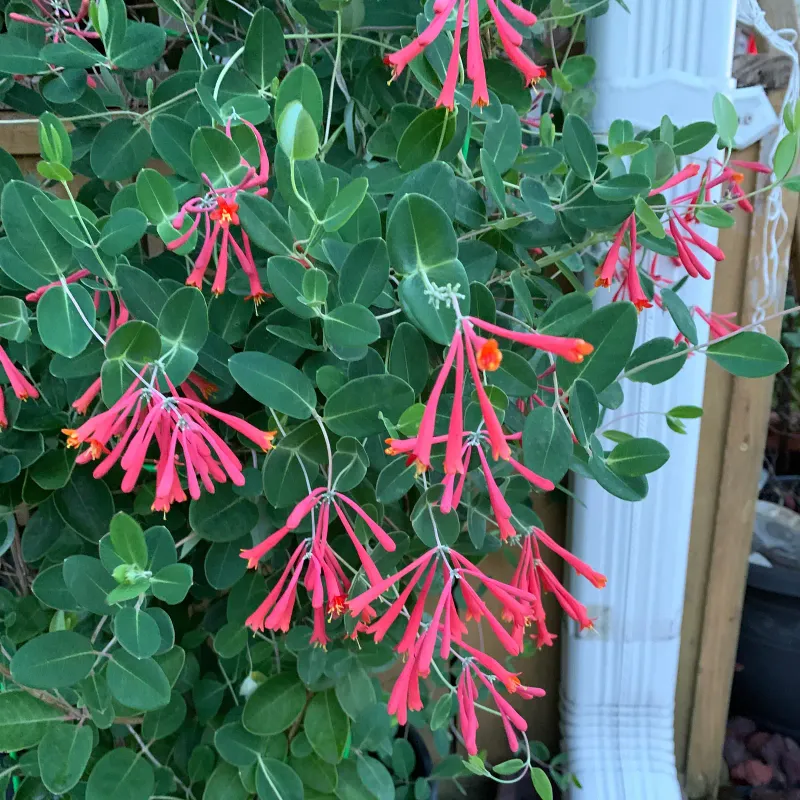
Trumpet vine, coral honeysuckle, and Confederate jasmine are some of the most energetic growers in a Texas landscape, and they tend to hit their stride right around May.
These vines are actively reaching, climbing, and producing new leaves and flowers, which means they are drawing on soil nutrients quickly.
A timely feeding supports that growth and helps them cover structures more fully before summer arrives.
For flowering vines, a fertilizer with balanced or slightly elevated potassium supports bloom production alongside vigorous stem growth. Too much nitrogen alone can result in a vine that grows long and leafy without putting much energy into flowering.
Reading the fertilizer label and matching the product to what the vine is trying to do – in this case, both grow and bloom – is worth the extra moment of attention.
Established vines in Texas that are growing in reasonably fertile soil may not need heavy feeding every year.
If a vine has been in place for several years and is growing well, a lighter application or a top-dressing of compost around the base may be all that is needed.
Younger vines that were planted in the past year or two tend to benefit more noticeably from a May feeding as they work to establish a stronger root system and increase coverage.
7. Fruit Trees Benefit After Bloom
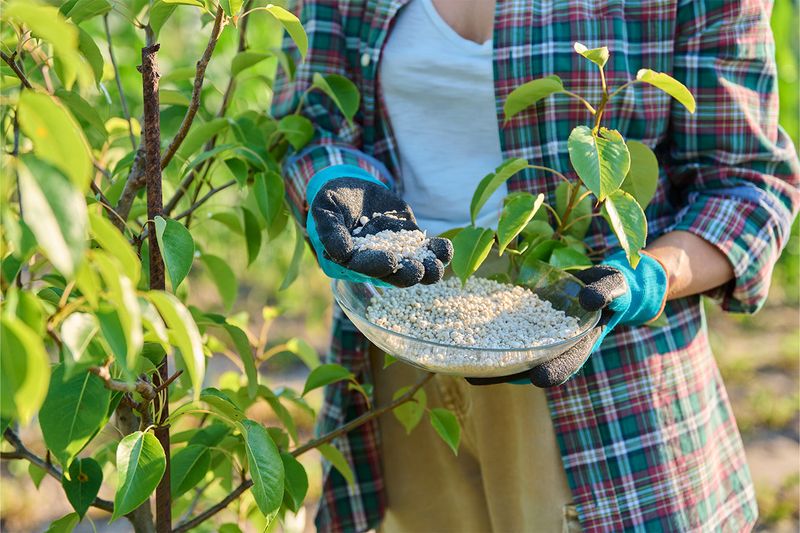
Peaches, plums, and figs are among the most popular fruit trees in Texas home gardens, and May is a meaningful window for fertilizing them after they have finished blooming and are actively developing fruit.
At this stage, the tree is putting enormous energy into both fruit growth and the development of next year’s flower buds, so nutrients matter.
A balanced fertilizer applied to the soil surface out to the drip line of the tree – the outer edge of the canopy – gives roots easy access to what they need. Avoid piling fertilizer up against the trunk, which can cause problems.
For young trees still in their first few years, lighter applications are usually more appropriate since they are still establishing their root systems.
One thing worth noting is that fruit trees in Texas that have already been fertilized earlier in spring may not need a second full application in May.
If your trees bloomed well, are setting fruit, and have healthy green foliage, a lighter feeding or even just a layer of compost around the base may be enough.
Overfeeding fruit trees can push excessive leafy growth at the expense of fruit quality. Watching how your tree looks and responds from year to year is one of the best guides for how much to feed.
8. Citrus Trees Need Steady Feeding
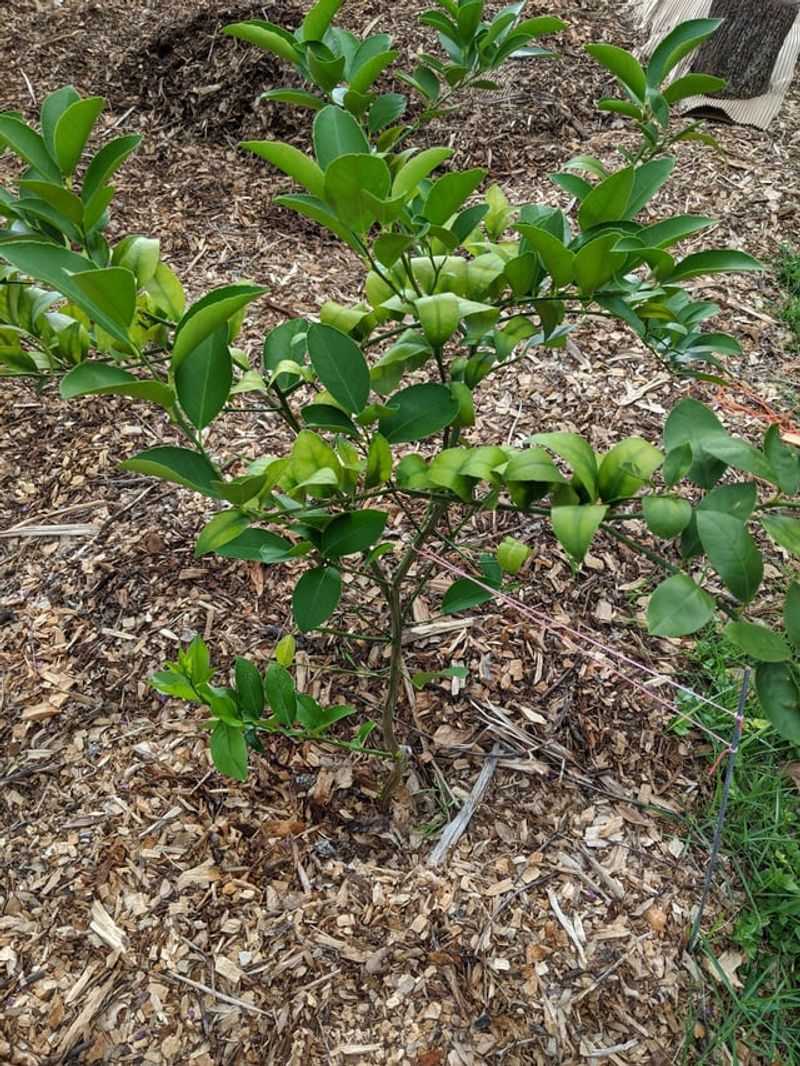
Citrus trees in Texas are reliably hungry plants, and May falls right in the middle of one of their most active growth flushes of the year.
Satsumas, Meyer lemons, grapefruits, and navel oranges are all pushing out fresh growth right now, and feeding them during this flush helps support healthy leaves, strong branches, and fruit development all at once.
Citrus has a particular need for nitrogen, but it also benefits from magnesium and micronutrients like iron and manganese, which can become deficient in Texas soils, especially in areas with alkaline or sandy conditions.
A fertilizer formulated specifically for citrus tends to include these elements and takes the guesswork out of what to apply.
Follow the label for timing and amount, since citrus responds well to regular, moderate feedings rather than one large application.
Gardeners growing citrus in containers need to pay especially close attention to feeding because nutrients leach out of pots much faster than from in-ground soil.
A monthly feeding schedule during the active growing season is often recommended for potted citrus in Texas.
Whether your tree is in the ground or in a container, consistent spring and summer feeding is one of the most reliable ways to support good fruit production and keep foliage looking full and green through the heat of summer.
9. Warm-Season Lawns Like A Late Spring Boost
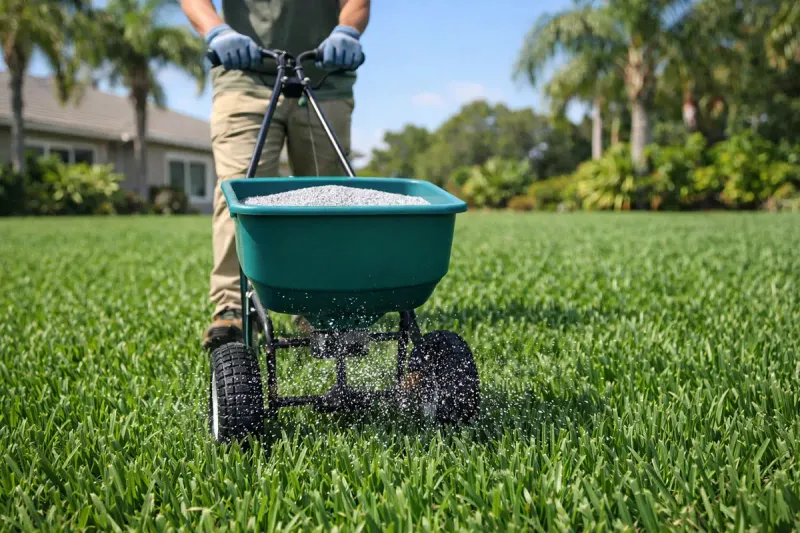
St. Augustine, Bermuda, zoysia, and centipede grasses are all warm-season turf types that cover most Texas lawns, and they respond well to fertilization once they have fully greened up and are actively growing.
For most parts of Texas, that green-up happens in April, which means May is often a good time for a first feeding of the season.
Nitrogen is the primary nutrient lawns need for good color and density, but the rate and timing matter. Applying too much nitrogen too early or too late in the season can stress the turf or lead to problems like thatch buildup.
A slow-release nitrogen fertilizer applied in May at the recommended rate for your specific grass type gives lawns a steady supply without pushing a sudden surge of soft growth.
Centipede grass is worth a special mention here because it is sensitive to overfertilization and does best with a lighter feeding than other warm-season grasses.
Applying too much fertilizer to centipede can actually set it back rather than help it.
Knowing your grass type before you buy fertilizer makes a real difference in results. A soil test is also helpful for Texas lawns since many soils already have adequate phosphorus, meaning a fertilizer with little or no phosphorus may be the smarter choice for your yard.
10. Roses Shine After A May Feeding
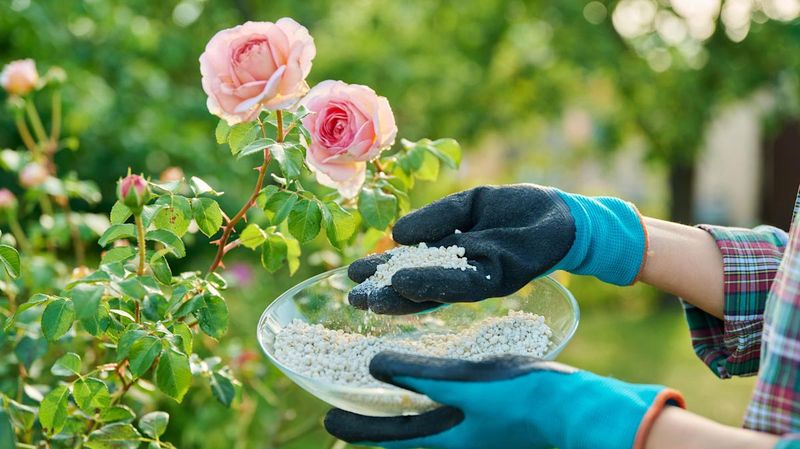
Roses in Texas put on some of their most impressive blooms during spring, and by May many bushes are finishing their first flush and gearing up for more.
Feeding roses right after that first bloom cycle encourages them to repeat bloom more reliably and keeps foliage strong and healthy heading into summer.
It is one of the most satisfying feedings in the garden because the results tend to show up quickly.
A fertilizer designed specifically for roses often works well here, since these products are typically formulated with the right balance of nutrients to support both new cane growth and flower production.
Granular rose fertilizers applied to moist soil and watered in thoroughly are a popular choice among Texas rose growers.
Some gardeners also use a water-soluble fertilizer for a faster response between granular applications.
One practical tip is to stop fertilizing roses in late summer, usually around August in most parts of Texas, so that new growth is not being pushed when fall temperatures begin to shift. But in May, feeding is very much encouraged.
Healthy, well-fed roses tend to handle Texas heat better than stressed ones, and keeping up with regular feeding through the growing season is one of the most consistent ways to get repeat blooms from spring all the way into fall.