Grow Better Tomatoes In Containers In Oregon With These Simple Tricks
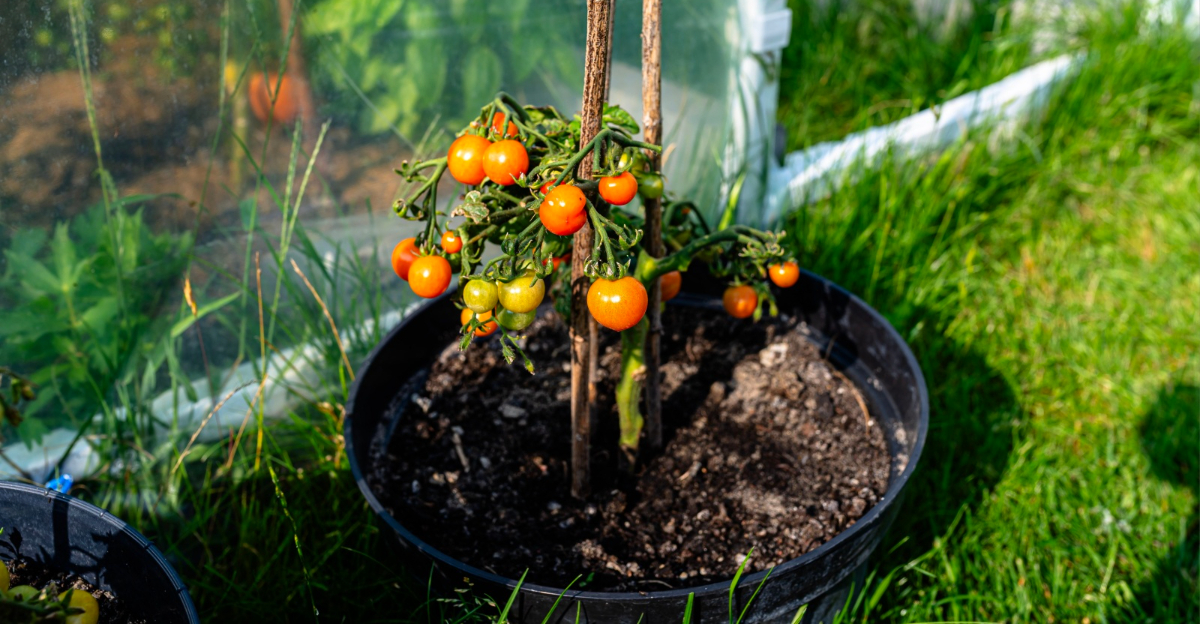
Growing tomatoes in containers just makes a lot of sense in Oregon. When the coast stays cool, the Willamette Valley starts warming up, or Central Oregon swings into hot sunny weather, a pot gives you options that in-ground beds just cannot match.
You can shift plants into better light, tuck them out of a chilly spring breeze, and keep a much closer eye on watering and drainage. Pretty handy for a crop that likes to be a little particular.
Container growing is also a great fit for patios, decks, balconies, and any garden space that feels short on room but big on tomato ambition.
In Oregon, where spring weather can change its mind in a hurry, that flexibility can make a real difference.
And honestly, there is something extra satisfying about stepping outside and picking a ripe tomato off a plant growing happily in a pot a few feet away.
1. Choose A Determinate Or Container-Type Variety
Picking the right tomato variety is one of the most important decisions you will make before the growing season even begins.
Not every tomato thrives in a pot, and in Oregon, where warm summer days can arrive later than gardeners hope, choosing a variety suited to container life gives your plants a real head start.
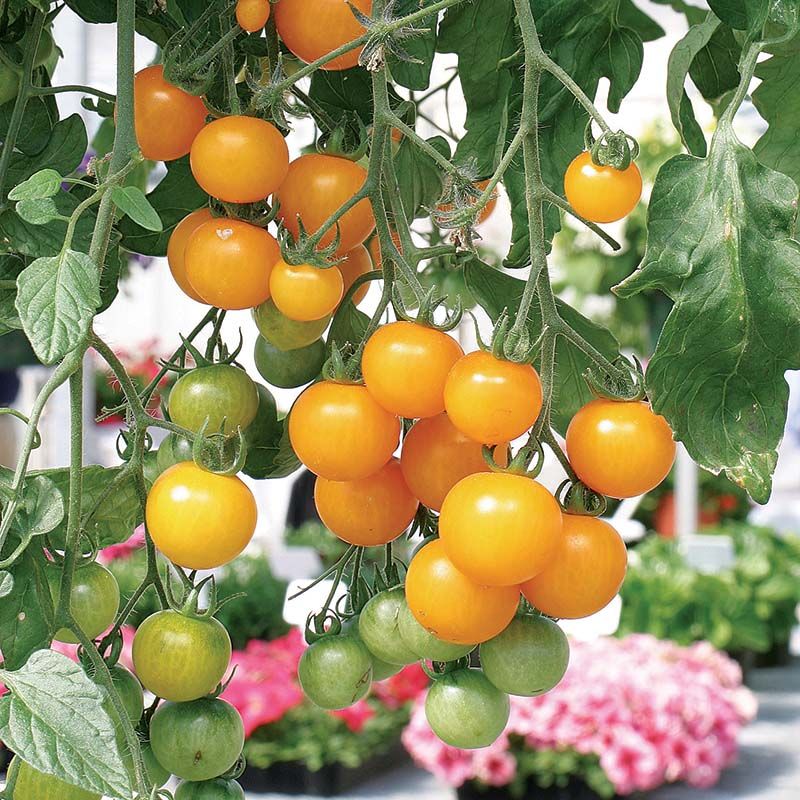
Determinate varieties, which grow to a set size and ripen fruit within a concentrated window, tend to do well in containers because they stay compact and manageable. Look for varieties labeled as patio, bush, or container types at your local nursery.
Names like Tumbling Tom, Bush Early Girl, and Siletz are popular choices among Oregon container gardeners for good reason.
Smaller plants need less support, use less soil, and fit comfortably in the pots most home gardeners already own.
In cooler parts of Oregon, like the coast or higher-elevation valleys, short-season varieties that produce fruit in 60 to 70 days give you a better shot at a full harvest before fall temperatures drop.
Choosing wisely at the start makes every other step in this list easier to manage.
2. Use A Bigger Pot Than You Think You Need
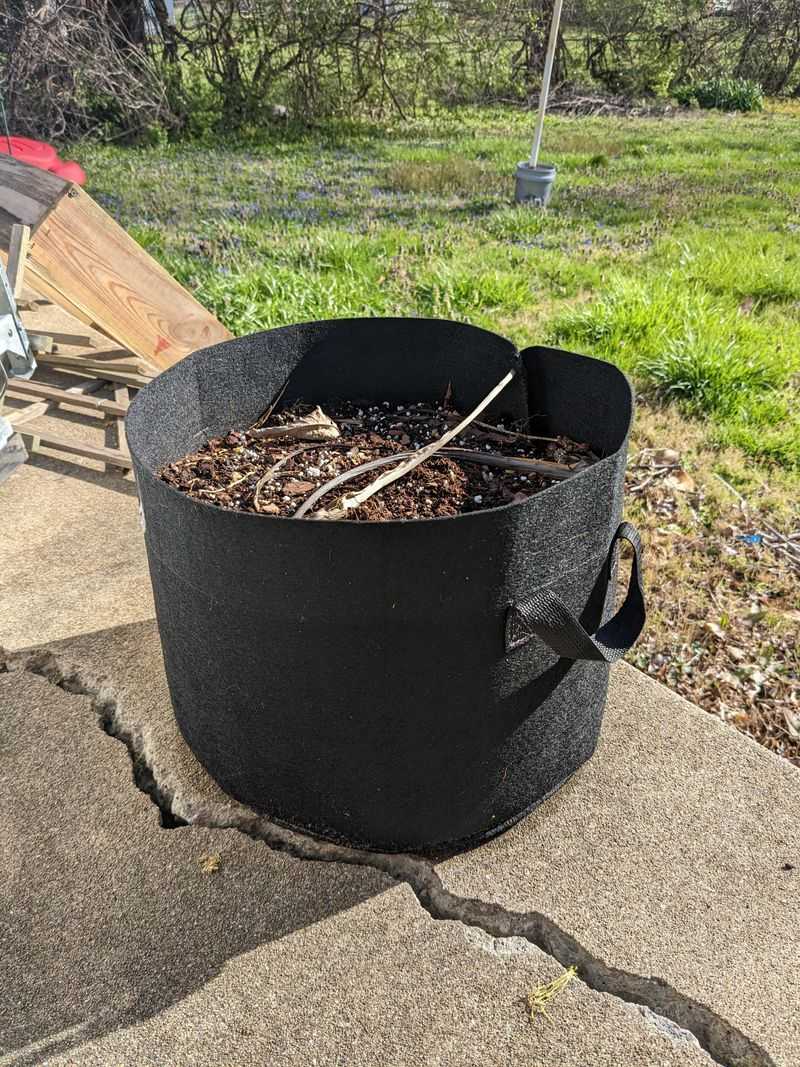
Most gardeners underestimate just how much root space a tomato plant needs to thrive.
When roots run out of room, the plant stresses quickly, and stressed plants in Oregon’s variable climate tend to produce less fruit and become more vulnerable to disease and pests.
For most tomato varieties, a container that holds at least 15 to 20 gallons of potting mix gives roots the space they need to spread out and access consistent moisture and nutrients.
Smaller pots dry out faster, which is a real challenge during Oregon’s warm summer months when container soil can lose moisture quickly, especially on sunny south-facing decks or patios that absorb heat.
Bigger containers also stay more stable in temperature, which matters in Oregon because nights can stay cool well into June, especially in the Willamette Valley and along the coast.
A larger volume of soil acts as a small buffer against those temperature swings, helping roots stay comfortable.
Your Oregon Garden Changes Every Week. Your Plan Should Too.
Gardening in Oregon changes quickly throughout the season. Every Friday you’ll receive a simple weekly plan showing exactly what to plant, prune, fertilize, harvest, and protect so you never miss the right timing.
If weight is a concern on a deck or balcony, look for lightweight fabric grow bags in the 15 to 20 gallon range, which work surprisingly well for container tomatoes and are easy to move when needed.
3. Make Sure The Container Has Drainage Holes
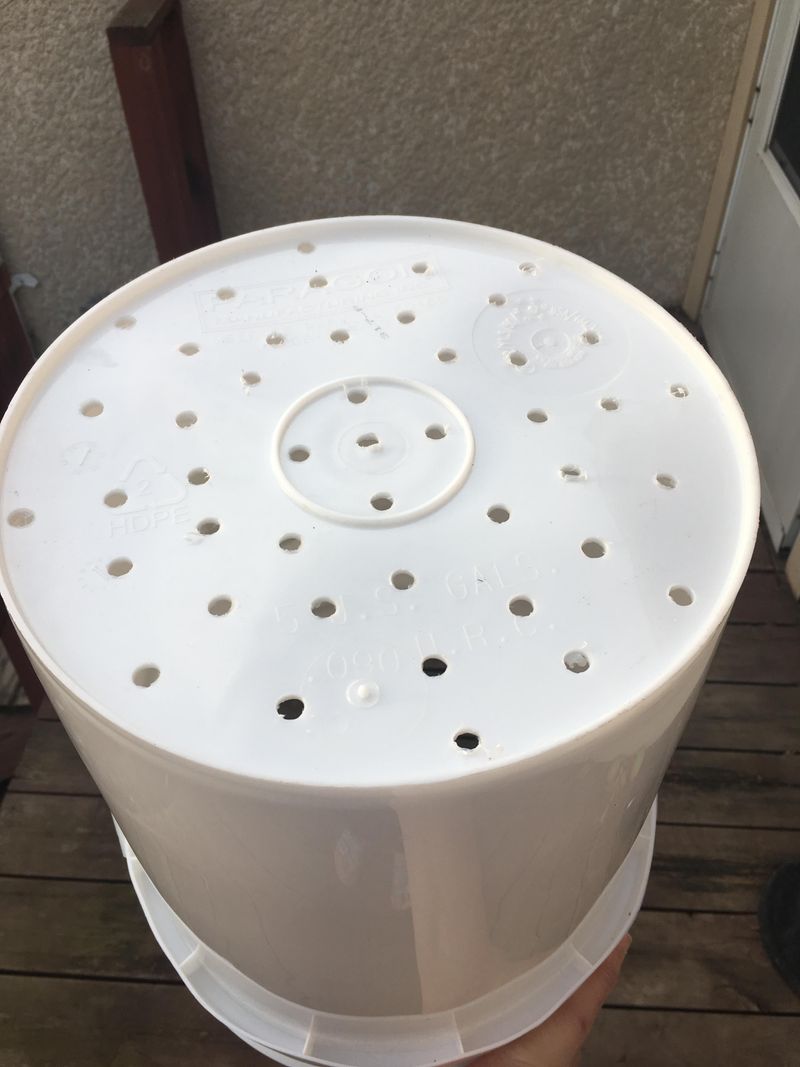
Waterlogged roots are one of the fastest ways to ruin a container tomato plant, and it is a problem that sneaks up on gardeners who overlook drainage.
Oregon gets significant rainfall through spring and early summer, and even on dry summer days, overwatering a container without proper drainage can saturate soil quickly and suffocate roots.
Every container you use for tomatoes should have at least one drainage hole at the bottom, and more is usually better. Large containers benefit from several holes spread across the base so water can escape evenly rather than pooling in one corner.
If you fall in love with a decorative pot that lacks drainage holes, use it as a sleeve around a plain nursery pot that does have them.
In wetter parts of Oregon, like the coast and the northern Willamette Valley, good drainage is especially critical during the rainy spring season when containers can receive far more water than plants actually need.
Elevating containers slightly on pot feet or bricks can also help water drain freely and prevent the bottom of the pot from sitting in standing water.
That small adjustment can make a noticeable difference in root health throughout the season.
4. Fill It With Quality Potting Mix, Not Garden Soil
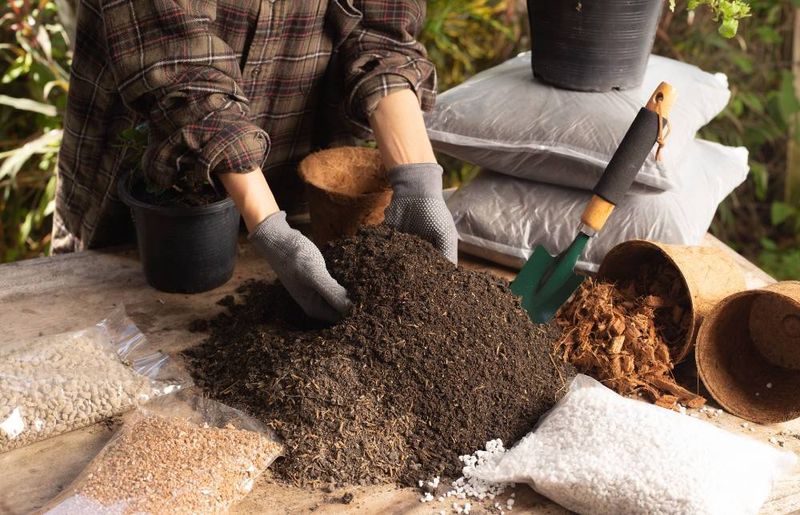
Garden soil might seem like the obvious choice when filling a container, but it is actually one of the worst options you can pick. In a pot, garden soil compacts tightly over time, reducing the air pockets that roots depend on and slowing drainage to a crawl.
For tomatoes growing in Oregon’s variable conditions, that compaction can create big problems fast.
A quality potting mix designed for containers stays loose, drains well, and holds just enough moisture to keep roots hydrated without staying soggy.
Look for mixes that contain ingredients like perlite, vermiculite, or coir fiber, which improve drainage and aeration.
Some potting mixes are specifically formulated for vegetables or tomatoes and include a slow-release fertilizer starter charge that gives young plants an early nutritional boost.
Avoid buying the cheapest bag on the shelf, since low-quality mixes often break down quickly and compact within a single season.
In Oregon, where spring planting often begins in cool, damp conditions, a well-draining potting mix helps prevent the soggy root zone that can slow early growth.
Refreshing or replacing your potting mix each season keeps the texture and drainage performing at its best for your tomatoes.
5. Set The Pot In A Warm, Sunny Spot
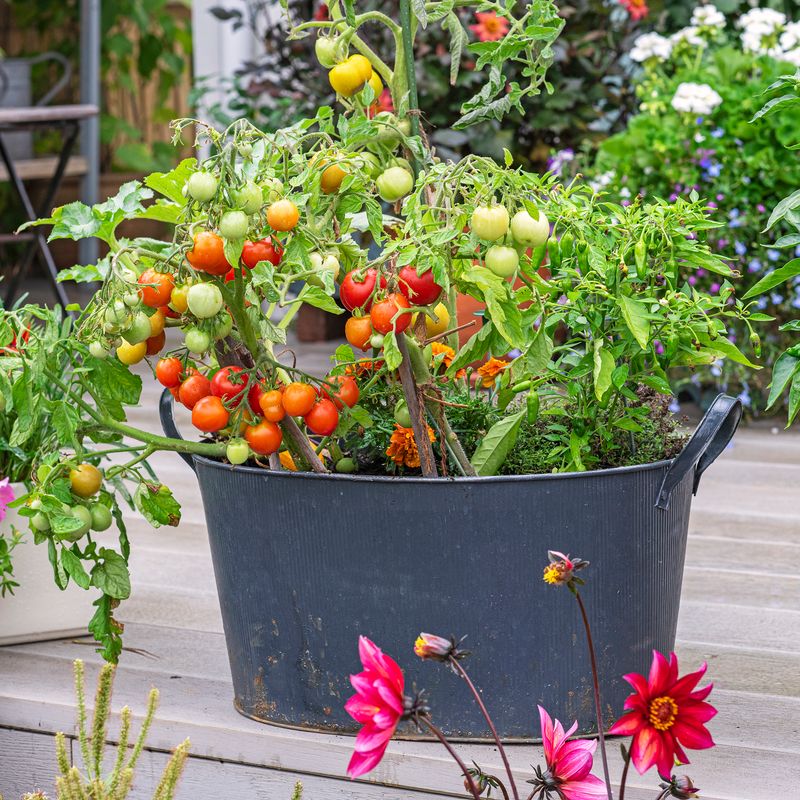
Tomatoes are sun-hungry plants, and in Oregon, finding the warmest, brightest spot for your container can make a real difference in how well your plants produce.
Most tomato varieties need at least six to eight hours of direct sunlight each day to grow vigorously and set fruit reliably.
One of the biggest advantages of container growing is the ability to move your plants as the season changes. In spring, when the sun is lower in the sky, a south-facing wall or deck corner can capture extra warmth and light.
As summer progresses, you may find that your patio shifts in sun exposure, and being able to roll or carry a container to a better spot is a genuine benefit that in-ground gardeners do not have.
In cooler Oregon regions like the coast, northern valleys, or higher elevations, placing containers near a south-facing wall or fence helps trap radiant heat and creates a slightly warmer microclimate around the plant.
In warmer inland areas like the Rogue Valley or parts of Central Oregon, afternoon shade during the hottest summer days can actually protect fruit from sunscald.
Knowing your specific Oregon location helps you place your containers where they will benefit most throughout the growing season.
6. Protect Plants From Cool Oregon Nights Early On
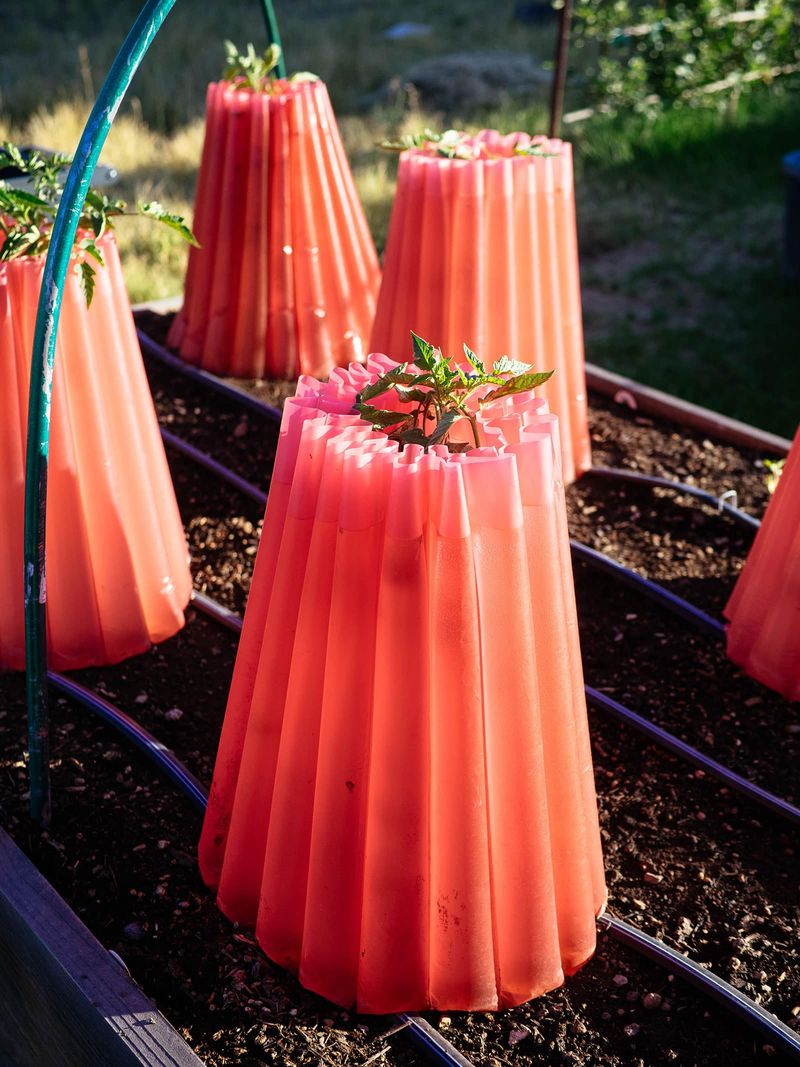
Oregon springs can be deceptively chilly, and even when daytime temperatures feel warm enough for tomatoes, nighttime temperatures can drop low enough to stress young transplants significantly.
Tomatoes prefer nighttime temperatures above 50 degrees Fahrenheit, and when nights stay cooler than that, plants can stall, drop blossoms, or simply sit without making much progress.
Protecting container tomatoes on cool nights is straightforward and well worth the effort in the early weeks of the season.
Lightweight row cover fabric, sometimes called floating row cover, can be draped loosely over plants in the evening and removed during the day to let sunlight and air reach the foliage.
Moving containers closer to a wall or under a covered porch on cold nights can also provide a meaningful degree of protection.
Along the Oregon coast and in the Willamette Valley, cool nights can persist well into June, so keeping protection materials handy through early summer is a practical habit.
In warmer areas like Southern Oregon’s Rogue Valley, the window of cool nights may be shorter, but late spring cold snaps can still catch gardeners off guard.
Watching the forecast and responding quickly keeps your container tomatoes on track for a strong, productive season.
7. Stake Or Cage The Plant Right Away
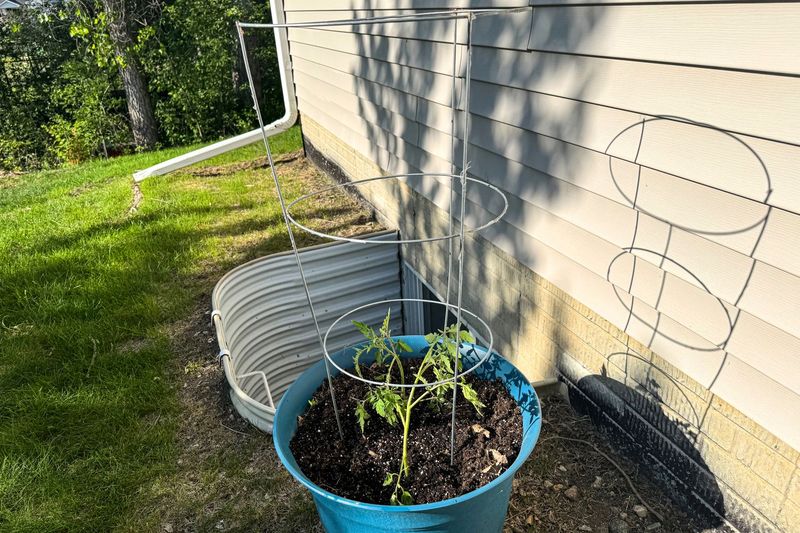
Waiting too long to support a container tomato plant is a common mistake that becomes harder to fix as the season goes on.
Setting up a stake or cage at planting time, before the plant grows large, prevents root damage and gives the plant a structure to grow into naturally from the start.
Determinate varieties stay more compact and can often get by with a simple stake and some soft garden ties. Indeterminate or larger container varieties benefit from a sturdy tomato cage that surrounds the plant and supports branches as they fill out.
Either way, the support should be anchored securely into the potting mix so it does not tip over when the plant gets heavy with fruit or when Oregon’s summer winds pick up.
In Oregon, where afternoon breezes can be strong, especially near the coast or in open valley locations, a well-supported container plant is far less likely to suffer stem damage or broken branches.
Checking ties and adjusting support as the plant grows throughout the season keeps everything upright and healthy.
A plant that grows in an organized, supported shape also gets better airflow through its foliage, which helps reduce the risk of fungal issues in Oregon’s occasionally humid summer conditions.
8. Water Frequently And Keep Moisture Even
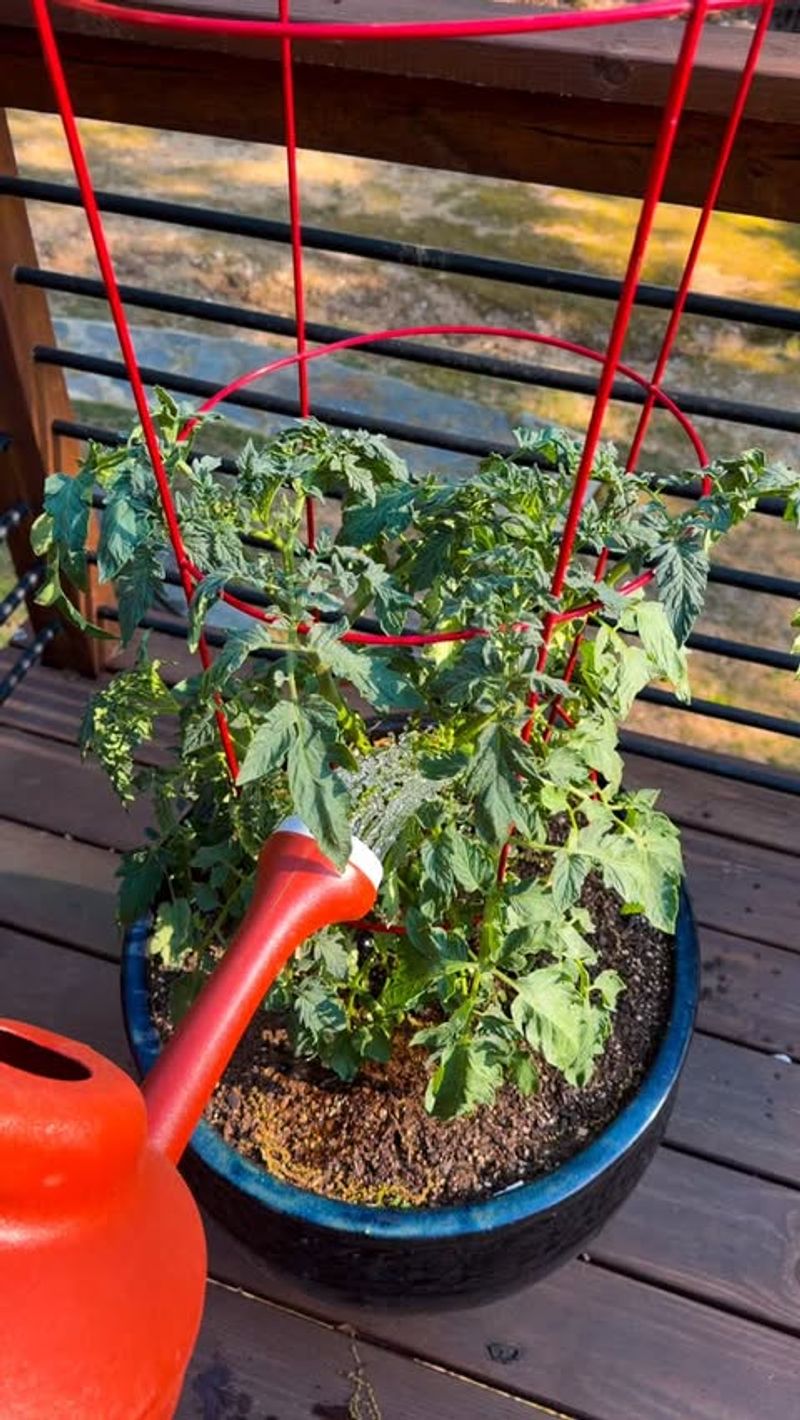
Container tomatoes dry out much faster than in-ground plants, and in Oregon’s warm summer months, a pot sitting on a sunny deck can lose moisture quickly, sometimes needing water once a day or even more during hot spells.
Keeping moisture levels consistent is one of the most important habits you can build as a container tomato grower.
Uneven watering, where the soil swings between very dry and very wet, is a leading cause of blossom end rot and fruit cracking in container tomatoes. Both problems are frustrating and largely avoidable with steady, attentive watering.
Checking the soil by pressing a finger about an inch into the mix is a simple and reliable way to know when it is time to water again.
Self-watering containers and drip irrigation setups can take some of the guesswork out of watering, especially for Oregon gardeners who travel or have busy schedules during peak summer.
Watering deeply until water flows freely from the drainage holes ensures the entire root zone gets moisture rather than just the top layer of soil.
In hotter inland Oregon areas, daily watering during peak summer heat is common and expected for container tomatoes producing a full crop.
9. Mulch And Feed Regularly
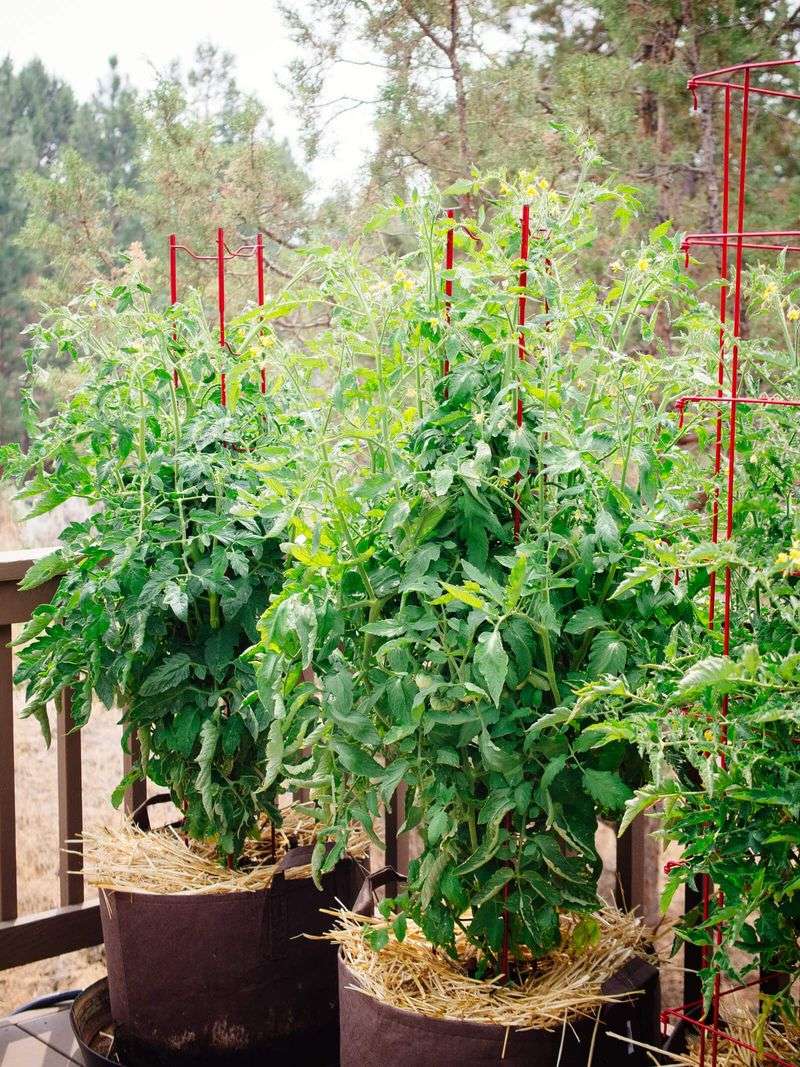
A thin layer of mulch on top of your container’s potting mix does more than most gardeners expect.
Spreading an inch or two of straw, shredded leaves, or wood chips across the soil surface slows moisture evaporation, keeps root temperatures more stable, and reduces the frequency with which you need to water during Oregon’s warmer summer weeks.
Feeding matters just as much as mulching for container tomatoes. Because nutrients wash out of containers faster than from in-ground beds, regular fertilization keeps plants healthy and productive throughout the season.
A balanced fertilizer applied every one to two weeks during the growing season, or a slow-release granular fertilizer worked into the potting mix at planting, provides the steady nutrition container tomatoes need to keep setting fruit.
Once plants begin flowering and setting fruit, switching to a fertilizer with slightly lower nitrogen and higher phosphorus and potassium encourages more fruit development rather than excessive leafy growth.
In Oregon, where the productive summer window can feel shorter than gardeners would like, keeping plants well-fed from midsummer through harvest helps maximize what your containers can produce.
Combining consistent mulching with a steady feeding routine gives container tomatoes in Oregon a strong foundation for the best possible season.