Vegetables California Gardeners Can Still Plant In May For A Summer Harvest
May in California is not too late for vegetable dreams. It is more like the garden saying, “You still coming, or what?” The soil is warm, the sun is getting bolder, and plenty of summer crops are ready to sprint once they hit the ground.
This is great news for anyone who meant to plant earlier but somehow got distracted by life, weeds, or a suspiciously long trip to the nursery.
Warm-season vegetables are the stars now. Beans can pop up fast, cucumbers love the heat, squash acts like it has something to prove, and tomatoes, peppers, and eggplants can still settle in nicely if you start with healthy transplants.
In hotter inland areas, quick growers and heat-tough picks can keep the harvest coming, while coastal gardeners may still have a little extra wiggle room. Plant smart, water deeply, and May can still hand you a summer garden worth bragging about.
1. Tomatoes
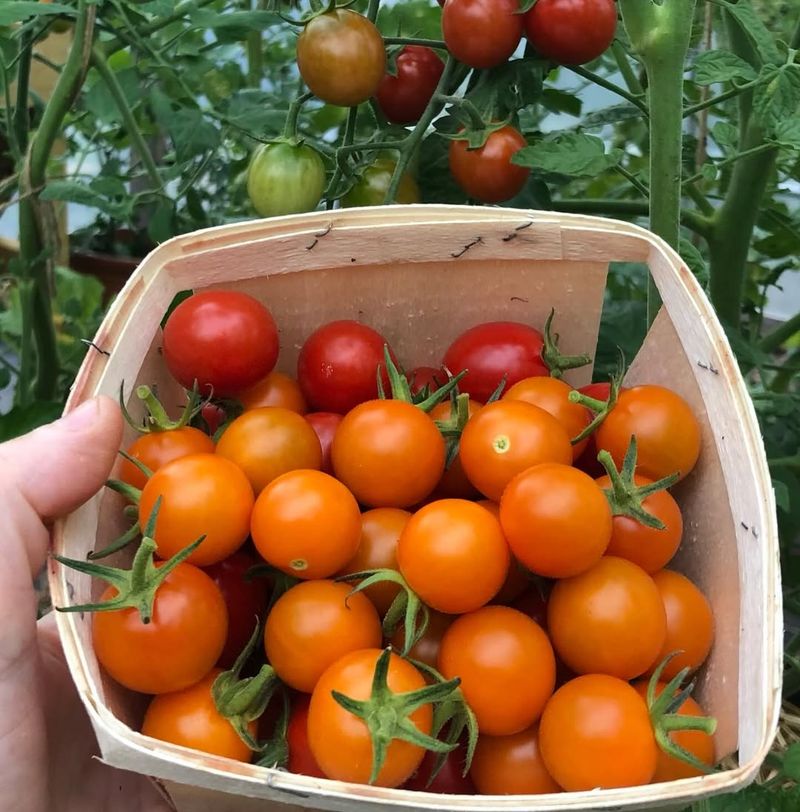
Nothing says summer gardening quite like a tomato plant loaded with bright, juicy fruit. California gardeners are lucky because May is still a great time to get tomato transplants in the ground.
The warm soil and long sunny days give plants exactly what they need to take off fast.
Choose a spot that gets at least six to eight hours of direct sunlight each day. Tomatoes love heat, and California delivers plenty of it.
Water deeply two to three times a week rather than giving plants a little water every day. Deep watering helps roots grow strong and reach moisture further down in the soil.
Add a layer of mulch around the base of each plant to hold in moisture and keep the soil from getting too hot. Stake your plants early so they have support as they grow taller.
Most tomato varieties planted in May across California will be ready to harvest by mid to late July. Look for varieties like Early Girl or Celebrity if you want a reliable, tasty crop all summer long.
2. Peppers
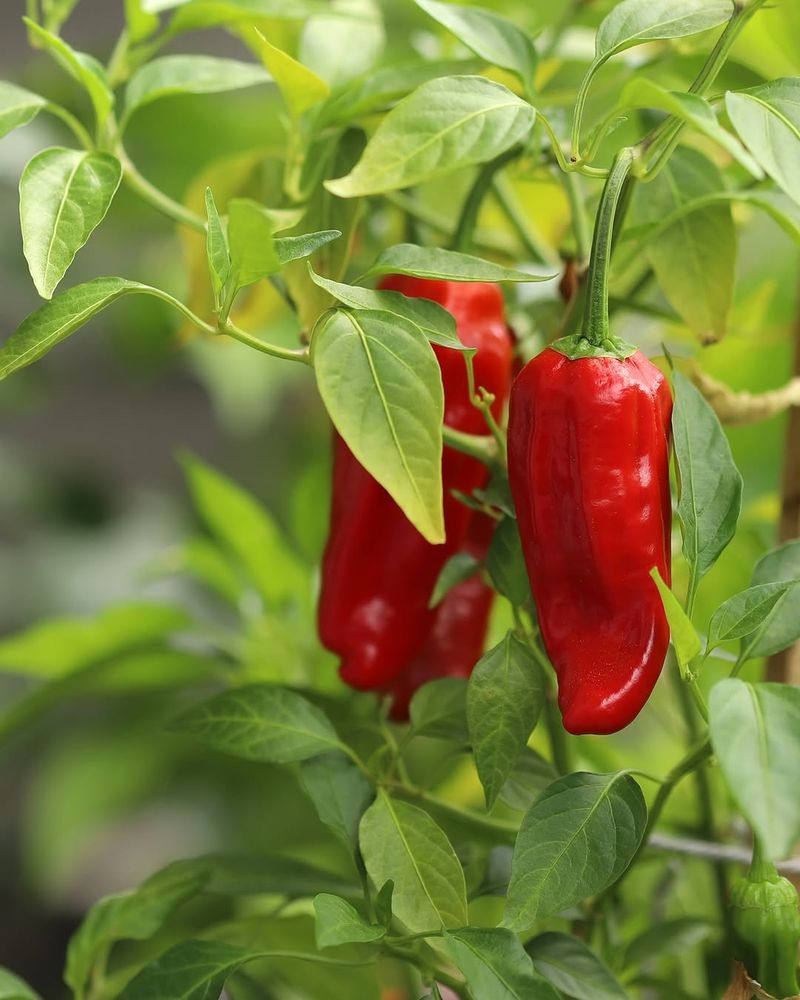
Peppers are one of those vegetables that truly thrive in California’s warm summer climate. By May, the nighttime temperatures across most of the state are warm enough for pepper plants to settle in without stress.
That is important because peppers are sensitive to cold, and a chilly night can slow their growth significantly.
Plant your pepper transplants about 18 inches apart in a bed that gets full sun. They are not heavy feeders, but a balanced fertilizer applied once a month will keep them productive all season.
Bell peppers, jalapeños, and banana peppers are all excellent choices for California home gardens.
One helpful tip is to water your pepper plants consistently. Uneven watering can cause a problem called blossom drop, where flowers fall off before they can become fruit.
Keep the soil evenly moist but never soggy. Mulching around the base of the plants also helps regulate soil temperature on those extra hot California afternoons.
Peppers planted in May will typically start producing fruit by late July and can keep going well into fall if you keep them well-watered and fed.
Your California Garden Changes Every Week. Your Plan Should Too.
Gardening in California changes quickly throughout the season. Every Friday you’ll receive a simple weekly plan showing exactly what to plant, prune, fertilize, harvest, and protect so you never miss the right timing.
3. Eggplants
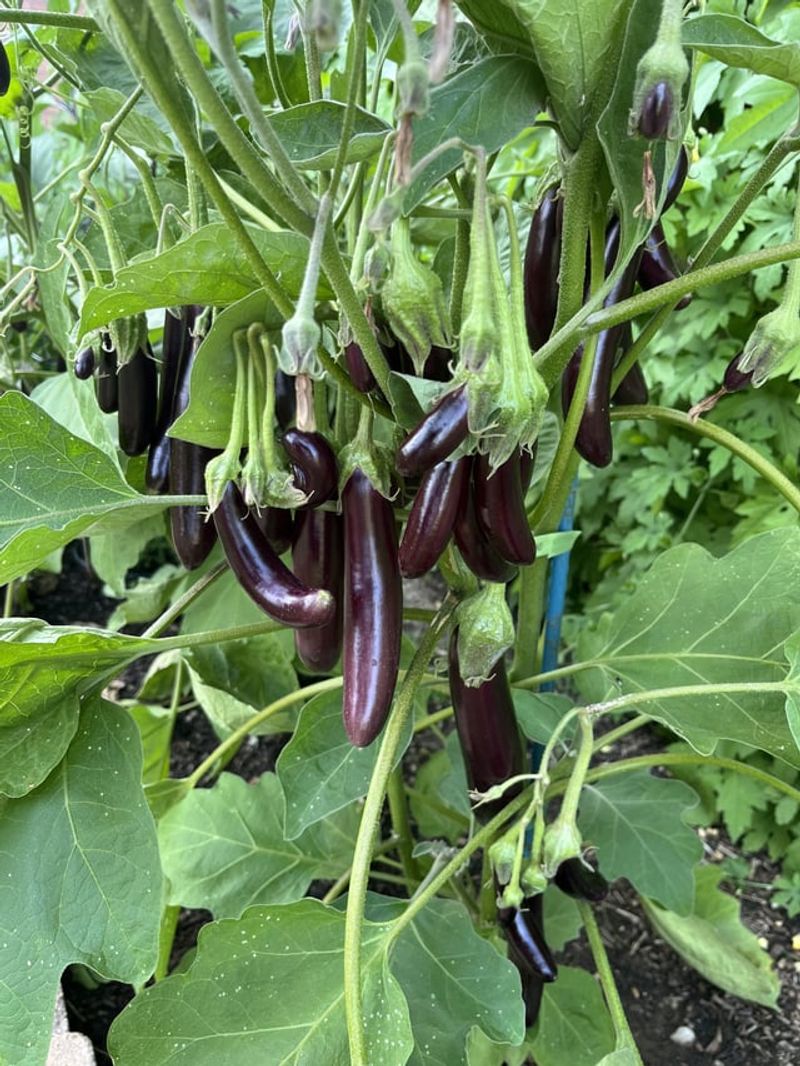
Eggplants have a reputation for being tricky, but California gardeners actually have a big advantage. This vegetable loves heat, and most parts of California have exactly the kind of long, warm summers that eggplants need to thrive.
Planting in May gives the crop enough time to mature before the season winds down.
Set transplants out in full sun and give them about 24 inches of space on all sides. Eggplants grow into fairly large, bushy plants, so they need room to spread.
Feed them with a fertilizer that is slightly higher in phosphorus to encourage strong root development and good fruit set early in the season.
Keep a close eye on pests like flea beetles, which love to chew tiny holes in eggplant leaves. A light row cover early in the season can protect young plants while they get established.
Once the plants are bigger and more established, they can handle a little pest pressure without much trouble. Most eggplant varieties take about 70 to 85 days to mature, so a May planting in California should have you harvesting beautiful, glossy fruit by late July or early August.
4. Cucumbers
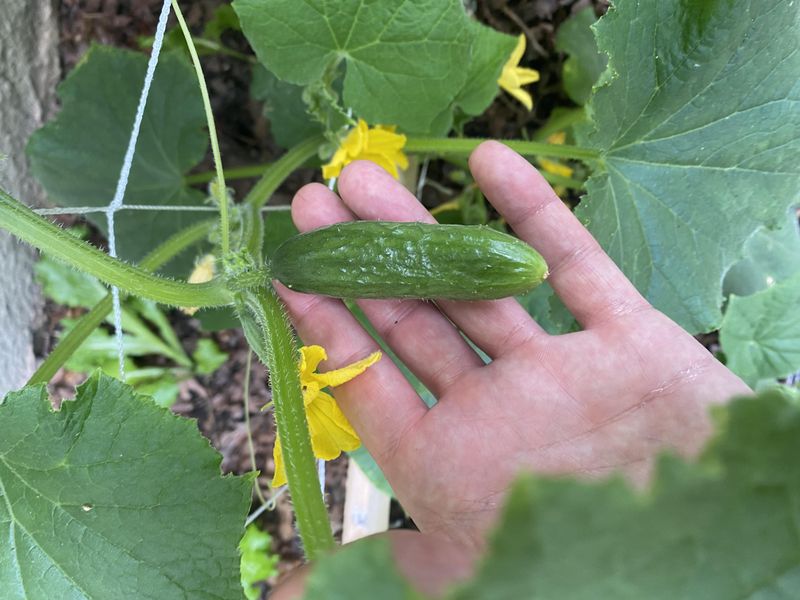
Few vegetables are as refreshing on a hot summer day as a crisp, cool cucumber fresh from the garden. The good news for California gardeners is that cucumbers grow fast and produce heavily when planted in May.
They love warm soil and sunshine, and they will reward you with fruit in as little as 50 to 60 days.
You can grow cucumbers directly from seed or from small transplants. If planting from seed, push them about an inch into the soil and keep the area moist until they sprout.
Give your plants a trellis or fence to climb because vertical growing saves space and keeps the fruit clean and easy to spot at harvest time.
Water cucumbers regularly and never let the soil dry out completely. Inconsistent moisture can cause the fruit to taste bitter, which nobody wants after all that hard work.
A side dressing of compost or a light liquid fertilizer every few weeks will keep the plants productive. Slicing varieties like Straight Eight are popular across California home gardens, but if you enjoy making pickles, try a pickling variety like National Pickling for a fun summer project.
5. Zucchini
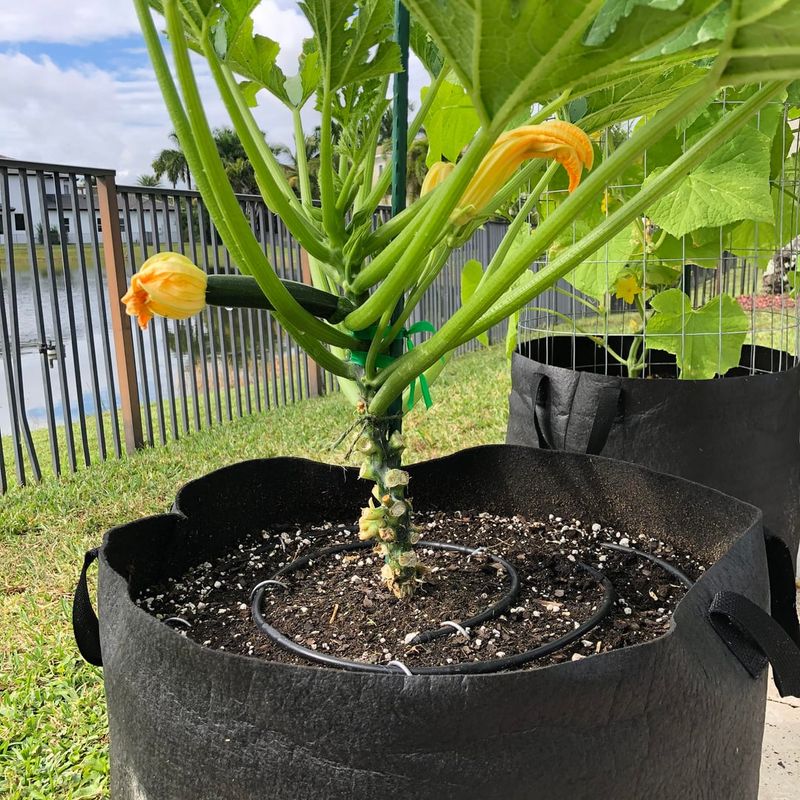
Ask any experienced California gardener about zucchini and they will probably laugh a little. This vegetable is famous for producing so much fruit that gardeners sometimes struggle to keep up with the harvest.
Planting in May means you will be picking zucchini by late June, right when summer is getting started.
Zucchini plants grow large and spread out, so give each plant at least three feet of space. They do best in full sun with rich, well-draining soil.
Work in some compost before planting to give the roots a healthy, nutrient-rich environment to grow in. One or two plants are usually enough for a small family because the harvest is that generous.
Harvest zucchini when the fruit is about six to eight inches long. At that size, they are tender and flavorful.
If you let them grow too big, they become tough and seedy. Check your plants every day or two during peak production because zucchini can go from perfect to oversized very quickly in California’s summer heat.
Zucchini also produces large yellow flowers that are edible and delicious when stuffed and lightly pan-fried, making this plant a two-in-one treat for the kitchen.
6. Bush Beans
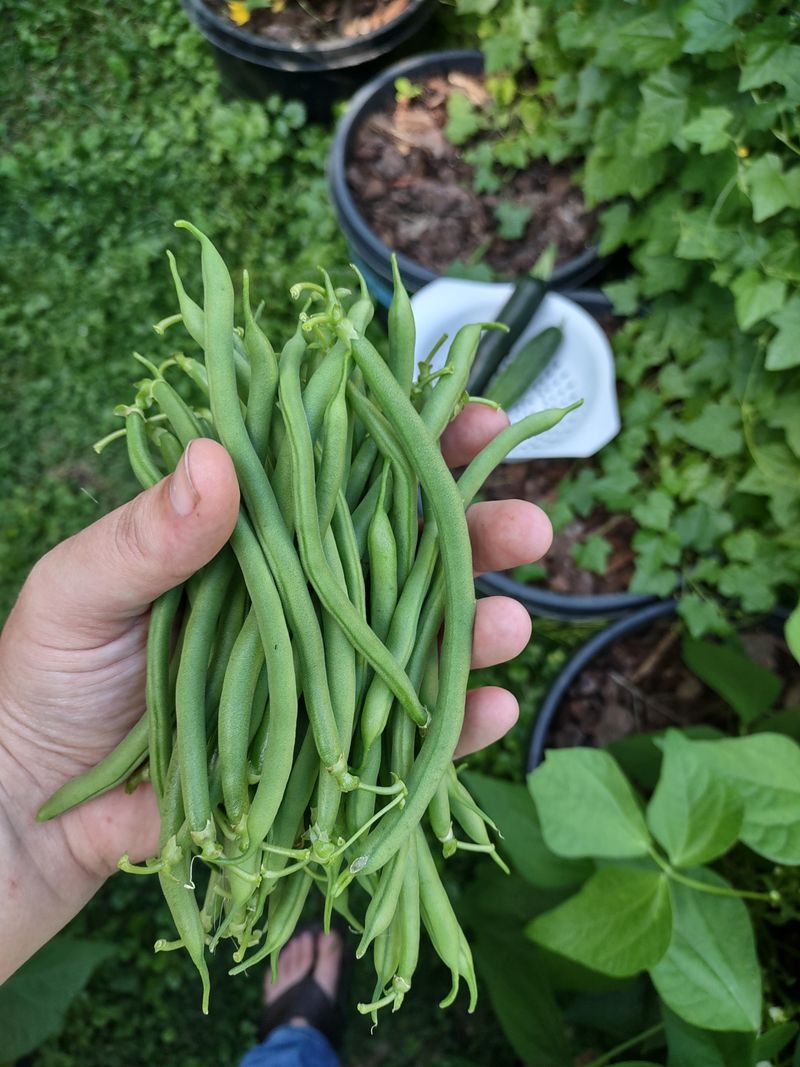
Bush beans are one of the easiest and most satisfying vegetables you can grow in a California garden. Unlike pole beans, they do not need a trellis or support structure.
They grow in a compact, tidy bush shape and produce a full crop in about 50 to 60 days from seed. That makes them a perfect May planting for a summer harvest.
Plant seeds directly in the ground about an inch deep and three inches apart. Bush beans prefer full sun and well-drained soil.
They do not need much fertilizer, especially if your soil already has some compost worked in. In fact, too much nitrogen fertilizer can cause plants to produce lots of leaves but very few pods.
Water consistently but avoid getting the leaves wet when you water because wet foliage can lead to fungal problems. Bush beans are also a smart choice for California gardeners who want to maximize small spaces.
You can plant them in raised beds, containers, or traditional rows with equal success. Varieties like Blue Lake 274 and Provider are reliable performers in California’s warm summer conditions.
Harvest the pods while they are still slim and tender for the best flavor and texture at the dinner table.
7. Corn
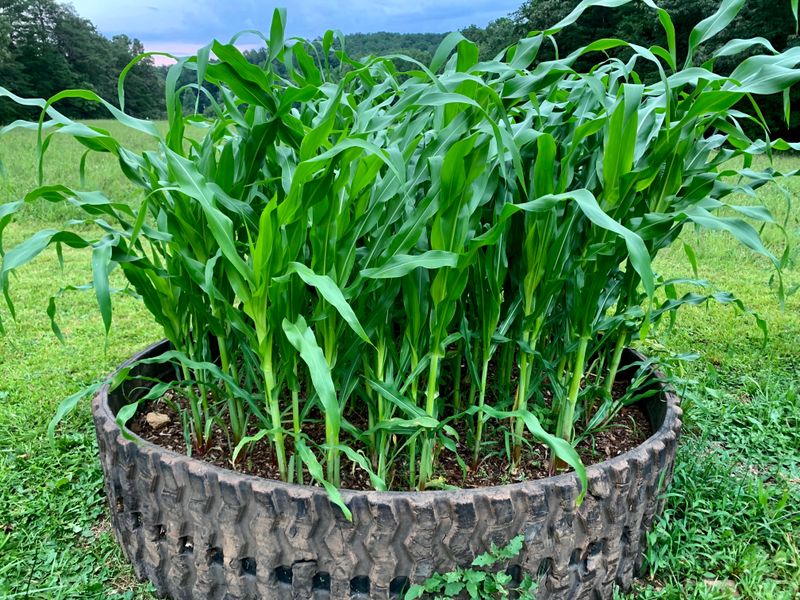
Growing your own corn is one of those garden experiences that feels genuinely special. There is something almost magical about pulling back a husk to reveal rows of plump, sweet kernels that you grew yourself.
California gardeners who plant corn in May can expect to be shucking ears by late July or early August.
Corn needs space and it needs company. Plant it in blocks of at least four rows rather than one long single row.
This block planting helps with pollination because corn is wind-pollinated. Without good pollination, you end up with ears that have missing kernels, which is disappointing after all that growing time.
Give your corn full sun, rich soil, and regular water. Corn is a heavy feeder, meaning it pulls a lot of nutrients from the soil.
Side-dress the plants with a nitrogen-rich fertilizer when they are about knee-high to support strong stalk and ear development. Sweet corn varieties like Honey Select or Silver Queen are popular across California because they produce sweet, tender ears that taste incredible fresh off the stalk.
Even a small planting of 16 to 20 plants can give a family several meals worth of homegrown corn throughout the summer season.
8. Melons
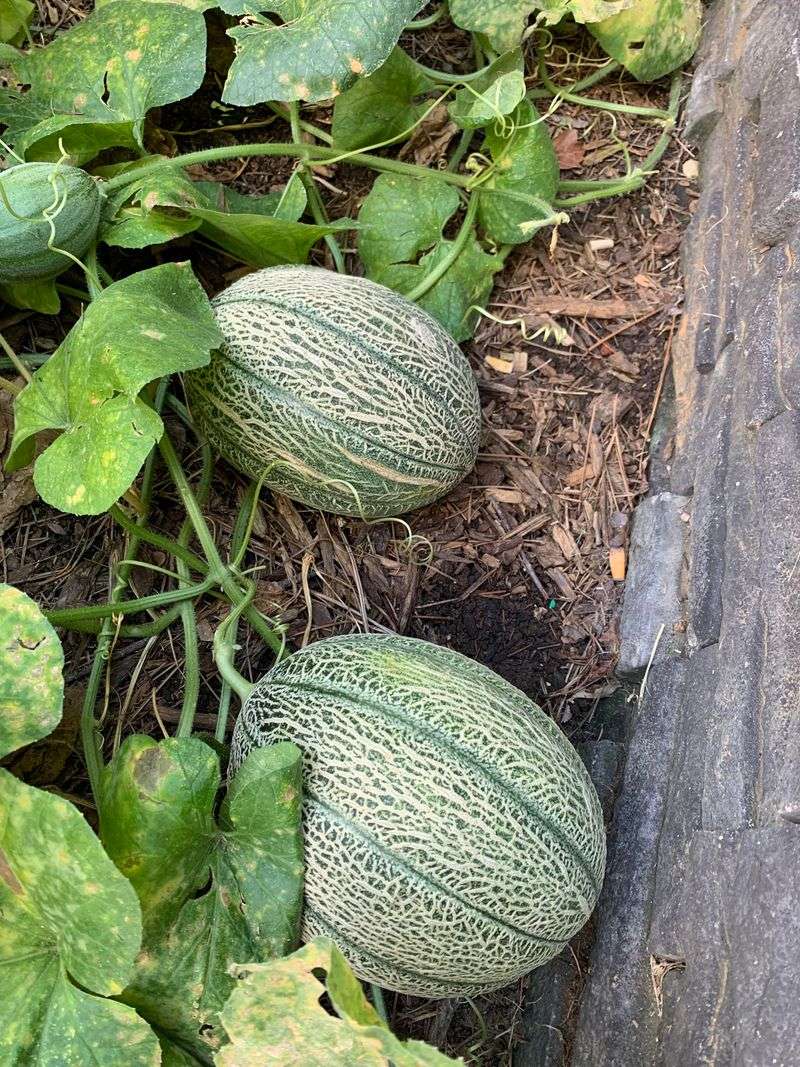
Melons are the ultimate summer reward for California gardeners. They need heat, sunshine, and time, and California has all three in abundance.
May is actually one of the best months to get melon seeds or transplants in the ground because the soil is warm and the growing season ahead is long enough for most varieties to fully ripen.
Cantaloupes, honeydew, and watermelons all do well in California’s warm interior valleys and sunny coastal regions. Give each plant plenty of room because melon vines can spread six feet or more in every direction.
A sunny raised bed or a large open area works best. Amend the soil with compost before planting to give the roots a rich, moisture-retaining base to grow from.
Water deeply and consistently, but reduce watering slightly as the fruit approaches full ripeness. This technique concentrates the sugars in the flesh and makes the melon sweeter.
A ripe cantaloupe will slip easily from the vine when you give it a gentle tug. Watermelons are ripe when the tendril nearest the fruit turns brown and dry.
Both are signs worth watching for carefully. Melons planted in May across California should be ready to enjoy from mid-August through September.
9. Okra
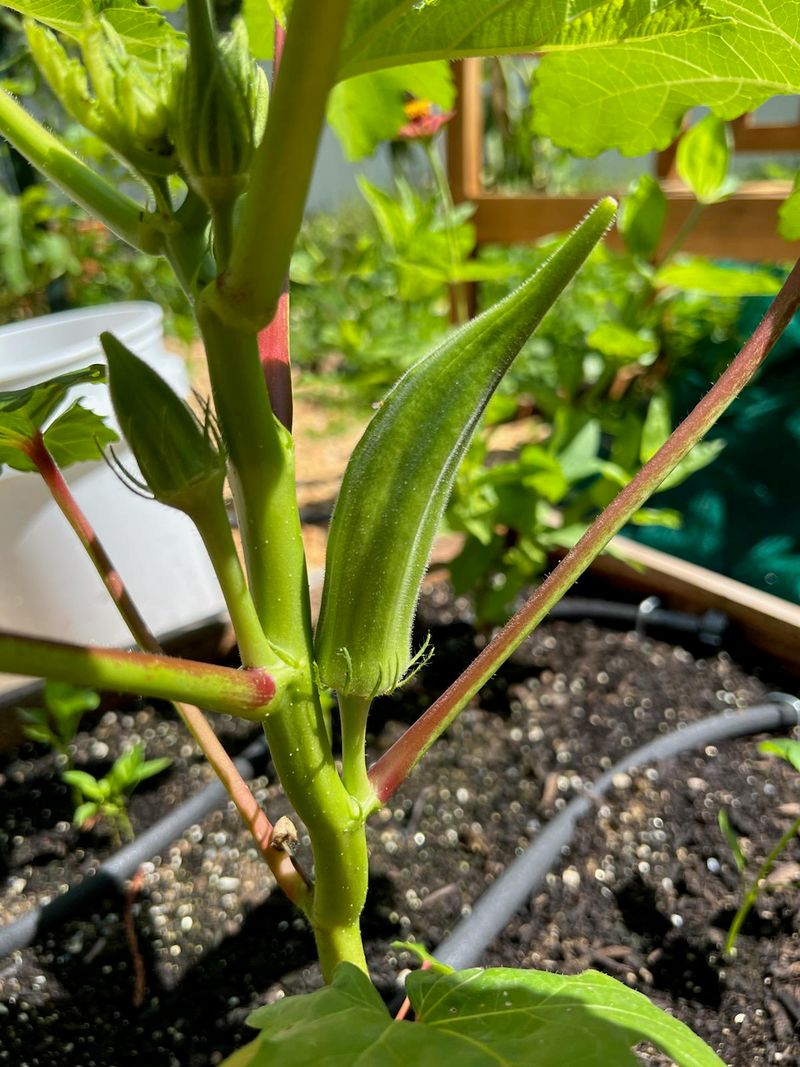
Okra might not be the first vegetable that comes to mind for a California garden, but it absolutely should be. This Southern favorite thrives in hot weather, and California summers deliver exactly the kind of heat that okra craves.
Once established, okra plants are tough, productive, and surprisingly beautiful with their large, hibiscus-like flowers.
Plant okra seeds directly in the garden after the soil has warmed up, which is easy to achieve by May across most of California. Soak the seeds in water overnight before planting to speed up germination.
Space plants about 18 inches apart in full sun. Okra can grow quite tall, sometimes reaching five or six feet, so plant it where it will not shade out smaller vegetables nearby.
Harvest the pods when they are two to four inches long. At that size they are tender and flavorful.
Pods that are allowed to grow too large become tough and fibrous. Check plants every day or two during peak season because okra grows quickly in California’s summer heat.
Okra is delicious roasted, grilled, stir-fried, or added to soups and stews. It is also rich in fiber and vitamins, making it a healthy and productive addition to any California summer garden.
10. Sweet Potatoes
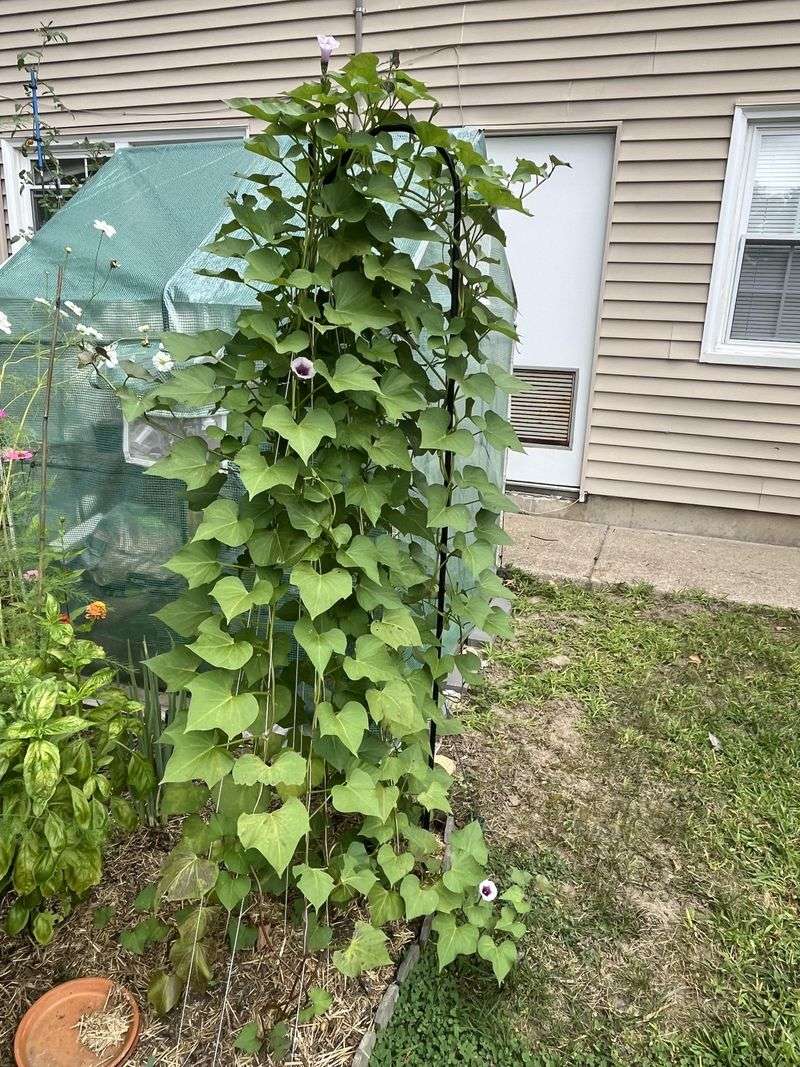
Sweet potatoes are a fantastic long-season crop that California gardeners can get started in May. They love heat, they tolerate dry spells better than most vegetables, and they produce a generous harvest of nutritious, delicious tubers by fall.
The key is getting them in the ground early enough to give the roots time to develop fully.
Sweet potatoes are grown from slips, which are small rooted cuttings taken from a mature sweet potato. You can buy slips from a nursery or order them online.
Plant the slips about 12 inches apart in loose, well-draining soil. Raised beds work especially well because the loose soil gives the tubers room to expand without resistance.
Once established, sweet potato vines spread quickly and can cover a large area of ground. This is actually helpful because the dense vines act as a living mulch, shading the soil and reducing moisture loss during California’s hot summer months.
Water deeply once or twice a week and avoid over-fertilizing with nitrogen, which encourages lots of vine growth at the expense of tuber development. Most varieties take about 90 to 120 days to mature, so a May planting puts harvest right around September or October across most of California.
11. Pumpkins
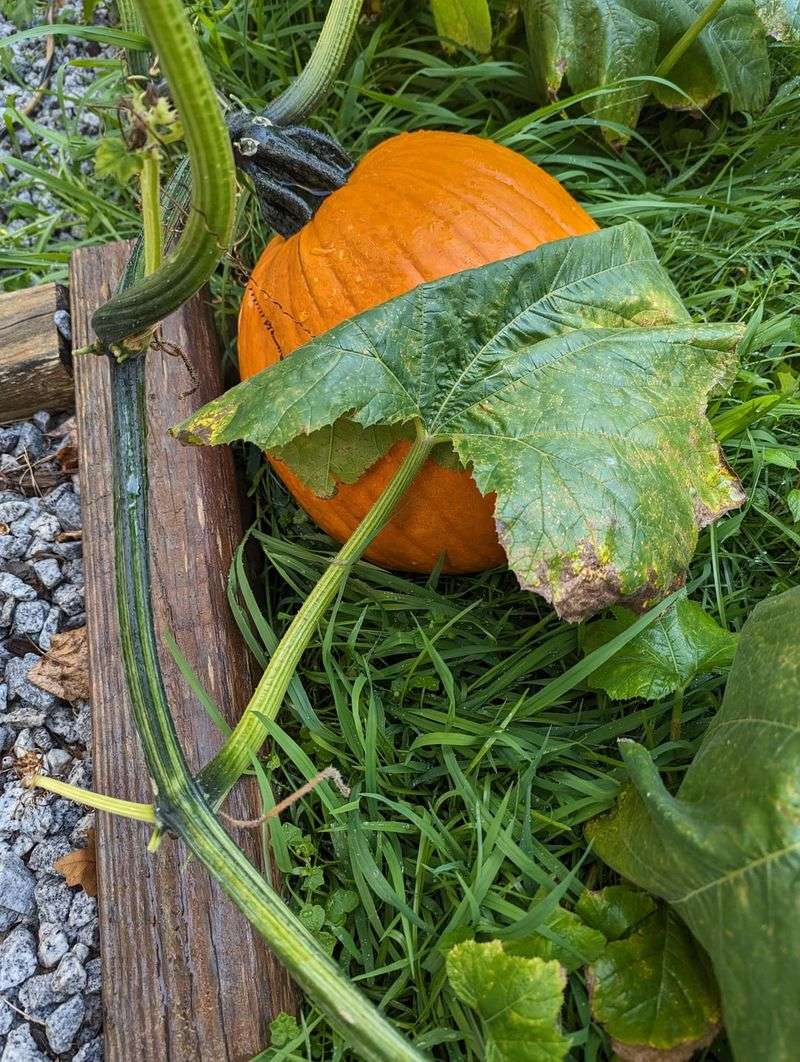
Planting pumpkins in May is one of the smartest moves a California gardener can make. Most pumpkin varieties need 90 to 120 days to reach full maturity, which means a May planting lines up perfectly for a September or October harvest.
That timing is ideal whether you want pumpkins for fall decorating, Halloween carving, or baking into pies.
Choose a spot with full sun and plenty of open ground because pumpkin vines spread aggressively. Some varieties can send vines 10 feet or more in every direction.
If space is limited, look for bush-type or smaller pie pumpkin varieties that stay more compact. Prepare the soil by mixing in generous amounts of compost to give the plants a rich, fertile base.
Plant two or three seeds per hill and thin to the strongest one or two seedlings once they sprout. Water deeply and regularly, especially during the hot California summer months when the soil can dry out quickly.
Once the fruit starts to develop, reduce watering slightly to help the skin toughen up. A layer of straw or cardboard under developing pumpkins keeps them off the damp soil and helps prevent rot.
Pumpkins are a fun and rewarding crop that the whole family can enjoy from planting all the way through harvest.