The California Plants You Should Never Let Dry Out In May
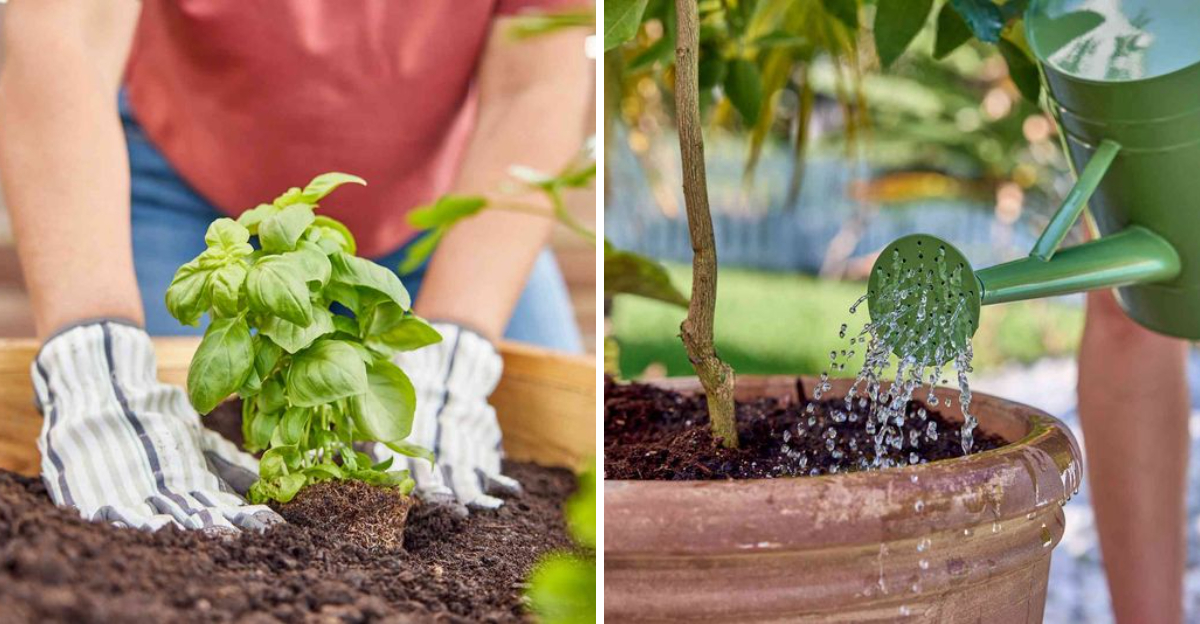
May in California has a sneaky side. One day the garden feels comfortably springlike, and the next, the sun is stronger, the breeze is drier, and your soil seems to lose moisture at record speed.
A bed that looked nicely watered in the morning can feel suspiciously thirsty by late afternoon. Containers, raised beds, and fresh plantings are especially good at keeping gardeners humble this time of year.
Part of the challenge is that California does not garden on one shared schedule.
Coastal yards may hang onto moisture a bit longer, while inland valleys, foothills, and warmer Southern California spots can dry out so fast it feels a little rude.
Plants notice that shift quickly, even when gardeners are still adjusting. Some can shrug it off, but others start struggling the moment their roots go too dry.
Knowing which plants need closer attention in May can make a huge difference, helping your garden stay healthier, more productive, and far less dramatic as late spring rolls along.
1. Tomatoes That Have Recently Been Transplanted
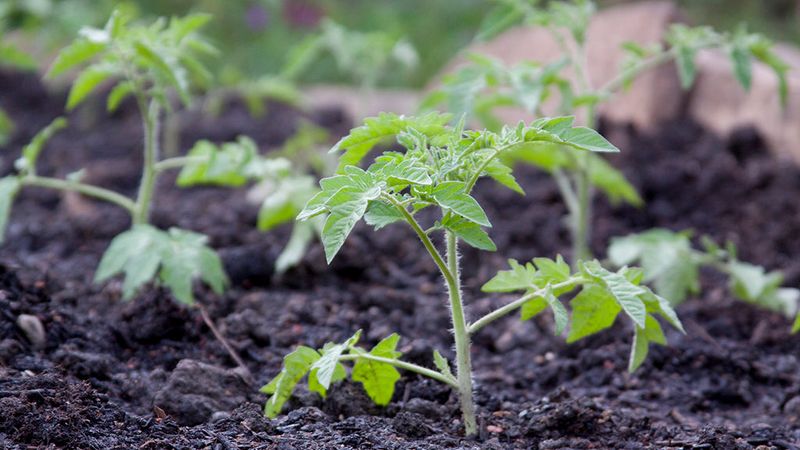
Walking out to your garden on a warm May afternoon to find your newly transplanted tomatoes looking wilted and limp is one of those discouraging moments every California gardener eventually faces.
Young tomato transplants are especially vulnerable this time of year because their root systems are still small and have not yet spread deep into the soil.
The roots they do have are shallow, and shallow roots dry out much faster than established ones.
In California, May temperatures can rise quickly, especially in inland valleys and warmer inland areas. That heat, combined with dry winds, pulls moisture from both the soil surface and the plant leaves faster than most gardeners expect.
A transplant that looks healthy in the morning can show stress signs by mid-afternoon if the soil dries out too quickly.
Check the soil around your transplants daily, not just by looking at the surface but by pressing a finger about an inch or two into the ground.
Water deeply when the top inch feels dry, and consider using a layer of mulch around the base to slow evaporation.
Consistent moisture during this establishment period helps roots settle in and spread, which sets the plant up for a much stronger summer growing season.
2. Lettuce And Salad Greens
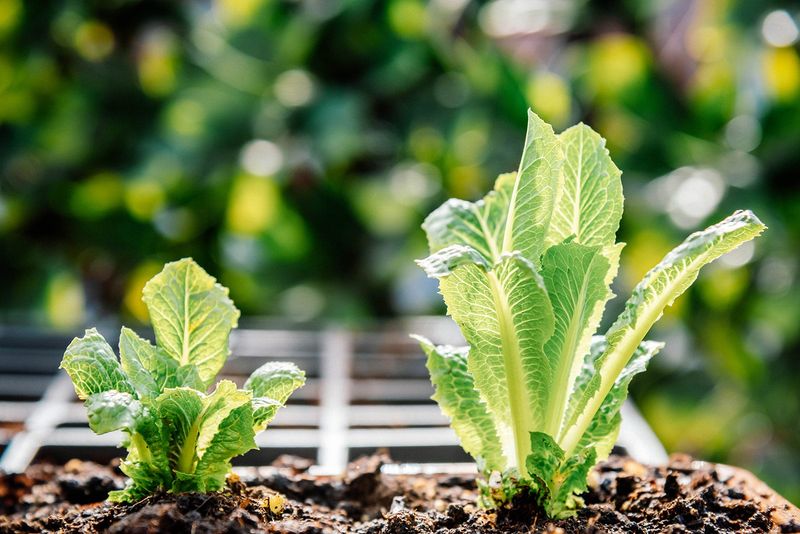
Salad greens are among the most rewarding things to grow in a California spring garden, but they are also some of the most sensitive to heat and dry conditions in May.
Lettuce has a shallow root system that stays close to the soil surface, which means it depends heavily on the top few inches of soil staying consistently moist.
Once that surface layer dries out, the plant stresses quickly.
In warmer parts of California, May afternoons can push temperatures well above what lettuce prefers. When greens get too warm and too dry at the same time, they start to bolt, meaning they send up a flower stalk and the leaves turn bitter.
That process can happen faster than you might think, sometimes within just a day or two of heat stress.
Your California Garden Changes Every Week. Your Plan Should Too.
Gardening in California changes quickly throughout the season. Every Friday you’ll receive a simple weekly plan showing exactly what to plant, prune, fertilize, harvest, and protect so you never miss the right timing.
Watering lettuce in the morning gives the soil a chance to absorb moisture before the hottest part of the day arrives. A light layer of straw or shredded mulch over the soil helps hold that moisture in longer.
In hotter inland California areas, some afternoon shade from a taller plant or a shade cloth can also help lettuce stay cooler and reduce how quickly it dries out between waterings.
3. Newly Planted California Native Plants Still In Their First Year
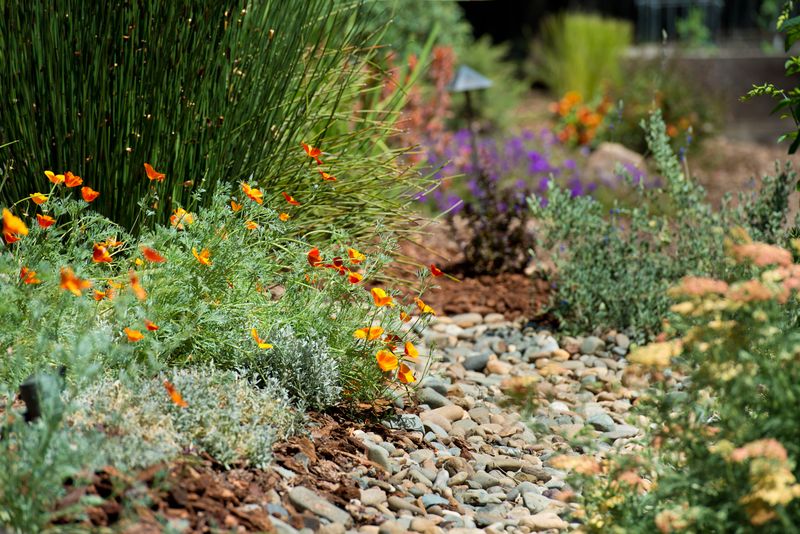
There is a common misconception that California native plants do not need much water. That is largely true once they are fully established, but during their first year in the ground, especially through a warm May, they can be surprisingly thirsty.
The root system of a newly planted native is still getting organized, still reaching out into surrounding soil, and still learning to fend for itself.
May is a critical month for first-year natives across California because the rainy season has typically wound down and warm, dry conditions are setting in.
Without supplemental water during this transition, young plants can struggle even if they are species that will eventually thrive with little to no irrigation.
Stress during the first growing season can slow establishment significantly and weaken the plant heading into summer.
The goal is not to keep the soil constantly wet, since good drainage is still important for most natives. Rather, water deeply but less frequently, allowing the soil to dry out somewhat between sessions.
Check the soil a few inches below the surface to judge moisture levels rather than relying on surface appearance alone.
A generous layer of mulch around the base helps slow evaporation and keeps roots cooler as California afternoons warm up through the month.
4. Strawberries During Active Fruiting
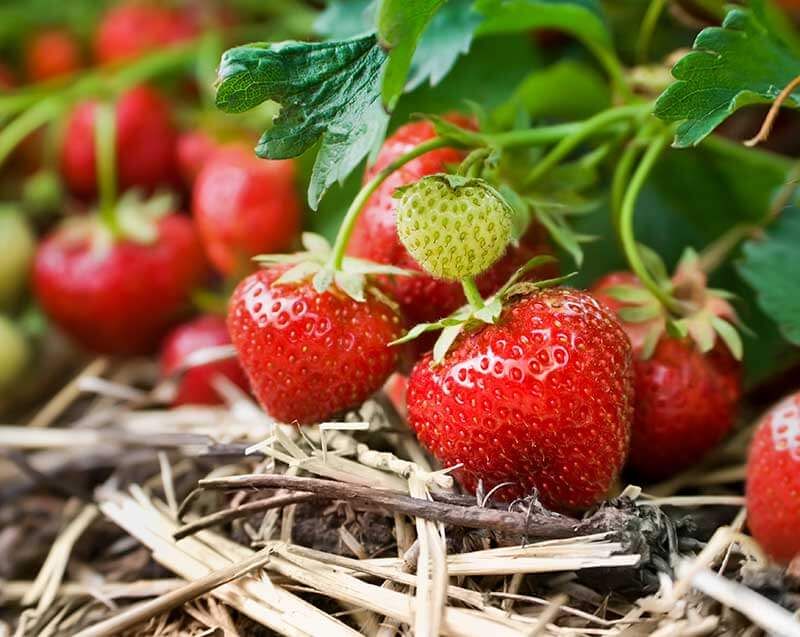
Few things are more satisfying than picking a ripe strawberry straight from the garden, and May is often peak fruiting time for strawberries across many parts of California. But that exciting burst of fruit production also puts real demands on the plant.
Developing berries are mostly water, and if the soil dries out during this stage, the fruit can end up small, misshapen, or flavorless.
Strawberry roots are relatively shallow, which makes them quick to feel the effects of a dry spell. In California, May sun and rising temperatures can dry out the top layer of soil fast, especially in raised beds or sandy soils that drain quickly.
A plant that is carrying a heavy fruit load has even less tolerance for inconsistent moisture than a plant that is just growing leaves and runners.
Watering strawberries at the base rather than overhead helps keep the fruit dry and reduces the risk of mold or rot on developing berries.
A thin layer of straw mulch around the plants does double duty by holding soil moisture in and keeping the berries off the dirt.
Check soil moisture every day or two during active fruiting, and aim to keep the soil evenly moist without letting it get waterlogged. Even moisture during this window makes a real difference in berry quality.
5. Citrus Trees, Especially Young Or Container-Grown Ones
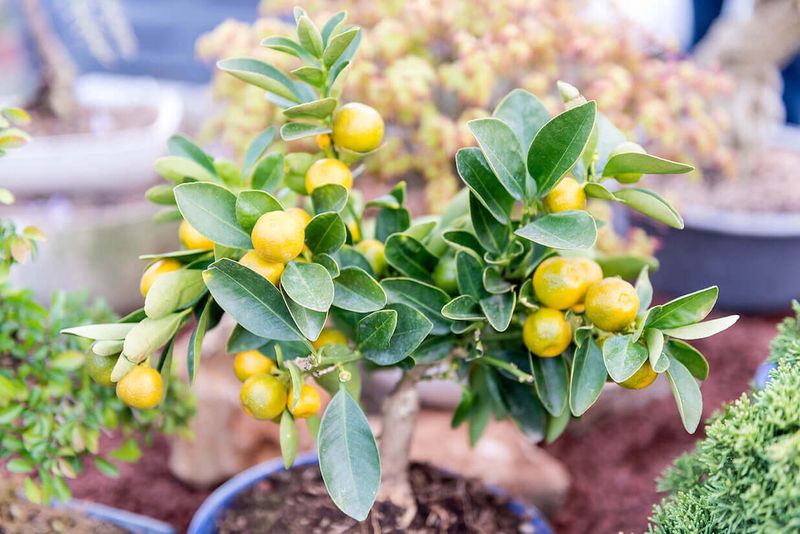
Citrus trees are practically synonymous with California gardening, and for good reason. They thrive in the state’s warm climate and reward patient gardeners with fragrant blossoms and plenty of fruit.
In May, however, young citrus trees and those growing in containers need closer attention to watering than many people realize.
Young citrus trees have not yet developed the deep, wide root systems that help mature trees find water on their own.
Container-grown citrus faces an even bigger challenge because the roots are limited to whatever space the pot allows, and containers dry out much faster than garden beds.
On a warm May afternoon in California, a container can go from moist to bone dry within a day or two, especially if the pot is small or sits in direct sun.
Signs of water stress in citrus include slightly curling leaves, a dull appearance to the foliage, and in more serious cases, leaf drop.
Checking soil moisture regularly and watering when the top two inches feel dry is a reliable approach for container-grown trees.
For young in-ground citrus, deep, infrequent watering encourages roots to grow downward. Mulching around the base of in-ground trees helps retain soil moisture through the warming May weeks and reduces how often supplemental watering is needed.
6. Basil Seedlings And Young Transplants
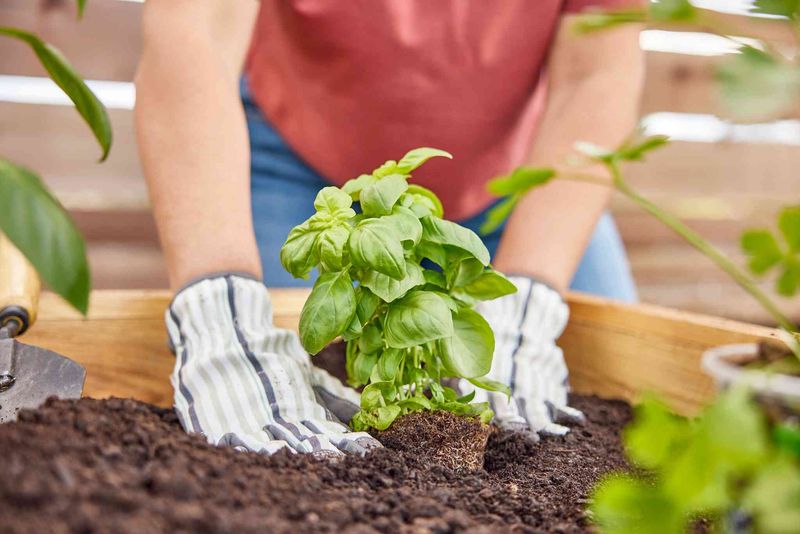
Basil is one of those herbs that seems like it should be easy, and it often is once it gets going, but the seedling and young transplant stage in May is where many California gardeners lose their plants before they ever get a chance to flourish.
Young basil has a small, delicate root system that dries out quickly, and the plant is sensitive to both heat stress and inconsistent watering.
In California, May brings the kind of warm, sunny days that basil loves, but the same conditions that make basil happy can also dry out the soil around its roots faster than expected.
A seedling that misses even one good watering during a warm stretch can wilt dramatically.
While basil can often bounce back from mild wilting if watered promptly, repeated stress stunts its growth and makes it more prone to other problems.
Keep the soil around basil consistently moist but not soggy, since basil does not like sitting in wet, poorly drained soil either. Morning watering works well because it gives the plant moisture before the heat of the day peaks.
For seedlings in small pots or trays, check moisture daily since small containers lose water fast.
Once basil plants are larger and more established, they become somewhat more forgiving, but the early weeks in May are when consistent moisture matters most.
7. Fuchsias, Particularly In Warmer Inland Areas
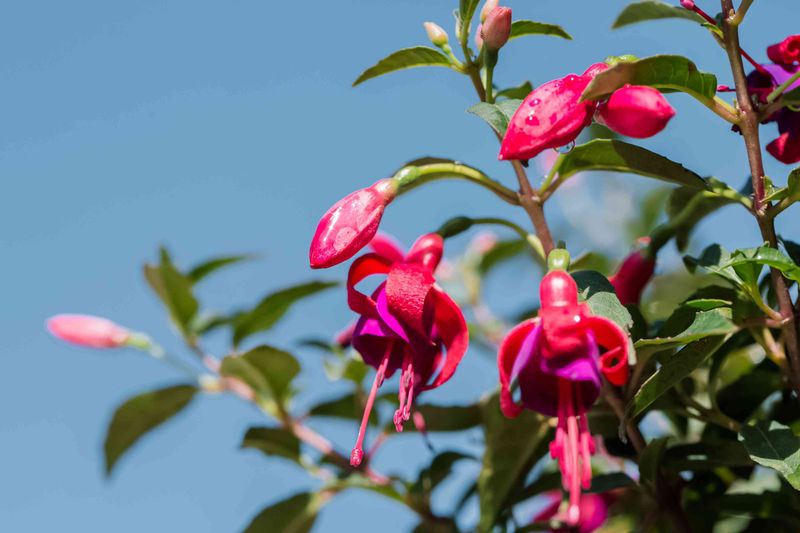
Fuchsias are the dramatic showstoppers of the California garden world, with their dangling, jewel-toned blossoms that seem almost too elaborate to be real.
They are popular in hanging baskets and containers across the state, and they tend to thrive in cooler coastal conditions.
But in warmer inland areas of California, May can be a stressful month for these plants if watering slips even a little.
Fuchsias in hanging baskets are especially prone to drying out because baskets expose more surface area to air and wind, which speeds up evaporation.
A fuchsia that dries out completely will drop its buds and blossoms in a hurry, which is a frustrating setback after weeks of waiting for those beautiful flowers to open.
In inland California areas where May afternoons can be genuinely hot, baskets may need watering once a day or even more during peak heat.
The trick with fuchsias is to water thoroughly until water drains from the bottom, then let the top layer dry slightly before watering again. Keeping the basket in a spot with morning sun and afternoon shade helps reduce how fast the soil dries out.
Regular watering combined with some protection from harsh afternoon heat gives fuchsias in warmer California gardens the best chance at staying lush and blooming through the late spring season.
8. Container-Grown Plants Of Nearly Any Variety
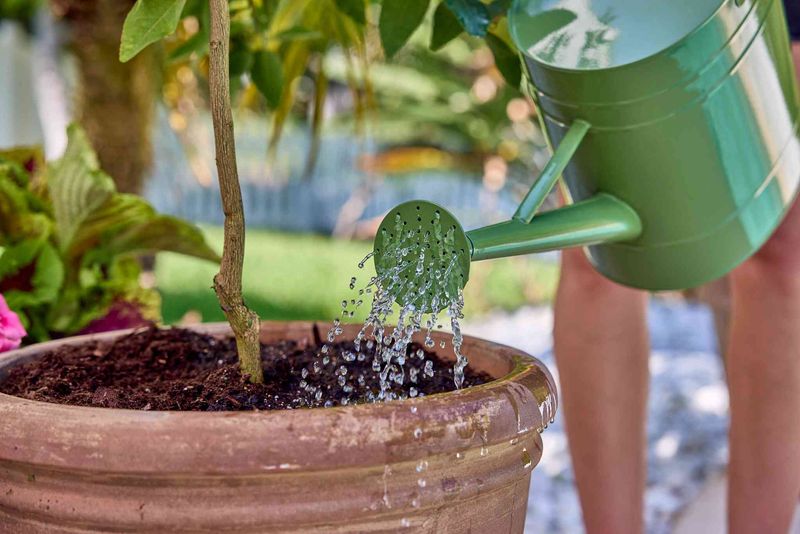
Container gardening is enormously popular in California, and for good reason. Pots and planters let gardeners grow plants on patios, balconies, and small spaces where in-ground planting is not an option.
But containers come with a consistent challenge: they dry out fast, and in May, they can dry out very fast.
Unlike garden beds where roots can reach deeper, cooler, moister soil, container roots are confined to whatever volume of potting mix the pot holds.
Potting mix tends to dry out more quickly than native garden soil, and on a warm May day in California, a container sitting in direct sun can lose moisture surprisingly fast.
Smaller pots dry out faster than larger ones, and terracotta pots dry out faster than plastic or glazed ceramic ones.
Checking containers daily is a good habit throughout May. Lift the pot if it feels light, or press a finger into the soil about an inch deep to check moisture.
Water until it drains freely from the bottom, which ensures the entire root zone gets moisture rather than just the surface. Grouping containers together can help them retain humidity around their leaves and slow down individual drying.
Moving pots to a spot with afternoon shade during the hottest weeks of May can also reduce how often watering is needed without sacrificing plant health.
9. Roses During Their Spring Flush
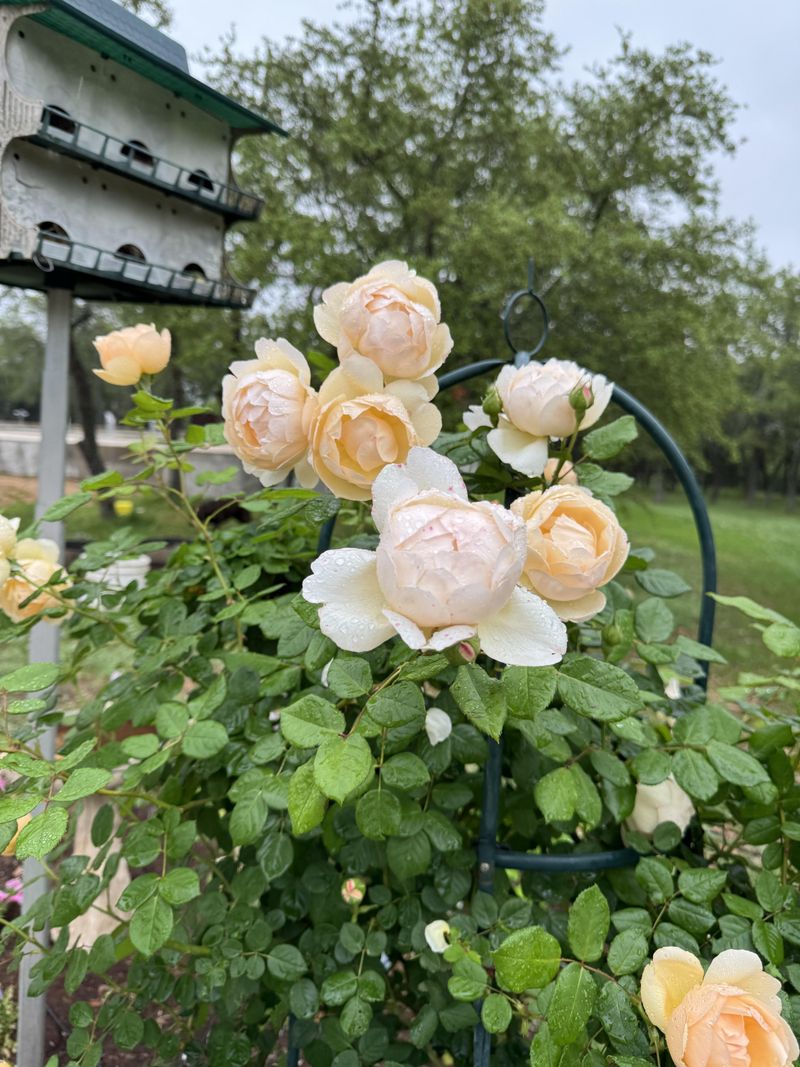
May is one of the most exciting months for rose growers in California. The spring flush, which is that first big wave of blooms after winter dormancy, is often at or near its peak, and the plants are working hard to push out as many flowers as possible.
All that flowering activity takes energy and water, and roses that dry out during this period can lose their blooms faster than expected.
Established roses have deeper root systems than many garden plants, which gives them some resilience, but they still need consistent moisture during active blooming.
In warmer parts of California, May afternoons can be dry and windy, pulling moisture from both the soil and the plant.
When roses experience drought stress during the spring flush, they may drop petals early, produce smaller flowers, or show leaf scorch on the edges.
Watering roses deeply and less frequently encourages roots to grow downward, which improves drought resilience over time. A deep soak two or three times per week during warm May weather is often more beneficial than a light daily sprinkle.
Applying a few inches of mulch around the base of each plant helps keep soil moisture from evaporating too quickly.
Avoid wetting the foliage when possible, since wet leaves can encourage fungal issues that are already a concern during California’s spring rose season.
10. Newly Seeded Or Freshly Laid Lawn Areas
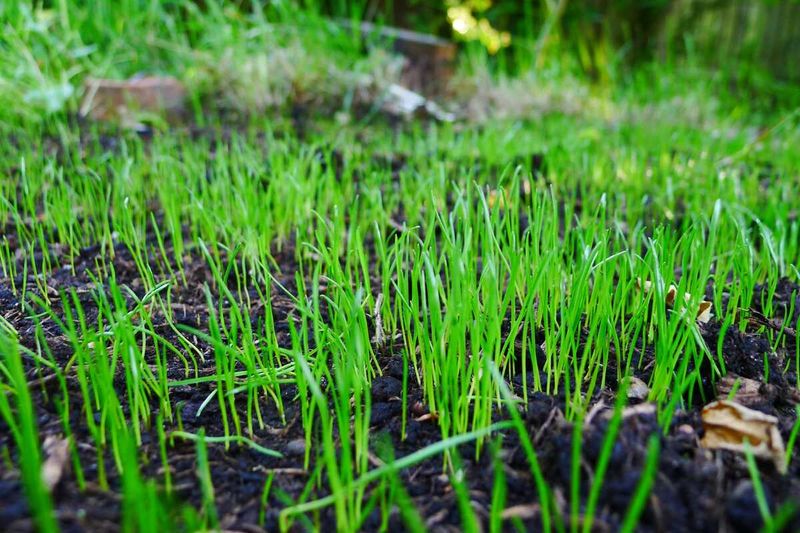
Starting a new lawn from seed or laying fresh sod in May in California requires a real commitment to consistent watering.
New grass seed needs the soil surface to stay moist almost continuously during germination, and freshly laid sod needs steady moisture while its roots knit into the soil below.
Let either one dry out for even a short period and the results can be disappointing.
The challenge in California is that May brings warmer temperatures, lower humidity in many regions, and sometimes drying winds that pull moisture from the soil surface quickly.
Germinating grass seed is especially vulnerable because the tiny sprouts have no established roots to draw from.
If the surface dries out before sprouts get their footing, the germination process stalls or the young seedlings shrivel before they have a real chance.
For new seed, light, frequent watering several times a day may be needed to keep the surface consistently moist until germination is well underway.
Once the grass is up and growing, watering frequency can gradually be reduced and depth increased to encourage deeper rooting.
For fresh sod, daily deep watering for the first several weeks is typically recommended. Watering in the early morning helps reduce evaporation and gives the new lawn time to absorb moisture before California’s afternoon warmth takes over.