8 Flowering Shrubs You Can Plant In May In Georgia
May is one of those months when Georgia gardens suddenly feel full of possibility. Nurseries are packed with flowering shrubs, the soil has warmed up nicely, and it becomes very hard to leave the garden center with just one plant.
A quick trip for mulch somehow turns into a cart full of blooms every single time. It is basically a seasonal tradition at this point.
Even with summer heat getting closer, there is still time to plant container-grown shrubs and help them settle into the landscape before the hottest stretch of the season arrives.
The key is choosing varieties that can handle Georgia’s warm, humid conditions and giving them a little extra attention while they establish.
A fresh flowering shrub can completely change the look of a yard, adding color, texture, and that “something was missing here” feeling you did not realize your garden needed.
1. Hydrangeas Add Big Blooms To Shaded Beds
Few shrubs can transform a shaded corner of a Georgia yard quite like a hydrangea in full bloom.
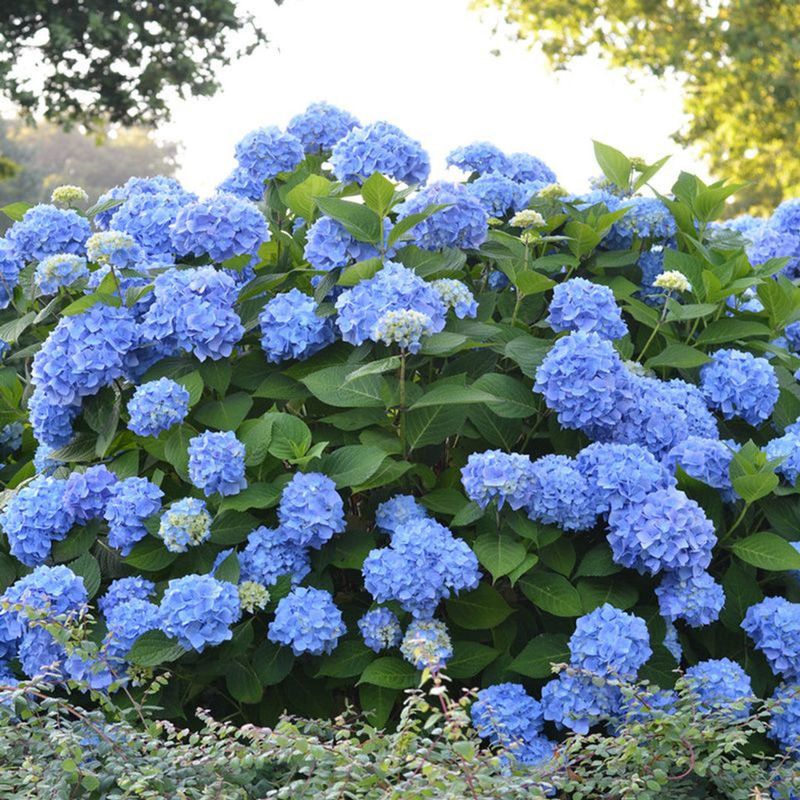
Those oversized flower clusters, often ranging from soft white to deep blue or rosy pink, make hydrangeas one of the most recognized flowering shrubs at any nursery in May.
Container-grown plants are easy to find right now, and many are already showing their first blooms of the season.
In Georgia, bigleaf hydrangeas do especially well in spots that receive morning sun and afternoon shade, which helps protect the blooms from intense summer heat.
Smooth hydrangeas and oakleaf hydrangeas are also strong choices for Georgia landscapes, with oakleaf varieties being native to the Southeast and naturally adapted to the region’s summers.
Planting near a fence line, along a shaded foundation, or beneath tall trees can give hydrangeas the filtered light they tend to favor.
When planting in May, dig a hole twice as wide as the root ball and water deeply right after planting. Newly planted hydrangeas may need watering every day or two during dry spells as Georgia’s temperatures climb.
Applying a layer of mulch around the base helps retain soil moisture and keeps roots cooler through summer. Avoid planting in low spots where water tends to pool after rain, as hydrangeas prefer well-drained but consistently moist soil.
2. Butterfly Bush Brings Color For Pollinators
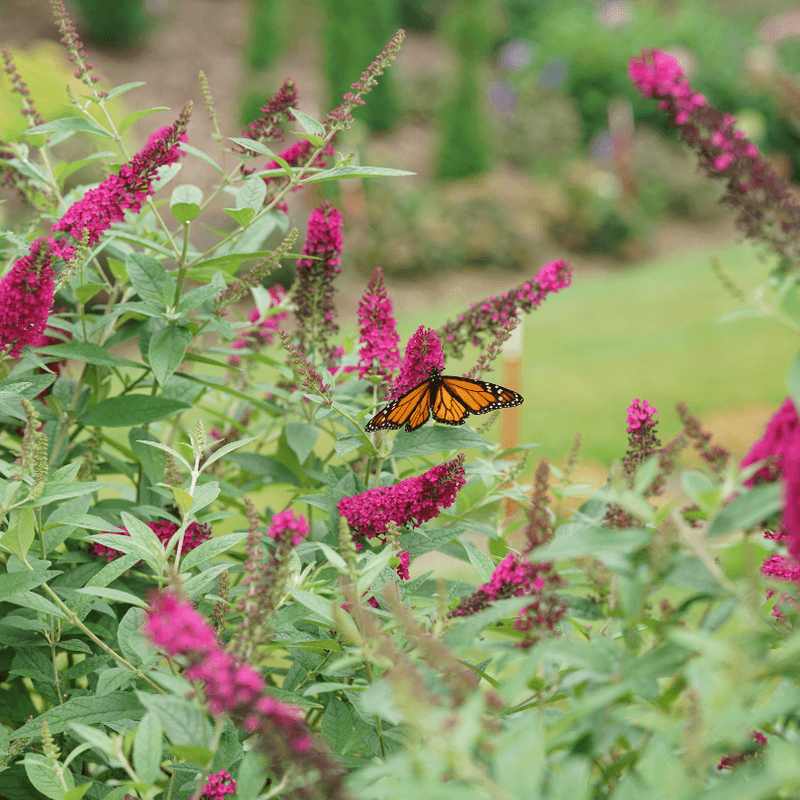
Walk past a butterfly bush on a warm Georgia afternoon and you will likely spot at least one butterfly hovering near those long, cone-shaped flower spikes.
Buddleia, as it is botanically known, produces blooms in shades of purple, pink, white, and deep magenta that draw in pollinators from midsummer through early fall.
Planting one in May gives the shrub time to establish roots before the peak of summer heat arrives.
Butterfly bush thrives in full sun and tolerates the heat and humidity that Georgia summers are known for. It tends to grow quickly once established, often reaching four to six feet tall within a season or two.
Gardeners often place butterfly bushes near vegetable gardens, pollinator beds, or sunny borders where their tall flower spikes can serve as a visual focal point while also supporting local bee and butterfly populations.
Your Georgia Garden Changes Every Week. Your Plan Should Too.
Gardening in Georgia changes quickly throughout the season. Every Friday you’ll receive a simple weekly plan showing exactly what to plant, prune, fertilize, harvest, and protect so you never miss the right timing.
One thing to keep in mind is that butterfly bush can spread aggressively in some regions. Choosing sterile or low-seed cultivars, which are widely available at Georgia nurseries, helps reduce the chance of unwanted spread.
Water new transplants consistently through their first few weeks, especially if May brings dry spells.
Deadheading spent blooms throughout the season encourages the shrub to keep producing fresh flower spikes and extends the pollinator activity in your garden well into autumn.
3. Spirea Adds Soft Flowers Along Borders
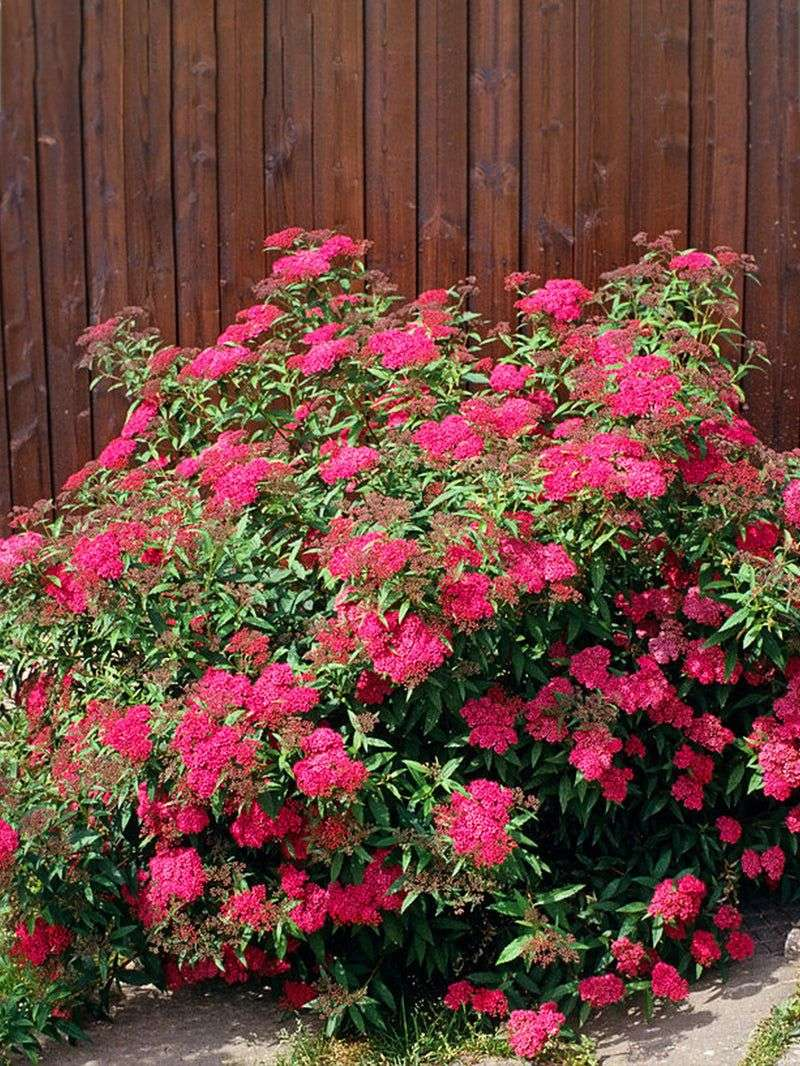
Spirea is the kind of shrub that earns its place in a Georgia landscape without demanding a lot of attention.
Its arching branches covered in clusters of small flowers, typically white or pink depending on the variety, create a soft, flowing look that works beautifully along borders, walkways, and foundation plantings.
May is a fine time to get container-grown spirea into the ground before summer heat intensifies.
Bridal wreath spirea is one of the most familiar varieties, producing cascading white blooms in spring that can stop a passerby in their tracks.
Japanese spirea cultivars like ‘Anthony Waterer’ and ‘Goldmound’ bloom later in the season and offer colorful foliage that adds visual interest even after the flowers fade.
Both types tend to adapt well to Georgia’s varied soil conditions and generally tolerate summer heat once their root systems are established.
Spirea grows best in full sun to light partial shade and prefers well-drained soil. When planting in May, water the root ball thoroughly before placing it in the hole, and backfill with the native soil rather than heavily amended mixes.
A two-to-three inch layer of mulch helps hold moisture during dry stretches. Spirea is also relatively forgiving once established, making it a practical choice for Georgia gardeners who want reliable seasonal color without a complicated care routine.
4. Hardy Hibiscus Creates Bold Summer Blooms
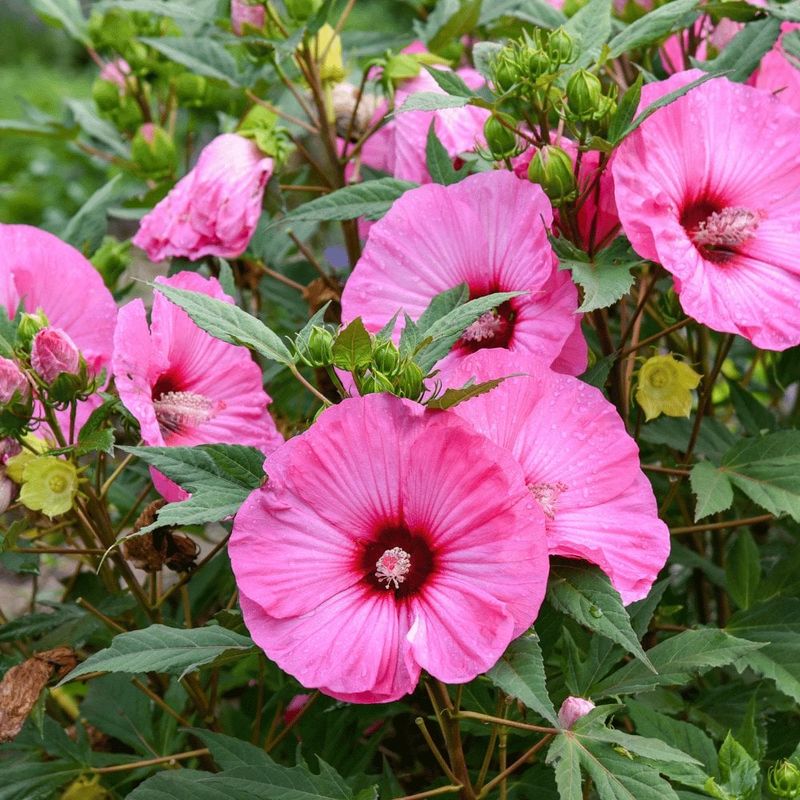
If you want something that genuinely turns heads in a Georgia garden, hardy hibiscus delivers some of the most dramatic flowers you can grow in the Southeast.
The blooms on these plants can reach eight to twelve inches across, earning them the nickname dinner-plate hibiscus, and they come in shades of red, pink, white, and deep burgundy.
Planting a container-grown specimen in May gives the root system time to settle before the heat of July and August pushes the plant into full bloom mode.
Hardy hibiscus, often sold as rose mallow or Hibiscus moscheutos, is different from tropical hibiscus and is well suited to Georgia’s climate.
It tends to go dormant in winter and emerge from the ground again in late spring, so May transplants may look slow at first.
Once the soil warms and summer arrives, growth accelerates quickly and flowering begins in earnest.
Choose a location with full sun and good drainage, as hardy hibiscus does not do well in soggy soil. Water new plants deeply a few times per week during May and June while they are putting down roots.
These shrubs can grow quite large, sometimes reaching five or six feet tall, so leaving adequate space around each plant is worth planning ahead for. Their bold blooms make them a natural focal point near patios, fences, or the back of a mixed border.
5. Rose Of Sharon Brings Height And Color
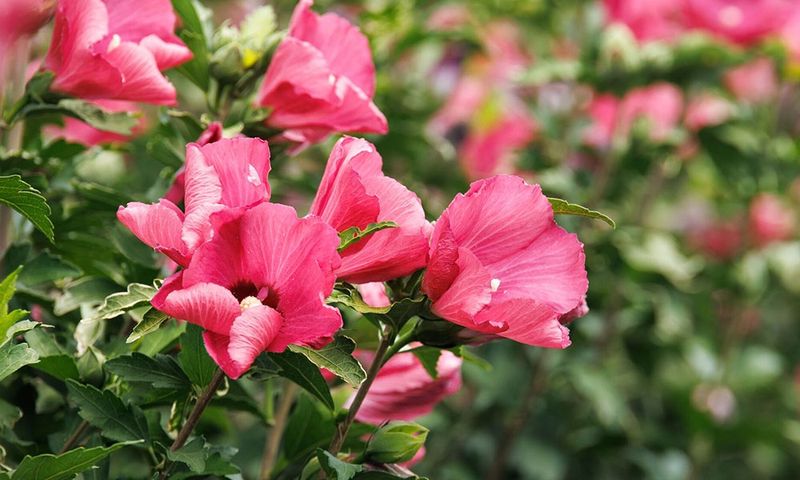
Rose of Sharon has been a staple in Southern gardens for generations, and it is not hard to see why.
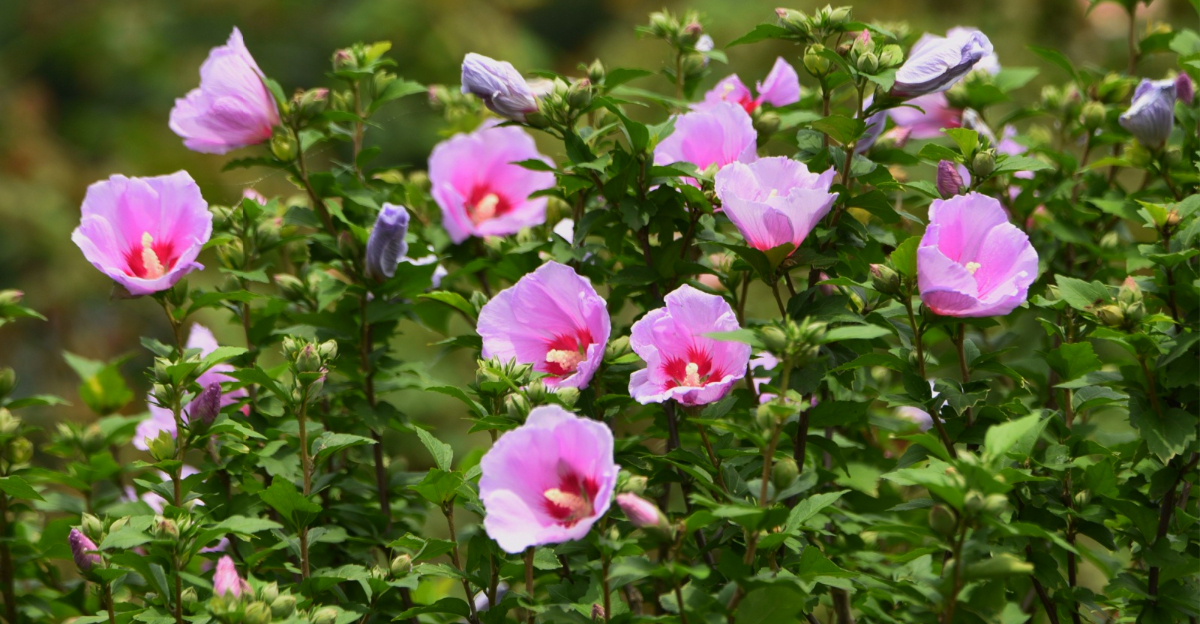
This tall, upright shrub produces hollyhock-like flowers in shades of lavender, pink, white, and deep purple from midsummer through early fall, offering color at a time when many other shrubs have finished blooming.
Planting in May gives it a full growing season to establish before it faces the heat of a Georgia summer.
One of the most appealing things about Rose of Sharon is its vertical growth habit. It tends to grow more tall than wide, making it useful for narrow spaces, along fences, as a flowering hedge, or at the back of a mixed border.
In Georgia, it handles heat and humidity reasonably well once established and tends to attract hummingbirds and bees when in bloom.
Rose of Sharon grows best in full sun to light partial shade. When planting in May, water the root ball thoroughly and give the plant consistent moisture through its first summer.
It can self-seed rather freely, so deadheading spent flowers helps manage volunteer seedlings in nearby beds.
Sterile cultivars like ‘Minerva’ and ‘Diana’ are available at many Georgia nurseries and produce abundant blooms without the heavy seeding.
Mulching around the base helps retain soil moisture and supports steady root development through the warmer months ahead.
6. Confederate Rose Adds Late Season Drama
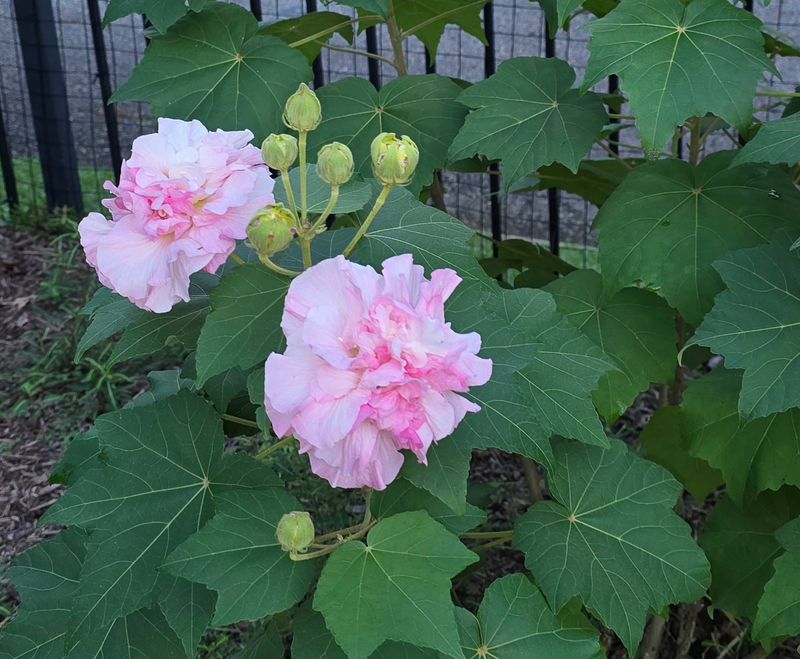
Confederate rose is one of those plants that tends to surprise people who have never seen it before.
The flowers open white or pale pink in the morning and gradually shift to a deeper rose or even crimson by evening, creating a multi-colored display on the same plant on the same day.
This striking color-changing quality makes it a genuine conversation piece in any Georgia garden.
Technically a hibiscus relative, Confederate rose, or Hibiscus mutabilis, is a large, woody shrub that can grow quite tall in Georgia’s mild winters.
It tends to bloom in late summer and fall, which makes it especially valuable for gardeners looking to extend the flowering season well past the point when spring shrubs have finished.
Planting in May gives the shrub a long establishment window before its late-season bloom show begins.
Confederate rose grows best in full sun with well-drained soil and benefits from deep watering during dry periods in its first season.
It can grow very large, sometimes reaching eight to ten feet in warmer parts of Georgia where it does not experience a hard freeze.
In colder areas of the state, it may behave more like a perennial, returning from the roots each spring.
Either way, its bold late-season blooms make it a rewarding addition to Georgia beds, borders, and cottage-style gardens looking for that final burst of fall color.
7. Rose Bushes Bring Classic Color To Gardens
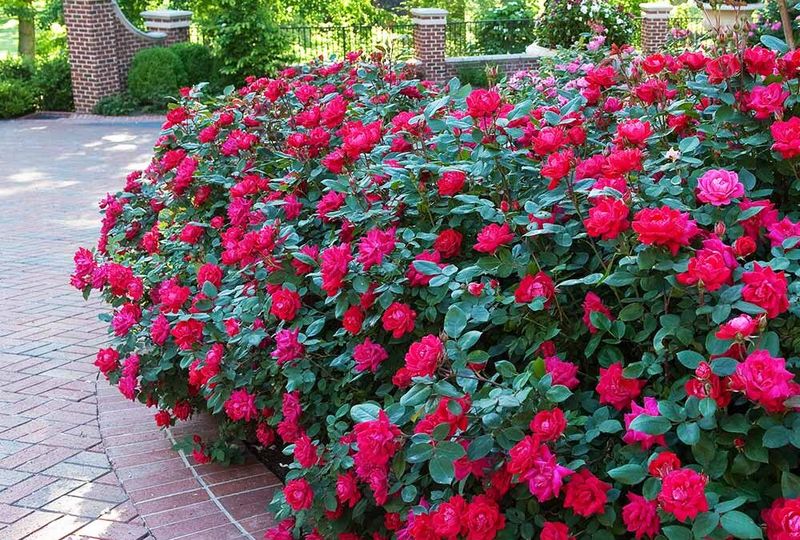
There is something timeless about a well-grown rose bush blooming in a Georgia garden.
Whether tucked into a foundation planting, lined along a fence, or featured as a centerpiece in a sunny bed, roses have a way of elevating the look of any outdoor space.
May is a workable month to plant container-grown roses in Georgia, though the timing calls for extra attention to watering as temperatures climb.
Knock Out roses have become especially popular in Georgia because of their heat tolerance, disease resistance, and long bloom season that runs from spring through the first frost.
They come in red, pink, coral, and white, and they tend to rebloom reliably without the deadheading that older rose varieties often require.
For gardeners who want a more traditional look, hybrid tea roses and climbing roses are also available at nurseries and can thrive in Georgia with proper care.
All roses appreciate full sun, at least six hours per day, and well-drained soil with consistent moisture.
When planting in May, water deeply at the base rather than overhead to reduce the chance of fungal issues, which can be more common in Georgia’s humid conditions.
Adding a two-to-three inch layer of mulch around the base helps maintain soil moisture and reduces weed competition.
Checking plants regularly for signs of black spot or aphids through the summer can help you catch and address any issues early in the season.
8. Abelia Adds Fragrant Blooms And Glossy Leaves
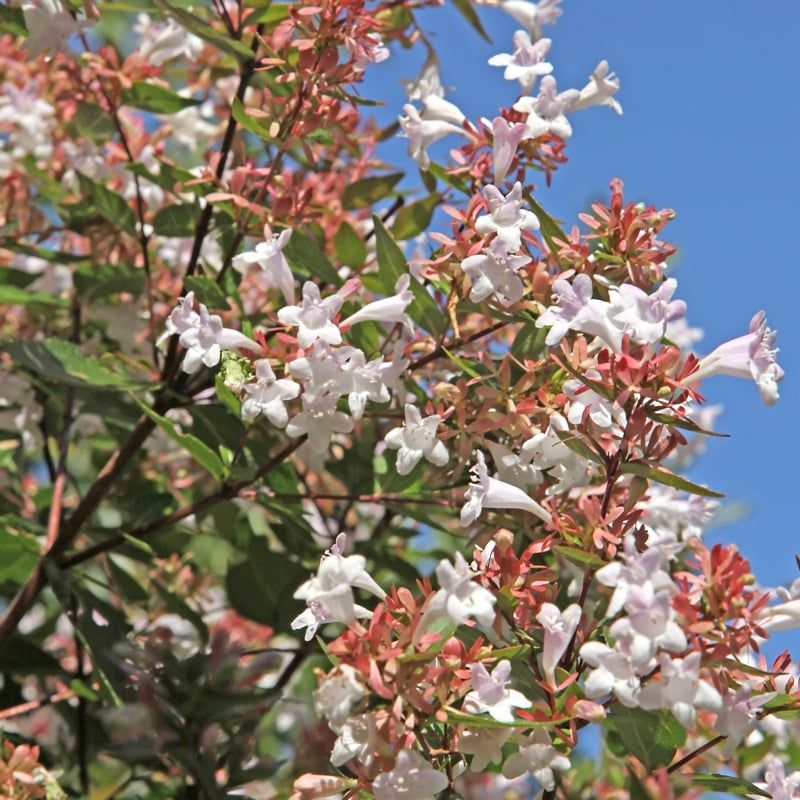
Abelia does not always get the attention it deserves at the nursery, but Georgia gardeners who have grown it tend to become loyal fans.
The shrub offers a combination of small, tubular flowers in white or soft pink, glossy leaves that take on bronze or reddish tones in fall, and a graceful arching shape that works well in borders, foundation plantings, and mixed shrub beds.
Planting in May gives abelia the warm soil it needs to put down roots quickly.
One of the standout qualities of abelia is its long bloom period. Flowering typically begins in late spring and continues through summer and into fall, making it one of the longer-blooming shrubs available to Georgia gardeners.
The flowers are lightly fragrant and attract butterflies and hummingbirds, adding movement and life to garden beds throughout the growing season.
Abelia grows well in full sun to partial shade and is known for being fairly adaptable once established in Georgia landscapes.
It handles heat and humidity reasonably well and tends to be less demanding than some other flowering shrubs in terms of soil amendments or specialized care.
Water new transplants consistently through their first few weeks, and apply mulch to help retain moisture during dry stretches.
Glossy abelia, one of the most common varieties, typically reaches four to six feet tall and wide, so spacing plants appropriately at planting time saves pruning effort later in the season.