The Native North Carolina Shrub You Should Never Cut Back In Spring No Matter What You Read Online
Spring cleanup brings out the pruning shears in yards across North Carolina, and most of the time that energy is well spent. Overgrown shrubs get shaped, winter damaged branches come off, and the garden starts looking intentional again.
There is one native North Carolina shrub though where that spring pruning urge can quietly ruin the entire season before it starts. The problem is not visible right away, which is part of why the mistake gets repeated so often.
This shrub sets its blooms on wood that developed the previous year, meaning a well intentioned spring cutback removes exactly what the plant needs to flower.
By the time gardeners realize what happened, the window for blooms has already closed and there is nothing to do but wait until next year.
Knowing which shrub this is and understanding the simple timing shift that protects its flowering cycle is the kind of detail that makes a real difference in how your North Carolina garden performs season after season.
1. It Blooms On Old Wood And That Changes Everything
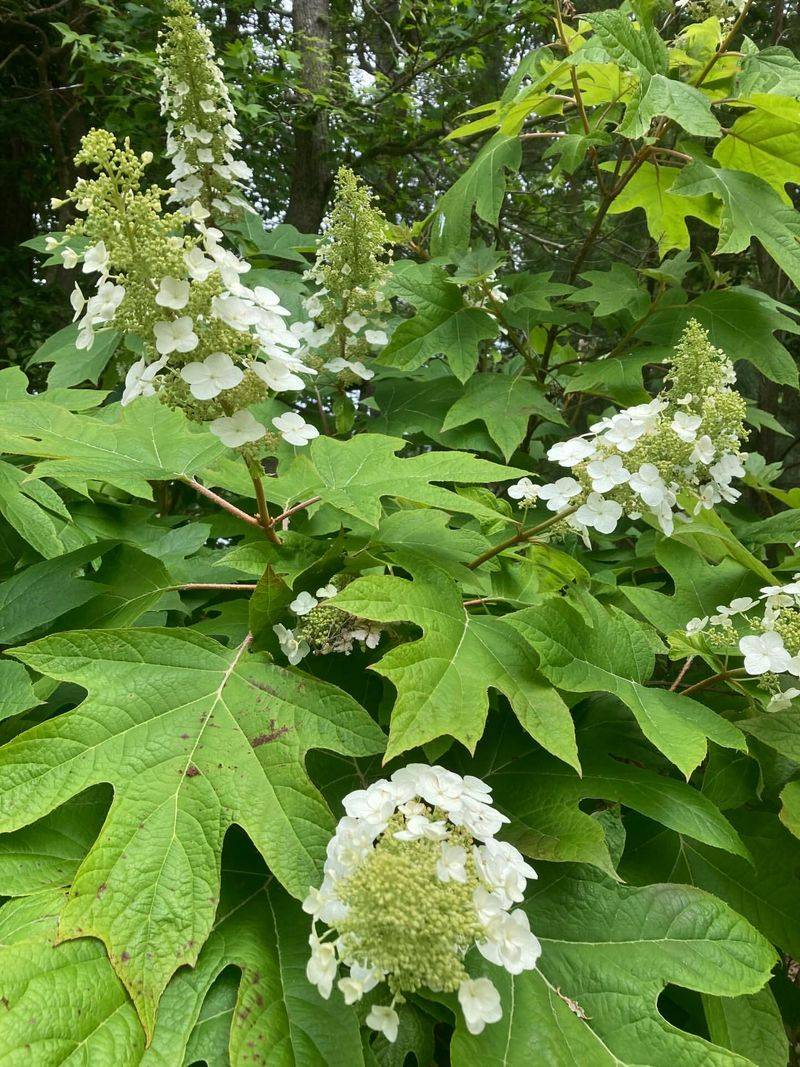
Most people do not realize that oakleaf hydrangea, known botanically as Hydrangea quercifolia, sets its flower buds during the previous growing season. That means the blooms you want to see in summer were actually formed on the plant’s older stems last year.
When spring arrives and those buds are quietly waiting to open, cutting back the plant removes them entirely before they ever get a chance to shine.
North Carolina gardeners who love big, dramatic blooms need to understand this one key fact above everything else. The old wood on your shrub is not something to tidy up.
It is the treasure chest holding next season’s flowers, and protecting it is the single most important thing you can do all year.
Oakleaf hydrangea earned its name from its large, deeply lobed leaves that closely resemble those of an oak tree. Native to the southeastern United States, including much of North Carolina, this shrub is built for local conditions.
Respecting how it naturally grows, especially how it stores its blooms on older stems, is the first step toward getting the spectacular floral display that makes this plant so beloved by gardeners across the region.
2. Spring Pruning Is The Number One Reason Your Plant Never Blooms
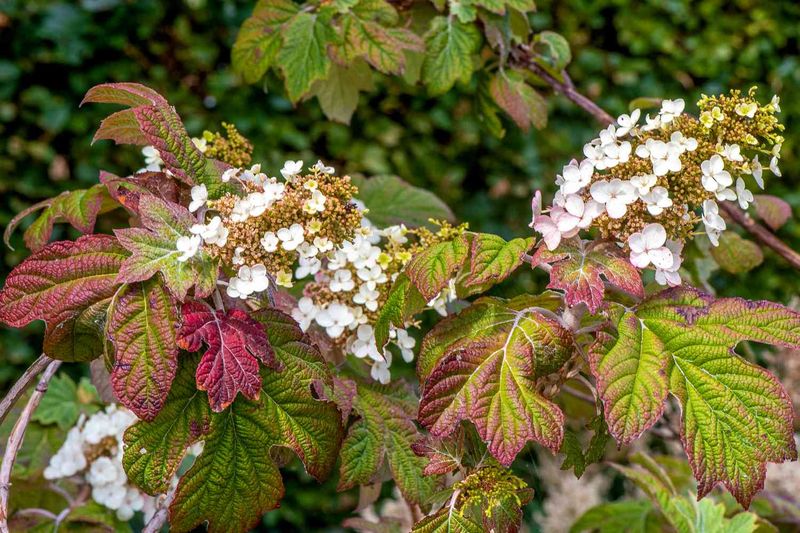
Picture this: you head outside on a bright spring morning in North Carolina, pruning shears in hand, ready to clean up your garden. The oakleaf hydrangea looks a little wild, so you give it a good trim.
By summer, it is full of leaves but completely flowerless. Sound familiar? That single spring pruning session is almost certainly the reason why.
When you cut back oakleaf hydrangea in spring, you are literally snipping off the developing flower heads that were set on last year’s stems. The plant had been quietly preparing those buds all through fall and winter, and in just a few minutes, they are gone.
This is one of the most widespread reasons North Carolina gardeners report having a healthy-looking shrub that never produces a single bloom.
Your North Carolina Garden Changes Every Week. Your Plan Should Too.
Gardening in North Carolina changes quickly throughout the season. Every Friday you’ll receive a simple weekly plan showing exactly what to plant, prune, fertilize, harvest, and protect so you never miss the right timing.
Online gardening guides and well-meaning neighbors sometimes suggest spring as a general pruning window for shrubs, but oakleaf hydrangea does not follow the same rules as plants that bloom on new wood.
Skipping the spring prune entirely is the easiest fix you will ever make in your garden. One small change in your routine can completely transform a frustrating, flowerless shrub into a breathtaking showpiece that lights up your yard all summer long.
3. The Best Time To Prune Is Right After The Blooms Fade
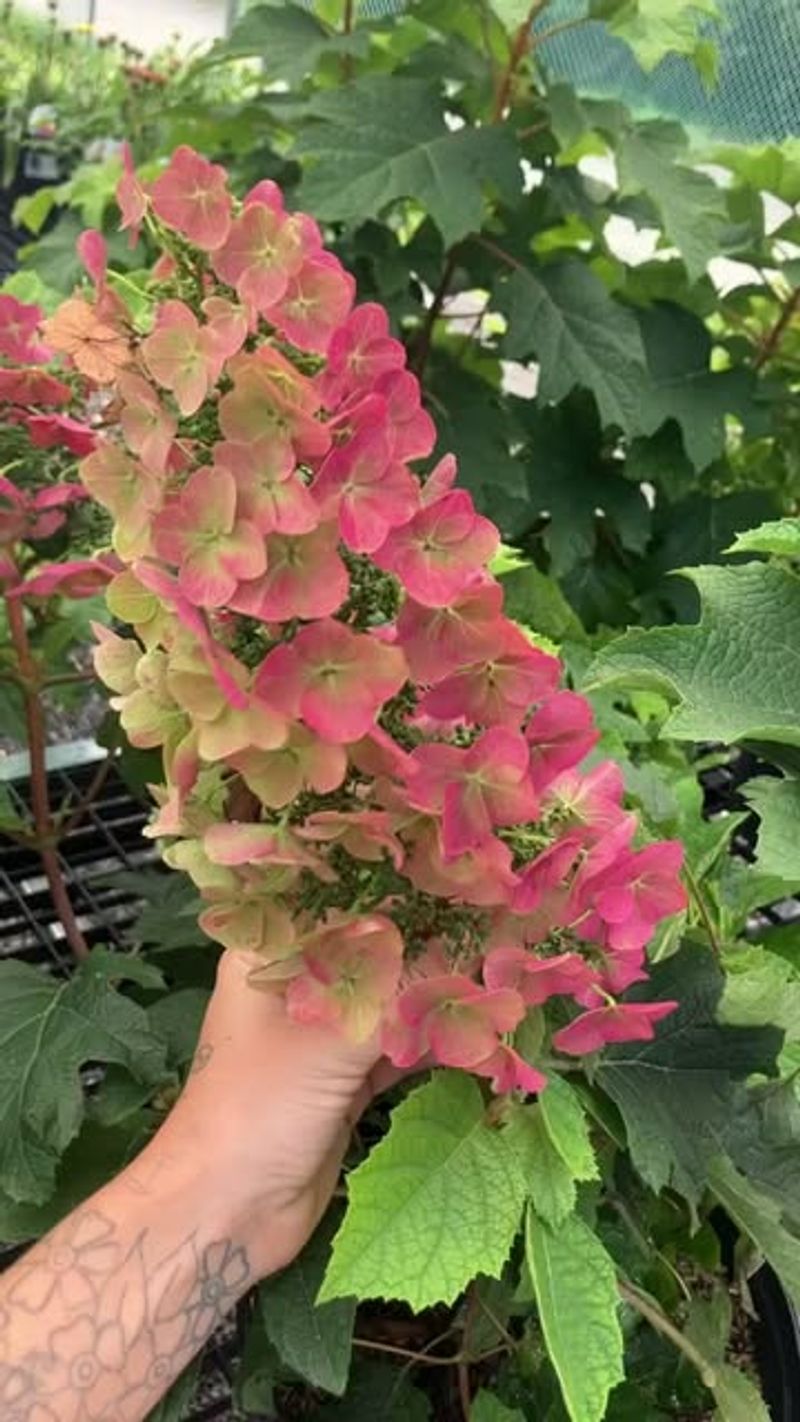
Timing really is everything when it comes to pruning oakleaf hydrangea, and the sweet spot comes right after the flowers begin to fade in early summer.
At that point, the plant has finished its big seasonal show and is entering a phase where it starts preparing for the following year.
Pruning during this window gives the shrub plenty of time to set fresh buds on any new growth before the season closes.
Early summer pruning in North Carolina typically falls somewhere between late June and mid-July, depending on your specific location and that year’s weather patterns. If you do any shaping or light trimming, try to finish it up within a few weeks of the blooms fading.
The longer you wait past that point, the greater the chance that you will be cutting into buds that are already forming for next year’s flowers.
Think of it like a scheduling window that the plant opens briefly and then closes again. Missing that window means waiting another full year to try again.
The good news is that once you get the timing right, it becomes second nature. A quick check of when your blooms start to turn papery and brown is all you need to know that your pruning window has officially opened and the time is right to act.
4. Oakleaf Hydrangea Naturally Grows Into A Beautiful Shape On Its Own
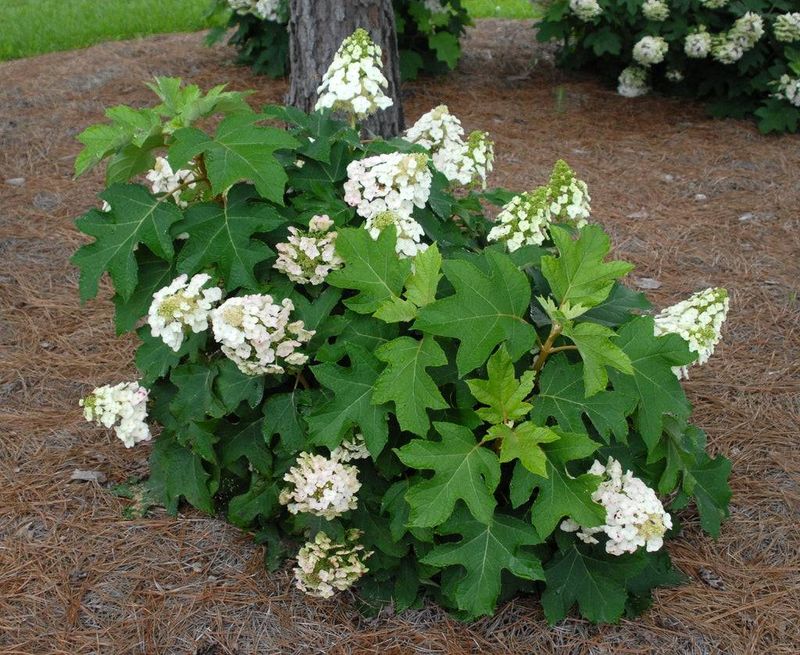
One of the most underappreciated qualities of oakleaf hydrangea is how naturally good-looking it is without any human interference.
Unlike some shrubs that sprawl awkwardly or grow unevenly, this native North Carolina plant tends to develop a balanced, layered structure all on its own.
The branches spread outward in a graceful arc, and the overall form looks intentional even when left completely alone.
Heavy pruning is almost never necessary for a healthy, well-established oakleaf hydrangea. Many experienced gardeners in North Carolina will tell you they have not touched their plants in years, and the results are stunning every single summer.
Letting the shrub do what it naturally wants to do is usually the best strategy, especially in the first few years when the plant is still establishing its root system and branching structure.
The layered growth habit also makes this shrub a fantastic choice for naturalized areas, woodland borders, and shaded corners of the yard where you want something beautiful without constant upkeep.
In North Carolina’s diverse landscapes, from the mountains to the Piedmont to the coastal plain, oakleaf hydrangea fits right in with minimal effort.
Trusting the plant’s natural instincts and resisting the urge to over-manage it will reward you with a fuller, more flower-packed shrub season after season.
5. Dry Or Damaged Stems Can Be Removed Without Hurting Blooms
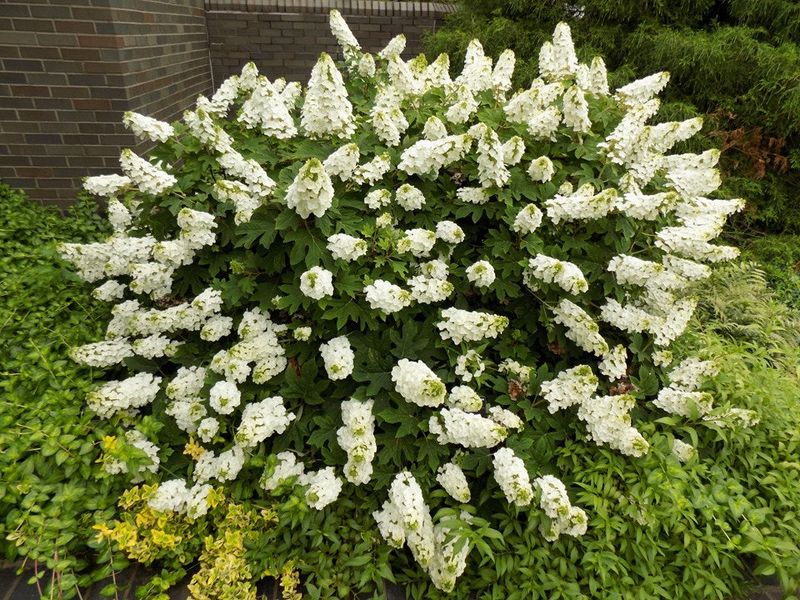
Not all spring pruning is harmful to oakleaf hydrangea, and it is worth knowing the difference between what hurts the plant and what actually helps it.
Removing broken, diseased, or completely dried-out stems in early spring is perfectly fine and will not have a major impact on that season’s flowering. The key is being selective and targeted rather than cutting back the entire plant.
When you are doing your spring garden walkthrough in North Carolina, look for stems that feel hollow or brittle, ones that show signs of disease like discoloration or unusual spots, or branches that snapped under winter ice or wind.
Cutting those specific stems back to healthy wood or all the way to the base is a smart move that improves airflow and keeps the shrub looking tidy without sacrificing your blooms.
The important distinction here is intent and scale. Cleaning up a few problem stems is maintenance.
Shearing the whole shrub into a tidy mound is a bloom-ending mistake. Experienced North Carolina gardeners know how to walk through the garden with a critical eye and remove only what genuinely needs to go.
When in doubt, leave it alone and wait until after flowering to make any bigger decisions about shaping or thinning the plant.
6. North Carolina’s Climate Is Actually Perfect For This Shrub Without Extra Cutting
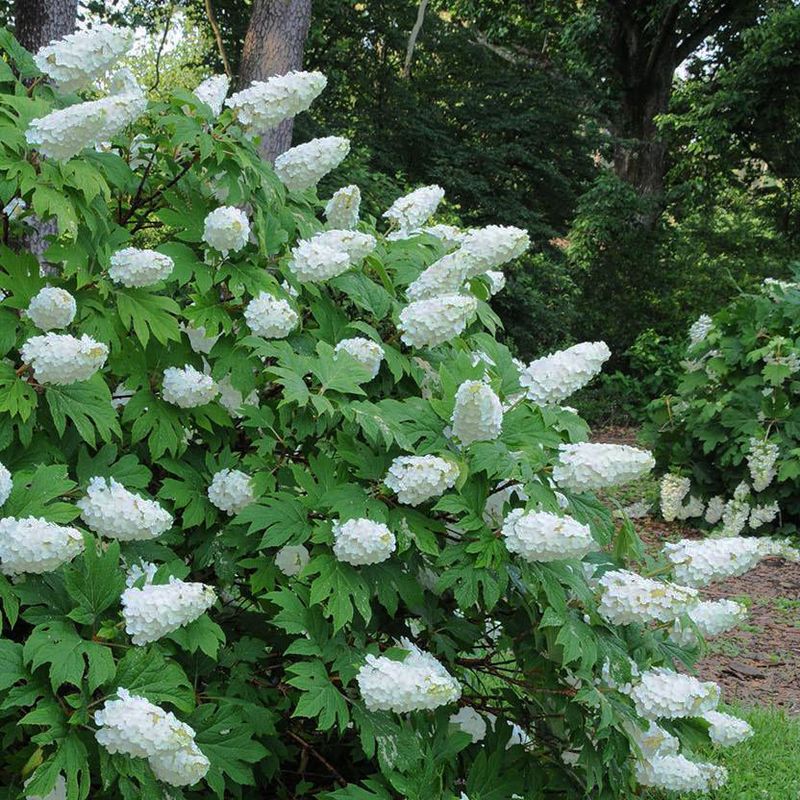
Oakleaf hydrangea is native to the southeastern United States, which means it evolved right alongside the heat, humidity, and seasonal rhythms of North Carolina.
Unlike many ornamental shrubs that struggle in the region’s long, hot summers or unpredictable late frosts, this plant handles local conditions with remarkable ease.
It was essentially born for this climate, and that built-in adaptability means it rarely needs heavy intervention to perform well.
Gardeners across North Carolina, from Asheville in the mountains to Raleigh in the Piedmont and down to Wilmington on the coast, have found that oakleaf hydrangea thrives with very little help once established.
The plant tolerates clay soils, periods of summer drought, and dappled shade under large trees, all of which are extremely common conditions throughout the state.
Trying to manage it too heavily with regular pruning actually works against its natural strengths.
When a plant is already well-matched to its environment, the smartest gardening approach is usually a hands-off one. Oakleaf hydrangea does not need to be shaped, reduced, or forced into a tighter form to look good in a North Carolina yard.
Left to grow on its own terms in suitable conditions, it will reward you with multi-season interest, including striking fall foliage and attractive cinnamon-colored bark that stands out beautifully even through the winter months.
7. Too Much Pruning Pushes Leafy Growth Instead Of Flowers
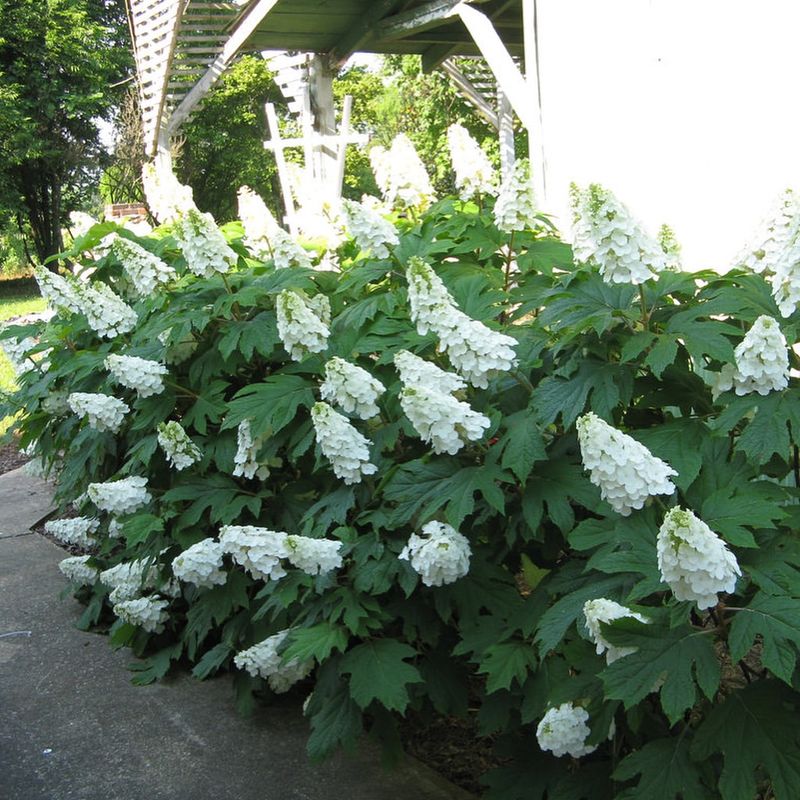
Here is something that surprises a lot of gardeners: cutting back oakleaf hydrangea too aggressively can actually push the plant into producing more leaves instead of flowers.
When you remove a large portion of the stems, the shrub redirects its energy into growing new leafy shoots rather than developing the flower buds it would otherwise set.
The result is a big, green, lush-looking plant that never blooms, which is the opposite of what most people want.
This effect is even more noticeable in North Carolina garden beds that have been heavily amended with rich compost or fertilizer.
Fertile soil already encourages vigorous leafy growth, and when you add aggressive pruning on top of that, the plant goes full speed into vegetative mode.
Flowers become an afterthought, and you end up waiting another full year for a bloom that may not come if the same mistakes repeat.
Understanding how a plant responds to cutting is part of becoming a smarter, more confident gardener. Oakleaf hydrangea is not being stubborn when it fails to bloom after heavy pruning.
It is simply responding to the signals it receives. Fewer cuts mean more flowers, and that is a trade-off any North Carolina gardener should be more than happy to make.
Put the shears down, and the blooms will come back on their own.
8. Light Thinning At The Base Is Always Better Than Hard Cutting
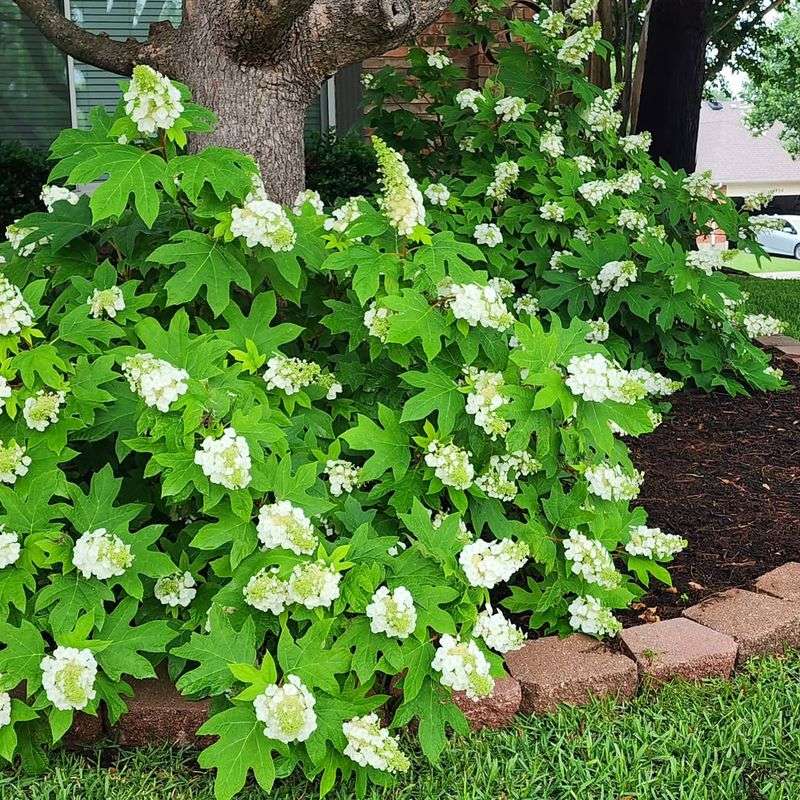
If your oakleaf hydrangea has grown dense over the years and you feel like something needs to be done, light thinning at the base is always the smarter choice over hard cutting.
Rather than shearing back the whole plant or reducing its height, try removing just one or two of the oldest, thickest stems all the way down to the ground.
This opens up the interior of the shrub, improves airflow, and encourages fresh growth from the base without sacrificing any of the flower-bearing stems higher up.
This technique works especially well on mature shrubs in North Carolina gardens that have been growing for five years or more. Older stems near the center of the plant can sometimes block light and reduce overall vigor.
Taking out a small number of those older canes every year or two keeps the shrub refreshed and healthy without the dramatic reset that hard pruning causes. The plant stays full, the blooms stay plentiful, and the garden looks polished rather than chopped.
Think of it as a gentle edit rather than a full rewrite. You are keeping the best parts of the plant intact while quietly removing what is no longer contributing.
North Carolina gardeners who adopt this approach often find that their oakleaf hydrangeas become more floriferous over time, with stronger stems, better airflow, and showier blooms year after year.
Small, thoughtful cuts make a much bigger positive difference than one heavy session ever could.