Why Your Tomatoes Are Splitting In North Carolina And How To Stop It Before It Gets Worse
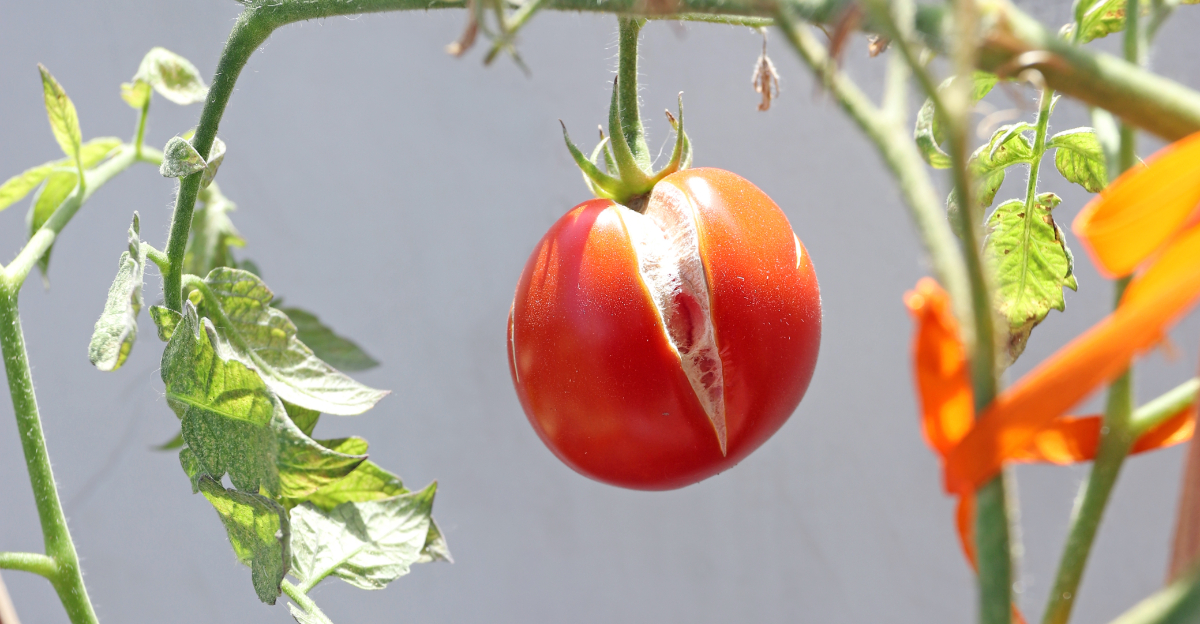
Cracked and split tomatoes are one of the most discouraging sights in a North Carolina summer garden, especially when it happens right as fruit is close to ripe and ready to pick.
You did not do anything obviously wrong, the plants look healthy, and yet tomato after tomato shows up with splits running across the top or deep cracks circling the sides.
This problem is more common in North Carolina than in many other states, and the reasons tie directly into the climate patterns that define summer here.
Heavy rain following a dry stretch is the most frequent trigger, but watering habits, variety selection, and soil conditions all play into how often it happens and how severe it gets.
The splitting itself is a sign the plant is absorbing water faster than the fruit skin can expand to accommodate it.
Once you understand what is actually driving it in your specific garden, stopping it before it ruins more of your harvest becomes a much more manageable problem to solve.
1. Sudden Heavy Rain After Dry Soil
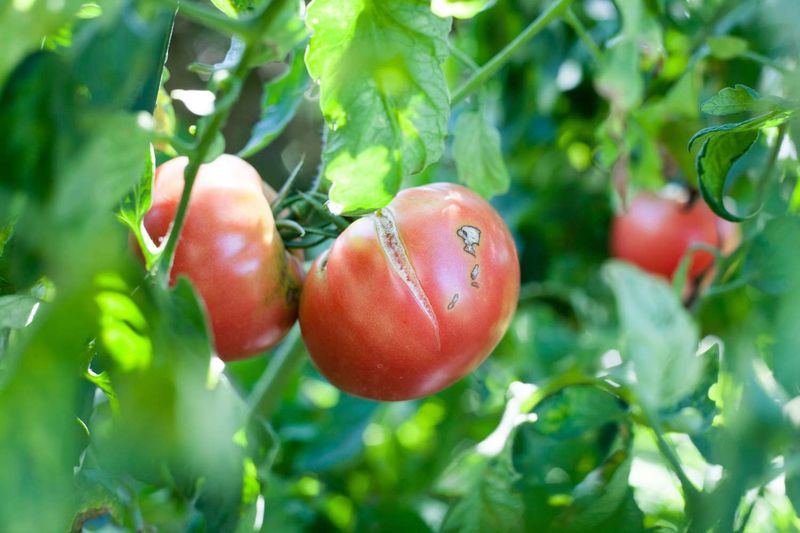
Picture this: your garden soil has been bone dry for two weeks, and then a big summer storm rolls through North Carolina and drops two inches of rain overnight.
Your tomato plants soak up that water like a sponge, and the fruit expands so quickly that the skin simply cannot keep up.
That rapid stretching causes the outer layer to crack, leaving you with split tomatoes before you even get a chance to harvest them.
The scientific name for the garden tomato is Solanum lycopersicum, and its fruit is surprisingly sensitive to sudden changes in soil moisture.
When the roots send a rush of water into already-mature fruit, the pressure inside builds faster than the skin can handle.
Radial cracks run from the stem down, while concentric cracks circle the top of the tomato near the shoulder. The best way to prevent this is to keep your soil moisture as consistent as possible throughout the growing season.
Deep watering two to three times per week works much better than waiting for the soil to go completely dry.
Adding a two to three inch layer of organic mulch around each plant helps the soil hold onto moisture between waterings, which smooths out those dramatic wet and dry cycles that lead to splitting in North Carolina gardens.
2. Irregular Watering Habits
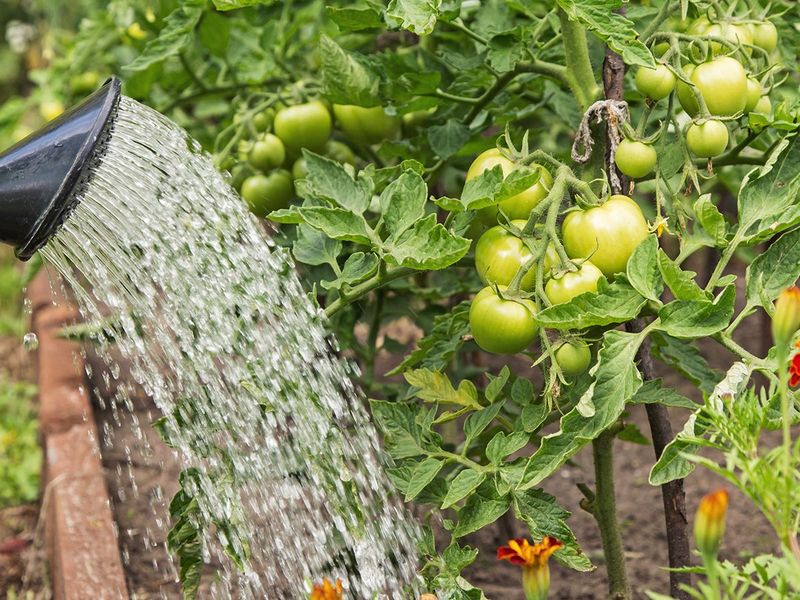
Watering your tomatoes only when you remember, or skipping days and then soaking the plants to make up for it, is one of the fastest ways to end up with split fruit.
Tomatoes thrive on routine, and when the water supply goes up and down like a roller coaster, the fruit cells inside expand and contract repeatedly.
Over time, that back and forth puts so much pressure on the skin that cracking becomes almost impossible to avoid.
Many North Carolina gardeners get busy during the summer heat and let their plants dry out for several days, then overcompensate with a heavy watering session.
Your North Carolina Garden Changes Every Week. Your Plan Should Too.
Gardening in North Carolina changes quickly throughout the season. Every Friday you’ll receive a simple weekly plan showing exactly what to plant, prune, fertilize, harvest, and protect so you never miss the right timing.
That single cycle of drought followed by flooding is often enough to split a tomato that was almost ready to harvest.
Cherry tomatoes are especially vulnerable because their smaller size means the pressure builds up very quickly inside the fruit.
Setting up a simple drip irrigation system or a soaker hose on a timer takes the guesswork out of watering and keeps things steady.
Before you water by hand, push a finger about two inches into the soil near the base of the plant. If the soil still feels damp, skip that day and check again tomorrow.
Consistent moisture is the single most effective thing you can do to reduce splitting across your entire North Carolina garden.
3. High Humidity And Rapid Growth Surges
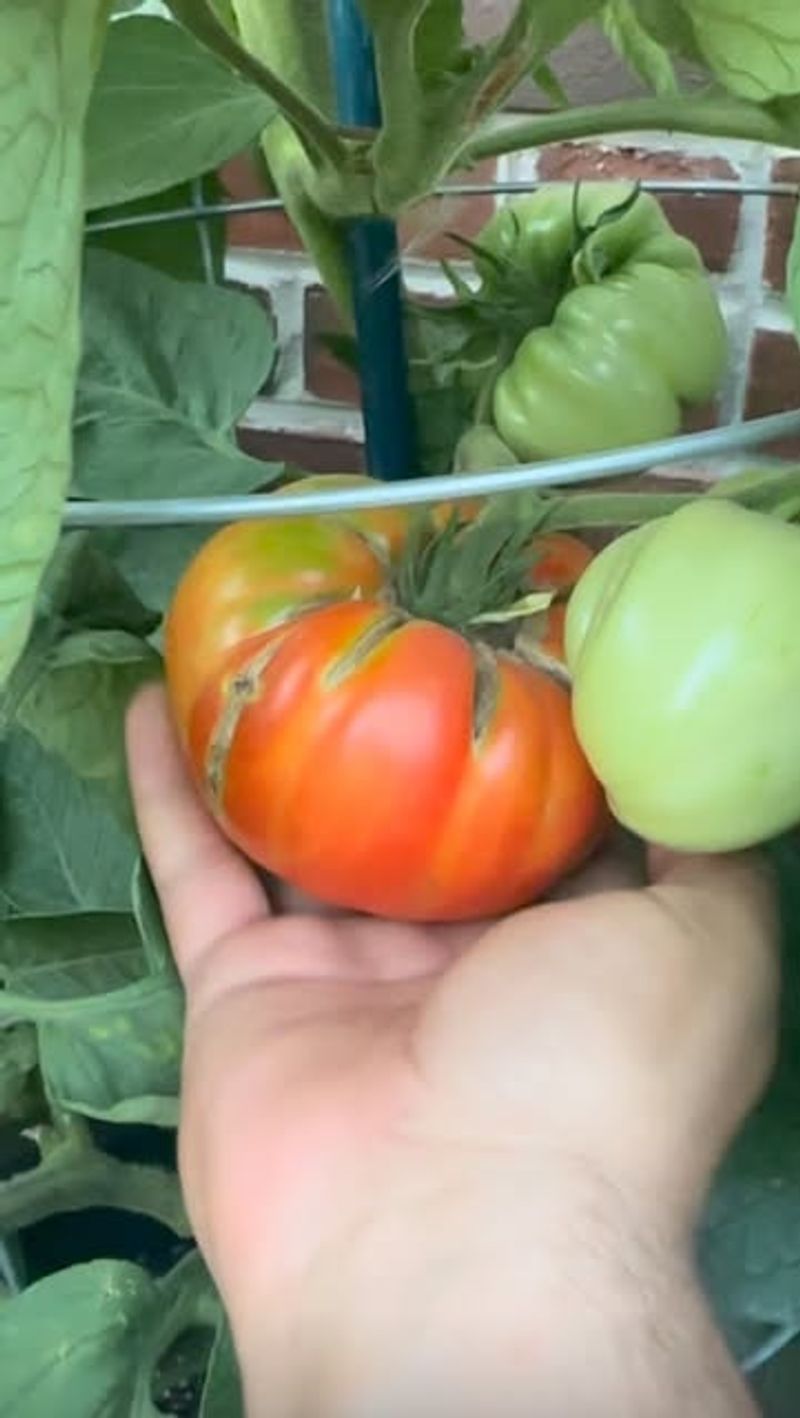
North Carolina summers are famously hot and sticky, and that combination of heat and humidity creates the perfect conditions for tomatoes to grow almost too fast.
When temperatures climb into the upper eighties and humidity sits above seventy percent for days at a time, tomato plants can push nutrients and water into the fruit at an accelerated rate.
That rapid internal growth builds pressure inside the tomato that the skin simply was not designed to handle all at once.
The Piedmont and Coastal Plain regions of North Carolina are especially prone to these humid growth surges during July and August.
Gardeners who apply a big dose of fertilizer right before a stretch of hot, humid weather often notice splitting shortly after, because the plants respond by growing aggressively in a very short window.
The fruit gets bigger faster than the skin can mature and toughen up. Keeping your watering schedule steady during humid stretches helps reduce those sudden growth spikes.
Avoid applying high doses of any fertilizer during the hottest, most humid weeks of summer because that only adds fuel to an already fast-growing fire.
Pruning some of the lower leaves to improve airflow around the plant can also help moderate the growth rate slightly.
Steady, even conditions are always better for tomatoes than dramatic swings in temperature, moisture, or nutrients throughout the North Carolina growing season.
4. Leaving Overripe Fruit On The Vine Too Long
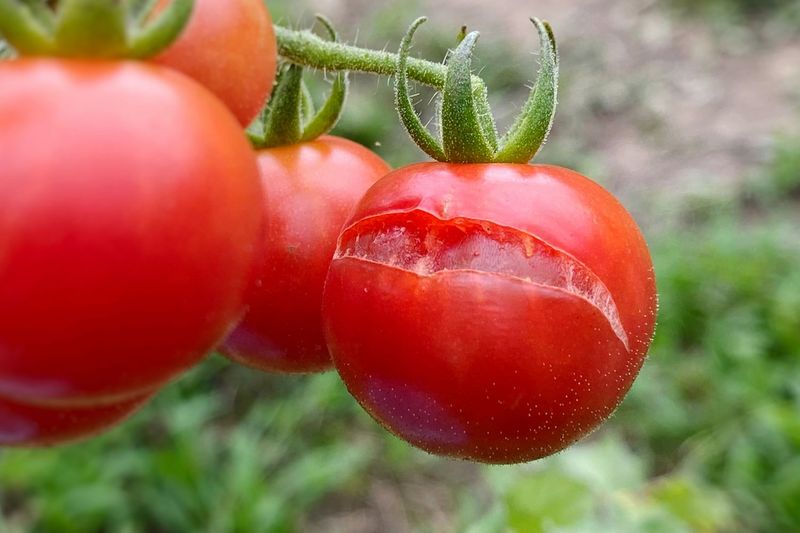
Tomatoes that stay on the vine past their prime are just asking for trouble, especially during the rainy season in North Carolina.
Once a tomato reaches full ripeness, the skin starts to lose some of its flexibility and the fruit becomes much more fragile.
Any sudden influx of water from rain or irrigation at that point can push the already stretched skin right over the edge, causing deep cracks to appear almost overnight.
A lot of gardeners wait until tomatoes look perfectly red and soft before picking them, but harvesting a little earlier than that is actually a smarter move.
When fruit reaches its mature color, whether that is red, orange, yellow, or pink depending on the variety, it is ready to come off the vine.
The tomato will continue to ripen beautifully on your kitchen counter at room temperature without any risk of splitting.
Make a habit of walking through your North Carolina garden every day or two during peak season so you can catch tomatoes right at the right moment.
Bring a basket and harvest anything that looks fully colored, even if it still feels slightly firm to the touch.
This simple routine not only prevents splitting but also keeps your plants producing more fruit throughout the season.
Consistent harvesting signals to the plant that it should keep setting new tomatoes rather than putting energy into overripe ones still hanging on the vine.
5. Growing Thin-Skinned Tomato Varieties
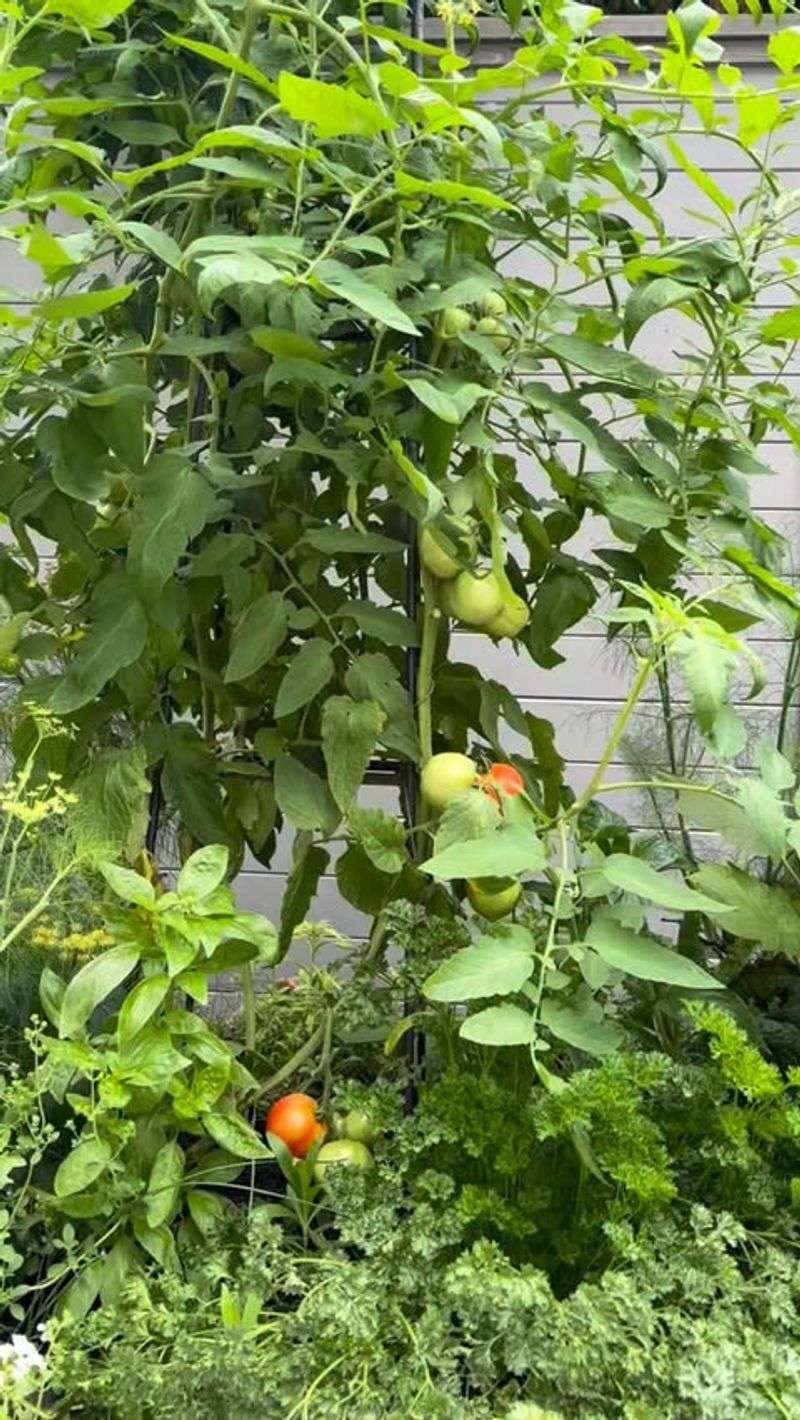
Not all tomatoes are built the same, and some varieties are simply more prone to splitting than others no matter how carefully you water them.
Heirloom tomatoes, which many North Carolina gardeners love for their incredible flavor and beautiful colors, tend to have thinner, more delicate skins than modern hybrid varieties.
That thin skin is part of what makes them so tender and delicious, but it also means they have less stretch when moisture levels change quickly.
Varieties like Brandywine, Cherokee Purple, and Black Krim are known for their amazing taste but also for their tendency to crack during wet weather.
If you have tried everything and still end up with split tomatoes every summer, the variety you are growing might simply be fighting against you.
Switching to a crack-resistant hybrid does not mean you have to sacrifice flavor entirely because there are some excellent modern varieties that taste great and hold up much better.
Look for tomatoes labeled crack-resistant or split-resistant when you shop for transplants or seeds in North Carolina garden centers.
Varieties like Celebrity, Mountain Fresh Plus, and Jet Star were developed specifically to handle the kind of weather swings that are common across the state.
You can still grow your favorite heirlooms, but placing them in a more sheltered spot or under a simple rain cover during heavy storms can help protect those thin skins when summer downpours hit hard and fast.
6. Excess Nitrogen Fertilizer Applications
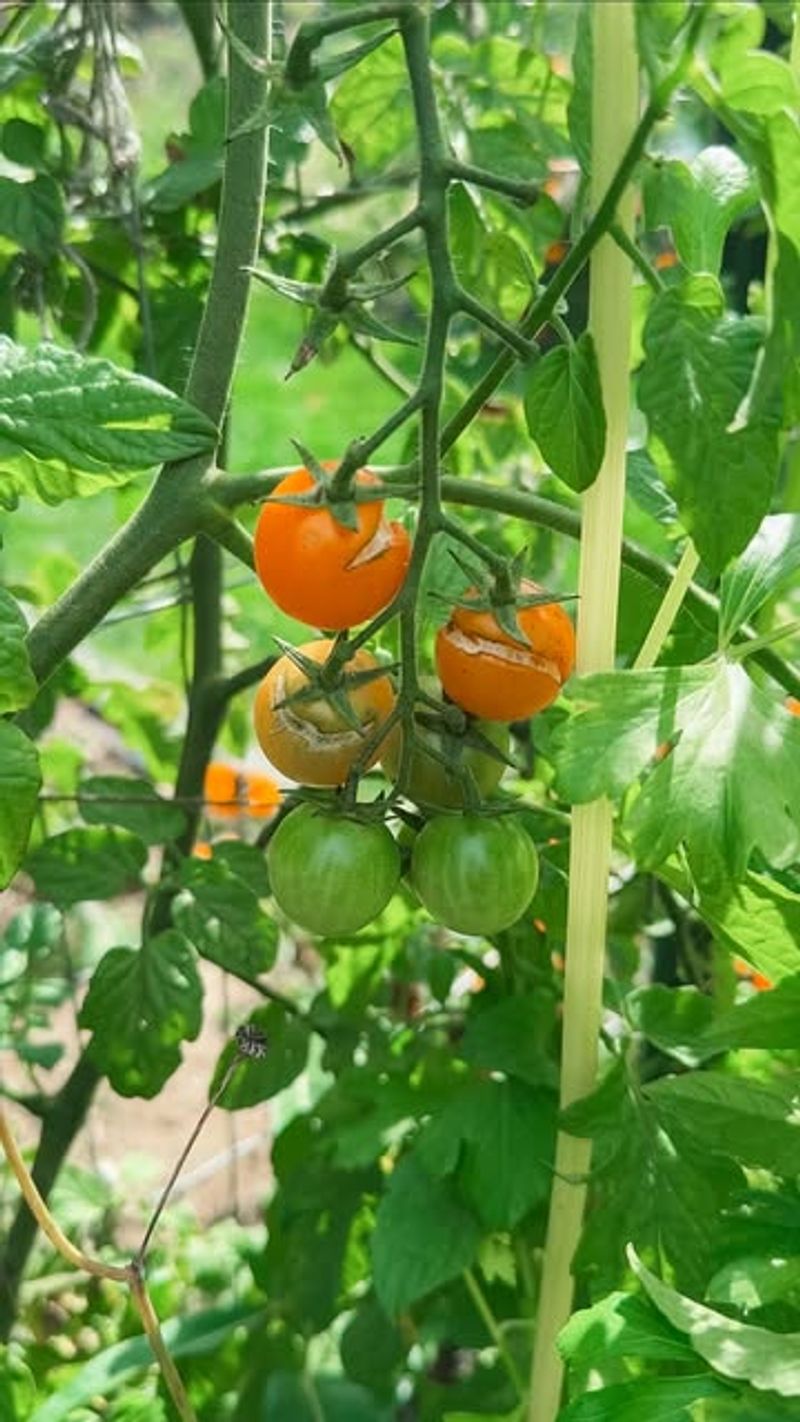
Nitrogen is the nutrient that makes plants grow big and green, but too much of it mid-season can actually work against your tomatoes in a serious way.
When tomato plants get a heavy dose of nitrogen after the fruit has already started forming, they put a burst of energy into soft, fast growth rather than steady, strong development.
That rapid expansion of the fruit cells creates internal pressure that the skin cannot accommodate, and splitting follows shortly after.
Many North Carolina gardeners make the mistake of applying the same high-nitrogen fertilizer they used in spring throughout the entire growing season.
In early spring, nitrogen helps young plants establish strong roots and leafy growth, but by midsummer the plant needs a different balance of nutrients.
Phosphorus and potassium become more important once the plant is focused on producing and ripening fruit rather than growing new leaves and stems.
Switch to a tomato-specific fertilizer or a balanced formula with a lower nitrogen number once your plants start flowering and setting fruit.
Read the label carefully and follow the recommended amounts because more fertilizer is not always better.
Feeding your tomatoes every two to three weeks with a balanced product keeps growth steady without triggering those fast, soft surges that lead to cracking.
Soil testing through the North Carolina State Extension office can also tell you exactly what nutrients your garden needs so you never over-apply again.
7. Poor Drainage In Heavy Clay Soil
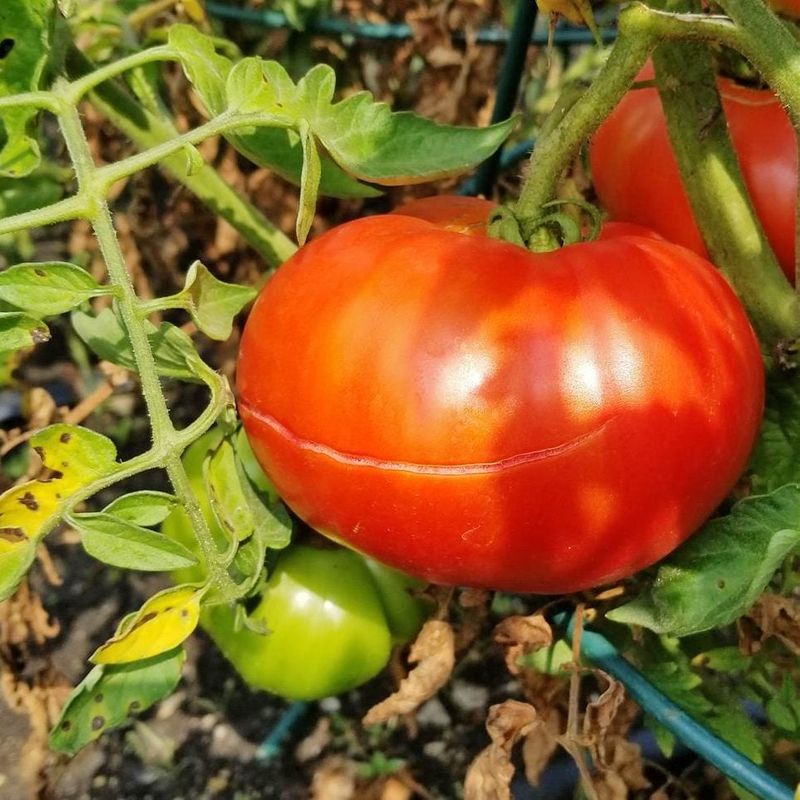
Clay soil is one of the defining challenges of gardening in the North Carolina Piedmont, and tomatoes really struggle when their roots sit in waterlogged ground.
Heavy clay holds onto moisture for a long time after rain, which means the roots of your tomato plants can absorb far more water than the fruit needs all at once.
That sudden flood of water into the plant pushes up through the stem and right into the developing tomatoes, causing them to expand and split.
Unlike sandy soils that drain quickly, clay soil in regions like the Triangle and Triad areas of North Carolina can stay saturated for days after a heavy storm.
Tomato roots do not have a way to turn off their water absorption when the soil is flooded, so the plant just keeps pulling in moisture until something gives.
The result is often a batch of cracked tomatoes right after what seemed like a perfectly normal summer rain. Improving drainage in your garden beds makes a huge difference for tomato health.
Work several inches of compost into clay soil before planting each season to open up the texture and allow water to move through more freely.
Building raised beds is one of the most effective solutions for North Carolina clay gardeners because you can fill them with a well-draining mix of topsoil and compost.
Raised beds also warm up faster in spring and give roots a much more comfortable environment to grow in throughout the season.
8. Bare Soil Without A Layer Of Mulch
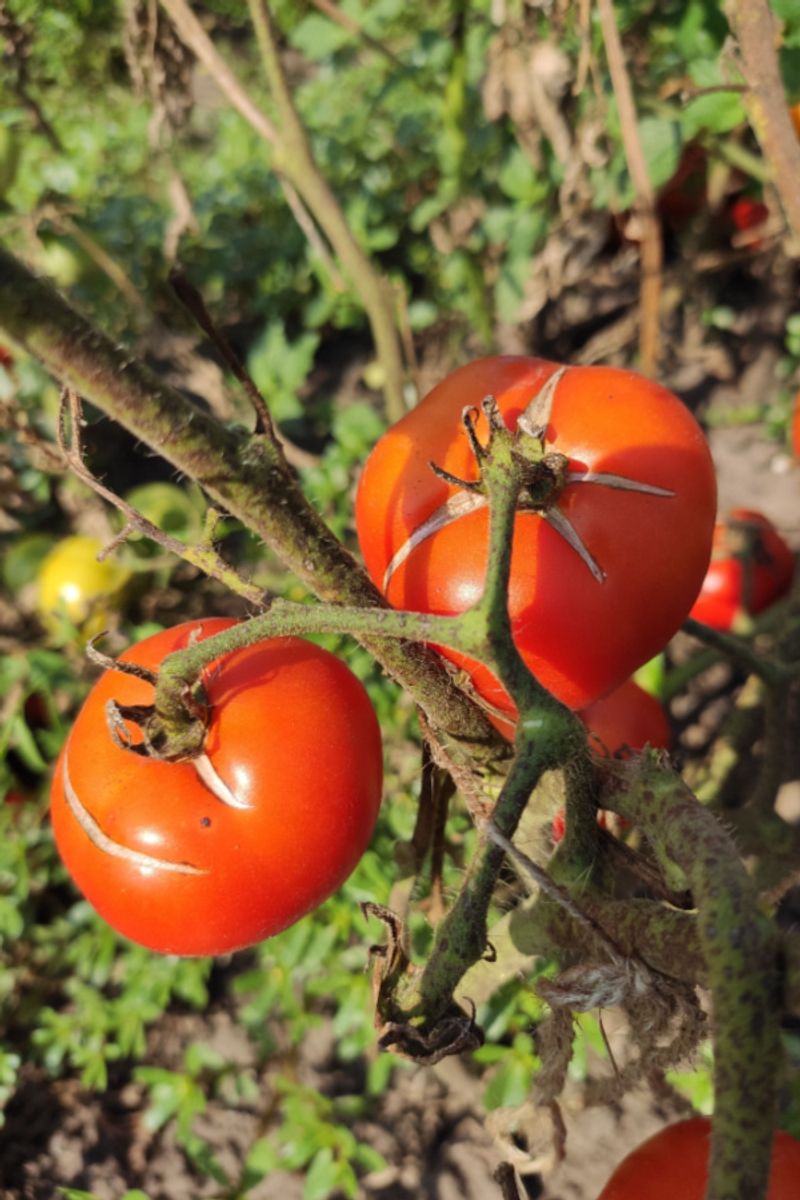
Bare soil around your tomato plants might not seem like a big deal, but it creates one of the most common conditions that lead to splitting.
Without a protective layer of mulch, the top few inches of soil dry out fast on a hot North Carolina summer afternoon.
Then when rain hits or you turn on the hose, all that dry soil absorbs a massive rush of water at once, and your tomato roots drink it up before the soil can drain properly.
Those dramatic swings from dry to soaking wet are exactly the kind of moisture stress that causes tomatoes to crack.
Mulch acts as a buffer between the soil and the weather, slowing down evaporation on sunny days and reducing the rate at which rain soaks in during storms.
It keeps the root zone at a much more stable temperature and moisture level throughout the day and night, which is exactly what tomatoes need to grow without splitting.
Spreading a two to three inch layer of straw, shredded leaves, wood chips, or grass clippings around each plant makes a noticeable difference within just a few weeks.
Keep the mulch a couple of inches away from the main stem to prevent moisture from sitting right against it.
North Carolina gardeners who add mulch at planting time and refresh it mid-season consistently report fewer split tomatoes and healthier plants overall. It is one of the simplest and most rewarding habits you can build in your garden.