Powdery Mildew On North Carolina Plants And How To Stop It Before It Spreads
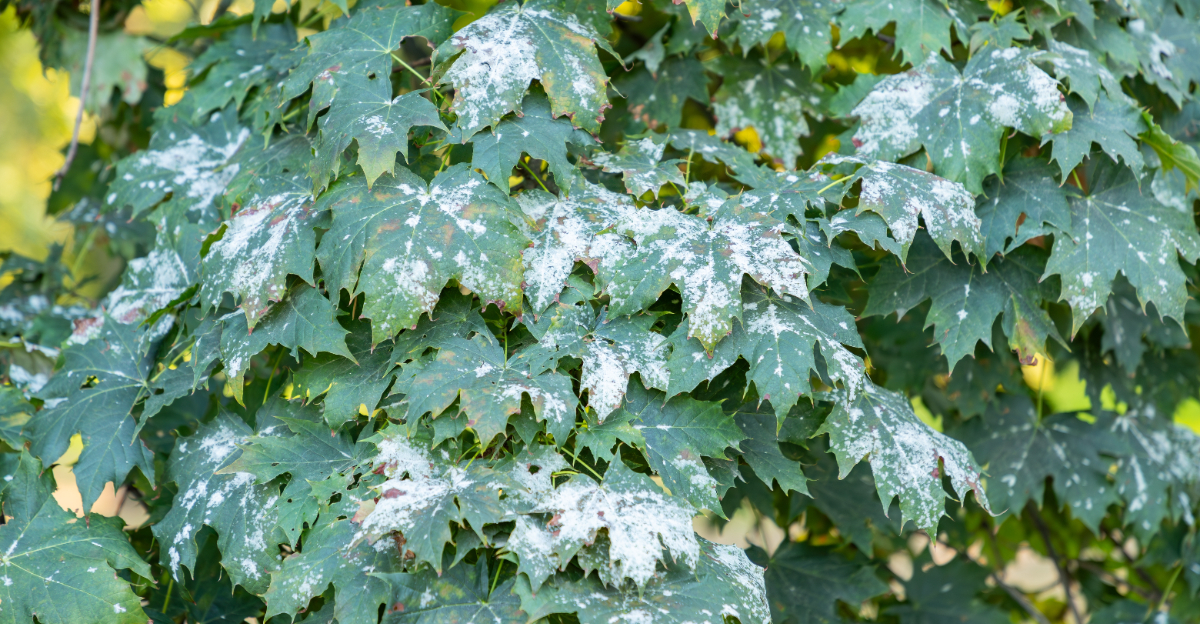
That white powdery coating showing up on your plant leaves is not something to ignore and hope disappears on its own.
Powdery mildew moves fast, spreads easily to neighboring plants, and has a way of going from a minor nuisance to a full garden problem within a couple of weeks if conditions stay favorable.
North Carolina’s climate creates those favorable conditions more reliably than most gardeners would like, especially during the stretches of warm days and cooler nights that show up in spring and again in late summer.
Humidity plays a role too, but powdery mildew actually thrives in dry conditions with high ambient moisture rather than wet foliage, which surprises a lot of people and explains why it shows up even during stretches without much rain.
Knowing what you are actually dealing with, which plants in a North Carolina garden are most vulnerable, and what genuinely stops the spread makes a real difference in how quickly you can get it under control before it takes over.
1. It Thrives In Warm, Humid Conditions
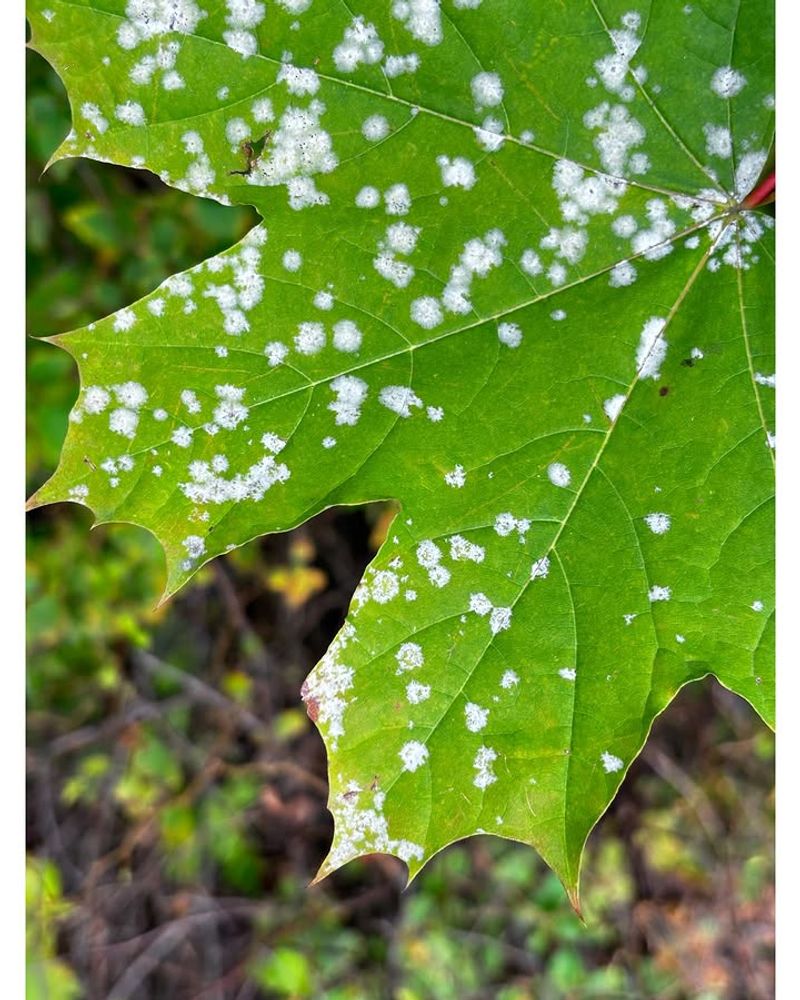
Most gardeners assume fungal diseases need rain to spread, but powdery mildew plays by its own rules. Unlike other fungi, it does not actually need free water sitting on leaves to take hold.
What it loves is warm daytime temperatures combined with high humidity at night, which is basically a description of a North Carolina summer from June through September.
The fungus spreads through tiny airborne spores that float from plant to plant without any help from rainfall. When temperatures hover between 60 and 80 degrees Fahrenheit with humid air, those spores land and start growing fast.
North Carolina’s Piedmont and coastal regions are especially prone to these exact conditions during the growing season.
Many gardeners focus only on keeping leaves dry, but that strategy misses the bigger picture. The real issue is managing the microclimate around your plants.
Improving airflow, choosing sunny planting spots, and avoiding dense planting arrangements all help reduce the warm, stagnant air that powdery mildew absolutely thrives in.
Getting ahead of conditions before midsummer is the smartest move you can make for your garden’s health this season.
2. Poor Airflow Accelerates The Spread
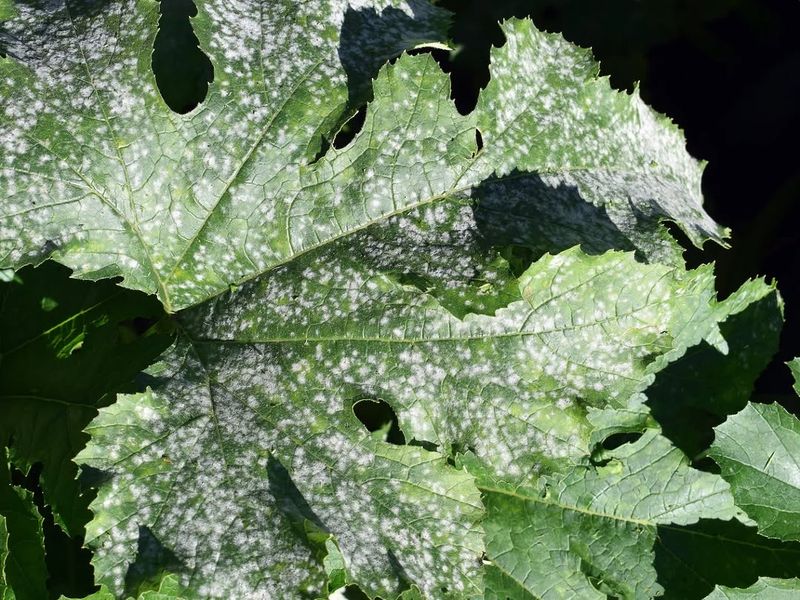
Picture a garden bed so full of plants that the leaves overlap and barely a breeze passes through. That cozy, crowded setup might look lush and abundant, but it is practically an invitation for powdery mildew to take over.
Trapped humidity between tightly packed plants creates exactly the warm, stagnant air that fungal spores love to settle into.
Once one plant shows signs of infection, spores move easily from leaf to leaf when air cannot carry them away. In North Carolina, where summer air already hangs heavy with moisture, poor plant spacing makes the problem multiply quickly.
Gardeners growing cucumbers, squash, phlox, or roses in tight rows often notice mildew creeping across entire sections of their garden within just a week or two.
The fix is simpler than most people think. Spacing plants according to their mature size, not their seedling size, makes a real difference.
Your North Carolina Garden Changes Every Week. Your Plan Should Too.
Gardening in North Carolina changes quickly throughout the season. Every Friday you’ll receive a simple weekly plan showing exactly what to plant, prune, fertilize, harvest, and protect so you never miss the right timing.
Light pruning throughout the season also opens up the canopy and lets fresh air move through. Removing a few extra stems or leaves might feel wasteful, but that small effort dramatically reduces the humid pockets where spores thrive.
Good airflow is one of the most underrated tools in any North Carolina gardener’s toolkit, and it costs absolutely nothing to use.
3. Infections Often Start On Shaded Or Older Leaves
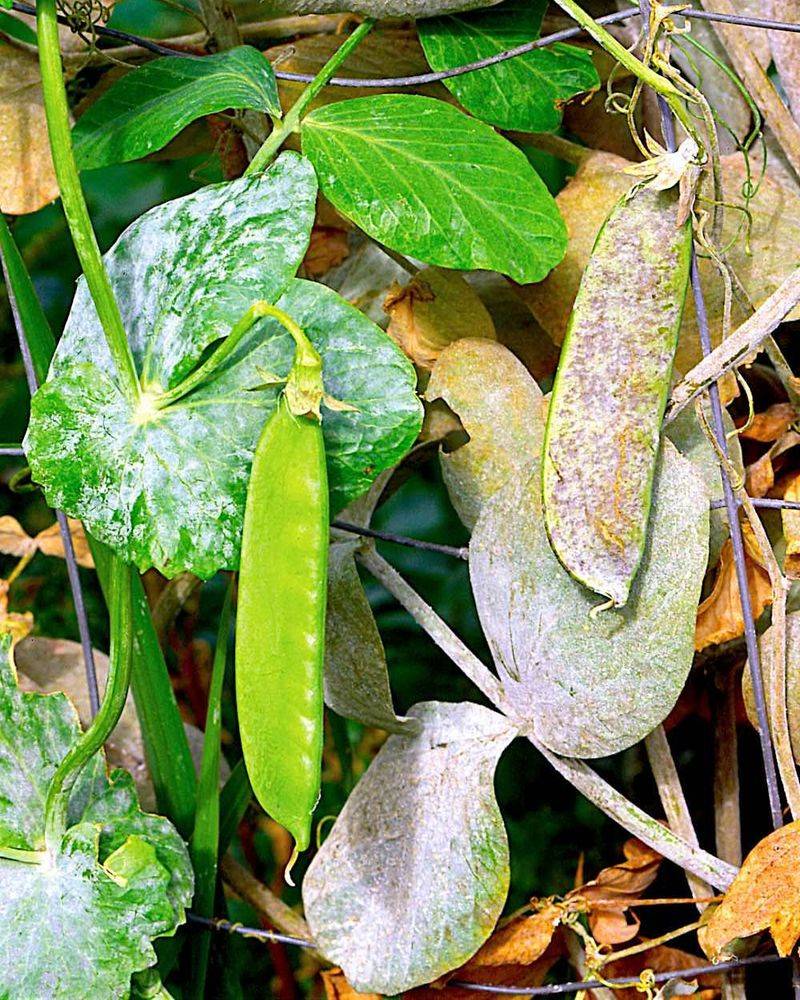
Powdery mildew rarely announces itself on the top of a healthy, sun-drenched plant. Instead, it sneaks in quietly at the bottom, targeting the older leaves tucked in the shade beneath newer growth.
Those lower leaves receive less sunlight, less airflow, and more moisture from the soil surface, making them the perfect starting point for a mildew outbreak.
By the time gardeners notice the white powder creeping up toward the newer growth, the infection has usually been building for days or even weeks. North Carolina gardeners who check only the top of their plants often miss the early warning signs hiding below.
A quick habit of flipping leaves and checking the undersides and lower stems can catch problems before they escalate into something harder to manage.
Removing the first affected leaves as soon as you spot them is one of the most effective early responses available. Place those removed leaves directly into a bag rather than the compost pile, since spores can survive and spread from compost.
Thinning out shaded interior growth also helps by bringing more light and air to areas that were previously hidden.
In North Carolina’s garden season, catching mildew at the first leaf or two rather than waiting makes all the difference between a manageable issue and a widespread problem across your entire planting area.
4. Overhead Watering Can Make Things Worse
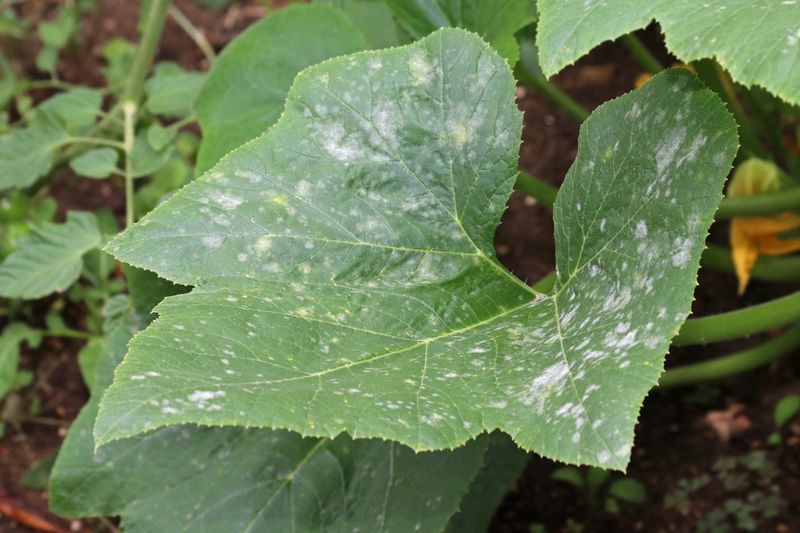
Here is something worth knowing before you grab the garden hose on a hot afternoon. While powdery mildew does not technically need wet leaves to spread, adding extra moisture to already humid conditions stacks the deck against your plants.
Overhead watering soaks the foliage, raises the humidity around the plant canopy, and extends the amount of time leaves stay damp overnight.
In North Carolina, evenings are already warm and muggy through most of the summer. Watering from above in the late afternoon or evening means your plants go into the night with wet leaves and no chance to dry before temperatures drop.
That combination creates a humidity bubble right where your plants are trying to grow, and powdery mildew takes full advantage of it.
Switching to drip irrigation or soaker hoses delivers water directly to the soil where roots need it, keeping foliage completely dry.
If overhead watering is the only option available, morning is always the better time since the sun and afternoon warmth help dry leaves before night falls.
North Carolina gardeners who make this one small change often notice a meaningful drop in fungal pressure across their entire garden.
Water is essential for plant health, but where and when you apply it matters more than most people realize when mildew is a concern in your yard.
5. Too Much Nitrogen Feeds The Problem

Fertilizing feels like the responsible thing to do, especially when you want your plants to grow big and strong. But there is a catch that many gardeners in North Carolina learn the hard way.
Excess nitrogen pushes plants to produce fast, soft, tender new growth, and that type of growth is significantly more vulnerable to powdery mildew than slower, more mature tissue.
Think of it this way. A plant that grows quickly under heavy fertilization produces leaves that are large, lush, and thin-walled.
Those leaves have less structural defense and more surface area for fungal spores to grab onto. During peak summer in North Carolina, when mildew pressure is already at its highest, a sudden flush of nitrogen-fueled new growth can trigger an outbreak almost overnight.
The smarter approach is to fertilize moderately and consistently rather than in large, infrequent doses. Using a balanced fertilizer rather than a high-nitrogen formula helps encourage steady, resilient growth that resists infection better.
Avoid heavy feeding from late spring through summer when the risk of mildew is greatest. If you notice soft, pale green new growth appearing rapidly on your plants, ease back on fertilizer immediately and check the lower leaves for early signs of white coating.
A little restraint with the fertilizer bag goes a long way toward keeping your North Carolina garden healthy and mildew-free all season long.
6. Resistant Plant Varieties Are A Gardener’s Best Friend
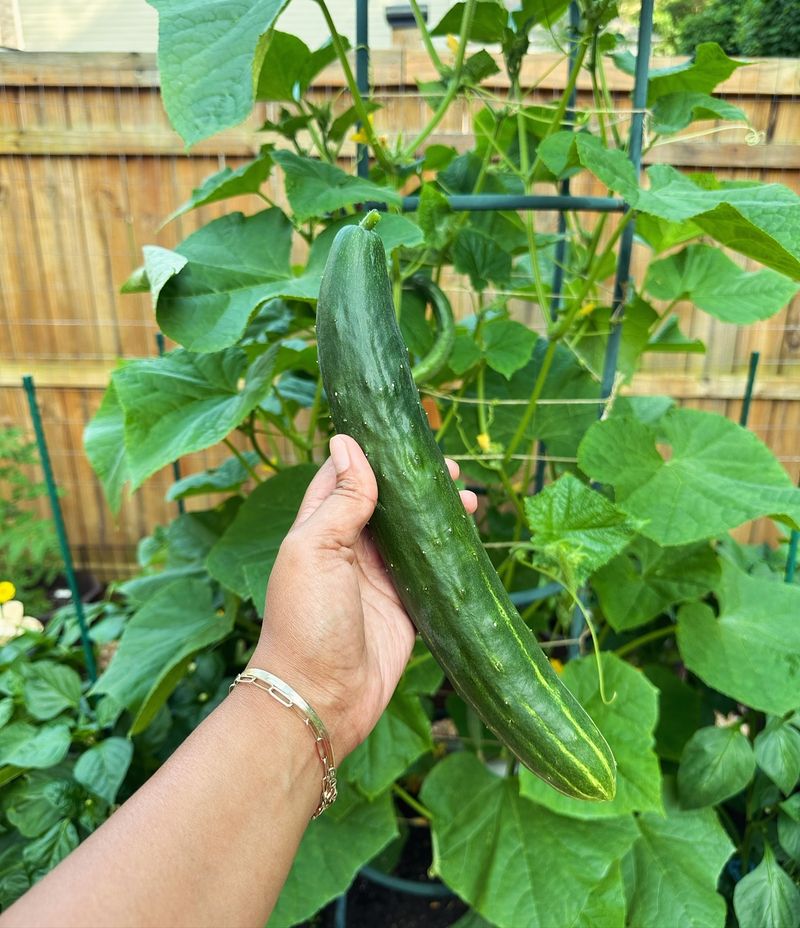
Not every plant has to be a sitting target for powdery mildew. Over the past few decades, plant breeders have developed varieties specifically designed to resist fungal infections, and for North Carolina gardeners, choosing these cultivars is one of the smartest investments you can make before planting season even begins.
Resistance does not mean immunity, but it means your plants can handle exposure without breaking down quickly.
Some of the most commonly mildew-affected plants in North Carolina gardens include phlox, cucumbers, squash, zucchini, and certain varieties of roses and bee balm.
For almost every one of those species, resistant cultivars are now widely available at local garden centers.
Cucumber varieties like Marketmore 76 and squash varieties labeled as mildew-tolerant have been tested in humid southeastern conditions similar to those found across North Carolina.
When shopping for plants or seeds, look for labels that mention resistance to powdery mildew. Seed catalogs and plant tags often include this information clearly.
Pairing resistant varieties with good cultural practices like proper spacing and morning watering creates a layered defense that is far more effective than any single strategy alone. Starting with the right plant is always easier than managing a struggling one.
North Carolina’s growing season is long and rewarding, and resistant varieties help you enjoy every week of it without constant worry about fungal outbreaks creeping across your garden beds.
7. Powdery Mildew Weakens Plants Gradually Over Time
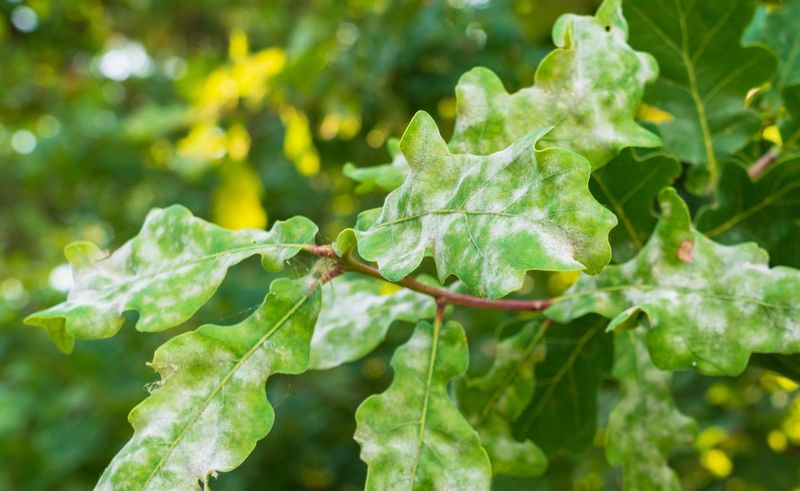
One reason gardeners sometimes underestimate powdery mildew is that it does not cause dramatic, immediate damage. Plants do not collapse overnight.
Instead, the decline is slow and steady, which makes it easy to put off dealing with it until the problem has grown much larger than it needed to be. The fungus feeds on the plant’s surface cells, pulling nutrients and reducing the leaf’s ability to photosynthesize properly.
Over weeks, infected leaves yellow and curl, and the plant puts more energy into fighting the infection than into producing fruit, flowers, or new growth. For vegetable gardeners in North Carolina, this means reduced harvests from cucumbers, squash, and pumpkins.
For flower gardeners, it means fewer blooms and shorter stems on plants like phlox and roses that should be performing at their peak during summer.
The gradual nature of mildew damage is actually a reason to act earlier rather than later. Catching an infection when only a few leaves are affected means the plant still has plenty of healthy tissue to recover and keep producing.
Waiting until more than a third of the plant is covered makes recovery much slower and harder to achieve. North Carolina’s growing season offers enough time to turn things around if you respond quickly.
Staying attentive and doing regular garden checks every few days throughout summer keeps small issues from quietly growing into season-ending setbacks.
8. Early Treatment Works Far Better Than Late Treatment
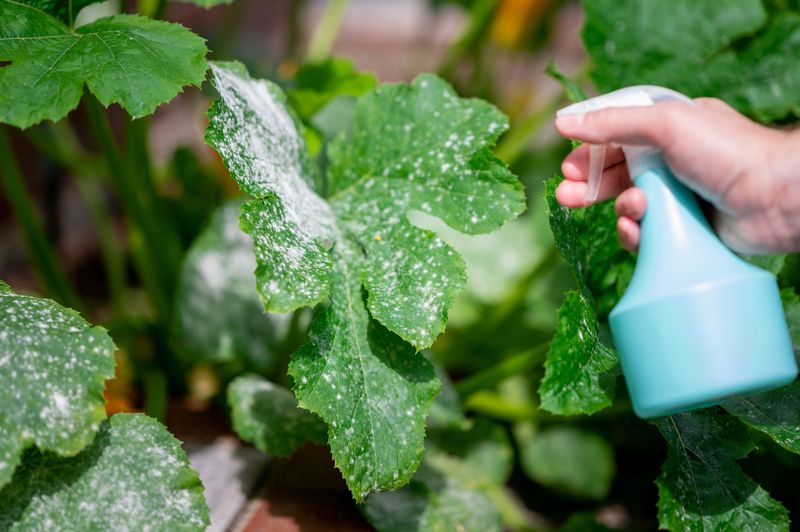
Waiting to see how bad things get before taking action is one of the most common mistakes gardeners make with powdery mildew.
By the time the white coating covers multiple plants and spreads across large sections of foliage, management becomes genuinely difficult.
The spores have already dispersed widely, new infections are starting constantly, and the window for easy control has closed. Acting at the very first sign of trouble changes everything.
When you spot the earliest white patches on a few leaves, start by removing those leaves immediately and improving airflow around the plant. Then consider applying a treatment to protect the remaining healthy tissue.
Several effective options are available for North Carolina gardeners, including neem oil, potassium bicarbonate, and diluted baking soda sprays. These work best as preventive or early-stage treatments rather than cures for heavy infections.
Sulfur-based fungicides are also widely available and effective when used correctly.
Always apply treatments in the cooler parts of the day, either morning or evening, to avoid leaf burn in North Carolina’s intense summer heat. Repeat applications are usually necessary every seven to ten days depending on conditions.
Combining treatment with cultural improvements like better spacing, reduced nitrogen, and soil-level watering gives you the strongest possible defense.
Powdery mildew is manageable when you catch it early, stay consistent, and respond with a clear plan rather than hoping the problem resolves itself before the end of the growing season.