8 Low-Maintenance Georgia Front Yard Ideas That Survive Drought And Look Intentional
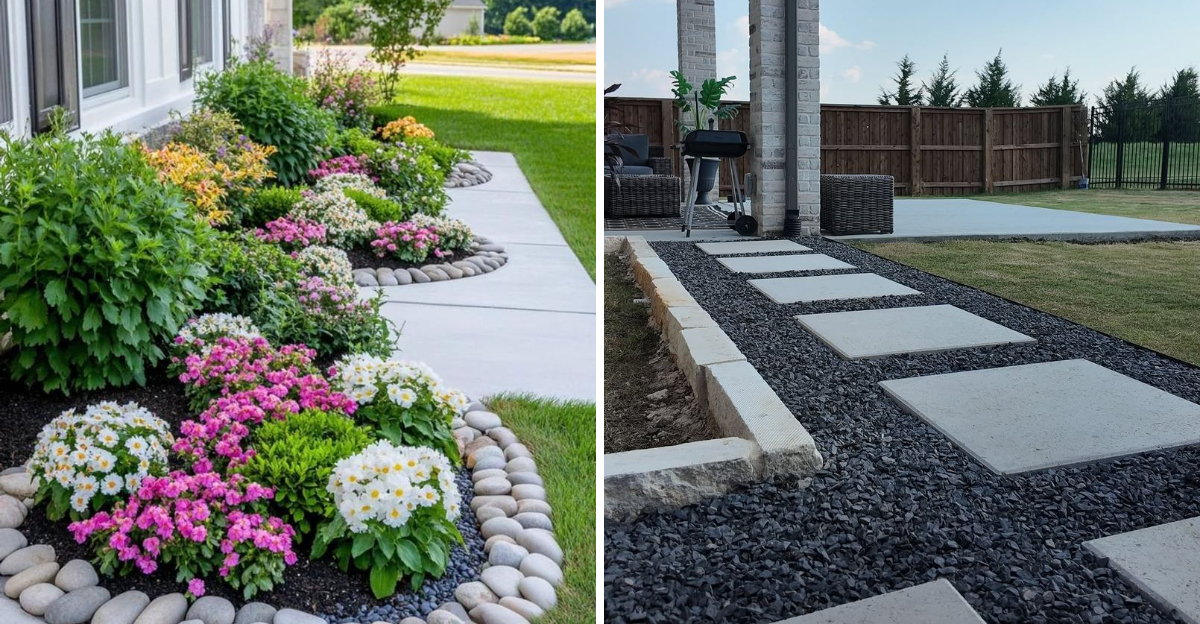
Front yards in Georgia can start looking uneven during dry spells, and that first impression fades quickly when plants struggle to keep their shape.
Maintaining a neat, pulled together look should not depend on constant watering or weekend upkeep.
Some designs stay clean and balanced even when rain is scarce, while others lose structure and need frequent fixes. Layout, plant selection, and materials all influence how well the space holds up over time.
Low effort options can still look polished when everything is placed with purpose. Poor choices, on the other hand, tend to show wear fast and never quite feel settled.
A few smart adjustments can keep the front yard looking cared for instead of stressed. The result feels intentional and steady, even through Georgia’s driest stretches.
1. Use Native Shrubs To Create A Structured Front Yard
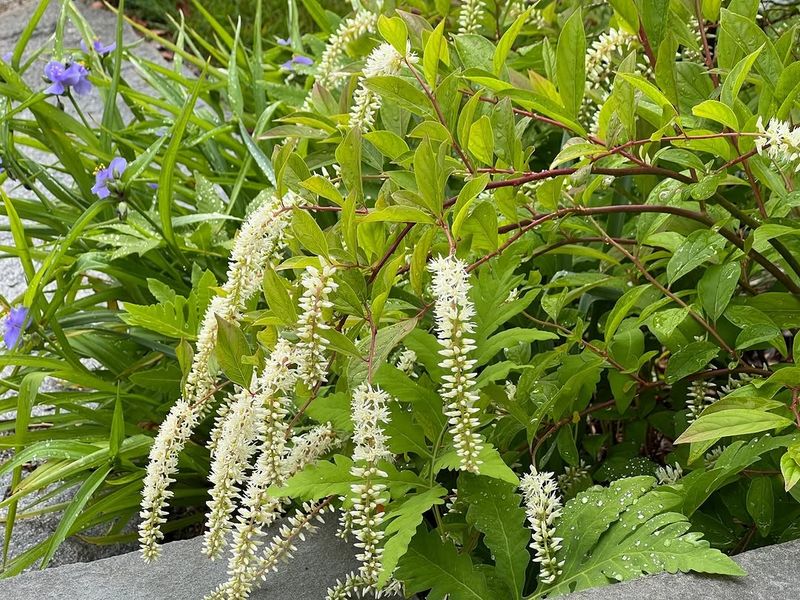
Native shrubs are one of the smartest moves you can make for a Georgia front yard. Plants like beautyberry, Virginia sweetspire, and inkberry holly are already adapted to the local climate, which means they handle drought, heat, and humidity far better than most ornamental shrubs you find at big box stores.
Once established, they rarely need extra watering.
What makes native shrubs especially useful is their structure. Arranged in rows or clusters along a front walkway or foundation, they create a clean, architectural look that feels intentional rather than random.
You get the visual impact of a well-designed yard without constantly trimming or replacing plants that cannot survive a Georgia summer.
Many Georgia native shrubs also offer seasonal interest. Beautyberry bursts with bright purple berries in fall, while Virginia sweetspire blooms white in spring and turns deep red in autumn.
You get year-round color without lifting a finger. For homeowners who want curb appeal without constant upkeep, native shrubs deliver exactly that.
Choose a mix of heights and textures to add depth, and you will have a front yard that looks professionally designed from the street every single season of the year.
They also support local wildlife, giving birds and pollinators a reliable source of food and shelter throughout the year.
2. Replace Lawn Areas With Drought Tolerant Ground Cover
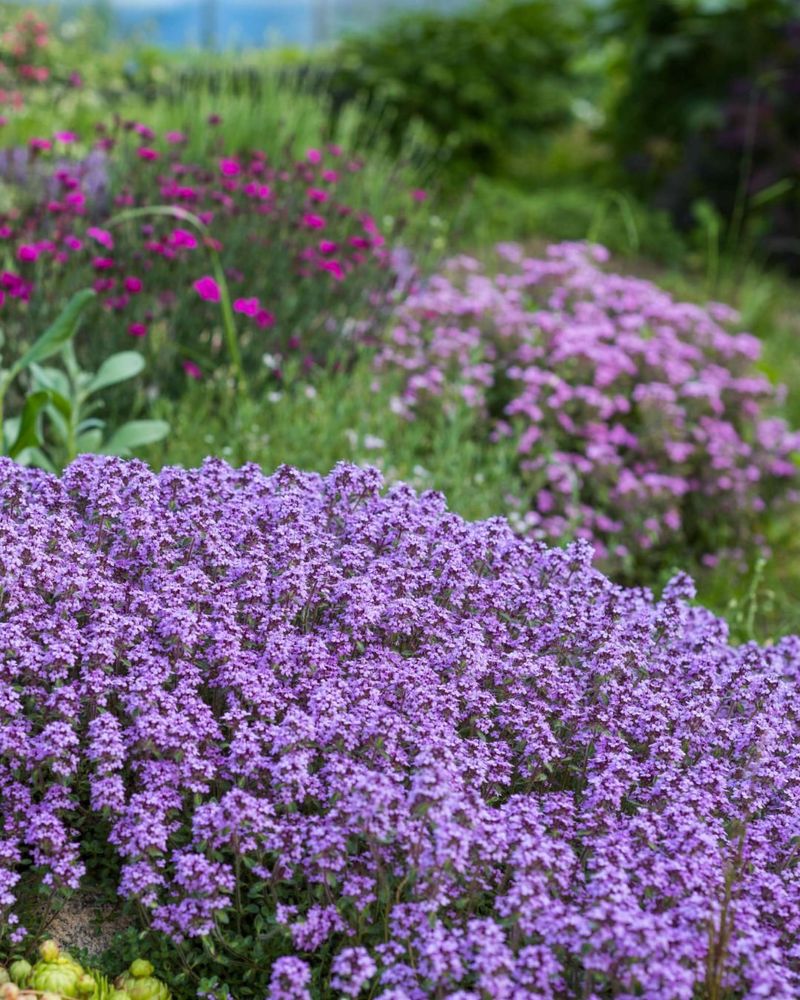
Grass lawns in Georgia are high maintenance by nature. They need regular mowing, watering during dry spells, and fertilizing to stay green through the brutal summer heat.
Swapping out large sections of lawn for drought-tolerant ground cover is one of the most practical decisions a Georgia homeowner can make for long-term yard care.
Creeping thyme, liriope, mondo grass, and perennial peanut are all excellent options for Georgia. Liriope in particular thrives in both sun and shade, spreads reliably, and stays green even during dry stretches without much help from you.
Creeping thyme adds a soft, cottage-style texture and releases a pleasant scent when brushed against. Both options look polished and deliberate when edged cleanly along pathways or beds.
Ground cover plants also help suppress weeds naturally, which cuts down on another major maintenance task. Over time, a dense mat of ground cover leaves little room for weeds to take hold, meaning fewer hours spent on your knees pulling them out.
Your Georgia Garden Changes Every Week. Your Plan Should Too.
Gardening in Georgia changes quickly throughout the season. Every Friday you’ll receive a simple weekly plan showing exactly what to plant, prune, fertilize, harvest, and protect so you never miss the right timing.
For Georgia yards with slopes or awkward corners where grass struggles anyway, ground cover is genuinely the smarter solution. Plant it once, let it spread, and enjoy a front yard that looks cared for without requiring constant attention from you every single week.
It also reduces water use significantly compared to traditional lawns, which makes it a more sustainable choice during Georgia’s hot, dry periods.
3. Add A Mulched Front Bed To Reduce Maintenance
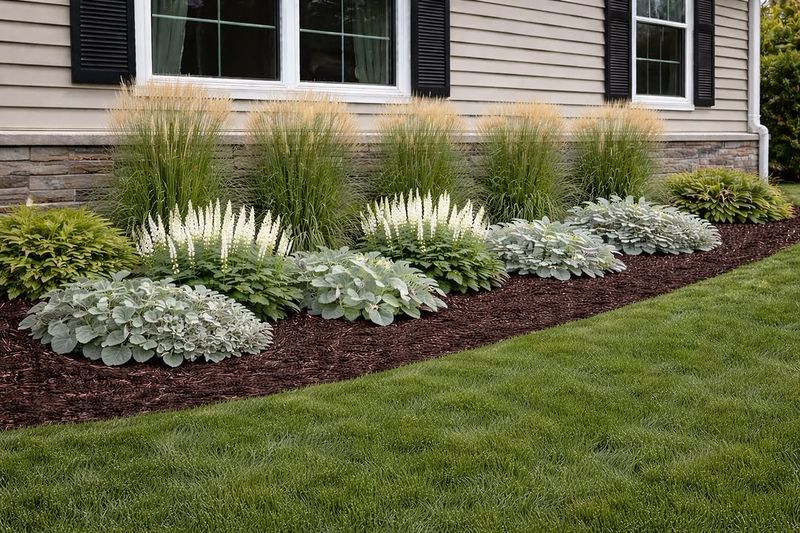
Few things transform a front yard faster than a well-mulched planting bed. Not only does mulch make a yard look neat and finished, but it also does serious work behind the scenes.
Mulch holds moisture in the soil, which means your plants need less watering during Georgia’s dry summer months. It also regulates soil temperature, keeping roots cooler when the heat is at its worst.
For Georgia front yards, a two to three inch layer of shredded hardwood mulch is usually the sweet spot. Too thin and it does not suppress weeds effectively.
Too thick and it can trap excess moisture against plant stems. Getting the depth right means you spend far less time pulling weeds throughout the growing season, and your plants stay healthier with less effort on your part.
Mulched beds also give your yard a polished, designed look that makes even simple plantings appear intentional.
Pair a wide mulched bed with a few ornamental grasses, native perennials, or low-growing shrubs, and the result looks like something out of a landscaping magazine.
For Georgia homeowners who want maximum visual impact with minimum upkeep, a mulched front bed is one of the best investments of time and money you can make for your property’s curb appeal.
Refreshing mulch once or twice a year keeps the color looking clean and maintains its ability to hold moisture and block weeds effectively.
4. Use Gravel Pathways For A Clean Low Water Look
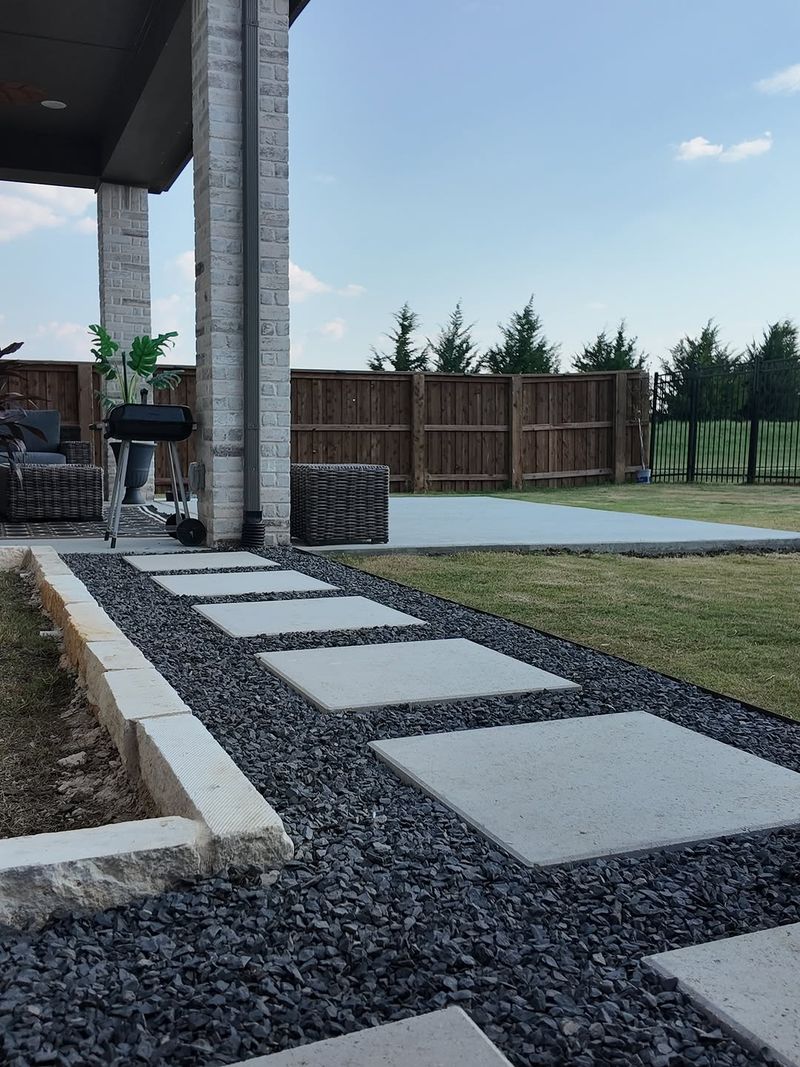
Gravel pathways have a way of making a front yard look intentional and well-thought-out without requiring much upkeep at all. Unlike concrete, gravel is flexible, affordable, and easy to install yourself.
In a Georgia front yard, where summer heat can cause traditional materials to crack or shift, gravel holds up surprisingly well and keeps its clean appearance season after season.
Pea gravel and decomposed granite are two of the most popular choices for Georgia homeowners. Pea gravel has a softer, more natural look, while decomposed granite compacts firmly underfoot and gives a more refined, modern finish.
Either option works beautifully when bordered by low-growing native plants or ornamental grasses that soften the edges and make the path feel welcoming rather than stark.
One practical benefit that often gets overlooked is drainage. Gravel allows rainwater to filter down into the soil rather than running off, which matters a lot in Georgia where heavy rain can follow weeks of dry heat.
Over time, gravel pathways also help reduce the amount of lawn you need to maintain, cutting down on mowing time and water use significantly.
Add a layer of landscape fabric beneath the gravel to keep weeds from pushing through, and your pathway will stay tidy for years with almost no effort from you.
Raking it occasionally keeps the surface level and prevents bare spots from forming, so the path stays neat and easy to walk on over time.
5. Create A Rock Garden With Heat Tolerant Plants
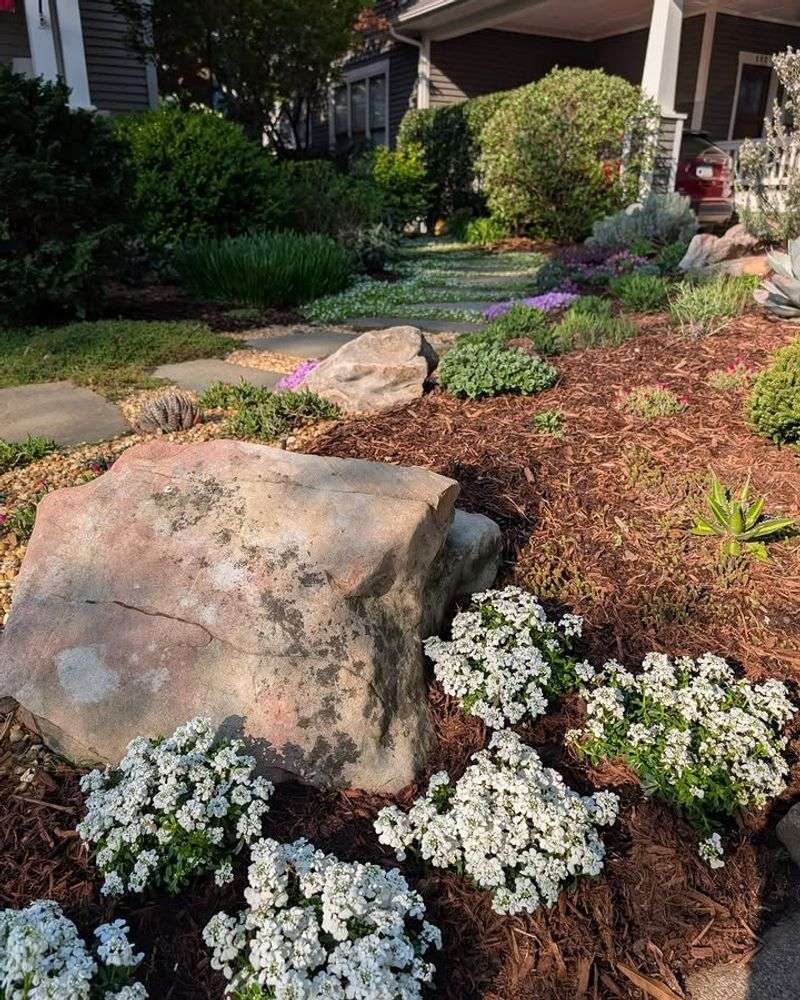
Rock gardens might not be the first thing that comes to mind when you think about Georgia landscaping, but they are one of the most drought-resilient and visually striking options available.
When done well, a rock garden looks bold and intentional, like something you planned carefully rather than something you settled for because the grass would not grow.
For a Georgia front yard, the key is combining different sizes of natural stone with plants that genuinely love heat and dry conditions. Sedum, agave, yucca, and hens-and-chicks are all excellent choices that thrive in Georgia’s climate without needing regular watering once established.
The rocks absorb heat during the day and release it slowly at night, creating a microclimate that many heat-loving plants actually prefer.
Beyond the plants themselves, the arrangement of the rocks matters a great deal. Vary the sizes and partially bury some stones so they look like they belong in the landscape naturally rather than just sitting on top of the soil.
Group plants between and around the rocks in small clusters to create a sense of flow and movement across the yard.
A well-designed rock garden in a Georgia front yard can become the most eye-catching feature on your block, and it requires almost no water or maintenance once everything is established and settled in place.
Adding a layer of gravel or crushed stone between plants helps control weeds and keeps the overall look clean and structured with minimal upkeep.
6. Plant A Shade Tree To Cool The Front Yard
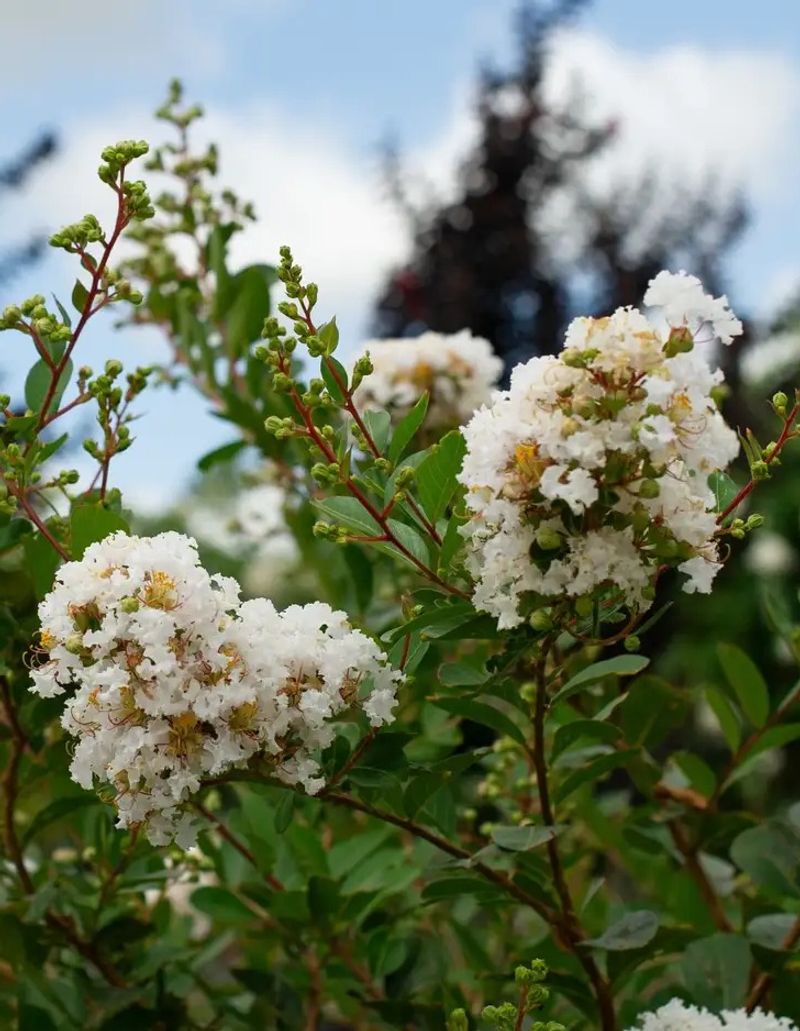
Planting a shade tree in a Georgia front yard is one of those decisions that pays off for decades. Shade trees do more than just look beautiful.
Over time, they lower the temperature around your home, reduce the heat absorbed by your driveway and walkway, and create a cooler, more comfortable outdoor environment during Georgia’s long, sweltering summers.
Southern red oak, native dogwood, and crape myrtle are all popular choices for Georgia front yards. Southern red oak grows tall and wide, offering dramatic shade and gorgeous fall color.
Crape myrtle is more compact and blooms in vivid pink, red, or white through the summer months, adding serious color to your curb appeal.
Native dogwood is a smaller option that fits well in tighter yards and produces beautiful spring blooms that Georgia homeowners love.
One thing worth knowing is that shade trees also reduce the water needs of plants growing beneath them, since shaded soil dries out more slowly than soil in full sun. Over time, a well-placed shade tree can lower your water and energy costs at the same time.
Choose a spot where the tree will not eventually interfere with power lines or the home’s foundation, and you will have a front yard feature that improves every single year as the tree matures and fills in beautifully.
7. Group Plants In Clusters For A More Intentional Layout
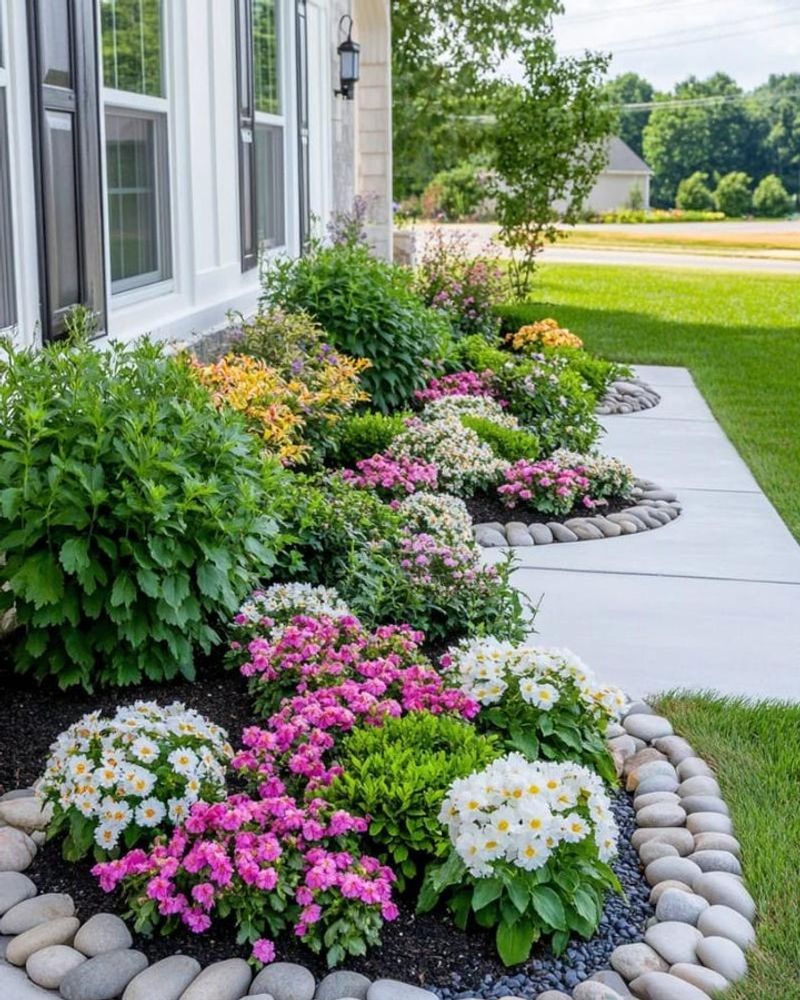
One of the easiest ways to make a front yard look professionally designed is to stop planting things one by one and start thinking in groups. When plants are scattered individually across a yard, the overall look feels random and unplanned.
Grouping plants in clusters of three, five, or seven creates rhythm and repetition, which is exactly what trained landscape designers rely on to make yards look intentional.
For Georgia front yards, clustering also has a practical advantage. When drought-tolerant plants are grouped together, you can water them more efficiently, and their combined root systems help stabilize the soil and retain moisture better than isolated plants would.
Grouping plants with similar water and sun needs in the same cluster also makes care much simpler, since you are not trying to manage a dozen different schedules across the yard.
Mixing textures and heights within each cluster adds visual interest without requiring more plants or more effort. Try pairing a tall ornamental grass with a mid-height native perennial and a low-growing ground cover at the front of the group.
Repeat that same cluster pattern along a bed or pathway, and your yard will have a cohesive, designed feel that looks anything but accidental.
Georgia homeowners who try this approach are often surprised by how much more polished their yard looks with the exact same plants simply arranged differently than before.
8. Keep Edges Clean For A Neat And Finished Front Yard
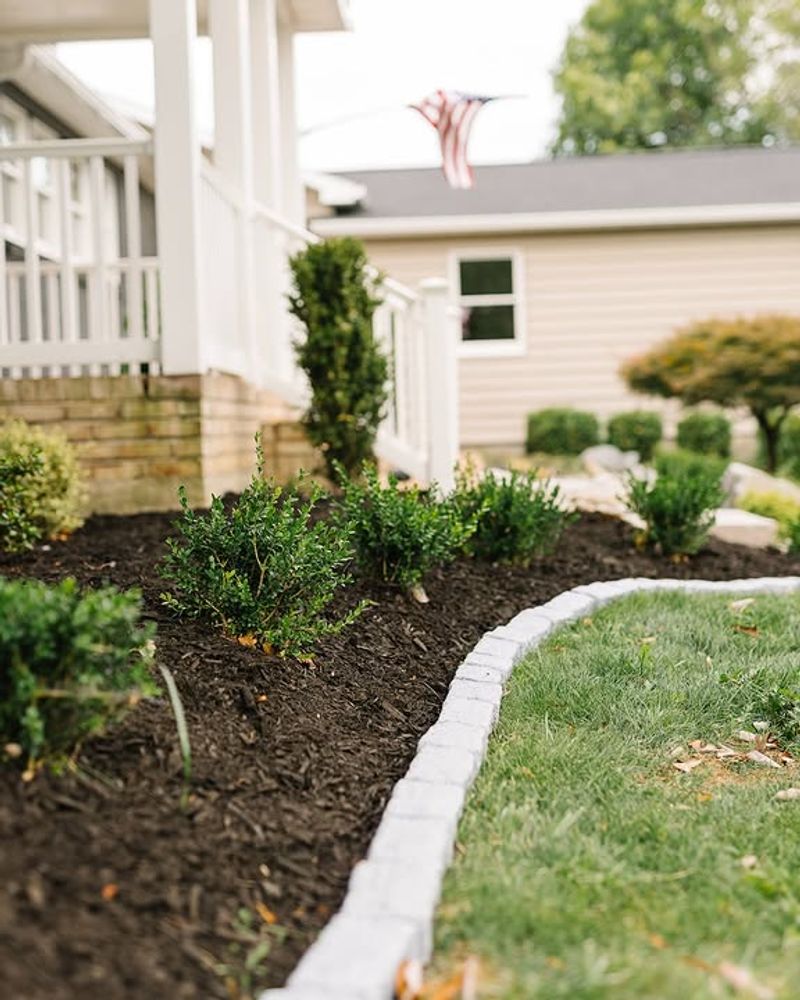
Clean edges might be the single most underrated trick in front yard landscaping. You can have the most beautiful plants in Georgia, but if your bed edges are ragged and uneven, the whole yard will look unkempt.
Sharp, well-defined edges between your lawn, beds, and pathways are what separate a yard that looks maintained from one that looks neglected, even when the overall planting scheme is simple.
Edging does not require expensive tools or professional help. A basic manual edger or a half-moon spade works perfectly well for creating clean lines along curved or straight beds.
For Georgia homeowners who prefer a more permanent solution, metal or plastic landscape edging can be installed once and then simply maintained with occasional trimming throughout the growing season, saving time in the long run.
The frequency matters too. Edging every three to four weeks during the active growing season keeps lines crisp without becoming a major chore.
Pair clean edges with a fresh layer of mulch in spring, and your front yard will look professionally maintained from the street even if everything else in the bed is low maintenance and drought tolerant.
For Georgia front yards where first impressions count, this one simple habit makes a bigger visual difference than almost any other landscaping upgrade you could choose to invest your time in.