9 Best Flowers To Naturally Repel Insects In Your Ohio Garden
Bugs have a plan for your garden. Aphids, Japanese beetles, squash bugs, cabbage worms – Ohio summers roll out a full cast of uninvited guests, and they show up right on schedule every single year.
Most gardeners reach for the spray bottle. Nothing wrong with that, but there’s a smarter first line of defense that’s been growing in plain sight all along.
Certain flowers don’t just look good, they actively make your garden a hostile place for the insects you don’t want.
Not through chemicals you have to mix and reapply, but through scent, compounds, and biology that work around the clock without any help from you.
Plant them once, let them do their job, and your pest pressure drops noticeably by midsummer. Ohio gardeners who crack this code stop fighting their garden and start working with it instead.
These flowers earn their spot in the beds every single season.
1. Marigolds Bring Scent And Color To Pest-Prone Beds
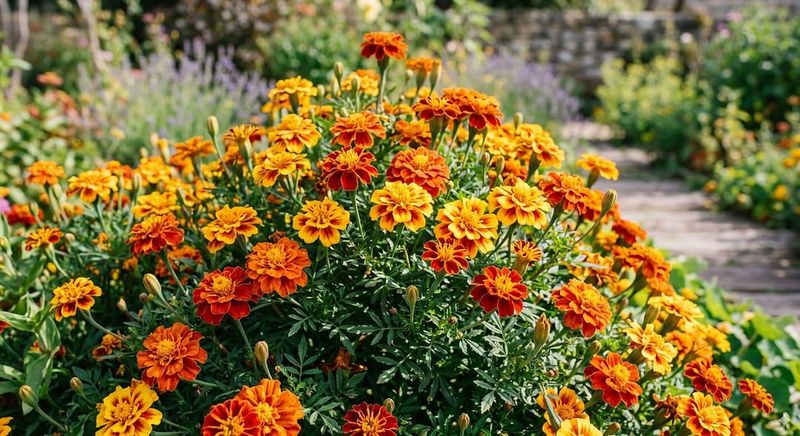
Few flowers have earned as loyal a following in American vegetable gardens as the marigold. Walk through any Ohio nursery in May and you will find flats of them stacked near the door, ready for gardeners who swear by their pest-fighting reputation.
The truth is a little more nuanced, and understanding it helps you use marigolds more effectively.
The strongest research-backed benefit involves soil nematodes. French marigold varieties, particularly Tagetes patula, have shown real results in reducing root-knot nematode populations when planted densely and consistently over a full growing season.
That is a meaningful, documented advantage worth considering if your Central Ohio clay soil has hosted nematode problems before.
For above-ground insects, the evidence is thinner. Marigolds do produce a distinctive scent that may confuse or slow certain pests, but they are not a guaranteed barrier against aphids, beetles, or caterpillars.
What they do reliably is attract pollinators and some beneficial insects to your garden, adding biodiversity that supports overall plant health.
In Southern Ohio, where warm summers arrive early and pest pressure builds fast, planting marigolds as early as safe transplant dates allow gives them time to establish before the heat peaks.
Space plants well to encourage airflow and reduce fungal issues during humid Ohio summers.
2. Nasturtiums Work Better As Trap Flowers Than Shields
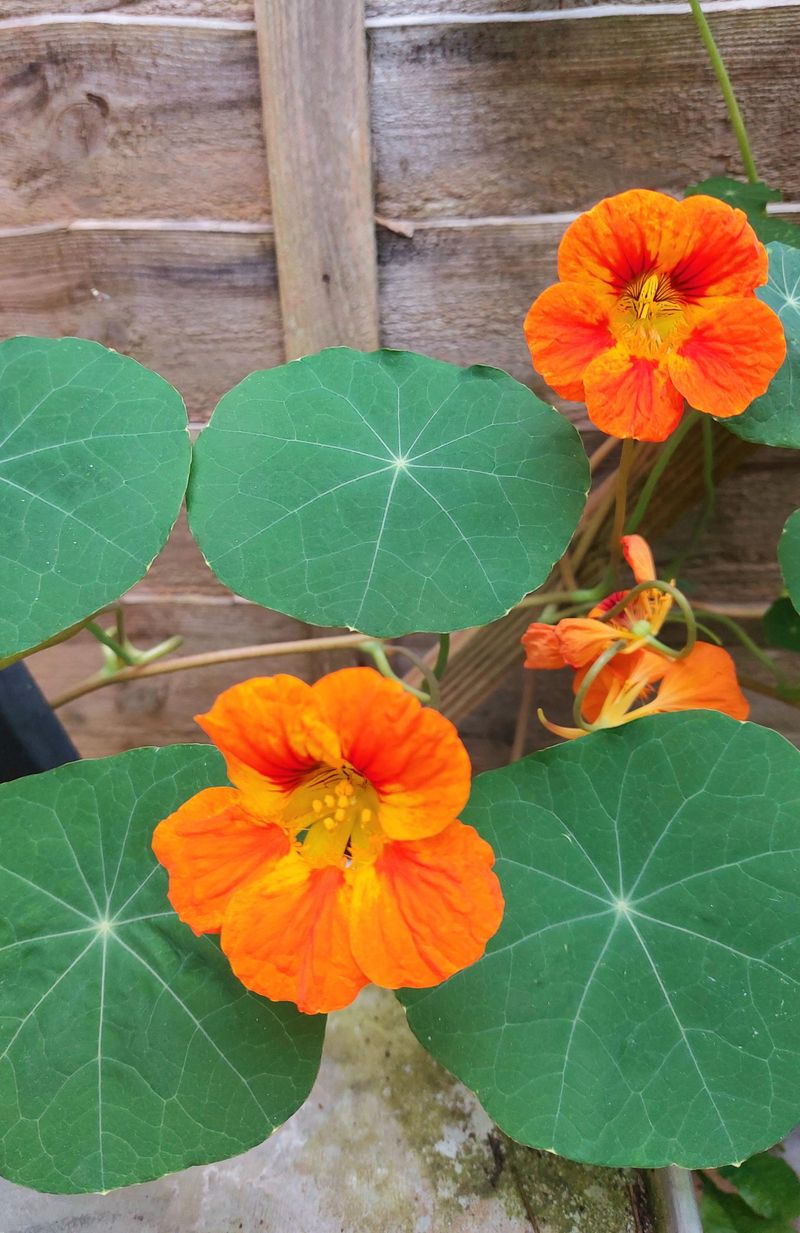
Imagine a vegetable bed under serious aphid pressure in late June. You notice clusters of the tiny insects have settled on one plant while the neighboring vegetables look relatively untouched.
That plant might be a nasturtium doing exactly what trap plants are supposed to do.
Nasturtiums attract aphids, whiteflies, and certain other soft-bodied pests, drawing them toward their own foliage and away from surrounding crops.
This trap-plant strategy does not eliminate pests, but it can concentrate them in one spot where you can monitor and address the problem more easily.
Pulling or treating a single nasturtium plant is far simpler than chasing aphids across an entire raised bed.
Beyond pest dynamics, nasturtiums offer genuine garden value. Their flowers and leaves are fully edible, with a peppery flavor that works well in salads.
Your Ohio Garden Changes Every Week. Your Plan Should Too.
Gardening in Ohio changes quickly throughout the season. Every Friday you’ll receive a simple weekly plan showing exactly what to plant, prune, fertilize, harvest, and protect so you never miss the right timing.
Trailing varieties spill beautifully over container edges, making them useful on porches and patios across Ohio where garden space is limited.
Northern Ohio gardeners appreciate that nasturtiums tolerate cooler spring soil better than many warm-season annuals. Direct sow seeds after the last frost date for your zone and water consistently until established.
Avoid over-fertilizing since rich soil encourages leafy growth at the expense of blooms and their pest-attracting function.
3. Calendula Adds Sticky Blooms That Draw Helpful Insects
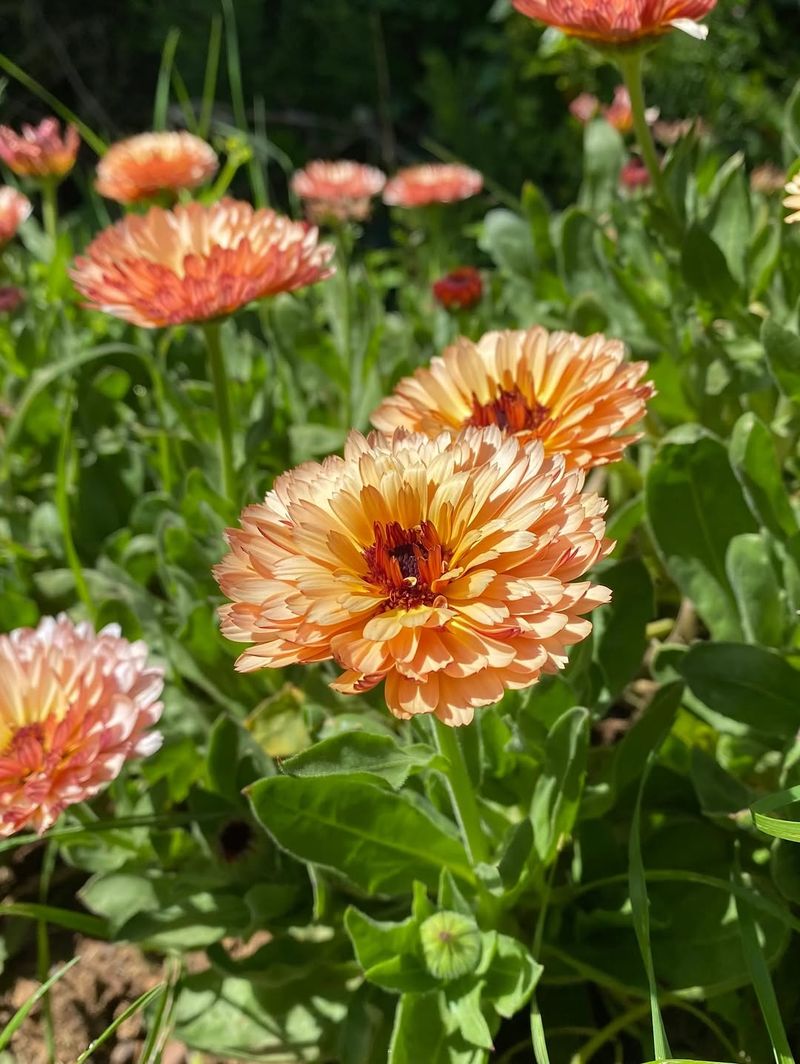
On a cool Ohio April morning when most annuals are still weeks away from the ground, calendula is already putting on a show.
Also called pot marigold, though unrelated to true marigolds, calendula thrives in the mild temperatures of early and late season, making it especially useful for Ohio gardeners who want color and beneficial insect activity outside of peak summer.
The sticky, resinous texture of calendula blooms and stems physically traps small soft-bodied insects like aphids and whiteflies, which can reduce their spread in mixed beds.
More significantly, calendula is a reliable attractor of hoverflies, whose larvae are active predators of aphids.
Encouraging hoverflies into your garden is one of the more practical and well-supported forms of natural pest management available to Ohio home gardeners.
Calendula also draws in bees and other pollinators, adding biodiversity that benefits surrounding vegetables and flowering plants. Plant it near tomatoes, peppers, or salad greens to create a layered, active garden environment.
In Central Ohio, where clay soil can stay wet and cool into spring, calendula handles those conditions without much complaint.
Deadhead spent blooms regularly to extend flowering through early summer. When heat peaks in July, plants may slow down, but a second flush of blooms often follows as temperatures ease in late August.
4. Lavender Sends Strong Scent Through Sunny Borders
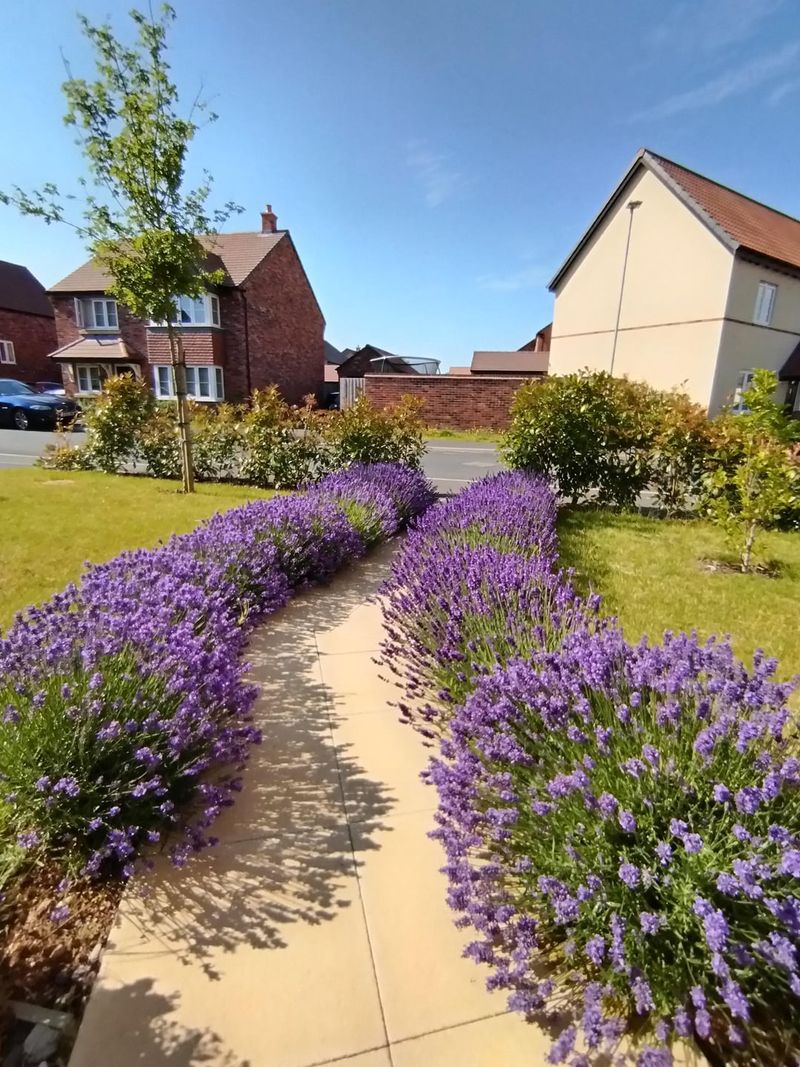
A sunny afternoon in an Ohio perennial border smells entirely different once lavender is established. The fragrance is unmistakable, and it is that same strong scent that has given lavender its long-standing reputation as a pest-deterring plant.
The reality is more layered than the reputation suggests, but lavender still earns its place in many Ohio gardens.
Claims that lavender repels mosquitoes, moths, or fleas have limited scientific backing when the plant is simply growing in the garden. Concentrated lavender oil shows stronger evidence in laboratory settings, but a border planting is a different situation.
What lavender reliably does is attract bees, butterflies, and other pollinators in large numbers, which contributes to a healthier, more active garden ecosystem overall.
The bigger challenge for Ohio gardeners is drainage. Lavender demands well-drained soil and struggles in the heavy clay common across Central Ohio.
Amending beds with coarse sand or grit, or planting in raised beds and containers, dramatically improves survival rates. Northern Ohio gardeners should select cold-hardy varieties like Hidcote or Phenomenal, which handle zone 5 winters more reliably.
Full sun is non-negotiable. At least six to eight hours of direct light keeps lavender healthy, reduces fungal pressure in humid Ohio summers, and encourages the dense, fragrant growth that makes it worth planting in the first place.
5. Bee Balm Attracts Pollinators And Garden Allies
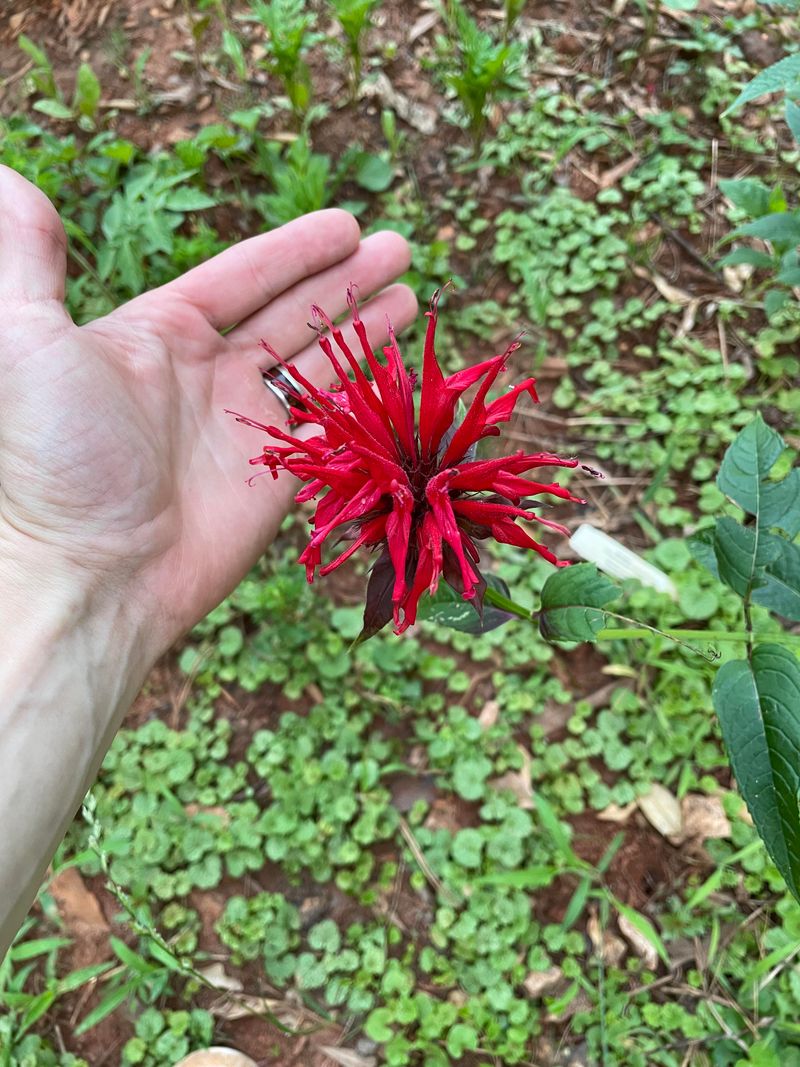
A buzzing summer border full of Monarda in bloom is one of the more memorable sights in an Ohio pollinator garden.
Bee balm, a native genus to eastern North America, pulls in bumblebees, native bees, butterflies, and hummingbirds with a combination of bright tubular flowers and a spicy, oregano-like fragrance that makes it stand out even in a crowded bed.
The connection to pest management is indirect but meaningful. A garden that supports a rich population of pollinators and beneficial insects tends to be more resilient overall.
Predatory insects, parasitic wasps, and other garden allies are more likely to take up residence in a diverse planting that includes native flowering plants like bee balm.
The main challenge in Ohio is powdery mildew. Humid summers, especially in densely planted beds or low-airflow corners of the garden, create ideal conditions for this fungal issue.
Selecting mildew-resistant varieties such as Jacob Cline or Raspberry Wine helps considerably. Space plants at least 18 to 24 inches apart and avoid overhead watering in the evening to reduce moisture on foliage.
Bee balm spreads by underground rhizomes and can expand quickly in garden beds with loose, amended soil.
Dividing clumps every two to three years keeps plants vigorous and prevents overcrowding, which also improves airflow and reduces fungal pressure through Ohio’s sticky summer months.
6. Sweet Alyssum Feeds Tiny Beneficial Wasps
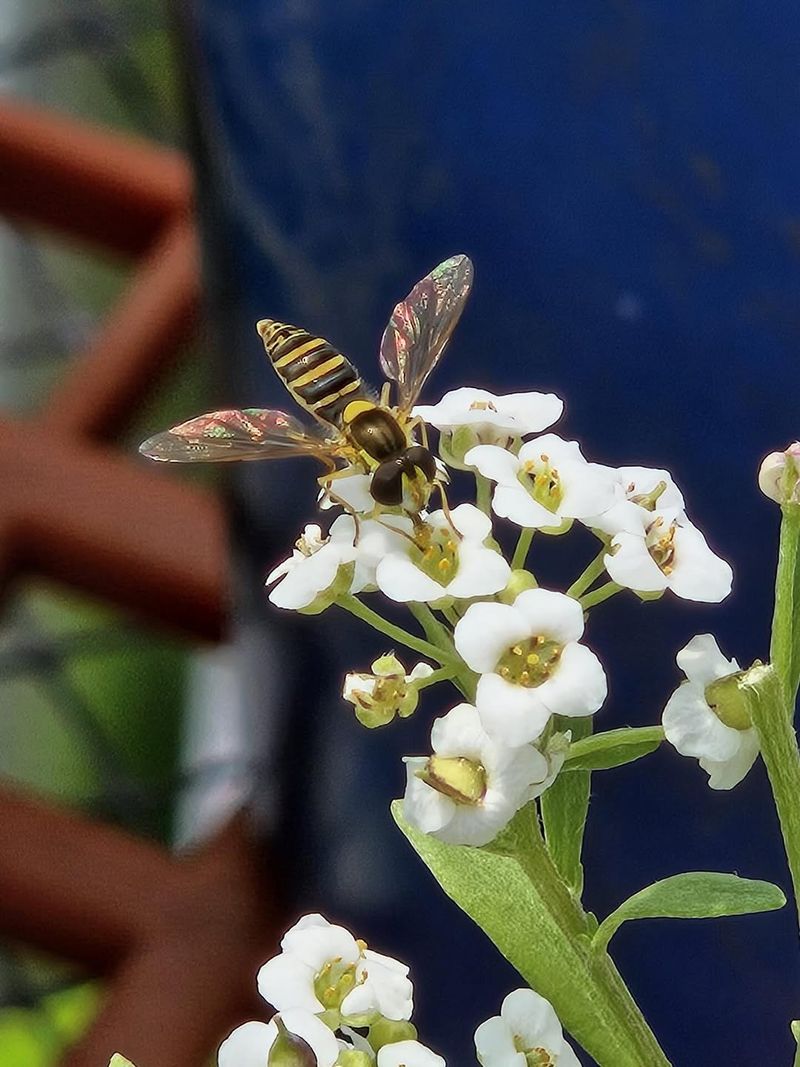
Small flowers often do big work in the garden, and sweet alyssum is a perfect example.
Tucked along bed edges or spilling from containers, this low-growing annual produces clusters of tiny blooms that might seem modest at first glance.
Look closely on a warm afternoon, though, and you will likely spot a steady stream of hoverflies and small parasitic wasps working the flowers.
Those tiny wasps are some of the most effective natural pest managers in any garden.
Many species parasitize aphids, caterpillar eggs, and other common garden pests in ways that are nearly invisible to the human eye but genuinely impactful at the population level.
Sweet alyssum provides the nectar and pollen those wasps need to survive and reproduce, making it a practical support plant for beneficial insect activity.
Sweet alyssum thrives in Ohio’s cooler shoulder seasons, performing best in spring and fall when temperatures stay below 80 degrees. In the heat of a Central Ohio July, plants may go dormant or slow significantly, but they often revive as temperatures ease in August.
Shearing back leggy plants by one-third encourages fresh growth and continued blooming.
Direct sow seeds along bed edges after the last frost, or transplant starts from a local nursery.
Sweet alyssum also works beautifully in window boxes and hanging baskets, which lets Northern Ohio gardeners extend the season by moving containers to sheltered spots during early cold snaps.
7. Borage Brings Bees, Hoverflies, And Blue Blooms
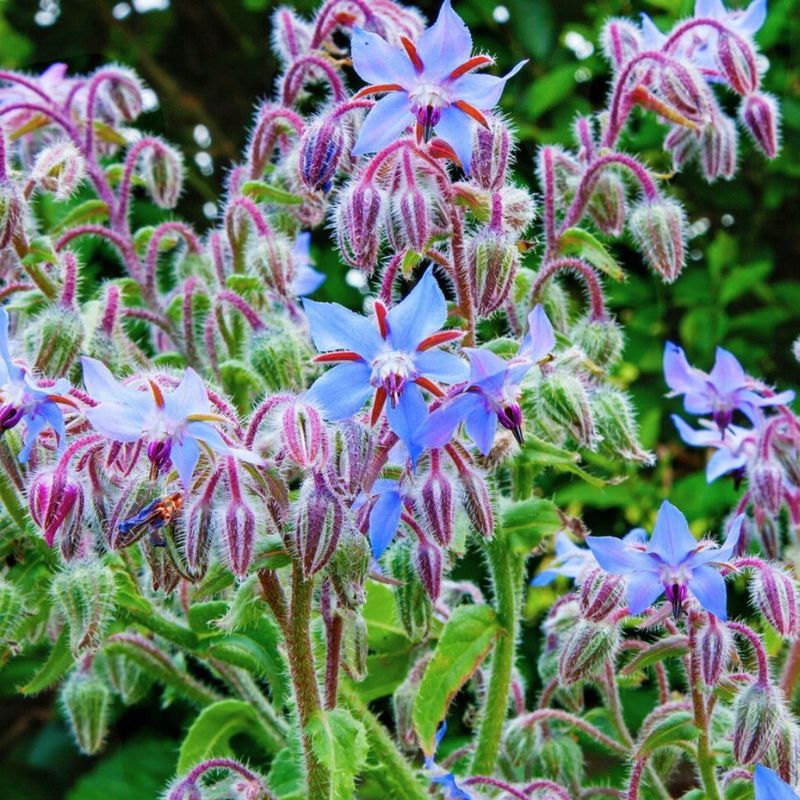
Borage has a personality all its own. Its fuzzy stems, cucumber-scented leaves, and vivid star-shaped blue flowers make it one of the more distinctive plants you can grow in an Ohio vegetable garden.
It is also genuinely useful, attracting bumblebees, honeybees, and hoverflies that move freely between borage and neighboring crops throughout the season.
Hoverflies are particularly valuable. Adults feed on nectar and pollen, but their larvae consume aphids actively, making borage an indirect contributor to aphid management in mixed plantings.
No single flower eliminates a pest problem, but supporting hoverfly populations is one of the more practical steps a home gardener can take.
One thing to plan for is borage’s enthusiastic self-seeding. A single plant can scatter seeds widely, and seedlings emerge readily the following spring.
In a structured garden bed, this can become a management challenge. Spacing plants at least 18 inches apart and removing spent flower heads before seeds fully mature helps keep borage from overwhelming surrounding plants.
Southern Ohio gardeners who deal with early-season pest pressure will appreciate that borage establishes quickly from direct-seeded seed after frost danger passes. The flowers are edible and make a striking garnish, adding a mild cucumber flavor to drinks and salads.
In humid Ohio summers, give borage good sun exposure and adequate spacing to reduce fungal pressure on the thick, moisture-retaining foliage.
8. Yarrow Pulls In Predatory Garden Helpers
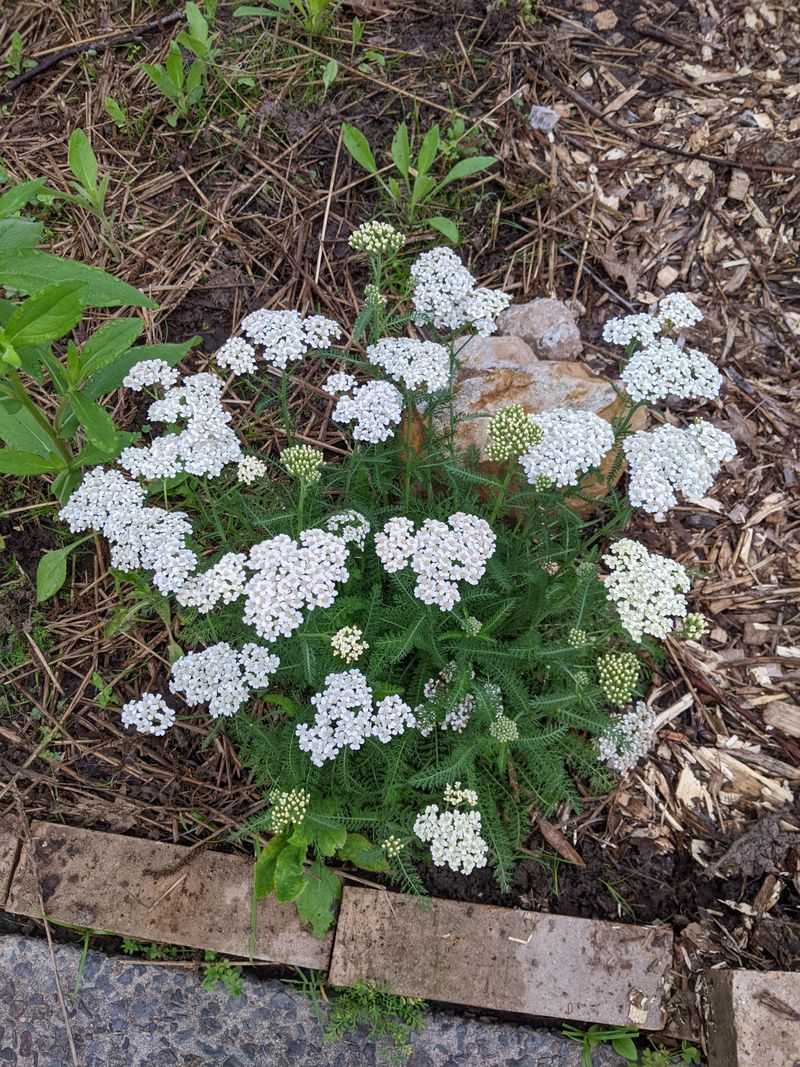
Drought hits Central Ohio gardens hard some summers, and not every perennial handles the stress gracefully. Yarrow is one that does.
Once established, its deep root system gives it real staying power through dry spells, making it a low-maintenance choice for sunny borders where other plants struggle without consistent irrigation.
Beyond its drought tolerance, yarrow has a well-documented relationship with predatory insects. The flat, clustered flower heads, called corymbs, provide easy landing platforms for lady beetles, lacewings, and parasitic wasps.
These insects are natural predators of aphids, mites, and soft-bodied pests, and a planting that supports their presence creates a more balanced garden environment without relying on sprays.
Yarrow spreads by both rhizomes and self-seeding, which means it can expand beyond its original footprint over a few seasons. Dividing clumps every two to three years keeps plants healthy and contained.
In Northern Ohio, where shorter warm seasons compress the growing window, yarrow’s early-spring emergence and long bloom period are genuine advantages.
Choose native or near-native varieties when possible to maximize pollinator and beneficial insect value. Common yarrow, Achillea millefolium, is well-adapted to Ohio soils and tolerates the clay conditions found across much of the state.
Full sun and good drainage remain the two most important factors for keeping yarrow thriving and blooming season after season.
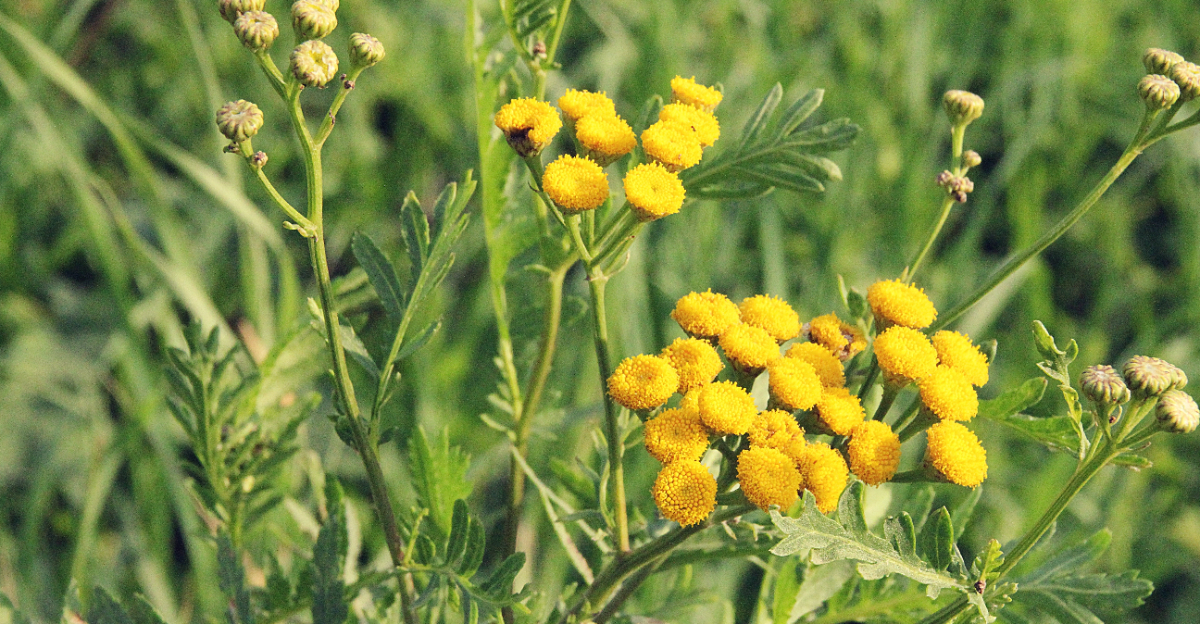
9. Tansy Needs Caution Despite Its Pest-Control Reputation
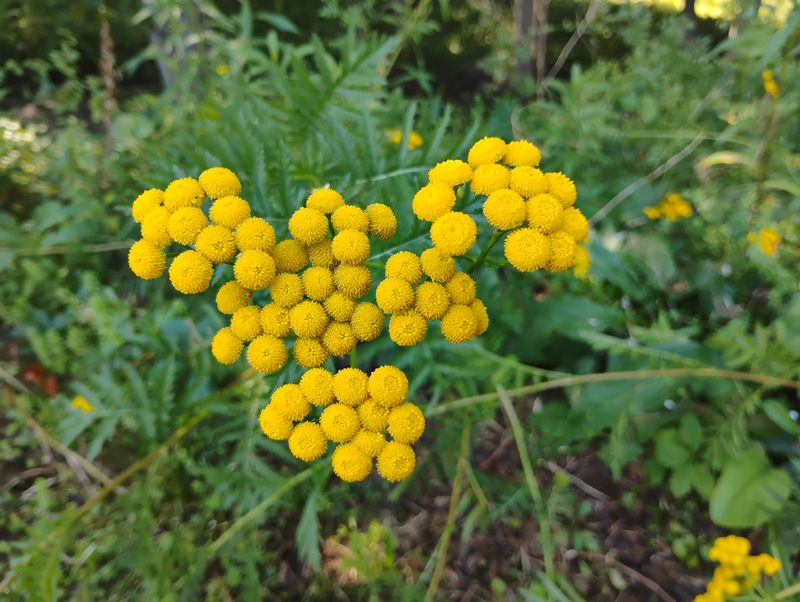
Few plants carry as much old-fashioned pest-control mythology as tansy.
For centuries, gardeners tucked it near doorways, scattered dried leaves in pantries, and planted it along garden borders with confidence that its sharp camphor-like scent kept unwanted insects at bay.
The reputation is long and colorful, but modern gardening calls for a more careful look at what tansy actually does and what risks come with growing it.
Tansy contains thujone, a compound that is toxic to humans and animals when consumed. Handling the plant repeatedly may also cause skin irritation in sensitive individuals.
Ohio gardeners with children, pets, or livestock nearby should weigh those risks seriously before adding tansy to any planting area. The toxicity concern is not minor, and it is worth acknowledging plainly.
The plant also spreads aggressively. Tansy reproduces by both rhizome and seed, and in favorable Ohio conditions it can overtake surrounding plants within a few seasons.
Without consistent management, a small planting becomes a large one faster than most gardeners expect.
As for pest control, the evidence supporting tansy as a reliable insect deterrent in garden settings is thin. Anecdotal reports exist, but controlled research does not back the broad claims made in traditional sources.
If you do choose to grow tansy, contain it in a buried pot or raised bed with solid barriers, monitor it closely, and do not rely on it as a primary pest management strategy.