The Plants Spotted Lanternflies Love Most In Pennsylvania Yards
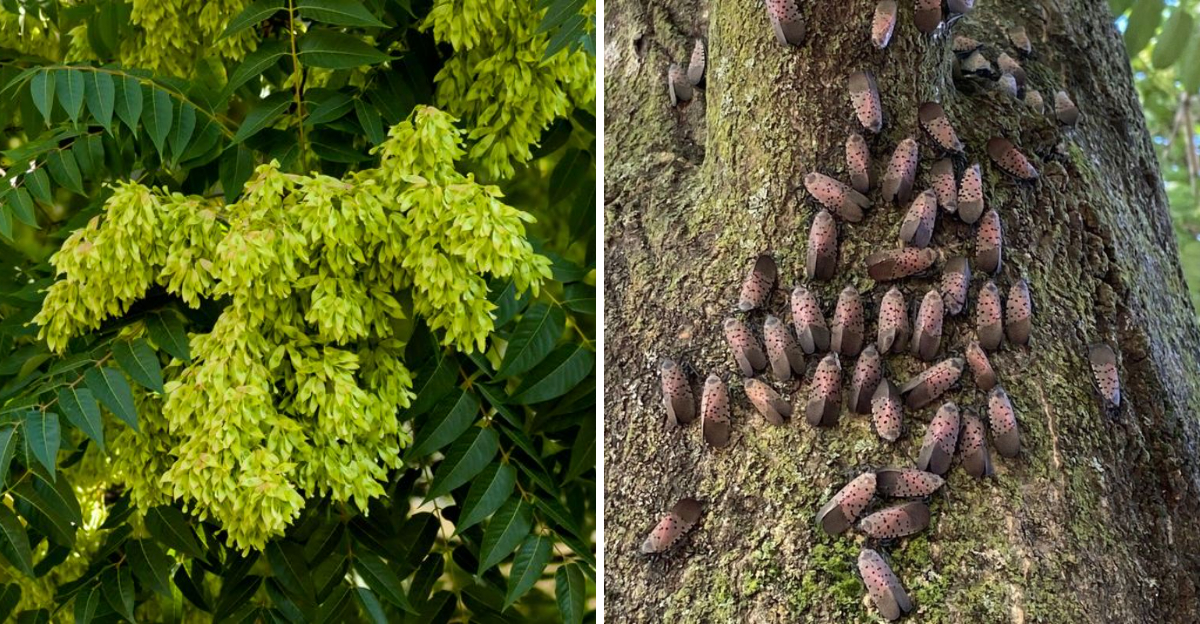
Spotted lanternflies have made themselves very much at home in Pennsylvania, and at this point most residents have had at least one close encounter with these invasive pests.
They’re hard to miss, they show up in large numbers when conditions are right, and the damage they do to plants and trees has real consequences for Pennsylvania homeowners, farmers, and natural areas across the state.
What a lot of people don’t fully appreciate is that spotted lanternflies aren’t equally interested in every plant in your yard. They have strong preferences, and certain plants act like magnets that draw them in and encourage them to stick around, feed, and reproduce.
Having those plants in your yard without knowing their role in the spotted lanternfly story means you could be actively contributing to the problem without realizing it.
Knowing which plants top the spotted lanternfly’s menu is genuinely useful information for anyone trying to manage their presence in a Pennsylvania yard this season.
1. Tree Of Heaven
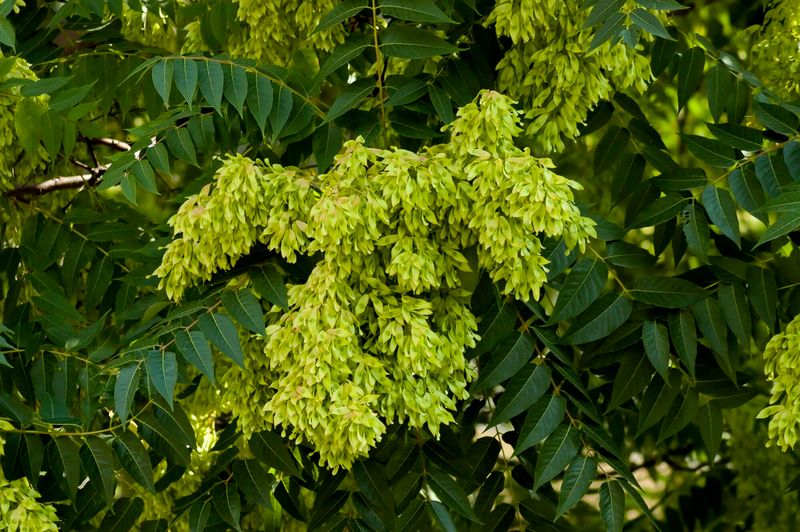
Walk through almost any neighborhood in Pennsylvania and you will likely spot a Tree of Heaven growing somewhere nearby. This fast-growing tree, originally from China, is the number one favorite host plant for spotted lanternflies.
Scientists who study these insects say that Tree of Heaven is so attractive to lanternflies that large groups of them will gather on a single tree in a matter of days.
Spotted lanternflies feed on the sap inside the tree’s stems and bark. As they feed, they release a sticky liquid called honeydew.
That honeydew coats nearby surfaces and encourages a black sooty mold to grow. Over time, this weakens the tree and can cause serious stress to other plants nearby.
One reason Tree of Heaven is such a magnet is that it is already considered an invasive species itself. It grows in disturbed areas like roadsides, fence lines, and vacant lots all across Pennsylvania.
That means lanternflies always have a ready food source close to human activity. If you have a Tree of Heaven on your property, it is worth paying close attention to it during the warmer months. You may notice egg masses on the bark in fall and winter.
Scraping those egg masses off and destroying them can help reduce how many lanternflies hatch in spring. Staying on top of this one tree can make a big difference for your whole yard.
2. Grapevines
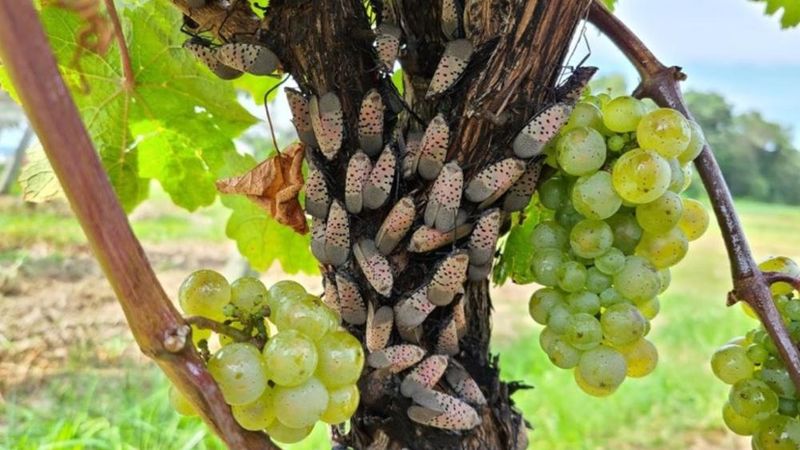
Ask any Pennsylvania vineyard owner about spotted lanternflies and you will get a very serious answer. Grapevines are one of the most heavily targeted plants on this invasive insect’s menu.
From large commercial vineyards in the southeastern part of the state to small backyard gardens growing a few clusters of grapes, no grapevine seems to be off-limits.
Spotted lanternflies pierce the soft tissue of grapevines and suck out the sap. This feeding weakens the plant and reduces the vine’s ability to produce healthy fruit.
Heavy infestations can cause the vine to struggle through winter and come back much weaker the following season. For home gardeners who look forward to harvesting their own grapes each year, this is a frustrating and costly problem.
Your Pennsylvania Garden Changes Every Week. Your Plan Should Too.
Gardening in Pennsylvania changes quickly throughout the season. Every Friday you’ll receive a simple weekly plan showing exactly what to plant, prune, fertilize, harvest, and protect so you never miss the right timing.
The honeydew that lanternflies leave behind is especially damaging to grapevines. It promotes the growth of sooty mold on the leaves and fruit, which blocks sunlight and slows photosynthesis. Grapes that are coated in mold are not usable for eating or making wine.
Pennsylvania’s grape-growing communities have been working hard to find ways to protect their vines. Wrapping sticky bands around nearby tree trunks, removing Tree of Heaven from vineyard edges, and monitoring for egg masses are all helpful strategies.
If you grow grapes in your Pennsylvania yard, check your vines regularly throughout summer and early fall. Catching an infestation early gives you the best chance of protecting your harvest before major damage sets in.
3. Maple Trees
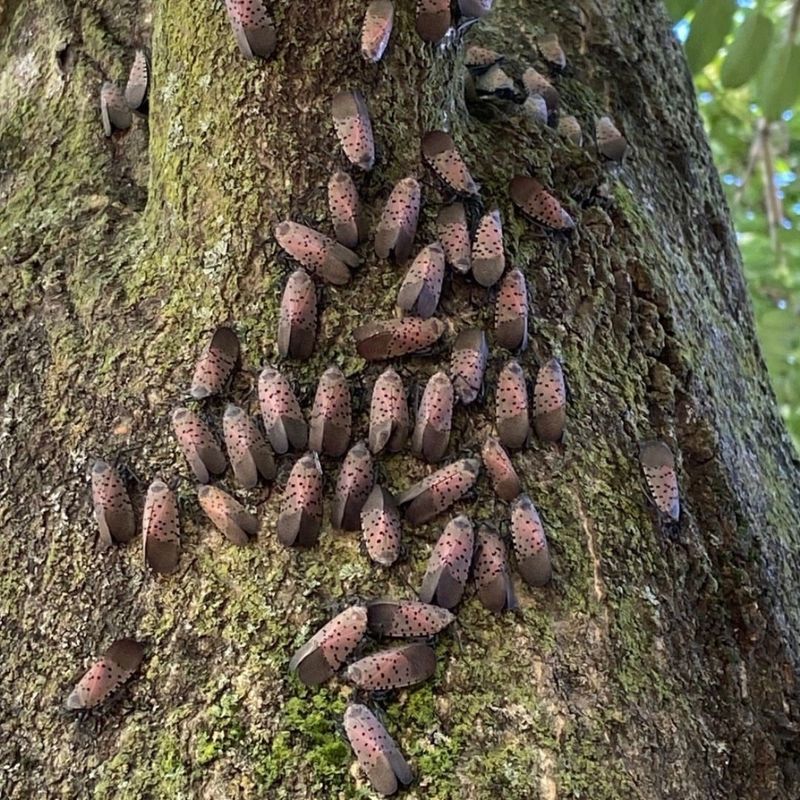
Maple trees are one of the most beloved landscape trees in Pennsylvania. They line streets, shade backyards, and put on a stunning show of color every fall.
Unfortunately, spotted lanternflies have a strong appetite for them too. Red maples, silver maples, and sugar maples have all been observed hosting feeding groups of these insects.
Lanternflies tend to move to maple trees later in the season, usually from late summer into fall. By that point in the year, they are feeding heavily to build up energy before laying their eggs.
A single large maple can attract dozens or even hundreds of lanternflies at once, especially if Tree of Heaven is not available nearby.
The good news is that healthy, mature maple trees can usually handle some level of lanternfly feeding without catastrophic results. However, repeated infestations over multiple years can weaken even a strong tree.
Young maples and recently planted trees are much more vulnerable and may show signs of stress more quickly.
If you have maple trees in your Pennsylvania yard, keep an eye on them starting in July. Look for groups of lanternflies moving up and down the trunk, or watch for honeydew dripping from the branches.
Placing sticky bands around the trunk can trap nymphs as they climb. Also, check the base of the tree and nearby surfaces for egg masses in the fall and winter months. Acting early and consistently is the smartest approach to keeping your maples healthy.
4. Black Walnut
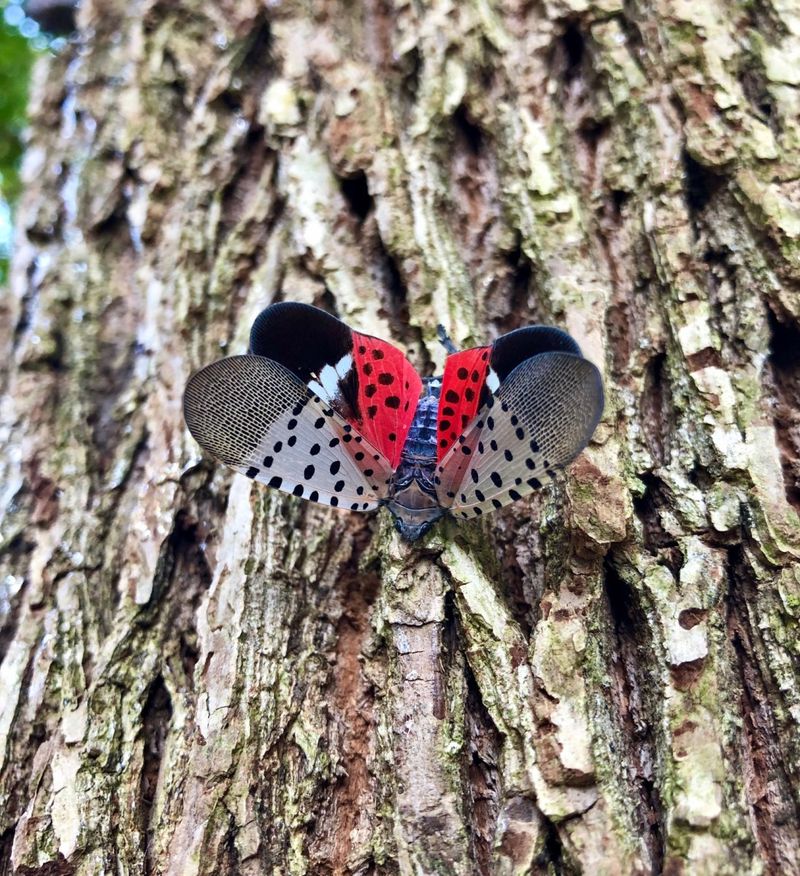
Black walnut trees have a strong, distinctive smell and are known for producing a chemical in their roots that actually stops many other plants from growing nearby. Yet despite being so tough, black walnut trees are still a favored feeding spot for spotted lanternflies.
Across Pennsylvania, homeowners with black walnuts in their yards have reported seeing clusters of these insects on the bark, especially during late summer.
Spotted lanternflies feed on the phloem, which is the layer just beneath the bark that carries sugars and nutrients throughout the tree. When lanternflies feed in large numbers, they interrupt that flow of nutrients.
The tree responds by producing excess sap, which weeps out through the feeding wounds and attracts even more insects.
Black walnut is already a somewhat stressed tree in many Pennsylvania landscapes because of a soil-borne pathogen called thousand cankers disease, which has been spreading in parts of the state.
Adding lanternfly pressure on top of that makes the situation even harder for the tree to manage. Young black walnuts are especially vulnerable to repeated feeding damage.
Protecting your black walnut starts with regular monitoring. Walk around the base of the tree and look for egg masses on the bark and on nearby hard surfaces like fences or stones.
Scrape any egg masses you find into a bag with rubbing alcohol to prevent hatching. Removing Tree of Heaven from around your property also helps reduce the overall lanternfly population that might target your walnut trees.
5. Birch Trees
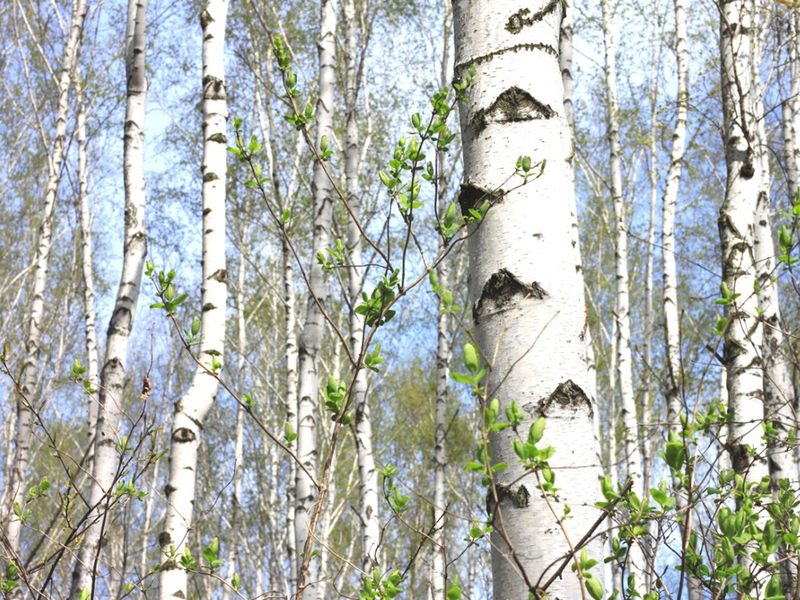
Birch trees bring a graceful, eye-catching look to Pennsylvania yards with their distinctive white bark and delicate leaves. They are a popular choice for homeowners who want a tree that looks elegant in all four seasons.
What many people do not realize is that birch trees are also on the spotted lanternfly’s list of preferred feeding plants, particularly in mixed woodland and suburban landscapes.
Spotted lanternflies seem to be drawn to birch trees especially when other preferred hosts like Tree of Heaven are not immediately available. They will work their way through a yard, sampling different trees, and birch often ends up on that list.
The insects congregate on the trunk and main branches, using their piercing mouthparts to access the sap underneath the bark.
Birch trees are already known for being somewhat sensitive to environmental stress. They prefer cool, moist conditions and can struggle during hot, dry summers in Pennsylvania.
Adding the stress of lanternfly feeding on top of drought or heat stress can push a birch tree into a serious decline more quickly than you might expect.
Keeping your birch trees well-watered during dry spells is a good starting point for overall health. Beyond that, check the trunk and branches for feeding lanternflies starting in midsummer.
Using sticky bands around the trunk can help intercept nymphs before they reach the canopy. Staying proactive with your birch trees gives them the best shot at bouncing back each spring, even after a rough feeding season.
6. Willow Trees

There is something timeless and peaceful about a weeping willow swaying near a pond or stream. Willow trees are a classic feature of many Pennsylvania properties, especially those near water.
But their love of moisture puts them right in the path of spotted lanternflies, which are also frequently found in wet or low-lying areas where these trees naturally grow.
Willows produce a lot of sap and have soft, easy-to-pierce bark, which makes them an appealing target for lanternflies.
The insects can feed on willows throughout the growing season, and because willows grow quickly and vigorously, they can sometimes outpace the damage. Still, heavy infestations take a real toll on the tree’s overall energy and long-term health.
One interesting thing about spotted lanternfly behavior is that they tend to feed on different plants at different times of year. In spring, young nymphs often start on smaller plants and shrubs.
By late summer and fall, adult lanternflies move to larger trees like willows to feed more heavily before laying eggs. This means your willow could face its biggest pressure right at the end of the growing season.
If you have a willow on your Pennsylvania property, watch for egg masses laid on the smooth bark in fall. The masses look like smeared gray putty and can contain 30 to 50 eggs each.
Scraping them off early prevents a new wave of lanternflies from hatching the following spring. Consistent monitoring through the seasons is your best tool for protecting these graceful trees.
7. Apple Trees
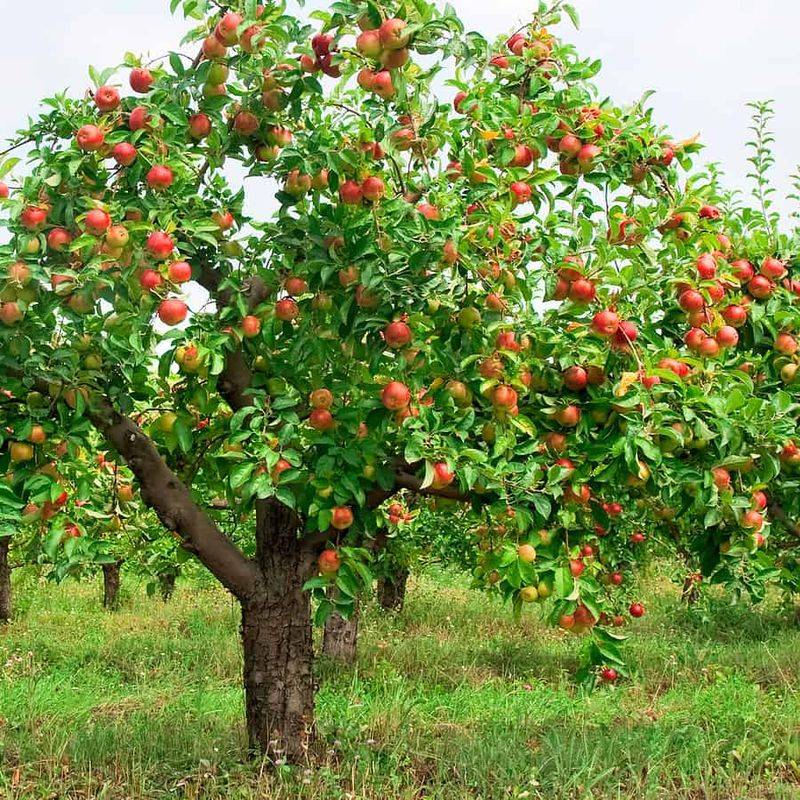
Few things are more satisfying than growing your own apples in a Pennsylvania backyard. Whether you have a single dwarf apple tree or a small home orchard, the idea of picking fresh fruit each fall is a great motivator.
Spotted lanternflies, unfortunately, share your enthusiasm for apple trees and have become a serious pest for both home growers and commercial orchards across the state.
Apple trees are a mid-season favorite for spotted lanternflies. The insects feed on the sap of the trunk, branches, and young shoots.
Heavy feeding can cause oozing wounds on the bark, wilting of new growth, and a general decline in the tree’s ability to produce quality fruit.
The honeydew left behind also promotes sooty mold growth on leaves and developing apples, making them less appealing and harder to sell or eat.
Pennsylvania’s apple industry is a major part of the state’s agricultural economy, so the spread of spotted lanternflies into orchard areas has raised serious alarms among farmers and extension specialists alike. For backyard growers, the concern is just as real, even on a smaller scale.
Protecting your apple trees involves a combination of approaches. Remove any Tree of Heaven growing near your orchard since it acts as a lanternfly magnet and breeding ground.
Check your apple trees weekly during summer for feeding adults and nymphs. Sticky bands placed around the trunk can help catch insects before they reach the upper branches.
Staying consistent with monitoring through the season makes a noticeable difference in protecting your fruit trees.