The May Pruning Mistake That Leaves Oregon Hydrangeas With Fewer Blooms
Pruning hydrangeas sounds simple enough. A few snips here and there, tidy things up a bit, done.
Except there’s one very common mistake that Oregon gardeners make in May that quietly guarantees a disappointing bloom season, and the worst part is that the plant looks completely fine afterward. No wilting, no dramatic warning signs.
Just way fewer flowers come summer, and a lot of head-scratching about what went wrong. Hydrangeas are not like most shrubs.
The timing and location of every cut you make matters in a way that catches a lot of well-meaning gardeners completely off guard.
Make the wrong move at the wrong time and you’ve essentially just pruned off the flower buds that spent all of last year developing. They’re gone. No takesies-backsies.
Understanding exactly why this happens, and what to do instead, is the kind of pruning knowledge that pays off in armfuls of blooms every single summer going forward.
1. Cutting Back In May
Spring energy is contagious, and it is hard to resist grabbing your pruners when everything in your Oregon garden starts waking up. May looks like prime cleanup time.
The hydrangeas have leafed out, old stems look woody and messy, and your hands are itching to tidy things up.
But here is what most people do not realize: by May, hydrangeas have already been quietly building their flower buds for months. Those buds are sitting right on the stems you are about to cut.
One snip, and the bloom is gone before it ever had a chance to open.
This is not just a minor setback. In many parts of Oregon, cutting back in May means you will wait until next year to see flowers again.
The plant puts all its energy into regrowing stems instead of producing blooms. It looks fine by summer, but the flowers just never show up.
Many gardeners blame the weather or the soil, never guessing that their pruners were the real problem all along.
2. Why May Pruning Removes Buds
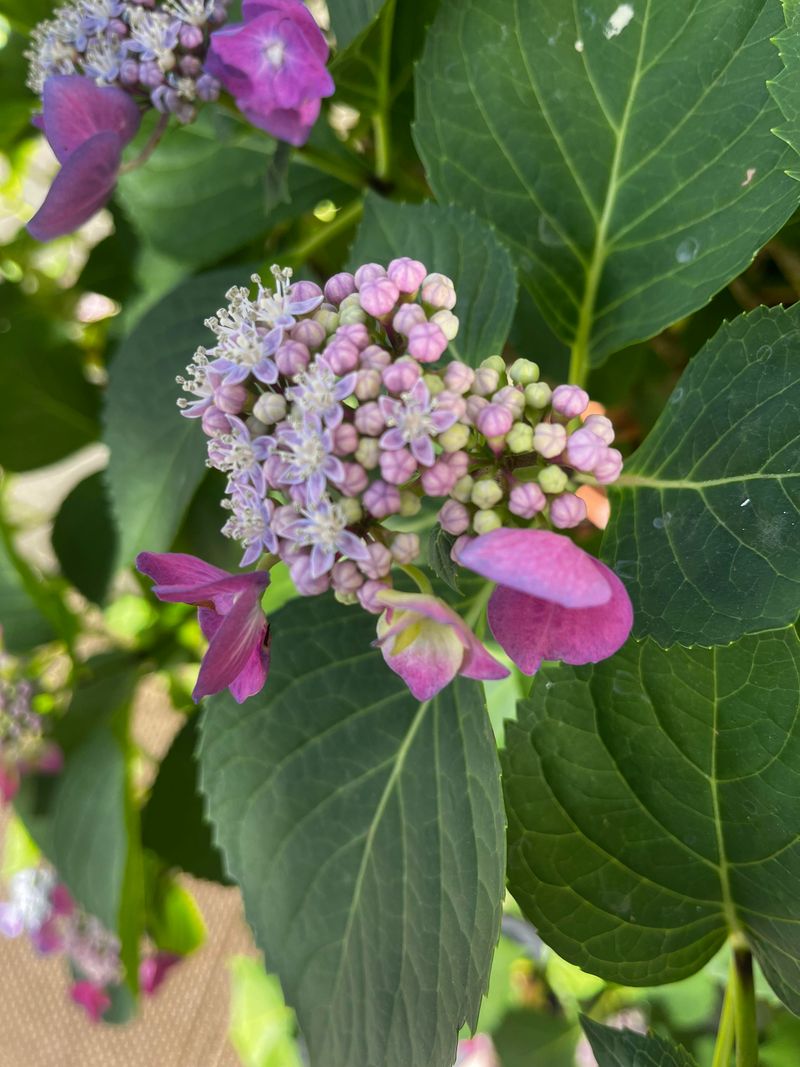
Timing is everything when it comes to hydrangeas. Most varieties that grow well in Oregon set their flower buds in late summer or early fall of the previous year.
That means the buds for this summer’s flowers are already formed and waiting on the branches by the time May rolls around.
When you prune in May, you are not just trimming old wood. You are removing the exact spots where flowers were going to grow.
It is a little like pulling birthday candles off a cake before the party starts. The buds are there, they are ready, and pruning takes them away.
New growth in May looks promising and fresh, but it is not the same as bud-bearing wood. Fresh green shoots that emerge in spring generally will not produce flowers that same season.
The plant needs more time for those new stems to mature and set buds. Gardeners in the Willamette Valley and along the Oregon Coast see this happen regularly, wondering why their hydrangeas have beautiful leaves but zero flowers.
Your Oregon Garden Changes Every Week. Your Plan Should Too.
Gardening in Oregon changes quickly throughout the season. Every Friday you’ll receive a simple weekly plan showing exactly what to plant, prune, fertilize, harvest, and protect so you never miss the right timing.
The answer almost always comes back to when and how they pruned.
3. Old-Wood Hydrangeas Suffer Most
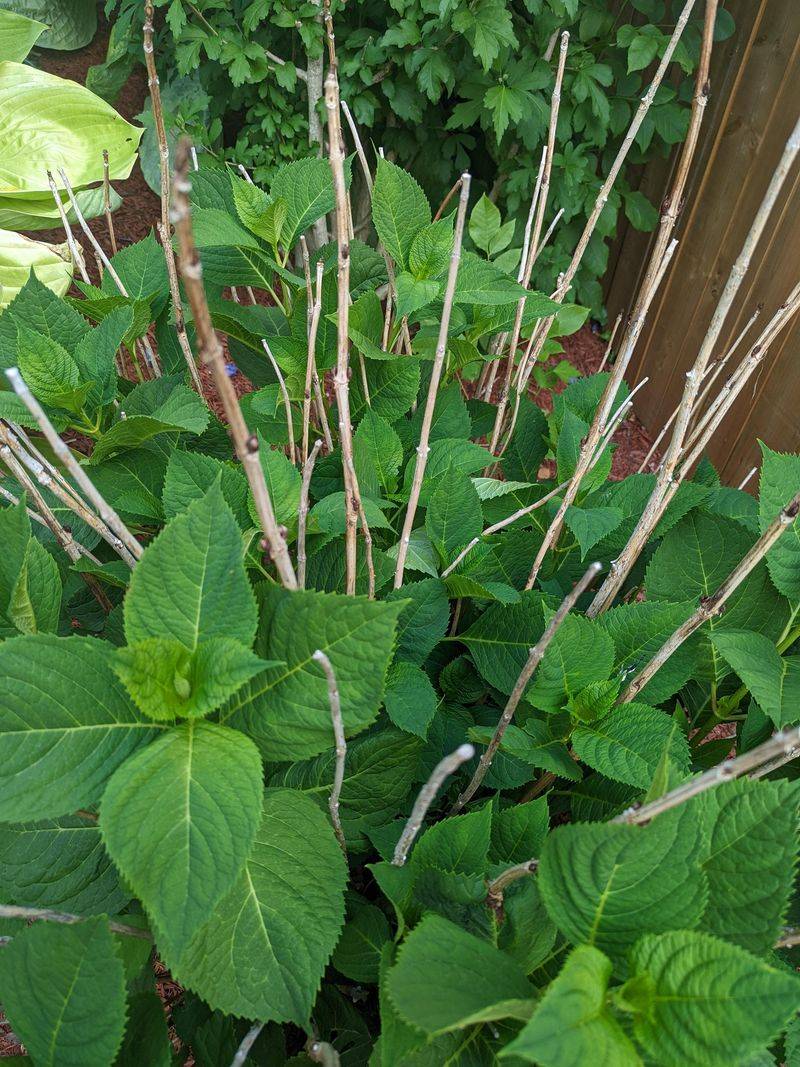
Not all hydrangeas work the same way, and that is where things get tricky for Oregon gardeners. Some varieties bloom on what is called old wood, meaning the flower buds form on stems that grew the previous year.
These varieties are especially vulnerable to May pruning mistakes.
Smooth hydrangeas and panicle hydrangeas bloom on new wood, so they handle spring pruning just fine. But old-wood bloomers are a completely different story.
Cut those stems in May, and you have just removed the only wood that was going to produce flowers this season.
Old-wood varieties are prized for their stunning blooms, and they are very popular in Oregon gardens from Portland to Bend. Gardeners love them for their big, colorful flower heads that fill a yard with color all summer.
Losing a full season of those blooms is genuinely disappointing, especially after months of waiting. Knowing which type of hydrangea you have planted is the single most important step before you ever pick up a pair of pruners.
A quick look at the plant tag or a search for the variety name can save you from a bloomless summer.
4. Bigleaf Hydrangeas Need Caution
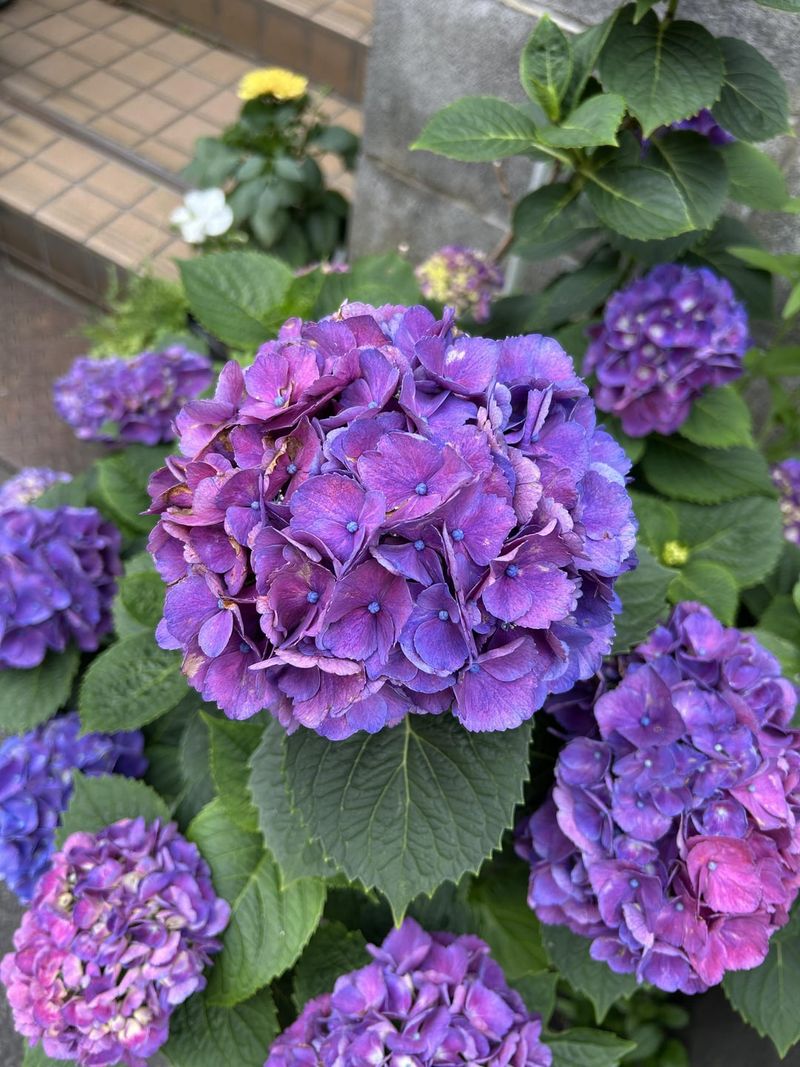
Bigleaf hydrangeas, also called Hydrangea macrophylla, are one of the most popular choices in Oregon yards. Their big, round flower heads come in gorgeous shades of blue, pink, and purple, and they thrive in the mild, moist climate found across much of the state.
These are classic old-wood bloomers. Every single flower bud forms on last year’s stems, and those buds are already present by the time May arrives.
Pruning them back in May, even just a light trim, can wipe out the entire flower show for the season.
Oregon gardeners near the coast and in the Willamette Valley tend to grow bigleaf hydrangeas in abundance because the climate suits them perfectly. That makes the May pruning mistake especially common in those areas.
A well-meaning tidy-up in spring can leave a gorgeous shrub completely flowerless by July. Even removing just a few stems can reduce the bloom count significantly.
If you have bigleaf hydrangeas in your Oregon garden, the safest rule is to keep your pruners away from them in May entirely. Patience really does pay off with this variety.
5. Oakleaf Hydrangeas Need Caution Too
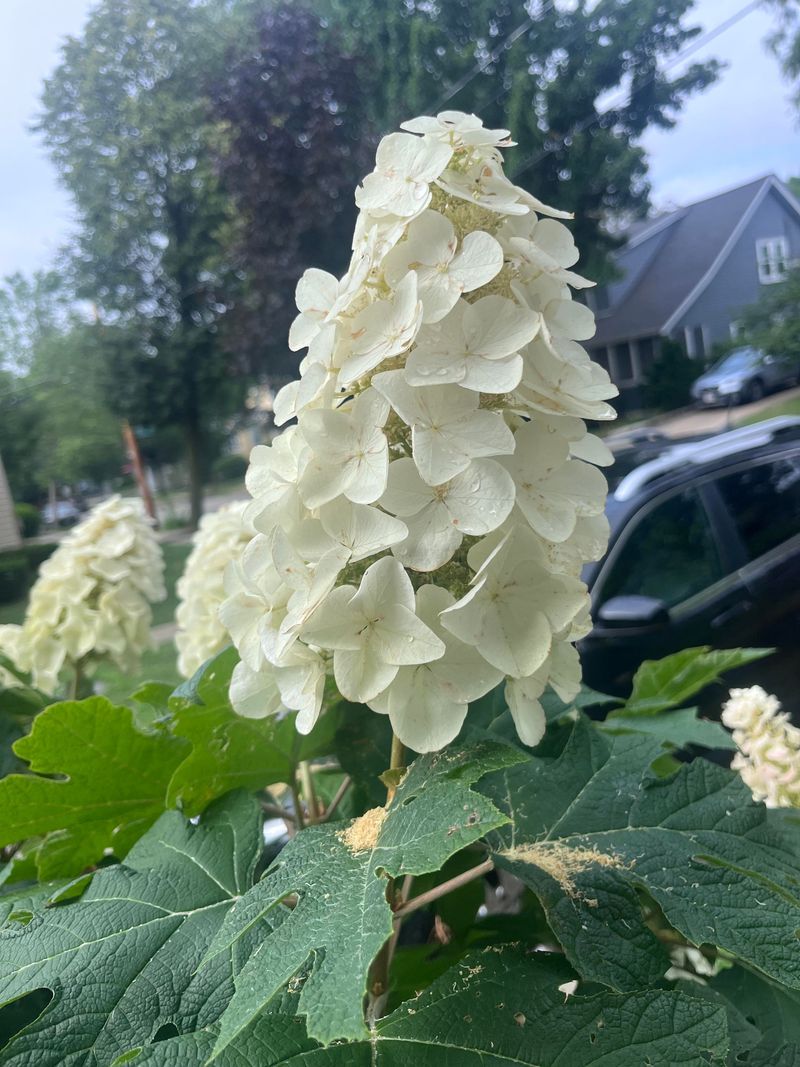
Oakleaf hydrangeas bring something really special to Oregon gardens. Their cone-shaped white flowers, deeply lobed leaves, and stunning fall color make them a standout plant from spring all the way through autumn.
They are tough, native to the American Southeast, and surprisingly well-suited to Oregon’s varied climates.
Like bigleaf hydrangeas, oakleaf varieties bloom on old wood. Their flower buds develop on last year’s growth, and by May, those buds are fully formed and ready to go.
Pruning in May cuts away the very stems that were about to put on a show.
Gardeners in the Portland metro area and across the Willamette Valley often grow oakleaf hydrangeas for their four-season interest and low-maintenance personality. They can handle Oregon’s wet winters and dry summers better than many other hydrangea types.
But even tough plants cannot recover a lost bloom season. If you trim an oakleaf hydrangea in May, you are trading this summer’s flowers for a tidy appearance that lasts only a few weeks anyway.
The plant will look just as neat after the right pruning window, with the added bonus of a full round of blooms to enjoy.
6. What You Can Trim Safely
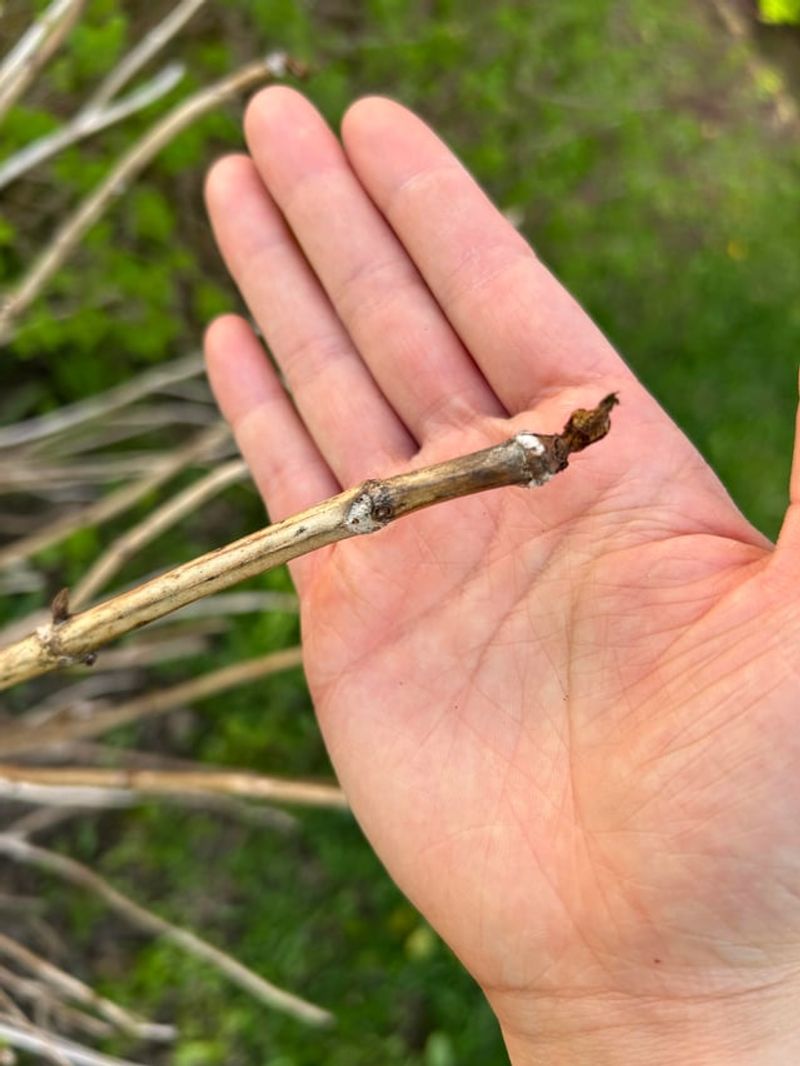
Good news: you do not have to put your pruners away entirely. There are things you can safely do in May without sacrificing your blooms.
Knowing the difference between smart trimming and bud-removing pruning gives you the best of both worlds.
Start by removing any stems that are clearly broken, brown all the way through, or completely without green growth. These dead stems will not produce flowers no matter what, so snipping them out does no harm.
You can also remove any crossing branches that are rubbing against each other and causing damage.
Light shaping around the very tips of stems is also generally safe if you are careful not to cut into wood that shows swollen bud nodes. Scratch the bark lightly with your fingernail.
If you see green underneath, that stem is alive and worth keeping. Oregon gardeners who learn to do this simple scratch test often avoid the biggest pruning mistakes altogether.
The goal in May is to clean up without cutting into productive wood. Think of it as editing rather than cutting.
A careful, selective approach keeps your plant tidy and your bloom count high all summer long.
7. When To Prune Instead
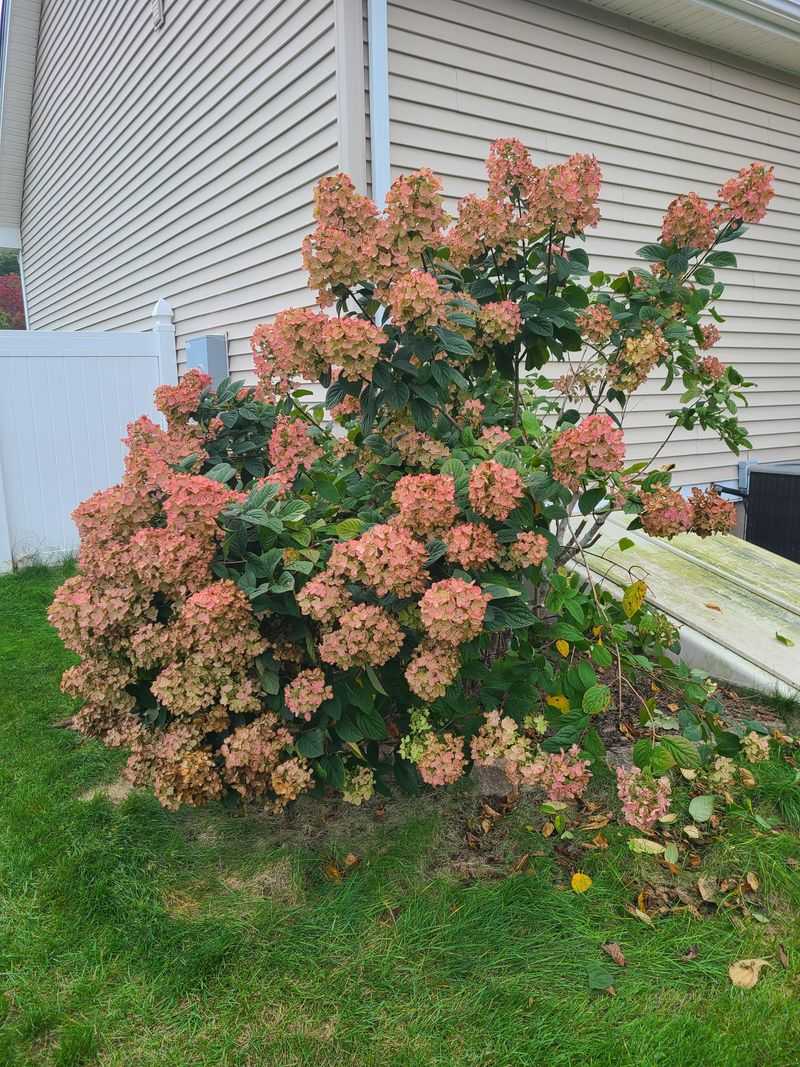
Timing your pruning correctly makes all the difference. For old-wood bloomers like bigleaf and oakleaf hydrangeas, the best pruning window opens right after the flowers fade.
In most parts of Oregon, that means late summer, usually sometime between late July and mid-August.
Pruning right after bloom gives the plant plenty of time to grow new stems and set fresh buds before winter arrives. Those new stems will carry next year’s flowers.
Wait too long into fall, and the plant may not have enough time to develop strong buds before the cold sets in.
Some Oregon gardeners also do a very light cleanup in early spring, right before new growth starts, around February or March. At that point, you can safely remove dead wood without disturbing the bud-bearing stems.
The key is to keep your pruning sessions tied to what the plant is actually doing, not just to what feels like the right season. Every garden in Oregon is a little different depending on elevation and microclimate.
Gardeners in higher elevations near the Cascades may need to adjust timing slightly, but the general rule of pruning after bloom holds true across the state.
8. How To Save This Year’s Blooms
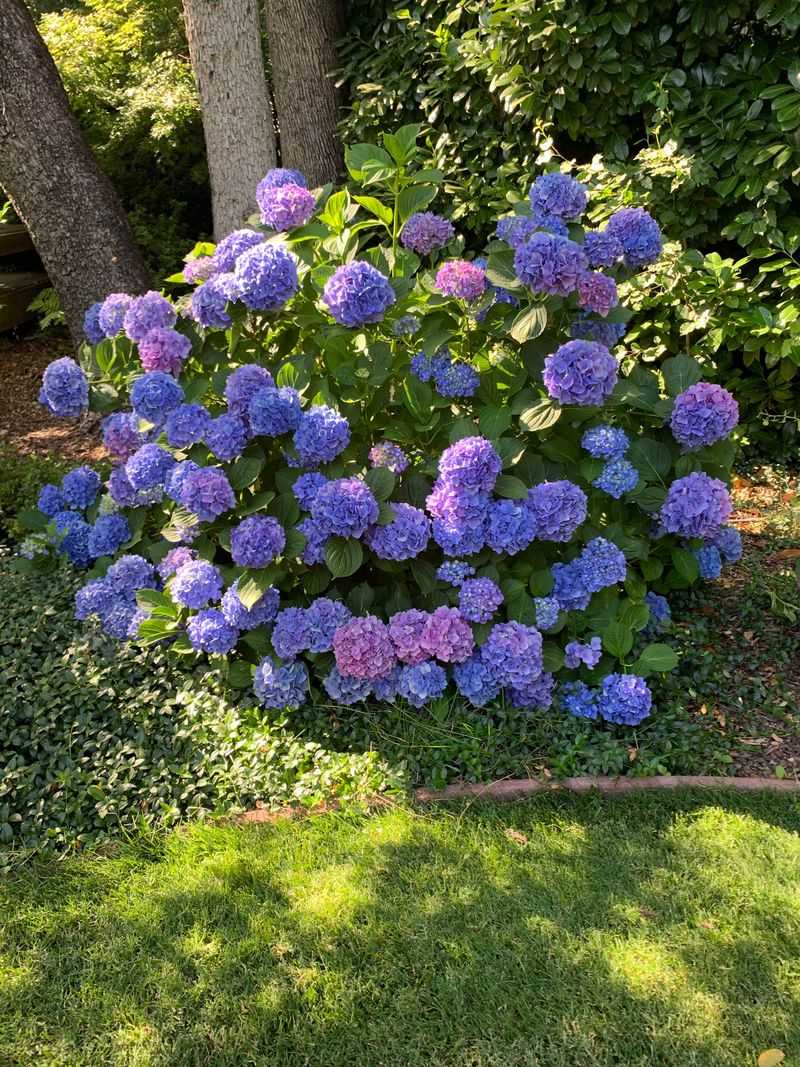
Already pruned in May and worried you missed your chance? There is still hope.
If you caught yourself early and only removed a small amount of growth, some buds may still be intact on the remaining stems. Give the plant time and watch carefully for flower buds to develop.
Water consistently and avoid over-fertilizing with high-nitrogen products, which push leafy growth instead of flowers. A balanced slow-release fertilizer applied in early spring gives hydrangeas what they need without sending all the energy into leaves.
Oregon’s rainy springs usually provide enough moisture, but dry spells in June can stress plants right when buds are forming.
For next year, mark your calendar now. Write a reminder for late July or August to prune your old-wood hydrangeas right after they finish blooming.
That one habit change can completely transform your results. Gardeners across Oregon who make this switch often say it feels like they finally unlocked the secret to getting their hydrangeas to bloom reliably every single year.
The plants were never the problem. A small shift in timing is all it takes to go from a yard full of leaves to a yard full of gorgeous, full-season blooms.