7 Native Ohio Flowers That Establish Better After Late-Spring Planting
Everybody rushes to plant in early spring. The garden centers open their doors, the Instagram feeds fill up with seed trays and muddy gloves, and suddenly you feel behind if you haven’t got something in the ground by March.
But for certain native Ohio flowers, that early bird mentality actually works against you. These plants aren’t slow.
They’re strategic. They want the soil warm, the frost threat genuinely gone, and the season fully committed before they put their energy into blooming.
Plant them too early and they just sit there, sulking in cold dirt, biding their time. Wait until late spring, though, and something clicks.
They take off fast, root deep, and by midsummer they’re performing like they’ve been in the ground for years. These native Ohio flowers actually bloom better, fuller, and longer when you resist the urge to rush the season and trust their timing instead.
1. Purple Coneflower Settles In Fast Once Soil Warms
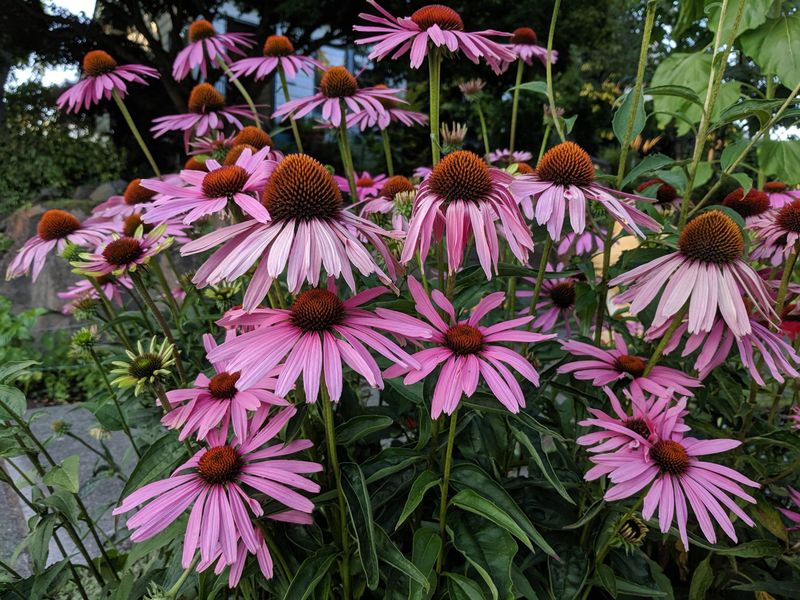
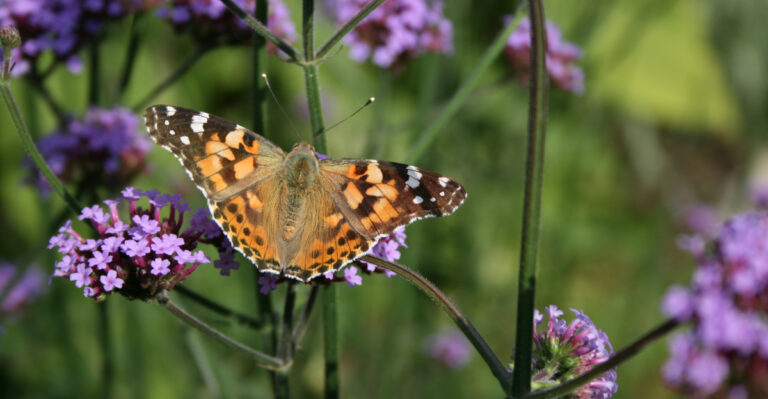
Picture a monarch butterfly hovering over a bold purple bloom while a light May breeze moves through a sunny Ohio backyard. That scene is what purple coneflower, or Echinacea purpurea, is all about.
A true Ohio native prairie perennial, it thrives in well-drained soil once ground temperatures consistently stay above 60 degrees Fahrenheit.
Planting in cold, waterlogged spring soil slows root activity and can leave young transplants sitting in stress rather than growing.
In northern Ohio, where heavy clay and persistent spring rain linger well into May, waiting until late May to plant gives coneflower a noticeably stronger start.
Central Ohio gardeners dealing with dense clay soils can also benefit from letting beds drain fully before setting transplants in place.
Purple coneflower is famously drought-tolerant once established, but that tolerance builds gradually during the first growing season. Expect more root development than top growth in year one.
A light layer of mulch helps hold moisture without suffocating the crown.
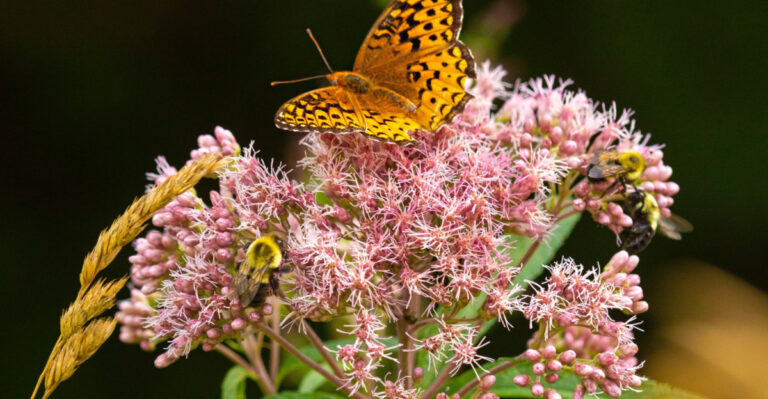
Pollinators including bees, butterflies, and goldfinches love coneflower through summer and into fall, making it one of Ohio’s most ecologically valuable native perennials for home gardens of almost any size.
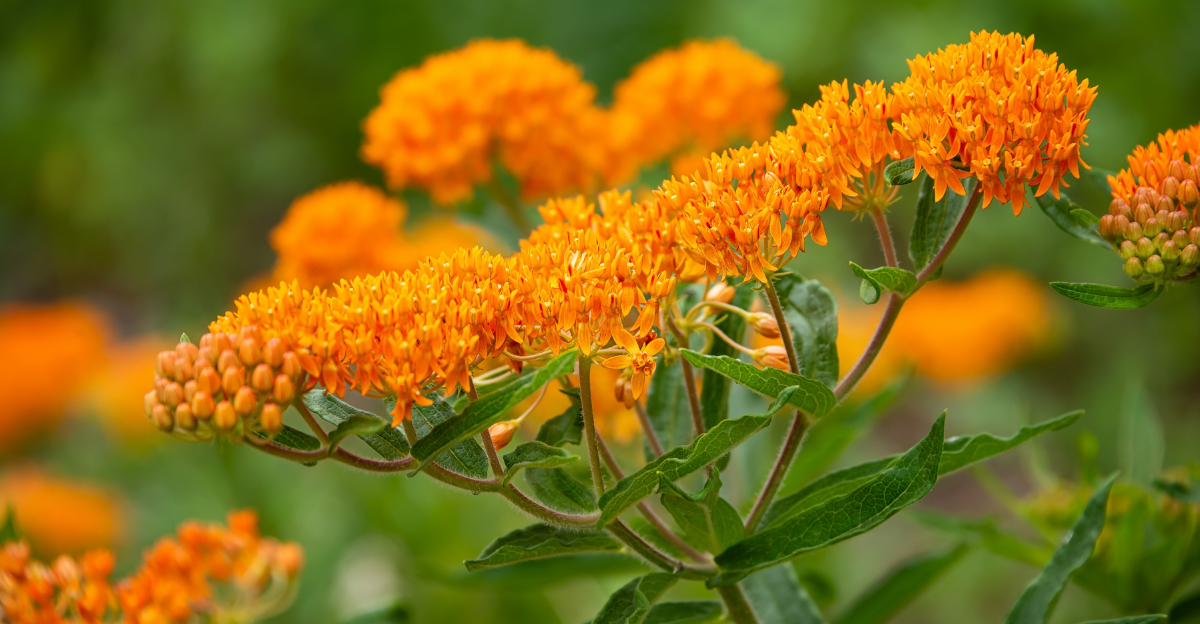
2. Butterfly Weed Handles Hotter Late-Spring Conditions Better
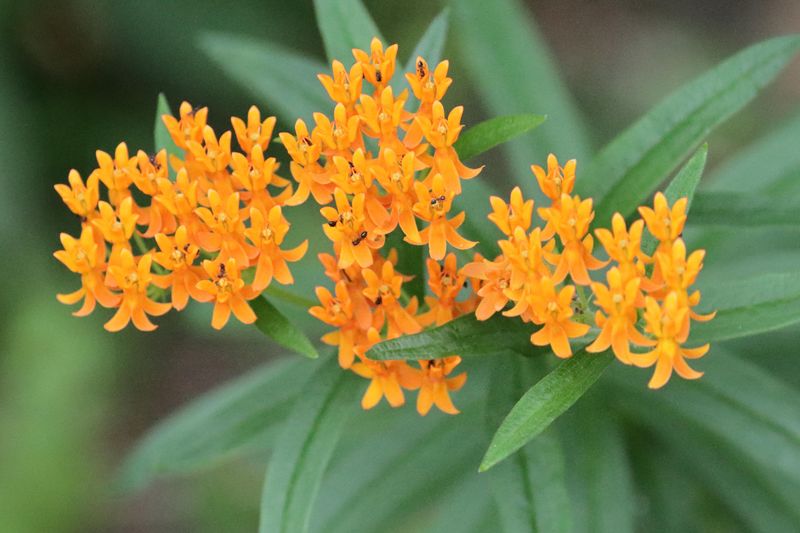
Soggy clay soil in April is practically a recipe for disappointment when you are trying to establish butterfly weed.
Unlike many native perennials, Asclepias tuberosa develops a deep, fleshy taproot that absolutely needs warm, well-drained ground to get started on the right foot.
Cold, wet planting conditions slow that root development significantly and can leave plants struggling well into summer.
Southern Ohio gardeners may see soil warm up earlier than their northern counterparts, but they should still be mindful of late cold snaps that can catch young transplants off guard.
In northern Ohio, waiting until late May or even early June before planting butterfly weed is a genuinely smart move.
The plant will catch up quickly once warm conditions arrive.
Butterfly weed is one of the most important native milkweeds for monarch butterflies in Ohio. It prefers full sun and lean, sandy, or gravelly soil over rich amended beds.
Your Ohio Garden Changes Every Week. Your Plan Should Too.
Gardening in Ohio changes quickly throughout the season. Every Friday you’ll receive a simple weekly plan showing exactly what to plant, prune, fertilize, harvest, and protect so you never miss the right timing.
One critical thing to remember is that butterfly weed strongly dislikes being moved once established, so choose your planting spot carefully.
Water consistently during the first season to help that taproot anchor deeply, then step back and let this tough native do its work for pollinators season after season.
3. Black-Eyed Susan Takes Off After Cool Weather Fades

Late May in Ohio can feel like a switch flips overnight. One week you are wearing a jacket to check on the garden, and the next you are sweating through a warm afternoon while black-eyed Susans start reaching for the sky.
Rudbeckia hirta is one of Ohio’s most recognizable native wildflowers, and it responds enthusiastically once soil temperatures stabilize and cooler, wetter conditions give way to genuine warmth.
Early spring planting is not harmful to black-eyed Susan, but cold, slow soil can delay root development and make plants look stalled for weeks. Waiting until after the last frost date and allowing the ground to warm gives transplants a noticeably faster start.
For central Ohio gardeners battling clay that holds cold water long into spring, this timing shift can make a real difference in how quickly plants establish.
Black-eyed Susan adapts well to a range of Ohio soils, from lean and sandy to moderately heavy, as long as drainage is reasonable. Full sun produces the best flowering.
Avoid heavy fertilizing, which can push leafy growth at the expense of blooms. Native bees, beetles, and butterflies visit the flowers regularly, and finches feed on the seed heads in fall, extending the plant’s ecological value well past its summer peak.
4. Wild Bergamot Grows Stronger In Warm Ohio Soil
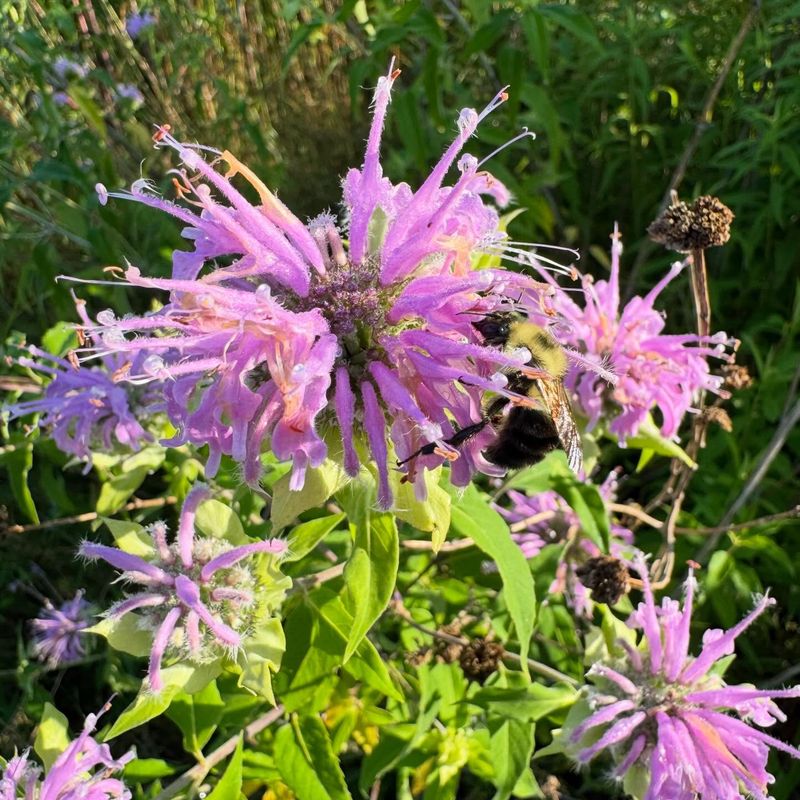
A patch of wild bergamot in full bloom is basically a pollinator party. Bumblebees, native bees, hummingbirds, and butterflies all crowd around the soft lavender flower clusters of Monarda fistulosa from midsummer onward.
Getting to that point, though, depends heavily on how well the plant establishes in spring, and cold wet soil is not doing it any favors.
Wild bergamot is a native prairie perennial that grows more vigorously when planted into warm, workable ground.
In northern Ohio, where spring soil can stay cold and saturated well into May, planting too early often results in slow, weak growth that makes the plant more vulnerable to powdery mildew during humid Ohio summers.
Giving the soil time to warm and drain before planting sets up a healthier, more robust plant from the start.
Good airflow around wild bergamot matters a lot in Ohio’s humid climate. Space plants at least 18 to 24 inches apart and avoid planting in low spots where air circulation is poor.
A prairie-style planting with ornamental grasses and other native perennials works beautifully with bergamot. Expect modest growth in the first season as roots develop underground.
By the second and third year, well-established plants spread steadily and produce rich, full blooms that pollinators cannot resist.
5. Blue False Indigo Hates Cold Wet Starts
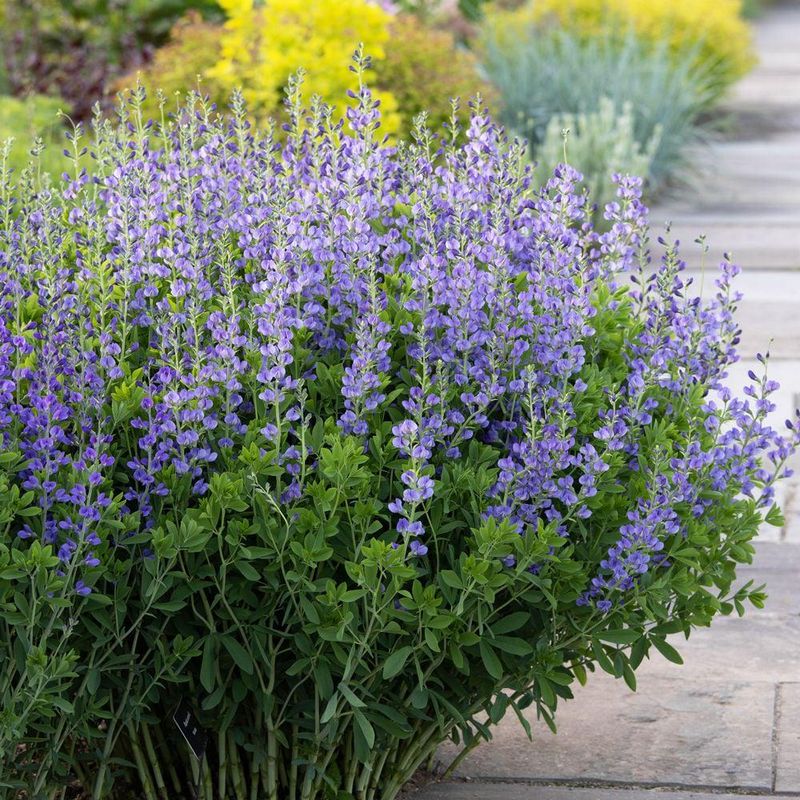
After another cold, drizzly Ohio April, a gardener stands at the edge of a soggy bed wondering if it is finally time to put in that blue false indigo they have been planning all winter. The honest answer is: wait a little longer.
Baptisia australis is a deeply rooted native perennial with a long lifespan, but it is not a fan of cold, saturated soil during its early establishment phase.
Warm soil encourages the deep root system that makes blue false indigo so impressively self-sufficient in later years. Planting into cold, poorly drained ground can stall root development and make the plant sulk through its first growing season.
In central and northern Ohio, where clay soils drain slowly and spring temperatures fluctuate, waiting until mid-to-late May often produces a noticeably stronger first-year plant.
Blue false indigo grows into a substantial shrub-like clump over time, reaching three to four feet tall and wide at maturity. It is extremely long-lived once established, sometimes thriving in the same spot for decades.
Patience is genuinely rewarded with this plant. The first year or two may show limited top growth as roots anchor deeply.
Avoid moving established plants, as they strongly dislike disturbance. The tall blue flower spikes in late spring are genuinely worth every bit of waiting.
6. Cardinal Flower Benefits From Warmer Late-Spring Ground
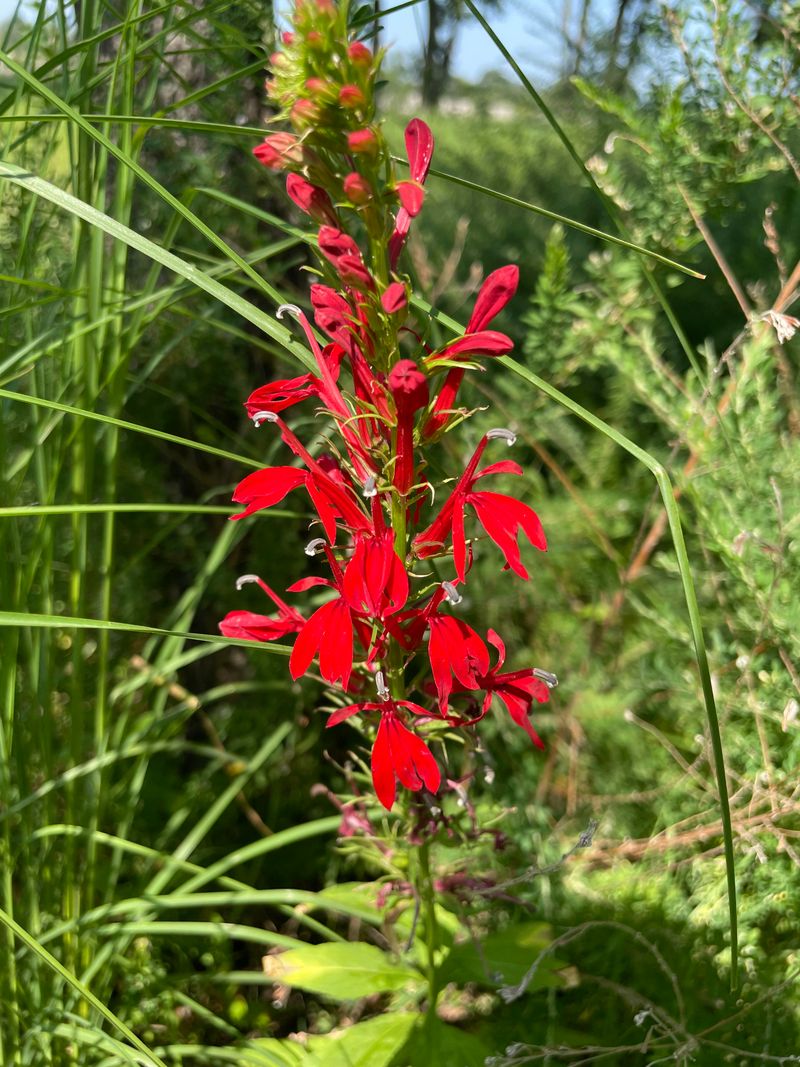
Few moments in an Ohio garden stop you in your tracks quite like a ruby-throated hummingbird working its way up a spike of cardinal flower in late summer.
Lobelia cardinalis is one of the most visually striking native perennials in the state, and it has a real affinity for moist sites, rain gardens, streambanks, and damp beds where other plants might struggle.
Cardinal flower can handle early-spring planting reasonably well, but warmer late-spring soil tends to encourage steadier, more consistent establishment.
Cold spring weather followed by sudden heat can stress transplants, especially in southern Ohio where the season can shift from cool and wet to hot and dry faster than gardeners expect.
Planting after mid-May, once nighttime temperatures stay reliably mild, gives young plants a smoother transition.
Consistent moisture is non-negotiable during the establishment period for cardinal flower. Mulching around the base helps retain soil moisture without smothering the crown.
Full sun to partial shade works well, with afternoon shade appreciated during intense summer heat. Cardinal flower is a short-lived perennial but self-seeds reliably in suitable conditions, so an established planting tends to renew itself naturally over time.
Hummingbirds are so strongly attracted to the brilliant red blooms that gardeners sometimes report birds visiting within days of the first flowers opening.
7. New England Aster Builds Better Roots After Spring Chills Pass
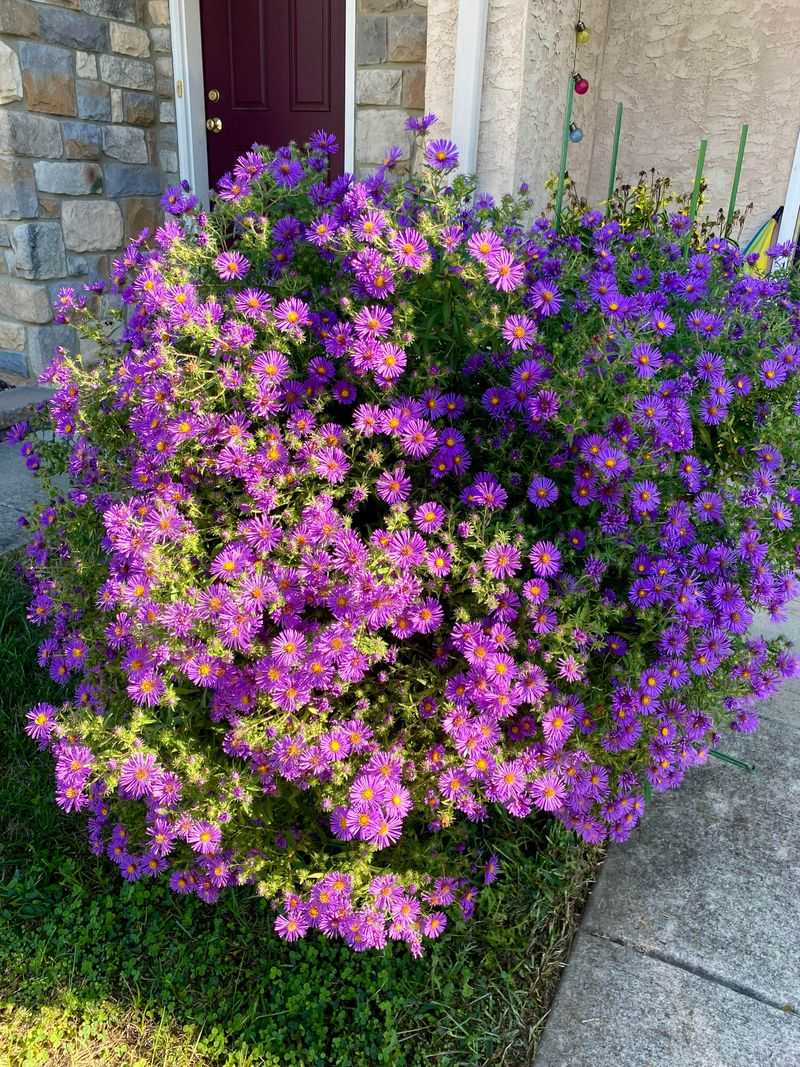
By the time a gardener has survived another round of Ohio spring cold snaps, false warmups, and surprise frosts, the idea of waiting until late May to plant starts sounding less like patience and more like wisdom.
New England aster is a native perennial that rewards exactly that kind of restraint.
Symphyotrichum novae-angliae blooms in fall, but the groundwork for those brilliant purple flowers is laid entirely during spring and summer root development.
Planting into cold, wet spring soil can slow establishment and leave young asters looking weak heading into summer. Warmer late-spring ground encourages faster root anchoring and steadier upward growth.
In northern Ohio, where spring can linger cold and damp well past April, waiting until after consistent warm temperatures arrive gives asters a noticeably better start before summer heat sets in.
New England aster grows tall, often reaching four to six feet, so staking or pinching back stems in early summer can help manage height and encourage bushier growth. Good airflow matters in humid Ohio summers to reduce powdery mildew pressure.
Keep soil consistently moist during the first growing season.
Once established, asters are reasonably drought-tolerant and incredibly valuable for late-season pollinators, including migrating monarchs that rely on fall-blooming natives for critical fuel during their journey south.