This Native Texas Plant Supports Over 17 Bee Species
Some plants earn their place in a garden by looking beautiful. Others earn it by being tough enough to handle whatever Texas throws at them.
Every once in a while, a plant comes along that does both of those things while also quietly supporting an entire community of native pollinators in ways that most gardeners never fully appreciate until they start paying closer attention to what’s actually happening in their beds.
There is a native Texas plant that supports over 17 bee species, and it does it without any fuss, any special care, or any of the high-maintenance requirements that other pollinator plants sometimes demand in return for their ecological contribution.
It blooms reliably through the heat, it reseeds itself without becoming a problem, and it brings a cheerful, classic beauty to any Texas garden that never really goes out of style.
The bees already know about this plant. It’s time more Texas gardeners did too.
The Bright Yellow Flower That Bees Can’t Resist
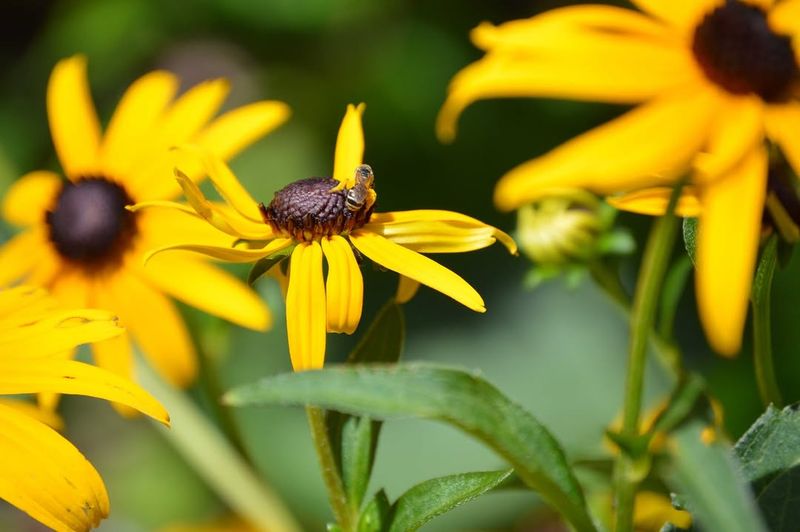
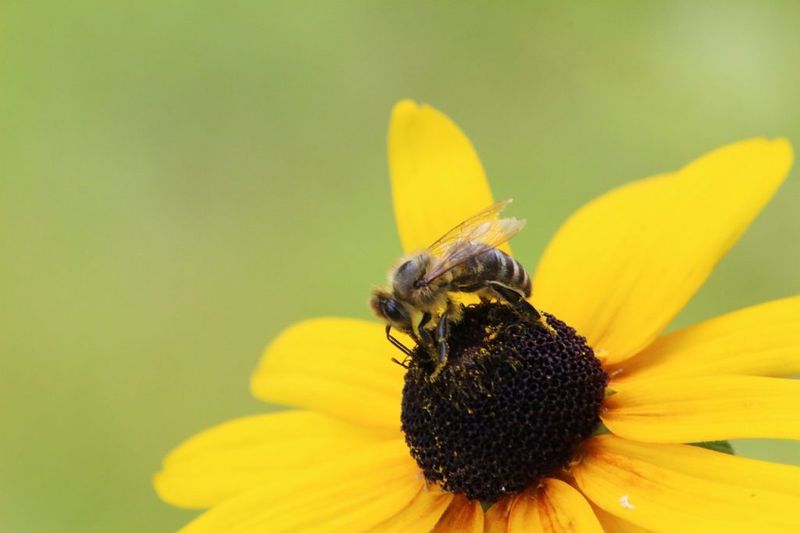
Few flowers stop people in their tracks quite like the Black-Eyed Susan. Its bold golden-yellow petals surrounding a dark, almost black center make it one of the most eye-catching wildflowers growing across Texas.
You have probably spotted it along roadsides, in open fields, or tucked into neighborhood gardens without even knowing its name.
Botanically known as Rudbeckia hirta, the Black-Eyed Susan is a true Texas native. It has been growing wild across the state long before modern gardening was even a thing.
That natural heritage means it is perfectly adapted to Texas conditions, from hot summers to unpredictable rainfall. It does not need to be babied or coaxed into blooming.
What makes this flower so irresistible to bees is a combination of things. The bright yellow color acts like a neon sign, signaling pollinators from a distance.
Bees are especially attracted to yellow and ultraviolet tones, and the Black-Eyed Susan delivers both. When a bee spots this flower, it is basically seeing a glowing buffet sign.
The blooms typically appear from late spring through early fall in Texas, giving pollinators a long feeding window. That extended bloom time is a huge advantage in a garden focused on supporting wildlife.
Many other flowers come and go quickly, but the Black-Eyed Susan sticks around and keeps delivering.
Gardeners across Texas have come to rely on it as a dependable anchor plant. It brings color, energy, and life to any space it occupies.
For bees especially, it is not just a flower. It is a lifeline during the busiest and most important months of their season.
Why So Many Bee Species Flock To Black-Eyed Susan
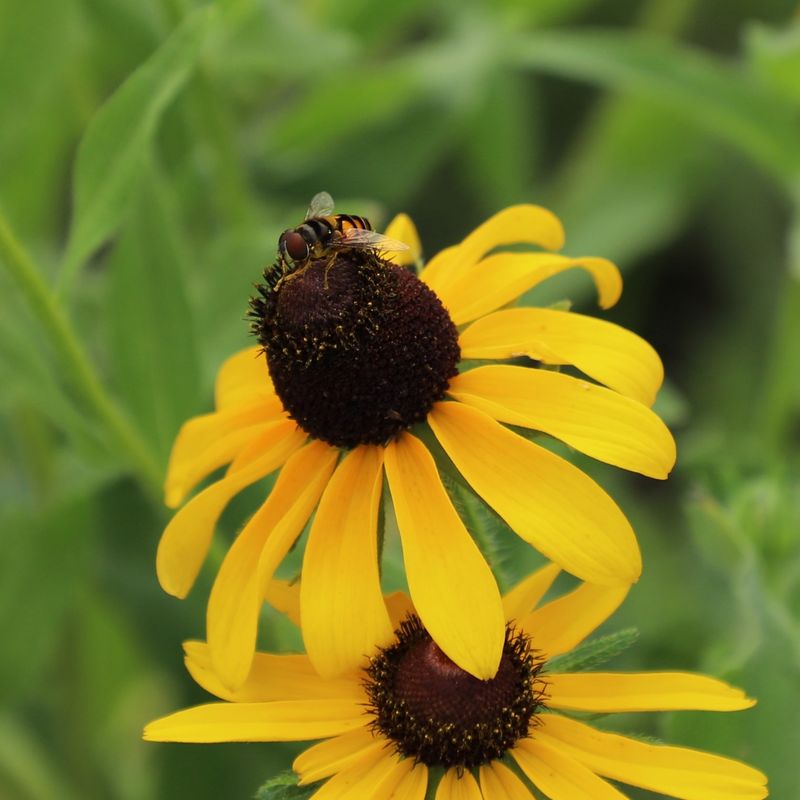
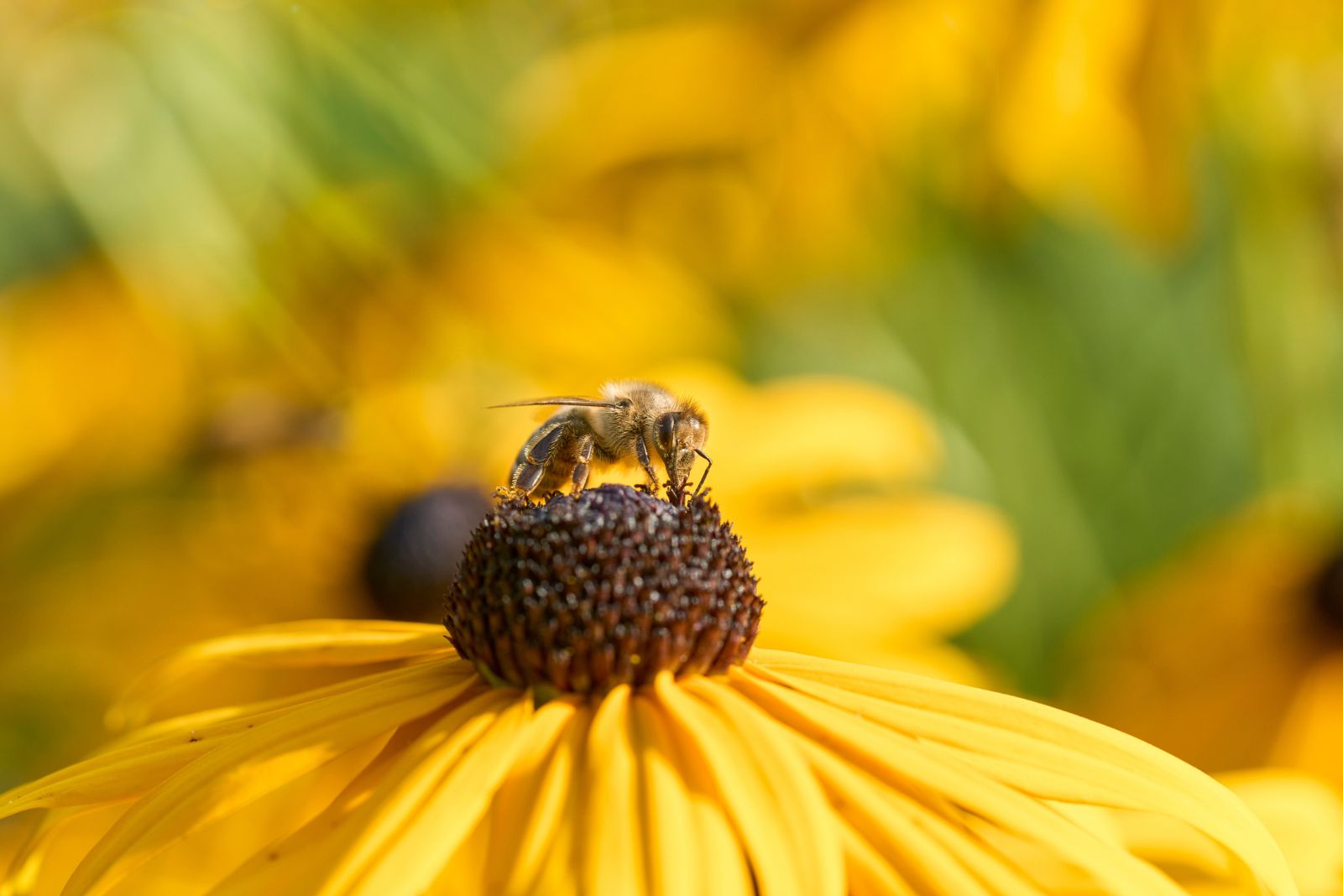
Over 17 bee species have been documented visiting the Black-Eyed Susan, and that number is honestly not surprising once you understand the flower’s design.
The wide, flat, open center of the bloom makes it incredibly easy for bees of all shapes and sizes to access the pollen and nectar inside. There are no hidden tubes or complicated structures to navigate.
Your Texas Garden Changes Every Week. Your Plan Should Too.
Gardening in Texas changes quickly throughout the season. Every Friday you’ll receive a simple weekly plan showing exactly what to plant, prune, fertilize, harvest, and protect so you never miss the right timing.
Bumblebees, sweat bees, mining bees, and even small native solitary bees all visit this plant regularly. Each of these species plays a unique role in Texas ecosystems, and many of them are facing pressure from habitat loss and pesticide use.
Having a plant that supports so many species at once is genuinely valuable for local biodiversity.
The pollen produced by Black-Eyed Susan is rich in protein, which is exactly what bees need to feed their young. Nectar provides the energy bees need to fly and forage.
Together, these two resources make the flower a complete meal for visiting pollinators. That is why bees return to it again and again throughout the season.
Native bees in Texas are particularly dependent on native plants like this one. Research consistently shows that native bee populations thrive better when surrounded by plants they evolved alongside.
The Black-Eyed Susan and Texas native bees have a long shared history, making their relationship especially strong and effective.
Planting even a small patch of Black-Eyed Susan in your Texas yard can create a noticeable uptick in bee activity. Neighbors often notice the buzz before they even see the flowers. That kind of real-world impact is hard to match with any other single plant choice.
Built For Texas: Tough, Heat-Loving, And Reliable
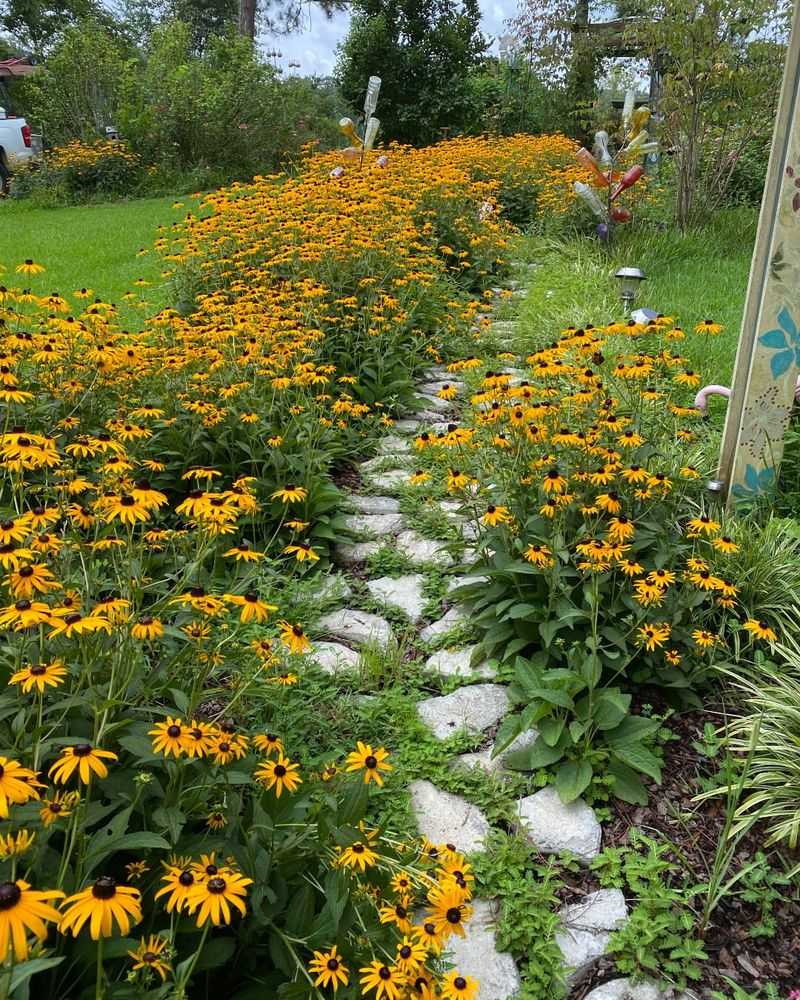
Texas summers are no joke. Temperatures regularly climb past 100 degrees, rainfall can disappear for weeks at a time, and the soil in many parts of the state is rocky, sandy, or clay-heavy.
Most plants struggle under those conditions. The Black-Eyed Susan, however, was practically made for them.
As a true Texas native, this plant evolved in the exact conditions that challenge so many garden imports. It has deep roots that help it find moisture even when the surface soil is bone dry.
It stores energy efficiently and bounces back quickly after periods of stress. Gardeners across Texas have watched it thrive in spots where other plants simply gave up.
One of the best things about growing Black-Eyed Susan in Texas is how little maintenance it actually needs. Once established, it largely takes care of itself.
You do not need to fertilize it heavily, amend the soil dramatically, or water it on a strict schedule. It adapts and pushes through, season after season.
Across different Texas regions, from the Panhandle to the Gulf Coast, the Black-Eyed Susan performs reliably. It handles the humid heat of East Texas just as well as the dry heat of West Texas.
That kind of range is rare in any plant, and it makes this wildflower a truly versatile choice for gardeners statewide.
If you have a spot in your yard that gets full sun and tends to stay dry, the Black-Eyed Susan is probably your best friend. It fills those tough spots beautifully and rewards your patience with golden blooms that last all the way into fall. Tough never looked so cheerful.
How To Grow It Without Overthinking It
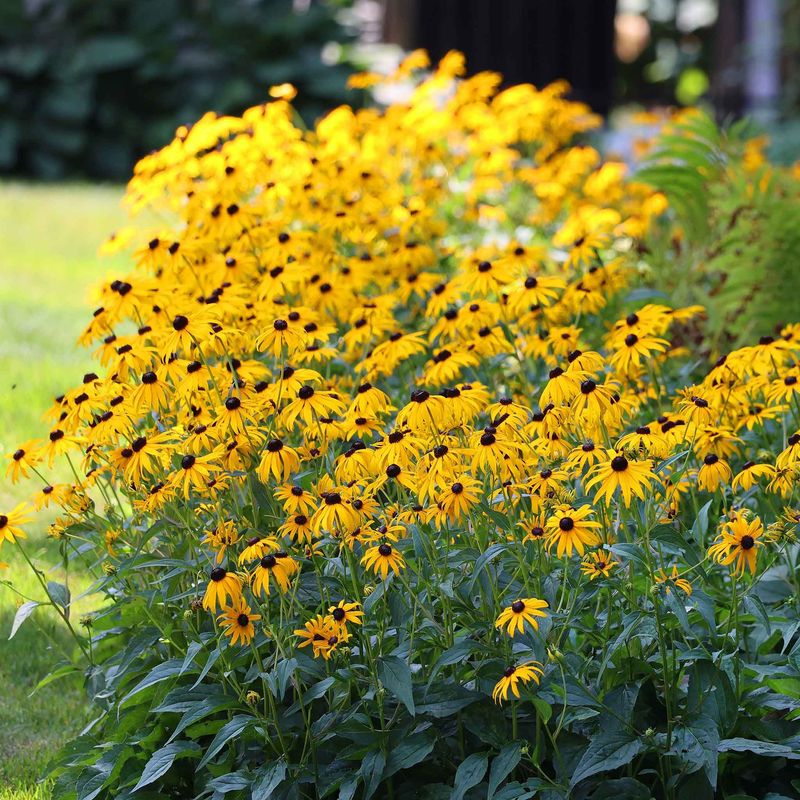
Growing Black-Eyed Susan is refreshingly straightforward, even for first-time gardeners. You do not need a horticulture degree or a perfectly prepared garden bed.
What you do need is a sunny spot and a little patience, especially in those first few weeks after planting.
Full sun is the top priority for this plant. It wants at least six hours of direct sunlight each day, and it performs even better with eight or more.
In Texas, that is usually not hard to come by. As for soil, Black-Eyed Susan is not picky. It grows in sandy soil, clay soil, and everything in between. Good drainage helps, but even that is more of a preference than a requirement.
Watering matters most in the early stages. Whether you start from seed or transplant a young plant, keeping the soil consistently moist for the first few weeks gives the roots a strong start.
After that, you can back off significantly. Established plants in Texas can often go weeks between waterings and still look great.
Seeds are a budget-friendly way to get started. Scatter them on bare soil in fall or early spring, press them gently into the surface, and let nature handle most of the work.
Transplants from a local Texas nursery give you a head start if you want blooms faster. Either method works well depending on your timeline and budget.
One more tip: do not deadhead every spent bloom right away. Leaving some seed heads in place feeds birds and allows the plant to self-seed naturally.
Next year, you may find new plants popping up without any effort at all. That is the magic of working with a true Texas native.
Where It Looks Best In Your Yard
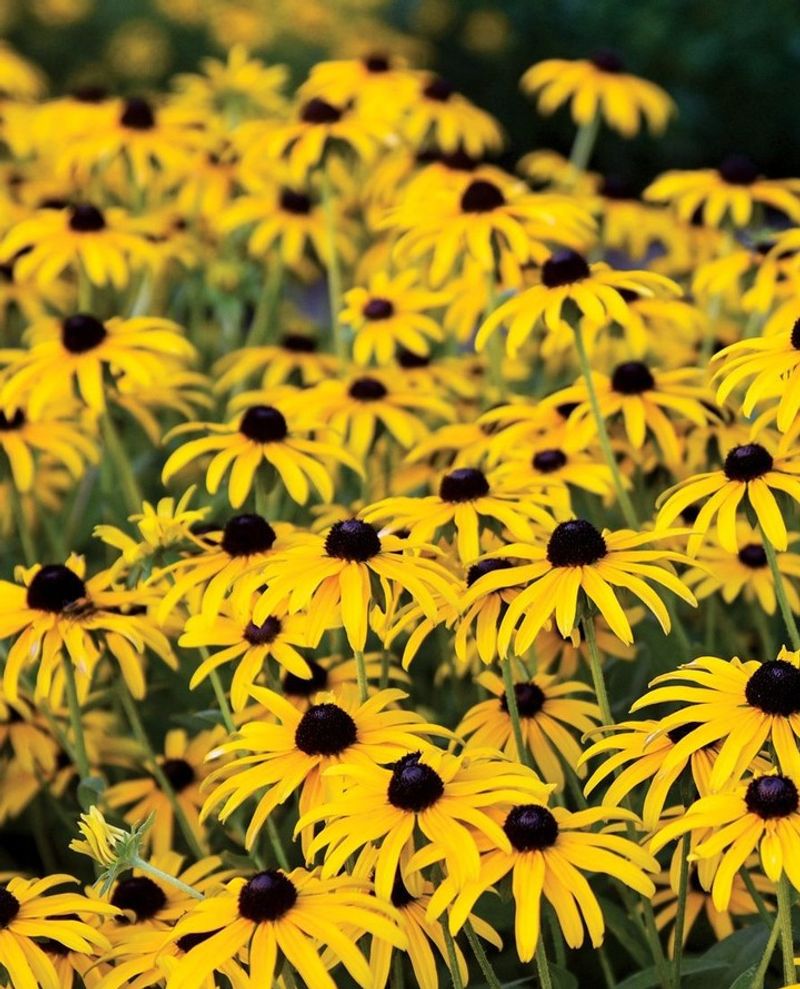
Black-Eyed Susan is one of those plants that looks good almost anywhere you put it. Its cheerful golden blooms brighten up dull corners, fill in gaps between shrubs, and create stunning sweeps of color when planted in groups.
Across Texas yards, it shows up in all kinds of settings and always earns its place. Wildflower beds are a natural home for this plant.
Mix it with other Texas natives like purple coneflower, salvia, or winecup, and you get a layered, textured planting that looks lush without requiring constant upkeep.
The combination of colors and bloom times means something is almost always flowering in your garden throughout the growing season.
Border plantings along fences, walkways, or garden edges are another great spot. The upright growth habit of Black-Eyed Susan, typically reaching one to three feet tall, makes it easy to layer with shorter groundcovers in front and taller grasses or shrubs behind.
It fits naturally into both formal garden designs and relaxed, naturalized spaces.
For Texas gardeners who want a low-effort, high-impact look, mass plantings are incredibly effective. A large sweep of Black-Eyed Susan along a slope or open lawn area creates a meadow-like feel that is both beautiful and beneficial for local pollinators.
It is the kind of planting that makes the whole neighborhood stop and stare. Container gardening works too. Planting Black-Eyed Susan in large pots on a sunny patio or deck brings bees and butterflies right up close where you can watch them.
It is a simple way to enjoy both the beauty of the flower and the lively pollinator activity it attracts, no matter how small your outdoor space may be.
Why This One Plant Makes A Big Difference
Sometimes the smallest choices have the biggest ripple effects. Planting a single patch of Black-Eyed Susan in your Texas yard might seem like a minor act, but for local bee populations, it can be genuinely significant. Supporting over 17 bee species with one plant is not a small thing at all.
Biodiversity depends on layered ecosystems where plants and animals support each other. When native plants like Black-Eyed Susan disappear from a landscape, the bees that depend on them struggle to find food.
Bringing those plants back, even in suburban yards across Texas, helps rebuild those connections one garden at a time.
Pollinator-friendly gardening does not have to be complicated or expensive. The Black-Eyed Susan proves that.
It is affordable, widely available at Texas nurseries, and incredibly easy to grow. You get stunning visual appeal and meaningful ecological value wrapped up in one bright yellow package.
Beyond bees, the plant also attracts butterflies, beetles, and seed-eating birds like goldfinches. That means your garden becomes a mini wildlife habitat without requiring a lot of space or effort.
A 10-square-foot patch can host an impressive variety of visitors throughout the season. There is also something deeply satisfying about growing a plant that was meant to be in Texas. It feels right.
It fits. And knowing that your garden is actively supporting the local food web adds a layer of meaning to something as simple as watering your flowers on a summer evening.
One plant, one yard, one Texas gardener at a time. That is how communities of native pollinators get stronger, and how ordinary backyards become something genuinely extraordinary for the natural world around them.