Here’s How To Grow Lilacs In Michigan That Will Make Your Neighbors Jealous
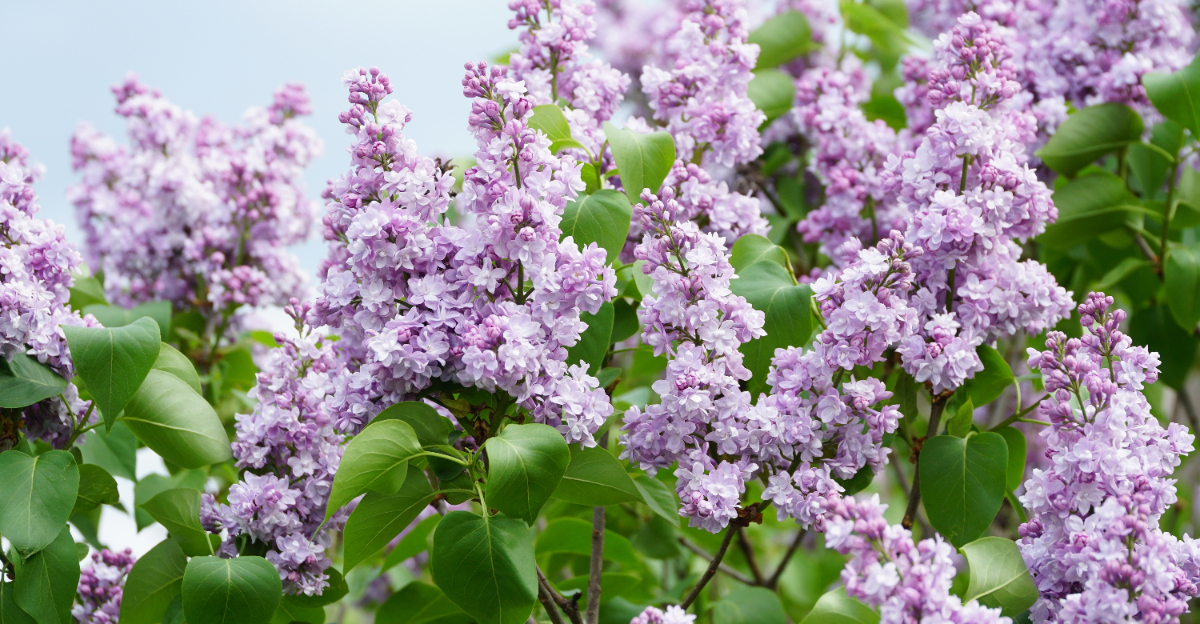
Lilacs and Michigan were practically made for each other. The cold winters that frustrate so many gardeners are actually what these plants need to set up their most impressive bloom displays, and Michigan delivers that chill requirement every single year without fail.
The result is some of the fullest, most fragrant lilac blooms you will find anywhere in the country, and Michigan yards that get the growing conditions right tend to produce plants that become genuine neighborhood landmarks over time.
Most gardeners plant a lilac, give it occasional attention, and end up with a decent shrub. The ones that grow lilacs worth talking about are doing a handful of specific things that push these plants well beyond decent and into genuinely impressive territory.
The difference shows up in bloom density, fragrance, the size of the flower clusters, and how reliably the plant performs year after year.
What those gardeners know about growing lilacs in Michigan is worth understanding before your next planting season begins.
1. Choose Cold-Hardy Lilac Varieties For Michigan Winters
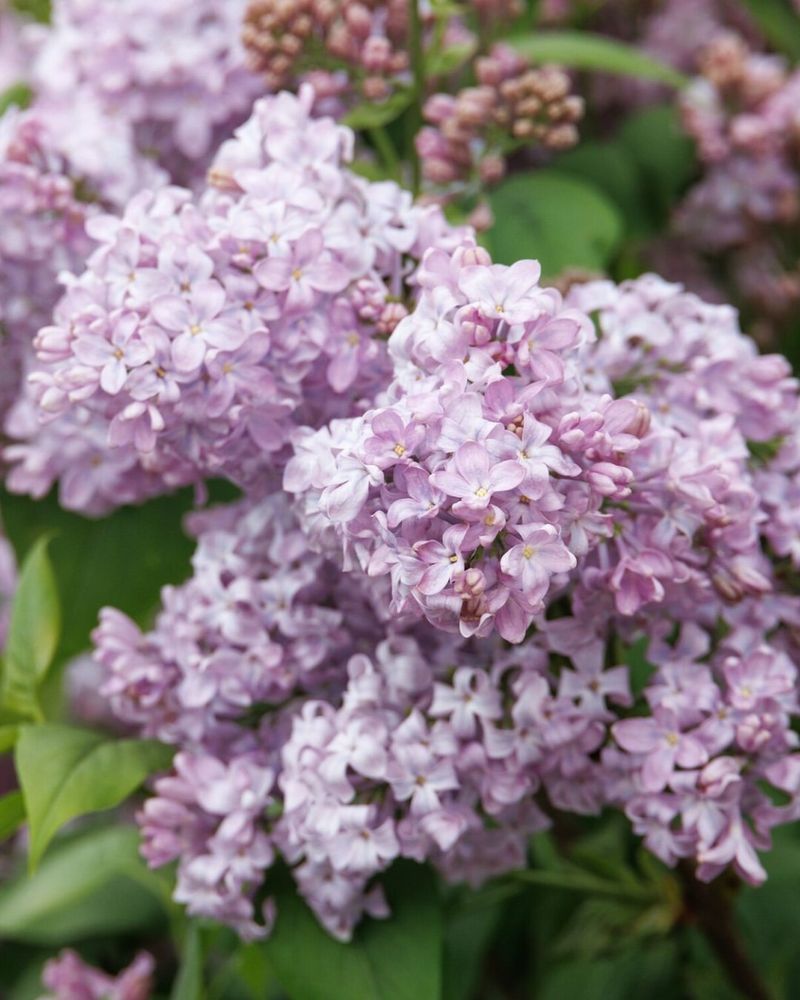
Not all lilacs are built the same, and picking the right variety makes a huge difference in how well your plants perform in Michigan.
The common lilac, known scientifically as Syringa vulgaris, is a classic choice that has been thriving in the Great Lakes region for generations.
It handles cold winters with ease and rewards gardeners with those iconic, fragrant blooms every spring without complaint.
Early-blooming hybrids like Syringa x hyacinthiflora are another fantastic option for Michigan gardeners. These varieties bloom a week or two before the common lilac, which means you get to enjoy flowers even sooner in the season.
Both types are rated for USDA hardiness zones 3 through 7, which covers most of Michigan perfectly.
Avoid purchasing lilac varieties that were bred for warmer southern climates. Those low-chill types need mild winters to set their buds properly, and Michigan winters will confuse them entirely.
Stick with cold-hardy selections from reputable nurseries in the Midwest, and you will be setting your garden up for long-term success.
Popular named varieties like ‘Charles Joly,’ ‘Sensation,’ and ‘Miss Kim’ are all proven performers across Michigan landscapes and are widely available at local garden centers throughout the state.
2. Give Your Lilacs Full Sun Every Single Day

Sunlight is the single most important ingredient for getting a lilac to bloom heavily year after year. Lilacs need at least six to eight hours of direct sun daily, and more is always better.
When you plant your lilac in a shady corner of the yard, you are basically asking it to put all its energy into leaves instead of flowers.
In Michigan, the growing season is already short, so every hour of sunlight counts. A spot on the south or west side of your property usually gets the strongest and longest sun exposure throughout the day.
Before you dig a single hole, spend a day watching how the sun moves across your yard and pick the sunniest location you can find.
Gardens near tall trees or buildings that cast afternoon shade are common problem spots for lilacs across Michigan. Even partial shade can reduce bloom production significantly over time, and the plant may look healthy but produce very few flowers.
Your Michigan Garden Changes Every Week. Your Plan Should Too.
Gardening in Michigan changes quickly throughout the season. Every Friday you’ll receive a simple weekly plan showing exactly what to plant, prune, fertilize, harvest, and protect so you never miss the right timing.
If your current lilac sits in too much shade and struggles to bloom, consider transplanting it to a sunnier spot in early spring before new growth begins.
Young lilacs adapt well to transplanting, and moving to a brighter location can completely transform how the shrub performs in just one or two growing seasons.
3. Well-Drained Soil Is Non-Negotiable For Healthy Roots
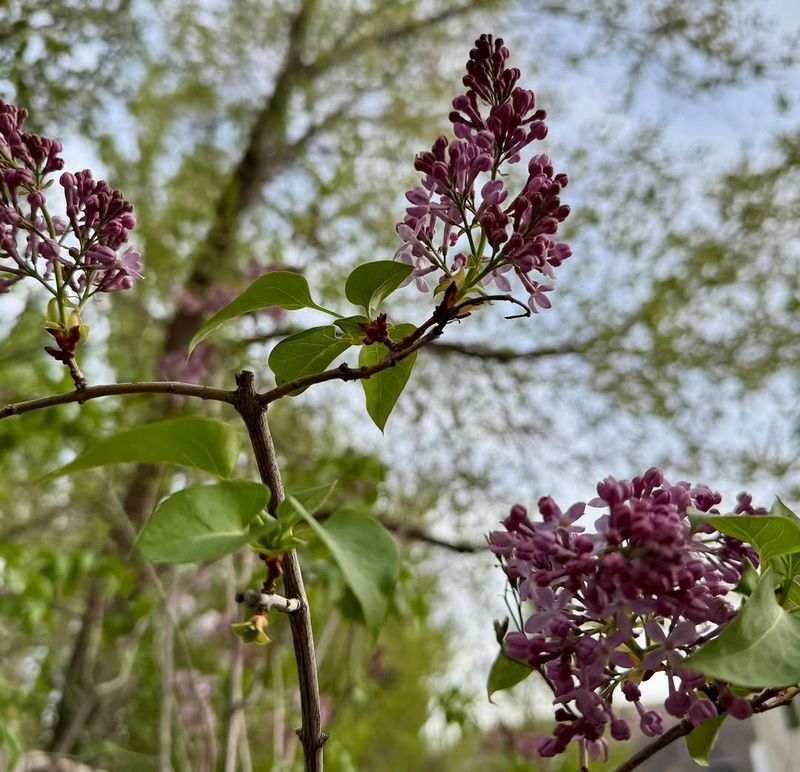
Lilacs are surprisingly tough plants, but there is one thing they absolutely cannot stand, and that is sitting in soggy soil. Wet roots cause root stress very quickly, and a lilac planted in poorly drained ground will struggle to grow no matter how much sunshine it gets.
Michigan has a lot of clay-heavy soil, especially in the lower peninsula, which can hold water for days after a rainstorm.
The good news is that fixing drainage does not have to be complicated or expensive. One of the most effective tricks is to plant your lilac on a slight mound, raising the root zone three to six inches above the surrounding soil level.
This simple adjustment allows water to drain away from the roots naturally without any major landscaping work.
Another solid approach is to mix compost, coarse sand, or small gravel into your planting hole to break up dense clay and improve drainage. Raised garden beds are also a popular option for Michigan gardeners dealing with heavy soil.
Before planting, do a quick drainage test by digging a hole about twelve inches deep, filling it with water, and watching how fast it drains. If the water is still sitting there an hour later, you know drainage improvement is a must before your lilac goes in the ground.
4. Skip The Heavy Fertilizer And Let Your Lilac Breathe
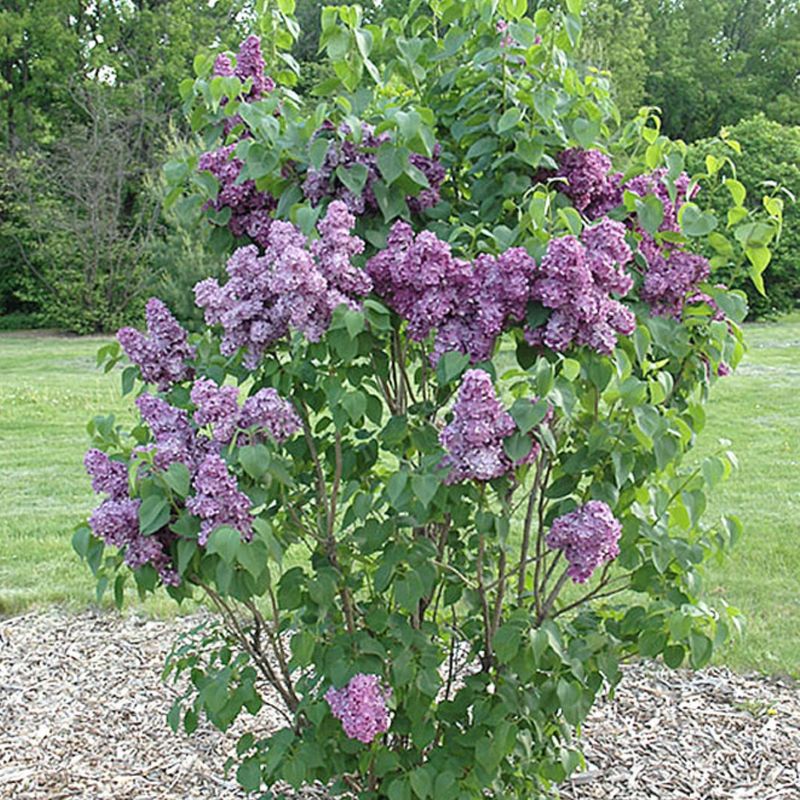
Here is something that surprises a lot of new gardeners: lilacs actually do better when you feed them less, not more.
Pouring on heavy doses of nitrogen-rich fertilizer encourages the plant to push out lots of lush green leaves, but it tricks the shrub into skipping flower production.
You end up with a big, leafy bush that barely blooms, which is not the goal anyone is going for.
Lilacs perform beautifully in average, moderately fertile soil with very little added nutrition. In most Michigan gardens, a light application of a balanced, slow-release fertilizer in early spring is more than enough to keep them healthy and happy.
Many experienced lilac growers in Michigan skip fertilizer entirely and rely on a yearly top-dressing of compost around the base of the plant instead.
If you notice your lilac producing lots of leaves but very few flowers, cut back on any fertilizing and check your soil with a simple pH test. Lilacs prefer a soil pH between 6.5 and 7.0, which is slightly acidic to neutral.
Michigan soils sometimes run acidic, so adding a little garden lime can bring the pH into the ideal range and dramatically improve bloom production. Getting the soil chemistry right is often the missing piece that transforms a struggling lilac into a showstopper.
5. Prune At The Right Time To Protect Next Year’s Blooms
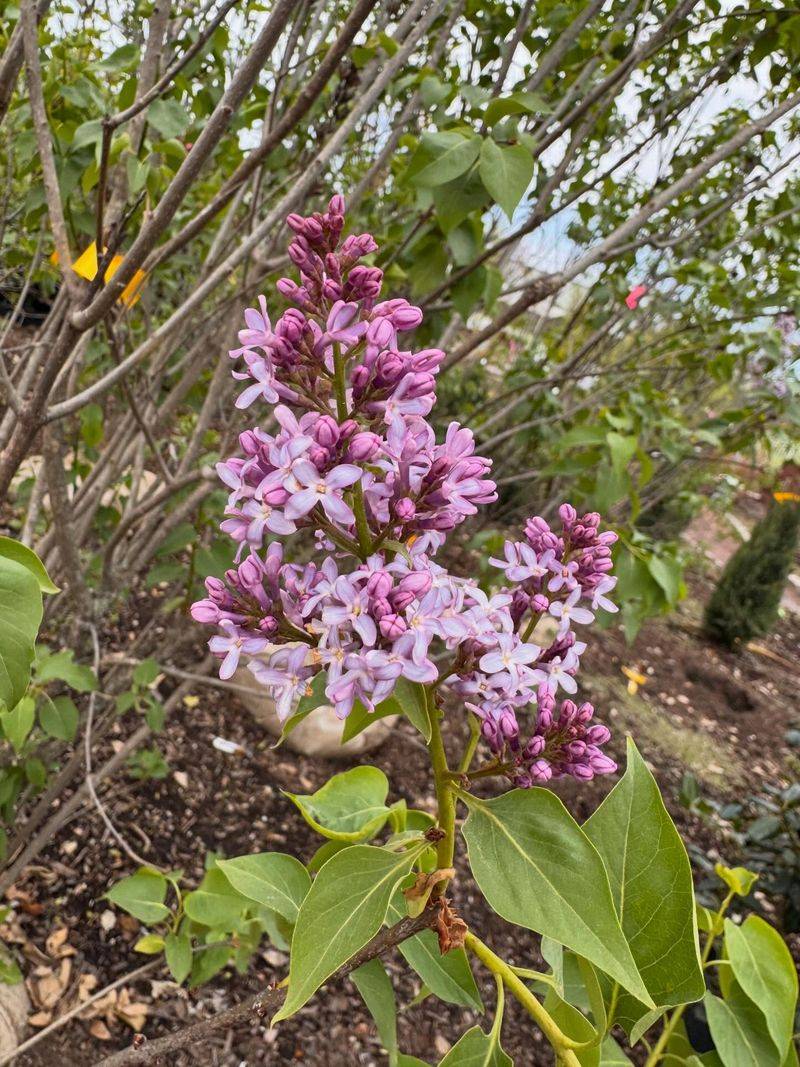
Timing is everything when it comes to pruning lilacs, and getting it wrong is one of the most common mistakes Michigan gardeners make.
Lilacs bloom on old wood, meaning the flower buds for next spring are already forming on this year’s stems shortly after the current blooms fade.
If you wait until fall or early spring to prune, you are cutting off the very buds that would have given you flowers.
The golden rule is simple: prune your lilacs within two to three weeks after the flowers finish blooming. That window usually falls somewhere between late May and mid-June in most parts of Michigan, depending on the variety and your specific location.
Pruning during this short window gives the plant plenty of time to grow new wood and set fresh flower buds before summer ends.
When you prune, focus on removing spent flower clusters, crossing branches, and any stems that look weak or crowded. Avoid heavy shearing that turns your lilac into a tight, round ball shape because that style of pruning removes most of the productive flowering wood.
A more natural, open shape allows better airflow and more blooms. Sharp, clean pruning tools also matter because ragged cuts invite disease, so sharpen your pruners before each session and wipe the blades with rubbing alcohol between cuts.
6. Boost Airflow To Fight Michigan’s Summer Humidity

Michigan summers are beautiful, but the humidity that rolls in off the Great Lakes creates the perfect conditions for powdery mildew to show up on lilac leaves.
Powdery mildew looks exactly like it sounds, a white or grayish powdery coating that spreads across the foliage and makes the plant look tired and stressed.
While it rarely causes serious long-term harm to a healthy lilac, it does look unsightly and can weaken the plant over time.
The most effective way to fight powdery mildew is to give your lilac room to breathe. When planting, space lilacs at least five to fifteen feet apart depending on the variety, so air can circulate freely around each shrub.
Good airflow keeps the foliage drier and makes it much harder for mildew spores to take hold and spread.
Annual pruning also plays a big role in managing humidity-related problems. Removing crowded inner branches opens up the canopy so wind and sunlight can reach all parts of the plant throughout the day.
Avoid wetting the foliage when watering, and try to water at the base of the plant early in the morning so the soil surface dries before nightfall.
Choosing mildew-resistant varieties like ‘Donald Wyman’ or ‘Miss Kim’ is another smart move for Michigan gardeners who deal with particularly humid conditions near the lakeshore.
7. Remove Older Stems Gradually For Stronger Blooms
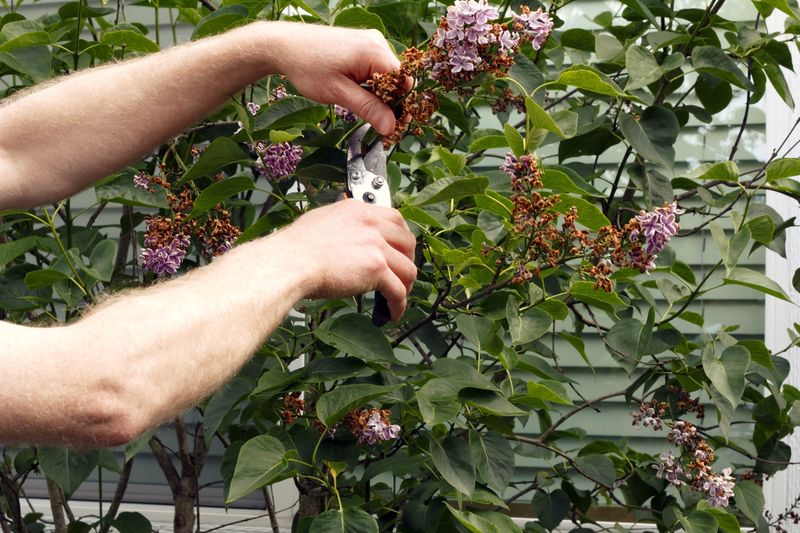
Mature lilacs can live for decades, and over time the older stems at the base of the plant become thick, woody, and much less productive.
A lilac that has not been properly managed for several years often looks like a tangle of old trunks with flowers only appearing at the very tops, far out of reach and hard to enjoy up close.
The fix is a simple but consistent pruning technique called renewal pruning. Instead of cutting the whole shrub back at once, remove just two or three of the oldest, thickest stems at ground level each year.
This gradual approach encourages the plant to push up fresh new shoots from the base, which will eventually become the next generation of productive flowering stems.
Within three to five years of consistent renewal pruning, your lilac will look completely refreshed and bloom more heavily than it has in years.
Spring, just before new growth begins, is a great time to identify which stems are the oldest and most worn out. Old stems usually have rough, grayish bark and produce few leaves compared to younger growth.
In Michigan, where established lilac shrubs can grow quite large over the years, renewal pruning also helps keep the overall size manageable without sacrificing the beautiful flowering display that makes these plants so special in the first place.
8. Be Patient Because Great Lilacs Take A Little Time

Planting a new lilac and expecting a massive bloom display in the first year is one of the most common sources of disappointment for Michigan gardeners.
Young lilacs spend their first few years focusing almost entirely on building a strong root system underground, and that means flower production stays modest at first.
It can feel frustrating, but this slow start is completely normal and actually a sign that the plant is doing exactly what it should.
Most lilacs begin blooming more reliably in their third or fourth year after planting, and by years five through seven the display can become truly impressive.
The key is to give the plant what it needs during those early years, including consistent watering during dry spells, proper sunlight, and well-drained soil.
Resist the urge to dig it up and replace it just because it is not putting on a show right away.
Once a lilac is fully established in a Michigan garden, it becomes one of the most low-maintenance and long-lived shrubs you can grow. Some lilac bushes in Michigan have been blooming reliably for fifty years or more with very little care beyond basic pruning.
That kind of longevity and beauty is absolutely worth the wait. Think of those first few quiet years as an investment in decades of spectacular spring color that will fill your yard with fragrance every single year.