7 Texas Plants You Need To Water First In May
May in Texas is the month where watering priorities start to matter in a very real way. The heat is ramping up, the soil is drying out faster than it did a few weeks ago, and the comfortable margin for error that spring provided is quietly disappearing.
Most gardeners water everything on the same schedule without thinking too hard about it, and that approach works fine until it suddenly doesn’t. The truth is that not all plants have equal water needs in May, and more importantly, not all of them handle moisture stress the same way.
Some plants will show you immediately when they need water. Others will look perfectly fine right up until the damage is already done at the root level, and by the time you notice something is wrong, you’re already behind.
Knowing which plants to prioritize at the watering can this month keeps your garden strong heading into the brutal stretch of Texas summer that’s right around the corner.
1. Hydrangea
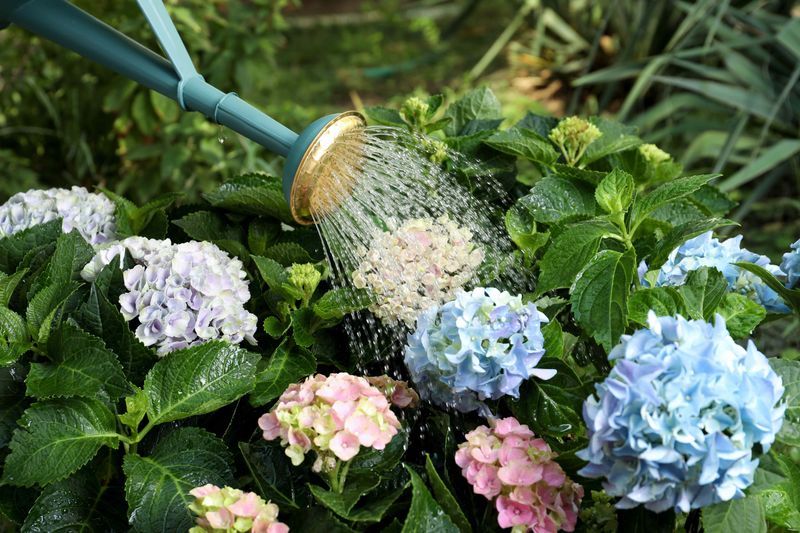
Few plants make a statement quite like a hydrangea in full bloom, but those big, beautiful leaves come with a catch. Large leaves lose moisture incredibly fast, especially when Texas heat starts building in May.
A hydrangea that is not getting enough water will begin to droop within hours on a hot afternoon, and that wilting is a clear distress signal you do not want to ignore.
In Texas, hydrangeas need deep, consistent watering to stay healthy. Watering in the morning is the best approach because it gives the roots time to absorb moisture before the afternoon sun turns up the heat.
Aim for about one inch of water per week, but during warm May days, you may need to water more frequently.
Mulching around the base of your hydrangea is a game changer. A two to three inch layer of mulch holds moisture in the soil and keeps roots cooler during the day. Without mulch, the soil can dry out surprisingly fast in the Texas sun.
Container hydrangeas need even more attention because pots heat up quickly and lose water faster than in-ground plants. Check the soil daily if your hydrangea is in a pot. If the top inch of soil feels dry, it is time to water again.
Hydrangeas planted in partial shade tend to do better in Texas because they get some relief from the intense afternoon sun. Choosing the right spot combined with proper watering gives your hydrangea the best shot at thriving all season long.
2. Tomatoes
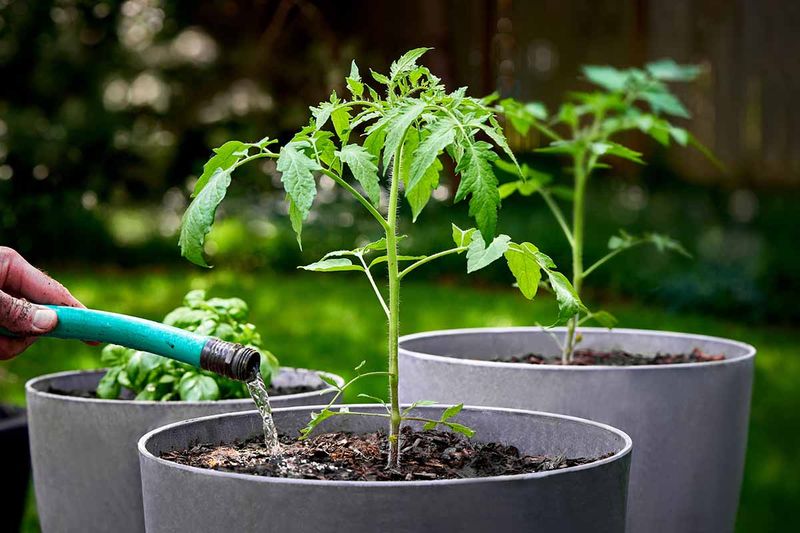
Ask any Texas home gardener what they are most excited to grow, and tomatoes will almost always top the list. But growing great tomatoes in Texas means one thing above all else: consistent moisture.
Uneven watering is the number one cause of blossom end rot, a frustrating condition where the bottom of the tomato turns dark and mushy before it even ripens.
Blossom end rot is not caused by a pest or a disease. It happens when the plant cannot absorb enough calcium due to inconsistent soil moisture.
Your Texas Garden Changes Every Week. Your Plan Should Too.
Gardening in Texas changes quickly throughout the season. Every Friday you’ll receive a simple weekly plan showing exactly what to plant, prune, fertilize, harvest, and protect so you never miss the right timing.
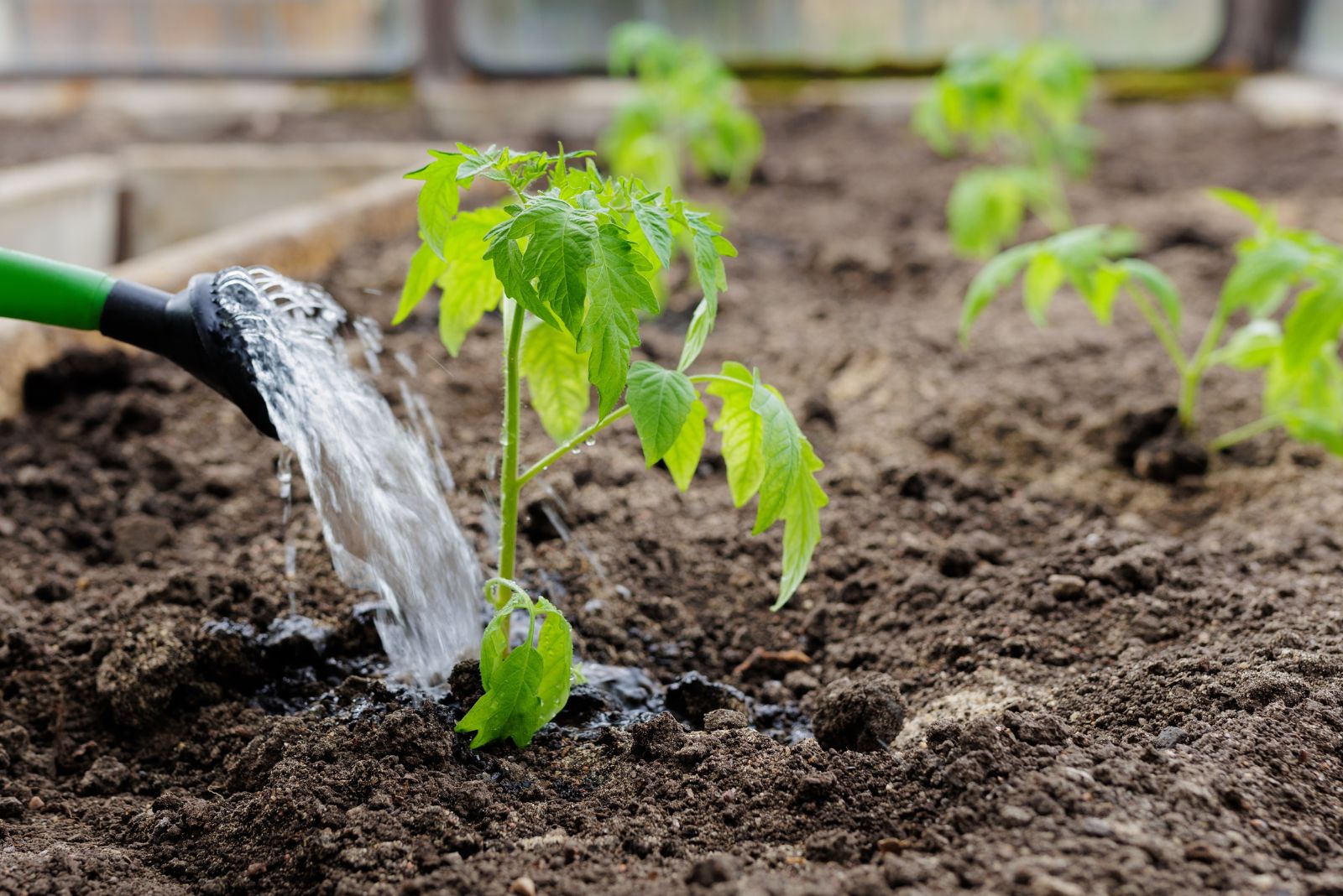
The fix is simple but requires discipline. Water your tomatoes deeply and on a regular schedule, especially as May temperatures in Texas start rising.
Tomatoes in Texas generally need about one to two inches of water per week. During hot, dry spells, that number can go up.
Deep watering encourages roots to grow down into the soil rather than staying shallow near the surface, which makes the plant more resilient overall.
Drip irrigation is a fantastic option for tomatoes because it delivers water directly to the root zone without wetting the leaves.
Wet foliage can lead to fungal problems, which are already common in humid parts of Texas. Keeping leaves dry while keeping roots moist is the ideal balance.
Straw mulch around your tomato plants helps lock in soil moisture and regulate temperature. In Texas, where the ground can heat up fast, this simple step makes a noticeable difference in how your plants perform through the season.
3. Peppers
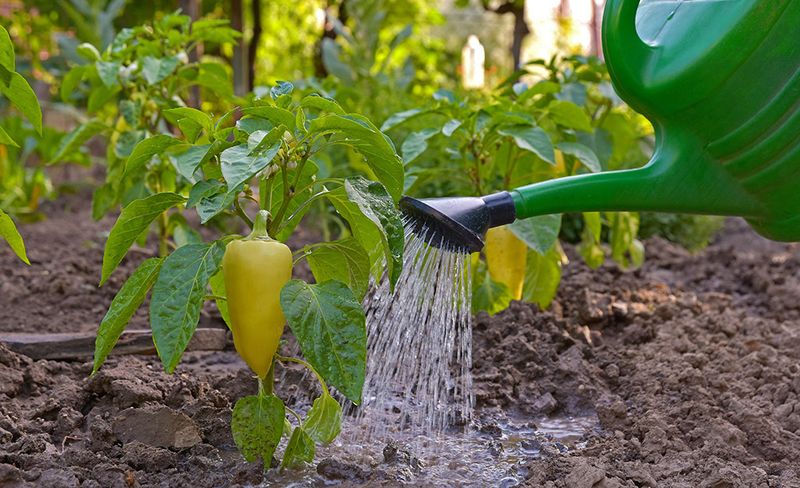
Peppers are tough, but young plants just getting established in May need a little extra care. When temperatures in Texas start pushing into the upper 80s and beyond, newly transplanted pepper seedlings can struggle fast if the soil dries out.
Steady watering during this early stage is what separates thriving plants from ones that stall out and never quite recover.
Young pepper plants have smaller root systems that have not yet spread deep into the soil. That means they rely heavily on surface moisture, which evaporates quickly in the Texas heat.
Watering every two to three days is a reasonable starting point, but always check the soil before watering rather than following a strict schedule blindly.
One thing a lot of gardeners do not realize is that peppers are sensitive to both underwatering and overwatering. Soggy soil can cause root problems just as quickly as dry soil.
The goal is consistently moist soil, not waterlogged ground. Well-draining soil and proper watering habits go hand in hand.
As pepper plants grow and their root systems expand, they become more drought tolerant. But in May, before that happens, treat them with care.
Watering in the early morning helps the plant stay hydrated through the hottest part of the day.
Adding a layer of mulch around pepper plants is a simple and effective way to hold moisture in the soil. In Texas gardens, where the sun is strong and the air is dry, that mulch layer can mean the difference between a struggling plant and a productive one all summer.
4. Impatiens
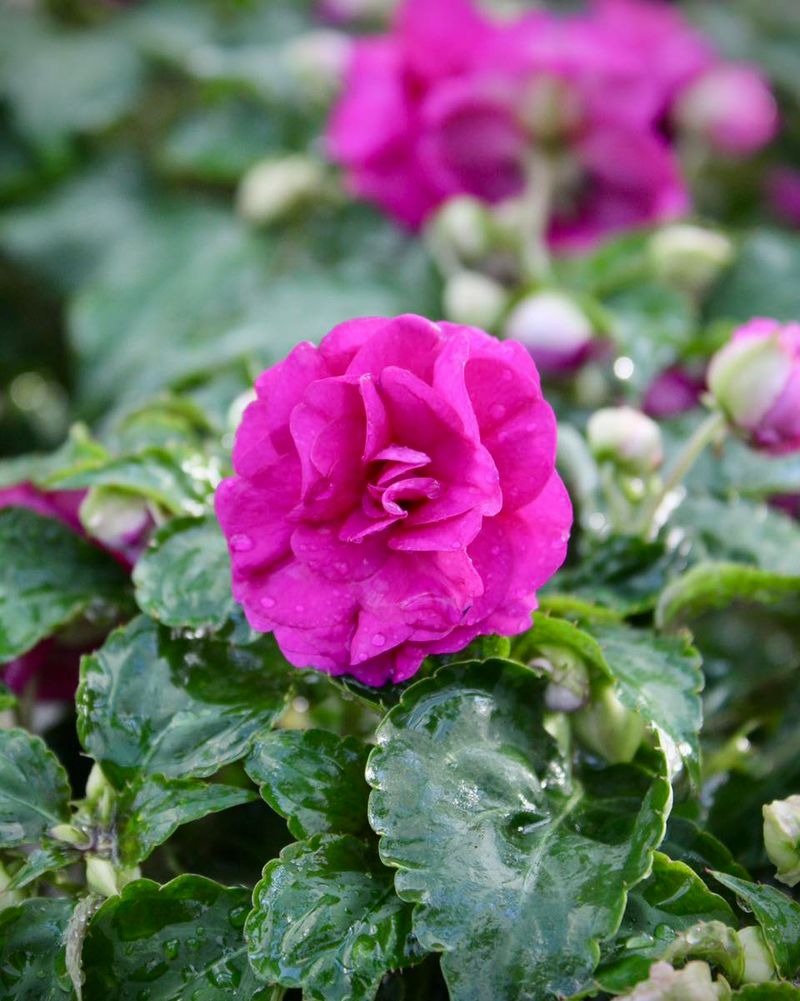
Impatiens are one of the most popular flowering plants for Texas porches, patios, and garden beds, and it is easy to see why. Their bright blooms come in almost every color imaginable, and they add instant cheer to any outdoor space.
But impatiens have a secret weakness: their roots are extremely shallow, which means they dry out faster than almost any other plant in your garden.
In containers and hanging baskets, the situation gets even more urgent. Pots exposed to direct sunlight in Texas can lose moisture rapidly, sometimes within just a few hours on a hot May afternoon.
Checking your impatiens daily is not an overreaction. It is simply good plant care when temperatures are climbing.
When impatiens run out of water, they do not waste any time letting you know. The leaves and stems go limp and the plant looks completely defeated.
The good news is that a thorough watering usually perks them right back up if you catch it quickly enough.
Watering impatiens thoroughly until water drains from the bottom of the container ensures the entire root zone gets moisture.
Shallow watering only wets the top layer of soil, which dries out even faster and encourages roots to stay near the surface instead of growing deeper.
Placing containers in spots with morning sun and afternoon shade can reduce water stress on your impatiens. In Texas, that afternoon shade is a genuine gift.
Combining smart placement with consistent watering keeps impatiens blooming beautifully all the way through the warm season.
5. Ferns
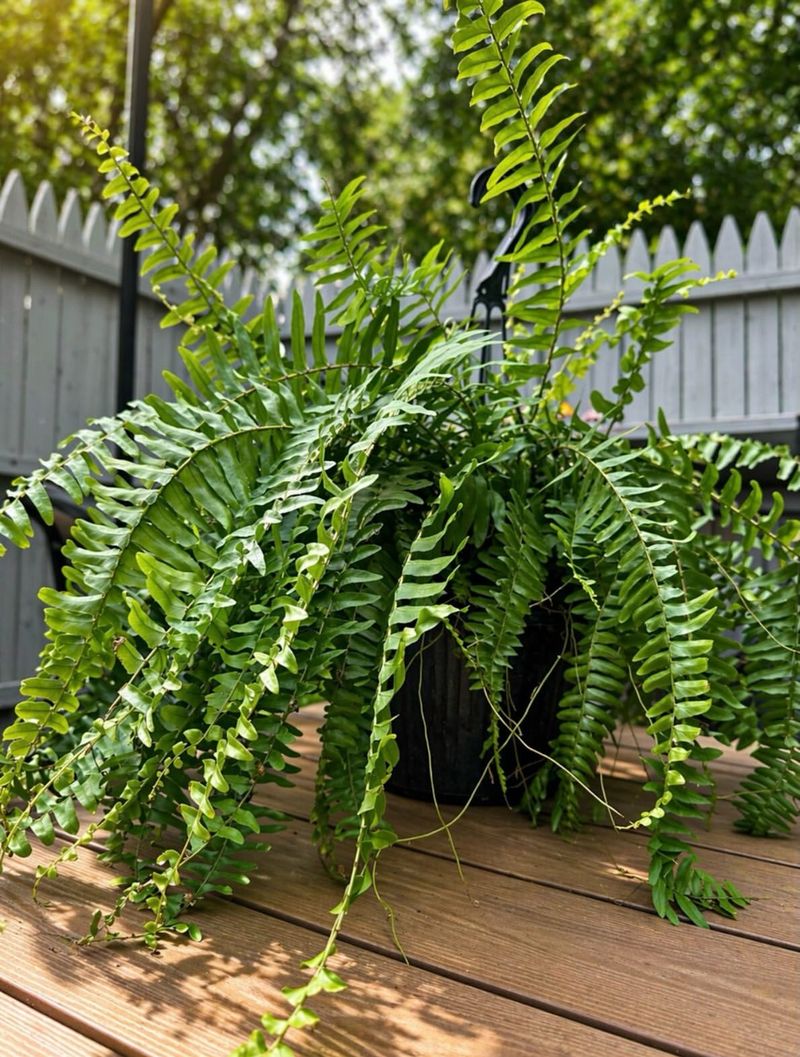
Ferns are the definition of lush and tropical, but they are also one of the most moisture-dependent plants you can grow in Texas.
These beauties evolved in humid, shaded forest environments, which means they are not naturally built for the dry heat that Texas serves up starting in May. Without regular watering, fern fronds can turn brown and crispy surprisingly fast.
One of the most common mistakes Texas gardeners make with ferns is underestimating how much water they actually need. Ferns in containers can dry out within a day or two during warm weather.
Even ferns planted in the ground need consistent moisture because they have fine, fibrous roots that do not handle drought well at all.
Ferns prefer indirect light and do best in shaded or partially shaded spots, which is good news because shaded soil holds moisture longer than soil baking in direct sun. Placing ferns under a covered porch or beneath a tree gives them the environment they crave while also reducing how quickly the soil dries out.
Misting the fronds in addition to watering the soil can help ferns thrive in dry Texas air. They absorb some moisture through their leaves, and a light misting in the morning adds humidity that mimics their natural habitat.
If your fern starts looking dull or the tips of the fronds turn brown, that is usually a sign it needs more water. Acting quickly and giving it a deep soak followed by regular watering can help it recover and stay green and healthy all season.
6. Cucumbers
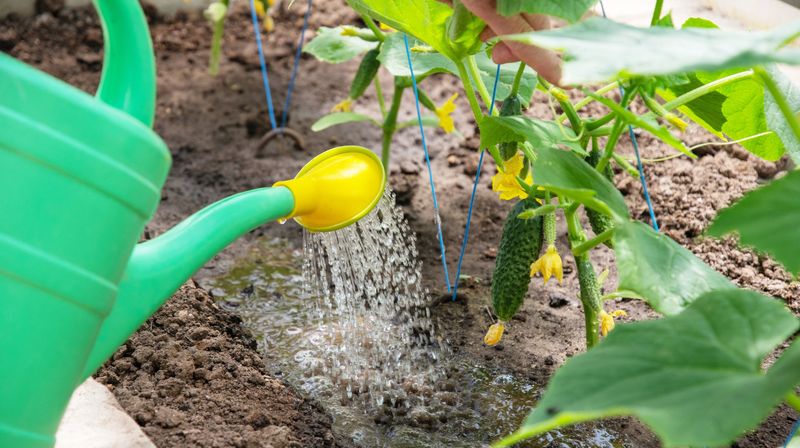
Cucumbers are one of those vegetables that seem simple to grow until things go wrong, and in Texas, inconsistent watering is the most common culprit behind disappointing harvests. These fast-growing vines need a steady supply of moisture to develop properly.
Without it, the fruit can turn bitter, become misshapen, or stop developing altogether before it reaches a usable size.
The bitterness that sometimes shows up in homegrown cucumbers is caused by a compound called cucurbitacin, which the plant produces in higher amounts when it is stressed. Watering stress is one of the biggest triggers.
Keeping the soil consistently moist throughout May and into the summer months goes a long way toward keeping that bitterness out of your harvest.
Cucumbers are heavy drinkers. In Texas heat, they may need watering every day or every other day, especially once fruit starts forming.
The vines grow quickly and the fruit develops fast, so the demand for water is high throughout the growing period.
Drip irrigation works especially well for cucumbers because it keeps the soil moist without wetting the leaves. Wet foliage on cucumbers can lead to powdery mildew and other fungal issues that are already common in parts of Texas during humid spring weather.
Mulching the base of cucumber plants helps the soil retain moisture between waterings and keeps the ground from heating up too quickly in the Texas sun.
A thick layer of straw or wood chips around the base of the plant is a simple investment that pays off in a better, more consistent harvest all season long.
7. Newly Planted Shrubs
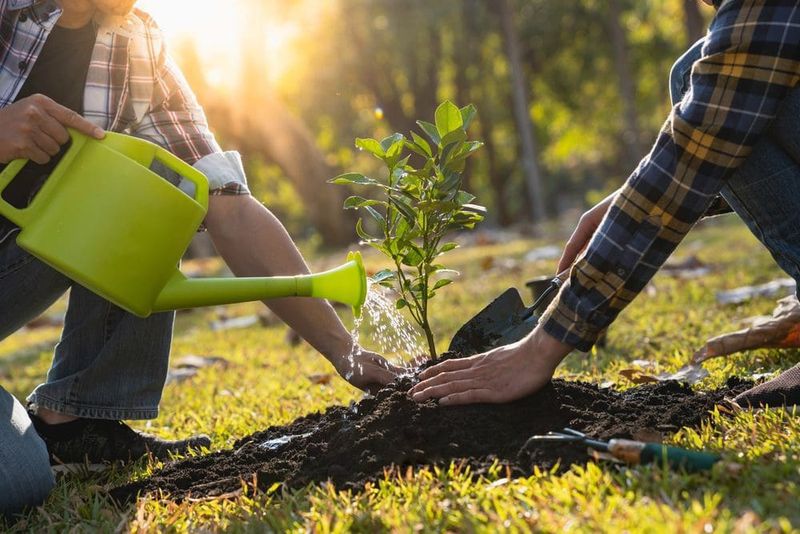
Planting a new shrub in May in Texas is a bold move, and it can absolutely work out beautifully if you commit to one thing: watering it consistently right from the start.
Newly planted shrubs have not yet established their root systems in the surrounding soil, which means they cannot pull moisture from a wide area the way mature plants can. Every drop of water they get has to come from you.
The first few weeks after planting are the most critical. During this window, the shrub is working hard to push roots out into the new soil.
If the ground dries out during this establishment phase, the plant hits a wall and struggles to move forward. Texas heat in May makes this challenge even more intense.
Watering deeply and slowly is the best approach for new shrubs. A slow trickle from a hose left at the base of the plant for 20 to 30 minutes allows water to soak deep into the soil where roots are trying to grow.
Shallow watering only encourages surface roots, which are the first to suffer when heat increases.
Mulching around newly planted shrubs is one of the best things you can do for them. A generous layer of mulch keeps the soil cool, locks in moisture, and reduces the need for constant watering.
In Texas, where soil can dry out fast, mulch is practically essential for new plantings. Check the soil around your new shrubs every day for the first month. If it feels dry two inches below the surface, water immediately.
Consistent attention during this early period sets the shrub up for long-term success in your Texas landscape.