This Is How Florida Gardeners Keep Hibiscus Blooming Nonstop
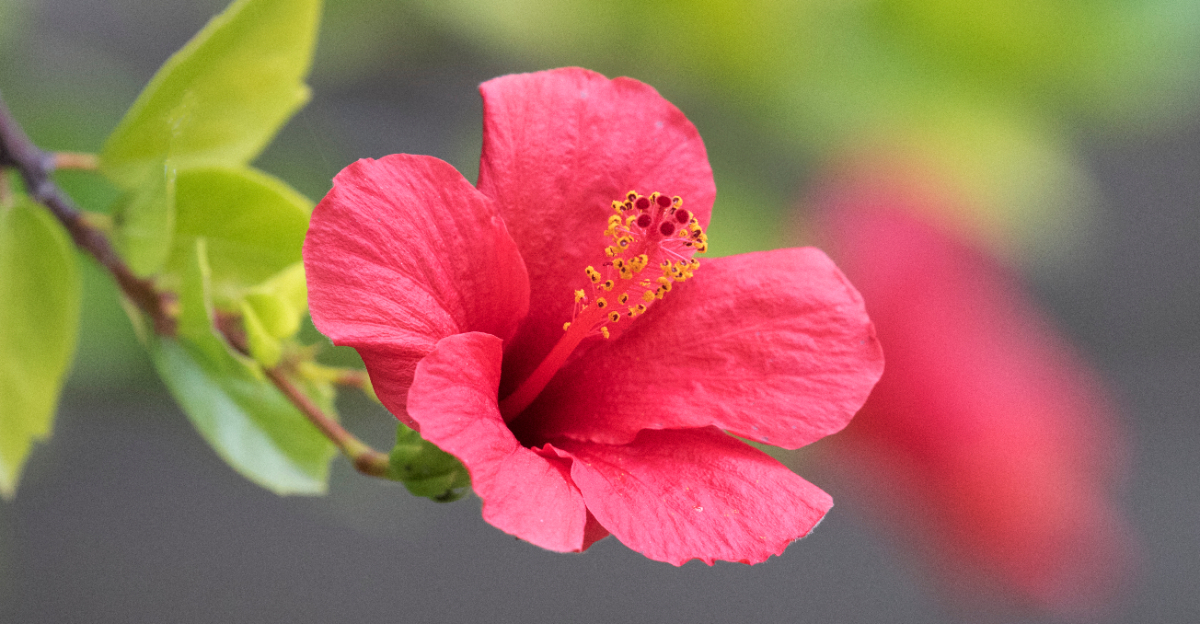
Hibiscus in Florida should be a guaranteed win. The climate fits, the sunshine is relentless, and the plant practically sells itself at every nursery from Pensacola to Miami.
But talk to enough Florida gardeners and a familiar story surfaces. Stunning blooms for a few weeks, then a long stretch of green leaves and nothing else.
The plant looks healthy enough, just stubbornly uninterested in putting on a show. Most people assume it needs more water, or less water, or a different spot in the yard, and spend an entire season guessing.
The real answer usually comes down to a handful of specific habits that separate a hibiscus that occasionally blooms from one that absolutely refuses to stop. Feeding schedules, pruning timing, and a few details that most care guides gloss right over.
Florida gardeners who crack that combination end up with a plant that treats every single month like peak season.
1. Start With The Right Hibiscus For Your Region
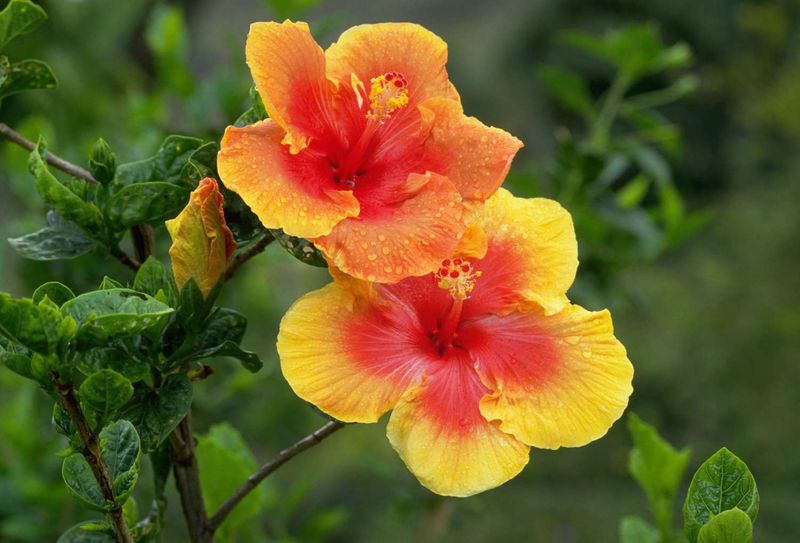
Choosing the wrong hibiscus type for your part of Florida is the fastest way to end up with a struggling shrub instead of a flowering one.
Tropical hibiscus, known scientifically as Hibiscus rosa-sinensis, is the species most commonly sold at Florida nurseries and produces the large, showy flowers people picture when they think of hibiscus.
According to UF/IFAS, this species performs best in warm, frost-free or nearly frost-free conditions, making it a reliable long-season shrub in South Florida but a riskier pick for North Florida without protection.
Central Florida gardeners fall somewhere in between. Occasional winter cold can set back tropical hibiscus, especially in inland areas that dip below freezing.
Checking your local UF/IFAS extension office recommendations before buying can save a lot of disappointment.
Native options such as scarlet rosemallow (Hibiscus coccineus) or other hardy rosemallows may suit wetter sites and colder parts of the state better than tropical hibiscus.
South Florida gardeners can often treat tropical hibiscus as a permanent landscape shrub. North Florida gardeners should consider container growing, south-facing sheltered spots, or cold-hardier alternatives.
Getting the species right from the start gives every other care step a much stronger foundation to build on.
2. Give South Florida Plants Light Afternoon Relief
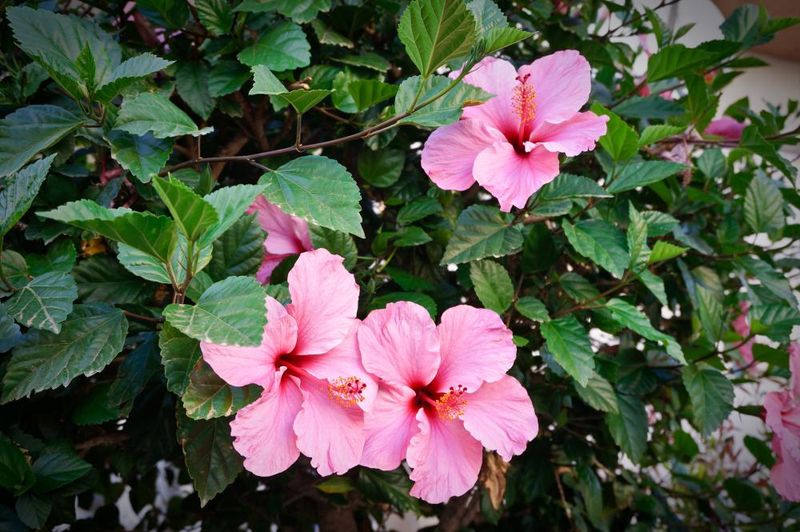
Reflected heat from pool decks, driveways, concrete walls, and patios can push temperatures in South Florida microclimates well beyond what even tropical hibiscus handles comfortably.
Hibiscus needs strong light to produce heavy flowering, but container plants and newly established shrubs placed in full reflected glare may show wilting, faded foliage, or fewer developing buds than expected.
Morning sun with some relief from the harshest midday and afternoon rays tends to work well in the most exposed urban and coastal sites.
Too much shade creates a different problem. Gardeners who move plants under dense tree canopies to escape the heat often end up with stretched, leggy stems and dramatically reduced flower production.
The goal is bright, direct light for most of the morning with filtered or indirect exposure during the peak afternoon hours in the hottest spots.
Your Florida Garden Changes Every Week. Your Plan Should Too.
Gardening in Florida changes quickly throughout the season. Every Friday you’ll receive a simple weekly plan showing exactly what to plant, prune, fertilize, harvest, and protect so you never miss the right timing.
Watch the plant itself for clues. Wilting that does not recover after sunset, leaves that look washed out or scorched along the edges, and a noticeable drop in bud count can all signal that the light balance needs adjusting.
Shifting a container plant a few feet or adding a light shade cloth during July and August can make a measurable difference in South Florida yards.
3. Protect North Florida Hibiscus From Cold Snaps
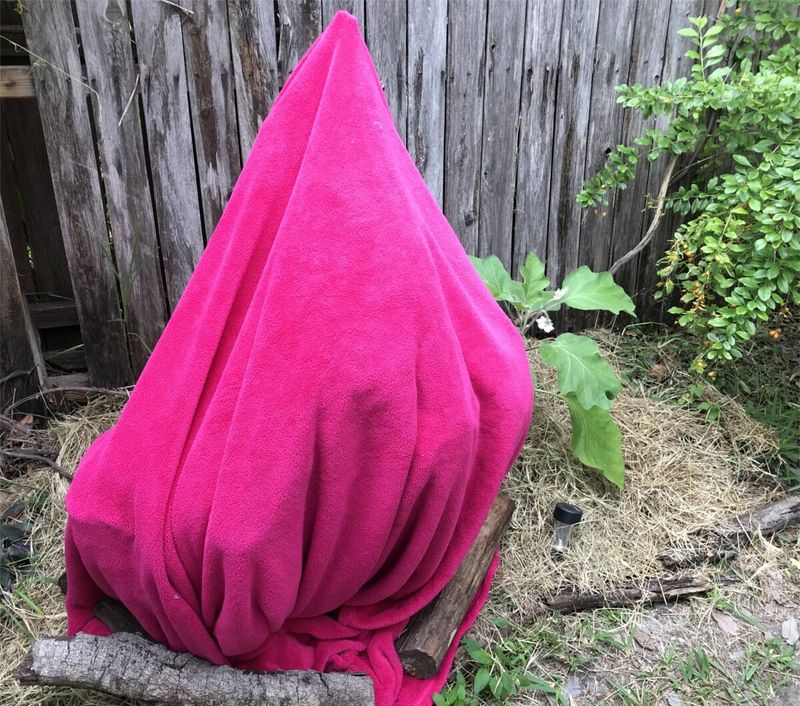
Tropical hibiscus has a real vulnerability to freezing temperatures, and North Florida winters test that vulnerability every year.
Even a brief dip to 32 degrees Fahrenheit can damage tender new growth, and temperatures in the upper 20s can cause significant dieback on unprotected shrubs.
Inland pockets of Central Florida, especially around the Gainesville and Ocala areas, can surprise gardeners with colder nights than coastal areas nearby.
Containers offer the most flexibility because you can move them to a garage, shed, or covered porch before cold arrives. For in-ground plants, a few practical steps reduce the risk considerably.
Covering the shrub with frost cloth the evening before a predicted freeze, mulching the root zone to hold soil warmth, and choosing a south-facing wall or sheltered corner for planting can all help buffer the cold.
One timing mistake to avoid is heavy pruning right before a cold event. Fresh cuts stimulate tender new growth, which is far more susceptible to frost injury than hardened stems.
Save major pruning for after the last expected freeze date for your area, which UF/IFAS extension offices track by county. Waiting a few extra weeks in late winter costs very little and protects a lot of the season’s potential flowering growth.
4. Keep Central Florida Roots Evenly Moist
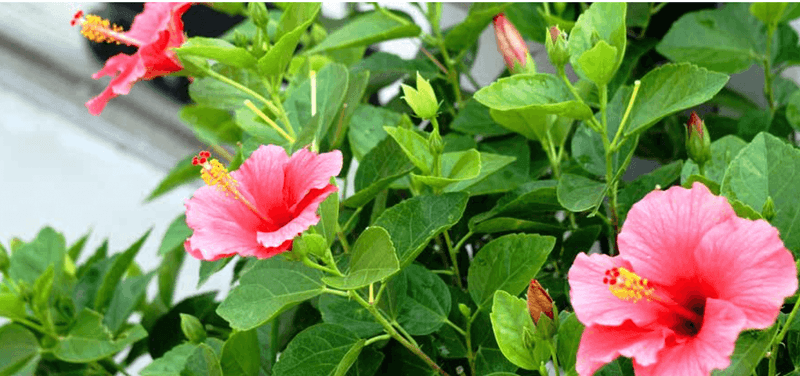
Sandy soil is the defining challenge for most Central Florida gardeners, and hibiscus roots feel it quickly. Water drains through sandy profiles fast, sometimes within hours of a good rain, leaving the root zone drier than the soil surface suggests.
Hibiscus produces its best flower count with consistent, even moisture, not the feast-and-famine cycle that sandy soil and variable summer rainfall can create without some management.
Deep, less frequent watering encourages roots to grow downward rather than staying near the surface where they dry out fastest.
Checking the soil a few inches below the surface before watering, rather than going by a fixed schedule, gives a much more accurate picture of what the plant actually needs.
During the rainy season, natural rainfall often covers the need, but dry stretches between storms can sneak up quickly.
Container-grown hibiscus dries out even faster than in-ground plants because the root zone is limited and exposed to air on all sides. Checking containers daily during hot weather is not excessive.
A light mulch layer over in-ground beds slows evaporation noticeably and helps stabilize the soil temperature, which roots appreciate during both the summer heat and the occasional cool stretch Central Florida sees from November through February.
5. Feed Lightly Through The Growing Season
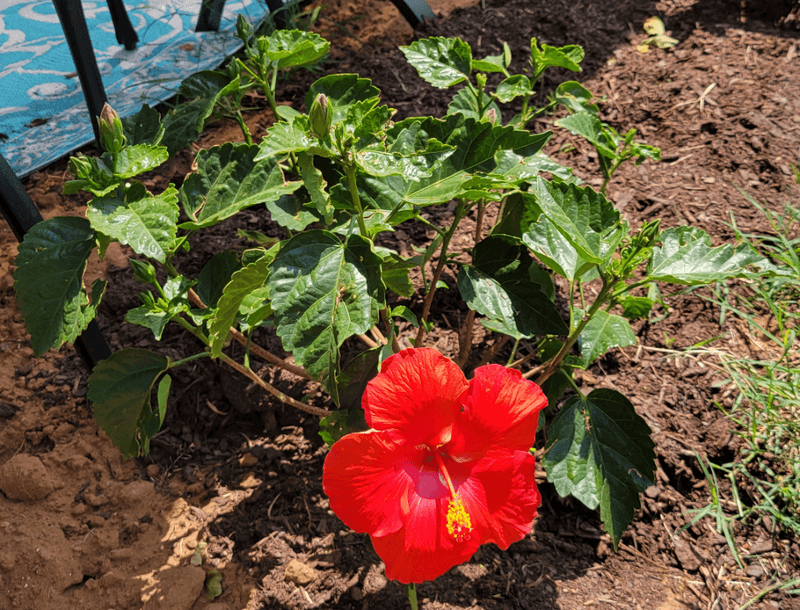
Hibiscus is an enthusiastic producer when nutrition is steady, but more fertilizer does not always mean more flowers. Sandy Florida soils hold nutrients poorly, and heavy summer rains push water-soluble fertilizers through the root zone before plants can fully use them.
This is especially true for container-grown plants, which lose nutrients even faster with regular watering. Feeding too aggressively can push excessive soft, leafy growth that attracts pests and may actually reduce flower bud development.
A balanced slow-release fertilizer applied according to label directions is a reasonable starting point for most Florida gardeners.
Some hibiscus enthusiasts prefer formulas with moderate phosphorus and slightly higher potassium, which may support flowering and root health.
Local UF/IFAS extension offices can advise on soil testing and fertilizer recommendations specific to your county and soil type, which takes a lot of the guesswork out of the process.
Timing matters as much as product choice. Active growing periods, generally late spring through early fall in most Florida regions, are when feeding is most useful.
Avoid heavy applications when plants are cold-stressed, recently transplanted, or showing signs of pest or disease stress. Letting the plant recover first, then resuming a light feeding schedule, keeps nutrition working for the plant rather than against it.
6. Prune After Cold Or Leggy Growth
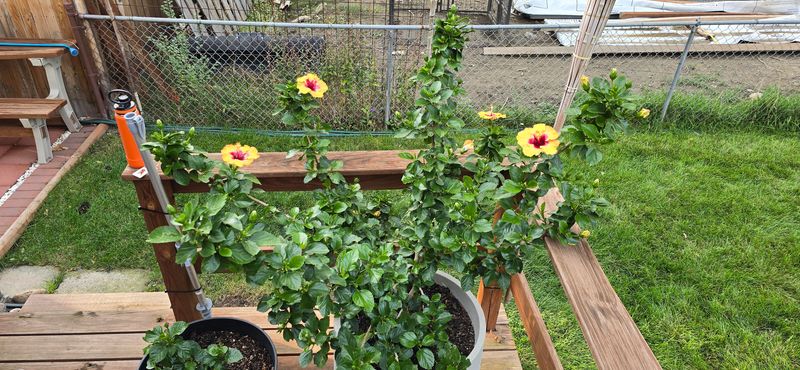
Pruning hibiscus at the wrong time is a surprisingly common setback for Florida gardeners. Cut too early in the year and you remove stems that were about to push new flowering growth.
Prune heavily right before a cold snap and you leave fresh cuts that produce tender new shoots, which are the first to suffer frost injury.
Getting the timing right makes a real difference in how quickly a plant rebounds and how many flowers it produces in the months that follow.
North and Central Florida gardeners generally get the best results by waiting until after the region’s last expected freeze date before doing any major shaping or removal of cold-injured wood.
Withered or frost-damaged stems are easy to identify once new growth emerges in spring.
Cut back to where you see healthy green tissue and the plant will typically respond with a flush of fresh stems and buds.
South Florida gardeners can approach pruning more flexibly since hard freezes are rare.
Light shaping throughout the active growing period keeps plants from getting too woody or one-sided without removing too many developing buds at once.
Removing weak, crossing, or inward-growing stems improves airflow and lets light reach more of the plant, which tends to support steadier flowering across the canopy rather than just at the tips.
7. Watch For Pests In Warm Humid Weather
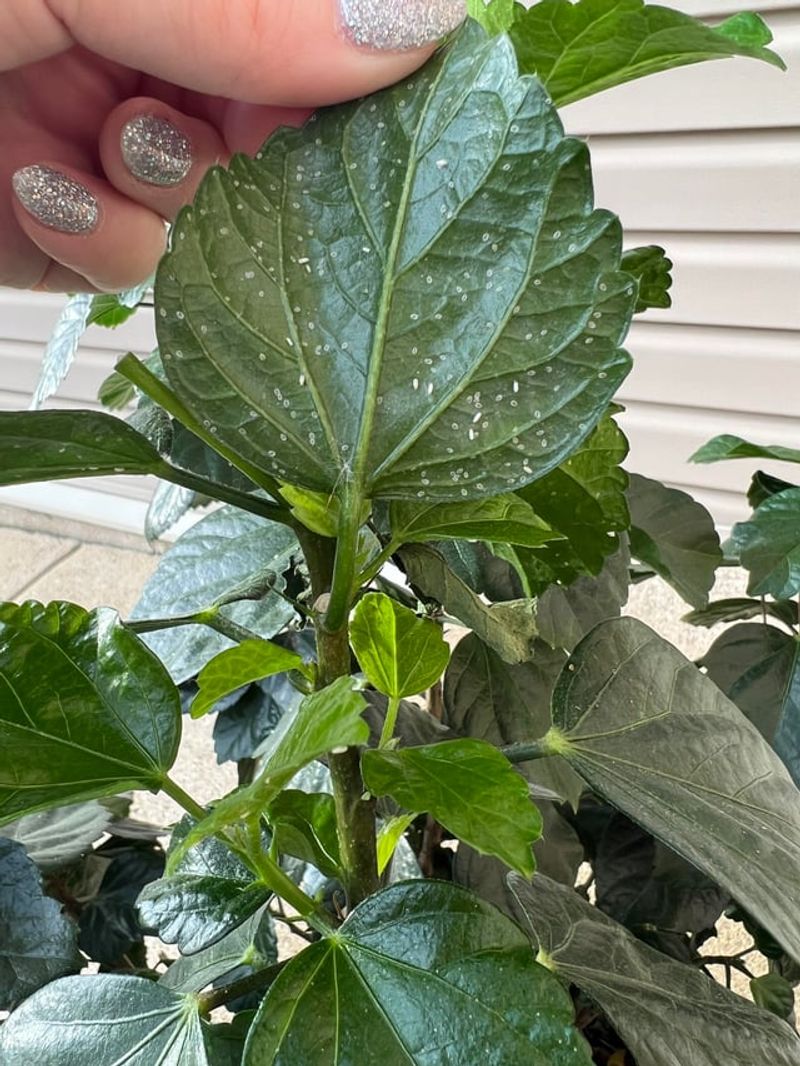
Florida’s warm, humid climate that hibiscus loves is also exactly the kind of environment that lets pest populations build up fast. Aphids, whiteflies, mealybugs, soft scales, and spider mites are among the most common problems on tropical hibiscus in Florida.
In some areas, hibiscus bud midge, a small fly whose larvae feed inside developing buds, has become an increasing concern. Buds that drop before opening or appear deformed are one sign worth investigating.
Regular scouting makes a big difference. Check the undersides of leaves, along tender new stems, and inside developing buds every week or two during the warmest months.
Catching a pest problem when populations are small gives you far more management options than waiting until an infestation is widespread.
Many minor pest issues on otherwise healthy, well-watered plants can be managed with a strong spray of water, insecticidal soap, or horticultural oil applied according to label directions.
Broad-spectrum insecticides should be a last resort, not a first response. Many of these products reduce beneficial insect populations, including pollinators that visit hibiscus flowers.
UF/IFAS and local extension offices provide pest identification resources and management recommendations that are specific to Florida conditions, which helps you choose the right response without creating bigger problems in the process.
8. Refresh Mulch Before Summer Heat Peaks
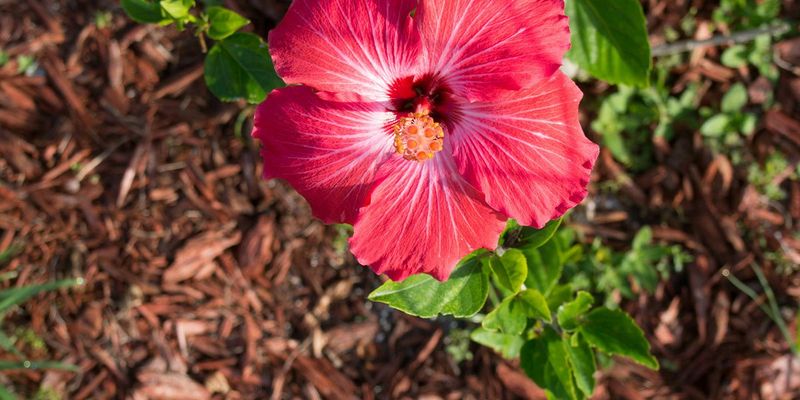
Mulch does quiet but important work in a Florida hibiscus bed. A fresh layer applied before summer heat peaks helps the soil hold moisture longer between waterings, keeps root-zone temperatures more stable, and reduces competition from weeds that would otherwise compete for water and nutrients.
In sandy Central and South Florida soils, this moisture retention can mean the difference between a plant that pushes through July and August steadily and one that stalls from repeated dry stress.
Two to three inches of organic mulch, such as wood chips, pine bark, or shredded leaves, is a reasonable depth for most Florida beds. Keep the mulch pulled back a few inches from the main stem or trunk.
Piling mulch directly against the base holds moisture against the bark, which can invite fungal issues and create a hiding spot for pests like root weevils.
North Florida gardeners should pay attention to mulch depth going into fall and winter as well. A moderate layer helps insulate roots during cold snaps, but thick mulch piled against stems during cool, damp weather can create conditions that favor rot.
Refreshing mulch once or twice a year, typically in late spring and again in early fall, keeps it working effectively without building up into a thick, compacted mat that repels water instead of holding it.