These Are The 8 Native Pennsylvania Plants To Grow Instead Of Butterfly Bush
Butterfly bush has had a pretty good run in Pennsylvania gardens. It is flashy, colorful, and the kind of plant that knows how to draw a crowd.
Once the blooms show up and butterflies start fluttering around, it is easy to understand the appeal.
A shrub that brings big color and busy pollinator action tends to make a strong first impression, and butterfly bush has been making that impression for years.
Lately, though, more Pennsylvania gardeners have been giving native shrubs a closer look, and for good reason.
There are some seriously beautiful options that bring flowers, texture, seasonal color, and plenty of pollinator activity while fitting more naturally into the local landscape.
That means you can still have a lively, eye-catching yard without leaning on the same old non-native favorite.
Honestly, Pennsylvania’s native shrubs have a lot more star power than they usually get credit for.
Some bloom with fragrance, some light up with berries or fall color, and some quietly turn the yard into a much busier place for bees, butterflies, and birds.
1. New Jersey Tea Brings Sunny Native Beauty
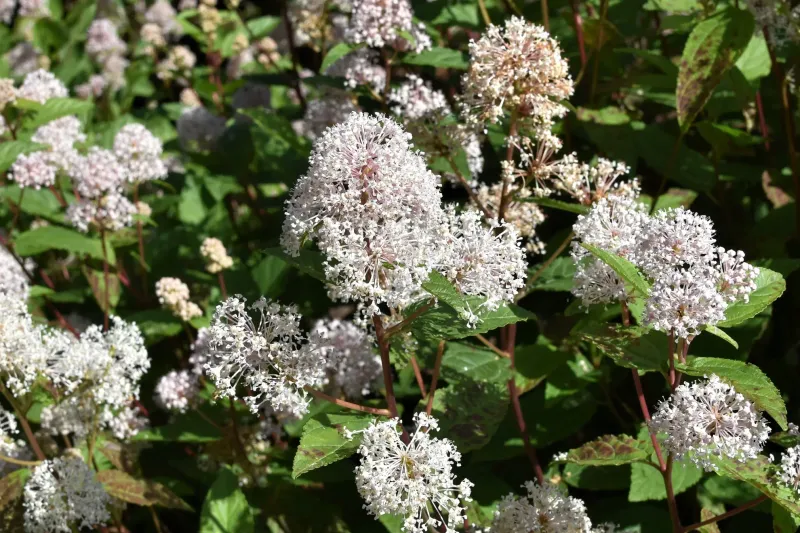
Few small native shrubs pack as much pollinator activity into one compact plant as New Jersey Tea.
This low-growing shrub typically reaches two to three feet tall and wide, making it a manageable choice for Pennsylvania gardeners who want native beauty without a lot of spread.
The fluffy white flower clusters appear in late spring to early summer and attract bumblebees, native bees, and several species of butterflies with impressive consistency.
New Jersey Tea thrives in well-drained soils and handles dry conditions better than many native shrubs, which makes it a reliable option for sunny borders and slopes where moisture does not linger.
It tends to do well across much of Pennsylvania, though performance can vary depending on soil type and drainage.
The foliage stays clean and attractive through the growing season, and the plant rarely needs much attention once it is established.
What makes this shrub a worthy alternative to butterfly bush is its strong native status and the variety of pollinators it supports throughout its bloom period. Butterfly bush attracts adult butterflies but offers little else to the broader food web.
New Jersey Tea, on the other hand, serves as a host plant for certain moth and butterfly caterpillars, adding ecological value that goes well beyond nectar.
For Pennsylvania gardeners building a pollinator-friendly yard, that extra layer of wildlife support makes a meaningful difference.
2. Shrubby St. John’s-Wort Adds Bright Summer Color
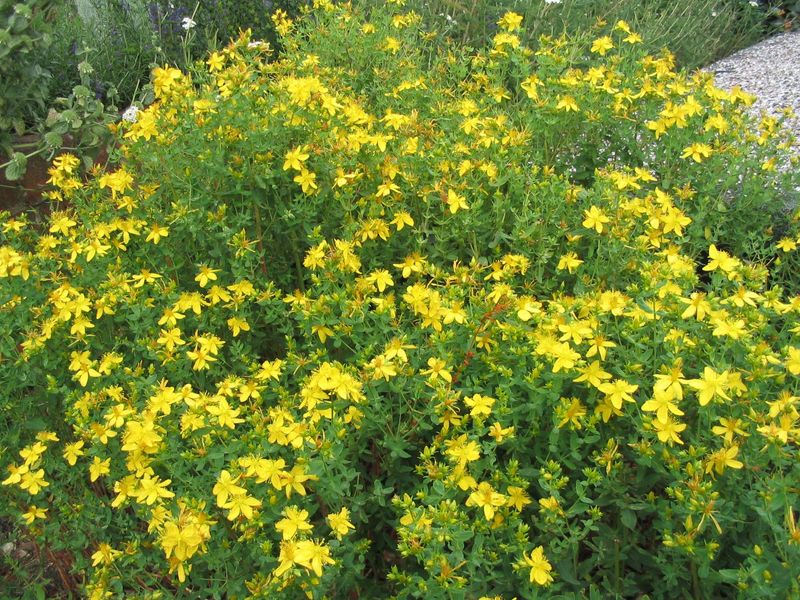
Bright yellow flowers in midsummer can be surprisingly hard to find among native shrubs, which is exactly what makes Shrubby St. John’s-Wort such a standout option for Pennsylvania yards.
This native shrub produces cheerful, golden-yellow blooms with showy stamens that give each flower a soft, almost fluffy appearance.
The bloom period typically runs from June through August, overlapping nicely with the window when many gardeners miss having something colorful in the border.
Shrubby St. John’s-Wort tends to stay compact, usually reaching two to four feet in height depending on growing conditions.
Your Pennsylvania Garden Changes Every Week. Your Plan Should Too.
Gardening in Pennsylvania changes quickly throughout the season. Every Friday you’ll receive a simple weekly plan showing exactly what to plant, prune, fertilize, harvest, and protect so you never miss the right timing.
It handles both dry and moderately moist soils with reasonable flexibility, though it generally performs best in full sun to partial shade.
Across Pennsylvania, it can be found growing naturally along roadsides, forest edges, and open rocky areas, which gives a good sense of the conditions it prefers.
From a pollinator standpoint, this shrub draws in native bees with notable regularity during its bloom period. The pollen-rich flowers are especially attractive to bumblebees and smaller native bee species that may not visit butterfly bush as frequently.
After flowering, the seed capsules add a subtle textural element to the plant through fall.
For Pennsylvania gardeners who want something low-maintenance, native, and genuinely colorful through the heart of summer, Shrubby St. John’s-Wort brings a lot to the table without demanding much in return.
3. Winterberry Brings Color After Bloom Time
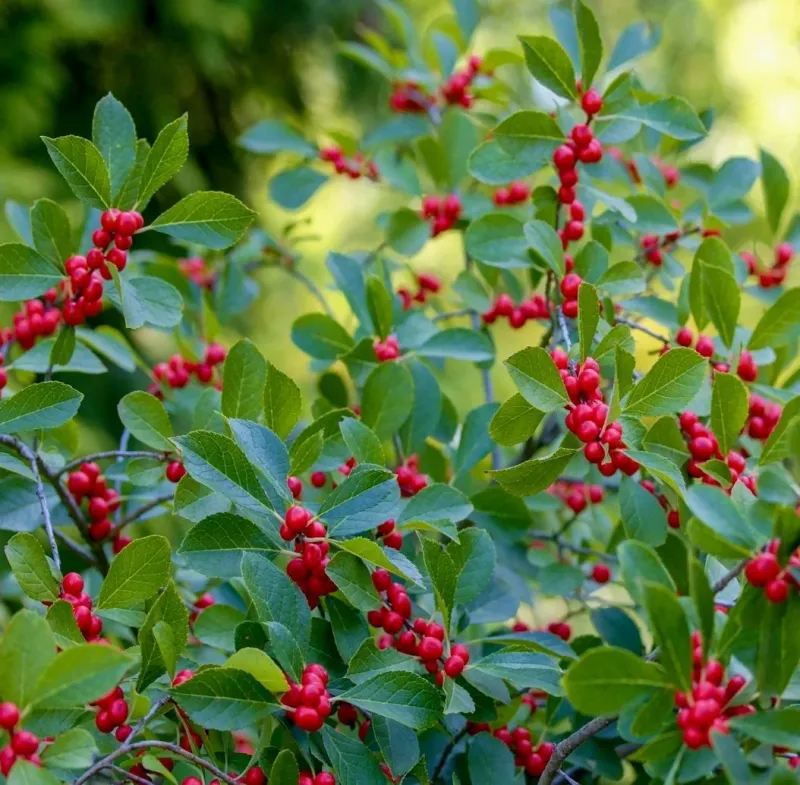
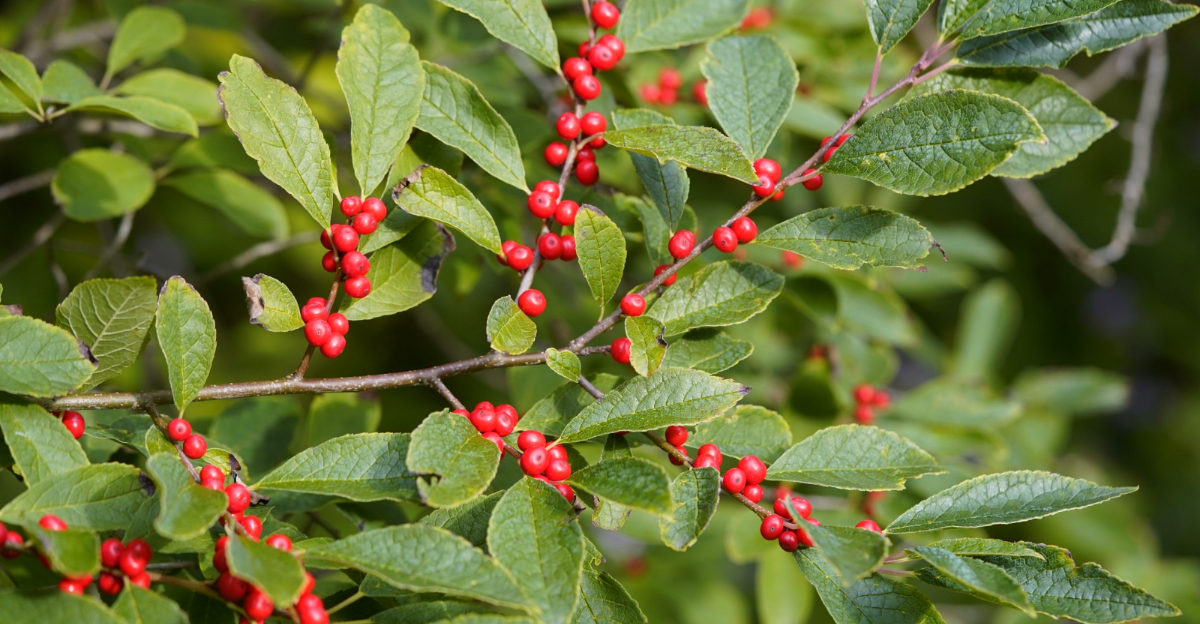
Walk past a Winterberry shrub in November and it is almost impossible not to stop and stare.
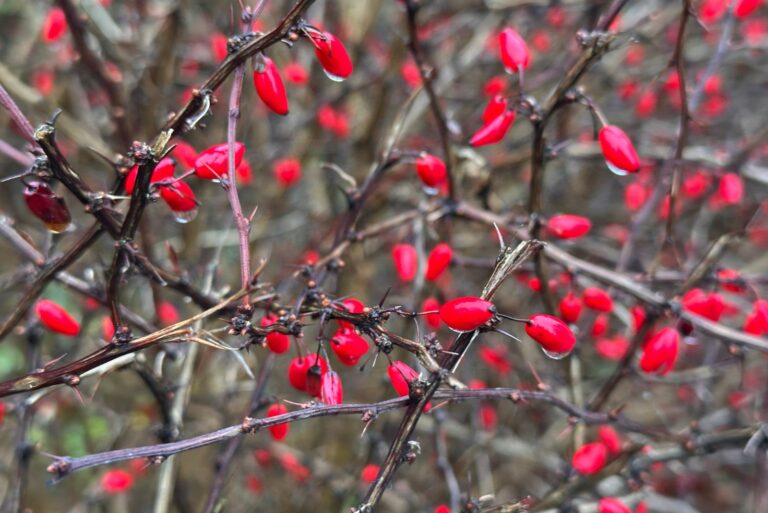
The bare branches loaded with bright red or orange-red berries create one of the most striking displays available in any Pennsylvania landscape, native or otherwise.
While Winterberry does not mimic the summer flower spikes of butterfly bush, it fills a seasonal gap that most flowering shrubs simply cannot touch, providing vivid color from late fall well into winter.
Winterberry is a native holly that grows naturally in wet to moist areas across Pennsylvania, including woodland edges, stream banks, and low-lying spots where other shrubs might struggle.
In home gardens, it adapts well to rain gardens, low areas of the yard, and spots with consistently moist soil.
It can handle occasional flooding and tends to grow four to ten feet tall depending on the cultivar and site conditions.
The small white flowers that appear in late spring and early summer are modest but attract native bees reliably.
The real wildlife value comes later, when migrating birds and overwintering species feed heavily on the berry clusters through the colder months.
One important note for Pennsylvania gardeners is that Winterberry requires both male and female plants to produce berries, so planting a compatible male cultivar nearby is necessary.
When sited correctly, this native shrub delivers seasonal interest and wildlife support across multiple seasons in ways that butterfly bush simply cannot match.
4. Virginia Sweetspire Adds Blooms And Fall Beauty
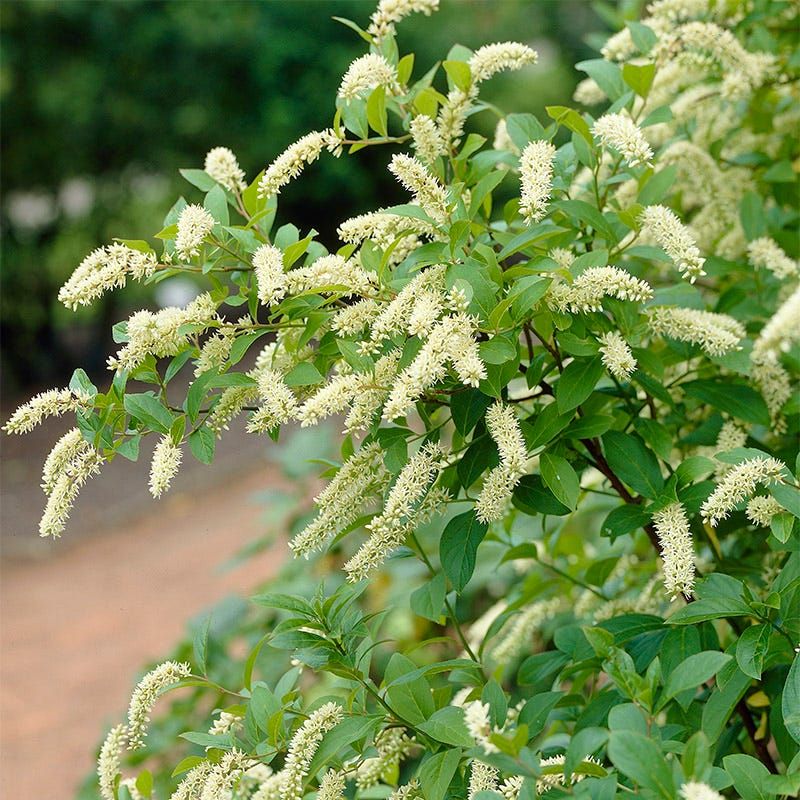
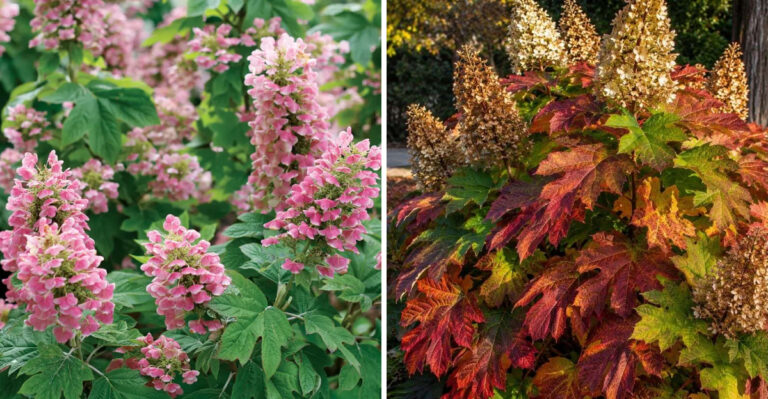
Virginia Sweetspire earns its place in Pennsylvania gardens by delivering two distinct seasons of visual interest from a single native shrub.
In early to midsummer, the arching white flower racemes hang in graceful clusters that attract bees and butterflies with regularity.
Then, as temperatures cool in fall, the foliage shifts into deep shades of red, orange, and burgundy that can rival many plants grown specifically for autumn color.
This native shrub tends to grow four to six feet tall and spreads gradually through root suckers, forming a loose colony over time.
That spreading habit can be an asset in larger borders or naturalized areas, though it is worth keeping in mind when planting in smaller spaces.
Virginia Sweetspire handles a wide range of moisture conditions, from moderately dry to consistently wet soils, and it tolerates partial shade better than many sun-loving alternatives.
For Pennsylvania gardeners who have appreciated butterfly bush for its summer bloom and general ease of care, Virginia Sweetspire offers a comparable level of low-maintenance beauty with stronger ecological ties to the local landscape.
The fragrant flowers add a pleasant scent to garden spaces during bloom, which is a detail that makes it especially enjoyable near patios or walkways.
Growing conditions across Pennsylvania can vary considerably, so choosing a planting site that matches the shrub’s moisture and light preferences will help it perform at its best over time.
5. Sweet Pepperbush Brings Fragrance And Pollinator Interest
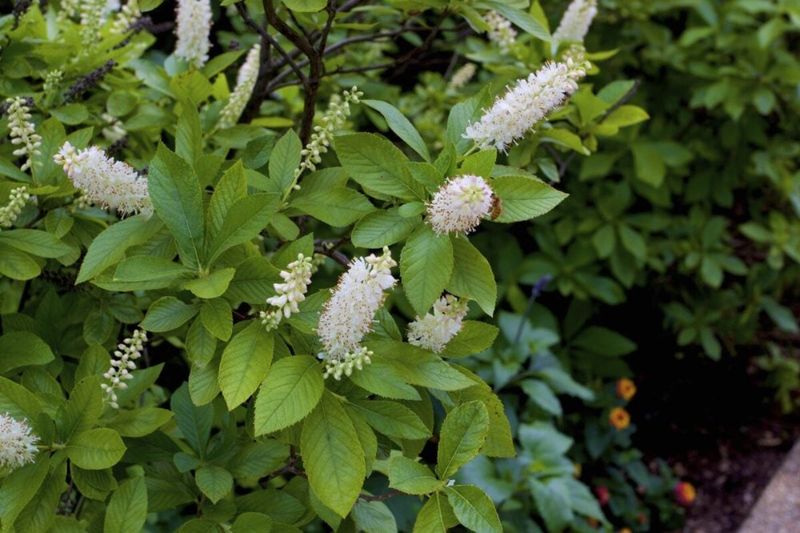
The fragrance alone is enough to make Sweet Pepperbush worth planting.
On a warm summer afternoon, the spicy-sweet scent from the upright white flower spikes can carry across a good portion of the yard, drawing in bees, butterflies, and other pollinators in impressive numbers.
For Pennsylvania gardeners who have enjoyed the activity that butterfly bush generates, Sweet Pepperbush offers a comparable buzz of life during its midsummer to late summer bloom period.
Native to moist woodlands and stream edges across much of the eastern United States, Sweet Pepperbush thrives in conditions that many flowering shrubs find challenging.
It handles partial shade and wet soils with ease, making it a practical solution for low spots, rain gardens, and shaded borders where options can feel limited.
In full sun with adequate moisture, it tends to bloom even more heavily and may grow four to eight feet tall depending on the cultivar selected.
Pennsylvania gardeners dealing with consistently soggy areas often struggle to find attractive native shrubs that can handle those conditions without looking stressed.
Sweet Pepperbush fills that role reliably and adds fall interest through its persistent seed capsules, which give the plant a subtle texture through the colder months.
Cultivars like ‘Hummingbird’ offer a more compact form suitable for smaller yards. The combination of fragrance, pollinator appeal, and adaptability to challenging sites makes this native shrub one of the more versatile choices on this list.
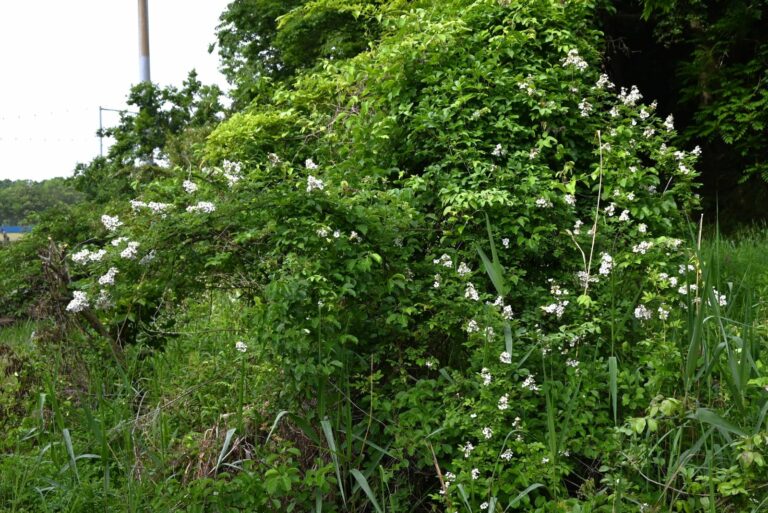
6. Swamp Rose Adds Soft Color And Native Appeal
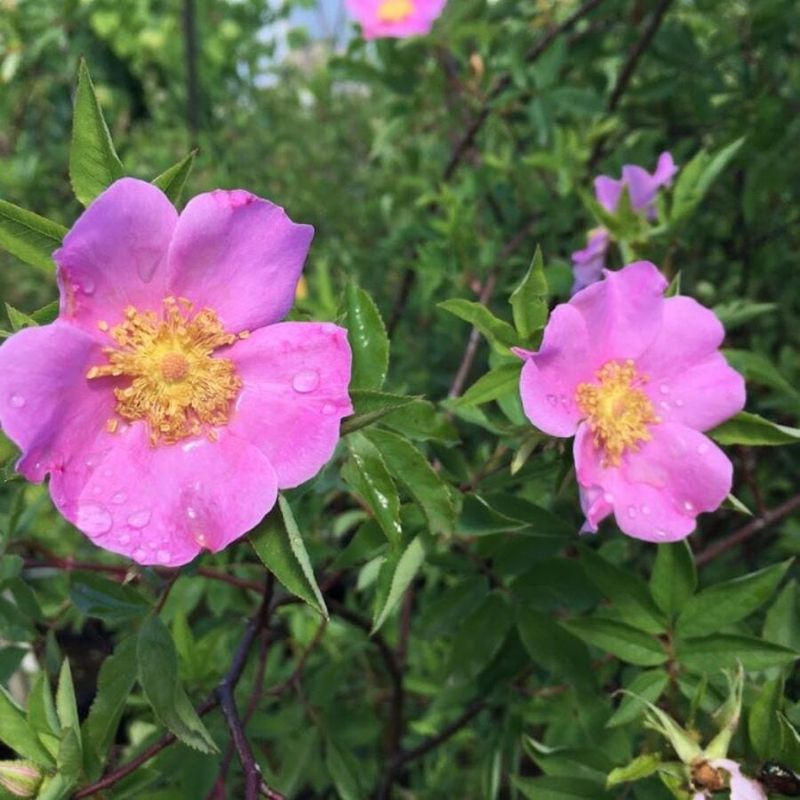
Soft pink blooms and a relaxed, natural growth habit make Swamp Rose one of the more charming native shrubs available to Pennsylvania gardeners.
Unlike the bold flower spikes of butterfly bush, Swamp Rose offers a quieter kind of beauty, with single pink flowers that open in early to midsummer and create a gentle, cottage-style look in the landscape.
The flowers are simple but genuinely attractive, and they are followed by small red rose hips that persist into fall and winter.
As the name suggests, Swamp Rose is well suited to moist and wet conditions.
It grows naturally along stream banks, pond edges, and wet meadows across Pennsylvania, and in home gardens it works well in rain gardens, bioswales, and low areas where drainage is slow.
It can reach three to six feet in height and tends to spread gradually, forming a loose thicket over time that provides good nesting and foraging habitat for wildlife.
Native bees and bumblebees visit the flowers consistently during bloom, and the rose hips support birds through late fall and winter when food sources become scarce.
Swamp Rose does have thorns, so placement away from high-traffic areas is worth considering.
For Pennsylvania gardeners with a wet corner of the yard that feels underused, this native rose brings seasonal color, wildlife value, and a relaxed natural character that fits comfortably into both formal and informal landscape styles.
7. Buttonbush Brings Unique Blooms And Backyard Life
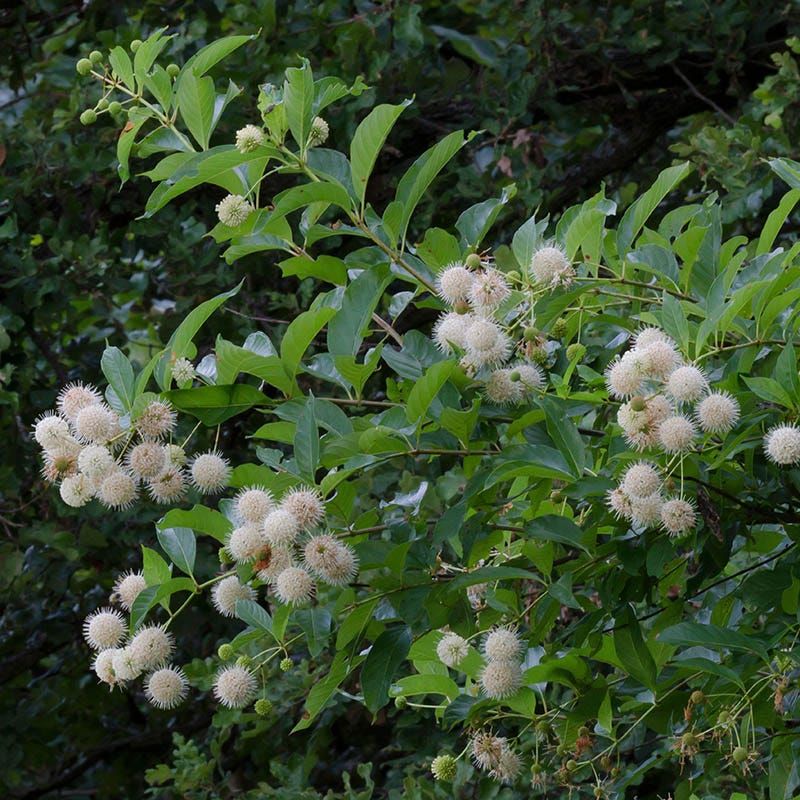
There is nothing quite like the round, pincushion-style flower heads of Buttonbush to spark curiosity in a Pennsylvania garden.
These creamy white spheres appear in midsummer and have an almost otherworldly look that makes visitors stop and ask what the plant is.
Beyond the novelty factor, Buttonbush is a genuinely productive native shrub for pollinators, attracting a wide range of bees, butterflies, and even hummingbirds during its bloom period.
Buttonbush is native to wet habitats across Pennsylvania and grows naturally along stream banks, pond margins, and floodplains.
In home landscapes, it works exceptionally well near water features, rain gardens, or any consistently moist to wet area of the yard.
It can grow quite large, sometimes reaching six to twelve feet or more in favorable conditions, so space is worth considering before planting. In drier sites, growth tends to be slower and more restrained.
The seed heads that follow the flowers are rounded and spiky in texture, providing visual interest through fall and serving as a food source for ducks and other waterfowl where water is nearby.
For Pennsylvania gardeners who want something genuinely distinctive, ecologically valuable, and capable of thriving in a wet spot where few other shrubs would succeed, Buttonbush is a strong candidate.
It may not mimic butterfly bush in appearance, but the level of pollinator activity it generates during bloom is hard to match with any non-native alternative.
8. Spicebush Adds Quiet Beauty To The Landscape
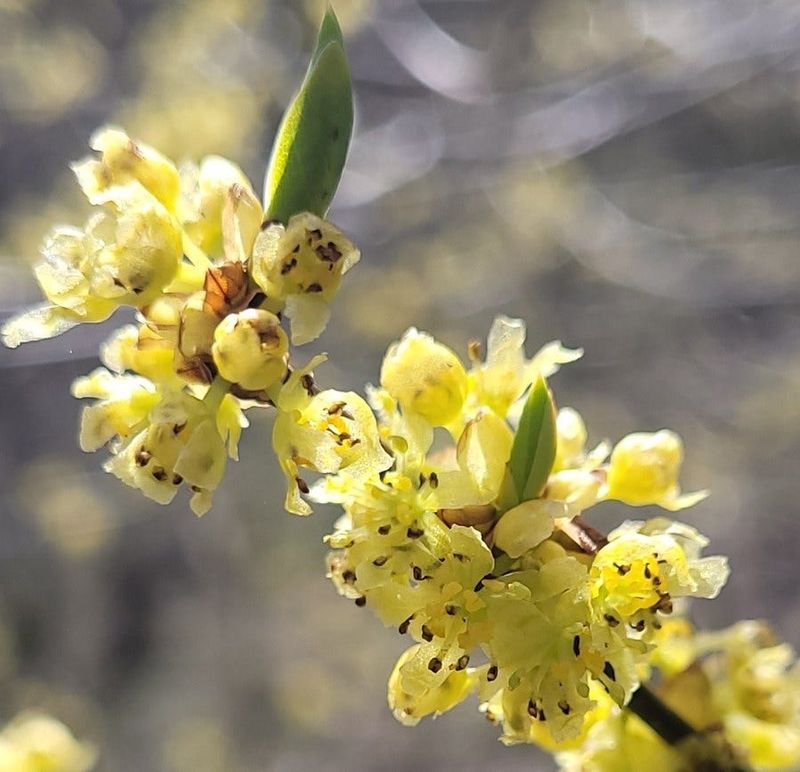
Early spring in Pennsylvania can feel like a long wait for color, and Spicebush has a way of breaking that wait in the most understated and satisfying way.
Before most shrubs have even begun to leaf out, Spicebush lights up with tiny clusters of soft yellow flowers along its bare stems, offering one of the earliest native blooms available to Pennsylvania gardeners.
The display is subtle rather than showy, but in the quiet of early spring it carries a real charm.
Spicebush grows naturally in woodland understories and moist, shaded areas across Pennsylvania, making it an excellent choice for spots under tree canopy where flowering shrubs often struggle.
It typically reaches six to twelve feet in height and has a loose, arching form that blends naturally into informal landscapes.
Both male and female plants are needed to produce the bright red berries that appear on female plants in late summer and fall.
Those berries are an important food source for migrating birds, including Wood Thrush and other species that depend on high-fat fruits to fuel their fall journeys.
Spicebush is also the host plant for the Spicebush Swallowtail butterfly, which is a connection to local wildlife that butterfly bush simply cannot offer.
The aromatic leaves and stems release a pleasant spicy scent when brushed, adding a sensory dimension that makes this native shrub genuinely memorable in any Pennsylvania garden setting.