Why Florida Homeowners Should Rethink Pine Straw Near The House This May
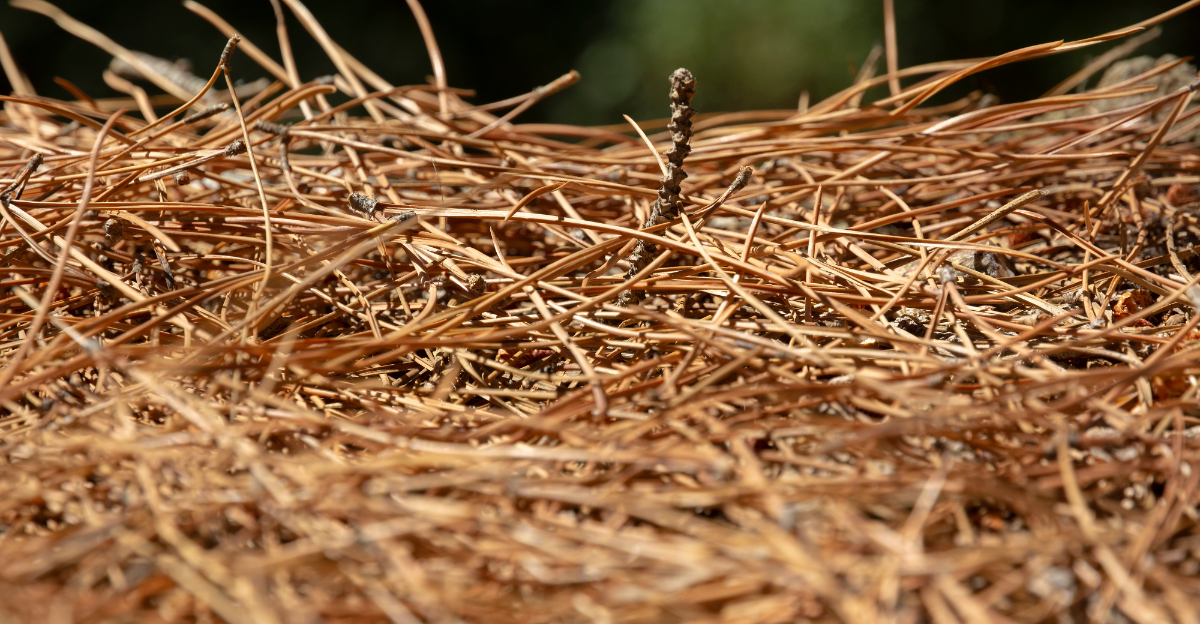
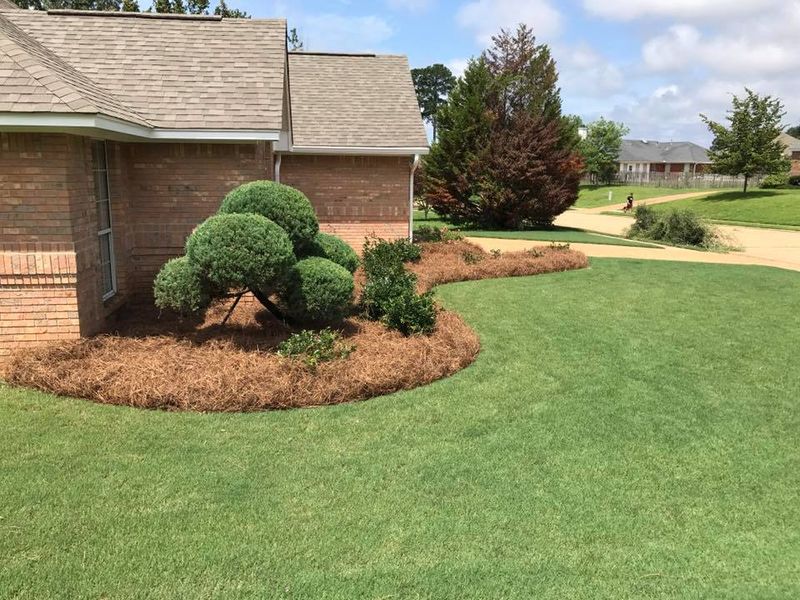
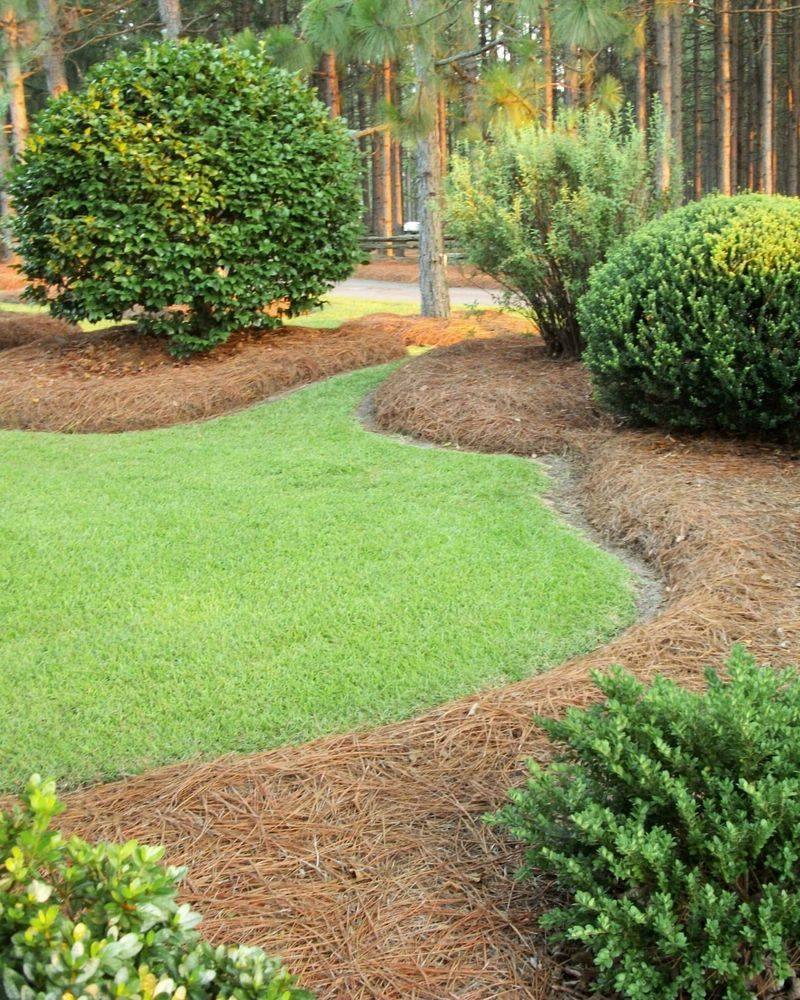
Pine straw is practically a Florida tradition. It’s cheap, it looks tidy straight out of the bag, and every neighborhood seems to refresh it around the same time every spring without anybody questioning it too hard.
For most of the yard, it does a decent job. But up against the house?
That’s a different conversation entirely, and May is exactly the moment it needs to happen.
Most homeowners lay it down, step back, and call the job done without giving much thought to what happens next, right at the foundation line, as dry debris collects and weather shifts month after month.
The problems that develop there don’t announce themselves early. By the time something is obviously wrong, it’s already been quietly building for a while.
This isn’t about scrapping pine straw altogether. It’s about understanding where it earns its place in your yard and where pulling it back from the house is simply the smarter call.
1. Dry May Weather Can Turn Pine Straw Riskier
May sits in a tricky spot on the Florida calendar. The rainy season has not fully arrived in most of the state, but the heat is already climbing, and stretches of low humidity can show up without much warning.
During these dry windows, fine organic material near structures loses moisture quickly and becomes more receptive to ignition from any stray spark or windblown ember.
The Florida Forest Service tracks fire weather conditions across the state throughout spring, and May often brings some of the most active fire weather days, especially in North and Central Florida.
Wind speed, low relative humidity, and warm temperatures can combine to raise fire danger ratings quickly.
Homeowners do not need to wait for a red flag warning to walk their property and check what is sitting closest to the house.
Regional differences matter here. North Florida tends to stay drier longer into the spring.
Central Florida’s inland areas can heat up fast even when the coast gets some relief. South Florida may see its wet season begin earlier, but dry pockets still show up.
The key point is that May is not a month to assume everything is fine just because summer is almost here. A quick inspection of near-house beds during a dry stretch costs nothing and can catch a buildup problem before it becomes a real concern.
2. Pine Straw Collects Leaves And Needles Fast
One thing most homeowners do not think about when they first lay down pine straw is how quickly it becomes a collection point for everything blowing through the yard.
The loose, airy structure that makes pine straw appealing for moisture retention is the same quality that traps oak leaves, extra pine needles, small twigs, and palm frond pieces.
Within a few weeks, a fresh two-inch layer can quietly turn into a much thicker, denser mass of dry organic material.
That debris layer changes the character of the bed. A clean pine straw application and a debris-packed bed are two different things in terms of how they respond to heat and embers.
Your Florida Garden Changes Every Week. Your Plan Should Too.
Gardening in Florida changes quickly throughout the season. Every Friday you’ll receive a simple weekly plan showing exactly what to plant, prune, fertilize, harvest, and protect so you never miss the right timing.
The University of Florida IFAS Extension has noted that combustible debris accumulation near structures is a meaningful concern in home ignition research. It is not just the mulch itself but what collects on top of and within it that matters most.
Regular raking makes a real difference. Focus especially on the areas closest to the house wall, around AC condenser units, near wooden fences, under decks, and around any foundation vents or crawlspace openings.
After a windy day, those spots tend to collect the most debris. Pulling the material back a few inches from the wall and removing buildup every few weeks through the spring keeps the near-house zone much cleaner and more manageable.
3. Embers Can Travel Farther Than Homeowners Expect
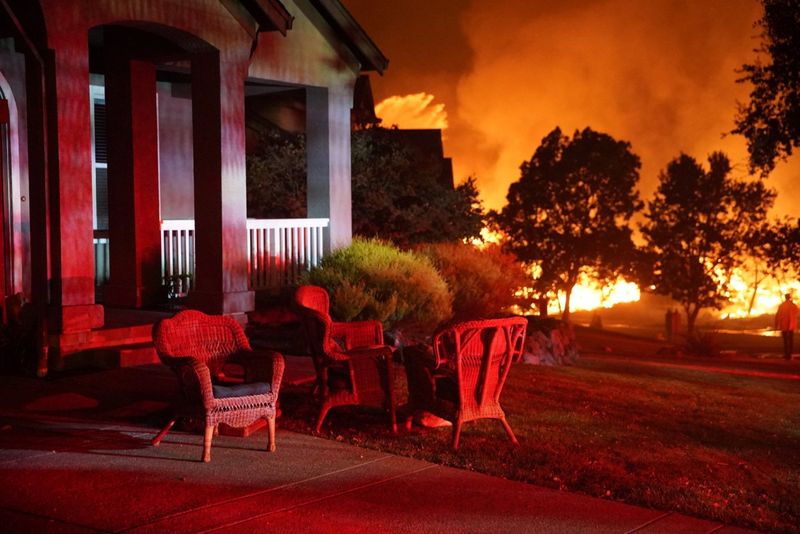
Most people picture a wildfire reaching a home by crawling slowly across the lawn until flames touch the siding. That is rarely how it happens.
Research from the USDA Forest Service and the Insurance Institute for Business and Home Safety shows that windblown embers are a major cause of home ignitions during wildfires.
Embers can travel hundreds of feet or more ahead of the main fire front, landing on rooftops, in gutters, on decks, and in mulch beds.
Fine, dry organic material near a structure is especially receptive to ember ignition. A single glowing ember landing in a debris-packed bed near a wall can smolder quietly before producing a flame.
That is why the near-house zone is treated as the most critical area in defensible space planning by organizations like Firewise USA and the National Fire Protection Association.
Keeping that zone free of continuous combustible material is one of the most effective things a homeowner can do.
Florida’s wildfire season overlaps with the spring dry season, and the state consistently ranks among the most active for wildland-urban interface fire activity. You do not need to live next to a forest preserve to be in ember range.
Suburban neighborhoods surrounded by undeveloped land, scrub, or pine flatwoods can experience ember showers during active fire weather. Checking what sits closest to your walls during May is a practical, straightforward step that costs almost nothing.
4. The First Five Feet Matter Most
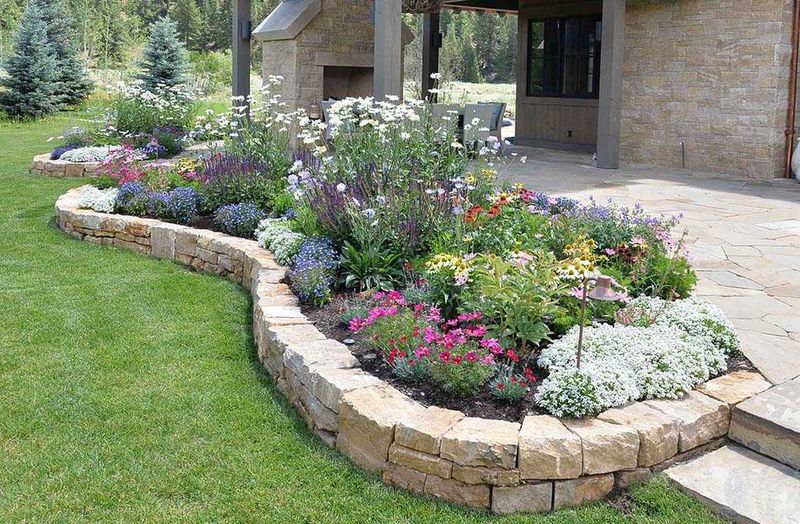
Wildfire safety researchers and extension specialists often talk about zones around a structure.
The zone closest to the building, sometimes called Zone 0 or the home ignition zone, gets the most attention because materials there are most likely to contribute to a home catching.
Guidance from Firewise USA and university extension wildfire resources consistently points to the first few feet around a structure as the place where noncombustible materials make the biggest difference.
Gravel, crushed shell, river rock, lava rock, pavers, or bare mineral soil are all practical options for this inner border.
They do not collect embers the way fine organic material does, they do not dry out and become fuel, and they can still look clean and intentional as part of a landscape design.
The goal is to break up any continuous path of combustible material that could carry heat toward the building.
Pay special attention to wooden steps, deck edges, crawlspace vents, and any spots where siding or stucco meets the ground. Pine straw piled directly against those surfaces creates a contact point that bypasses much of the buffer you might have elsewhere in the yard.
Foundation shrubs in this zone should be kept well-spaced and trimmed so they do not hold debris or create a dense mass of dry material pressed against the wall.
A clean, open five-foot border is one of the simplest and most effective adjustments a homeowner can make this spring.
5. North Florida Beds Need Extra Attention
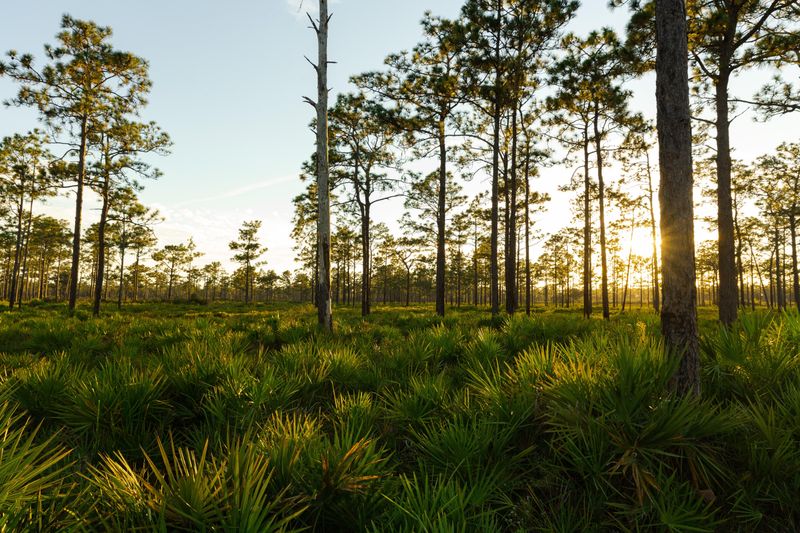
North Florida has a landscape character unlike the rest of the state. Pine flatwoods, turkey oaks, longleaf pine corridors, and rural properties with wooded edges are common.
That natural setting is beautiful, but it also means homes in this part of the state often sit close to continuous native vegetation that can carry fire during dry spells.
May still holds some of the drier, windier days of the year before the Gulf moisture really locks in for summer.
Oak leaf drop happens in waves throughout late winter and spring across North Florida. Combine that with pine needle fall from loblolly, longleaf, and slash pines, and near-house beds can accumulate a serious layer of dry debris by May.
Properties near natural areas, unpaved roads, or open land should treat this month as a key cleanup window before summer storms make yard work less appealing.
The University of Florida IFAS Extension and the Florida Forest Service both offer resources specific to North Florida homeowners living near wildland areas.
Their general guidance includes clearing debris from within several feet of the structure, removing declined plant material from foundation beds, and checking under decks and around fences after wind events.
North Florida homeowners who have not walked their near-house beds since winter should make that walk a May priority. Even a single afternoon of cleanup can make a meaningful difference in how a property handles a nearby fire event.
6. Central Florida Yards Can Dry Out Quickly
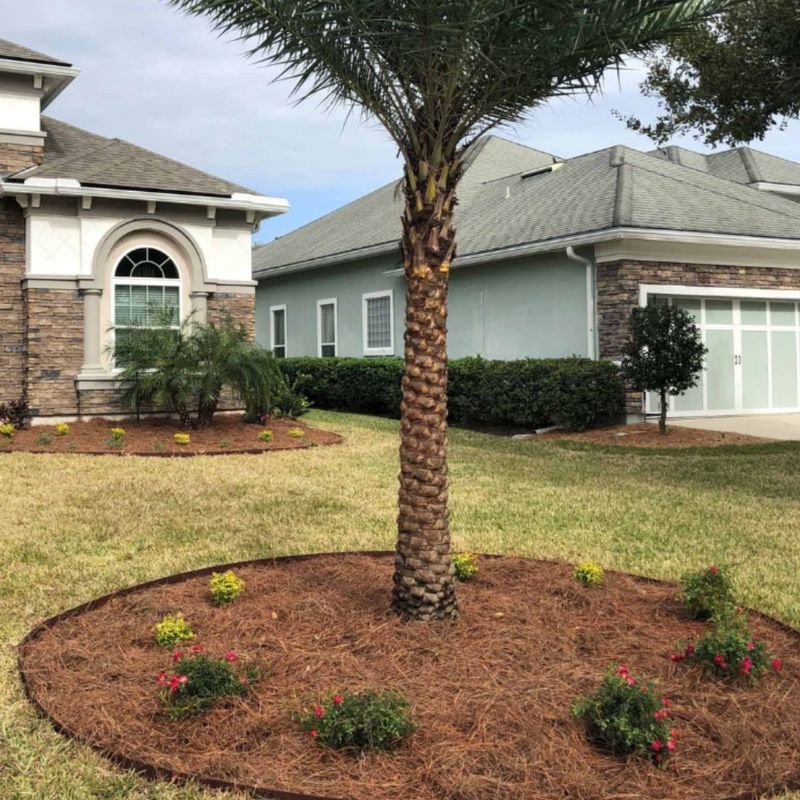
Central Florida’s sandy soils drain fast. After a dry week, the ground under a pine straw bed can feel bone dry even if the lawn looks acceptable because turf roots are much deeper.
That combination of fast-draining soil, inland heat, and afternoon wind creates conditions where near-house mulch beds lose moisture quickly and stay dry for longer than homeowners might expect.
Suburban Central Florida has grown dramatically, and many newer neighborhoods sit right against conservation areas, scrub preserves, and retention pond edges.
Those transitions between developed and natural land are exactly the areas where wildland-urban interface concerns are most relevant.
A home backing up to a scrub preserve in Osceola, Lake, or Polk County has a different exposure profile than one surrounded by other homes, even if the landscaping looks similar.
Patios, covered lanais, garages, and sheds are places where pine straw tends to get pushed into corners and forgotten. Check around the base of any wooden structure, near propane tanks, and under outdoor furniture stored against the house.
During a hot, breezy stretch in May, those corners can hold fine debris that dries out completely within a day or two.
Clearing those spots and replacing the material closest to structures with gravel or stone is a manageable afternoon project that addresses the highest-priority areas without requiring a full landscape overhaul.
7. South Florida Wind Can Shift The Risk
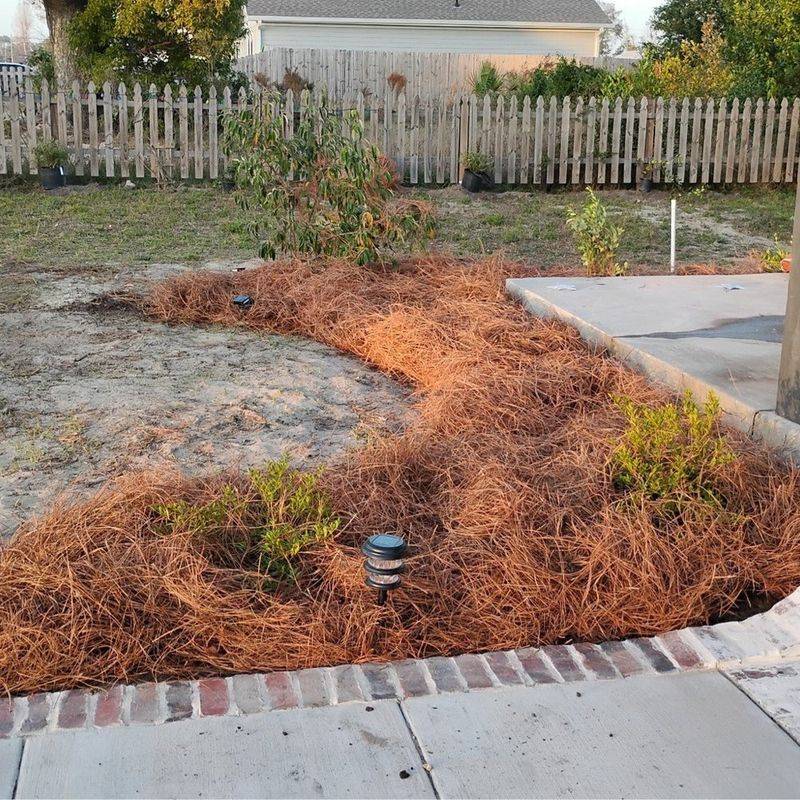
South Florida operates on a different seasonal schedule than the rest of the state. The wet season often arrives earlier, sometimes by late April or early May in Miami-Dade, Broward, and Palm Beach counties.
But earlier rains do not mean the dry-season concerns disappear overnight. Wind is a constant factor along the coast, and that wind moves debris, embers, and dry material into corners and against structures where it accumulates without much notice.
Palm debris is a specific issue in South Florida landscapes. Dry palm fronds, seed pods, and leaflets blow into foundation beds and collect in the spaces between pine straw layers.
Those materials are fine and dry even during the wet season because they tend to sit on top of the mulch layer rather than in contact with the soil.
Coastal homes with dense foundation planting are especially prone to this kind of debris trapping because the plants slow the wind and drop material into protected spots.
Preserve-adjacent neighborhoods in western Broward, western Miami-Dade, and parts of Palm Beach County have genuine wildland-urban interface exposure.
Even urban South Florida properties experience ember transport during brush events in nearby natural areas.
Checking the near-house zone for debris accumulation, keeping foundation plants well-spaced and trimmed, and replacing the closest band of organic mulch with stone or shell are steps that apply here just as much as anywhere else in the state.
8. Gravel And Stone Make Safer Near-House Borders
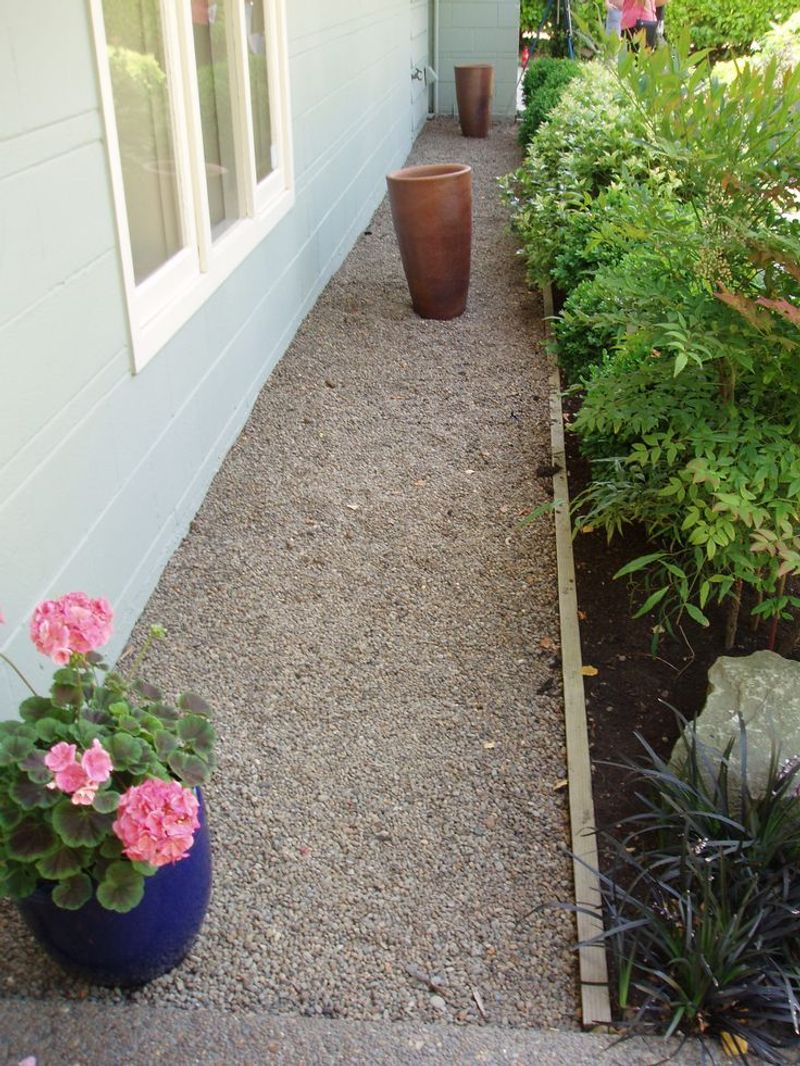
Replacing pine straw in the near-house zone does not mean giving up on an attractive landscape. Gravel, river rock, crushed shell, lava rock, and pavers can all create clean, finished borders that look intentional and hold up well in Florida’s heat and humidity.
These materials do not compact the way some organic mulches do, they do not wash away as easily, and they do not provide the fine, dry fuel bed that organic material can create near a structure.
The goal is not to remove organic mulch from the entire property. Pine straw works well farther from the house, especially under trees, along fence lines away from structures, or in beds that are not adjacent to walls or wooden features.
The near-house zone, roughly the first five feet around the building, is where the material swap makes the most practical sense based on home ignition research and defensible space guidance from sources like Firewise USA and UF/IFAS Extension.
When designing this border, keep plants sparse and well-spaced. A dense row of shrubs pressed against the wall traps debris and creates its own problems, regardless of what is on the ground.
Chose lower-growing, open-structured plants if you want greenery in this zone, and leave clear space between them.
A clean gravel border with a few well-placed plants looks polished, requires less upkeep than a mulched bed full of debris, and gives your home a much better buffer heading into Florida’s active weather season.