Pennsylvania Front Yard Plants That Look Intentional Even When You Don’t Touch Them
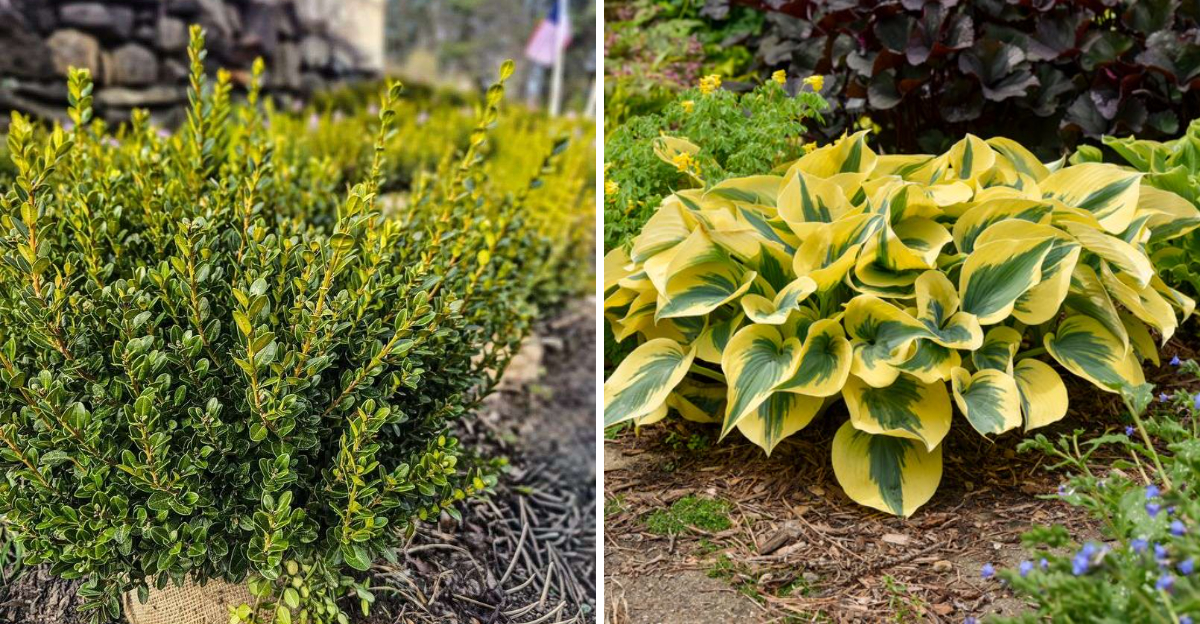
Ever drive past a front yard that just looks effortlessly put together and wonder what the owner is doing differently than everyone else on the street? It’s rarely about spending more money or putting in more hours.
Most of the time it comes down to one thing: the right plant choices made at the beginning that keep delivering without requiring constant management to stay looking good. Pennsylvania front yards have a real opportunity here that a lot of homeowners underestimate.
The state’s four distinct seasons mean that plants chosen carefully can look interesting and intentional across the entire year, not just during the easy months when everything is green and growing.
The challenge is knowing which ones hold their shape, maintain their visual appeal, and stay attractive through heat, drought, and the kind of benign neglect that real life inevitably brings.
Get those choices right from the start and your front yard takes care of itself in a way that genuinely impresses.
1. Boxwood
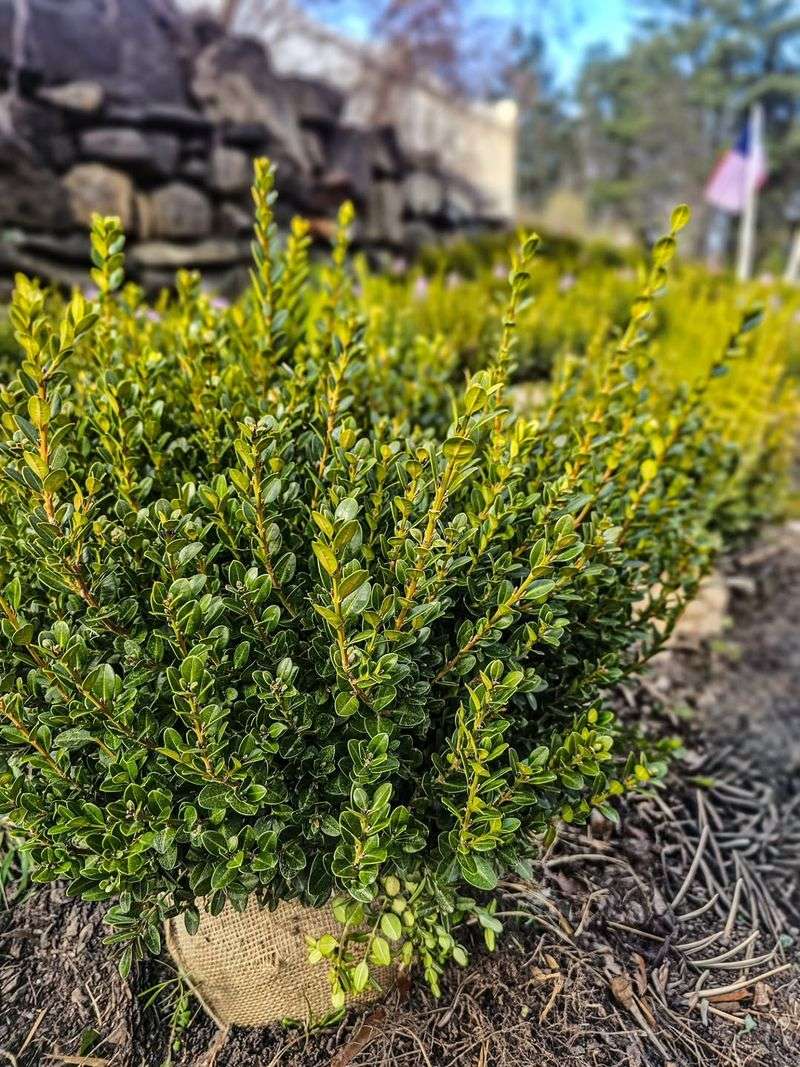
Walk past almost any well-kept Pennsylvania neighborhood and you’ll spot boxwood somewhere. It has that classic, sculpted look that makes a yard feel planned and polished without the homeowner having to do much at all.
Boxwood is naturally dense and slow-growing, which means it holds a clean shape for a long time between trims.
Boxwood grows well across most of Pennsylvania, handling both the cold winters in the north and the warmer summers in the south-central parts of the state. It tolerates a range of soil conditions and does fine in both sun and partial shade.
That flexibility makes it one of the most reliable plants you can put in a front yard. Most homeowners only need to trim boxwood once or twice a year to keep it looking neat.
Even without trimming, it tends to stay compact and rounded on its own. You don’t need a landscaping degree to make it look good.
Boxwood works great as a border plant along walkways or as a foundation shrub next to your home’s entrance. It pairs nicely with flowering plants because its deep green color makes brighter colors pop.
In Pennsylvania winters, it stays green when everything else goes brown, which is a big bonus.
If you want a plant that quietly does all the hard work for you, boxwood is hard to beat. It’s been a go-to in American landscaping for centuries, and there’s a good reason for that. It simply looks like you know what you’re doing.
2. Inkberry Holly
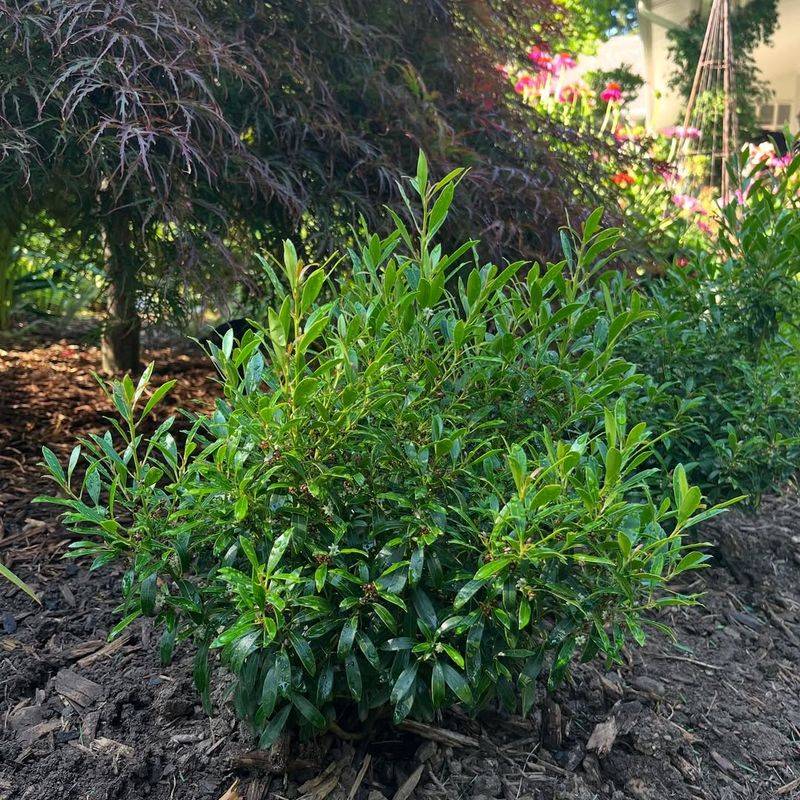
Not every great front yard plant gets the credit it deserves, and inkberry holly is a perfect example. This native evergreen quietly does its job all year long, staying rounded and tidy without much help from you.
It’s one of those plants that looks like you hired a landscaper, even when you haven’t touched it in months.
Inkberry holly is native to the eastern United States, including Pennsylvania, which means it’s already adapted to the local climate. It can handle wet soil, cold winters, and even some shade, making it incredibly versatile.
Your Pennsylvania Garden Changes Every Week. Your Plan Should Too.
Gardening in Pennsylvania changes quickly throughout the season. Every Friday you’ll receive a simple weekly plan showing exactly what to plant, prune, fertilize, harvest, and protect so you never miss the right timing.
You’ll find it thriving in spots where other plants might struggle, like low-lying areas that collect water after a heavy rain.
The dark green leaves stay on the plant through winter, giving your front yard structure and color when the rest of the landscape looks bare. In late summer and fall, small black berries appear on the branches.
Birds love them, so you get a little wildlife activity as a bonus. Because it’s a native plant, inkberry holly supports local pollinators and fits naturally into Pennsylvania ecosystems. It rarely looks scraggly or out of place.
Its naturally rounded form means you can go weeks without worrying about it. For Pennsylvania homeowners who want a low-effort plant that also does something good for the environment, inkberry holly is a smart pick.
It looks intentional, stays neat, and brings real ecological value to your front yard without demanding anything extra from you.
3. Hosta
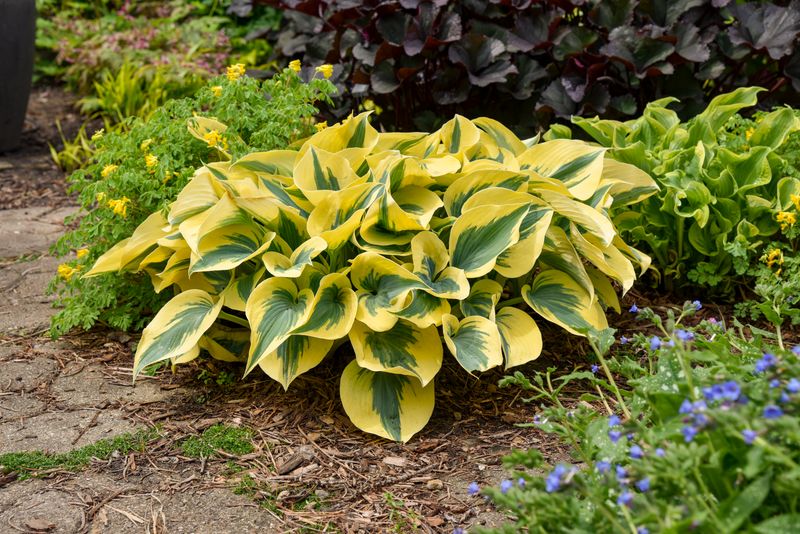
Few plants make a shady corner look as intentional as a well-placed hosta. The broad, layered leaves create a lush, full look that fills in a garden bed quickly.
Even a single large hosta can make an empty space under a tree look like it was designed by a professional.
Hostas are incredibly popular in Pennsylvania because they thrive in the shaded spots that are tricky for most plants. Under a big oak or along a north-facing foundation, hostas settle in and spread out happily.
They come in dozens of varieties, from solid green to blue-green to striking green-and-white variegated types, so you can easily find one that suits your yard’s style.
Once established, hostas need very little attention. They come back every year on their own, growing a little bigger each season.
By midsummer, a mature hosta can fill a garden bed with layers of overlapping leaves that look deliberately staged.
In spring, hostas send up tall flower stalks with light purple or white blooms that add a soft, elegant touch. After the flowers fade, the foliage keeps doing its job right through fall.
When the leaves die back in late autumn, you simply cut them down and wait for them to return in spring.
For Pennsylvania yards with tricky shaded areas, hostas solve a real problem. They’re forgiving, beautiful, and remarkably self-sufficient.
Planting a few together in different sizes creates a layered effect that genuinely looks like you put a lot of thought into it.
4. Sedum
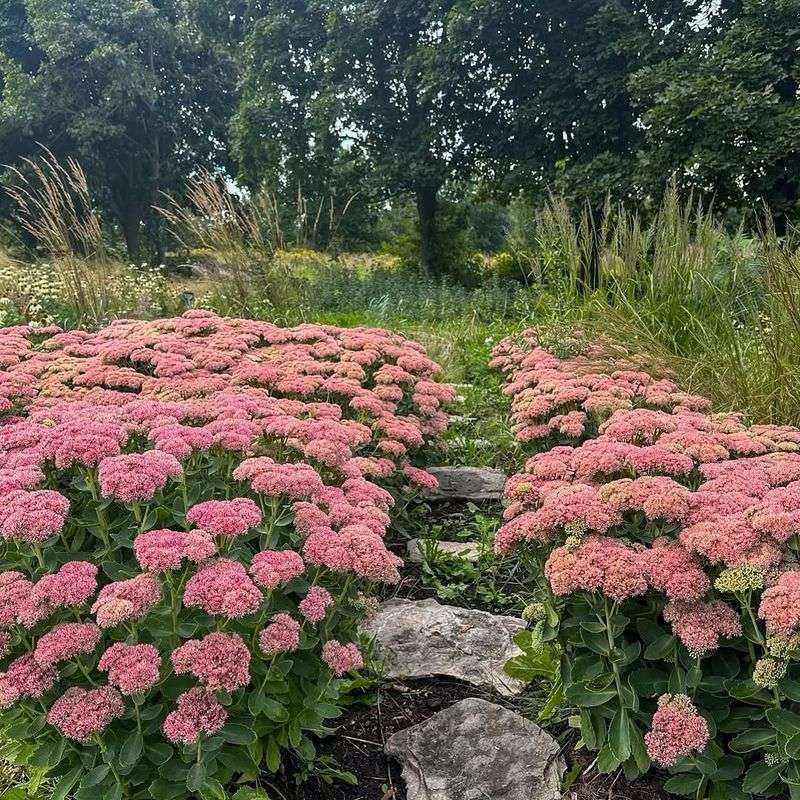
Sedum might just be the toughest plant on this list. It holds a tight, compact shape even through dry spells, poor soil, and summer heat.
In a Pennsylvania front yard, that kind of resilience is genuinely valuable, especially during those dry August stretches when watering feels like a chore.
What makes sedum so visually appealing is how consistent it looks throughout the year. The thick, fleshy leaves stay neat and structured without any trimming.
Taller varieties, like Autumn Joy sedum, form upright clumps that look organized and intentional from the moment they emerge in spring all the way through the first frost.
Sedum blooms in late summer and fall, which is a big deal in Pennsylvania. By September, most spring and summer flowers are fading, but sedum is just getting started.
The flower clusters shift from pale green to pink to deep rusty red as the season changes, giving your front yard a warm, rich color when other plants are winding down.
Even after the blooms fade, the dried seed heads stick around through winter and look attractive dusted with frost or snow. You don’t need to cut them back right away. They add texture and structure to the winter garden in a way that feels purposeful.
Sedum is also great for Pennsylvania’s clay-heavy soils because it actually prefers well-drained, even poor conditions. Plant it in a sunny spot, step back, and let it do its thing. It will reward you with months of good looks and almost zero effort on your part.
5. Black-Eyed Susan
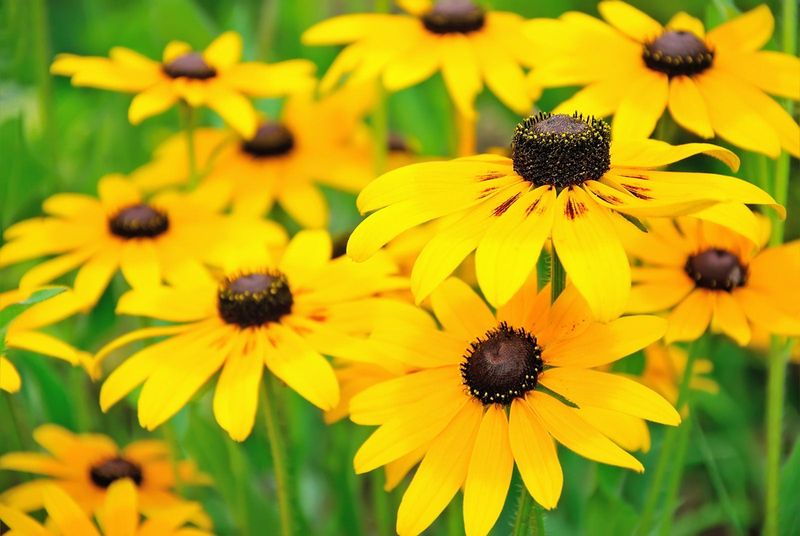
There’s something undeniably cheerful about black-eyed Susans. Those bright yellow petals with deep brown centers have a way of making any front yard feel alive and welcoming.
Best of all, they grow in a naturally upright, structured form that looks intentional without any fussing from you.
Black-eyed Susans are native to North America and grow beautifully throughout Pennsylvania. They’re tough enough to handle the state’s hot, humid summers and bounce back reliably every year as perennials.
Once they’re established, they spread gradually on their own, filling in garden beds with cheerful color and a sense of natural abundance.
The blooms typically appear from midsummer through early fall, giving you weeks of color during the heart of the outdoor season.
Even when they’re not blooming, the upright stems and textured leaves give the plant a purposeful look. You won’t find them flopping over or looking scraggly the way some flowers do.
Black-eyed Susans also attract pollinators like bees and butterflies, which adds movement and life to your front yard.
Leaving the seed heads in place after blooming invites goldfinches and other birds to visit through the fall and winter. It’s a small touch that makes the yard feel curated and ecologically thoughtful.
For Pennsylvania gardeners who want bold color without a complicated care routine, black-eyed Susans deliver every time.
They’re a staple of low-maintenance native gardens across the state, and they earn that reputation by simply showing up and looking great season after season.
6. Switchgrass
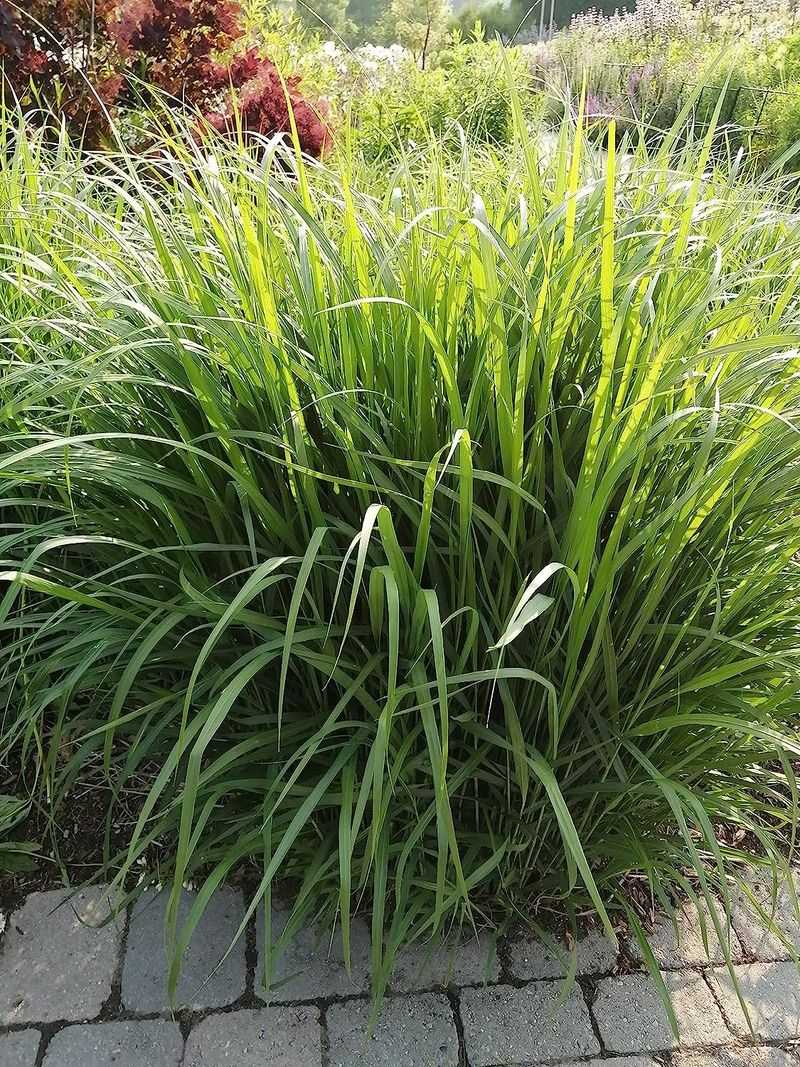
Switchgrass has a kind of quiet confidence that few other plants can match. It stands tall, moves gently in the breeze, and holds its structure through every season without needing any help from you.
In Pennsylvania front yards, it brings a modern, prairie-inspired look that feels both natural and deliberately designed.
As a native grass of the eastern United States, switchgrass is perfectly suited to Pennsylvania’s climate. It handles cold winters, summer humidity, and even drought with ease.
It grows in almost any soil type, from sandy to clay-heavy, and thrives in full sun with minimal watering once it’s established.
Throughout the growing season, switchgrass keeps a neat, upright form. In summer, fine airy seed heads appear above the foliage, catching the light and adding a soft, feathery texture.
By fall, the whole plant shifts to warm shades of gold, orange, and red, giving your front yard a burst of seasonal color that requires zero effort.
Even in winter, switchgrass earns its place. The dried stalks and seed heads stay standing through cold Pennsylvania winters, providing structure and visual interest when the rest of the garden is bare. Light snow or frost clings to the stems in a way that looks almost artistic.
Compact cultivars like Shenandoah or Rotstrahlbusch stay around three to four feet tall, making them a great fit for residential front yards. Plant switchgrass in a sunny border or as a focal point, and it will deliver year-round appeal without asking for much in return.
7. Dwarf Korean Lilac
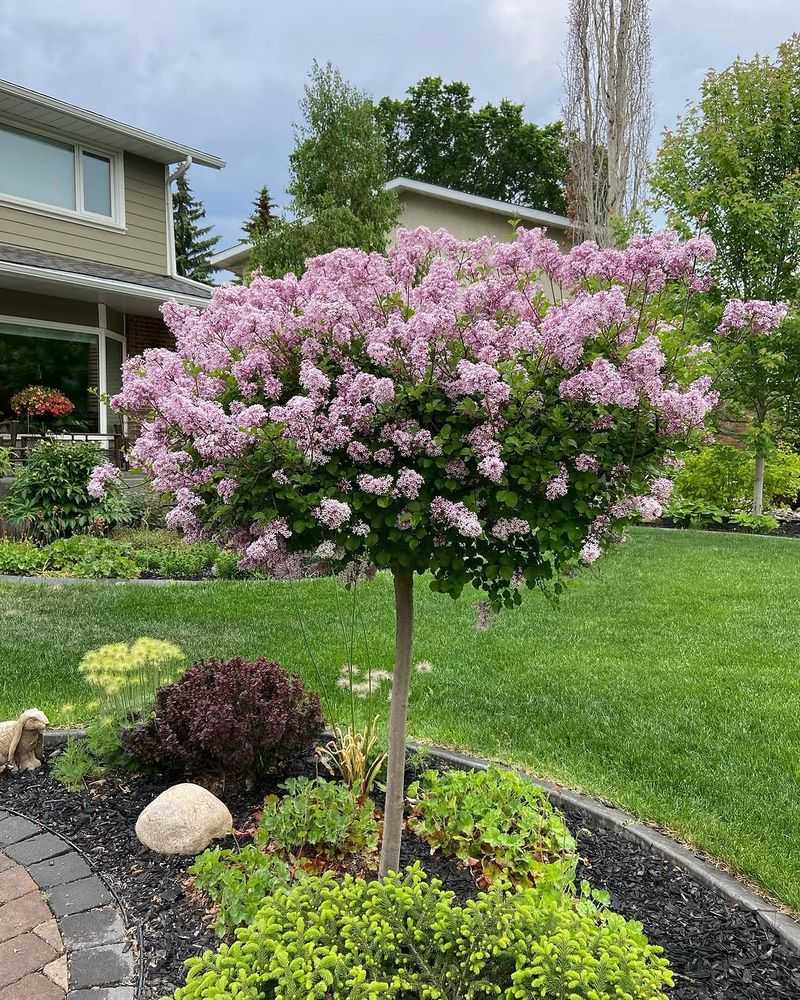
Every spring in Pennsylvania, dwarf Korean lilac puts on a show that stops people in their tracks.
Dense clusters of pale lavender flowers cover the entire shrub, filling the air with a sweet fragrance that carries across the whole front yard. And the best part? It does all of this on its own schedule, without you having to lift a finger.
Unlike full-sized lilacs, the dwarf Korean variety stays naturally compact, usually reaching only four to five feet tall and wide. That tidy, rounded shape means it fits comfortably in a front yard without overwhelming the space.
It never looks overgrown or out of control, even if you skip pruning for a year or two. After the spring blooms fade, the dark green leaves stay attractive through summer and into fall.
The shrub holds its shape well throughout the growing season, giving your yard a structured, put-together look even between flowering periods. It’s the kind of plant that earns its spot year-round, not just for a few weeks in May.
Dwarf Korean lilac is also remarkably resistant to powdery mildew, a common issue with older lilac varieties. That means the foliage stays clean and healthy-looking through summer heat and humidity, which is a real advantage in Pennsylvania’s climate.
For homeowners who want a flowering shrub that’s both beautiful and self-sufficient, this is a top choice. Plant it near an entryway or walkway where the spring fragrance can be fully appreciated, and let it do what it does best year after year.