7 Ways Georgia Gardeners Keep Basil Full And Productive
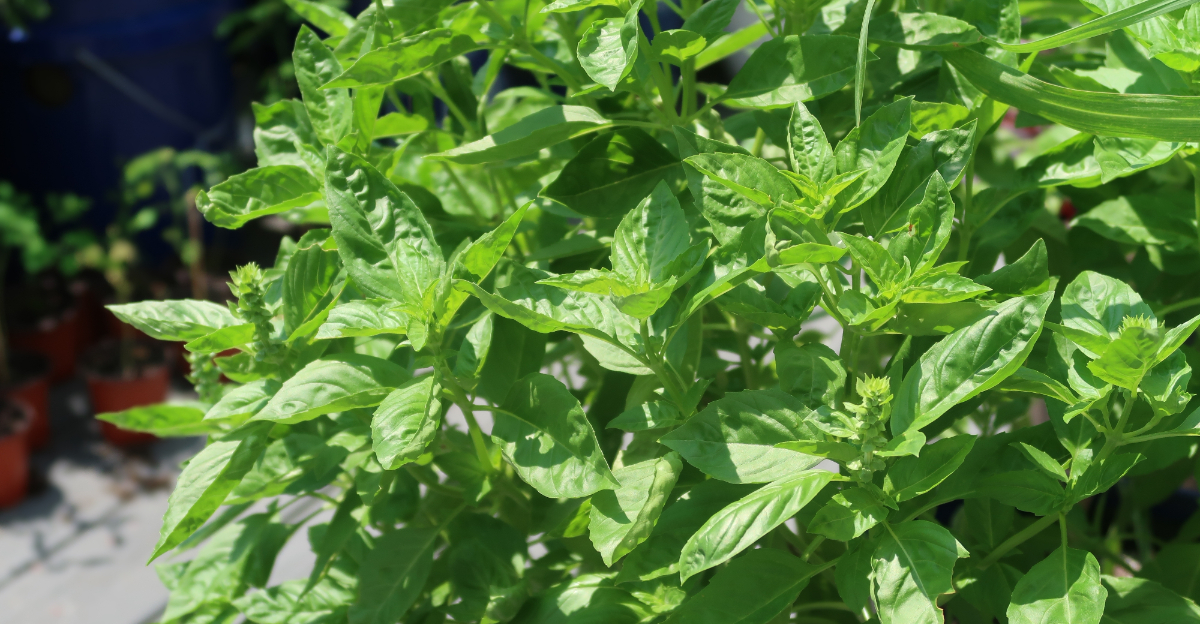
Basil can start out strong in Georgia, then suddenly turn thin or stop producing once heat and humidity build. Many plants lose their shape quickly, even when they seem healthy at first.
Small habits during the season often decide whether basil stays full or becomes sparse. Care choices make a bigger impact than expected.
Timing of harvest, how often growth is trimmed, and where plants are placed all influence how steady production stays. Some approaches keep new leaves coming, while others slow things down without clear warning.
A few simple adjustments can change how basil performs through the warm months.
With the right approach, plants stay compact, keep producing, and hold that full look instead of fading halfway through the season.
1. Pinch Growing Tips To Keep Plants Bushy
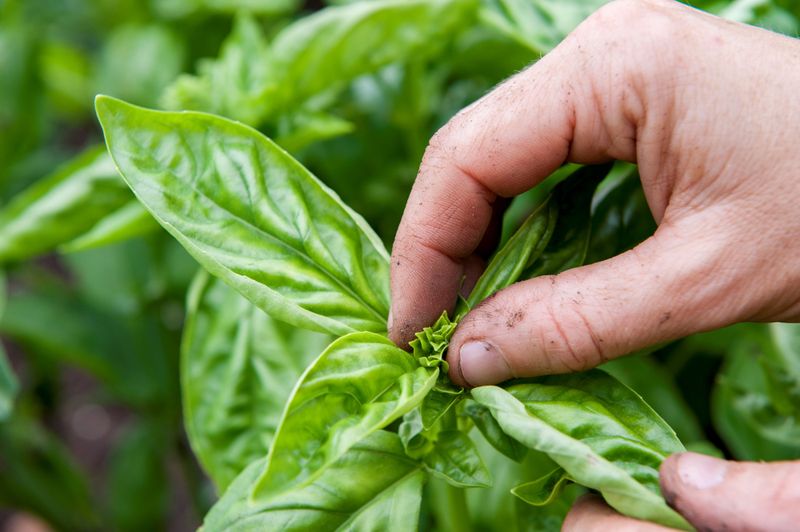
Most people treat basil like a set-it-and-forget-it plant, and that is exactly where things go sideways. Experienced Georgia gardeners know that pinching is one of the most powerful habits you can build, and it costs absolutely nothing.
Every time you pinch off the top two sets of leaves from each stem, the plant responds by pushing out two new branches from below. Do that consistently, and within a few weeks you have a full, bushy plant instead of a tall, spindly one.
Pinching works because of how basil grows. Each stem has what are called leaf nodes, and when you remove the tip, the plant redirects its energy outward rather than upward.
Georgia gardeners who grow basil in raised beds or containers tend to pinch their plants every seven to ten days during peak summer growth. That rhythm keeps plants compact and productive for months on end.
New gardeners often feel hesitant about pinching because removing healthy growth feels counterproductive. Trust the process on this one.
Even young plants with just three or four sets of leaves benefit from early pinching, because it shapes the plant from the start.
2. Harvest Often To Encourage New Leaves
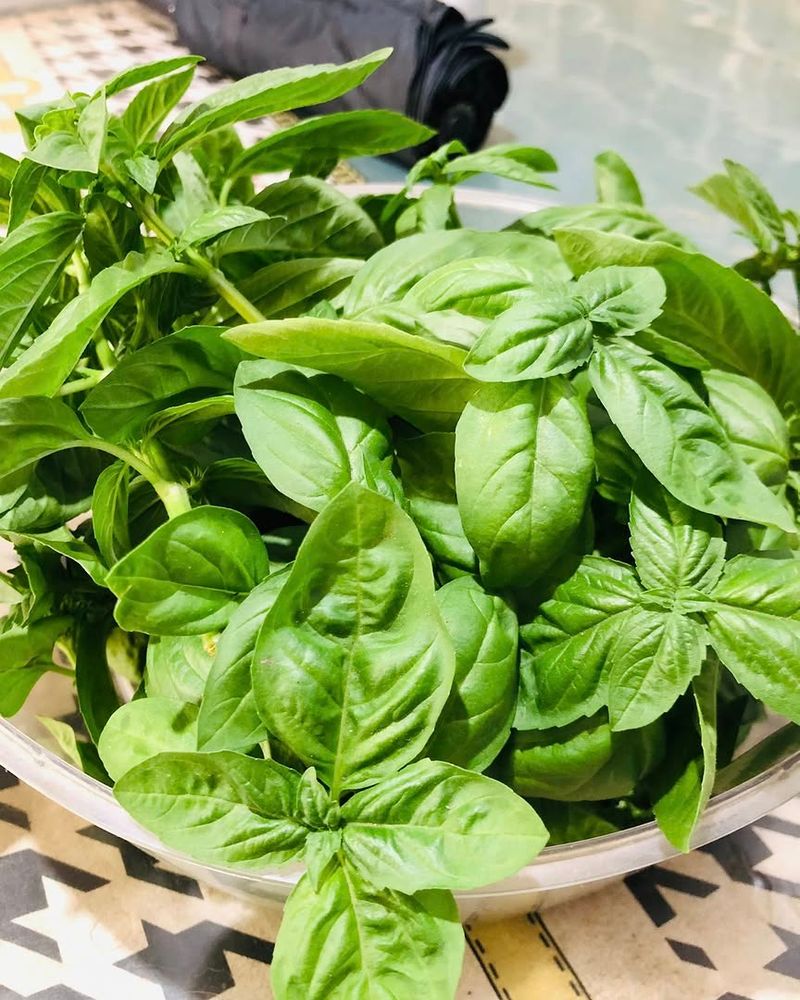
Frequent harvesting is one of those gardening truths that feels almost too good to be real. The more you take from your basil plant, the more it produces.
Georgia gardeners who harvest their basil every week or two consistently end up with bigger, fuller plants than those who leave their plants untouched between uses. Basil is built to keep growing as long as you keep encouraging it, and regular harvesting sends exactly that signal.
When you harvest, always cut just above a set of leaves rather than pulling stems randomly. Cutting above a leaf node prompts the plant to branch out from that point, multiplying the number of stems over time.
Georgia growers who cook with fresh herbs regularly have a natural advantage here because their kitchen habits align perfectly with what the plant needs. Even if you do not use basil every day, harvesting and drying or freezing the excess keeps the plant on a productive cycle.
One thing worth knowing is that you should never remove more than one third of the plant at a single harvest. Taking too much at once stresses the plant and slows regrowth significantly.
Your Georgia Garden Changes Every Week. Your Plan Should Too.
Gardening in Georgia changes quickly throughout the season. Every Friday you’ll receive a simple weekly plan showing exactly what to plant, prune, fertilize, harvest, and protect so you never miss the right timing.
Spread your harvesting across multiple stems rather than stripping one branch completely bare.
3. Remove Flower Buds As Soon As They Appear
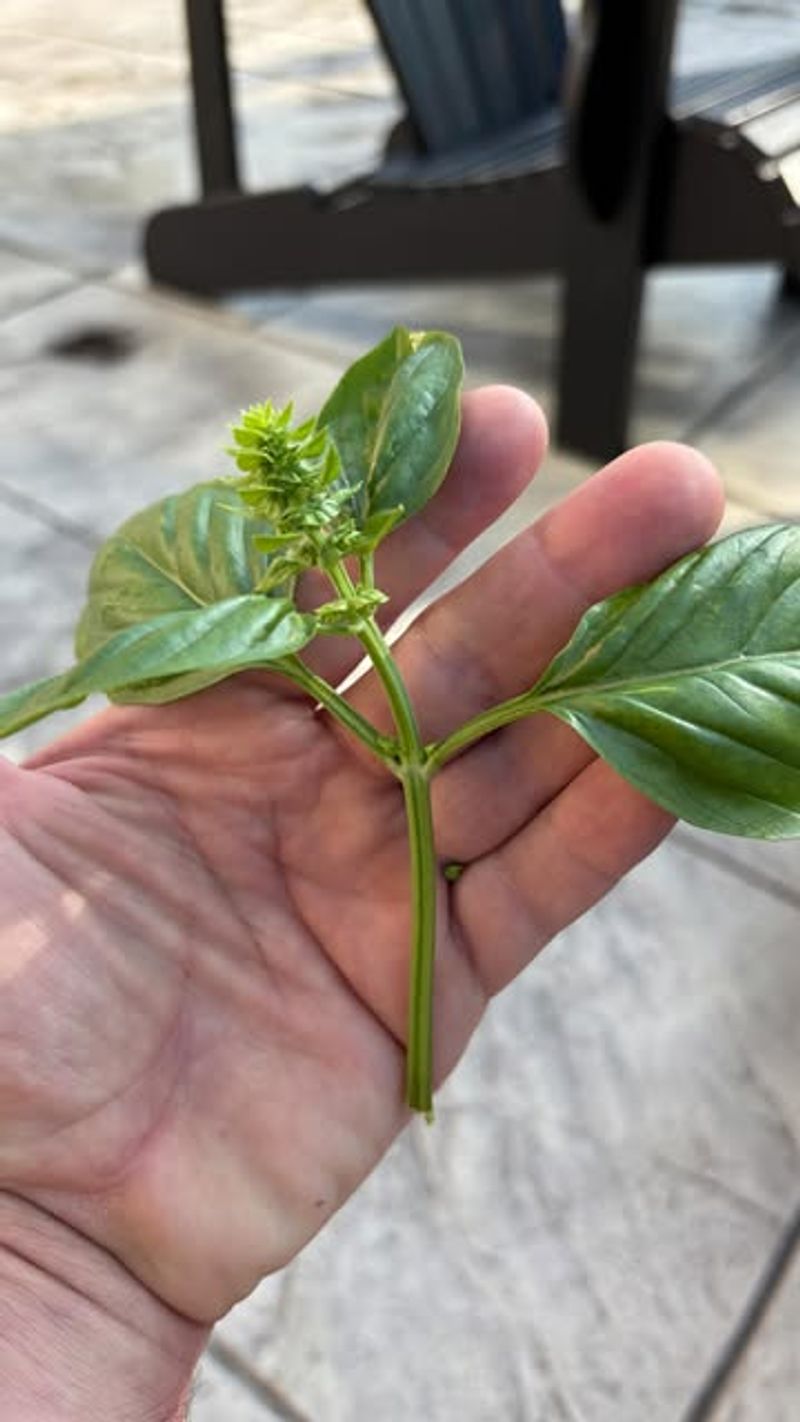
Basil has one goal once it starts flowering: make seeds and wrap up the season. For gardeners, that instinct is the enemy of a long harvest.
Once basil bolts and flowers fully, the leaves shrink, turn bitter, and production slows dramatically. Georgia gardeners who stay on top of flower bud removal can extend their harvest window by weeks, sometimes even a full month or more depending on the variety.
Flower buds usually appear at the very top of the main stem as small, tightly clustered spikes. They are easy to spot once you know what to look for.
As soon as you see them forming, pinch or snip them off immediately. Do not wait until they open, because even partially open flowers signal the plant to shift energy away from leaf production.
Georgia summers are long and warm, which means basil plants can attempt to flower multiple times throughout the season, so regular checks are essential.
Some gardeners in Georgia find it helpful to do a full plant inspection every few days during the hottest months of summer, since heat is one of the main triggers for bolting.
4. Water Deeply But Let Soil Dry Slightly Between
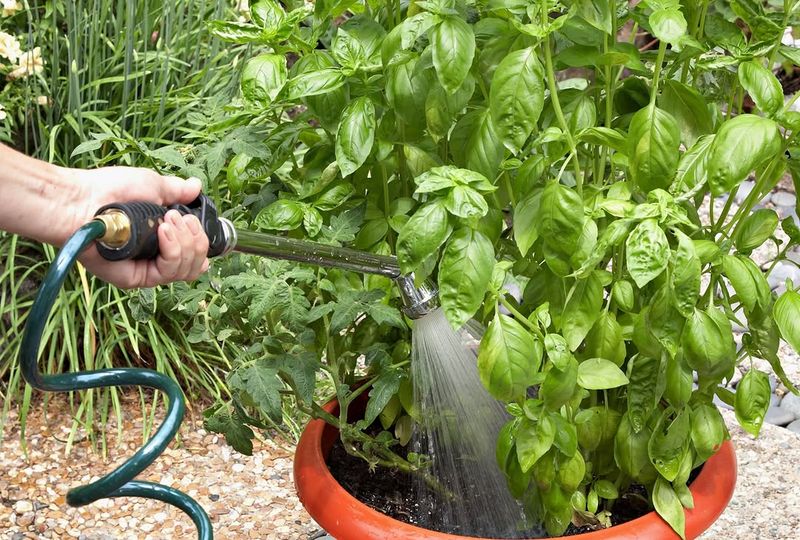
Watering basil correctly is one of those skills that sounds simple but trips up a surprising number of gardeners. Georgia summers bring intense heat, and it is tempting to water a little every single day to keep plants from wilting.
But shallow, frequent watering actually encourages weak, shallow root systems that make plants more vulnerable over time. Deep, less frequent watering trains roots to grow downward where moisture stays more stable even on the hottest Georgia afternoons.
The general rule experienced Georgia gardeners follow is to water thoroughly until moisture reaches several inches into the soil, then wait until the top inch or two feels dry before watering again. Sticking your finger into the soil is the most reliable way to check, and it takes only a few seconds.
Basil prefers consistent moisture but hates sitting in soggy soil for extended periods, which is a real risk in Georgia during rainy stretches.
Morning is the best time to water basil in Georgia because it gives leaves time to dry before the heat of the day, reducing the risk of fungal issues. Watering at the base of the plant rather than overhead also keeps foliage dry and healthy.
5. Use Well Drained Soil To Prevent Root Issues
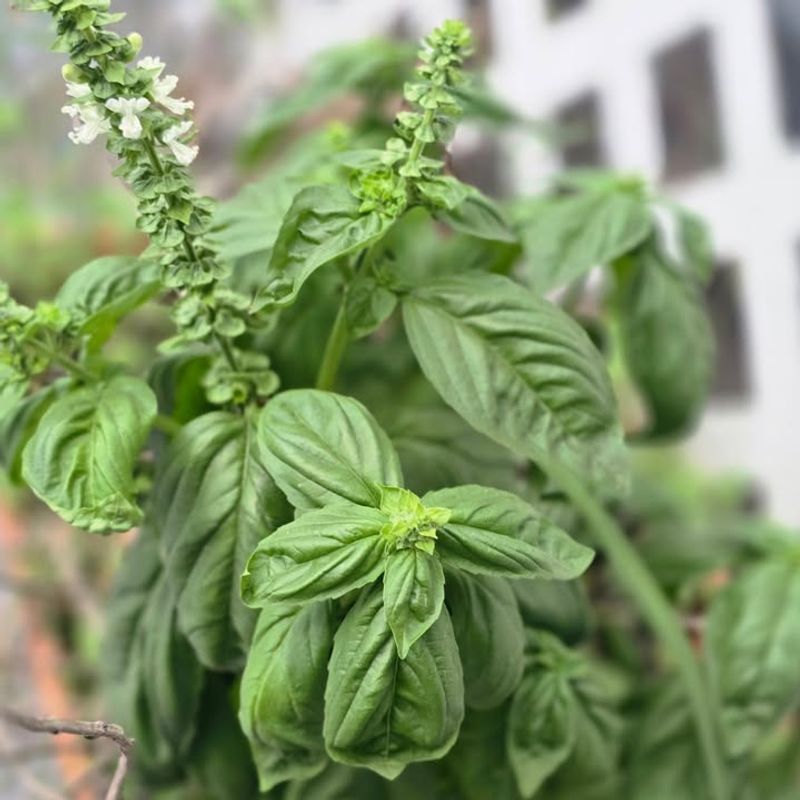
Basil roots need oxygen just as much as they need water, and compacted or poorly draining soil cuts off that oxygen supply fast. Georgia clay soil is notorious for holding water longer than most herbs can tolerate, and basil is especially sensitive to waterlogged conditions.
Roots sitting in saturated soil for too long begin to break down, the plant weakens, leaves turn yellow, and growth stalls. Addressing soil quality before you plant is one of the smartest moves a Georgia gardener can make.
Mixing compost, perlite, or coarse sand into native Georgia soil improves drainage significantly and creates the kind of loose, airy texture basil roots love.
Raised beds are a popular solution among Georgia gardeners precisely because they allow full control over soil composition and drainage.
Filling raised beds with a quality mix of topsoil, compost, and perlite gives basil exactly the environment it needs to develop strong, healthy roots from the very beginning of the season.
Even container growers need to pay attention to drainage. Always choose pots with drainage holes, and avoid letting containers sit in standing water after rain or irrigation.
6. Give Plants Enough Sun For Strong Growth
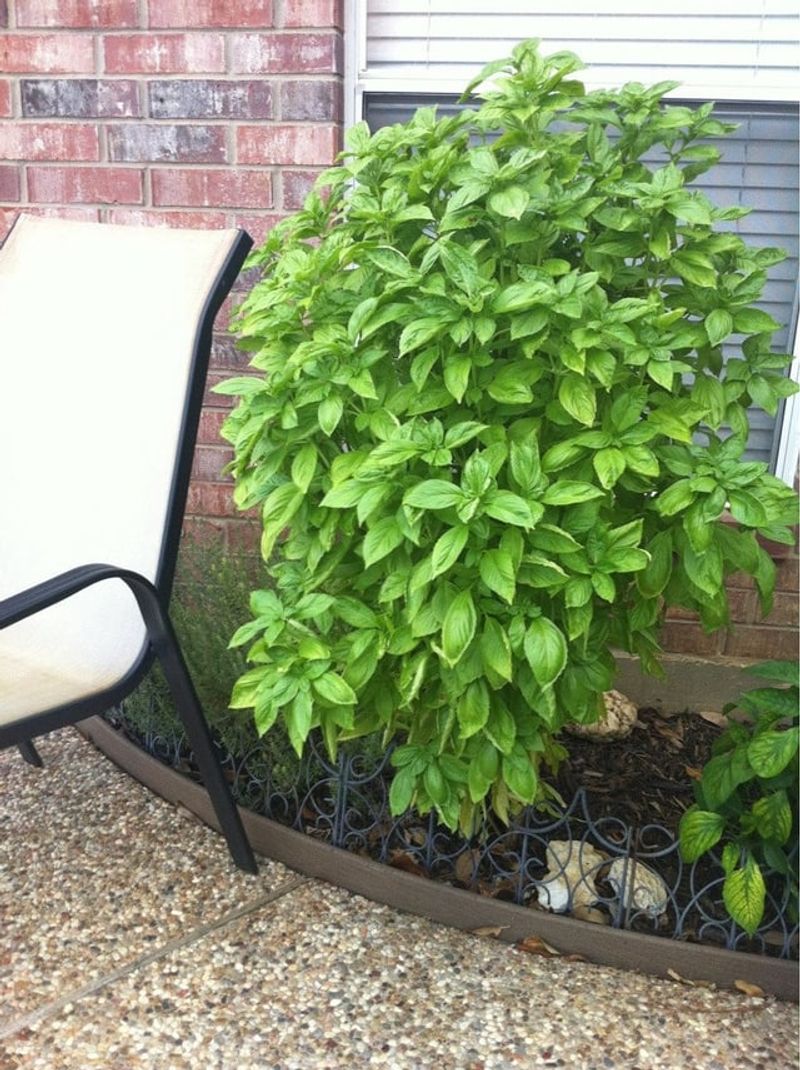
Basil is one of those plants that genuinely runs on sunshine, and Georgia happens to have plenty of it. Six to eight hours of direct sunlight per day is the minimum basil needs to grow vigorously, but in Georgia, plants often get even more than that during the peak of summer.
More sun generally means faster growth, bigger leaves, stronger flavor, and a plant that bounces back quickly after each harvest. Shade is one of the most common reasons basil underperforms even when everything else seems right.
Georgia gardeners planting basil for the first time should spend a day watching how sunlight moves across their yard before choosing a spot.
Areas that look sunny in the morning can end up shaded by trees or structures by early afternoon, cutting into those critical sun hours.
South-facing garden beds and spots along sunny fence lines tend to be reliable choices for maximum light exposure throughout the long Georgia growing season.
Container growers have a real advantage when it comes to sun management because pots can be moved to follow the light as the season changes.
If your basil starts stretching upward with long, weak stems and small leaves, that is a reliable sign it is not getting enough direct light.
7. Space Plants Properly For Good Airflow
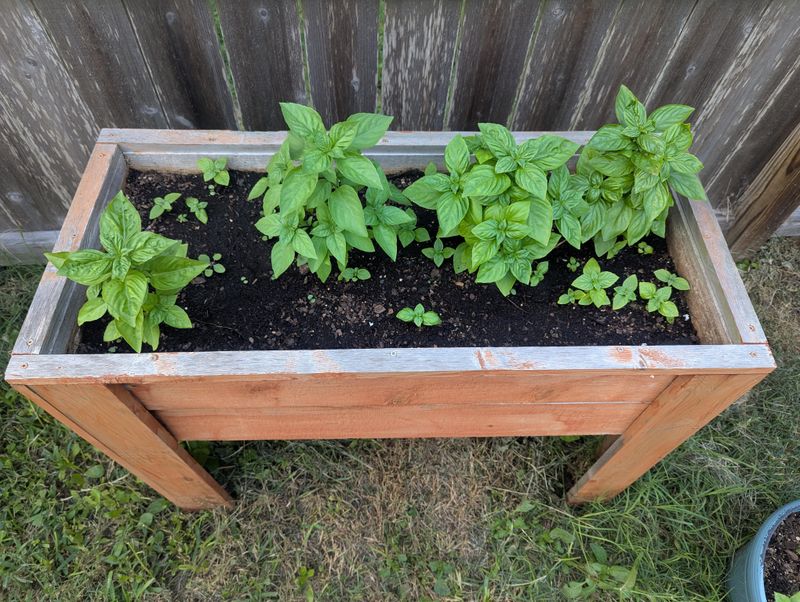
Crowded plants create problems that are easy to avoid with a little planning upfront. Basil needs room to spread its leaves and branches without competing with neighboring plants for light, water, and nutrients.
Beyond that, proper spacing allows air to circulate freely between plants, which plays a huge role in keeping fungal issues at bay.
Georgia summers combine heat and humidity in ways that make fungal diseases like downy mildew a genuine threat, and good airflow is one of your best natural defenses.
Most Georgia gardeners follow the general guideline of spacing basil plants about twelve to eighteen inches apart in every direction. That spacing might look sparse when plants are young and small, but within a few weeks of consistent pinching and harvesting, each plant fills its space completely.
Resist the urge to crowd plants together thinking more plants means more basil, because overcrowded basil actually produces less per plant and struggles more with disease throughout the season.
Raised beds make proper spacing easier to manage because you can plan the layout before you plant and stick to it without the irregular shapes of traditional garden rows.
Georgia gardeners who grow basil alongside tomatoes or peppers should pay extra attention to spacing, since those larger plants can cast shade and reduce airflow around basil if they grow too close.