How To Bring Fireflies Back To Your Georgia Garden This Season
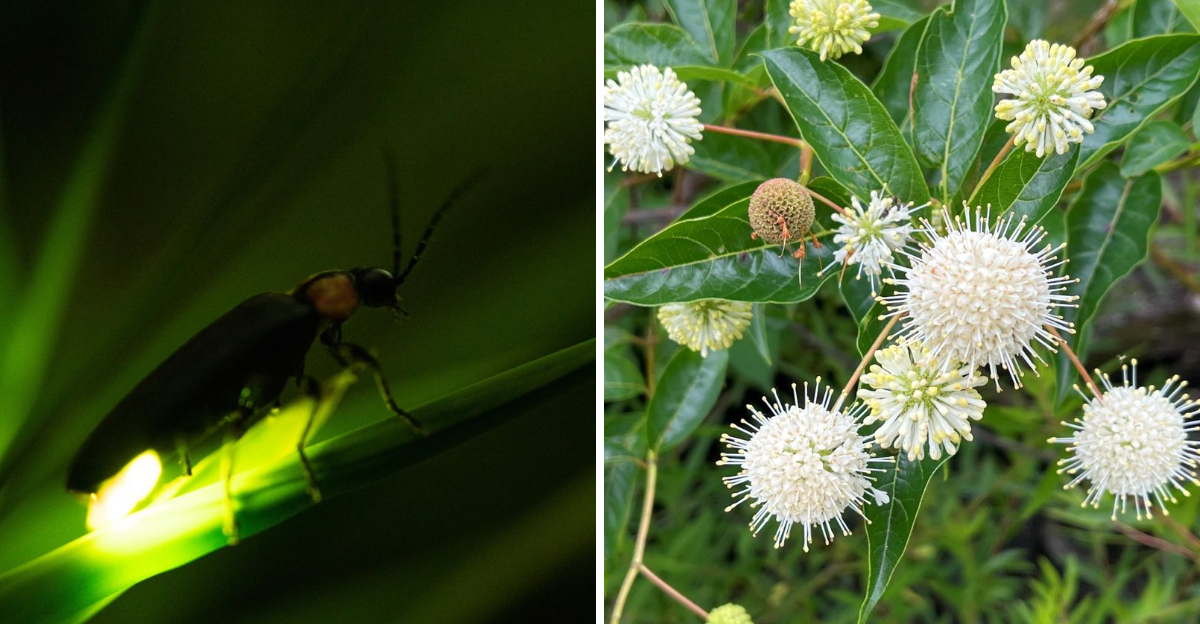
Fireflies, also known as lightning bugs, used to be a regular part of Georgia summer nights, but in many yards that familiar glow has started to fade and the change is noticeable even when everything else looks normal during the day.
The change does not usually happen all at once, and it can show up even in gardens that still look healthy and well kept during the day.
What matters most is what is happening in the environment before and during summer since small details can affect whether they return or stay away. These shifts often build slowly over time without drawing attention right away.
With a few simple adjustments, it is still possible to make a Georgia garden more inviting again and encourage those familiar summer visitors to come back.
1. Avoid Pesticides To Protect Firefly Larvae
Pesticides are one of the biggest reasons firefly populations have dropped in Georgia gardens over the past few decades.
Most chemical sprays and granular treatments don’t discriminate — they affect a wide range of insects, including firefly larvae living just beneath the soil surface.
Larvae spend one to two years underground before they ever light up a summer night, so even one season of heavy chemical use can set back a local population significantly.
Firefly larvae feed on slugs, snails, and other soft-bodied creatures in the soil. When pesticides reduce those food sources, larvae struggle to survive long enough to reach adulthood.
Switching to targeted, organic pest control methods helps protect that underground population without sacrificing your garden’s health.
Neem oil, diatomaceous earth, and hand-picking pests are all reasonable alternatives for common Georgia garden problems. If you do need to treat a specific issue, apply products only to affected areas rather than broadcasting chemicals across your entire yard.
Spot treatments cause far less disruption to soil-dwelling insects than blanket applications do.
Lawn insecticides labeled for grubs or fire ants are especially risky for fireflies. Many Georgia homeowners apply these products routinely without realizing the broader impact on beneficial insects.
2. Create A Rain Garden To Support Moist Habitat
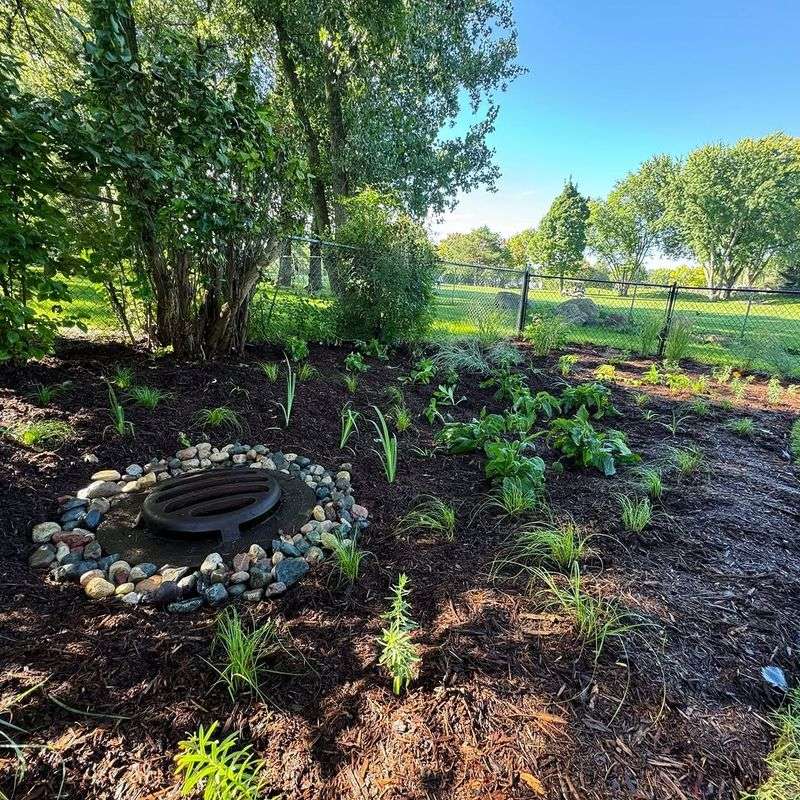
Fireflies don’t show up randomly — they tend to cluster around moisture. Across Georgia, you’ll often spot them near creek banks, pond edges, and low-lying areas where the ground stays damp longer after rain.
Recreating that kind of environment in your own yard doesn’t require a full pond. A simple rain garden can do a lot of the same work.
A rain garden is a shallow, planted depression that collects runoff from your roof, driveway, or lawn. Instead of water rushing off into the street, it slows down and soaks into the ground over a day or two.
That consistent moisture keeps the surrounding soil conditions favorable for firefly larvae and the invertebrates they feed on.
Positioning your rain garden in a low spot where water naturally collects makes installation easier and more effective. Native plants like swamp milkweed, blue flag iris, and cardinal flower handle wet-dry cycles well and don’t need much attention once they’ve settled in.
Your Georgia Garden Changes Every Week. Your Plan Should Too.
Gardening in Georgia changes quickly throughout the season. Every Friday you’ll receive a simple weekly plan showing exactly what to plant, prune, fertilize, harvest, and protect so you never miss the right timing.
These plants also support the broader insect community that fireflies depend on throughout their life cycle.
In Georgia’s warmer months, soil can dry out fast between rainstorms. A rain garden helps buffer those dry spells by holding moisture in the root zone longer than flat ground does.
Even a small garden measuring six to eight feet across can make a noticeable difference in the moisture level of your immediate yard.
3. Leave Leaf Litter For Shelter And Breeding
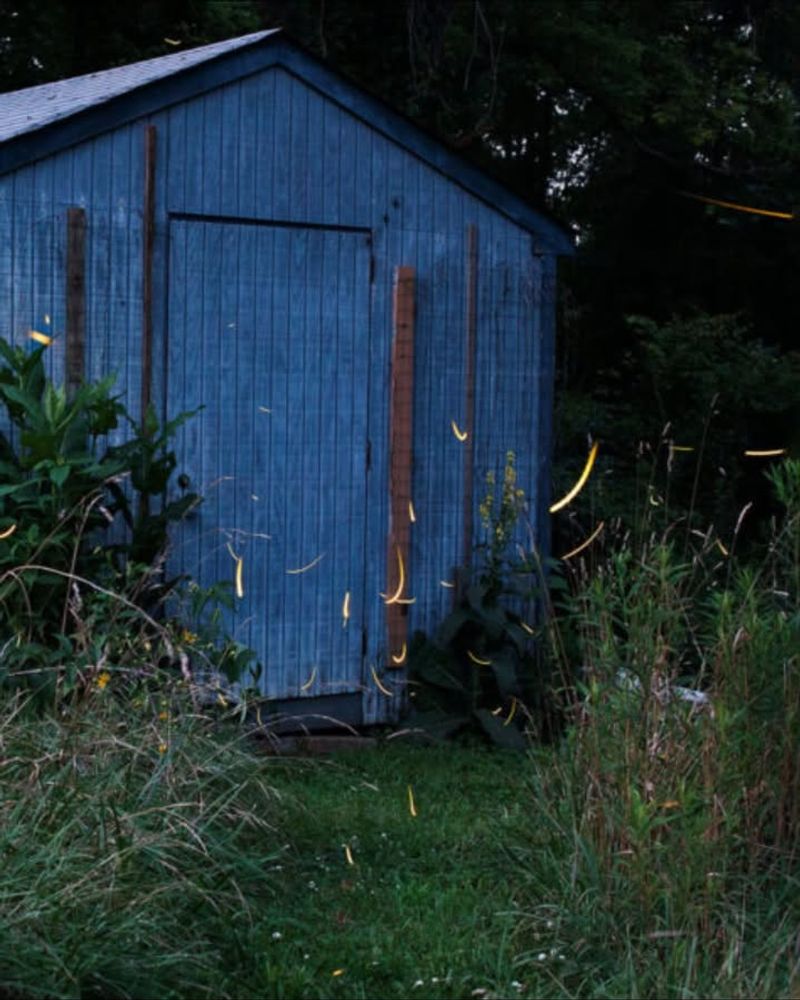
Raking every last leaf off your property might seem tidy, but it removes some of the most valuable habitat fireflies use for shelter and breeding.
Beneath that layer of fallen leaves, the soil stays cooler, holds more moisture, and supports a whole community of small invertebrates.
That’s exactly the kind of environment firefly larvae need to get through their underground stage.
Georgia has no shortage of leaf-producing trees — oaks, sweetgums, maples, and pines all drop significant amounts of organic material each fall.
Rather than bagging all of it, consider leaving a few inches of leaf litter along garden edges, under shrubs, and at the base of trees.
You don’t have to let the whole yard go wild. Even a few designated areas can provide meaningful refuge.
Adult fireflies also use leaf litter and low ground cover to rest during the day. Bare, exposed soil offers them nowhere to hide from heat and predators.
Keeping some natural ground cover in place gives them a reason to stay in your yard rather than move on to a more sheltered spot nearby.
One practical approach is to use a mulching mower and leave shredded leaves in place rather than collecting them. Shredded leaves break down faster, feed the soil, and still provide some surface cover.
4. Let Lawn Edges Grow Longer For Natural Cover
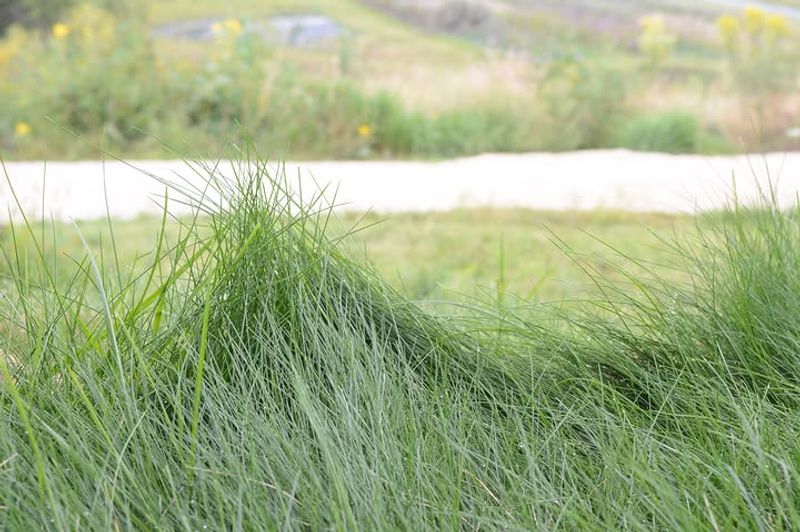
Short, uniformly mowed grass is one of the least welcoming environments for fireflies. Lawn edges that get trimmed to the same height as the rest of the yard leave almost no vertical cover for fireflies to rest, signal, and lay eggs.
Letting those boundary areas grow a bit longer costs nothing and can genuinely improve the conditions in your yard.
Along fence lines, property borders, and the edges of garden beds, allowing grass and low plants to reach four to six inches creates a transition zone that fireflies actually use.
They tend to fly low to the ground early in the evening, and taller vegetation gives them something to land on and hide in between flashing sequences.
Without that cover, they’re more exposed and less likely to linger.
In Georgia, warm-season grasses like Bermuda and zoysia grow aggressively, so you won’t lose control of the lawn by skipping edge trimming for a few weeks.
The goal isn’t an overgrown yard — it’s creating deliberate pockets of slightly wilder growth that serve a purpose.
A six-inch unmowed border along a back fence is nearly invisible from the street but meaningful to insects at ground level.
Mixing in low-growing native plants along those edges adds even more value. Wild violets, native sedges, and creeping phlox all grow well in Georgia and provide cover without becoming invasive.
5. Turn Off Outdoor Lights When Not In Use
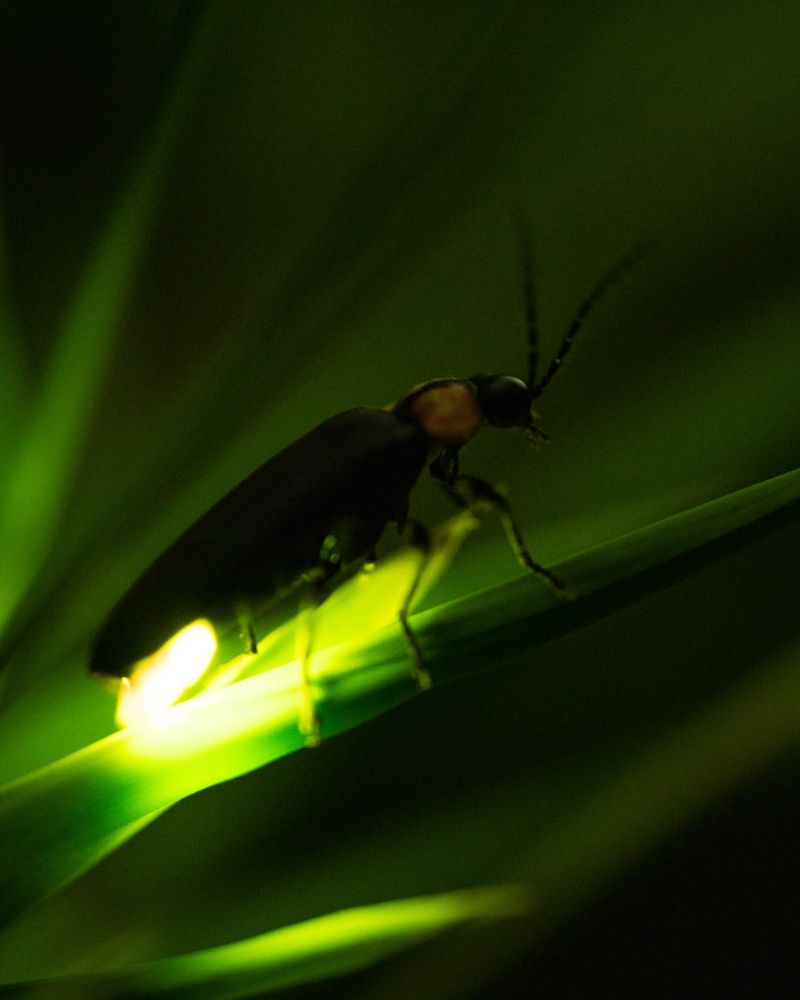
Artificial light is a serious problem for fireflies, and it’s one that most Georgia homeowners don’t think about until someone points it out. Fireflies use their bioluminescent flashes to find mates, and bright outdoor lighting drowns out those signals completely.
When fireflies can’t communicate, they can’t reproduce, and populations quietly shrink over time.
Porch lights, security floodlights, string lights, and landscape spotlights all contribute to the problem. You don’t have to give up outdoor lighting entirely, but being selective about when and where lights are on makes a real difference.
Turning off non-essential lights between dusk and around 10 p.m. during peak firefly season — roughly late May through July in Georgia — gives them a window to flash and find each other.
Motion-activated lights are a better choice than lights that stay on all night. They provide security when needed without creating constant light pollution across the yard.
Switching bulbs to warm amber tones instead of bright white or blue-spectrum LEDs also reduces the disruptive effect on insect behavior, though dimming or turning lights off altogether is still the most effective option.
6. Plant Native Plants To Support The Ecosystem
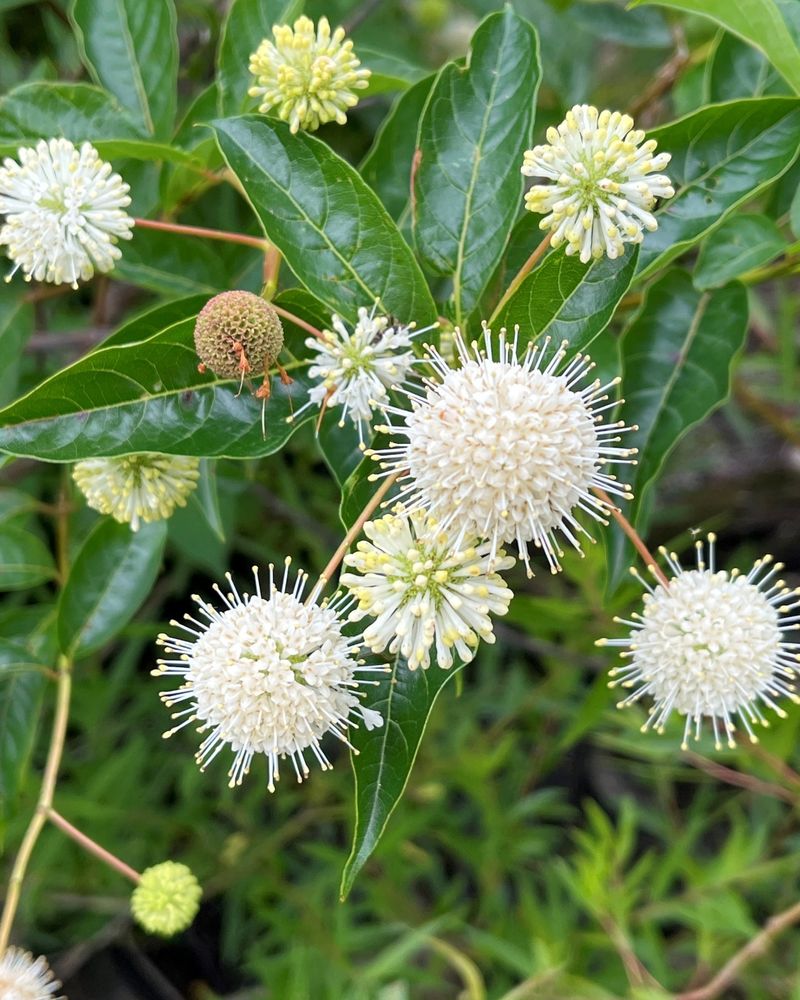
Native plants do more than look good in a Georgia garden — they support the full food web that fireflies depend on from larvae to adult. Non-native ornamental plants often lack the insects, fungi, and soil organisms that native species naturally attract.
Swapping even a portion of your garden over to natives can shift the entire ecosystem in a more productive direction.
Plants like Eastern red columbine, wild ginger, native ferns, and beautyberry all grow reliably across Georgia and create layered habitat at different heights. Ground-level plants provide cover for larvae and resting adults.
Mid-height shrubs offer perches for flashing males. Taller native trees and canopy plants block ambient light from nearby streets and structures, creating darker pockets where fireflies can signal more effectively.
Native plants also support the slugs, snails, and worms that firefly larvae eat underground. A garden full of native ground covers tends to have richer, more biologically active soil than one planted with conventional turf or exotic ornamentals.
That soil activity directly feeds the larval stage, which is the longest and most vulnerable part of a firefly’s life cycle.
You don’t need to redesign your entire yard to see results. Starting with one or two native plant clusters in a corner or along a shaded fence line gives fireflies a reason to investigate your space.
Local Georgia native plant nurseries and extension programs often carry regionally appropriate species that are suited to your specific soil type and light conditions.
7. Keep Soil Moist During Dry Periods
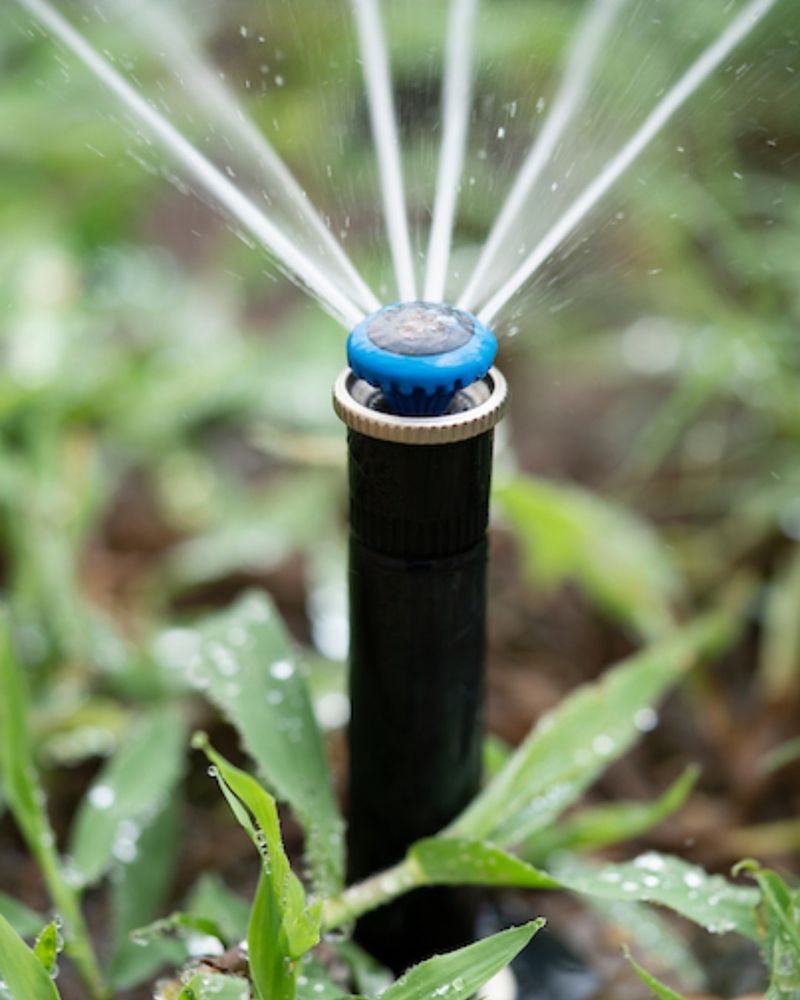
Soil moisture matters more to fireflies than most gardeners realize. Larvae live underground for an extended period, and dry, compacted soil makes it harder for them to move, hunt, and survive.
During Georgia’s summer dry spells, which can stretch for several weeks at a time, actively maintaining soil moisture in key garden areas can support the larvae already living there.
Thick mulch is one of the simplest tools available. A two to three inch layer of organic mulch — shredded hardwood, pine straw, or leaf compost — slows evaporation significantly and keeps the soil underneath cooler and more consistently damp.
Pine straw is especially practical in Georgia since it’s widely available and breaks down slowly enough to provide lasting coverage through the dry season.
Soaker hoses and drip irrigation deliver water directly to the soil without wetting foliage, which reduces fungal issues while still keeping root zones moist.
Running them for a short period every few days during dry stretches is usually enough to maintain adequate soil conditions without overwatering.
Overwatering creates its own problems, including compaction and root stress, so consistency matters more than volume.
Shaded areas of the yard naturally retain moisture longer than sunny spots, which is one reason fireflies tend to favor wooded edges and areas under tree canopy.