8 Native Georgia Shrubs That Outperform Chinese Privet For Privacy
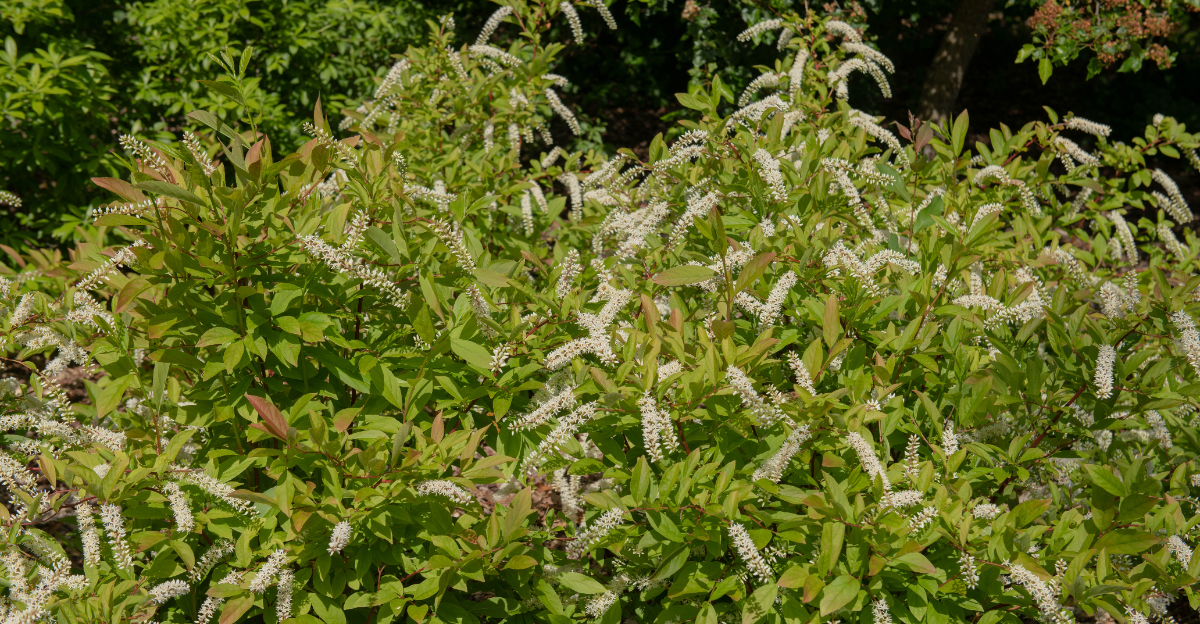
Chinese privet has been used for privacy in Georgia for years, but many landscapes are starting to move away from it for better options.
Dense screening still matters, yet plant choice can change how easy that space is to maintain and how well it holds up through the seasons. Some shrubs stay thin or uneven over time, while others fill in more naturally and create a stronger barrier.
Native shrubs are getting more attention because they handle Georgia conditions without constant effort and tend to grow in a more balanced way.
Growth patterns, height, and spread all influence how well they block views and create that sense of separation. Choosing the right mix can shape how full and consistent the hedge looks as it matures.
A well planned selection can provide privacy that feels natural and stable instead of forced or high maintenance.
1. American Beautyberry Forms A Dense Wildlife Friendly Screen
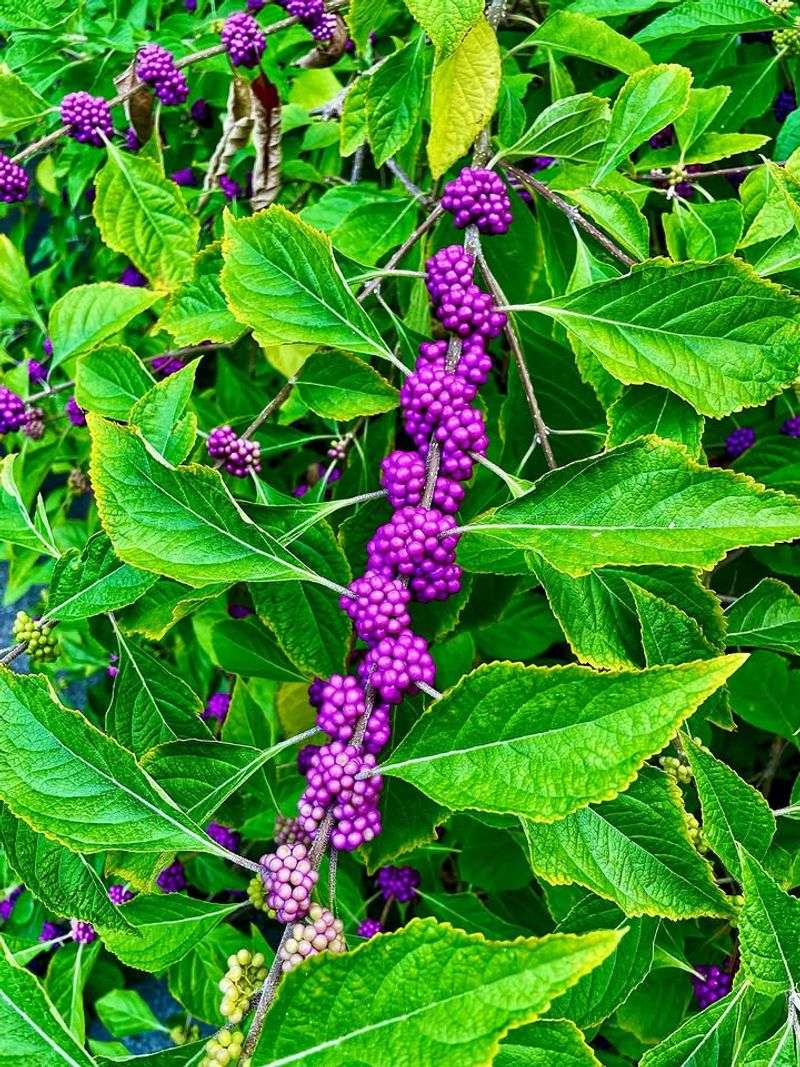
Few shrubs put on a show quite like American Beautyberry, especially when those jaw-dropping clusters of neon-purple berries line every single branch in late summer and fall.
Native to Georgia and much of the Southeast, this shrub grows fast and fills in wide spaces with graceful, arching branches that reach six to eight feet tall and just as wide.
It forms a layered, bushy screen that blocks sightlines naturally without looking stiff or forced.
Birds absolutely love the berries, making your yard a lively hub of activity from late summer straight through winter. Planting a row of Beautyberry along a fence line or property border creates a soft, organic privacy wall that changes beautifully with every season.
In spring and summer, the bold green foliage is lush and full, giving you solid coverage when you need it most.
One practical tip for Georgia gardeners: cut these shrubs back hard in late winter, about six to twelve inches from the ground, and they will bounce back bigger and more productive than ever.
They thrive in partial shade or full sun and handle Georgia’s humid summers without complaint.
Unlike Chinese privet, Beautyberry stays where you plant it and never becomes a nuisance in neighboring yards or wild areas.
For a wildlife-friendly, low-maintenance privacy screen that looks stunning all year, American Beautyberry is genuinely hard to beat in Georgia landscapes.
2. Yaupon Holly Creates Thick Evergreen Privacy Year Round
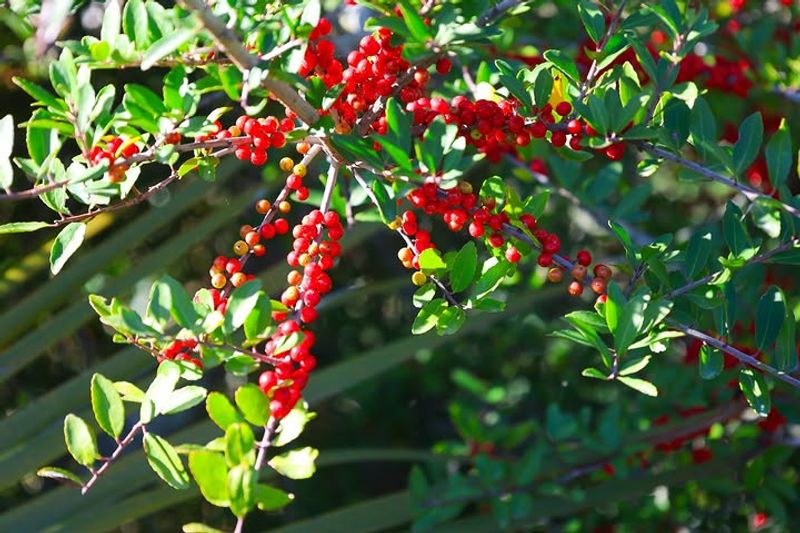
If year-round privacy is your goal, Yaupon Holly might just be the most reliable native shrub you can plant anywhere in Georgia.
This tough evergreen keeps its glossy green leaves through every season, meaning your privacy screen does not disappear when temperatures drop in December.
It grows naturally in coastal Georgia and throughout the state, so it is already built for the heat, humidity, and occasional drought that Georgia gardeners deal with every year.
Yaupon Holly is incredibly adaptable, tolerating wet soil, dry soil, full sun, and partial shade with equal ease. Female plants produce clusters of bright red berries in fall and winter that birds flock to, turning your privacy hedge into a backyard wildlife sanctuary.
Your Georgia Garden Changes Every Week. Your Plan Should Too.
Gardening in Georgia changes quickly throughout the season. Every Friday you’ll receive a simple weekly plan showing exactly what to plant, prune, fertilize, harvest, and protect so you never miss the right timing.
You can let it grow into its natural rounded form or shear it into a more formal hedge, depending on the look you want for your Georgia property.
Here is something most people do not know: Yaupon Holly is the only caffeinated plant native to North America, and Indigenous peoples across the Southeast brewed it as a tea for centuries.
It grows six to fifteen feet tall depending on the variety, so there is a size that works for almost any space.
Unlike Chinese privet, Yaupon Holly will never escape your yard and take over natural areas. For a no-fuss, four-season privacy solution in Georgia, this native evergreen deserves a top spot on your planting list.
3. Wax Myrtle Grows Fast And Fills In Gaps Quickly
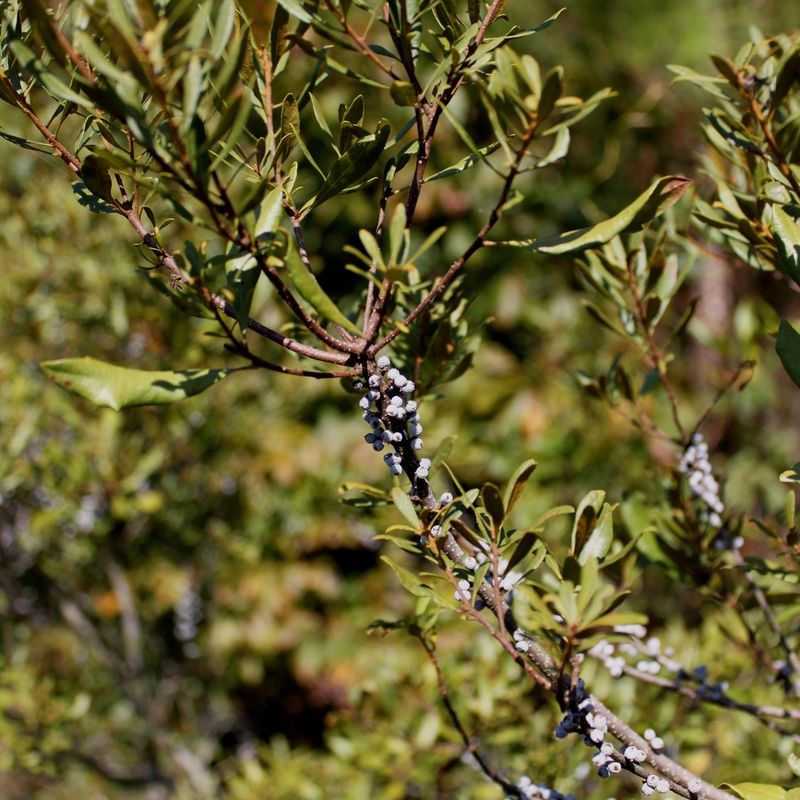
Speed matters when you want privacy, and Wax Myrtle is one of the fastest-growing native shrubs you will find across Georgia.
Given good conditions, it can put on three to five feet of growth in a single season, filling in bare spots and gaps along a fence or property line in record time.
That kind of growth rate makes it a go-to choice for Georgia homeowners who want results without waiting years for a shrub to mature.
Wax Myrtle is semi-evergreen to evergreen throughout most of Georgia, meaning it holds onto most of its aromatic gray-green leaves even during mild winters.
The leaves release a pleasant, spicy fragrance when brushed, which is a nice bonus you do not get from most privacy shrubs.
It thrives in wet or dry conditions, making it one of the most flexible native options for Georgia’s varied soil types, from sandy coastal soils to heavier clay in the Piedmont region.
Plant Wax Myrtle in a staggered double row for a dense, layered screen that blocks wind, noise, and prying eyes effectively. It typically reaches eight to twelve feet tall, though some specimens grow much larger over time.
Birds use it heavily for nesting and feeding on the waxy gray berries that give the shrub its name. Unlike invasive Chinese privet, Wax Myrtle supports Georgia’s native ecosystem and never spreads where it is not wanted.
4. Sweetbay Magnolia Adds Height With Native Structure
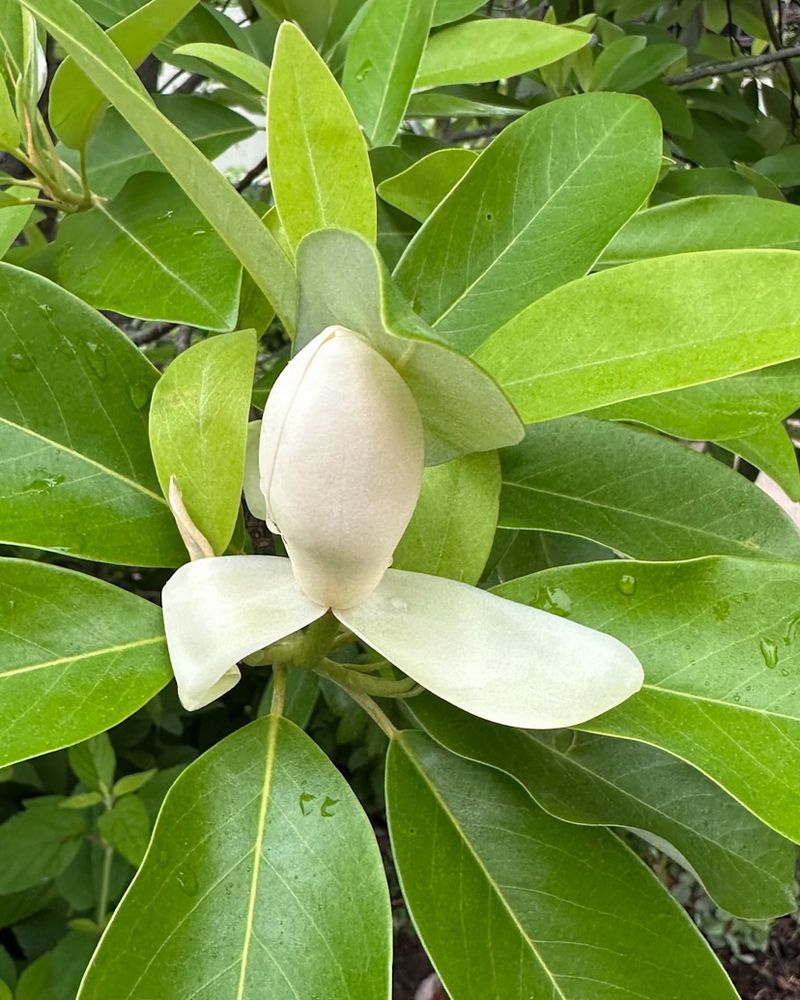
There is something almost magical about a Sweetbay Magnolia in full bloom, with its creamy white, lemon-scented flowers opening up against a backdrop of glossy green leaves with silvery undersides.
Native to Georgia and common in wet lowland areas throughout the state, this elegant shrub or small tree brings both beauty and serious height to a privacy planting.
It can reach fifteen to twenty feet tall in Georgia, creating a tall, graceful screen that feels more like a living wall than a simple hedge.
Sweetbay Magnolia is semi-evergreen across most of Georgia, holding its leaves well into winter and sometimes keeping them year-round in the warmer southern parts of the state.
That semi-evergreen habit gives you solid coverage for most of the year, with only a brief window of reduced density in late winter before new growth fills back in.
The fragrance from the summer blooms is an unexpected bonus that makes spending time in your yard even more enjoyable.
This shrub performs especially well in moist or wet areas where other privacy plants might struggle, making it perfect for low spots or rain gardens in Georgia yards. It also attracts pollinators and birds, adding ecological value beyond just looking good.
Unlike Chinese privet, Sweetbay Magnolia has a graceful, non-aggressive growth habit that respects its boundaries.
For tall, fragrant, native privacy screening in Georgia, few shrubs match the structure and charm that Sweetbay Magnolia brings to the landscape.
5. Virginia Sweetspire Forms A Full Low Growing Hedge
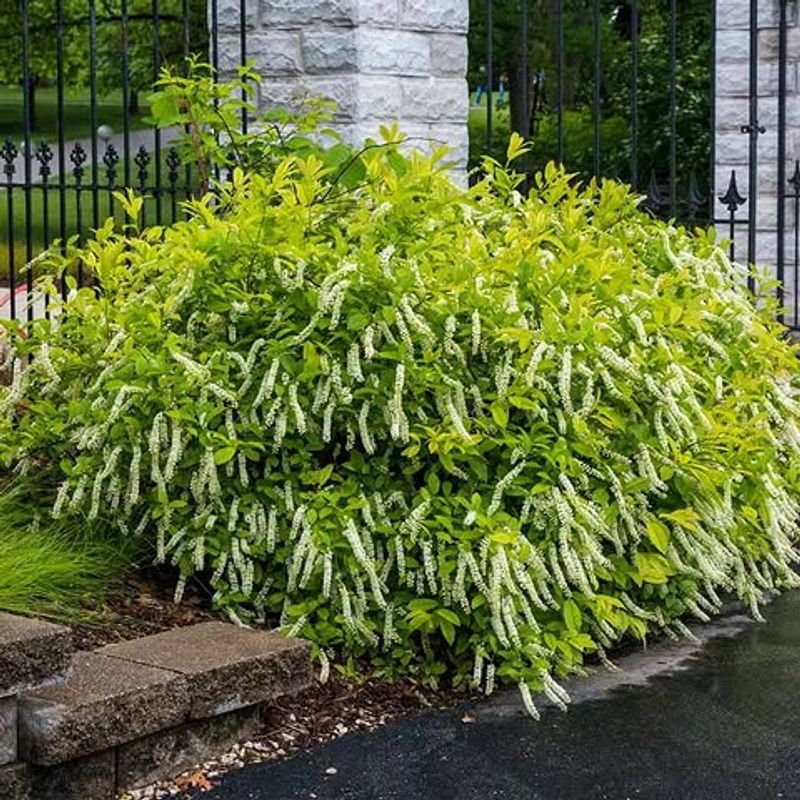
Virginia Sweetspire is the kind of shrub that earns its place in a Georgia garden by doing everything right across all four seasons.
In late spring and early summer, it covers itself in drooping, fragrant white flower spikes that look like tiny bottlebrushes and attract butterflies and bees by the dozen.
Then fall arrives and the show gets even better, with leaves turning brilliant shades of red, orange, and burgundy that rival any ornamental shrub on the market.
Growing three to five feet tall and spreading just as wide through gentle suckering, Virginia Sweetspire forms a full, rounded hedge that works beautifully along borders, walkways, and low fences across Georgia properties.
It handles shade better than most privacy shrubs, making it a strong choice for spots under trees or along north-facing walls where other plants tend to thin out and struggle.
The spreading habit fills in gaps over time, creating a solid, knee-to-waist-high screen without any aggressive behavior.
Virginia Sweetspire thrives in moist soils and tolerates wet conditions that would stress many other shrubs, which is great news for Georgia gardeners dealing with poorly drained spots in the yard. It requires almost no maintenance once established, needing only occasional shaping to stay tidy.
Birds and insects rely on it for food and shelter, making it a genuinely productive addition to any Georgia landscape. For low-growing, four-season beauty with real ecological value, Virginia Sweetspire delivers consistently.
6. Oakleaf Hydrangea Builds A Wide Natural Privacy Border
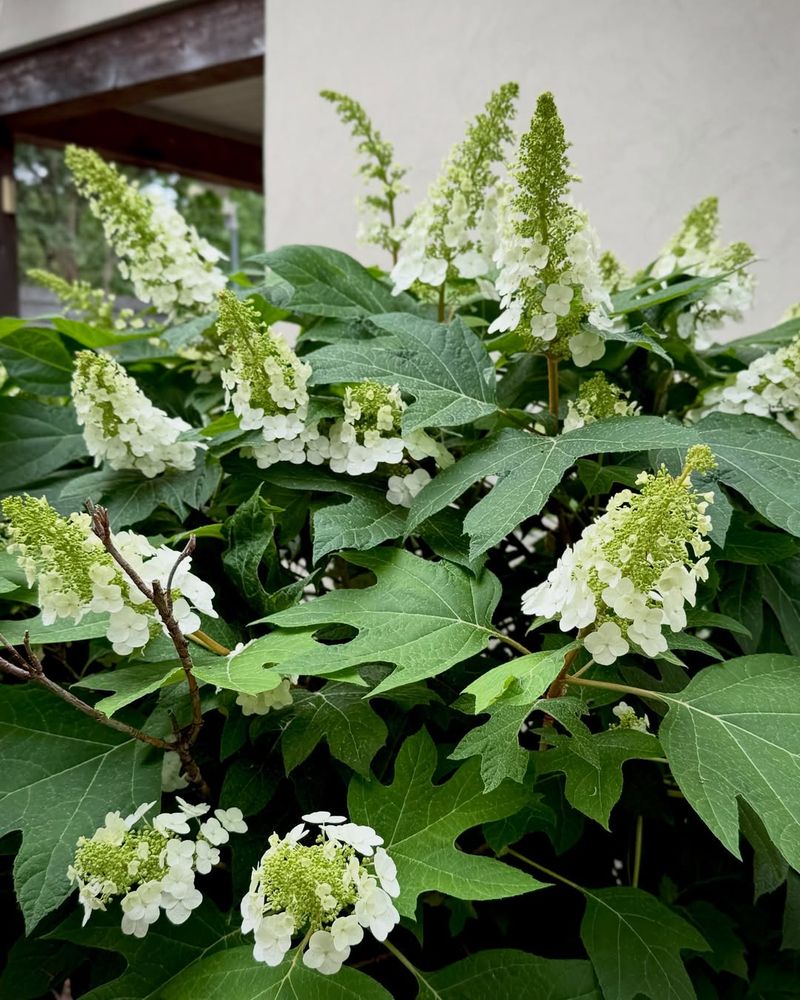
Bold, beautiful, and built for Georgia’s climate, Oakleaf Hydrangea is one of the most striking native shrubs you can use to create a wide privacy border.
Named for its large, deeply lobed leaves that resemble oak leaves, this shrub grows six to eight feet tall and often just as wide, forming a substantial, full-bodied screen that commands attention in any landscape.
The massive white cone-shaped flower clusters that appear in early summer are some of the most dramatic blooms you will see on any native shrub in the Southeast.
As summer fades, those white flowers age to shades of pink and tan, adding months of visual interest even after the initial bloom is finished. Fall brings another wave of color when the leaves turn deep red, orange, and burgundy before dropping for winter.
Even in winter, the peeling cinnamon-brown bark and persistent dried flower heads give Oakleaf Hydrangea a sculptural quality that keeps your Georgia yard looking interesting year-round.
Plant a row of Oakleaf Hydrangeas along a property line or the back of a garden bed and watch them fill in to create a wide, layered privacy border over two to three seasons.
They perform best in partial shade with moist, well-drained soil, which is easy to find across much of Georgia’s Piedmont and mountain regions.
Unlike Chinese privet, Oakleaf Hydrangea supports pollinators, birds, and native insects without spreading aggressively. For a wide, dramatic privacy border with year-round appeal, this Georgia native is an outstanding choice.
7. Arrowwood Viburnum Creates A Dense Multi Stem Screen
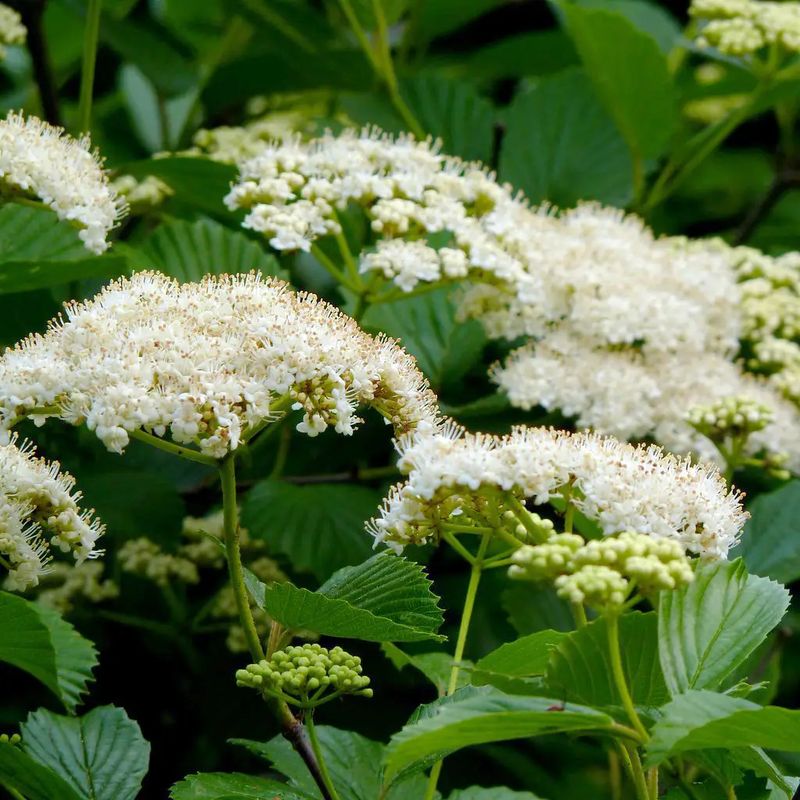
Arrowwood Viburnum has been growing quietly along Georgia’s woodland edges and stream banks for thousands of years, and it turns out it is one of the best-kept secrets in native privacy screening.
This multi-stemmed shrub grows six to ten feet tall with an upright, densely branched form that creates a solid visual barrier along property lines, driveways, and back fences.
Spring brings flat-topped clusters of white flowers that pollinators love, followed by clusters of dark blue-black berries in late summer that birds cannot resist.
The fall foliage is another strong selling point, with leaves turning shades of red, orange, and purple that make a Georgia yard look like it belongs on a magazine cover.
Arrowwood Viburnum is one of the most deer-resistant native shrubs available, which is a real advantage for Georgia properties near wooded areas where deer pressure can be heavy.
Once established, it handles drought, clay soil, and partial shade without losing its dense, full form. Planting Arrowwood Viburnum in a staggered row creates a multi-layered screen that provides excellent coverage from ground level up to about ten feet.
It spreads slowly through root suckers, gradually thickening the hedge over time without becoming invasive or unmanageable.
Unlike Chinese privet, which outcompetes and displaces native plants across Georgia, Arrowwood Viburnum fits naturally into the ecosystem and supports dozens of native bird and insect species.
For a dense, wildlife-rich, multi-season privacy screen, Arrowwood Viburnum is a genuinely smart choice for Georgia gardeners.
8. Farkleberry Grows Thick And Works Well For Natural Privacy
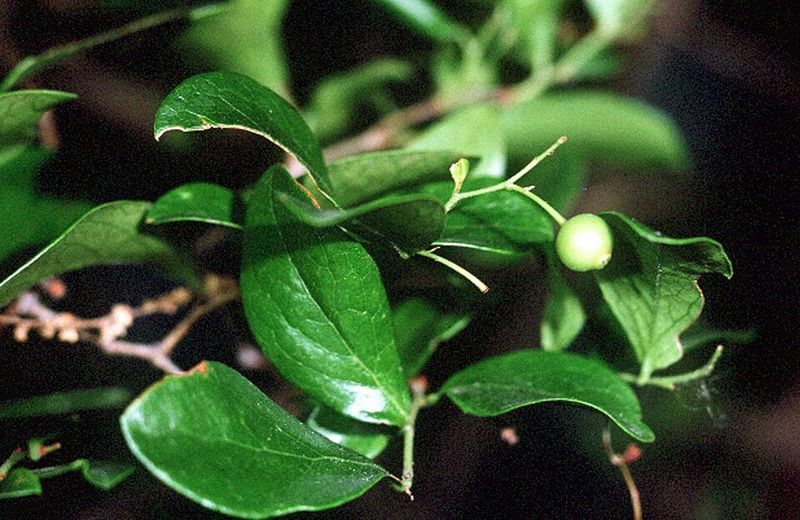
Not many people have heard of Farkleberry, but Georgia gardeners who discover it tend to become instant fans.
This native shrub, sometimes called Tree Sparkleberry, is a wild relative of blueberries and huckleberries that grows naturally across Georgia’s sandy coastal plains, upland forests, and rocky ridges.
It develops a wonderfully gnarled, thick branching structure over time, creating a dense, almost impenetrable screen that works beautifully as a natural privacy planting.
Farkleberry grows slowly but steadily, eventually reaching six to twelve feet tall with a multi-stem, spreading form that fills horizontal space as effectively as it adds height.
In spring, small white bell-shaped flowers dangle from the branches in clusters, attracting native bees and other pollinators.
By late summer, those flowers give way to small, dark purple-black berries that birds and wildlife feast on through fall and into winter across Georgia.
One of Farkleberry’s best qualities is its toughness in poor soils. It actually prefers well-drained, acidic, low-fertility soils that many other shrubs would struggle in, making it perfect for challenging spots in Georgia yards where nothing else seems to thrive.
The semi-evergreen to deciduous foliage turns attractive shades of red and orange in fall, adding seasonal color to your privacy planting. Unlike Chinese privet, Farkleberry poses zero threat to Georgia’s natural areas and actively supports native wildlife.
For a rugged, wildlife-friendly, and genuinely unique privacy shrub, Farkleberry is absolutely worth planting in Georgia.