Plant These Native Perennials For A Thriving Missouri Garden
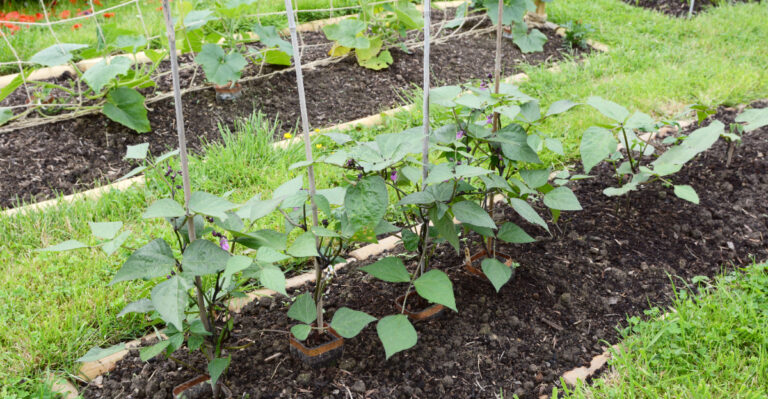
Last spring, I watched my neighbor rip out half his garden after yet another frost destroyed his fancy imports. Meanwhile, my native perennials shrugged off the cold snap like it was nothing.
Missouri’s weather is moody, unpredictable, and frankly a bit dramatic. But native perennials?
They are built for this chaos, thriving without the fuss, expense, or heartbreak of babying delicate plants that never stood a chance. They don’t need fancy fertilizers or constant attention, and they come back year after year with resilience that feels almost rebellious.
Watching them flourish while his imported flowers struggled was oddly satisfying, a quiet reminder that nature knows best.
1. Golden Alexanders
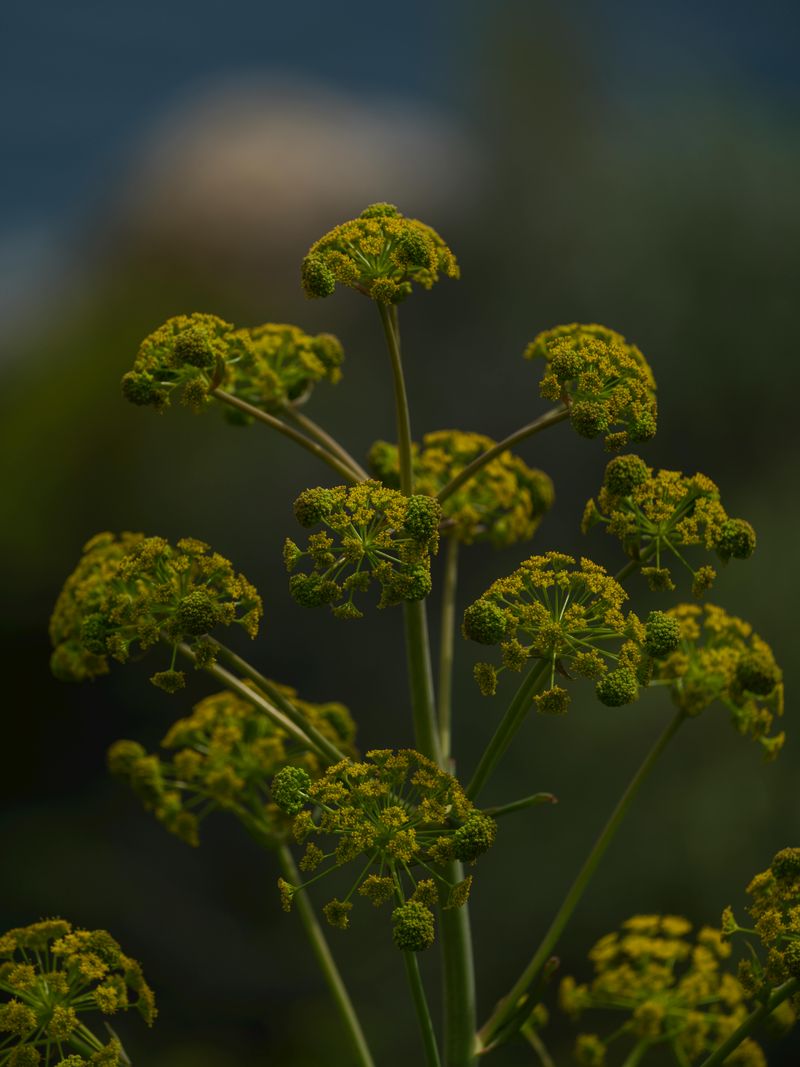
Picture tiny yellow fireworks exploding across your garden in early spring. Golden Alexanders burst into bloom just when everything else is still yawning awake, turning boring April corners into cheerful celebrations.
I planted mine three years ago near my mailbox, and now the butterflies treat it like an all-you-can-eat buffet.
This Missouri native stands about two feet tall with delicate umbrella-shaped flower clusters that practically glow in morning light. The flowers attract black swallowtail butterflies, which lay their eggs on the leaves.
Sure, caterpillars munch the foliage, but watching those striped babies transform into stunning butterflies beats perfection any day.
Golden Alexanders tolerate part shade beautifully, making them perfect for those tricky spots under trees where nothing else cooperates.
My neighborhood has more deer than people, and these plants remain untouched while everything else gets nibbled. They prefer moist soil but handle average conditions just fine once established.
Plant them in groups of three or five for maximum impact. Solo plants look lonely and forgettable, but clusters create that wow factor without trying too hard.
Golden Alexanders pair beautifully with columbines, creating spring combinations that look professionally designed despite zero effort on your part.
2. Blue Flag Iris
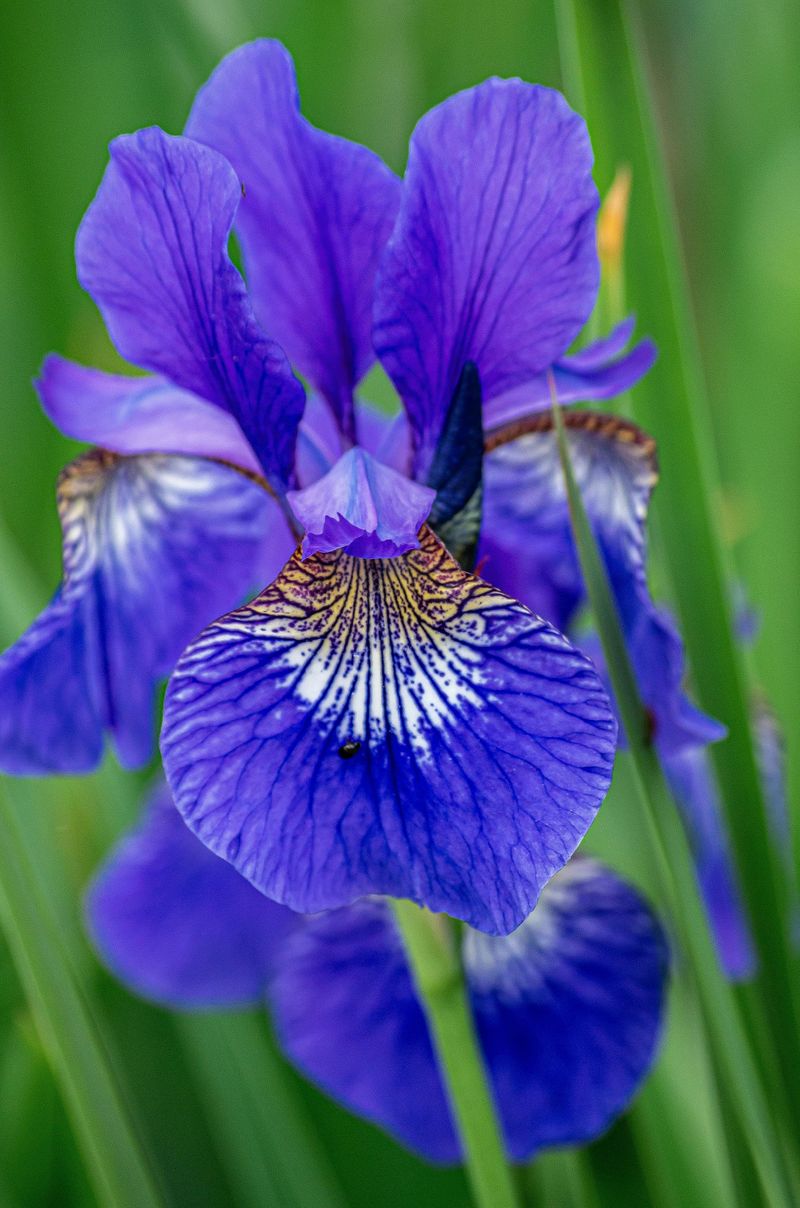
Nothing says “Missouri wetland elegance” quite like Blue Flag Iris strutting its purple petals beside a pond. These showstoppers bloom in late spring, flaunting royal purple flowers with intricate yellow markings that look hand-painted.
My aunt grows them along her drainage ditch, proving that problem areas can become garden highlights with the right plants.
Blue Flag Iris loves water more than a kid loves summer vacation.
Boggy spots, pond edges, rain gardens…anywhere consistently moist makes this native perennial ridiculously happy.
Each plant produces multiple blooms on stems reaching two to three feet tall. The flowers last about a week individually, but buds keep opening in succession, extending the show considerably.
Hummingbirds occasionally visit, though butterflies seem less interested compared to other natives.
Blue Flag Iris roots actually help filter water, removing excess nutrients and improving water quality naturally. They’re basically unpaid environmental workers, cleaning up while looking gorgeous.
That’s multitasking at its finest.
These iris spread through rhizomes but remain manageable, unlike some aggressive spreaders that take over entire counties. Division every few years keeps clumps vigorous and blooming abundantly.
Your Illinois Garden Changes Every Week. Your Plan Should Too.
Gardening in Illinois changes quickly throughout the season. Every Friday you’ll receive a simple weekly plan showing exactly what to plant, prune, fertilize, harvest, and protect so you never miss the right timing.
They tolerate full sun to part shade, adapting to whatever conditions your wet spot offers.
Fair warning: all parts are toxic if eaten, so keep curious pets and toddlers away.
But honestly, most people aren’t tempted to snack on iris rhizomes anyway. Just enjoy the beauty without tasting it.
3. Cardinal Flower
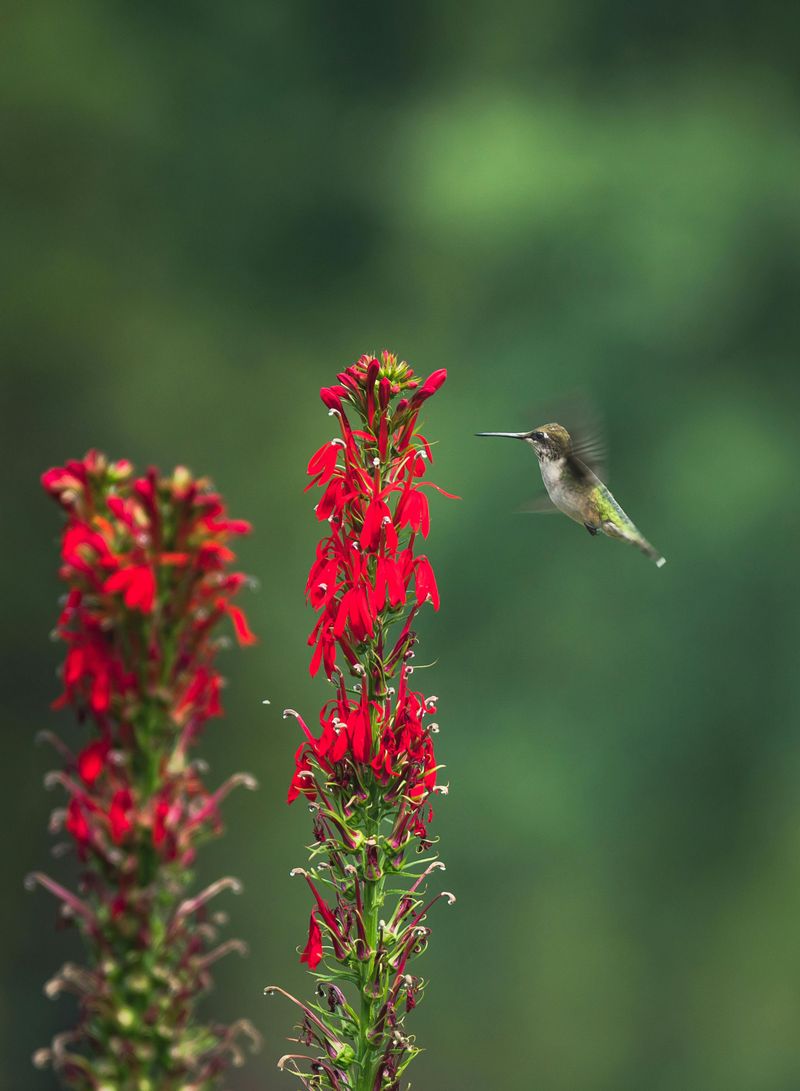
Bright red. Cardinal Flower doesn’t whisper, it screams for attention and totally earns every bit.
These tall spikes of tubular scarlet blooms transform late summer gardens into hummingbird magnets and watching those tiny helicopters zoom around makes every gardening challenge worthwhile.
I planted Cardinal Flowers along my creek three summers ago.
Within weeks, hummingbirds discovered them and now return faithfully every August.
The flowers bloom on three to four-foot spikes, creating dramatic vertical accents that photograph beautifully. Each tubular bloom opens sequentially from bottom to top, keeping the show going for weeks.
This Missouri native craves moisture and tolerates wet feet better than most perennials.
Stream banks, rain gardens, or consistently watered beds suit them perfectly. They’ll survive in average soil if you’re diligent about watering, but why fight nature when plenty of moist spots need beautifying?
Cardinal Flowers are technically short-lived perennials, often lasting only two or three years. But they self-seed reliably, ensuring new generations replace older plants naturally.
Some folks consider them biennials or even annuals, but that’s splitting hairs when they keep reappearing regardless.
Part shade works best in Missouri, protecting plants from scorching afternoon sun. Morning sun with afternoon shade creates ideal conditions.
The foliage forms attractive rosettes when not blooming, staying neat and tidy unlike some perennials that collapse into floppy messes.
Pair them with ferns for textural contrast that emphasizes those stunning red spikes even more dramatically.
4. Columbine
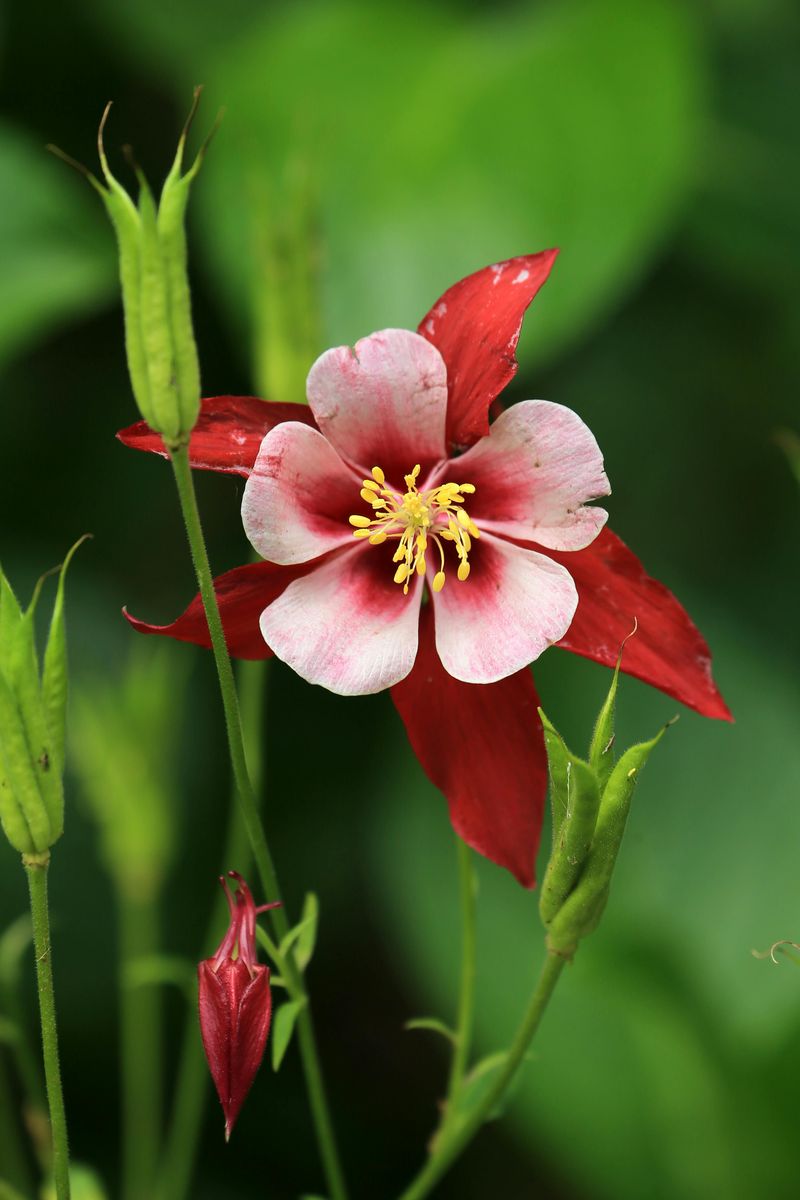
Columbine flowers dangle like tiny lanterns, nodding on delicate stems as if sharing secrets with the ground below. The red and yellow blooms look almost whimsical, with backward-pointing spurs that hummingbirds absolutely adore.
My first Columbine appeared mysteriously three years ago, probably bird-planted, and now its offspring brighten shady corners throughout my yard.
Missouri’s native Eastern Red Columbine blooms in mid to late spring, bridging that awkward gap between early bulbs and summer perennials.
Plants reach about two feet tall with airy, blue-green foliage that resembles delicate lace.
Even after blooming finishes, that foliage remains attractive and mound-forming, never looking ratty or desperate.
These shade-lovers thrive under trees where grass struggles and most flowers sulk. Dappled sunlight suits them perfectly, though they tolerate more sun if moisture stays consistent.
Drought doesn’t devastate established Columbines, but they might go dormant during extended dry spells, returning when conditions improve.
If the marked leaves bother you, just cut them off and fresh growth appears quickly.
Columbines self-seed enthusiastically, popping up in surprising locations throughout your garden.
Some gardeners find this annoying, but I consider it free plants appearing exactly where they want to grow. Nature often makes better design decisions than we do anyway.
Hummingbirds visit Columbine flowers constantly during peak bloom.
Position plants where you’ll enjoy watching through windows, creating your own personal nature documentary.
5. Missouri Primrose
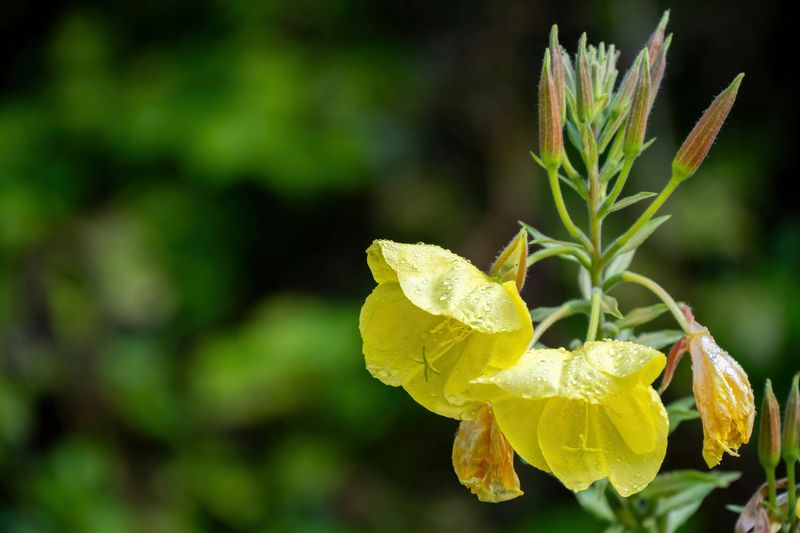
Imagine lemon-yellow flowers the size of coffee mugs carpeting your sunny garden. Missouri Primrose delivers exactly that spectacle, blooming prolifically from late spring through summer with cheerful abandon.
These natives spread enthusiastically, some might say aggressively but in tough, dry spots where nothing else survives, that determination becomes pure gold.
Each flower opens in late afternoon and lasts through the following morning, attracting sphinx moths for evening entertainment. Watching those hovering moths visit flowers at dusk feels magical, like witnessing secret garden parties most people miss.
By noon, flowers fade, but new buds open continuously, keeping the show running for months.
Missouri Primrose tolerates heat, drought, poor soil, and general neglect better than practically any perennial I’ve grown. My patch thrives in gravelly soil beside my driveway where summer temperatures could fry eggs.
Zero supplemental water, zero fertilizer, zero complaints, just endless cheerful blooms that refuse to quit.
This native grows about six to twelve inches tall but spreads widely through underground rhizomes.
The sprawling habit makes Missouri Primrose perfect for erosion control on slopes or banks.
Those aggressive roots hold soil firmly while providing beauty simultaneously.
Talk about working smarter, not harder.
Butterflies and bees visit during morning hours, adding pollinator appeal to the package.
The foliage sometimes develops reddish tints in fall, extending seasonal interest beyond peak bloom time. For tough sites needing tough plants, Missouri Primrose absolutely delivers without drama or diva behavior.
6. Swamp Milkweed
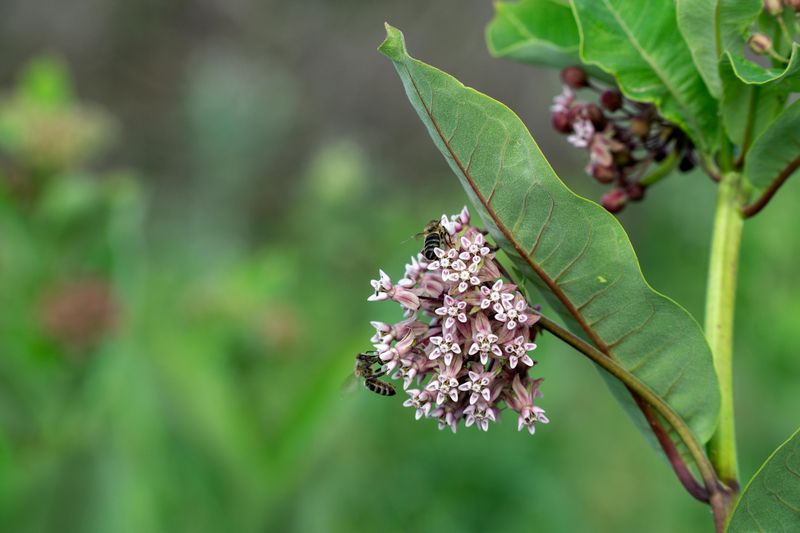
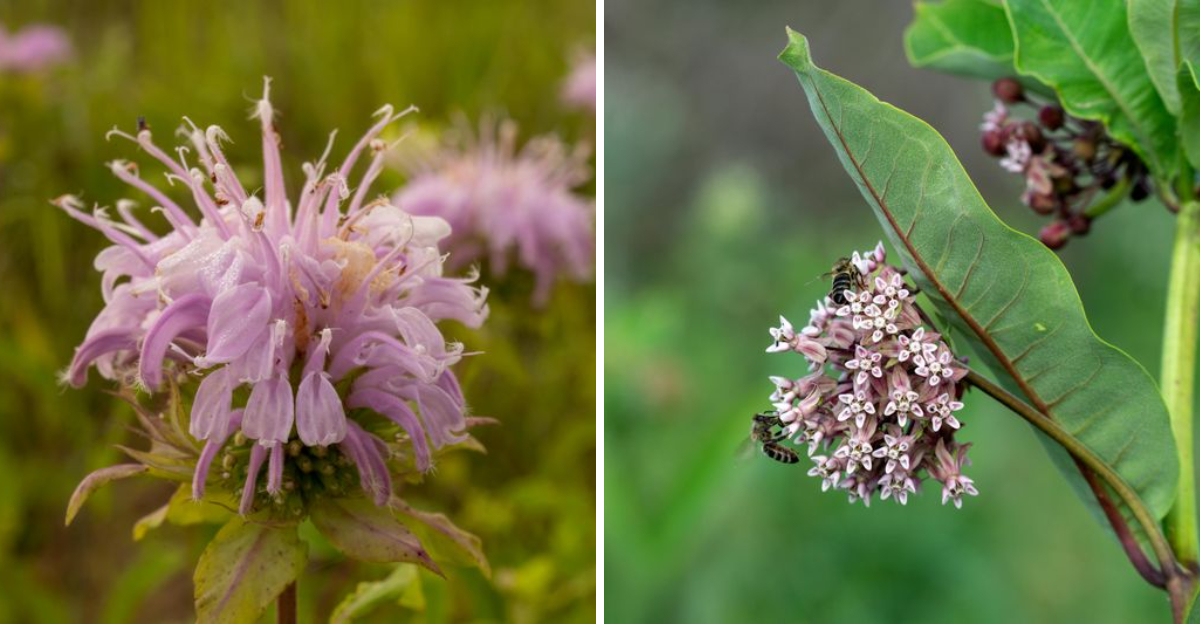
Pink pompoms of fragrance floating above glossy green leaves, Swamp Milkweed brings cottage garden charm to wet areas most plants despise.
Those vanilla-scented flower clusters attract monarchs like magnets, making this native essential for anyone supporting butterfly populations.
I’ve counted fifteen monarchs on my patch simultaneously during peak migration, and honestly, that sight alone justifies every gardening effort.
Despite its swampy name, this milkweed adapts surprisingly well to average garden soil once established. Sure, it prefers moisture, but mine survive regular conditions with occasional watering during extreme drought.
They grow three to four feet tall with sturdy stems that rarely need staking, unlike some floppy perennials requiring constant propping.
The pink flowers bloom throughout summer, providing consistent nectar sources when many spring bloomers have finished.
That extended bloom period makes Swamp Milkweed invaluable for maintaining continuous pollinator support. Plus, the flowers work beautifully in cut arrangements, lasting longer than you’d expect.
Monarch caterpillars munch the foliage enthusiastically, sometimes stripping plants nearly bare.
Before you panic, know that Swamp Milkweed rebounds quickly, regrowing leaves throughout the season. Those hungry caterpillars transform into magnificent butterflies, making temporary defoliation absolutely worthwhile.
Seed pods develop in late summer, splitting open to release silky-tufted seeds that float gracefully away. Kids love watching this natural magic, and honestly, adults find it pretty mesmerizing too.
Some gardeners remove pods before they open, preventing unwanted seedlings, but I let nature handle dispersal naturally.
Swamp Milkweed spreads moderately through rhizomes but never becomes aggressively invasive like some milkweed species.
The clumps expand slowly, filling space without overtaking neighboring plants.
Pair them with Joe Pye weed for stunning late-summer combinations that butterflies adore.
7. Black Eyed Susan
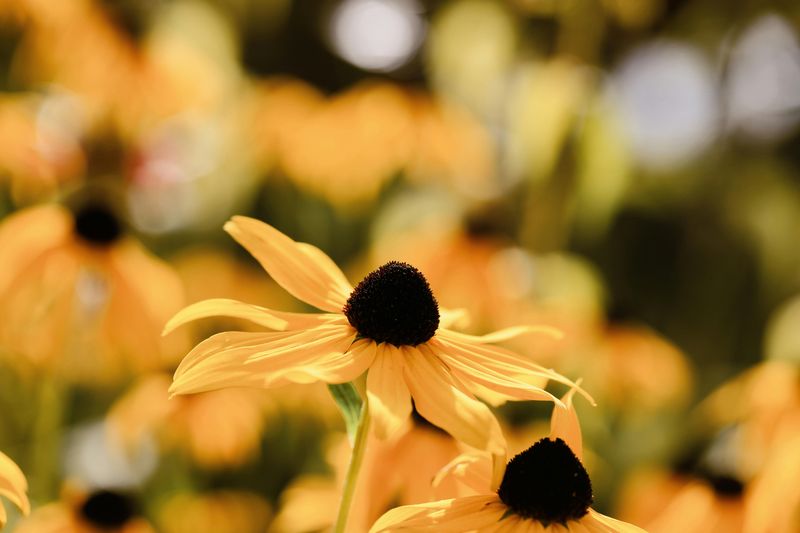
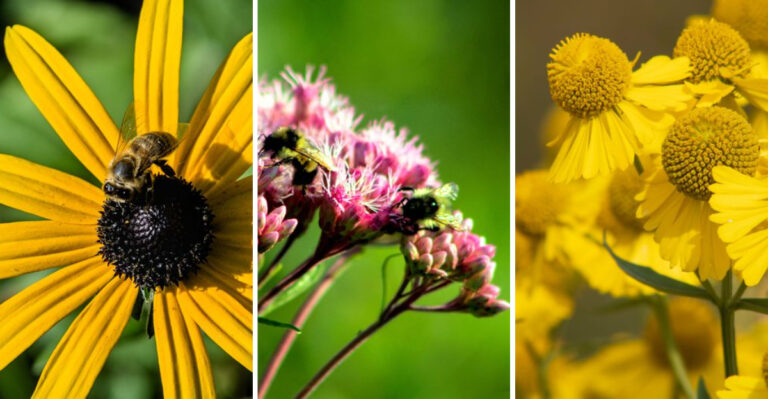
Sunshine personified. That’s Black Eyed Susan.
These cheerful golden daisies with chocolate-brown centers bloom relentlessly through summer heat that wilts lesser plants.
I scattered seeds along my fence five years ago, and now self-seeded volunteers appear throughout my garden like happy surprises, blooming their hearts out every summer.
Black Eyed Susans grow two to three feet tall, creating substantial presence without overwhelming smaller neighbors. The flowers bloom for months, starting midsummer and continuing until frost finally ends the party.
Goldfinches devour seeds in fall, perching on dried stems while extracting every last seed, providing entertainment when most gardens look tired.
These Missouri natives tolerate virtually any soil: clay, sand, rocky, poor and laugh at drought once established.
Full sun suits them best, though they manage light shade reasonably well.
Zero fertilizer needed, minimal water required, and pests generally ignore them completely.
That’s low-maintenance royalty right there.
The stems stay sturdy even during summer storms, rarely flopping or requiring staking.
Cut flowers last over a week in arrangements, bringing that sunny disposition indoors.
Removing spent blooms encourages additional flowering, but honestly, deadheading isn’t mandatory since they bloom so prolifically anyway.
Black Eyed Susans self-seed enthusiastically, which some gardeners love and others tolerate.
Pollinators adore these flowers. Bees, butterflies, and various beneficial insects visit constantly throughout the day.
Plant them anywhere needing bright, reliable color with zero drama.
They combine beautifully with prairie grasses, creating classic prairie combinations that photograph gorgeously while supporting local ecosystems effortlessly.
8. Wild Bergamot
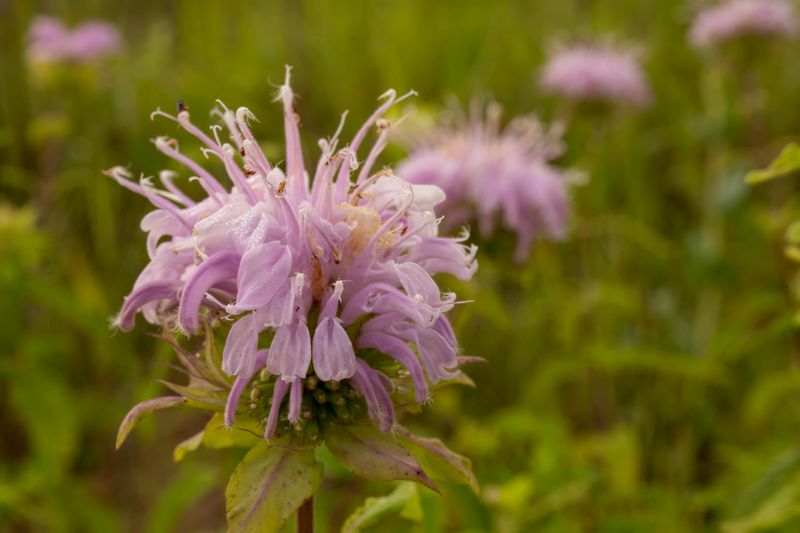
Crush a Wild Bergamot leaf and suddenly you’re surrounded by minty citrus perfume that clears sinuses and lifts spirits simultaneously.
These lavender pink pom-pom flowers look slightly disheveled, like they just rolled out of bed, but that tousled charm attracts more pollinators than any perfectly groomed hybrid.
Hummingbirds, butterflies, and bees mob the blooms while you enjoy the aromatherapy benefits just walking past.
Wild Bergamot thrives in full sun and average to dry soil, making it perfect for those sunny spots that bake all summer. Plants grow three to four feet tall with square stems typical of the mint family.
The flowers bloom throughout midsummer, creating drifts of soft color that complement brighter perennials without competing.
This native spreads through rhizomes but remains manageable with occasional division.
Some gardeners worry about aggressive spreading, but honestly, Wild Bergamot behaves itself compared to true thugs like chameleon plant.
Just divide clumps every few years and share extras with neighbors.
Powdery mildew sometimes affects foliage late in the season, creating that dusty white appearance mint-family plants get.
Good air circulation helps prevent it, though the issue rarely impacts plant vigor significantly.
If it bothers you aesthetically, cut plants back after blooming and fresh foliage emerges.
Indigenous people used Wild Bergamot medicinally for centuries, brewing leaves into tea for various ailments.
While I’m not suggesting you start wildcrafting medicines, knowing plants have cultural significance adds depth to your garden beyond mere decoration.
Wild Bergamot pairs beautifully with Black Eyed Susan and prairie grasses, creating naturalized plantings that look effortlessly elegant.
The minty foliage repels deer reasonably well, making these natives useful in areas where Bambi treats gardens like salad bars.
For tough, fragrant, pollinator-friendly beauty, Wild Bergamot absolutely delivers without demanding constant attention.