13 Long Blooming Perennials That Give North Carolina Gardens Nonstop Color
Color that fades after two weeks is one of the most common disappointments in a perennial garden. You plan around a plant, give it a good spot, and then spend the rest of the season looking at foliage while waiting for something that already finished.
North Carolina’s long growing window makes this frustration feel even more unnecessary, because the right perennials have months of warm weather to work with and the ones that take full advantage of it are out there.
Long blooming varieties are not a compromise on quality either. Several of the most visually striking perennials available to North Carolina gardeners also happen to bloom from late spring straight through fall without much encouragement.
Heat tolerance, humidity resistance, and reliable repeat flowering are what set this group apart from the average perennial that peaks and disappears.
These thirteen plants were chosen because they stay in active bloom longer than most and keep North Carolina gardens looking full and colorful from one end of the season to the other.
1. Black-Eyed Susan (Rudbeckia hirta)
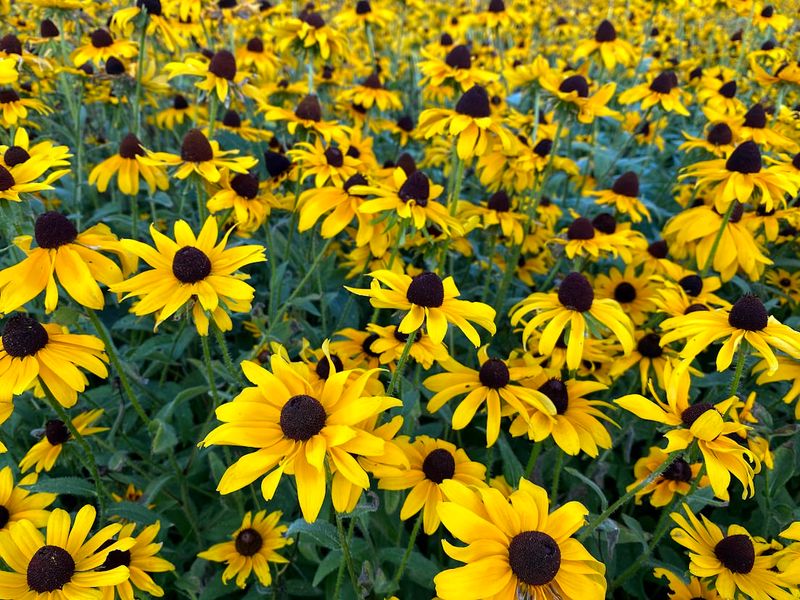
Few flowers shout summer louder than the cheerful golden blooms of Black-Eyed Susan. This native North Carolina wildflower brings bold color to the garden from midsummer all the way into early fall, and it does it without demanding much from you at all.
The bright yellow petals surrounding a rich dark center are instantly recognizable and endlessly cheerful.
Once established, Black-Eyed Susan handles the heat and humidity of a North Carolina summer without skipping a beat. It grows well in average or even poor soil, as long as drainage is decent.
Overwatering or overly rich soil can actually cause it to flop, so resist the urge to pamper it too much.
Planting it in full sun is the key to getting the best and longest bloom. Deadheading spent flowers encourages more blooms, though leaving some seed heads at the end of the season feeds birds through winter.
This plant spreads naturally over time, filling in gaps and creating a warm, golden drift of color that looks stunning alongside purple coneflower. North Carolina gardeners who want a low-effort, high-reward perennial will find this one hard to beat year after year.
2. Purple Coneflower (Echinacea purpurea)
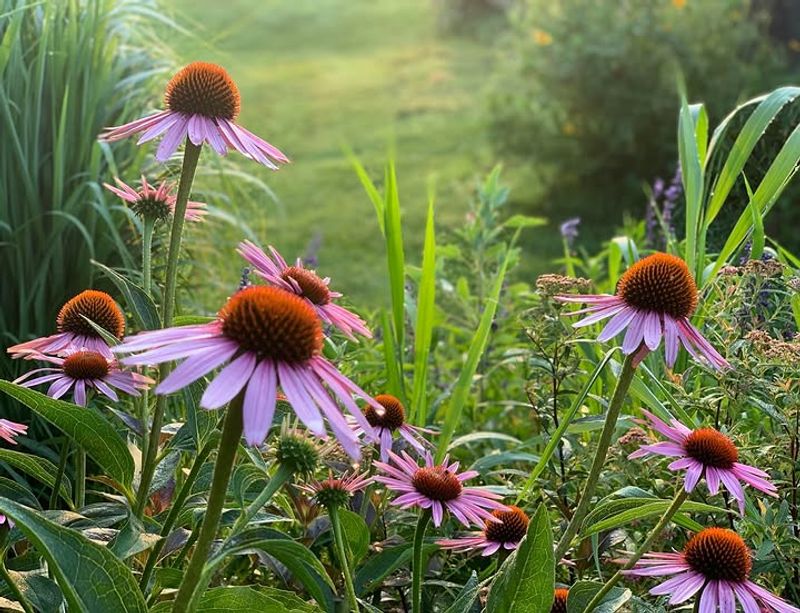
Purple Coneflower is one of those plants that earns its place in the garden ten times over.
Native to the eastern United States and completely at home in North Carolina, it blooms generously through the summer months with large, rosy-purple flowers that butterflies and bees simply cannot resist.
The bold cone-shaped centers give it a sculptural look that holds up beautifully even as individual flowers age.
Removing spent blooms regularly keeps the plant pumping out new flowers for a longer season. If you leave a few seed heads standing toward the end of summer, goldfinches will flock to them and put on a show of their own.
The plant handles North Carolina heat well and thrives in full sun with average, well-drained soil.
One of the best things about Purple Coneflower is how easy it is to combine with other perennials. It pairs brilliantly with Black-Eyed Susan, ornamental grasses, and Salvia for a layered, pollinator-friendly planting.
Your North Carolina Garden Changes Every Week. Your Plan Should Too.
Gardening in North Carolina changes quickly throughout the season. Every Friday you’ll receive a simple weekly plan showing exactly what to plant, prune, fertilize, harvest, and protect so you never miss the right timing.
Over several years, established clumps grow larger and produce even more flowers, making this a plant that genuinely gets better with age.
For North Carolina gardens looking for reliable summer color with serious wildlife value, Purple Coneflower belongs near the top of every planting list without question.
3. Coreopsis (Coreopsis verticillata)
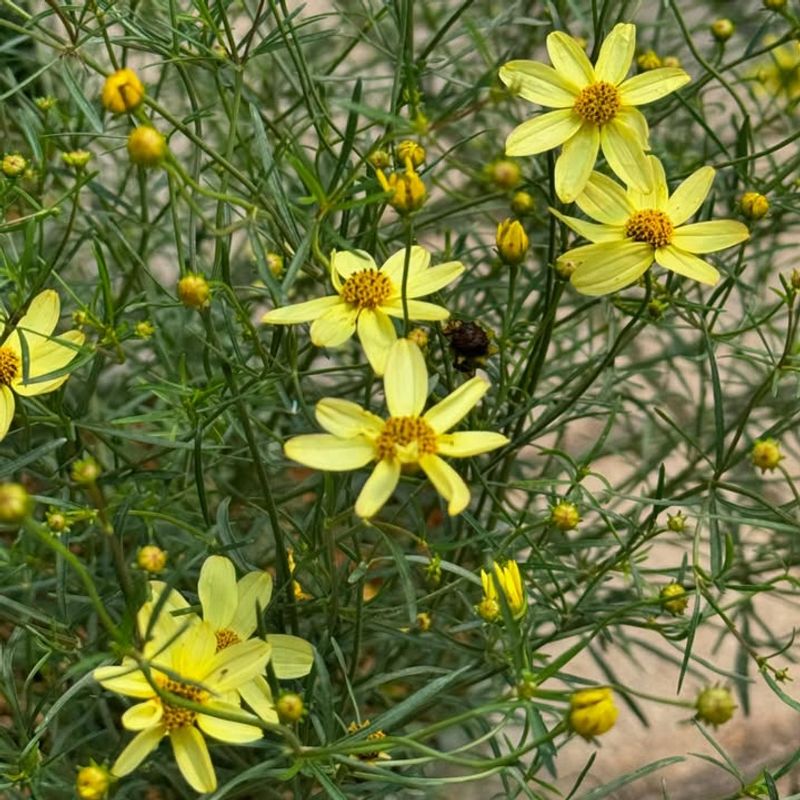
Sunny, cheerful, and almost impossible to ignore, Coreopsis is the kind of plant that makes a garden look professionally designed without much effort at all.
The threadleaf varieties, especially Coreopsis verticillata, produce a cloud of fine, ferny foliage covered in bright yellow blooms from late spring through much of summer.
In North Carolina, where full sun and warm temperatures are plentiful, this plant absolutely thrives.
Good drainage is the most important thing to get right with Coreopsis. It handles drought surprisingly well once established, but soggy or heavy clay soil will cause problems over time.
If your soil tends to hold water, amending with compost or growing Coreopsis in a raised bed makes a noticeable difference in plant health and bloom quality.
Avoid heavy fertilizing, which tends to push leafy growth at the expense of flowers. A light trim after the first big flush of blooms encourages a fresh round of flowering later in the season.
Cultivars like Moonbeam, with its soft pale yellow flowers, and Zagreb, with richer golden tones, are both excellent choices for North Carolina gardens.
Either way, you get weeks of color, strong drought tolerance, and a plant that plays well with almost everything else in the border. Few perennials offer this level of reliable, season-long performance.
4. Garden Phlox (Phlox paniculata)
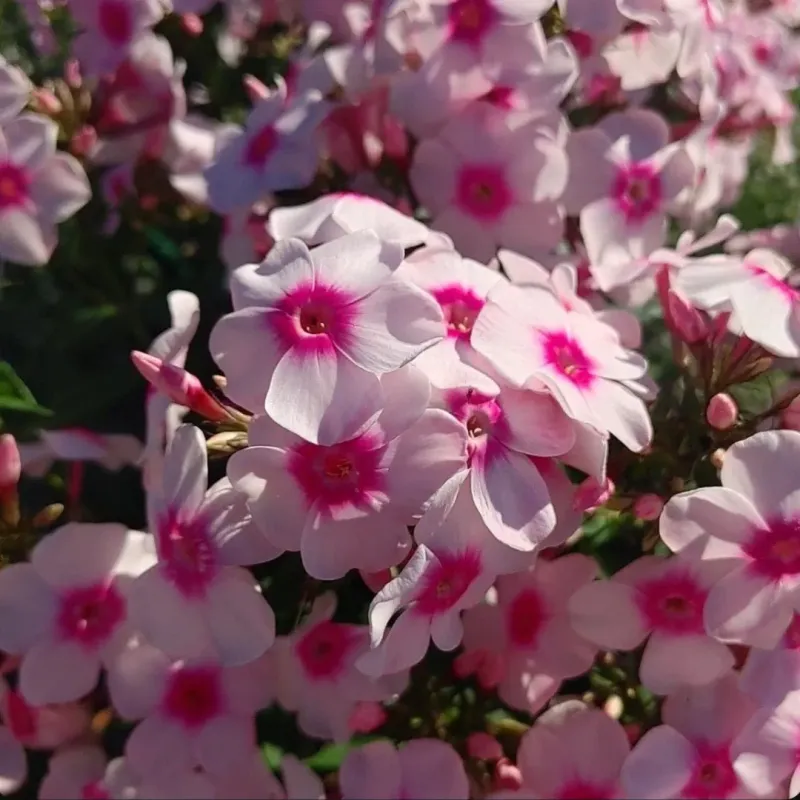
Walk past a blooming clump of Garden Phlox on a warm North Carolina evening and the fragrance alone will stop you in your tracks.
This native perennial sends up tall, upright stems topped with large, dome-shaped flower clusters in shades of pink, white, lavender, and deep magenta throughout summer. It is one of the most visually dramatic perennials you can grow in the region.
Humidity is the main challenge with Garden Phlox in North Carolina, because powdery mildew can show up on the leaves in warm, moist conditions.
Choosing mildew-resistant cultivars like David, a white-flowered variety, or Robert Poore, a rich purple-pink, makes a huge difference in how the plant looks through the season. Good airflow around the plants also helps keep foliage healthy.
Plant Garden Phlox in full sun with moist, well-amended soil for the strongest performance. Dividing clumps every few years keeps plants vigorous and blooming well.
Deadheading spent flower clusters encourages side branches to bloom, extending the overall season noticeably. Hummingbirds and butterflies are strongly attracted to the flowers, adding extra life to the garden.
For gardeners across North Carolina who want tall, fragrant, summer color with real impact, this plant delivers season after season with just a little thoughtful care and the right cultivar selection.
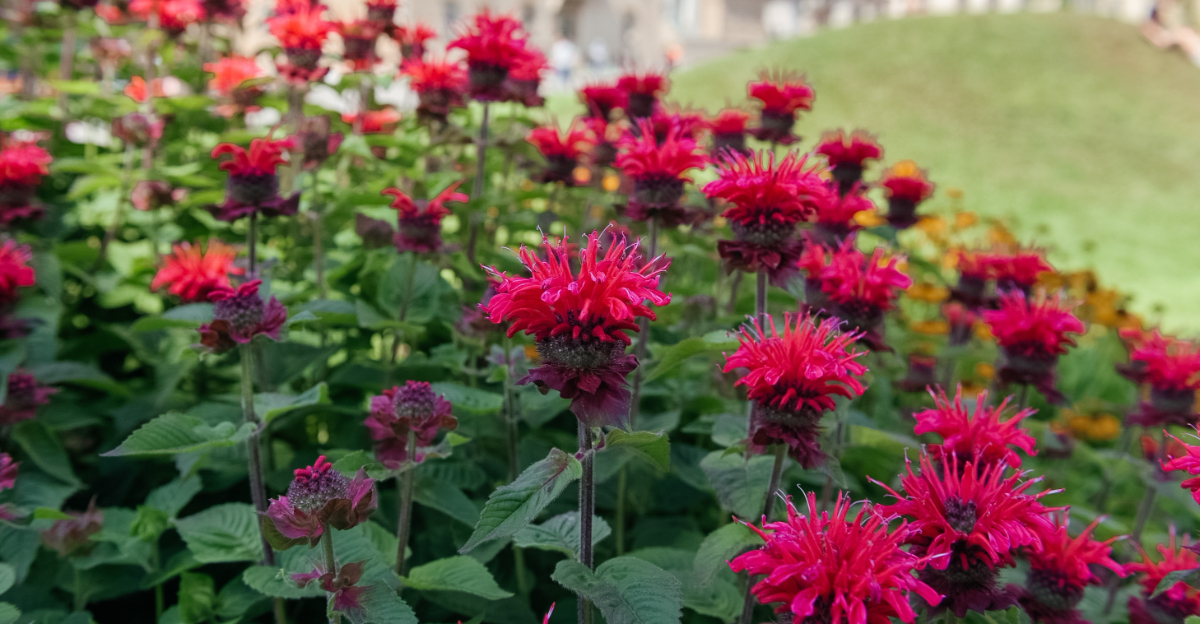
5. Bee Balm (Monarda didyma)
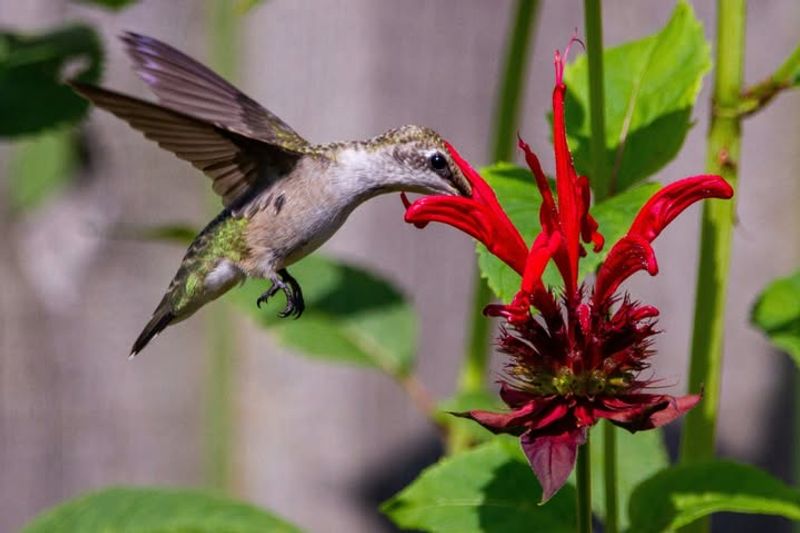
If you want hummingbirds hovering in your garden all summer long, plant Bee Balm and watch what happens.
Monarda didyma produces wild, spiky flowers in shades of red, pink, lavender, and white that hummingbirds, bumblebees, and butterflies find completely irresistible.
Native to eastern North America and right at home in North Carolina, this perennial brings energy and life to any border from early to midsummer.
Powdery mildew is the one challenge that comes with growing Bee Balm in North Carolina’s humid climate. Selecting resistant cultivars like Raspberry Wine, Jacob Cline, or Coral Reef dramatically reduces this issue.
Spacing plants generously and keeping them in a spot with good air circulation also helps foliage stay clean and attractive throughout the season.
Bee Balm grows best in full sun to light shade with consistently moist, well-drained soil. It spreads by underground runners over time, forming wider clumps each year, so plan for a bit of extra space.
Dividing clumps every two to three years keeps the planting healthy and productive. The aromatic foliage adds another layer of sensory interest even when the plant is not in bloom.
North Carolina gardeners who support pollinators will find Bee Balm one of the most rewarding perennials to grow, season after glorious season.
6. Blanket Flower (Gaillardia)
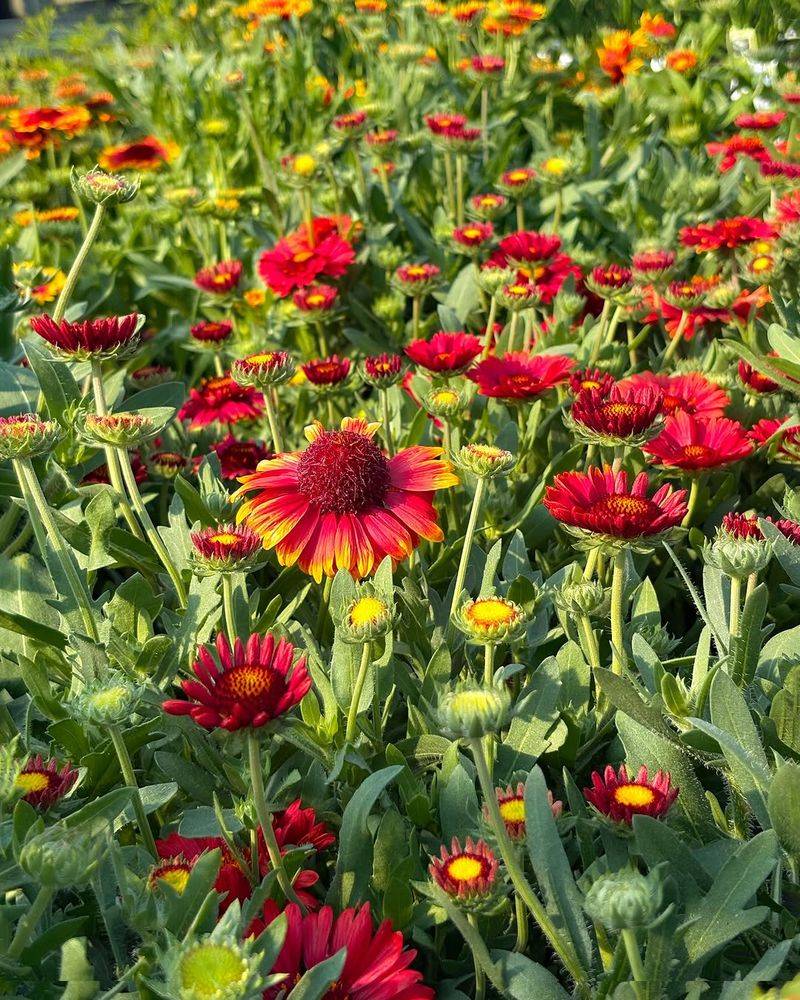
Bold, fiery, and absolutely fearless in the heat, Blanket Flower earns serious respect in North Carolina gardens.
The flowers blaze with combinations of red, orange, and yellow that look like a sunset captured in petal form, and they keep coming from late spring through the first frost if conditions are right.
Few perennials match this level of color output over such a long season. Blanket Flower is built for hot, sunny, well-drained spots, which makes it a natural fit for many North Carolina landscapes. Sandy or loamy soil suits it perfectly.
Heavy clay that stays wet is the one condition it really struggles with, so raised beds or amended planting areas are a smart solution if your soil holds moisture too long after rain.
Avoid fertilizing heavily, since lean soil actually encourages more blooms and stronger plants. Deadheading spent flowers regularly keeps new buds coming at a steady pace.
Some gardeners cut the whole plant back by about one-third in midsummer to refresh the foliage and encourage a strong second flush of blooms in late summer and early fall.
The plants are relatively short-lived perennials, often lasting two to three years, but they self-seed freely enough to maintain a presence in the garden.
Blanket Flower is a genuinely cheerful, heat-tough performer that rewards sunny North Carolina beds with months of stunning color.
7. Threadleaf Bluestar (Amsonia hubrichtii)
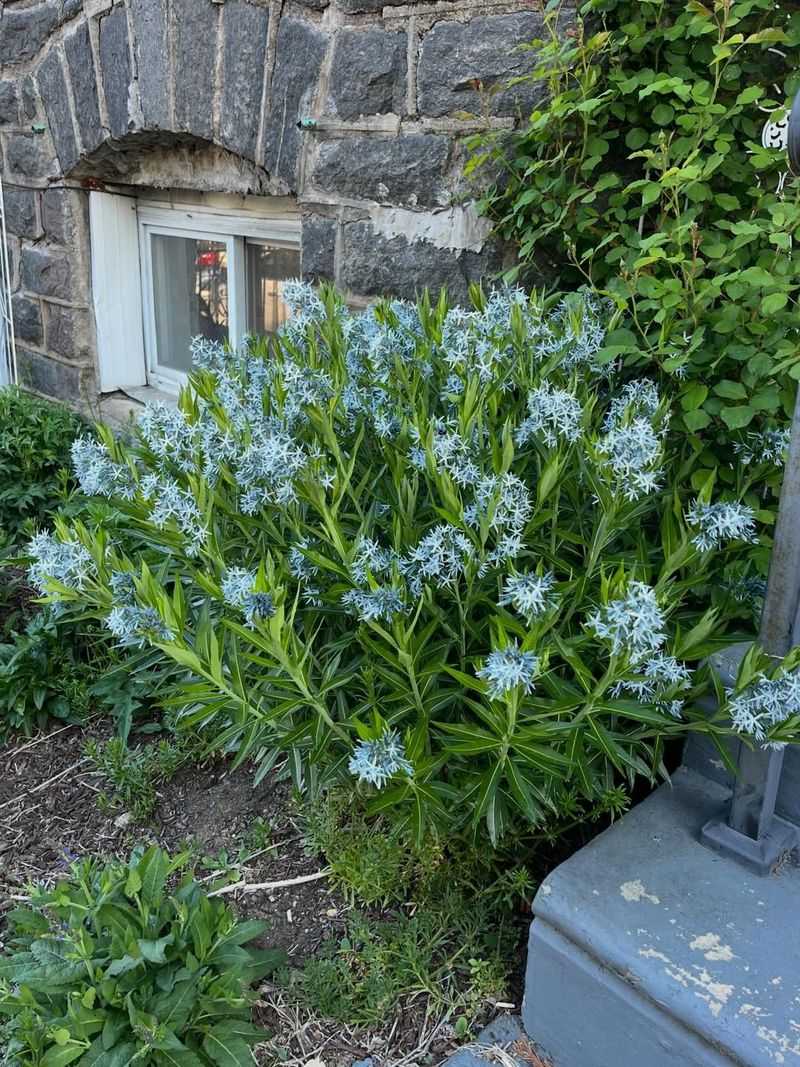
Threadleaf Bluestar might be the most underrated perennial in North Carolina gardening, and that is saying something given how many great plants grow in this region.
In spring, clusters of small, pale blue, star-shaped flowers appear above the emerging foliage, soft and subtle but genuinely lovely. Then the plant shifts into a different kind of beauty entirely as summer arrives.
The real showstopper with Amsonia hubrichtii is the foliage. The leaves are incredibly fine and feathery, creating a texture that looks almost like a soft cloud in the garden border.
Come fall, the entire plant turns a brilliant golden-yellow that rivals the best autumn shrubs. In North Carolina, where fall color can be hit or miss in the garden, this is a serious asset.
Native to the southeastern United States, this plant is well adapted to North Carolina conditions and asks for very little once it settles in. Full sun to light shade and average, well-drained soil are all it really needs.
It rarely needs dividing, does not spread aggressively, and has virtually no serious pest or disease issues. Cutting the stems back by about one-third after flowering keeps the clump tidy and compact through summer.
For gardeners who want three seasons of interest from a single plant, Threadleaf Bluestar is an outstanding and reliable choice.
8. Salvia (Salvia nemorosa)
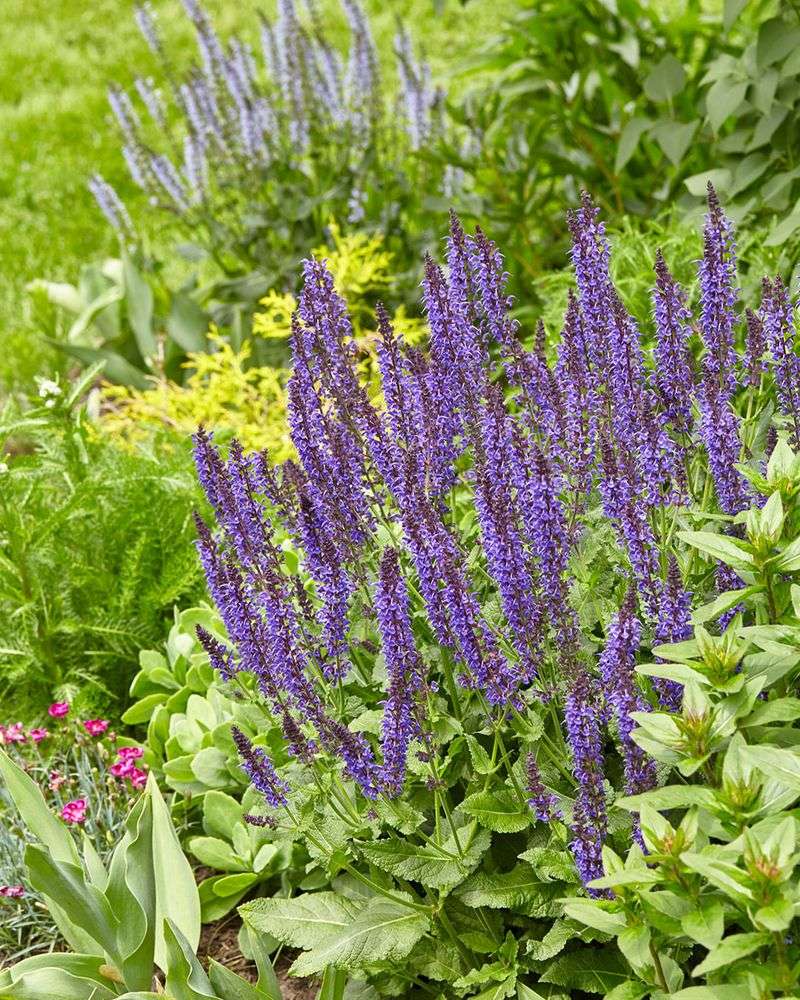
There is something deeply satisfying about a well-grown clump of Salvia nemorosa in full bloom.
The upright spikes of deep violet-blue, lavender, or rose-pink flowers rise cleanly above the foliage in late spring and early summer, creating a strong vertical accent that makes the whole border look more intentional and designed.
Bees are absolutely wild about it from the moment the first flowers open.
After the initial bloom flush finishes, cut the flower spikes back by about half and wait. Within a few weeks, fresh new spikes push up and the whole performance starts again, often carrying color well into summer.
In North Carolina, this rebloom habit is especially valuable because it extends the season without requiring any additional plants or effort on your part.
Full sun and excellent drainage are the two non-negotiables for Salvia nemorosa. It handles heat well but will struggle in heavy, wet soil, particularly through the humid North Carolina summer months.
Cultivars like Caradonna, with deep purple spikes and dark stems, and East Friesland, a classic rich violet, are both widely available and perform reliably in the region.
Pairing Salvia nemorosa with yellow Coreopsis or white Shasta Daisy creates a striking color contrast that looks spectacular in early summer. This plant is a true workhorse for sunny North Carolina borders.
9. Catmint (Nepeta x faassenii)
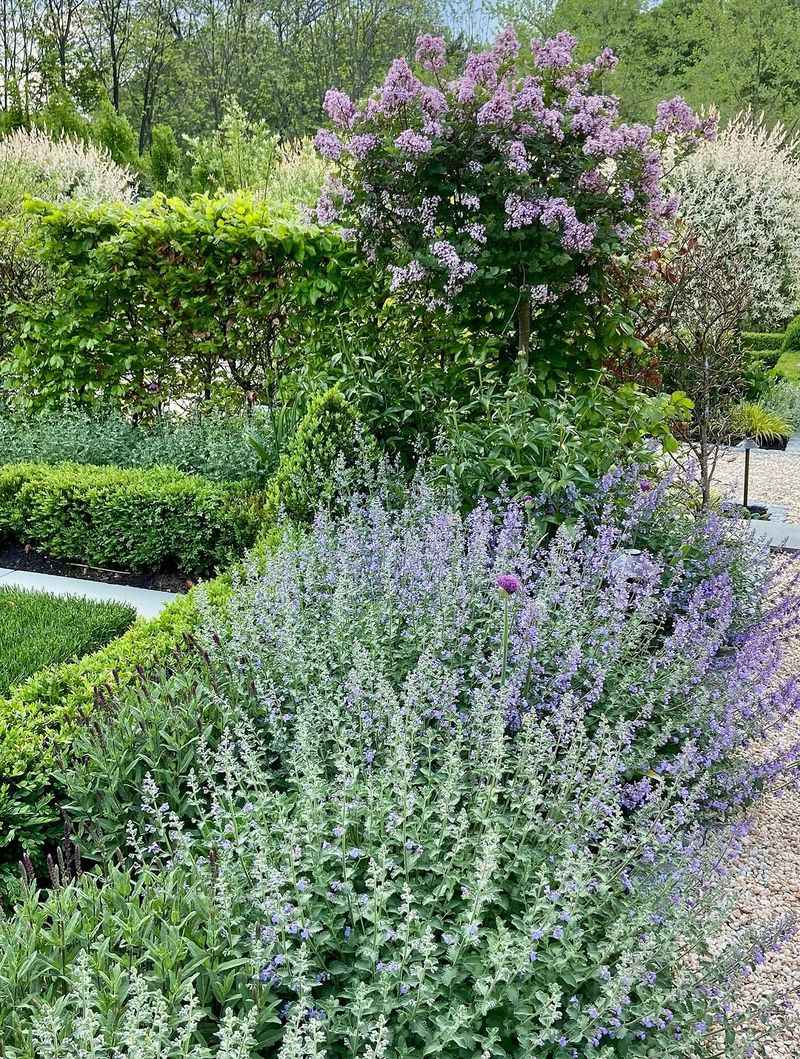
Catmint has a relaxed, almost romantic quality that makes garden borders feel softer and more natural without any effort at all.
The sprawling mounds of gray-green, aromatic foliage are covered in small lavender-blue flowers from late spring into early summer, creating a haze of cool color that pairs beautifully with almost everything around it.
In North Carolina gardens, it fills that sometimes tricky late spring to early summer window with consistent, reliable bloom.
After the first big flush of flowers fades, shearing the plant back by about half triggers a fresh round of growth and a second bloom that often carries into fall.
This simple step transforms Catmint from a one-season plant into a long-season performer, which is exactly what North Carolina gardeners need from their perennials.
The aromatic foliage also keeps deer from showing much interest, which is a bonus in many parts of the state.
Full sun and well-drained soil are the basic requirements, and Catmint genuinely thrives in lean conditions without needing much fertilizer or supplemental watering once established.
It is not considered invasive in typical North Carolina garden settings, though it does self-seed modestly.
Walker’s Low is the most popular and widely available cultivar, and for good reason, since it produces an exceptionally long and generous bloom display. Few perennials deliver this much effortless beauty with this little maintenance.
10. Yarrow (Achillea millefolium)
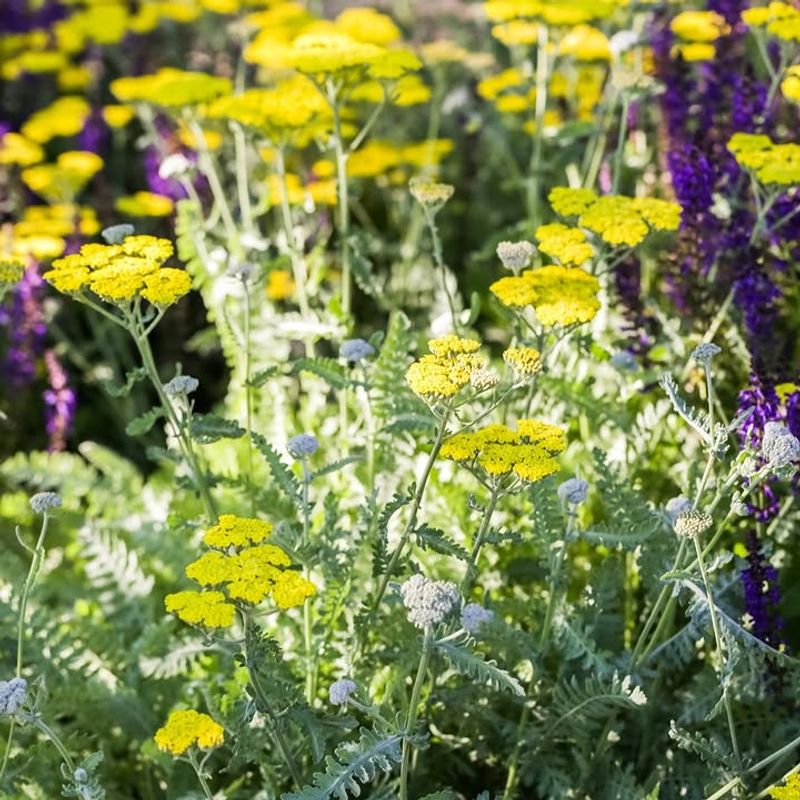
Yarrow has been growing in meadows and gardens for centuries, and there is a very good reason it has never gone out of style.
The flat-topped flower clusters come in a wide range of colors, from creamy white and soft yellow to bold red and rich rose-pink, and they hold their form beautifully both on the plant and as cut flowers.
In North Carolina, native forms of Achillea millefolium can be found growing wild, which tells you how well adapted this plant is to local conditions.
Full sun and lean, well-drained soil bring out the best in Yarrow. Rich, moist soil actually makes plants floppy and reduces bloom quality, so this is one case where less is genuinely more.
Drought tolerance is one of Yarrow’s strongest qualities, making it an excellent choice for dry, sunny spots in North Carolina landscapes where other perennials might struggle through the hot summer months.
Deadheading spent flower heads encourages new blooms and keeps the plant looking tidy through the season. Dividing clumps every two to three years maintains vigor and prevents the center of the plant from thinning out.
Named cultivars like Paprika, Moonshine, and Saucy Seduction offer reliable color and strong garden performance.
Yarrow also attracts a wide range of beneficial insects, making it a smart addition to any North Carolina pollinator garden where beauty and function go hand in hand.
11. Anise Hyssop (Agastache foeniculum)
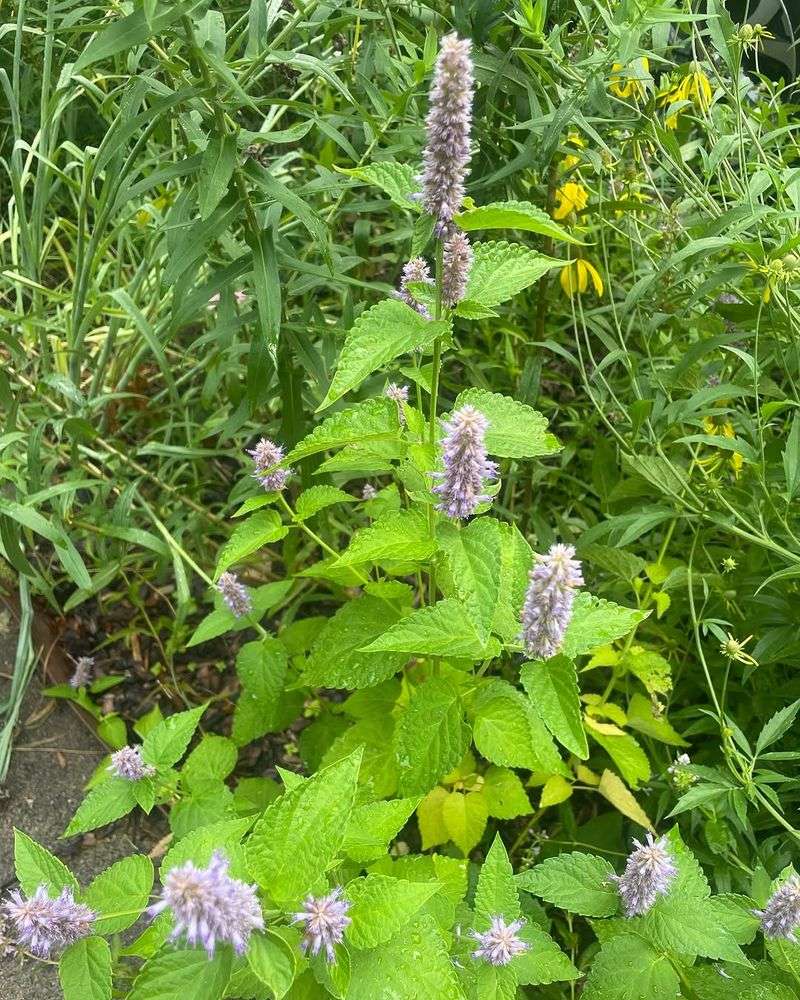
Step close to a blooming Anise Hyssop plant and you will catch a sweet, licorice-like fragrance that is genuinely pleasant and completely distinctive.
Native to parts of North America and widely grown in North Carolina gardens, this upright perennial produces tall spikes of violet-blue flowers from midsummer through fall that pollinators visit constantly throughout the day.
Watching bees and butterflies work through a planting of Agastache is one of the simple pleasures of summer gardening.
Full sun and well-drained soil are the key requirements for strong performance. Anise Hyssop handles heat well and actually becomes more drought-tolerant as the season progresses, which suits North Carolina summers perfectly.
Heavy or consistently wet soil is the main thing to avoid, since root problems develop quickly in those conditions. Sandy or loamy soil with good structure gives the best results over time.
The plant self-seeds fairly readily, which means a small initial planting can gradually fill a sunny area with very little effort. Allowing a few seed heads to mature at the end of the season keeps the colony going naturally.
Deadheading the rest of the spent spikes encourages more side branching and additional blooms before the season ends. The aromatic foliage is another bonus, as deer tend to avoid it.
For North Carolina gardeners who want pollinators, fragrance, and long-lasting color all in one plant, Anise Hyssop is a genuinely satisfying and highly productive choice.
12. Joe Pye Weed (Eutrochium fistulosum)
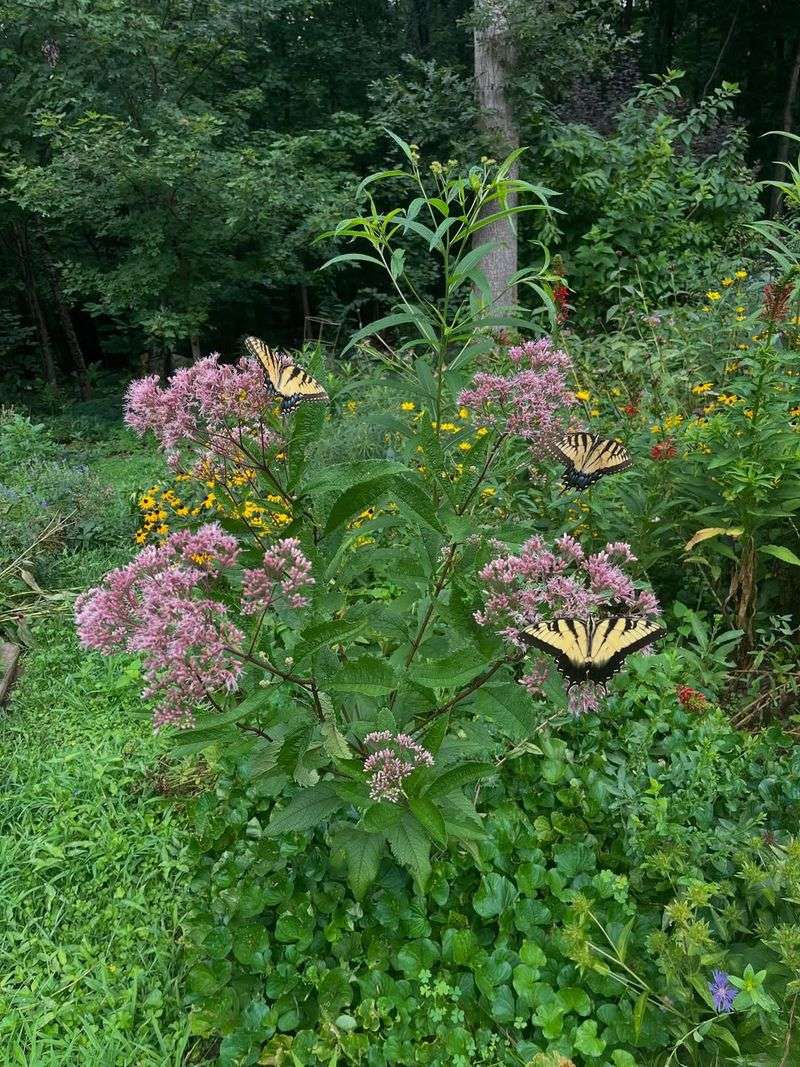
Tall, majestic, and absolutely covered in butterflies from the moment it opens, Joe Pye Weed is a native North Carolina perennial that commands attention in the late summer garden.
Eutrochium fistulosum can reach six to eight feet in height, sending up thick, sturdy stems topped with large, domed clusters of dusty mauve-pink flowers that bloom from midsummer into early fall.
Few plants put on a bigger show for pollinators during that late season window.
Moist, fertile soil suits Joe Pye Weed best, and it performs especially well near rain gardens, pond edges, or low spots in the landscape where moisture collects.
It tolerates average garden soil too, as long as it does not dry out completely during the hottest months.
In North Carolina, the combination of summer heat and consistent rainfall in many parts of the state creates ideal growing conditions for this impressive native plant.
Because of its height, Joe Pye Weed works best at the back of a border or as a bold focal point in a naturalistic planting. Cutting stems back by about one-third in late spring encourages shorter, bushier growth that does not require staking.
The seed heads that follow the flowers provide food for birds well into winter. Pair it with ornamental grasses, Ironweed, or native asters for a stunning late-season display that turns any North Carolina garden into a wildlife destination.
13. Aromatic Aster (Symphyotrichum oblongifolium)
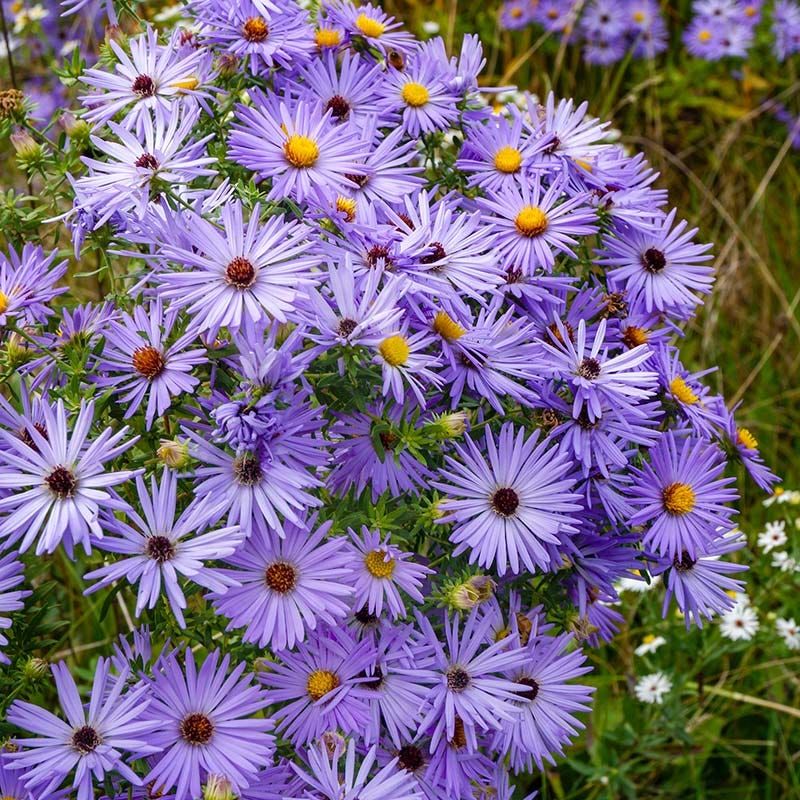
When most summer perennials are winding down and the garden starts to look a little tired, Aromatic Aster steps in and completely steals the show.
Native to the southeastern and central United States, Symphyotrichum oblongifolium is perfectly suited to North Carolina gardens and blooms heavily in fall, covering itself in masses of small violet-blue, daisy-like flowers that glow beautifully against the warm tones of the autumn landscape around them.
The plant forms a dense, rounded mound of aromatic foliage through spring and summer, staying tidy and attractive even before a single flower appears. When bloom time arrives in September and October, the transformation is dramatic.
Bees and butterflies that are stocking up on nectar before cooler weather arrives swarm the flowers, making the plant a critical late-season resource for pollinators across North Carolina.
Full sun and well-drained soil are the simple requirements for success. Aromatic Aster tolerates drought, poor soil, and heat with impressive resilience, making it one of the most adaptable fall-blooming perennials available to North Carolina gardeners.
Cutting the stems back by about half in early June creates a more compact, floriferous plant that does not need staking. Cultivars like Raydon’s Favorite and October Skies are both excellent performers.
For anyone wanting to extend garden color deep into fall, this native aster is one of the smartest and most rewarding choices you can plant.