Missouri Gardens Feel More Alive With These Native Perennials
Your Missouri garden has been through a lot. Blazing July heat, surprise April frosts, weeks of drought followed by a weekend that feels like monsoon season, and somehow you’re still out there, trying to make things grow.
The good news is that you don’t have to work this hard. Native perennials have been thriving in Missouri soil for thousands of years before anyone started selling them at garden centers.
They don’t need babysitting. They come back every spring, handle whatever the weather throws at them, and still manage to look good doing it.
Better yet, they bring in pollinators, support local wildlife, and save you real money over time. This isn’t about settling for “low maintenance.” It’s about planting smarter and getting more out of every square foot of your yard.
These ten plants prove that a beautiful garden and an easy garden can absolutely be the same garden.
1. New England Aster (Symphyotrichum Novae-Angliae)
When most garden plants are winding down for the season, New England Aster is just hitting its stride, and Missouri gardeners are absolutely here for it.
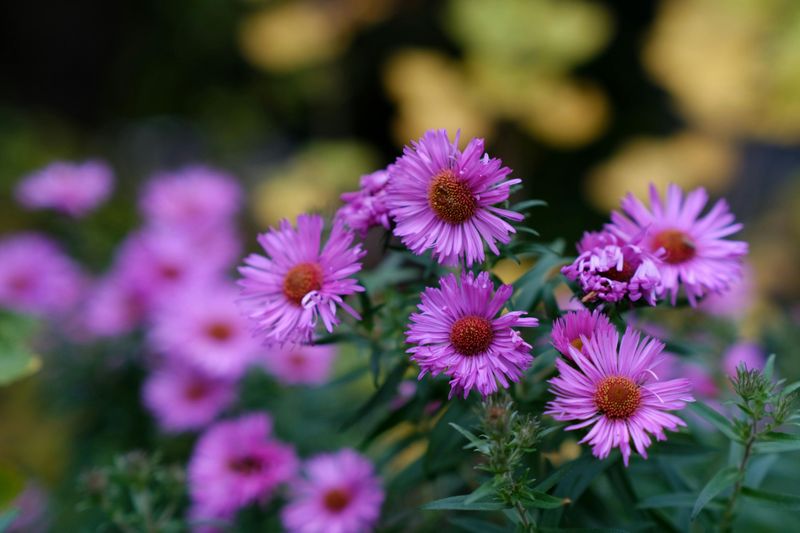
Symphyotrichum novae-angliae bursts into bloom in late August and keeps going strong through October. The flowers come in rich purple, pink, or magenta with golden-yellow centers.
Few sights in a fall Missouri garden are more satisfying than a big, well-established clump of Aster in full bloom.
Monarch butterflies passing through Missouri in September and October depend on late-blooming plants like this one to fuel their journey south. Planting it is one of the simplest ways to support their migration from your own backyard.
Bumblebee queens also depend on fall-blooming plants like this one to build up fat reserves before winter.
New England Aster grows best in full sun with average to moist soil, making it a great fit for rain gardens, low spots, or areas near downspouts in Missouri yards.
Pinch the stems back by half in late spring to encourage bushier, more compact growth that will not flop over under the weight of all those blooms.
Paired with Canada Goldenrod, the purple-and-gold combination is one of the most satisfying fall displays you can grow in a Missouri garden.
It is the perfect note to end your garden’s growing season, full of color, life, and beauty right up until the first hard frost arrives.
2. Lanceleaf Coreopsis (Coreopsis Lanceolata)
Golden, cheerful, and almost impossible to neglect into failure, Lanceleaf Coreopsis earns its place in any Missouri garden. It is the sunny optimist of the native plant world.
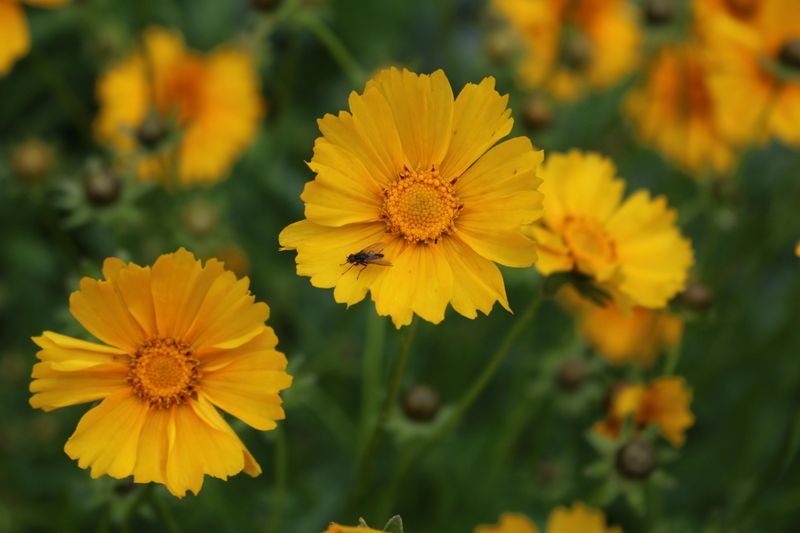
Coreopsis lanceolata produces a sea of bright yellow, daisy-like flowers from late spring well into midsummer, and if you cut the spent blooms back, it will often flower again in early fall.
Few native plants offer that kind of extended color season with so little effort required from the gardener.
Missouri’s intense summer sun is no problem for Lanceleaf Coreopsis, which actually prefers hot, dry, and sunny conditions.
It grows well in poor, sandy, or rocky soils where many other plants would struggle to survive.
That adaptability makes it a fantastic choice for slopes, roadside edges, or any tough spot in your yard where other plants have given up.
Pollinators, especially native bees, swarm Coreopsis flowers throughout the blooming season.
Small birds also love the seed heads in late summer, so leaving some spent flowers standing through fall benefits local wildlife significantly.
It is one of those quiet workhorses that does a lot of good in the garden without demanding any attention.
Across Missouri, Lanceleaf Coreopsis is increasingly popular in low-maintenance lawn replacement projects.
Homeowners tired of mowing and watering are turning to sweeps of this cheerful native as a colorful alternative. It saves water, supports biodiversity, and asks almost nothing in return.
3. Butterfly Weed (Asclepias Tuberosa)
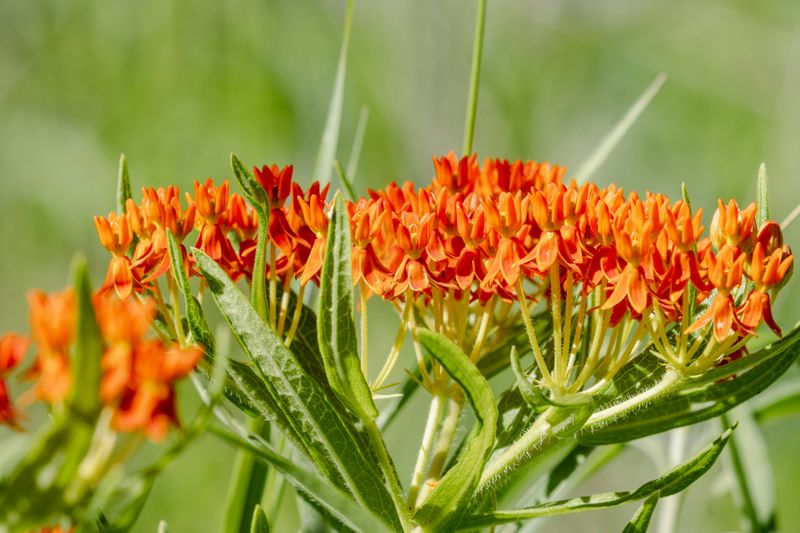
Bright orange and absolutely buzzing with life, Butterfly Weed is one of those plants that makes you stop and stare every single time you walk past it.
Asclepias tuberosa is a milkweed species, which means it is one of the only plants that monarch butterflies can use to lay their eggs and feed their caterpillars.
Planting it is a small but genuinely positive step for wildlife conservation in your own corner of Missouri.
Unlike many milkweeds, Butterfly Weed does not spread aggressively or take over your yard.
It grows in a tidy clump, reaching about two feet tall, and produces clusters of vivid orange flowers from early to midsummer.
Full sun and well-drained soil are all it really asks for, and it handles Missouri’s dry summer spells without complaint.
Here is a fun fact: Butterfly Weed develops a deep taproot that makes it incredibly drought-tolerant but also tricky to transplant once established.
Choose your planting spot carefully and then let it settle in undisturbed.
Within two or three years, it will reward your patience with a spectacular display every summer.
Across Missouri, gardeners are adding this plant to roadsides, rain gardens, and backyard borders as part of the growing effort to bring monarch butterflies back to healthy population numbers.
4. Dense Blazing Star (Liatris Spicata)
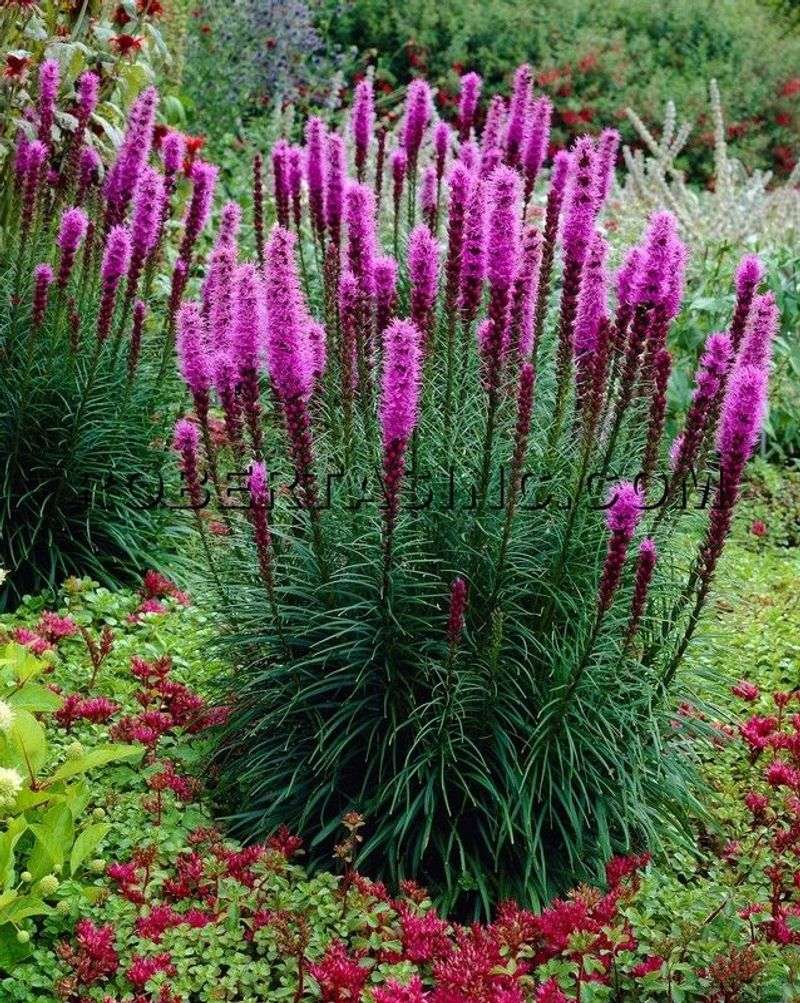
Few plants make an entrance like Blazing Star. That tall purple spike rises up each summer like a firework frozen mid-bloom.
Liatris spicata opens its flowers from the top of the spike downward, which is actually unusual in the plant world and gives it a dramatic, cascading look as the season progresses.
Missouri gardeners who plant it once rarely go a season without it again.
Dense Blazing Star grows naturally in Missouri’s prairies and wet meadows, so it is perfectly suited to the state’s variable rainfall patterns.
It handles both occasional flooding and summer dry spells better than most ornamental plants you would find at a big box store.
Full sun brings out the best blooms, and average garden soil is totally fine.
Monarch butterflies and bumblebees flock to Blazing Star throughout late summer. Its tall, vertical form also adds real structure to garden beds, especially next to shorter natives like Coneflower or Black-eyed Susan.
It creates a layered look that feels both wild and intentional.
After blooming, the seed heads attract finches and sparrows throughout fall and winter.
Missouri gardeners love that this plant keeps giving even after the growing season officially ends, making it a year-round asset in the landscape.
5. Blue False Indigo (Baptisia Australis)
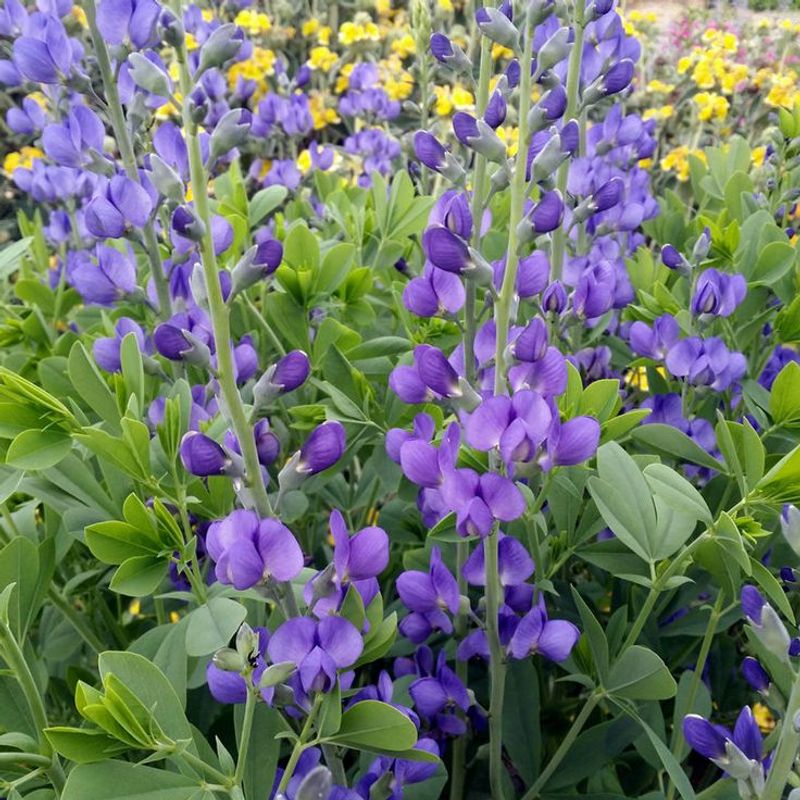
Baptisia australis stops garden designers in their tracks. One look at it in bloom and you will completely understand why.
In late spring, it sends up tall wands of deep blue-purple flowers that look almost like lupines, creating a dramatic focal point in any Missouri garden.
After blooming, its blue-green foliage stays attractive all season long, acting like a small shrub without the woody stems.
Blue False Indigo is one of the most long-lived native perennials you can grow in Missouri.
A well-established plant can thrive in the same spot for decades with almost no maintenance beyond cutting it back in late winter.
It develops a massive root system over time, which is exactly why it handles Missouri’s summer heat and drought so impressively well.
Fun fact: The name False Indigo comes from the plant’s resemblance to true indigo, and some Indigenous communities did experiment with it as a dye plant, though it never matched the real thing
Today, gardeners value it more for its stunning spring show and its remarkable staying power in the landscape.
It is slow to establish but absolutely worth every year of waiting.
Plant Blue False Indigo in full sun to light shade, and give it room to spread because a mature clump can reach four feet wide.
In Missouri’s naturalistic garden style, it pairs beautifully with Wild Bergamot and Switchgrass for a layered, prairie-inspired look.
6. Purple Coneflower (Echinacea Purpurea)
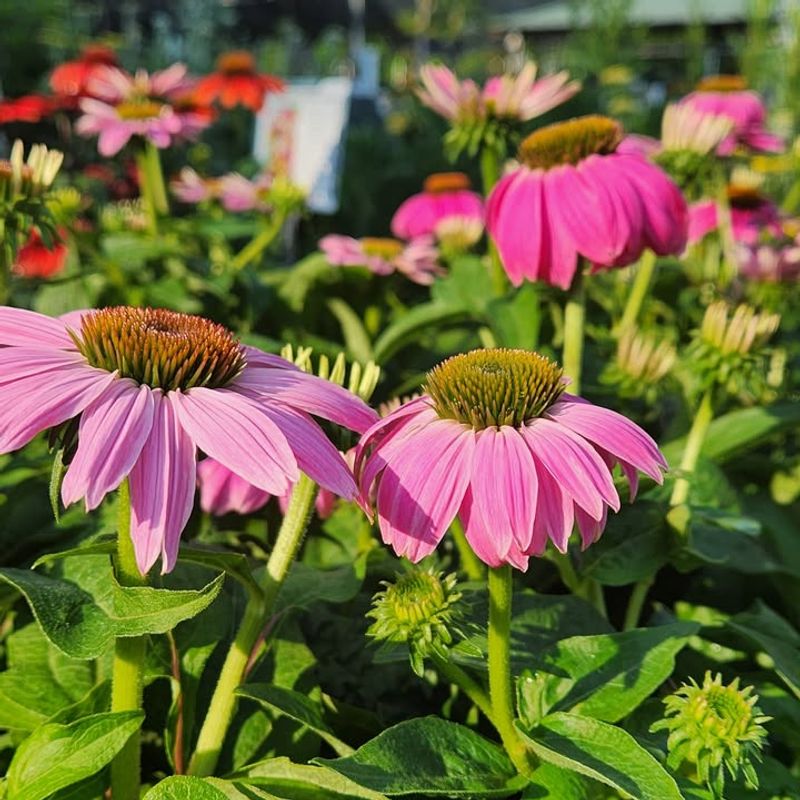
Bold, resilient, and loved by every pollinator in the neighbourhood. Purple Coneflower is as close to a perfect plant as Missouri gardens get.
With its bold pink-purple petals and spiky orange-brown center, this plant turns any yard into a showstopper from summer through early fall.
Bees, butterflies, and goldfinches flock to it like it is their favorite restaurant.
Purple Coneflower thrives in Missouri’s full sun and handles drought like a champ once it gets settled in.
You do not need to water it constantly or fuss over fancy fertilizers.
Plant it in well-drained soil, give it some space, and it will reward you with blooms year after year.
Native Americans historically used Echinacea as an herbal remedy, and today many people still brew it into teas for immune support.
That long history makes this flower feel even more special to grow.
Leave the seed heads standing through winter and you will give birds a free meal while adding texture to your garden landscape.
Missouri’s clay-heavy soils are no problem for this resilient plant.
It spreads gradually over the years, filling in bare spots beautifully.
For beginning gardeners across the state, Purple Coneflower is one of the best places to start your native plant journey.
7. Wild Bergamot (Monarda Fistulosa)
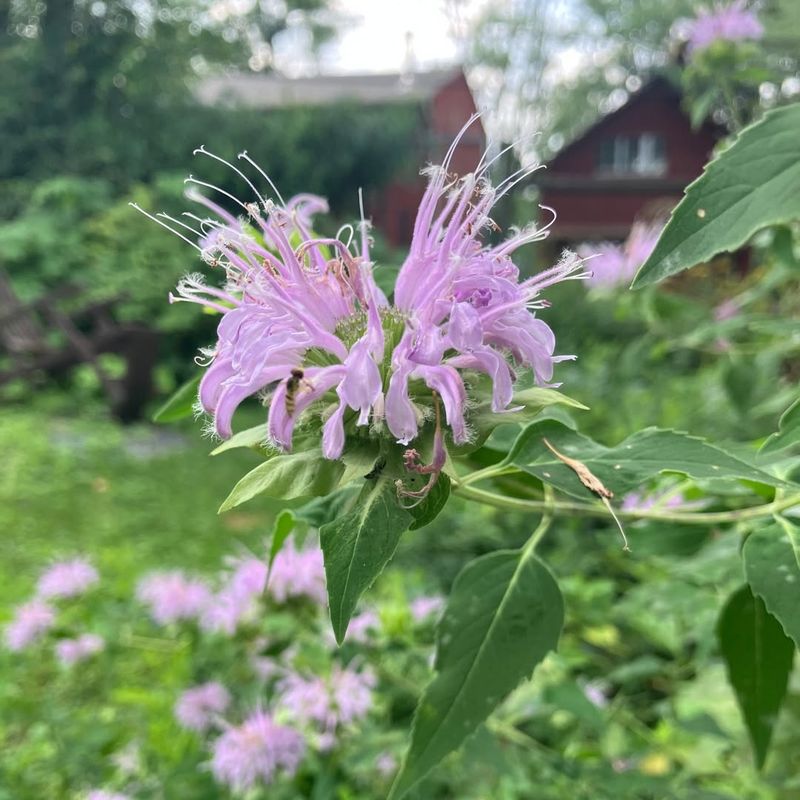
Rub a leaf of Wild Bergamot between your fingers and you will instantly understand why this plant has been treasured for centuries across the American Midwest.
The strong, oregano-like fragrance is surprising and wonderful, and it comes from the same essential oils found in culinary herbs.
Monarda fistulosa has a personality all its own, blending beauty, fragrance, and ecological value into one easy-growing native perennial that thrives across Missouri.
The lavender-pink flower clusters bloom from midsummer into early fall, attracting an astonishing variety of pollinators.
Hummingbirds, bumblebees, sphinx moths, and dozens of butterfly species visit it regularly. The airy, open blooms create a relaxed feel that works equally well in formal borders and naturalistic settings.
Wild Bergamot spreads by underground rhizomes over time, gradually forming larger colonies that look stunning in mass plantings.
If it spreads beyond where you want it, simply pull out the extra plants in spring before they get established.
It adapts to a wide range of Missouri soils and tolerates some drought once it settles in.
Historically, Indigenous communities across the Midwest used Monarda fistulosa medicinally and as a flavoring, making it one of the region’s most useful native plants.
Growing it today connects your garden to that long, rich regional history in a genuinely meaningful way.
8. Black-Eyed Susan (Rudbeckia Hirta)
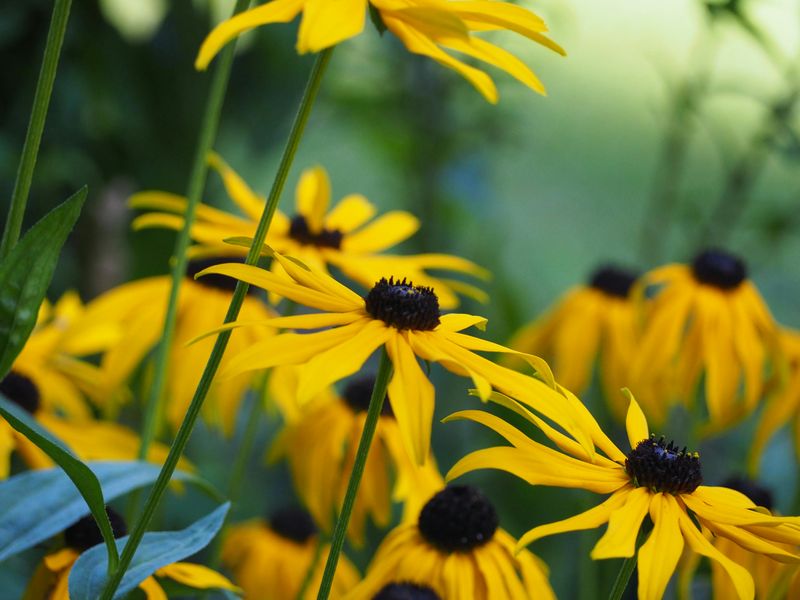
Walk through almost any Missouri prairie in summer and you will spot the cheerful golden faces of Black-eyed Susan nodding in the breeze.
This native wildflower is practically made for the Show-Me State, thriving in heat, humidity, and even poor soils that would stress out most garden plants.
Its bright yellow petals surrounding a dark chocolate-brown center make it one of the most recognizable wildflowers in North America.
Rudbeckia hirta is a short-lived perennial, but it self-seeds so freely that you will never run out of plants.
Sow it once and it basically takes care of itself, popping up in new spots each season with very little help from you.
That low-maintenance personality makes it a dream for busy Missouri homeowners who still want a gorgeous yard.
Native bees and migrating butterflies flock to Black-eyed Susan throughout late summer. Planting a patch near vegetables can also attract helpful insects and improve pollination across your garden.
Leave the seed heads up through fall and winter to feed finches and sparrows.
Pair it with Purple Coneflower or Blazing Star for a stunning, all-native Missouri pollinator garden that practically runs itself all season long.
9. Canada Goldenrod (Solidago Canadensis)
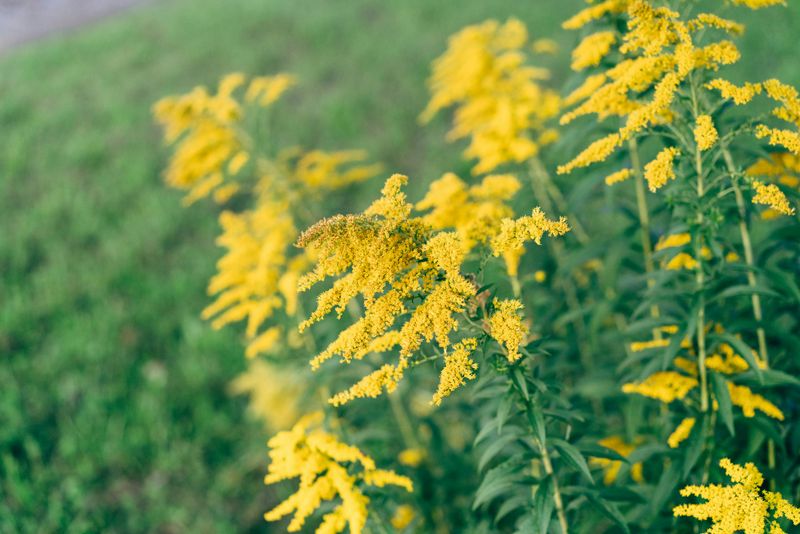
Goldenrod gets blamed for a lot of sneezing that it simply did not cause, and Missouri gardeners are finally setting the record straight.
Canada Goldenrod’s pollen is too heavy and sticky to travel through the air, so it is not the allergy trigger most people assume it is.
The real culprit is ragweed, which blooms at the same time and looks far less impressive, while Goldenrod gets the unfair reputation.
Solidago canadensis is one of the most ecologically valuable plants native to Missouri, supporting well over 200 insect species, including specialist native bees that depend on it for survival.
Its arching plumes of bright yellow flowers turn roadsides and meadows into rivers of gold from August through October.
Few sights in the Missouri landscape feel more quintessentially autumn than a field full of blooming Goldenrod.
In the garden, Canada Goldenrod works best in naturalistic settings or as part of a native meadow planting where it can spread freely.
It does spread by rhizomes and self-seeding, so give it room or use edging to keep it contained in smaller garden beds.
Paired with New England Aster, the purple-and-gold combination is breathtaking and beloved by monarch butterflies fueling up for their southern migration.
Gardeners who make room for Goldenrod find their gardens stay alive with activity well into autumn, long after most ornamental plants have called it a season.
10. Switchgrass (Panicum Virgatum)
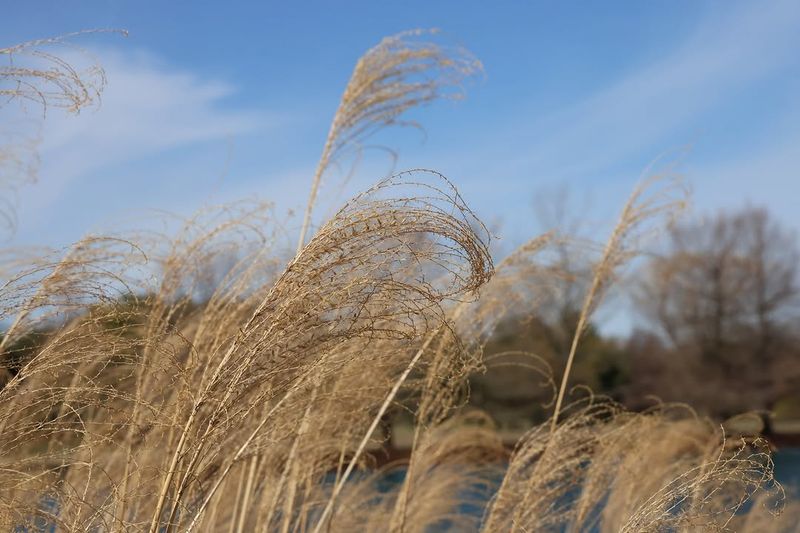
Not every garden hero bursts with color, and Switchgrass proves that structure, movement, and texture can be just as stunning as any flower.
Panicum virgatum is a native prairie grass that has grown across Missouri for thousands of years, forming the backbone of the tallgrass prairie ecosystem that once covered much of the state.
Modern gardeners are rediscovering it as an elegant, four-season plant that earns its place in any landscape.
In summer, Switchgrass sends up airy clouds of delicate seed heads that catch the breeze and shimmer in the sunlight like a living sculpture.
By fall, the foliage turns warm shades of gold, orange, and burgundy depending on the variety you choose.
Through winter, the dried stems and seed heads provide cover and food for birds while adding dramatic structure to the garden when everything else has gone quiet.
Missouri’s variable weather is no challenge for Switchgrass. It handles flooding, drought, clay soils, and full sun without missing a beat.
It grows in tidy upright clumps that stay put, making it far easier to manage than most ornamental grasses at the nursery.
Cut it back hard to about four inches in late winter before new growth emerges, and that is genuinely all the care it needs.
For Missouri gardeners looking to reduce lawn area and increase wildlife habitat, Switchgrass is a practical, beautiful, and deeply satisfying choice.