The Texas May Watering Mistakes That Ruin Summer Gardens
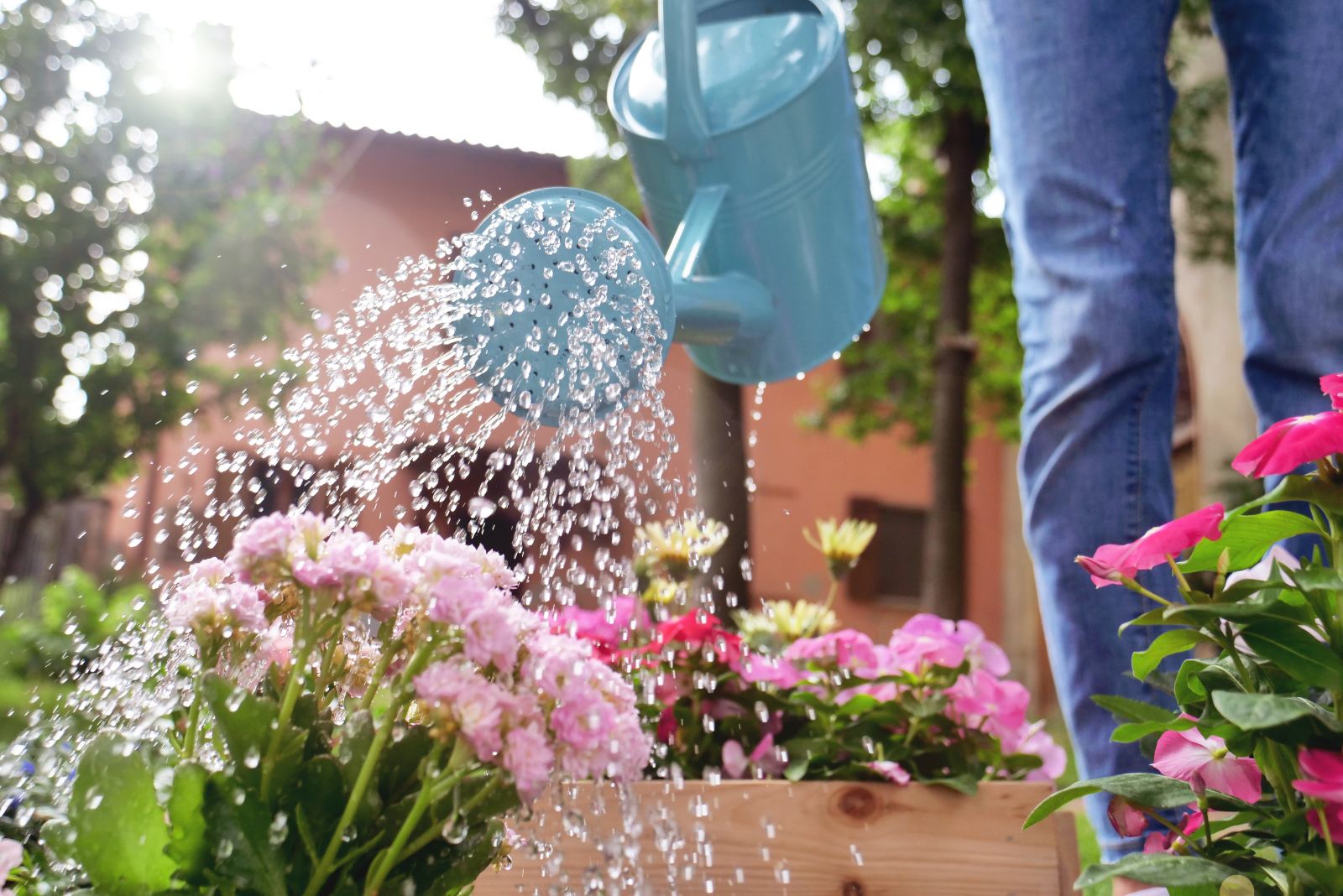
May is the month Texas gardeners tend to get watering wrong in ways that don’t show up until summer, when fixing the damage is significantly harder than preventing it would have been.
Everything still looks manageable in May, the temperatures haven’t fully committed to brutal yet, and it’s easy to operate on autopilot with a watering routine that feels fine but is quietly setting the garden up for problems down the road.
Watering mistakes in May aren’t always about doing too little. Overwatering is just as damaging, and in some cases more so, because the consequences are harder to diagnose and slower to become obvious.
Timing, frequency, method, and even the time of day you water all factor into whether your garden builds the kind of resilience it needs to handle a Texas summer or enters June already compromised in ways you can’t see yet.
Getting May watering right is one of the highest-return investments a Texas gardener can make before the real heat arrives.
Why May Watering Matters More Than Most Gardeners Think
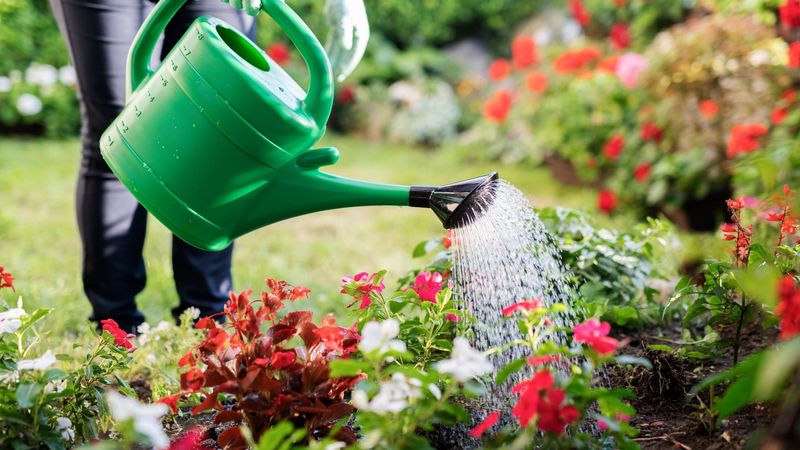
Most people think summer gardening stress starts in July, but in Texas, the clock starts ticking much earlier than that. By May, temperatures across the state are already climbing into the upper 80s and sometimes touching the 90s.
The soil heats up fast, and plants that are not properly watered early in the season start showing stress before summer even officially begins.
Early watering habits are like building a foundation for a house. If the foundation is weak, everything above it suffers.
When Texas gardeners skip deep watering sessions or water too infrequently in May, their plants develop shallow root systems.
Shallow roots cannot reach the cooler, moist layers of soil deeper underground, which means plants run out of water much faster when temperatures spike.
Small mistakes made now can snowball into serious problems by June and July. A plant that enters summer already stressed is far more likely to wilt, drop fruit, or stop flowering altogether.
It is much harder to recover a struggling plant in 100-degree heat than it is to keep a healthy one going strong.
Texas gardeners who take May watering seriously give their gardens a real head start. Paying attention to how much water your soil is actually holding, and how your plants look each morning, can make a huge difference.
Checking in with your garden daily during May takes only a few minutes but saves you a lot of frustration later. Think of May as your training season, because summer in Texas does not give much grace to unprepared gardens.
The Biggest Mistake: Watering Too Shallowly
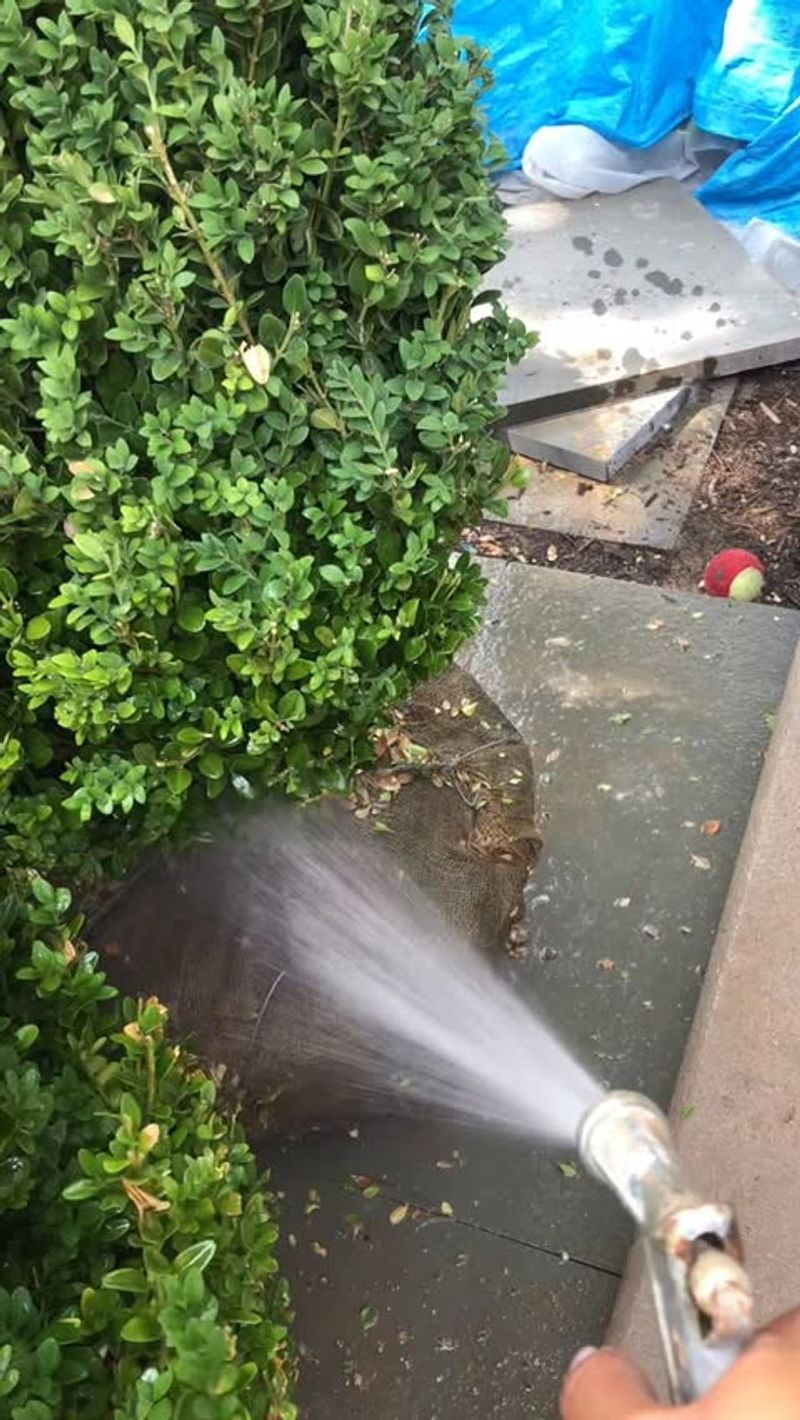
Picture a plant trying to survive a Texas summer on nothing but a light sprinkle every day. That is exactly what happens when gardeners water too shallowly, and it is one of the most common and damaging mistakes made across Texas every spring.
Light, frequent watering only wets the top inch or two of soil, which causes roots to stay near the surface instead of growing downward where moisture and cooler temperatures live.
Your Texas Garden Changes Every Week. Your Plan Should Too.
Gardening in Texas changes quickly throughout the season. Every Friday you’ll receive a simple weekly plan showing exactly what to plant, prune, fertilize, harvest, and protect so you never miss the right timing.
When roots stay shallow, plants become extremely vulnerable during heat waves. The top layer of Texas soil dries out within hours on a hot day, leaving surface roots without any moisture at all.
You might notice your plants wilting by midday even though you watered them that morning. That is a classic sign that the roots are not deep enough to access stored soil moisture.
Deep watering changes everything. When you water slowly and thoroughly, moisture moves several inches into the soil, encouraging roots to follow it downward.
In Texas clay soils, this takes patience because clay absorbs water slowly. Sandy soils drain faster, so they need more frequent deep watering sessions to stay effective.
A simple way to check your watering depth is to push a wooden skewer or a screwdriver into the soil after watering. If it only slides in an inch or two before hitting dry ground, you need to water longer.
Aim for at least six inches of moisture penetration for most vegetables and flowers. Deep roots are strong roots, and strong roots are what carry Texas gardens through the brutal heat of summer.
Watering At The Wrong Time Of Day
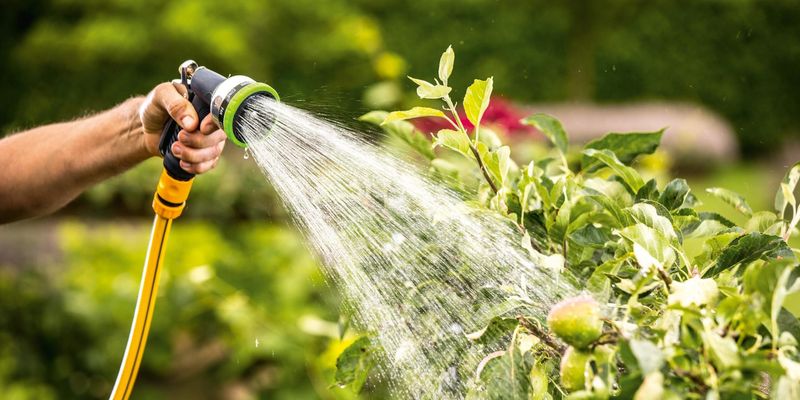
Timing is everything when it comes to watering in Texas, and a lot of gardeners get it wrong without realizing the damage they are doing. Watering in the middle of the day, when the sun is blazing and temperatures are at their peak, is one of the most wasteful things you can do for your garden.
A huge portion of that water simply evaporates before it ever reaches the roots, meaning your plants get far less moisture than you think they are getting.
Evening watering might seem like a smart fix, but it comes with its own set of problems. When you water at night, the moisture sits on leaves and in the soil surface for hours without drying out.
That kind of prolonged dampness creates the perfect environment for fungal diseases like powdery mildew and root rot, both of which are already common problems in Texas gardens during warm, humid months.
The best time to water in Texas during May and throughout summer is early morning, ideally between 5 a.m. and 9 a.m.
During those hours, temperatures are cooler, winds are usually calm, and the sun has not yet begun pulling moisture out of the soil rapidly. Plants have time to absorb the water they need before the heat of the day sets in.
Early morning watering also gives leaves time to dry out naturally as the day warms up, which reduces the risk of fungal issues.
Setting a simple timer on your irrigation system or hose makes it easy to water at the right time without having to wake up before sunrise every day. Small adjustments in timing lead to noticeably healthier Texas gardens.
Treating Every Plant The Same
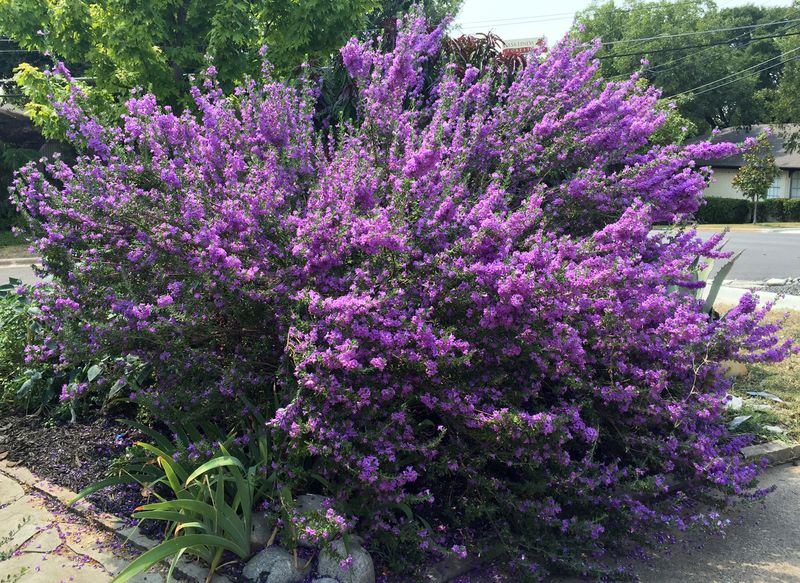
Not all plants in your Texas garden have the same thirst, and treating them like they do is a mistake that catches a lot of gardeners off guard. Container plants, for example, dry out much faster than plants growing directly in the ground.
Pots have limited soil volume, and that soil heats up quickly in the Texas sun, sometimes needing water twice a day during hot stretches in May and beyond.
Newly planted seedlings and transplants also need much more attention than established plants. Their root systems have not yet spread out into the surrounding soil, so they depend heavily on regular watering close to the base of the plant.
Skipping even one or two days of watering for a new transplant in Texas May heat can set it back significantly and slow its growth for weeks.
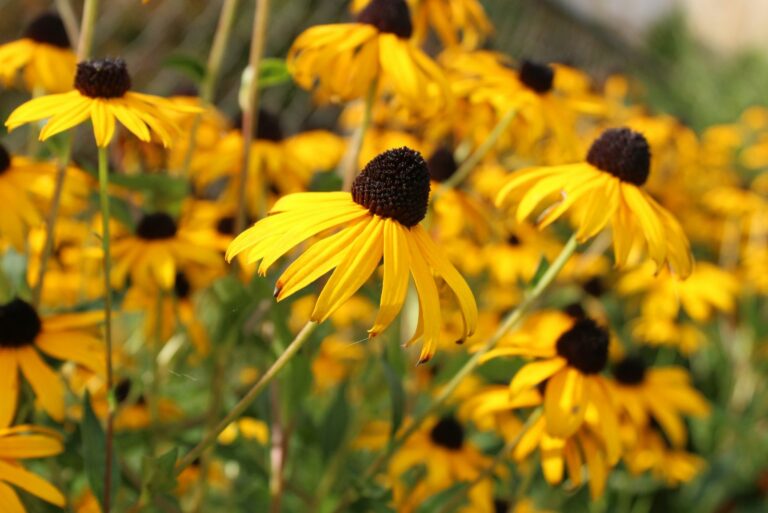
On the flip side, native Texas plants like black-eyed Susans, Texas sage, and lantana are built for the local climate and often need far less water than people assume. Overwatering native plants can actually cause more harm than underwatering them.
Their roots are adapted to dry conditions, and soggy soil can lead to root problems that are hard to reverse.
Getting to know each plant in your garden and what it actually needs is one of the most rewarding parts of gardening in Texas. Group plants with similar water needs together when possible, a practice called hydrozoning.
Use drip irrigation or soaker hoses to deliver water directly to the root zone of each plant rather than spraying everything equally. Personalized watering keeps every plant in your garden performing at its best all season long.
Ignoring Mulch And Soil Moisture
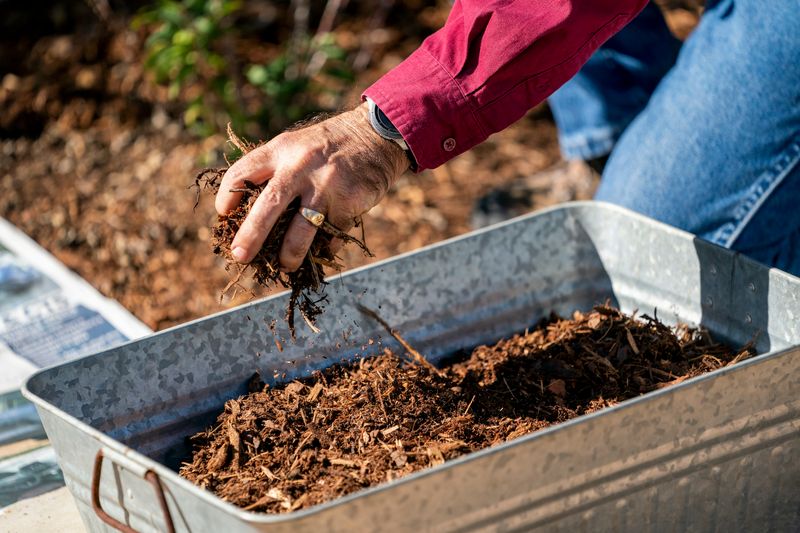
Bare soil in a Texas garden is basically an open invitation for moisture to disappear. Without any protective covering, the sun beats down directly on the soil surface and pulls water out at a surprisingly fast rate.
On a hot May afternoon in Texas, bare soil can go from damp to bone dry in just a few hours. That rapid moisture loss forces you to water more often and still leaves your plants thirsty.
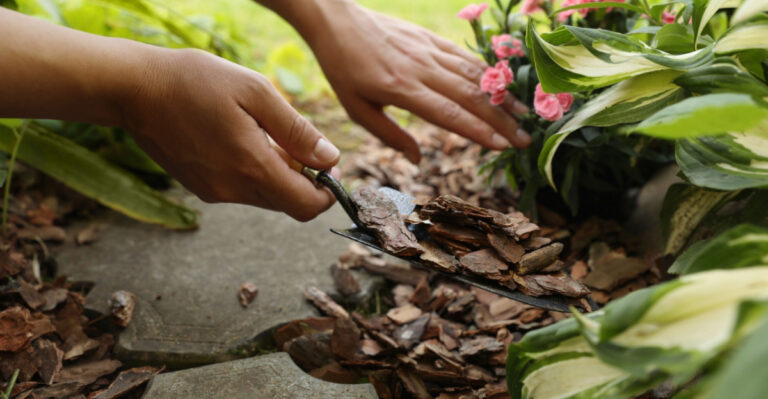
Mulch is one of the simplest and most effective tools any Texas gardener can use. A two to four inch layer of wood chips, straw, or shredded leaves spread around your plants acts like a blanket for the soil.
It blocks direct sunlight, slows evaporation, regulates soil temperature, and even breaks down over time to improve soil health. Gardens with good mulch coverage can hold moisture significantly longer than bare beds.
Soil type also plays a big role in how often you need to water. Texas is home to a wide range of soil types, from heavy clay in the Dallas and Houston areas to sandy, fast-draining soils in parts of Central and West Texas.
Clay soils hold water longer but can become waterlogged if overwatered. Sandy soils drain quickly and need more frequent watering to keep plants happy.
Checking soil moisture before watering is a habit that saves water and protects plants. Push your finger about two inches into the soil near your plant. If it feels moist, hold off on watering. If it feels dry, go ahead.
Adding organic compost to your soil over time also improves its ability to hold moisture, making your Texas garden more resilient heading into the hottest months of the year.
How To Water Smarter Before Summer Arrives
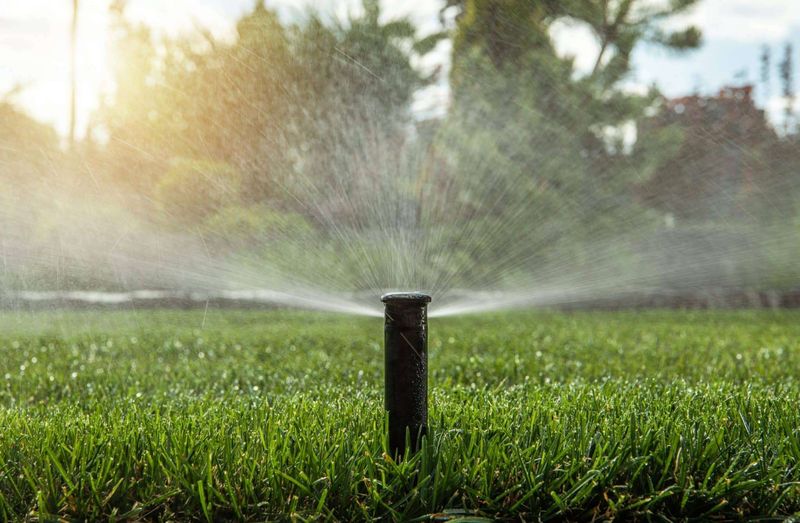
Building smarter watering habits in May gives your Texas garden the best possible chance of making it through the long, scorching summer ahead. One of the easiest habits to adopt is doing a quick visual check of your plants each morning.
Leaves that look slightly dull or begin to curl inward slightly are often early signs of underwatering. Leaves that turn yellow or feel soft and mushy near the base can point to overwatering.
Overwatered plants are actually more common in Texas than many people realize, especially in spring when gardeners are eager and enthusiastic. Giving plants more water than they need pushes oxygen out of the soil and creates conditions that harm roots.
If your soil stays wet for more than a day or two after watering, you are likely watering too much or too often.
Creating a drought-resistant garden starts with smart plant choices and smart soil prep. Mixing compost into your garden beds before summer improves drainage in clay soils and helps sandy soils hold more moisture.
Choosing drought-tolerant varieties of vegetables and flowers also reduces how much supplemental watering your garden needs once the Texas heat fully sets in.
Simple tools like moisture meters, drip irrigation timers, and soaker hoses make consistent and efficient watering much easier to manage. You do not need a complicated system to water well in Texas.
You just need a consistent routine, a little observation, and the willingness to adjust based on what your plants are telling you. A well-watered May garden in Texas is a garden that is ready for whatever summer throws at it.