These 11 Long-Blooming Flowers Thrive In Oregon Summer Gardens
Short bloom windows are one of the most quietly disappointing things in gardening. You wait, you plant, you tend, and then you get two maybe three weeks of flowers before the whole show is over and you’re back to staring at a lot of green.
Oregon summers are too good and too long to settle for that kind of performance from your garden. Long-blooming flowers are the solution most experienced gardeners figured out early.
These are the plants that don’t just show up for a brief moment and disappear. They commit.
They keep producing flowers week after week, through heat spells and rainy stretches, right into fall when a lot of other plants have completely checked out.
A garden built around long bloomers stays colorful, alive, and genuinely exciting for months on end rather than just a few fleeting weeks.
Oregon summers reward exactly this kind of planting strategy, and the flowers that pull it off best might surprise you.
1. Wandflower
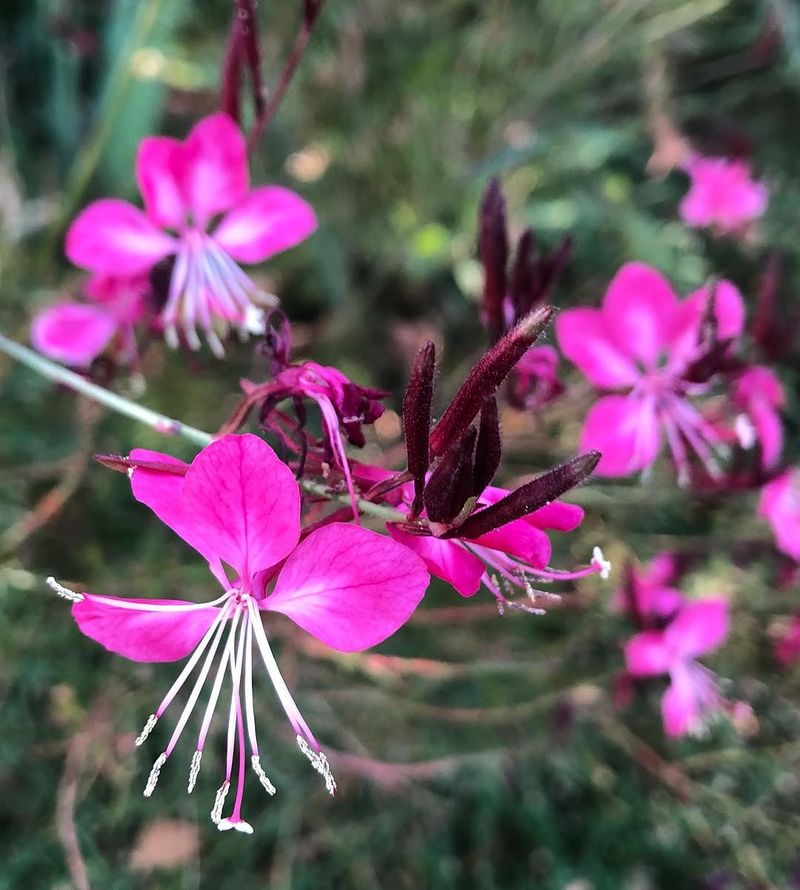
Tall, airy, and almost magical-looking, Wandflower brings a sense of movement and grace to any Oregon garden. The long, wand-like stems sway gently in the breeze, covered in delicate pink and white blossoms that look like tiny butterflies in flight.
It is one of those plants that makes your garden feel alive even on a still day.
Wandflower blooms from late spring all the way through fall, making it one of the longest-blooming options for Oregon gardeners. It loves full sun and handles dry conditions well, which is great news during Oregon’s warm, dry summers.
Plant it near pathways or borders where its graceful movement can be fully appreciated.
Another bonus is that bees and butterflies absolutely love it. Wandflower is also drought-tolerant once established, so you do not need to water it constantly.
It thrives in well-drained soil and needs very little fertilizer. Just cut it back mid-summer if it starts to look leggy and it will bounce right back with a fresh flush of blooms.
For Oregon gardeners looking for low-maintenance beauty, Wandflower is a top-tier choice.
2. Hummingbird Mint
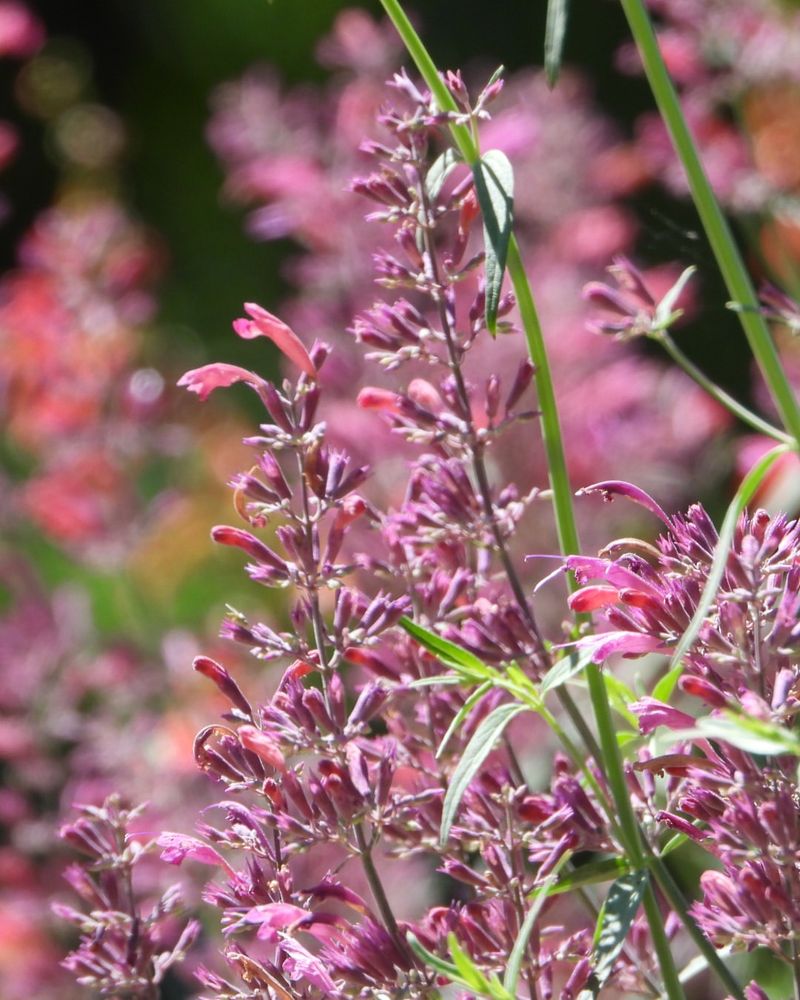
Few plants bring as much excitement to an Oregon garden as Hummingbird Mint. The tall spikes of tubular flowers in shades of orange, pink, purple, and red act like a magnet for hummingbirds and butterflies all summer long.
Just plant it once and watch the wildlife show begin.
Also known as Agastache, this plant is a powerhouse bloomer. It starts flowering in early summer and keeps going strong until the first frost.
Oregon’s warm summers suit it perfectly. It thrives in full sun with well-drained soil and handles heat without complaint.
The foliage smells minty and fresh, which is a nice bonus when brushing past it in the garden.
Hummingbird Mint is also quite drought-tolerant once established, making it a smart pick for Oregon’s dry summer months. It does not need much fussing.
A light trim after the first big flush of flowers encourages even more blooms. Available in many varieties, you can mix colors for a bold, eye-catching display.
Your Oregon Garden Changes Every Week. Your Plan Should Too.
Gardening in Oregon changes quickly throughout the season. Every Friday you’ll receive a simple weekly plan showing exactly what to plant, prune, fertilize, harvest, and protect so you never miss the right timing.
For anyone in Oregon wanting to attract pollinators while enjoying months of color, this plant earns its spot in any garden bed.
3. Pincushion Flower
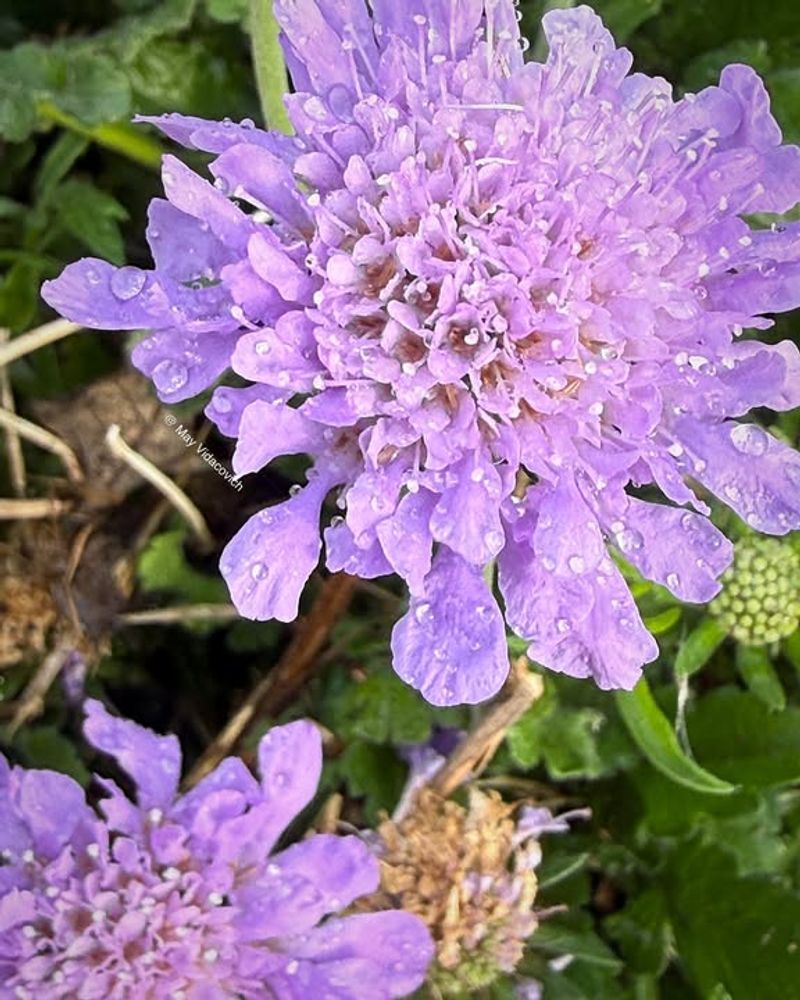
There is something charming and old-fashioned about Pincushion Flower. The blooms look exactly like their name suggests, with a rounded center surrounded by layers of soft, ruffled petals in shades of lavender, blue, white, and pink.
They have a wildflower quality that feels perfectly at home in an Oregon cottage garden.
Scabiosa, as it is formally known, blooms from early summer through fall when given the right conditions. Oregon’s mild summers are ideal.
It loves full sun and well-drained soil, and it actually blooms more when you keep cutting the flowers for bouquets. So the more you pick, the more it gives.
That is a pretty great deal for any gardener.
Pollinators go wild for Pincushion Flower. Bees and butterflies visit constantly throughout the blooming season.
It pairs beautifully with ornamental grasses, lavender, and other cottage-style plants. In Oregon gardens, it tends to stay compact and tidy, rarely needing staking or heavy maintenance.
Deadheading spent blooms every week or two keeps the plant looking fresh and encourages continuous flowering. If you want effortless charm and color from summer to fall, Pincushion Flower is a wonderful pick.
4. Western Wallflower
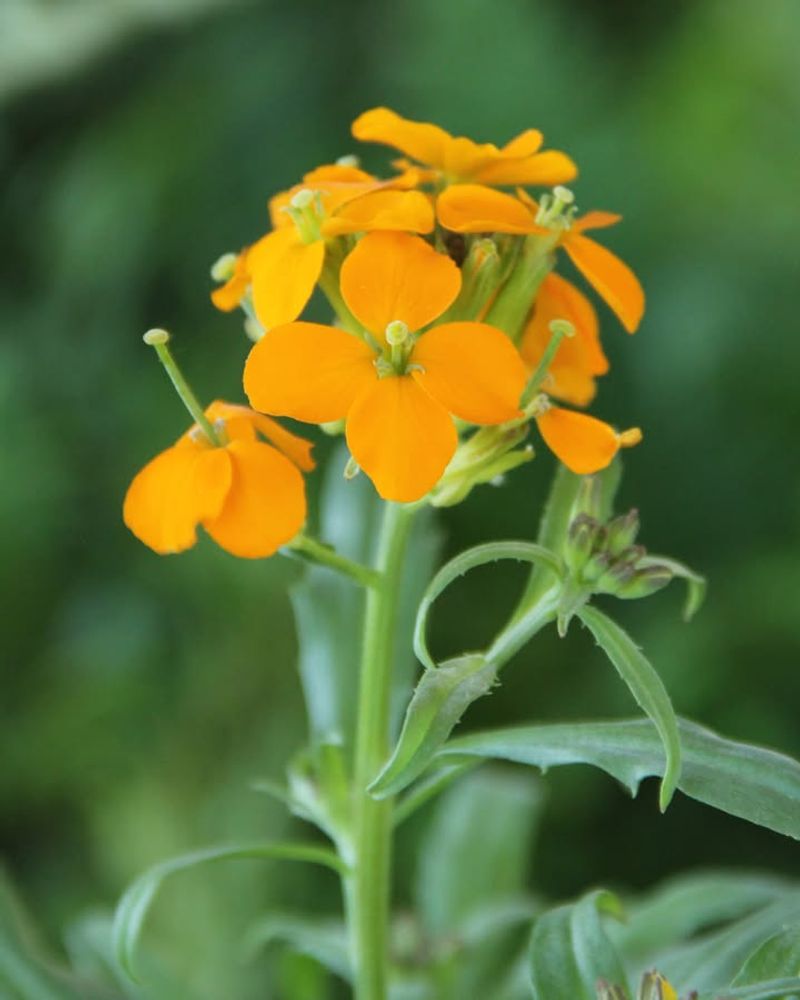
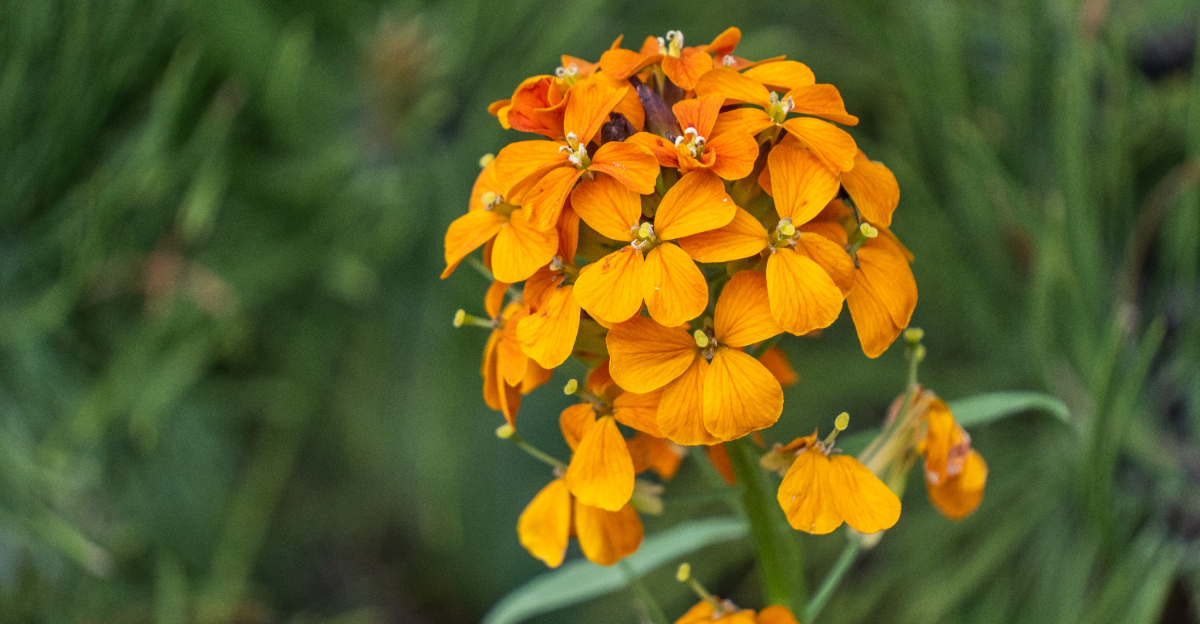
Bold, bright, and cheerful, Western Wallflower is a native Oregon plant that has been dazzling gardens and wild hillsides for centuries. The clusters of vivid orange and yellow flowers pop against green foliage and look stunning in borders, rock gardens, or naturalized areas.
It is one of those plants that immediately draws the eye.
Western Wallflower blooms in late spring and carries on into summer, providing weeks of rich color. Because it is native to the Pacific Northwest, it is perfectly adapted to Oregon’s climate.
It grows well in dry, rocky, or sandy soil where other plants might struggle. Full sun brings out the best blooms, and it handles Oregon’s dry summers with ease.
Beyond its looks, Western Wallflower is a magnet for native bees and butterflies. The sweet, honey-like fragrance is a bonus that makes it even more appealing.
It tends to be short-lived but self-seeds reliably, so you will often find new plants popping up year after year. Pair it with blue or purple flowers for a striking color contrast.
For Oregon gardeners who want a native plant with serious visual impact, Western Wallflower is a fantastic choice.
5. Hardy Fuchsia
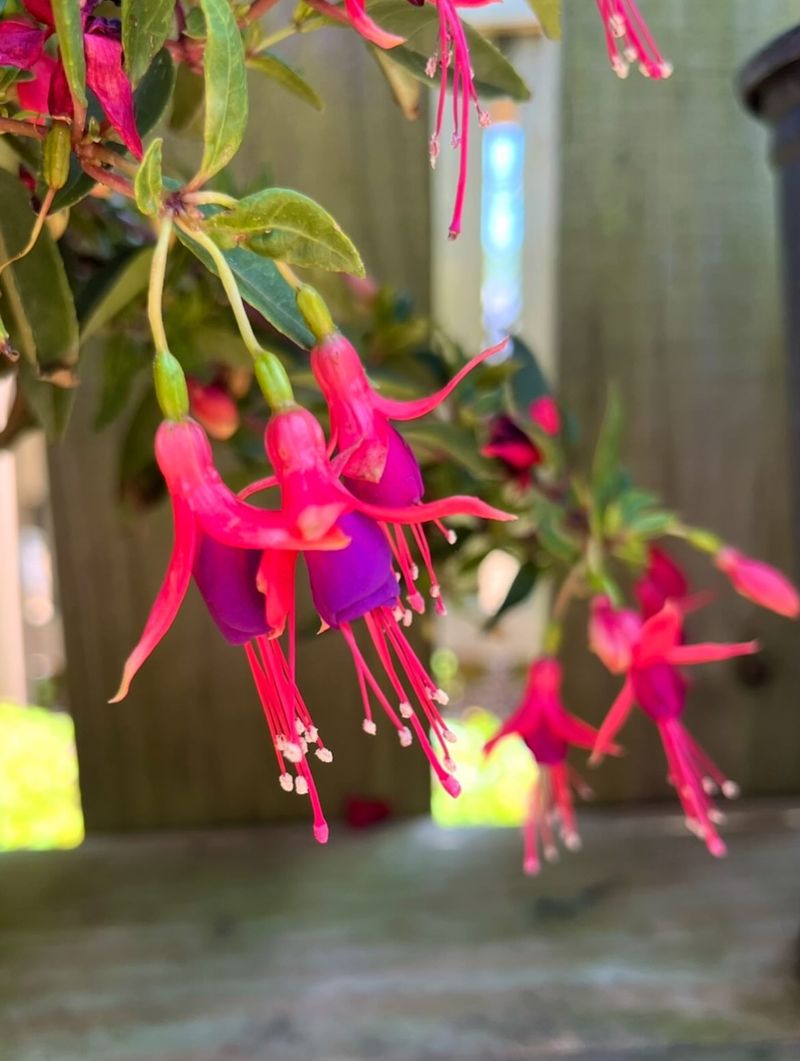
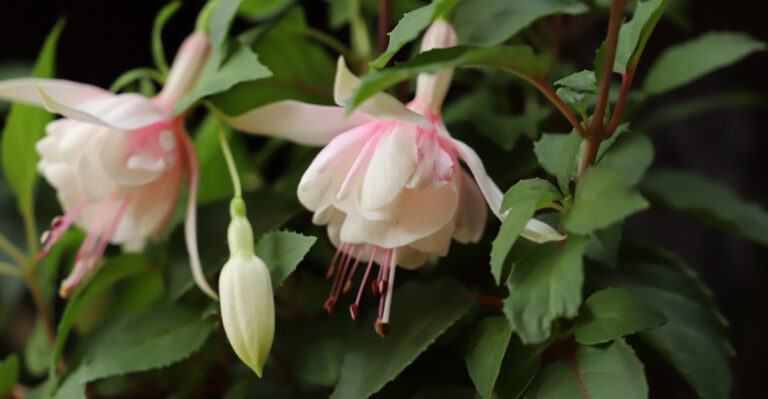
Walk through almost any Oregon neighborhood in summer and you are bound to spot a Hardy Fuchsia. The dramatic, pendulous flowers in jewel-toned shades of pink, purple, red, and white hang like tiny lanterns from arching branches.
It is one of the most recognizable and beloved flowering shrubs in the Pacific Northwest.
Unlike tender fuchsias that need to be brought indoors, Hardy Fuchsia can survive Oregon winters outdoors in most areas of the state. It blooms from early summer right through fall, offering months of spectacular color.
It grows happily in partial shade, which makes it perfect for those tricky spots in the garden where other sun-loving plants struggle.
Hummingbirds absolutely cannot resist Hardy Fuchsia. The tubular flowers are perfectly shaped for their long beaks, and watching them feed is one of summer’s great garden pleasures.
Hardy Fuchsia does well in containers or in the ground. Keep it watered regularly, as it prefers consistent moisture.
Cut it back hard in early spring to encourage vigorous new growth and a full season of blooms. For Oregon gardeners dealing with shady spaces, Hardy Fuchsia is an outstanding solution that never disappoints.
6. Checkerbloom
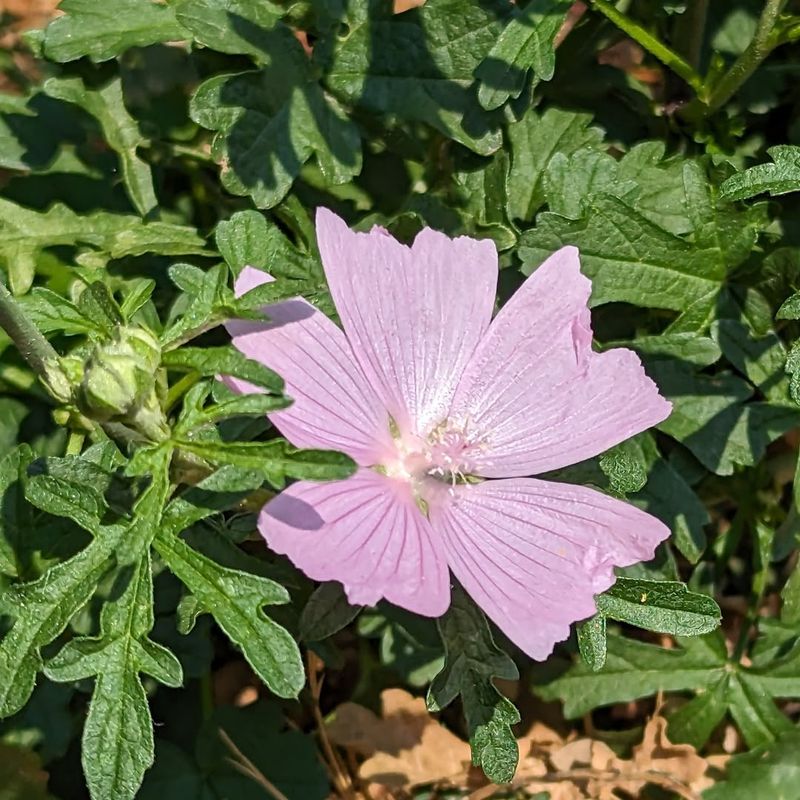
Checkerbloom is one of Oregon’s most underappreciated native wildflowers, and it deserves far more attention in home gardens. The upright stems are lined with small, hollyhock-like flowers in shades of rosy pink, lilac, and white.
The effect is elegant, airy, and completely at home in a naturalistic Oregon garden setting.
Also known as Sidalcea, Checkerbloom blooms from late spring through midsummer and often rebounds with a second flush if cut back after the first bloom. It prefers full sun to light shade and grows well in average to moist soil.
Oregon’s climate suits it beautifully. It is a tough plant that handles both wet winters and warm, dry summers without much complaint.
Native bees are especially fond of Checkerbloom. It supports pollinators that might not visit more exotic garden plants.
The flowers make lovely, long-lasting cut flowers too. Checkerbloom looks stunning when massed in drifts or combined with ornamental grasses and native ferns.
It spreads slowly over time, filling in gaps naturally. For Oregon gardeners who want a plant with genuine ecological value and real visual beauty, Checkerbloom is a rewarding and worthwhile addition to any summer garden.
7. Penstemon
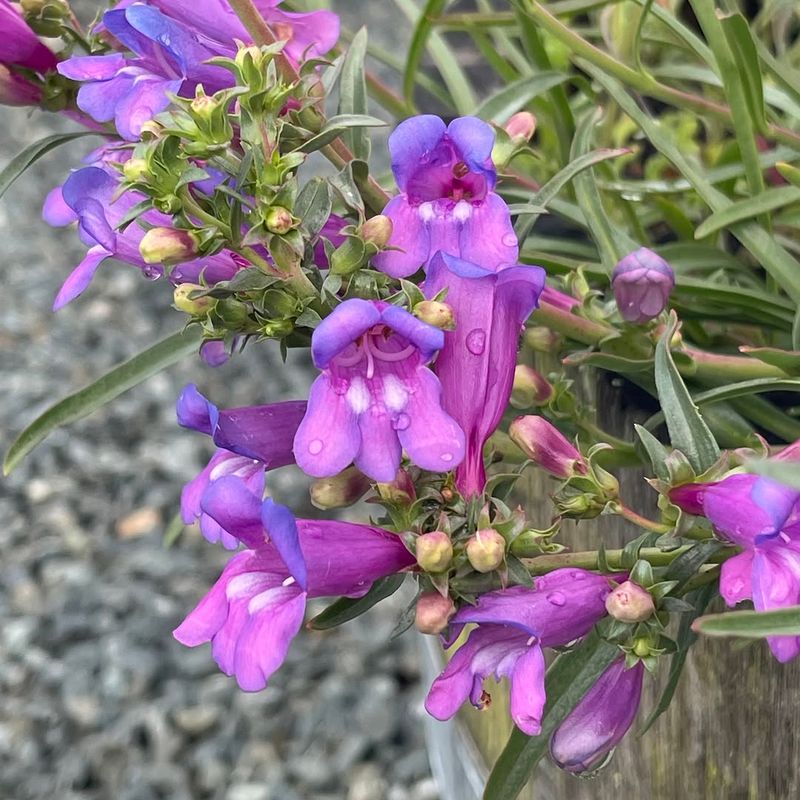
Ask any experienced Oregon gardener which native plant they could not live without and Penstemon comes up again and again. The tall, upright spikes of tubular flowers in shades of red, pink, purple, blue, and white are incredibly showy.
They bring vertical interest and bold color to any garden space from early summer onward.
Oregon is actually home to many native Penstemon species, and most of them are perfectly adapted to the state’s climate. They love full sun and well-drained soil.
Once established, they are remarkably drought-tolerant, making them ideal for Oregon’s warm, dry summers. They also handle poor soil better than many other flowering plants.
Hummingbirds and native bees rely heavily on Penstemon as a nectar source throughout the blooming season. Planting several varieties with slightly different bloom times can extend the show from late spring all the way through late summer.
Deadhead spent spikes to encourage more flowers. Penstemon looks spectacular in rock gardens, slopes, and mixed perennial borders.
It also pairs beautifully with ornamental grasses and silver-leaved plants. For Oregon gardeners who want a reliable, wildlife-friendly perennial with stunning visual impact, Penstemon is practically essential.
8. Coneflowers
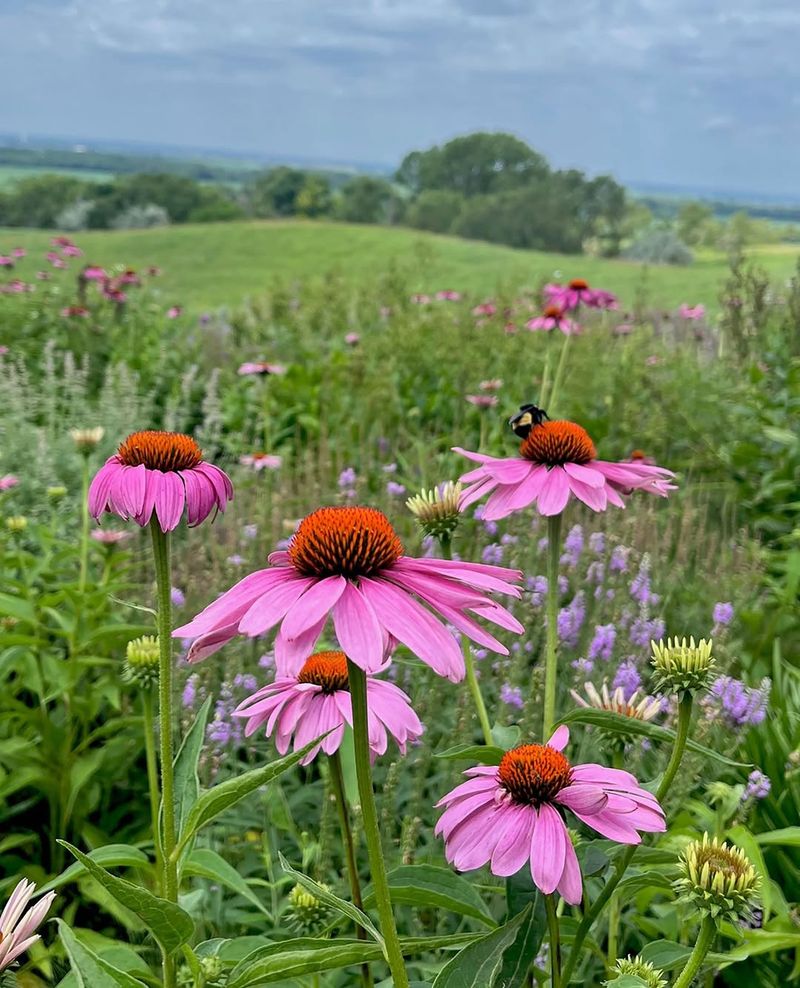
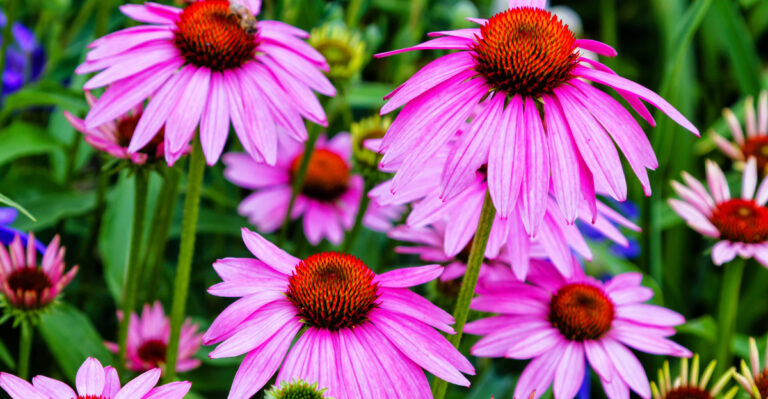
Tough, cheerful, and absolutely beloved by pollinators, Coneflowers are a summer garden staple across Oregon. The daisy-like blooms with their distinctive raised centers come in purple, pink, white, orange, yellow, and red.
They bloom from midsummer through early fall, providing weeks of reliable color when some other plants are starting to fade.
Echinacea, as Coneflowers are formally known, thrives in Oregon’s full sun conditions and handles dry spells without skipping a beat. Plant them in well-drained soil and they will reward you year after year.
They are true perennials, meaning they come back stronger every season. Over time, a single plant becomes a full clump loaded with blooms.
Beyond their beauty, Coneflowers are ecological workhorses. Bees, butterflies, and even goldfinches visit them throughout the season.
Leave the seed heads standing in fall and winter to feed birds through the colder months. They combine beautifully with black-eyed Susans, ornamental grasses, and salvias in mixed borders.
Coneflowers are also easy to divide and share with neighbors, which is a great way to spread garden joy. For any Oregon gardener, they are one of the most dependable and rewarding summer bloomers available.
9. Rudbeckia
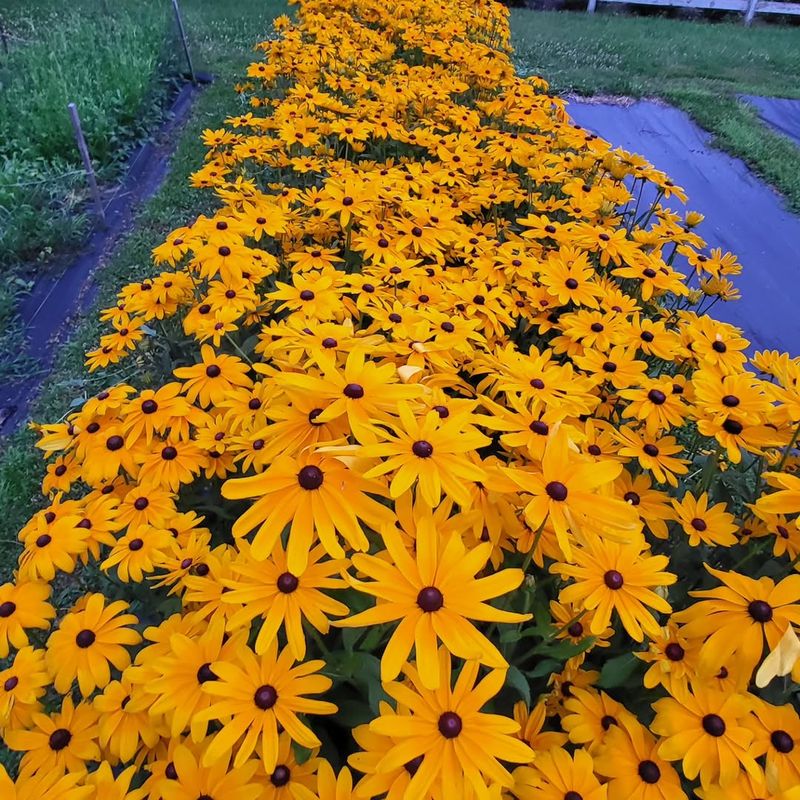
Nothing says Oregon summer quite like a big, bold patch of Rudbeckia in full bloom. The golden-yellow daisy-like flowers with their dark chocolate-brown centers are instantly recognizable and endlessly cheerful.
Also called Black-eyed Susan, Rudbeckia has been brightening gardens across the Pacific Northwest for generations.
Rudbeckia blooms from midsummer all the way through fall, making it one of the longest-lasting color sources in the Oregon garden. It thrives in full sun and tolerates a wide range of soil conditions, from average to slightly dry.
Once established, it is tough and self-sufficient. It even handles Oregon’s occasional summer heat waves without looking stressed.
Bees and butterflies visit Rudbeckia constantly throughout the blooming period. The flowers also make outstanding cut flowers that last well in a vase.
Leaving the seed heads in place after blooming provides food for birds and adds interesting winter texture to the garden. Rudbeckia naturalizes easily and often self-seeds, so you may find happy surprises popping up in new spots each year.
It pairs wonderfully with purple coneflowers, ornamental grasses, and salvias. For a low-effort, high-reward plant that delivers months of sunshine in any Oregon garden, Rudbeckia is hard to beat.
10. Verbena
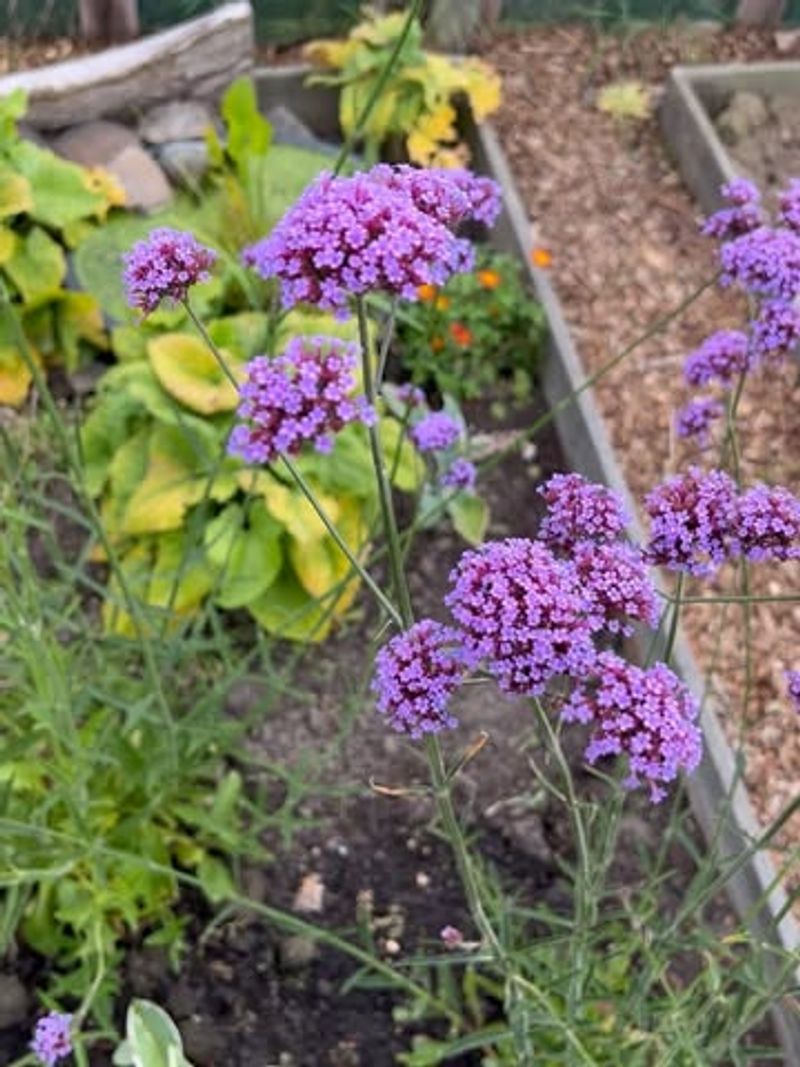
Few flowers pack as much color into such a small package as Verbena. The clusters of tiny blooms in shades of purple, red, pink, white, and coral cover the plant from early summer right through fall.
In Oregon’s warm summers, Verbena is practically unstoppable, spreading cheerfully across garden beds, containers, and hanging baskets.
Verbena loves full sun and thrives in well-drained soil. It is heat-tolerant, which makes it a great choice for the warmer parts of Oregon, including the Willamette Valley and Southern Oregon.
It handles dry spells well once established and does not need heavy fertilizing to perform beautifully. A light trim mid-season keeps it looking tidy and encourages fresh new blooms.
Butterflies are drawn to Verbena like a magnet. The flat-topped flower clusters make ideal landing pads for feeding.
Verbena works beautifully as a ground cover, a container plant, or a front-of-border filler. It combines well with silvery-leaved plants, ornamental grasses, and other summer perennials.
Try pairing it with yellow Rudbeckia for a bold, high-contrast display. For Oregon gardeners who want season-long color with minimal effort, Verbena is one of the most reliable and versatile flowering plants you can choose.
11. Marigolds
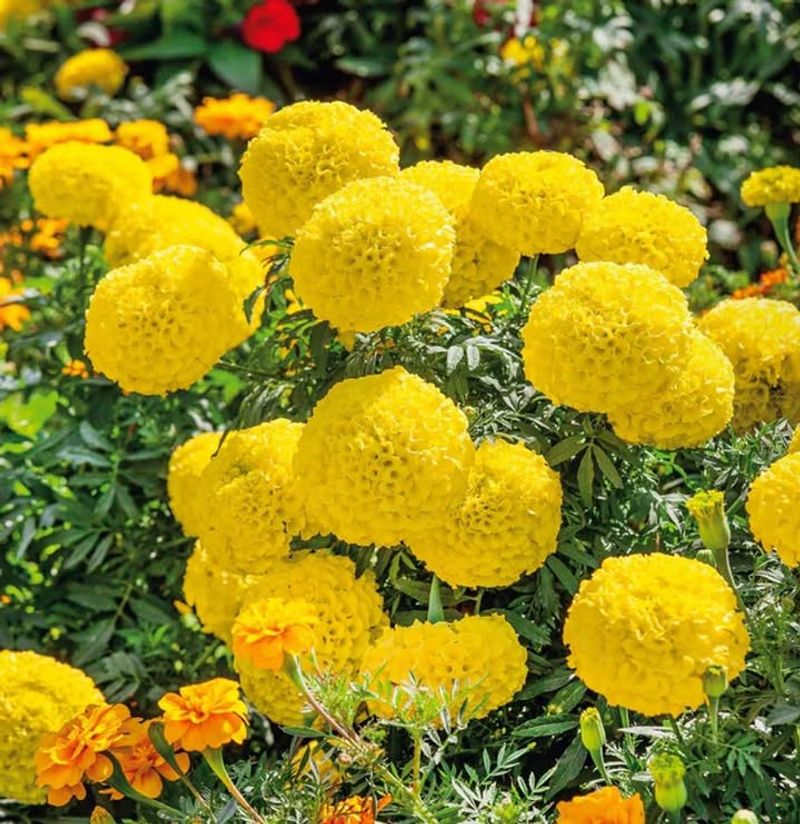
Some plants have earned legendary status in the garden world, and Marigolds are absolutely among them. The bright, pom-pom-like blooms in fiery shades of orange, yellow, and red bring instant warmth and energy to any Oregon garden.
They have been a summer garden favorite for so long that they feel like a piece of gardening history.
Marigolds bloom from early summer right through the first frost, making them one of the longest-performing annuals available to Oregon gardeners. They thrive in full sun and are remarkably heat-tolerant.
They do not need much water once established and grow happily in average garden soil. Plant them along borders, in containers, or tucked between vegetable rows where they also help repel certain garden pests.
Beyond their visual appeal, Marigolds are genuinely useful plants. Their strong scent deters aphids and other unwanted insects, making them a popular companion plant in Oregon vegetable gardens.
Bees and butterflies still visit them regularly for pollen. Deadhead spent flowers every week or so and the plant will keep producing new blooms without slowing down.
Available in dwarf and tall varieties, there is a Marigold for every garden space. For reliable, cheerful, season-long color in Oregon, Marigolds simply never go out of style.