The Exotic Fruits More Georgia Gardeners Are Trying This Season
Georgia gardens usually fill up with the same familiar fruits every year, but more homeowners have started paying attention to unusual varieties that bring something completely different to the backyard.
Bold colors, unexpected flavors, and tropical looking growth are turning certain fruits into conversation starters long before harvest season even begins.
Warm Georgia summers create better conditions for many exotic fruits than people realize at first. Faster growth, long sunny days, and extended heat give several lesser known plants a chance to thrive in ways that surprise first time growers.
Curiosity around these fruits keeps growing once gardeners see them producing successfully in local yards.
1. Dragon Fruit Grows Best In Protected Sunny Areas
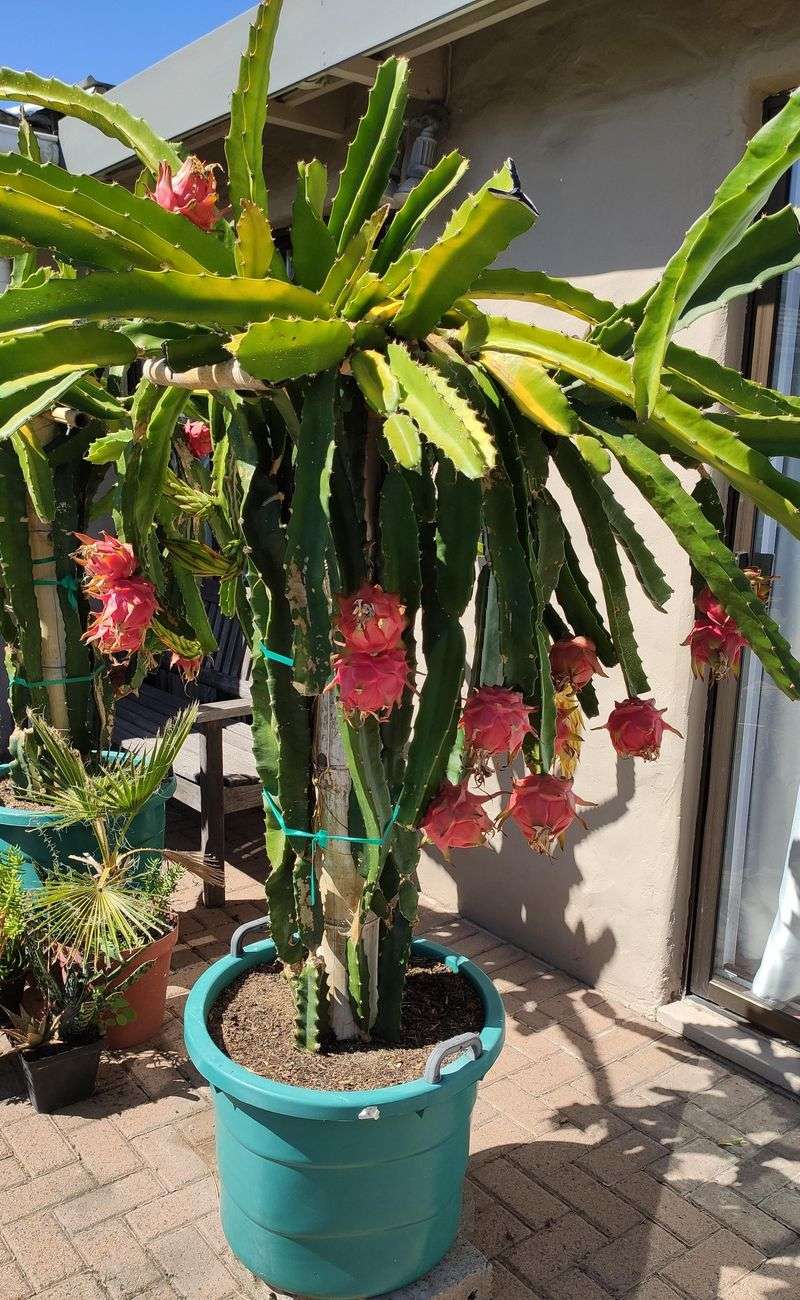
Not many fruits look as dramatic as dragon fruit, and growing it yourself makes it even more impressive. In Georgia, this cactus-like plant needs full sun and protection from strong cold winds, especially during the cooler months.
A south-facing wall or a covered porch corner can make a real difference in how well the plant performs.
Dragon fruit grows on a climbing cactus that can reach serious heights if given a sturdy trellis or post. Without support, the stems flop over and fruit production drops noticeably.
Many Georgia gardeners use a simple wooden post with a crossbar at the top, which works surprisingly well even in smaller yards.
Watering needs are moderate since the plant handles short dry spells better than soggy roots. Well-draining sandy or loamy soil is ideal, and adding a layer of mulch helps regulate soil temperature during Georgia’s unpredictable spring weather.
Blooms appear at night and only last one evening, so pollination by hand is sometimes needed.
Fruit typically develops within 30 to 50 days after a successful bloom. Expect a learning curve in the first year, but once the plant establishes itself, it rewards patient gardeners with stunning fruit that tastes mildly sweet with a texture similar to kiwi.
Container growing also works well for dragon fruit in Georgia because plants can be moved to protected areas during colder winter nights.
2. Loquat Trees Produce Sweet Fruit With Little Fuss
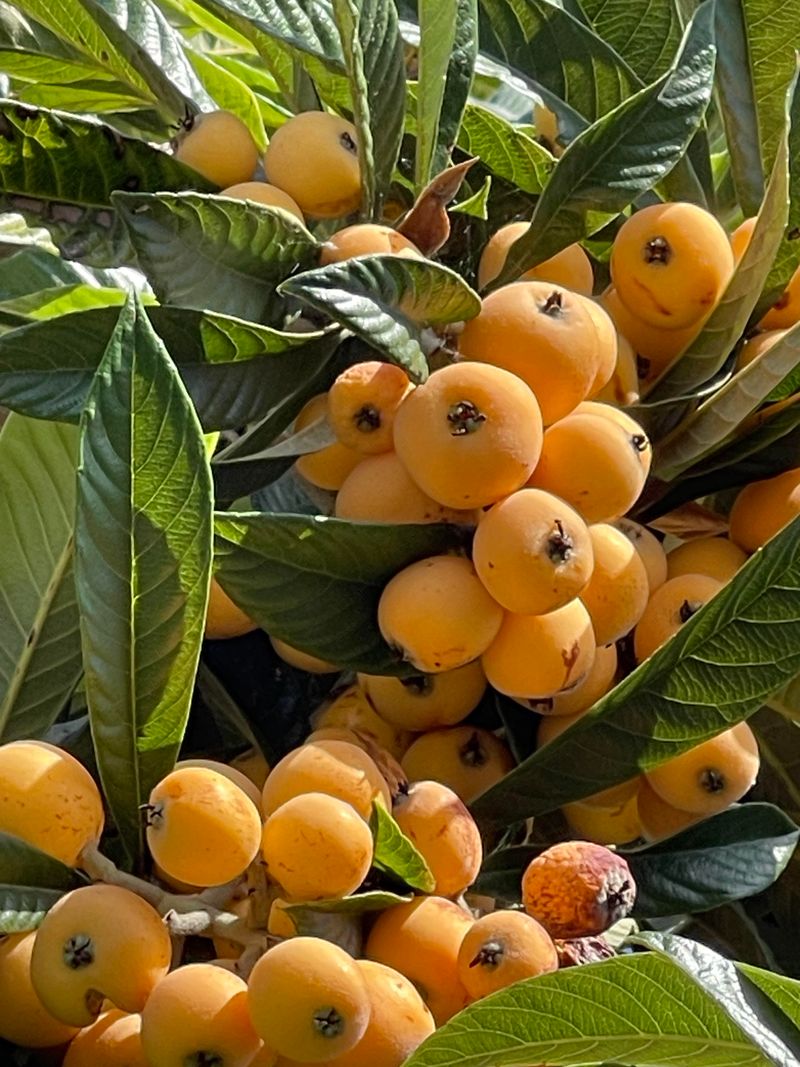
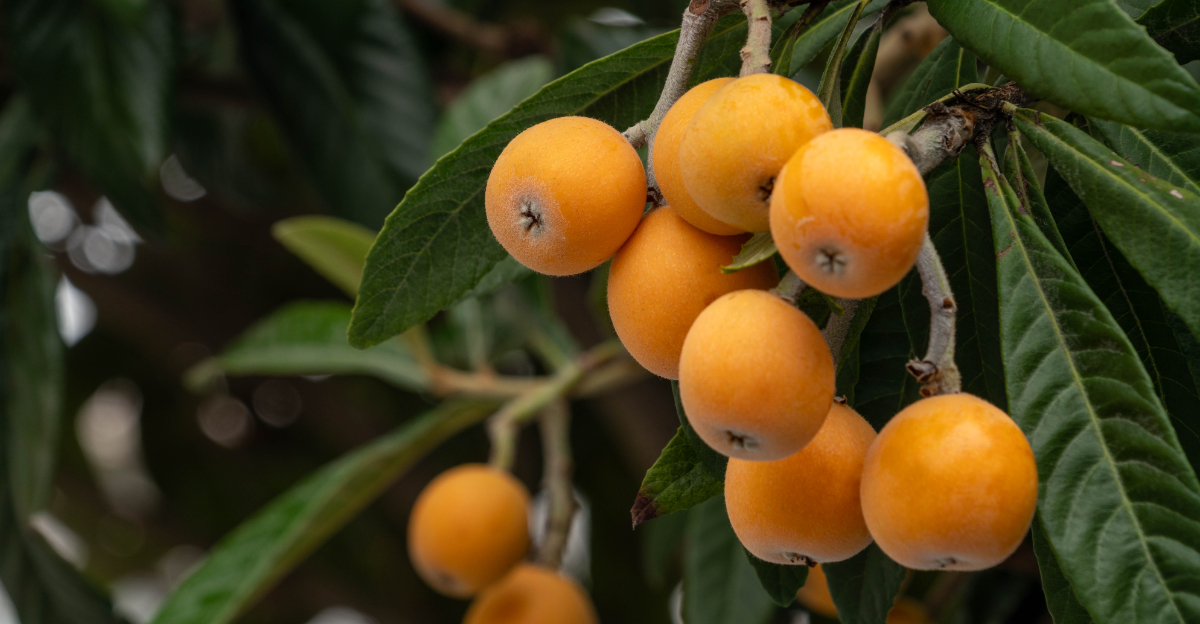
Loquat trees have a quiet confidence about them. They fruit in late winter and early spring when almost nothing else in the Georgia garden is producing, which makes them genuinely useful rather than just interesting.
That alone is reason enough to plant one.
Across Georgia, loquats handle the heat well and tolerate mild freezes without much drama. Established trees can survive temperatures down to around 12 to 15 degrees Fahrenheit, though extended hard freezes can damage open blossoms.
Planting in a spot with some overhead protection or near a structure helps shield the blooms during cold snaps.
Growth is slow to moderate, and most trees stay under 15 feet, which makes them manageable for average backyards. Loquats prefer well-drained soil and do not need heavy fertilizing once settled in.
Overwatering is more of a concern than underwatering once the tree is established.
Fruit flavor ranges from mildly tart to honey-sweet depending on the variety, ripeness level, and local growing conditions. Varieties like Big Jim and Advance tend to perform reliably in Georgia gardens.
Your Georgia Garden Changes Every Week. Your Plan Should Too.
Gardening in Georgia changes quickly throughout the season. Every Friday you’ll receive a simple weekly plan showing exactly what to plant, prune, fertilize, harvest, and protect so you never miss the right timing.
Birds love the fruit, so netting the tree as it ripens is worth the effort if you want a decent harvest for yourself.
Loquat trees also develop dense evergreen foliage that provides shade and visual interest throughout the year in Georgia landscapes.
Fragrant white flowers usually appear in fall, which adds another layer of interest before the fruit even begins forming.
3. Pineapple Plants Grow Well In Large Containers
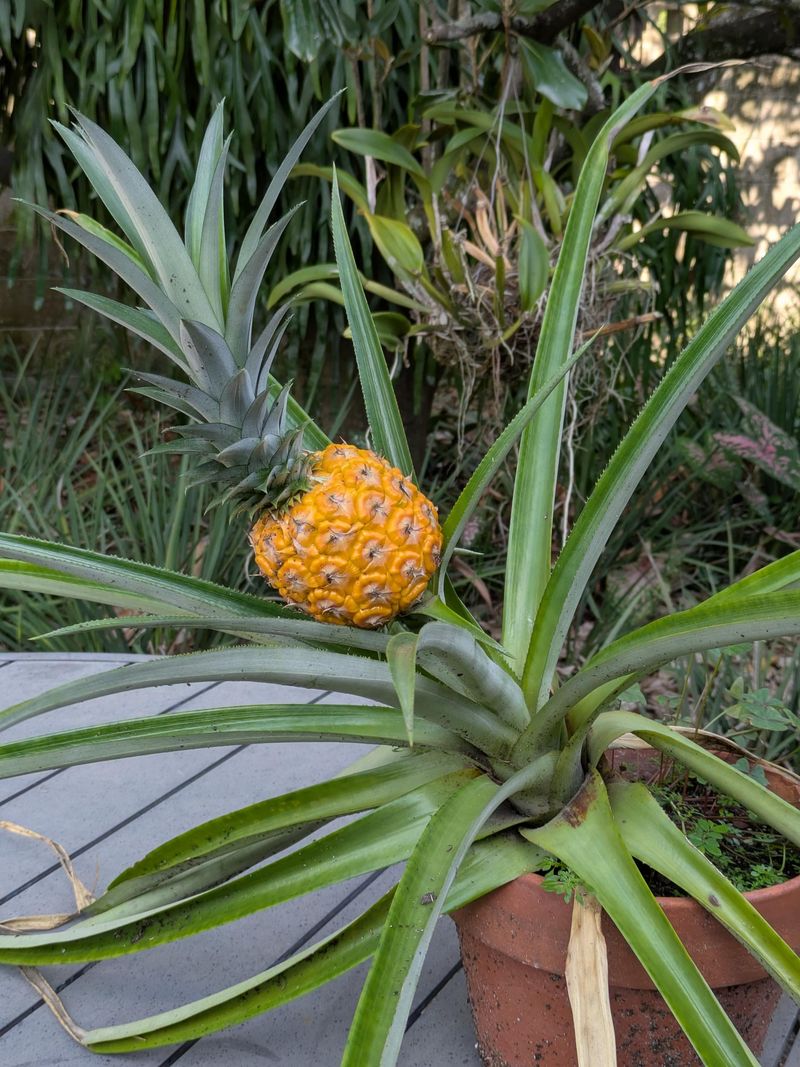
Growing a pineapple in Georgia is absolutely possible, and container gardening is the smartest way to do it. Pineapples need consistent warmth, so keeping them in pots lets you move them inside when fall temperatures drop, which is a practical solution for most parts of the state.
Start with a pineapple top from the grocery store or purchase a rooted slip from a nursery. Plant it in a large pot with fast-draining soil, and place it somewhere that gets at least six hours of direct sun each day.
South-facing patios and driveways work especially well since they absorb and hold heat.
Patience is the biggest requirement with pineapples. From planting to fruit, the process typically takes 18 to 24 months under good conditions.
Speeding up the process is sometimes possible by placing a ripe apple near the plant inside a plastic bag for a few days, which releases ethylene gas and can trigger flowering.
Fertilize lightly every few weeks during the growing season using a balanced liquid fertilizer. Avoid letting water sit in the crown since that can cause rot.
In Georgia’s humid summers, airflow around the plant matters more than many gardeners expect. One healthy plant can produce one fruit per growing cycle, but offset plants from the base will eventually produce more.
Pineapple plants also handle short dry periods surprisingly well once established, which makes them fairly low maintenance between waterings in Georgia summers.
4. Passionfruit Vines Climb Quickly In Warm Weather
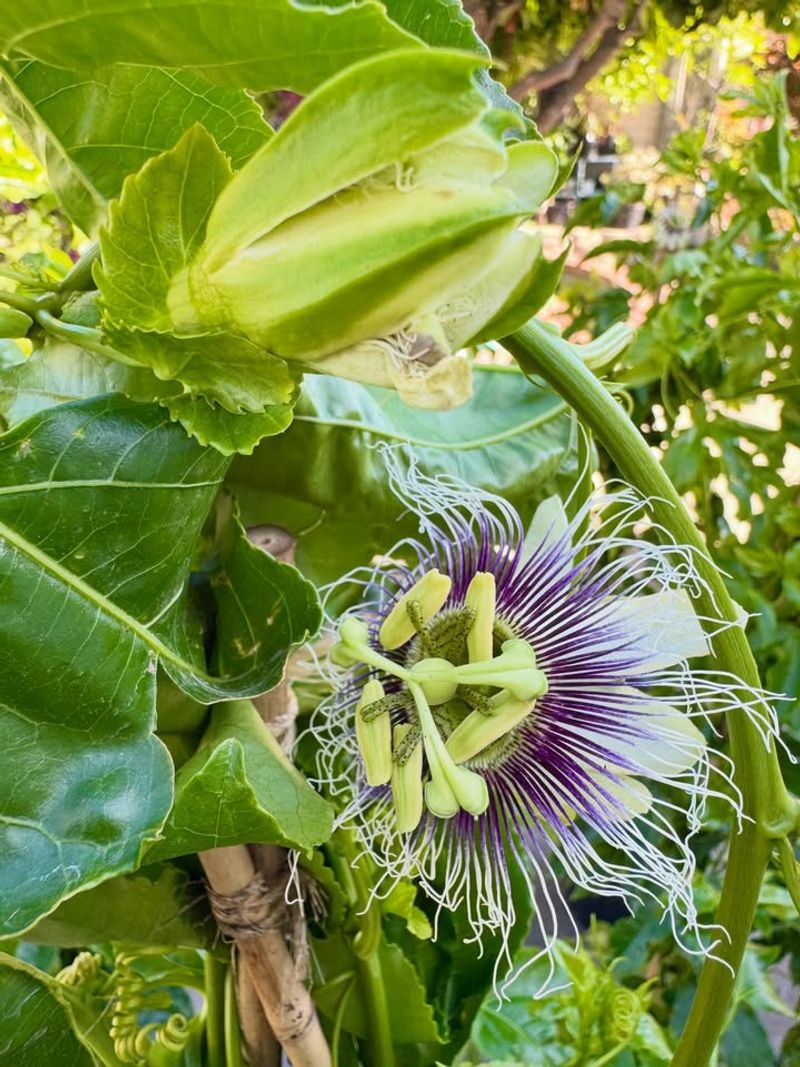
Passionfruit vines move fast once they find their footing, and Georgia’s warm summers give them exactly the energy they need. A single vine can cover a large fence or trellis within one growing season, making it both a productive plant and a natural privacy screen.
Maypop, the native North American variety of passionfruit, grows especially well across Georgia and is more cold-tolerant than tropical types. It can handle light freezes and tends to return from the roots even after a rough winter.
Tropical varieties like Purple Passion require more protection and do best in the warmer southern parts of the state.
Vines need something to grab onto right away. Install a trellis, fence, or wire system before planting so the tendrils have immediate support.
Without something to climb, the vine sprawls across the ground and becomes harder to manage. A simple chain-link fence works just as well as a decorative garden trellis.
Fruit ripens from late summer into fall and drops to the ground when ready. That is actually the easiest way to know it is time to harvest.
Inside the wrinkled shell is a sweet, tangy pulp full of edible seeds that can be eaten fresh or blended into drinks. Pollinators love the flowers, which adds extra value to the plant throughout the Georgia growing season.
Passionfruit vines also benefit from regular pruning since cutting back excess growth helps improve airflow and keeps the plant from becoming overly tangled by late summer.
5. Pomegranate Trees Handle Hot Summers Very Well
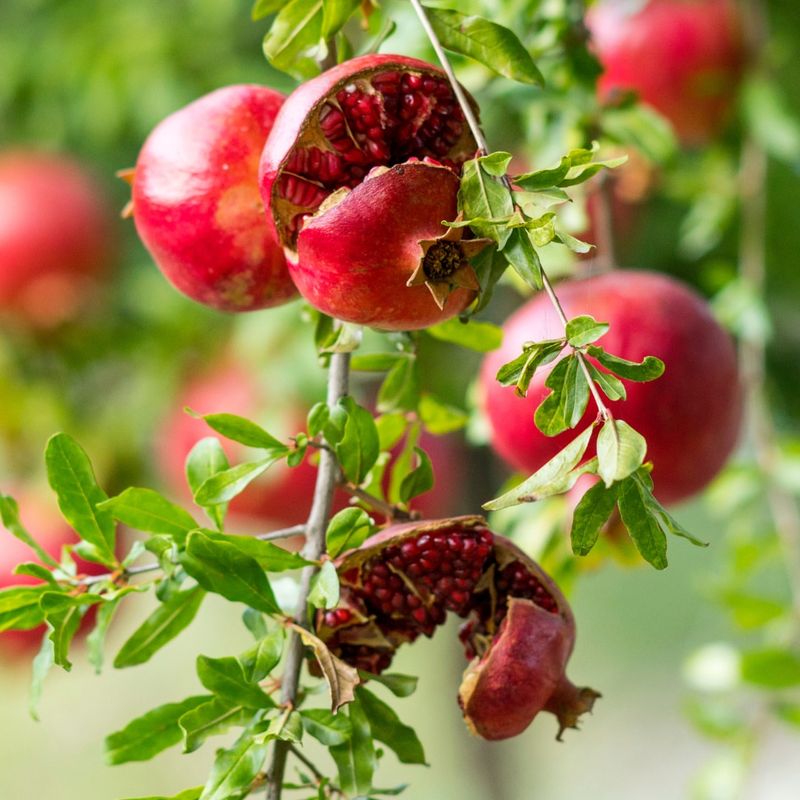
Few plants are as well-matched to Georgia summers as the pomegranate. Heat that stresses other fruit trees actually helps pomegranates push out more fruit, and the plant rarely complains about the long stretches of dry weather that sometimes hit the state in July and August.
Pomegranates prefer full sun and well-drained soil, and they are surprisingly forgiving about soil quality. Sandy soils, clay soils, and everything in between can work as long as drainage is decent.
Waterlogged roots are the main concern, so raised planting beds or sloped areas in the yard are ideal spots.
Most varieties grown in Georgia reach between 6 and 12 feet tall, though some can get larger without regular pruning. Keeping the plant shaped like a small tree rather than a sprawling shrub makes harvesting much easier.
Pruning in late winter before new growth starts is the most effective approach for maintaining a manageable size.
Wonderful is the most widely grown variety in Georgia and for good reason. It produces large, deep red fruit with excellent flavor and handles the climate reliably.
Harvest usually happens between September and November when the skin shifts from bright red to a deeper, slightly duller tone and the fruit feels heavy for its size. One established tree can produce dozens of fruits in a single season.
Bright orange-red flowers appear in late spring and attract plenty of pollinators before the fruit starts developing.
6. Figs Produce Reliable Harvests In Backyard Gardens
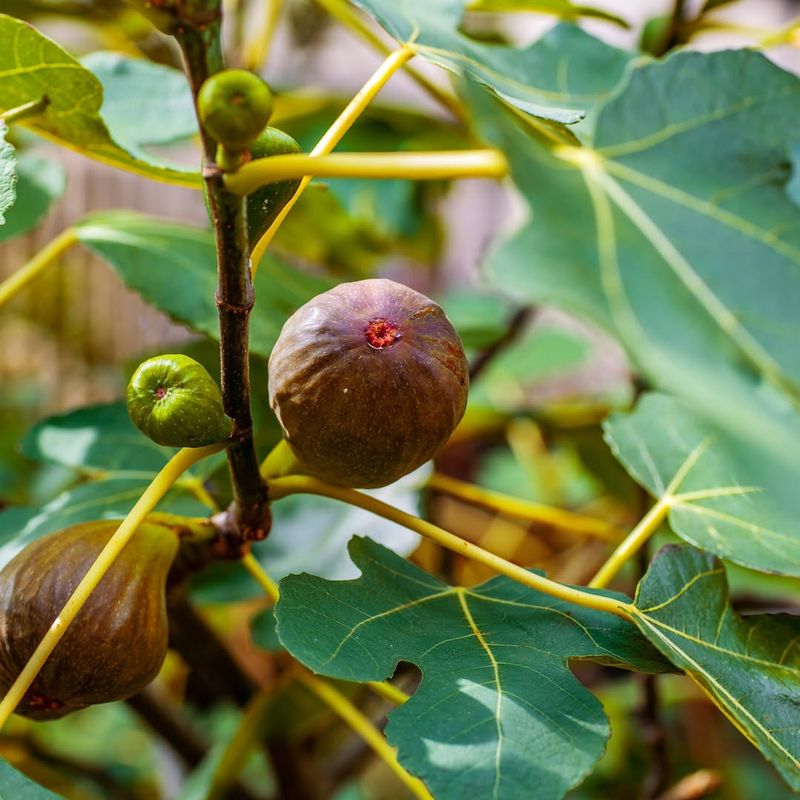
Ask any experienced Georgia gardener about low-maintenance fruit trees and figs will come up almost every time. Brown Turkey figs in particular have been thriving in Georgia backyards for generations, and newer gardeners are rediscovering just how easy and rewarding they are to grow.
Figs love heat and handle Georgia summers without needing much extra attention. A well-established tree can go weeks without rain and still produce a solid crop.
Young trees need regular watering during their first two years, but once the roots spread out, drought tolerance improves significantly.
Planting near a south-facing wall gives the tree a bit of extra warmth in winter, which matters in the northern parts of Georgia where temperatures occasionally drop into the low teens. Mulching around the base helps protect roots during cold snaps.
Some gardeners in colder zones wrap smaller trees with burlap as a precaution.
Figs typically produce two crops per year in Georgia. The first, called the breba crop, comes in early summer on last year’s wood.
The second and usually larger main crop ripens in late summer and early fall. Fruit is ready when it droops slightly on the branch and pulls away easily with a gentle tug.
Fresh figs do not store long, so eating them right off the tree is honestly one of the best parts of growing them.
7. Guava Plants Grow Best In Warm Sheltered Spots
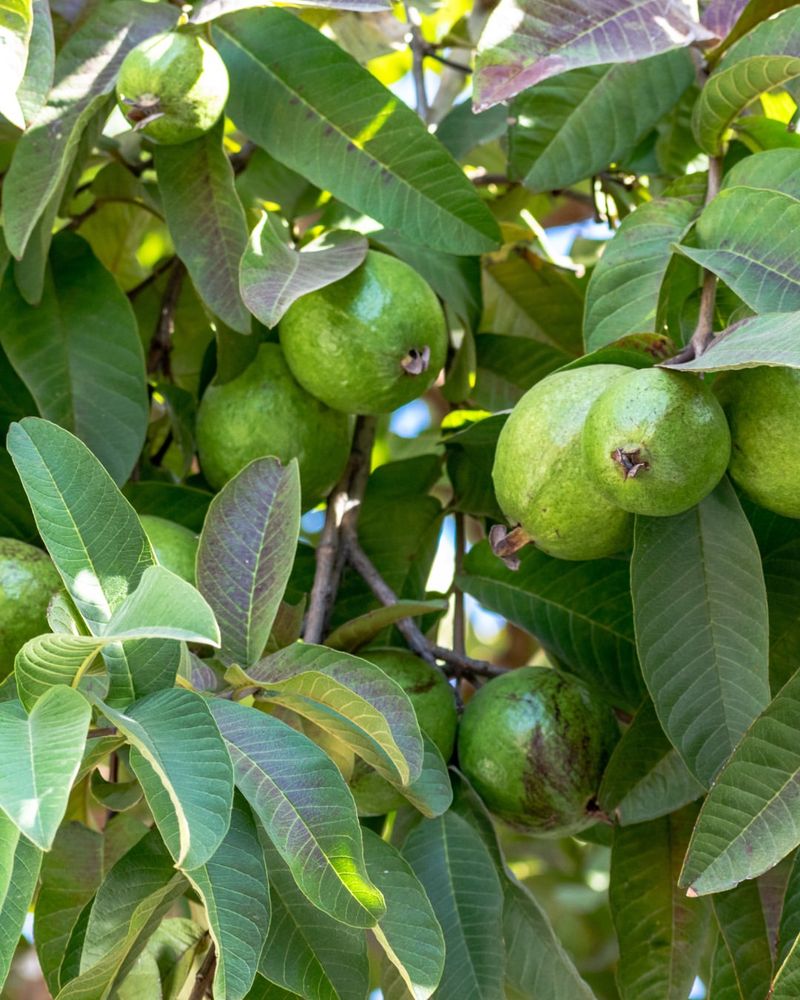
Guava is not the most common fruit in Georgia gardens, but that is starting to change as more gardeners realize how well it performs in warm, protected spots. Southern Georgia has the best natural conditions for guava, though gardeners further north can still succeed with smart placement and some winter prep.
Cold is the main challenge. Guava plants struggle below 27 degrees Fahrenheit, so site selection matters a lot in Georgia’s varied climate.
A spot near a south-facing brick wall, inside a sunroom, or against a heated structure can provide enough warmth to carry the plant through most winters without serious damage.
In containers, guava is much easier to manage statewide. A five-gallon pot works for young plants, but moving up to a 15 to 20-gallon container as the plant matures gives the roots enough room to support strong fruit production.
Bring the container inside when temperatures drop below freezing, and set it back outside once spring warms up.
Guava grows quickly during Georgia’s long warm season and can produce fruit within two to four years from a young plant. Tropical Pink and Ruby Supreme are two varieties that perform reliably in the South.
Fruit ripens when the skin turns from green to yellow and gives slightly under gentle pressure. The flavor is sweet and aromatic, somewhere between strawberry and pear.
8. Papaya Plants Grow Fast During Summer Heat
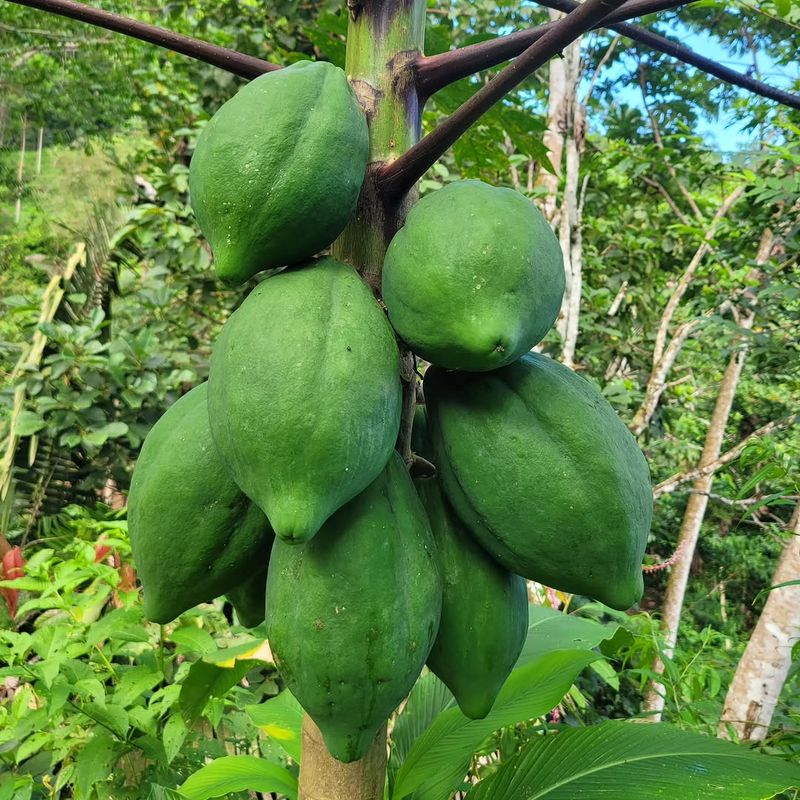
Papaya plants grow at a pace that surprises most first-time growers.
Under good conditions in Georgia, a papaya can go from a small seedling to a fruit-bearing plant within a single growing season, which makes it one of the fastest-producing exotic options available to Southern gardeners.
Georgia’s summers are nearly ideal for papaya growth since the plant thrives in heat and needs consistent warmth to produce well.
Start seeds indoors in late February or early March, then transplant outside after the last frost when soil temperatures are reliably above 60 degrees Fahrenheit.
Getting a head start indoors adds valuable weeks to the growing window.
Papayas are not cold-hardy, so treat them as warm-season annuals in most of Georgia, especially in the northern half of the state. In coastal and southern Georgia, mild winters sometimes allow plants to survive and produce into a second year.
Even as annuals, they can produce a surprising number of fruits before temperatures drop in fall.
Plant in full sun with rich, fast-draining soil and water consistently but avoid standing water around the base. Papayas are heavy feeders and respond well to regular fertilizing throughout the growing season.
Solo and Maradol are two varieties that tend to perform well in Georgia conditions. Fruit is ready to harvest when the skin shows at least half yellow coloring and the flesh gives slightly under light pressure.