Smart Container Plants Oregon Patios Need Before Spring Weather Shifts Again
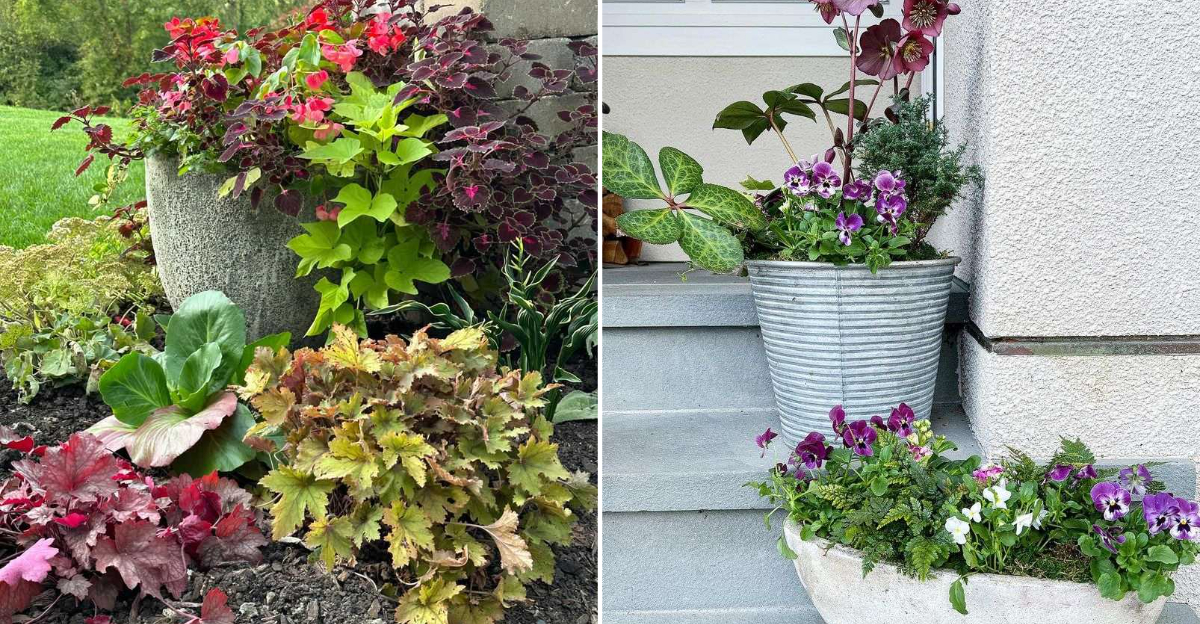
Oregon patio season always starts with a little optimism. One warm stretch rolls in, the light gets softer in the evenings, and suddenly every empty pot starts looking like a missed opportunity.
Then spring shifts again. A chilly night, a sharp breeze, a week of rain, and the patio that felt almost summer-ready needs plants that can keep up.
That is where smart container choices really shine. The best ones do more than look pretty for a weekend.
They handle the ups and downs, keep their shape, and make the whole space feel pulled together even when the weather cannot make up its mind.
For Oregon gardeners, this is such a good time to fill pots with plants that bring color, texture, and staying power without acting fussy.
A few well-chosen containers can wake up the whole patio fast. Get the right plants in place now, and your outdoor space starts looking lively well before summer fully settles in.
1. Pansies
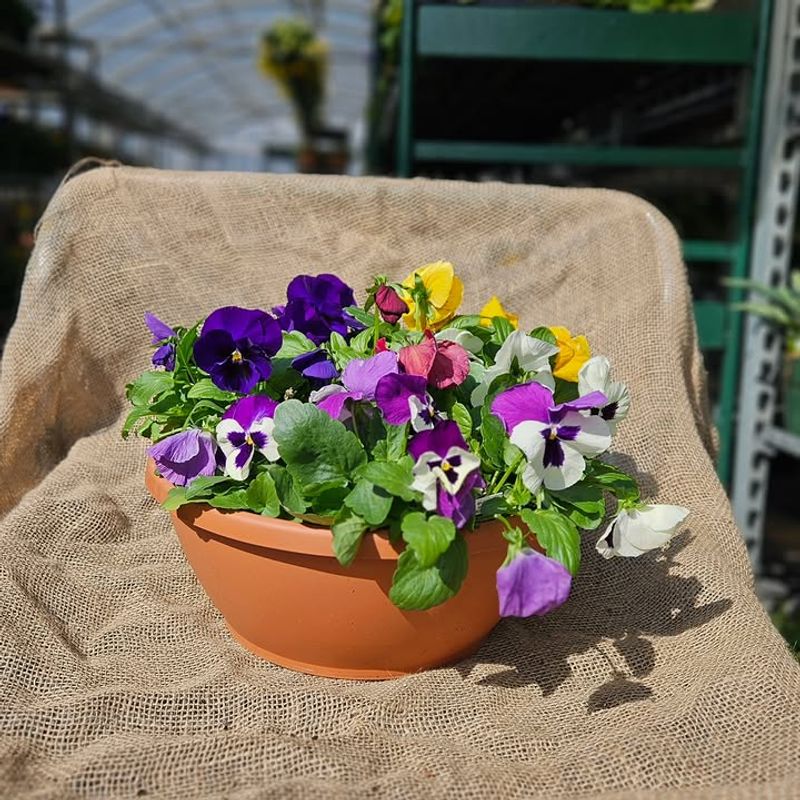
Few flowers bring as much cheerful energy to a patio as pansies do. Their bold, wide-open faces come in almost every color you can imagine, from deep violet to bright yellow to soft cream.
Oregon gardeners have loved them for generations, and it is easy to see why.
What makes pansies so smart for Oregon patios is their ability to bounce back after a light frost. Temperatures can dip unexpectedly in early spring here, and pansies just shrug it off and keep blooming.
Plant them in a well-draining potting mix and give them a spot with four to six hours of sunlight each day.
Water them regularly, but never let the container sit in standing water. A balanced liquid fertilizer every two to three weeks keeps the blooms coming strong.
Deadhead spent flowers often to encourage fresh buds. Pansies are one of the most rewarding container plants you can grow on an Oregon patio before the season fully settles in.
2. Violas
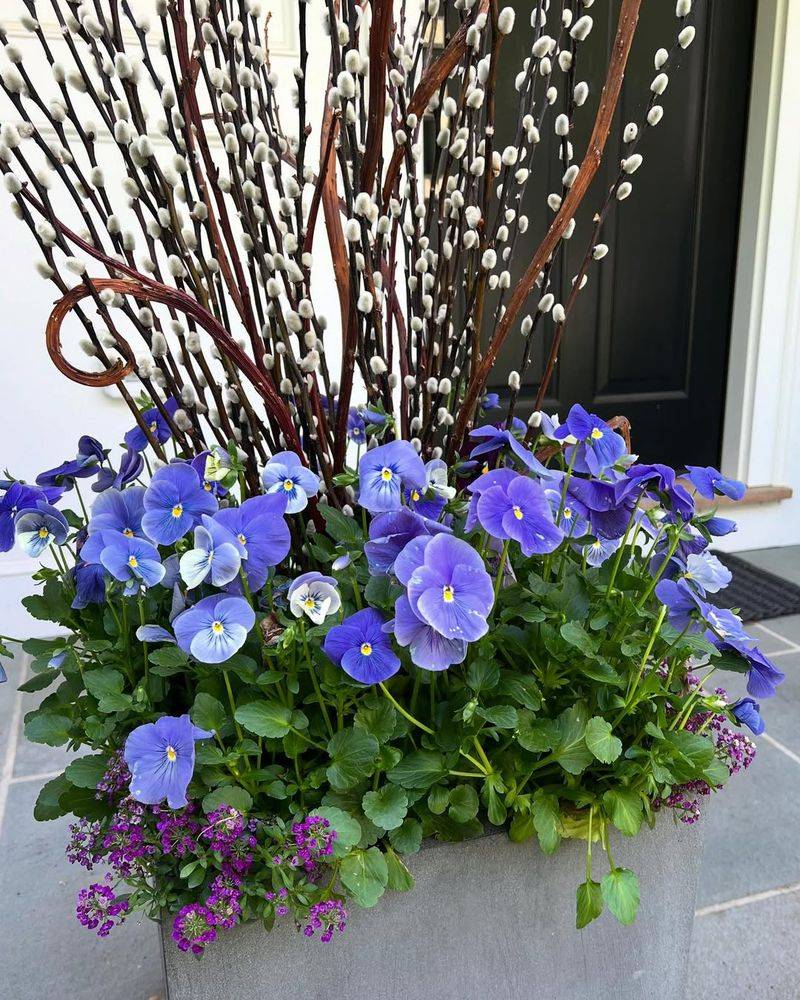
Violas are like the smaller, slightly wilder cousin of pansies, and they are absolutely perfect for Oregon’s unpredictable spring. Their tiny blooms pack a serious punch of color, and they spread naturally across containers in a way that looks effortless and full.
One of the best things about violas is how cold-hardy they really are. Even when a late frost sneaks in along the Willamette Valley or the coast, violas hold their ground without missing a beat.
They thrive in cool, moist conditions, which makes Oregon’s spring climate feel like home to them.
Plant violas in containers with good drainage and a quality potting mix. They do well in full sun or partial shade, which gives you flexibility on any patio layout.
Water consistently and fertilize lightly every few weeks. Because they self-seed easily, you might even find new little plants popping up in nearby pots by summer.
Violas reward low-maintenance gardeners with a long and generous bloom season that stretches well into the warmer months across Oregon.
3. Primroses
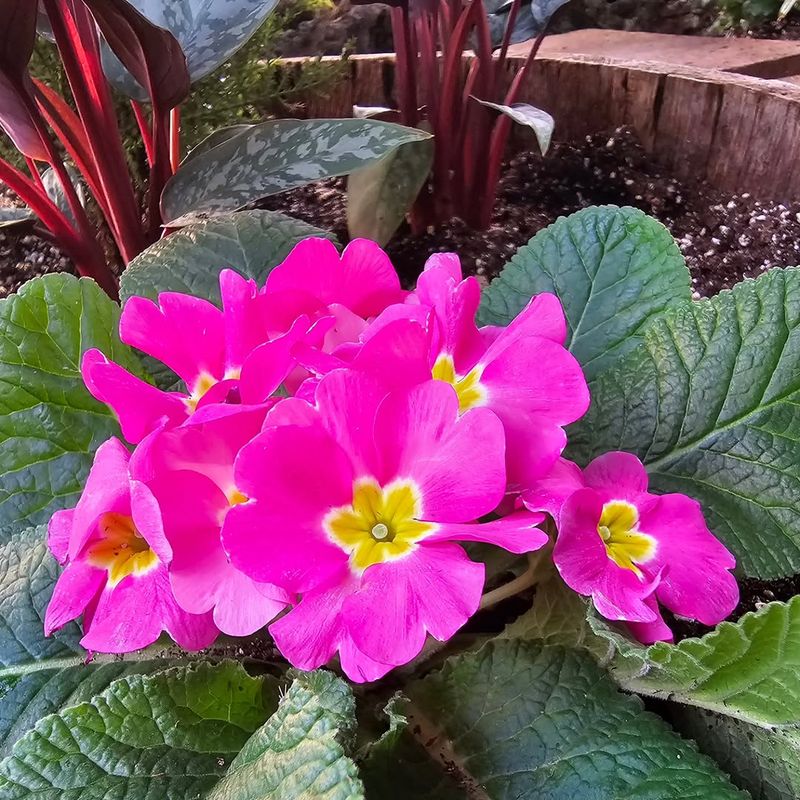
Walk into any Oregon garden center right now and the first splash of bold color you see is probably primroses. Their jewel-bright blooms in red, orange, yellow, and pink look almost unreal, like someone turned the saturation all the way up.
Your Oregon Garden Changes Every Week. Your Plan Should Too.
Gardening in Oregon changes quickly throughout the season. Every Friday you’ll receive a simple weekly plan showing exactly what to plant, prune, fertilize, harvest, and protect so you never miss the right timing.
Primroses genuinely love Oregon’s cool, damp spring weather. They thrive when temperatures stay between 45 and 65 degrees, which is pretty much a description of a typical Oregon March or April.
Consistent moisture is key, so check the soil every day and water whenever the top inch feels dry.
Place primrose containers in partial shade to protect them from harsh afternoon sun, especially as the season warms up. They do best in rich, well-draining potting mix with a little slow-release fertilizer mixed in at planting time.
Avoid crowding too many plants into one pot, since good airflow helps prevent disease. Primroses are one of the earliest signs that spring has truly arrived on your Oregon patio, and their vivid color makes every gray morning feel a little brighter.
4. Snapdragons
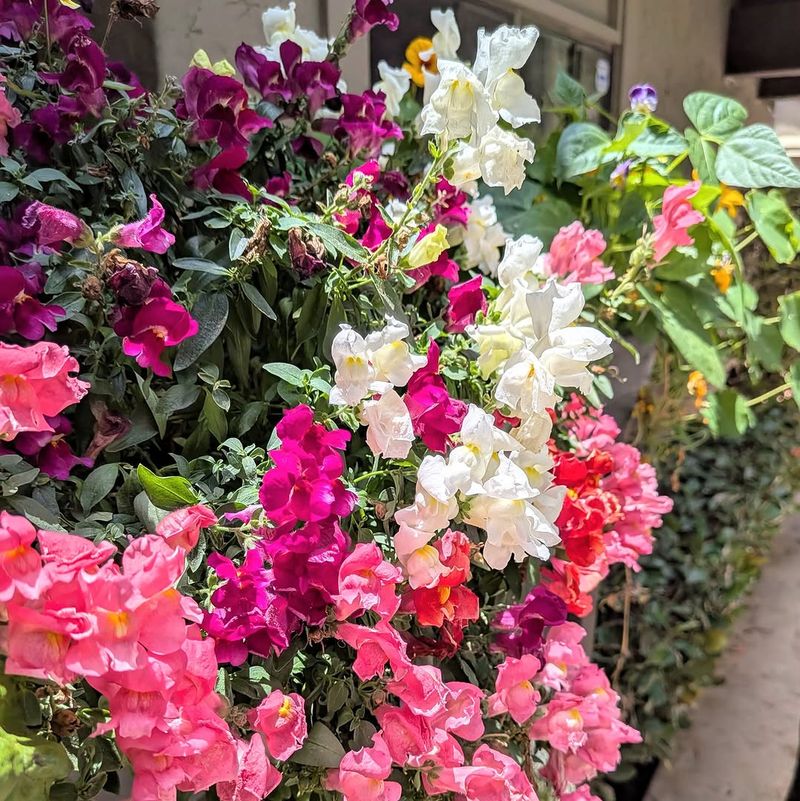
Snapdragons have been a garden favorite for centuries, and there is a good reason they have stuck around so long. Their tall, dramatic flower spikes add vertical interest to any container arrangement, and they come in a rainbow of colors that look stunning against Oregon’s lush green backdrops.
Here is a fun fact: snapdragons actually prefer cool weather over hot weather. That makes them a brilliant choice for Oregon patios in early spring, when temperatures are still mild and the air still has that crisp Pacific Northwest freshness.
They can even handle a light frost without much trouble.
Plant snapdragons in deep containers since their roots like room to grow. Use a rich potting mix and place them where they get at least six hours of sunlight.
Water at the base of the plant rather than overhead to keep the foliage dry. Pinch back the tips when they are young to encourage bushier growth and more blooms.
As the season warms up, snapdragons will reward you with weeks of dramatic, colorful flower spikes that make your Oregon patio feel like a professional garden display.
5. Osteospermum
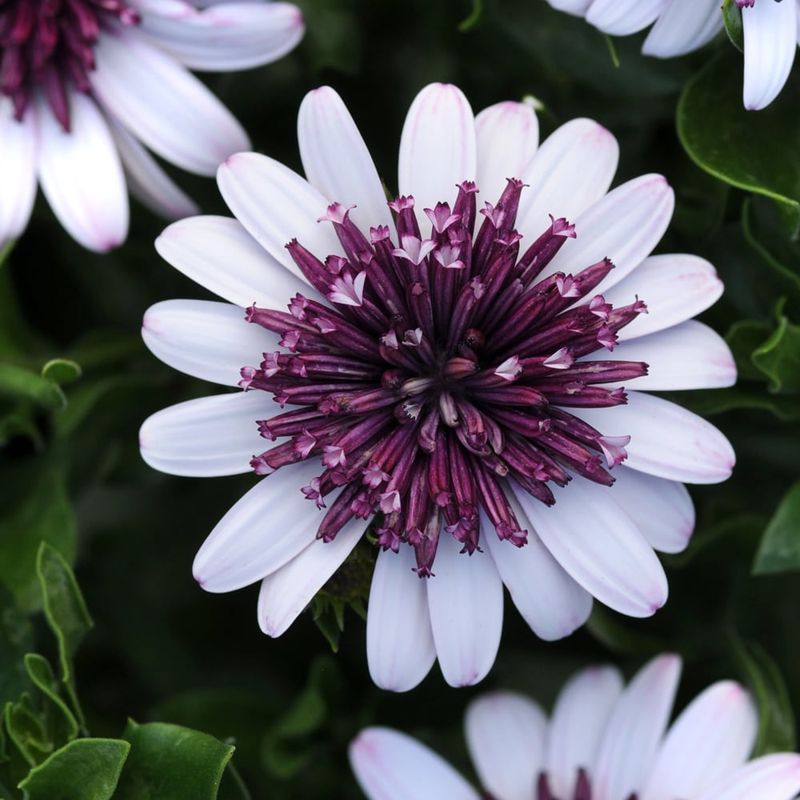
Osteospermum, often called African daisies, might just be the most underrated container plant for Oregon patios. Their cheerful daisy-like flowers open wide in sunlight and come in shades of white, purple, yellow, and pink, often with a striking dark center that draws the eye right in.
What sets osteospermum apart is how well it handles the transition between Oregon’s cool, wet spring and the drier, warmer days that follow. It is tough enough to deal with chilly mornings yet vibrant enough to shine on a sunny afternoon.
That adaptability is hard to beat when the weather keeps changing week to week.
Give osteospermum a container with excellent drainage and a sunny spot on your patio. It needs at least six hours of direct sun to bloom its best.
Water regularly but allow the soil to dry slightly between waterings. Deadhead spent blooms consistently to keep new flowers coming.
A light feeding with a balanced fertilizer every two to three weeks supports steady growth. Once you try osteospermum on your Oregon patio, it will likely become a spring container staple you come back to every year.
6. Hellebores
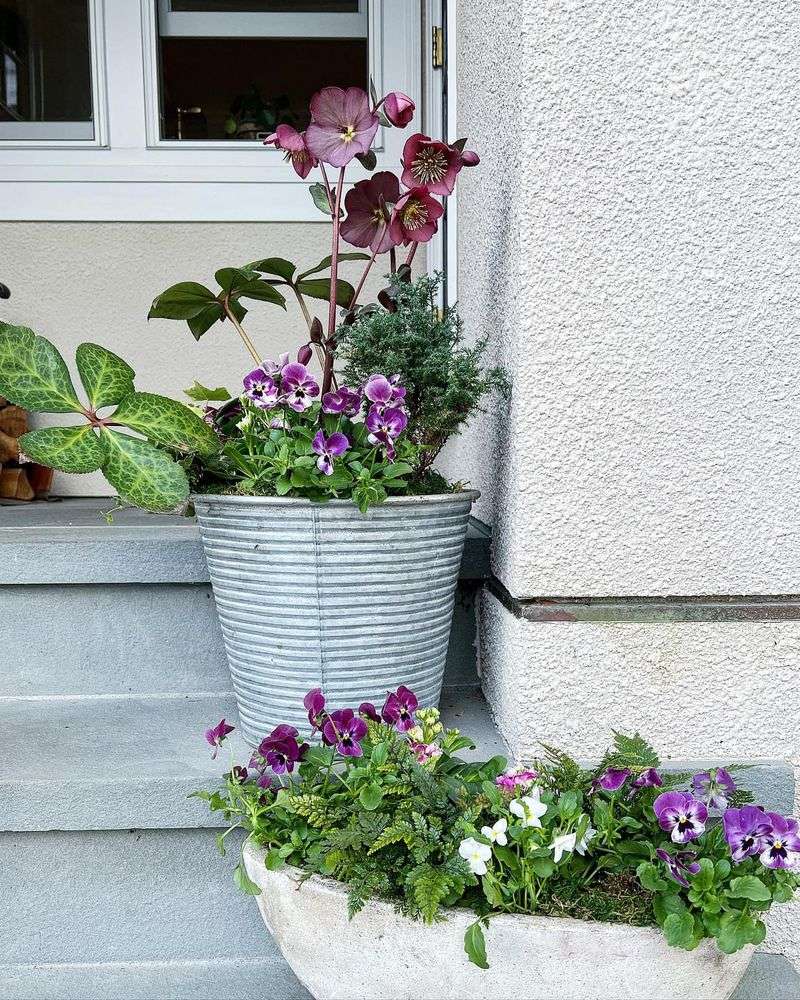
Hellebores bloom when almost nothing else will. Starting in late winter and continuing well into spring, these elegant plants produce nodding flowers in shades of creamy white, soft blush, deep plum, and even near-black.
On an Oregon patio, they feel like a quiet miracle during the gray months.
Shade is where hellebores truly shine. Covered patios, spots under a pergola, or shaded corners near a fence are ideal locations for hellebore containers.
They prefer consistent moisture and rich, well-draining potting mix. Oregon’s natural rainfall often does most of the watering work for you during the cooler months.
One thing to know about hellebores is that they are slow to establish but incredibly long-lived once they settle in. A well-cared-for hellebore in a container can thrive for many years.
Remove old, tattered leaves in late winter to make room for fresh blooms and new growth. Avoid moving containers too often since hellebores prefer consistency.
Their sophisticated color range and unusual nodding blooms make them one of the most elegant container plant choices available for Oregon patios heading into spring.
7. Coral Bells
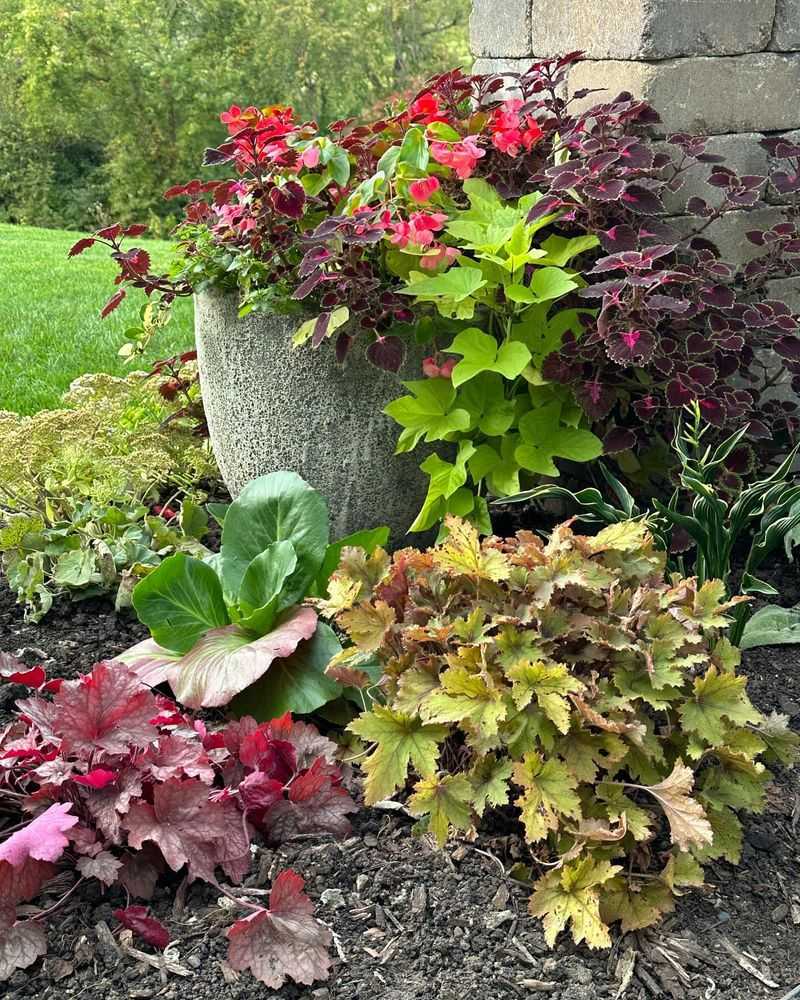
Coral bells, known botanically as heuchera, are all about the foliage. While many container plants rely on flowers for their wow factor, coral bells deliver year-round drama through their stunning leaves in shades of deep burgundy, caramel, silvery purple, and lime green.
Oregon’s frequent rain actually makes the colors look even more vibrant.
Partial shade suits coral bells perfectly, which makes them ideal for covered patios or spots that get filtered light throughout the day. They are tough enough to handle cool spring temperatures without any fuss, and their foliage stays attractive even when blooms are not present.
Delicate flower spikes rise above the leaves in late spring, adding a bonus layer of beauty.
Use a well-draining potting mix and water coral bells regularly without overdoing it. They do not like sitting in soggy soil for long periods.
Fertilize lightly in early spring to support fresh leaf growth. Coral bells pair beautifully with other container plants like pansies or violas, creating contrast in both color and texture.
For Oregon patios that need reliable, low-fuss beauty through shifting spring weather, coral bells are genuinely hard to top.
8. Nemesia
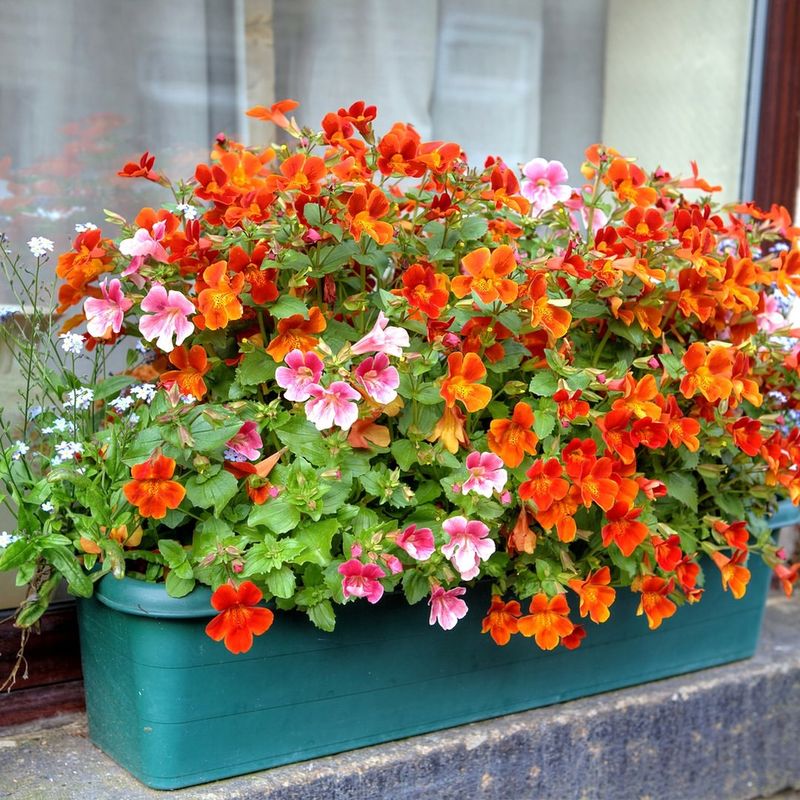
Not everyone knows about nemesia, but Oregon gardeners who have tried it tend to become instant fans. These compact, fast-growing plants produce clusters of small, orchid-like flowers in a dazzling mix of colors including yellow, orange, pink, purple, and white, often with two-toned or striped petals that look almost painted.
Nemesia loves cool weather, which aligns perfectly with Oregon’s spring climate. It blooms enthusiastically when temperatures stay between 50 and 65 degrees, making it a natural fit for the Pacific Northwest.
As a bonus, it spills gracefully over the edges of containers, giving arrangements a full and lush appearance without much effort.
Plant nemesia in containers with good drainage and a quality potting mix. It performs best in full sun to partial shade.
Water consistently, especially during dry stretches, since nemesia does not like to dry out completely. Pinch back leggy stems to encourage compact, bushy growth and more blooms.
Feed with a balanced fertilizer every two weeks during the growing season. Nemesia is one of those container plants that surprises people with how much color and texture it brings to an Oregon patio in such a short amount of time.
9. Dianthus
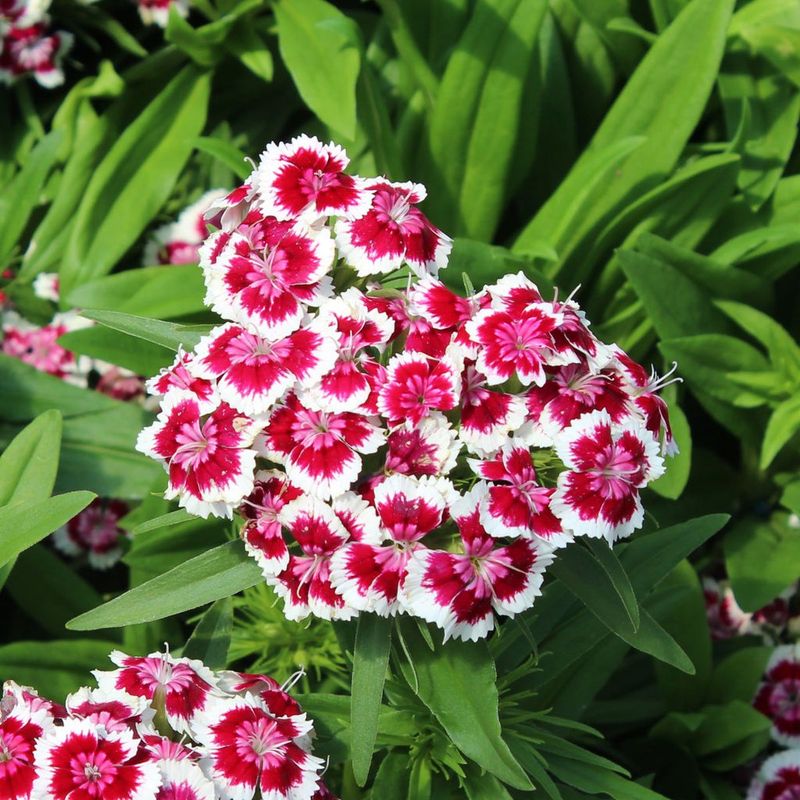
There is something wonderfully old-fashioned about dianthus. Also called pinks or carnations, these fringed, fragrant flowers have been grown in gardens for hundreds of years.
Their spicy, clove-like scent drifting across an Oregon patio on a mild spring day is genuinely one of the season’s best simple pleasures.
Dianthus handles cool temperatures well and actually prefers the kind of mild, bright days that Oregon spring delivers. The flowers come in shades of red, pink, white, and bicolor, with deeply fringed petals that give them a ruffled, romantic look.
They are compact enough for small containers but showy enough to be the centerpiece of a larger arrangement.
Full sun is what dianthus needs most, so place containers in the sunniest spot on your patio. Use well-draining potting mix and water at the base to keep foliage dry.
Deadhead spent blooms regularly to extend the flowering season. A light application of balanced fertilizer every two to three weeks keeps plants healthy and productive.
Dianthus is a tough, fragrant, and beautiful choice for Oregon patios that need reliable spring color without a lot of complicated care routines.
10. English Daisies
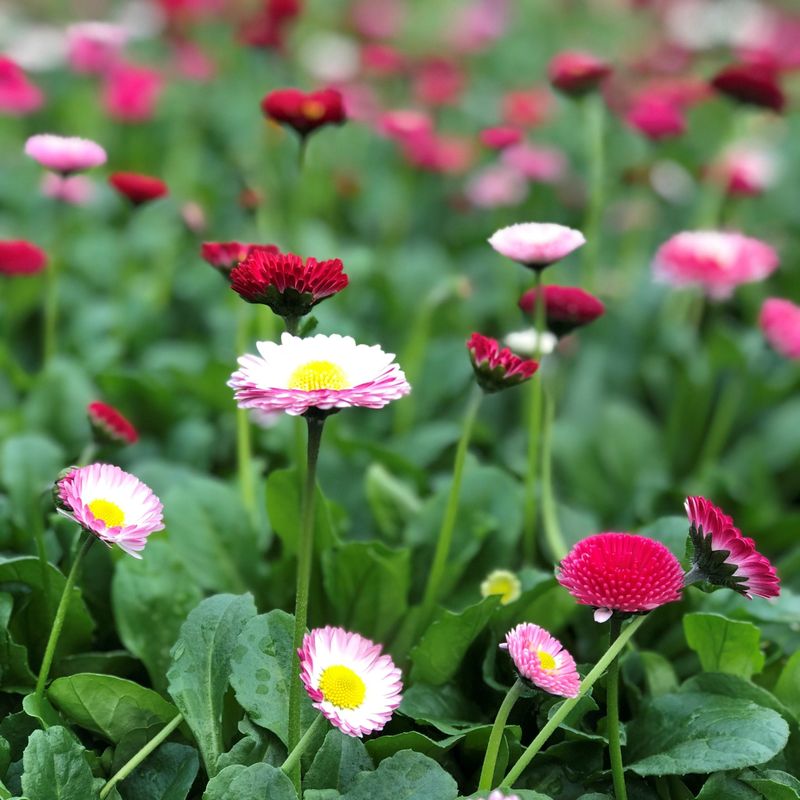
English daisies have a cheerful, storybook quality that makes any patio feel welcoming. Their tightly packed, button-like blooms in white, pink, and red sit on short stems above neat rosettes of leaves, creating a tidy and charming display that suits both modern and cottage-style patios across Oregon.
Cool, moist conditions are exactly what English daisies prefer, which makes them a natural match for Oregon’s spring climate. They bloom most enthusiastically when temperatures are mild, and they hold up well through light rain and overcast days without losing any of their cheerful character.
That resilience makes them especially dependable when spring weather shifts back and forth.
Plant English daisies in containers with rich, well-draining potting mix and place them in partial sun to full sun. Water consistently to keep the soil evenly moist but never waterlogged.
Remove faded blooms regularly to encourage continuous flowering throughout the season. A light fertilizer every two to three weeks supports strong growth.
English daisies also work beautifully when mixed with violas or primroses in a single large container, creating a layered, wildflower-inspired look that brings effortless spring charm to any Oregon patio.