What North Carolina Gardeners Get Wrong About Feeding Tomatoes In May
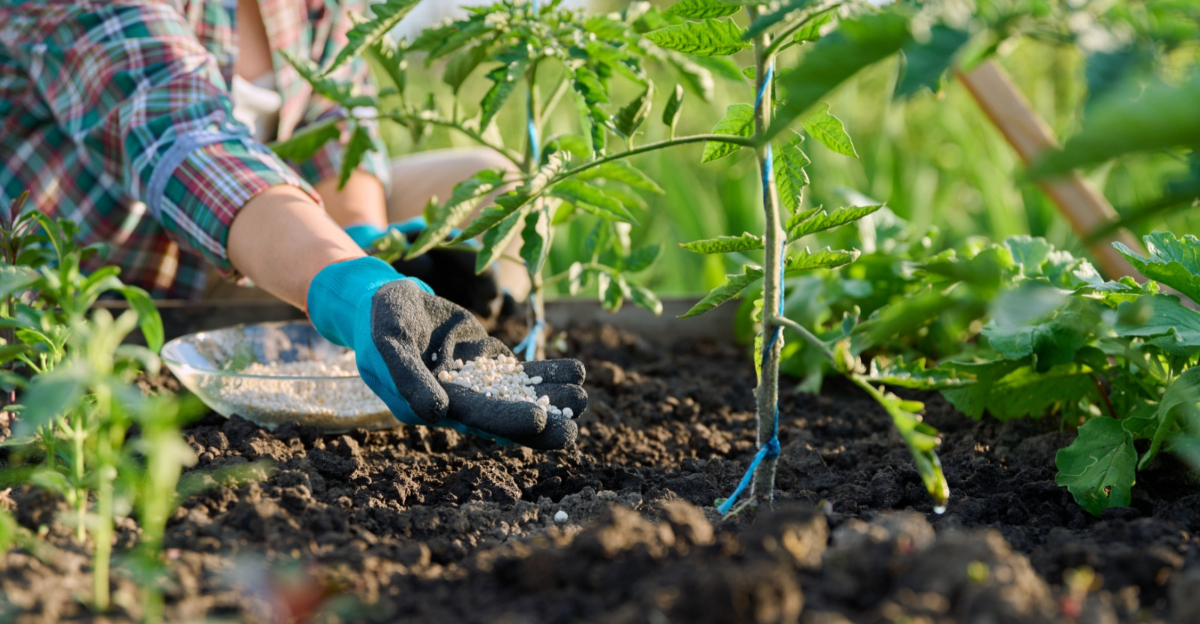
Tomato season in North Carolina has a way of making gardeners a little too enthusiastic. One warm stretch, a few inches of fresh growth, and suddenly it feels like every plant needs an extra helping of fertilizer right this second.
It is an understandable reaction. Big green tomato plants look promising, and feeding them can feel like giving nature a helpful nudge.
The trouble is that tomatoes do not always reward that kind of eagerness in May. Feed too soon or too heavily, and you may end up with a plant that looks busy and leafy while taking its sweet time moving toward flowers and fruit.
That can be frustrating, especially when everything above ground looks like it should be winning a prize.
North Carolina gardeners often mean well here.
The plants are growing, the weather is warming, and the urge to “help” kicks in fast. Sometimes the smartest move is not more fertilizer, but better timing.
Tomatoes can be surprisingly opinionated about that.
1. Feeding Too Early Can Push Tomatoes In The Wrong Direction
May mornings in North Carolina can make a gardener feel like everything needs a boost right away. The tomato plants look strong, the soil is warming up, and reaching for the fertilizer bag feels like the natural next move.
But feeding tomatoes too early in the season can send growth in a direction that does not help production.
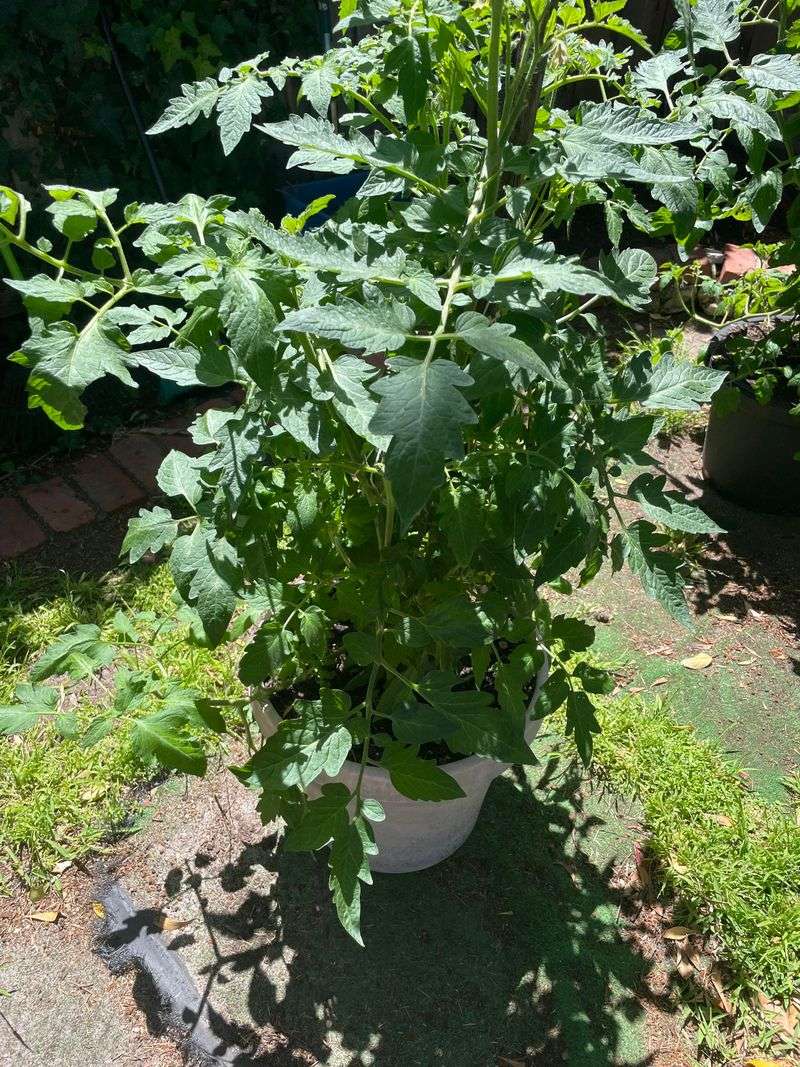
When tomatoes receive a heavy feeding before they are ready to flower and set fruit, the extra nutrients can push the plant to focus on building stems and leaves instead.
The plant gets bigger and greener, which looks promising, but that leafy surge does not automatically translate into more tomatoes later.
In some cases, it can actually delay the point where the plant shifts its energy toward fruiting.
North Carolina gardeners growing in raised beds, containers, or backyard rows often notice this pattern after a generous early feeding in May. The plants look impressive for a few weeks, then seem to stall when flowering begins.
Timing matters more than most people expect. Feeding decisions that line up with what the plant is actually doing at that moment tend to support steadier, more consistent results than a calendar-based approach alone.
Watching the plant rather than the date is often the better guide when deciding whether May is really the right time to fertilize.
2. Tomatoes Do Not Need A Big Nitrogen Push Before Fruit Set
Nitrogen is the nutrient most people think of first when they want their tomato plants to grow, and that instinct is not entirely wrong. Tomatoes do need nitrogen, but the timing of when that nitrogen arrives matters a great deal.
Giving plants a heavy nitrogen boost before fruit set can encourage the kind of growth that works against production.
Before tomatoes begin setting fruit, their energy is focused on building roots, stems, and leaves. Adding a lot of nitrogen at that stage can amplify that leafy development beyond what the plant actually needs.
Your North Carolina Garden Changes Every Week. Your Plan Should Too.
Gardening in North Carolina changes quickly throughout the season. Every Friday you’ll receive a simple weekly plan showing exactly what to plant, prune, fertilize, harvest, and protect so you never miss the right timing.
The result is often a tall, full plant that looks healthy but takes longer to flower, or one where early flowers drop without setting because the plant is still in a growth-focused mode.
North Carolina gardeners working with sandy soils or heavy clay should also keep in mind that those soil types handle nitrogen differently. Sandy soils can allow nitrogen to move through quickly, which might tempt gardeners to apply more to compensate.
But the issue is not always about how much nitrogen is in the soil. It is about whether the plant is at the right stage to use it well.
Waiting until tomatoes show signs of flowering or early fruit set before applying a heavier nitrogen fertilizer tends to support more useful growth during the most important part of the season.
3. Fruit Set Matters More Than The Calendar Alone
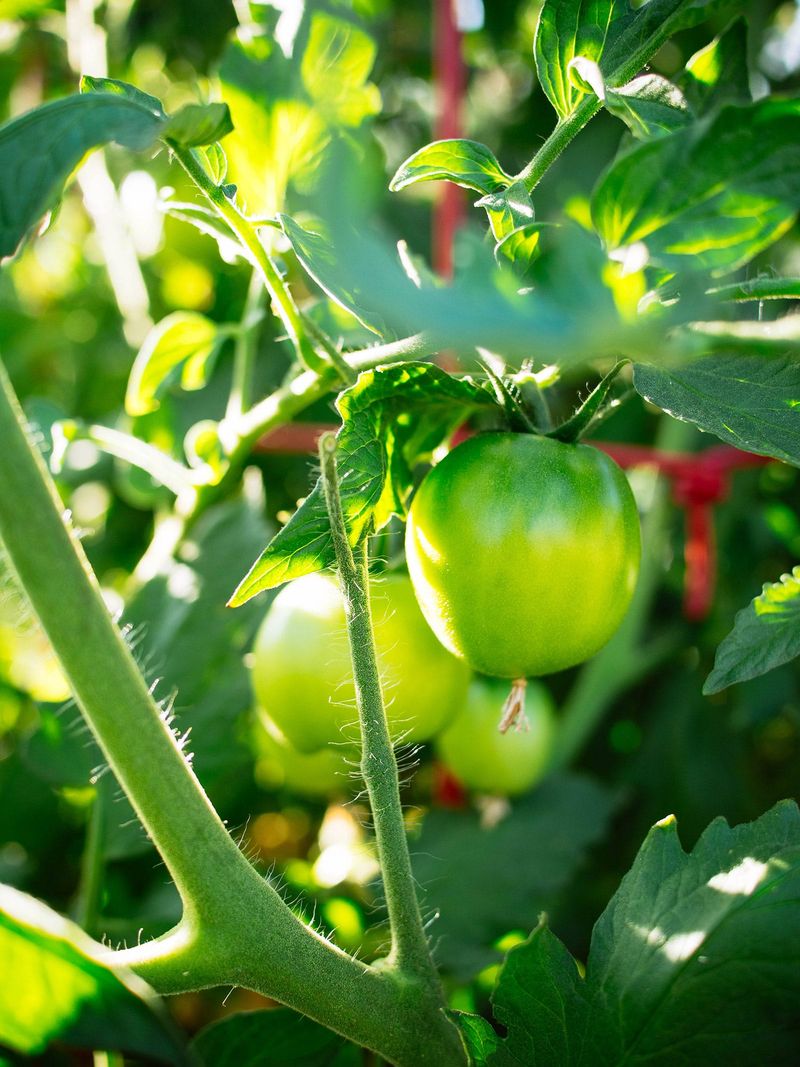
Gardeners often plan their feeding schedules around dates, and in a state like North Carolina where spring moves quickly, that approach makes some sense.
But the tomato plant itself is a better guide than the calendar when it comes to deciding when to feed.
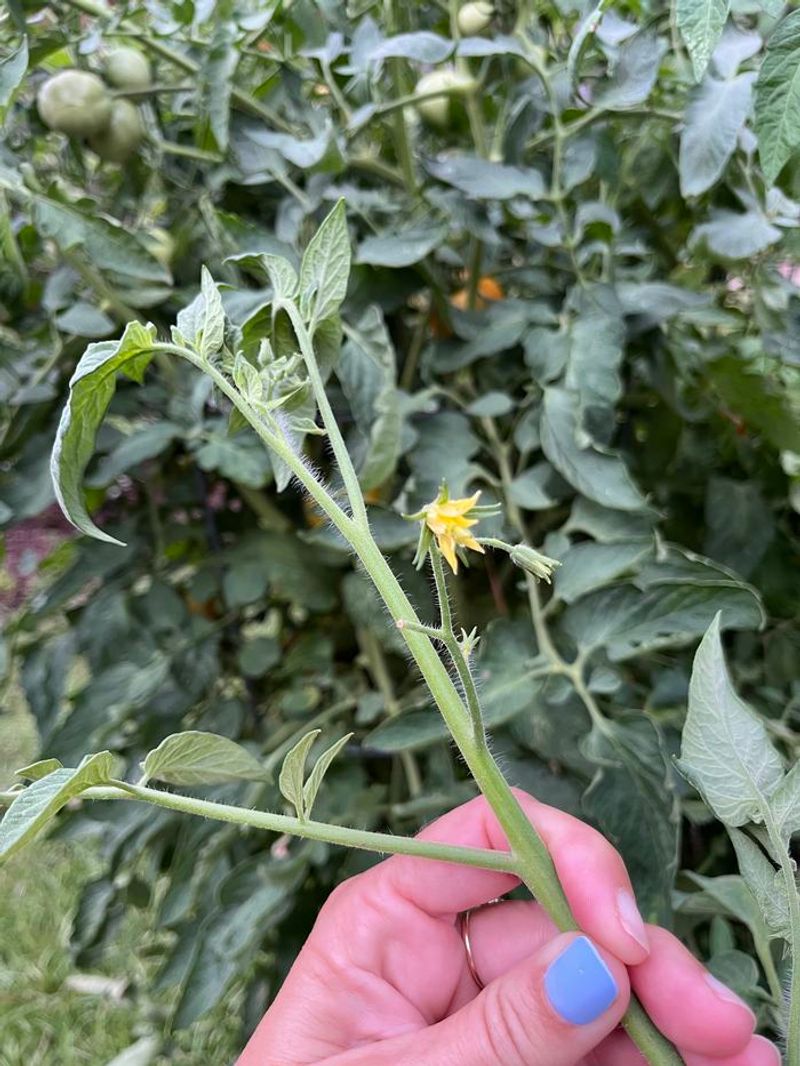
Fruit set, which is the point when flowers successfully develop into small tomatoes, is one of the most useful signals a gardener can watch for.
Before fruit set happens, tomatoes are still in an early development phase. Feeding heavily during that window can encourage the plant to keep growing vegetatively rather than shifting toward production.
Once small fruits begin to appear, the plant is telling you that it has moved into a new phase, and that is often a better moment to think about supporting it with fertilizer.
In North Carolina, fruit set timing can vary depending on the variety, the planting date, and how warm the spring has been. Indeterminate varieties may take longer to reach that point than determinate ones.
Containers and raised beds may warm up faster than in-ground rows, which can affect development timing too.
Watching for those first small fruits rather than marking a date on the calendar gives gardeners a more accurate signal about when the plant is actually ready to benefit from additional feeding.
That shift in thinking can lead to noticeably better results across the growing season.
4. Too Much Early Feeding Can Lead To More Leaves Than Progress
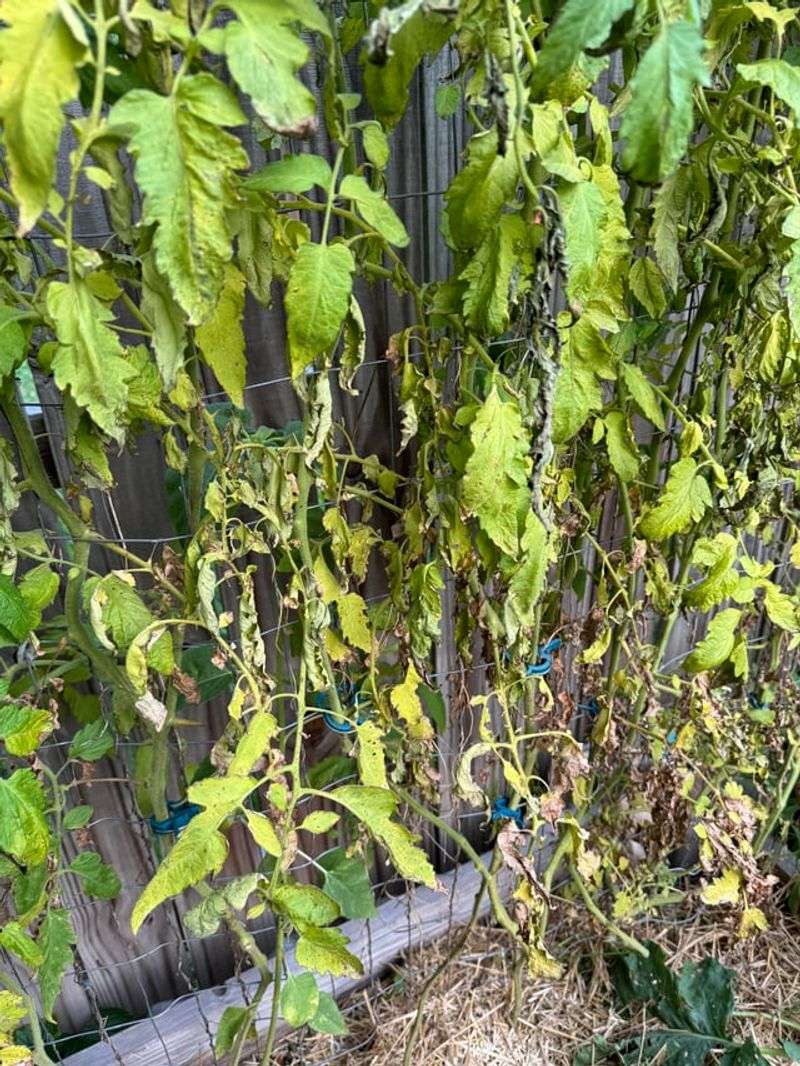
Walking out to the garden and seeing big, dark green tomato plants can feel like a win. The plants look healthy and strong, and it is easy to assume that all that growth is moving in the right direction.
But when early feeding pushes too much leafy development, the plant may be spending energy on growth that does not contribute to fruiting.
Tomatoes that receive heavy fertilizer before fruit set can develop what gardeners sometimes describe as too much vine and not enough fruit.
The canopy gets thick, the stems keep stretching, and flowers may appear later than expected or drop before they have a chance to set.
That pattern can feel confusing because the plant looks so full and lush, but appearances in early May do not always reflect what is happening with production potential.
North Carolina summers heat up quickly, and tomatoes that are still in a heavy vegetative growth phase when the hottest weeks arrive can struggle to set fruit in that heat.
Getting the plant to fruiting stage earlier, rather than pushing more leaf growth in May, can help it take better advantage of the cooler parts of the season.
Adjusting the feeding approach so that it supports what the plant needs at each stage, rather than simply adding more nutrients because the plants look big, tends to produce more reliable results in North Carolina home gardens.
5. Side-Dressing Works Better After Tomatoes Start Setting Fruit
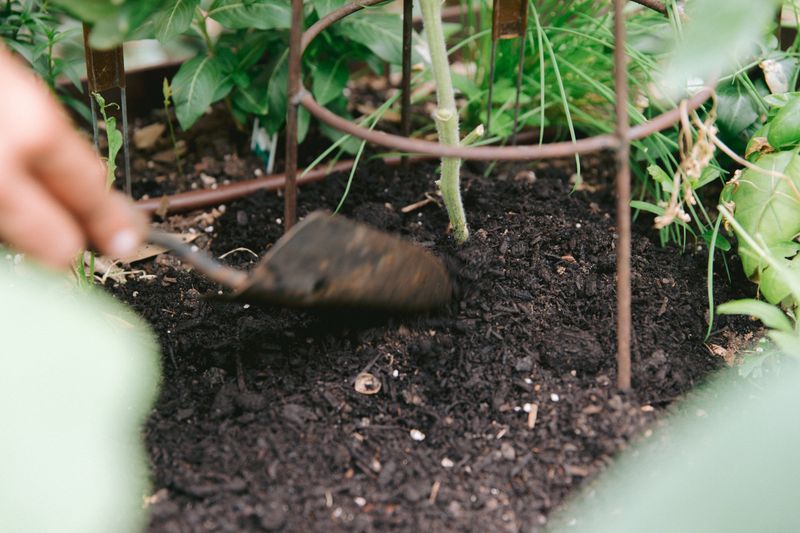
Side-dressing is one of the most practical ways to feed tomatoes during the growing season.
It involves applying fertilizer alongside the plant rather than mixing it into the soil before planting, and the timing of when you side-dress can have a noticeable effect on how the plant responds.
Many North Carolina gardeners side-dress too early in May, before the tomatoes have actually started setting fruit.
When side-dressing happens too soon, the plant may respond the same way it does to any early heavy feeding, by pushing more vegetative growth when it should be shifting toward production.
Waiting until the first small tomatoes appear gives the plant a chance to reach the stage where extra nutrients can support fruit development rather than just more stems and leaves.
A balanced fertilizer or one that is slightly lower in nitrogen relative to phosphorus and potassium can be a reasonable choice for side-dressing once fruit set begins, though the right product can depend on what your soil already contains.
North Carolina gardeners working with different soil types, from the sandy soils of the coastal plain to the heavier clay soils in the piedmont region, may find that their side-dressing needs vary.
The general idea is the same across soil types, though. Matching the timing of your side-dressing to what the plant is actually doing, rather than what the calendar says, tends to support better and more consistent tomato production through the season.
6. North Carolina Rain And Sandy Soil Can Complicate Feeding Plans
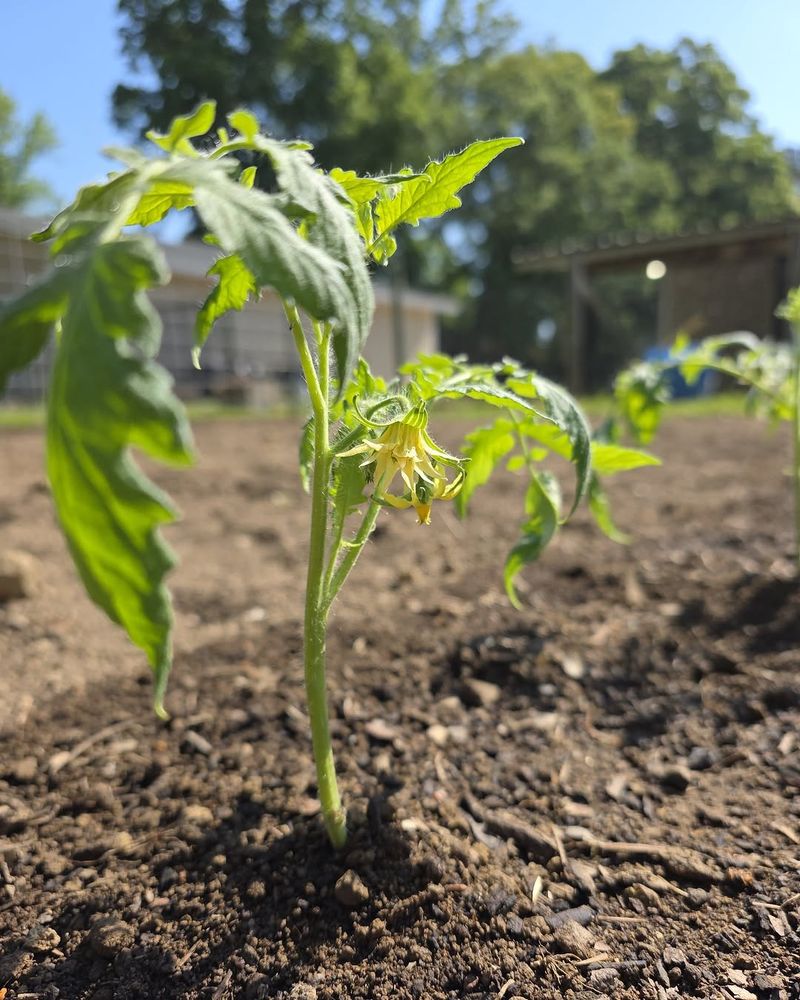
Spring in North Carolina can bring stretches of heavy rain that affect how nutrients behave in the soil. When fertilizer is applied and then heavy rain follows quickly, some of that feeding can move through the soil before the plant has a chance to use it.
Sandy soils, which are common across much of eastern North Carolina, are especially prone to this kind of nutrient movement.
Gardeners who apply fertilizer in early May and then experience several rainy days in a row may feel like they need to feed again soon after. That cycle of applying and reapplying can lead to uneven nutrient availability and inconsistent plant responses.
It can also make it harder to know whether the plant is responding to the fertilizer or simply to improved growing conditions after a dry spell.
Clay soils in the piedmont and mountain regions of North Carolina present a different set of challenges. They hold moisture longer and may not drain as freely, which can affect how roots access nutrients and how fertilizer moves through the soil profile.
Understanding the soil type in your specific North Carolina garden is a useful step before deciding how and when to feed tomatoes in May.
Feeding decisions that account for local soil drainage, rainfall patterns, and plant stage tend to be more effective than a one-size-fits-all schedule applied regardless of what the soil and weather are actually doing around your plants.
7. A Soil Test Should Shape The Feeding Plan First
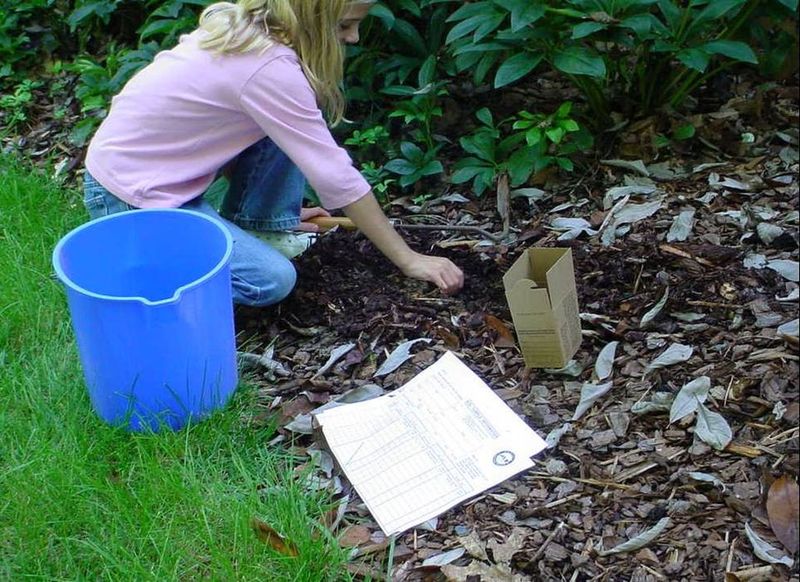
Reaching for a bag of fertilizer before knowing what the soil already contains is one of the most common starting-point mistakes North Carolina tomato gardeners make.
Soil conditions vary widely across the state, from the coastal plain to the piedmont to the mountains, and what works well in one garden may not be the right approach in another.
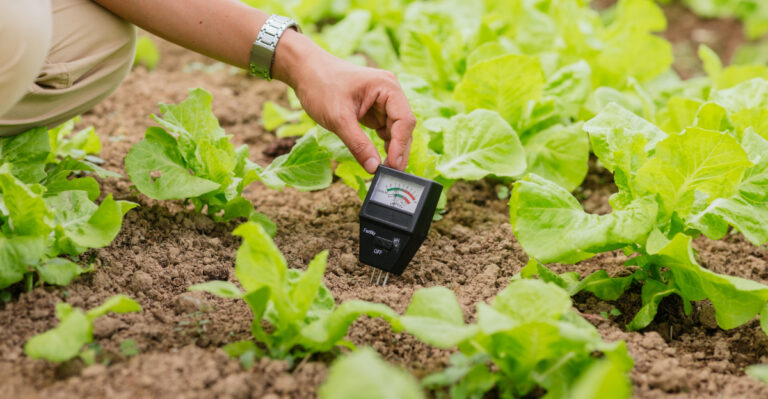
A soil test takes out a lot of the guesswork.
North Carolina State University Extension offers affordable soil testing through the state, and the results give gardeners a clearer picture of what nutrients are already present, what might be lacking, and what the soil pH looks like.
Tomatoes generally do well in a slightly acidic pH range, and if the soil is too far outside that range, fertilizer alone will not solve the problem because the plant may struggle to absorb nutrients even when they are present.
Gardeners who skip the soil test and apply fertilizer based on general advice or what worked in a different garden may end up adding nutrients that are already at adequate levels, while missing something the soil actually needs.
In May, when the urge to feed is strongest, having soil test results in hand gives you a practical reason to hold back or adjust your approach.
Feeding based on what the soil actually needs, rather than what seems like a reasonable amount, tends to support healthier plants and reduces the chance of feeding-related problems developing later in the season.
8. More Fertilizer Does Not Automatically Mean Better Tomatoes
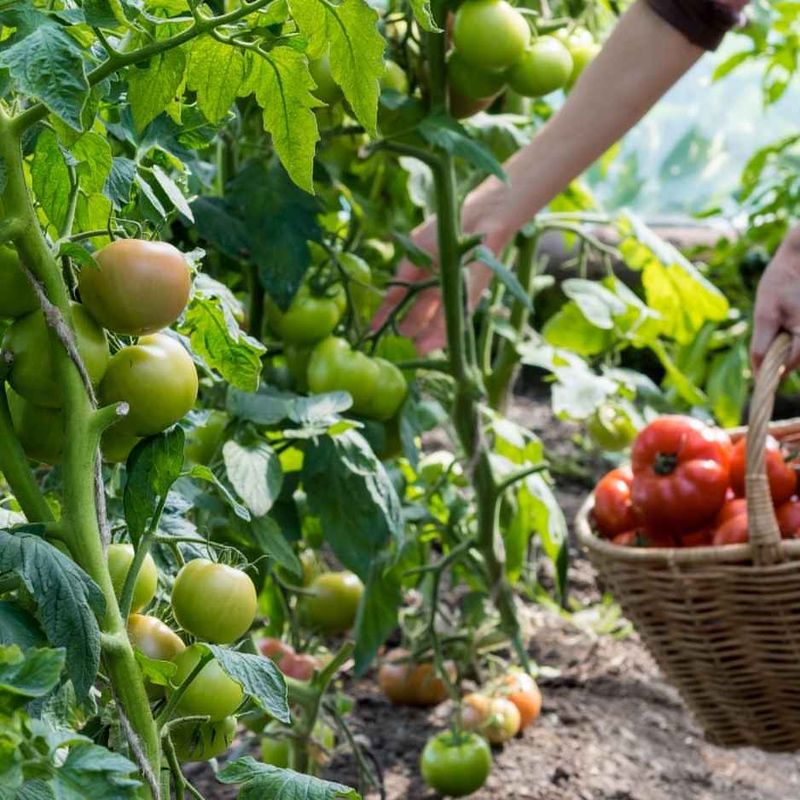
More is not always better when it comes to feeding tomatoes, and May is exactly the time of year when that lesson tends to show up in North Carolina gardens.
The combination of fast spring growth, warm soil, and eager gardeners can lead to over-fertilizing, which often creates more problems than it solves.
Plants can look impressive for a while, but the effects of too much fertilizer can show up later in ways that are harder to correct.
Tomatoes that receive too much fertilizer, especially nitrogen, may develop thick, dark green foliage and continue growing vegetatively well into the season.
Fruit production can lag behind, and in some cases the plant may be more vulnerable to certain stress responses during hot summer weeks.
The idea that feeding more in May will lead to a bigger harvest in July or August is not well supported by how tomatoes actually develop.
Consistent, well-timed feeding that matches the plant’s stage of development tends to produce more reliable results than applying fertilizer frequently or in large amounts throughout May.
North Carolina gardeners who step back from the instinct to feed aggressively and instead focus on soil quality, appropriate timing, and what the plant is actually showing them often find that their tomatoes perform more steadily across the season.
A measured approach to fertilizer, guided by a soil test and plant development rather than enthusiasm alone, is one of the more practical adjustments a home gardener can make.