Beautiful California Shrubs That Can Be Risky Near Entryways In Fire Zones
There’s a particular kind of painful irony in spending years carefully growing a beautiful, lush shrub right next to your front door, only to find out it’s one of the most fire-risky plants you could have put there.
It happens constantly in California fire zones, and it happens to gardeners who genuinely care about their landscaping and their home’s safety. Looking good and being dangerous are not mutually exclusive in the plant world.
California’s fire risk has changed the way a lot of homeowners think about landscaping, but curb appeal is still very real and nobody wants a front entryway that looks barren and uninviting.
The problem is that some of the most popular, widely sold ornamental shrubs are loaded with oils, resins, or dry woody material that makes them behave like fuel when conditions get extreme.
Knowing which beautiful plants carry that risk near an entry point is information every California homeowner in a fire zone genuinely needs before the next planting season begins.
1. Bougainvillea Can Block Safe Exits
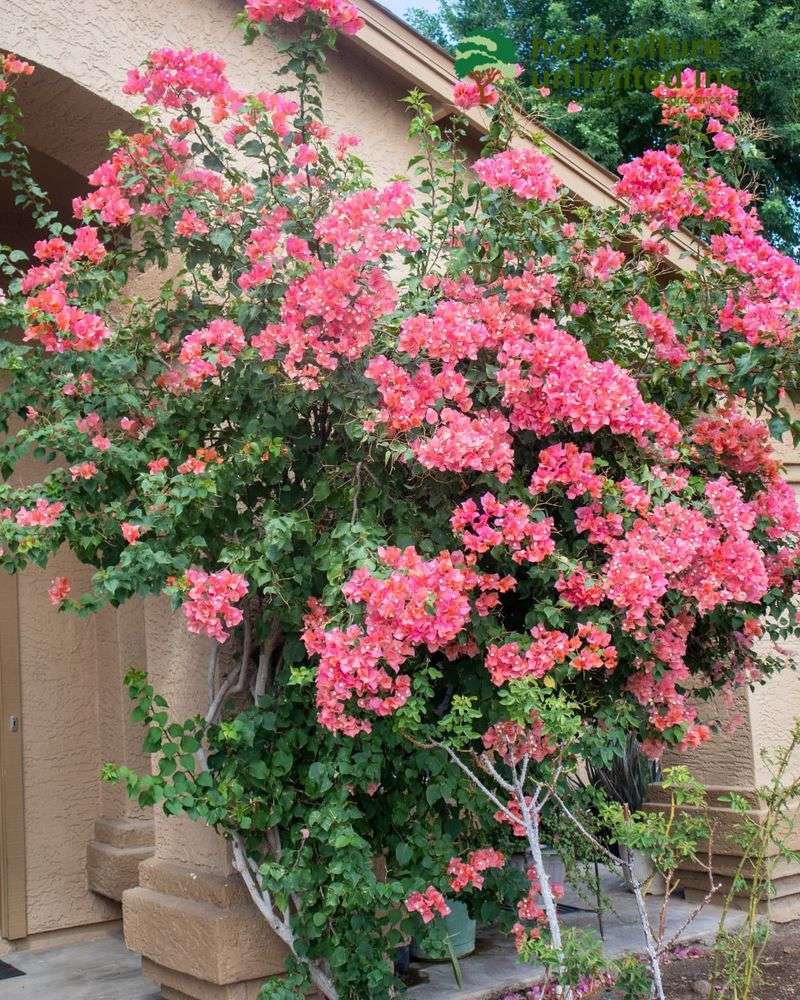
Few plants turn heads quite like bougainvillea. Those vivid pink, orange, and purple blooms are almost impossible to ignore, and homeowners across Southern California love planting them near fences, gates, and entryways.
But here is the problem: bougainvillea grows fast and thick, and it can quietly take over a passageway before you even notice.
When it dries out in the summer heat, all those papery bracts become incredibly flammable. The plant also has sharp thorns that can snag clothing or slow you down in an emergency.
If it is growing near your front door or side gate, it could physically block a safe exit when you need to move quickly.
In California fire zones, clear pathways matter just as much as fire-resistant materials. Bougainvillea should be pruned aggressively and kept well away from doors, gates, and walkways.
If you love the look, consider growing it on a structure far from the house. Regular watering and trimming reduce the fire risk significantly.
Keep at least a five-foot buffer between any bougainvillea and your entryway to stay on the safe side during fire season.
2. Juniper Holds Dry Interior Fuel
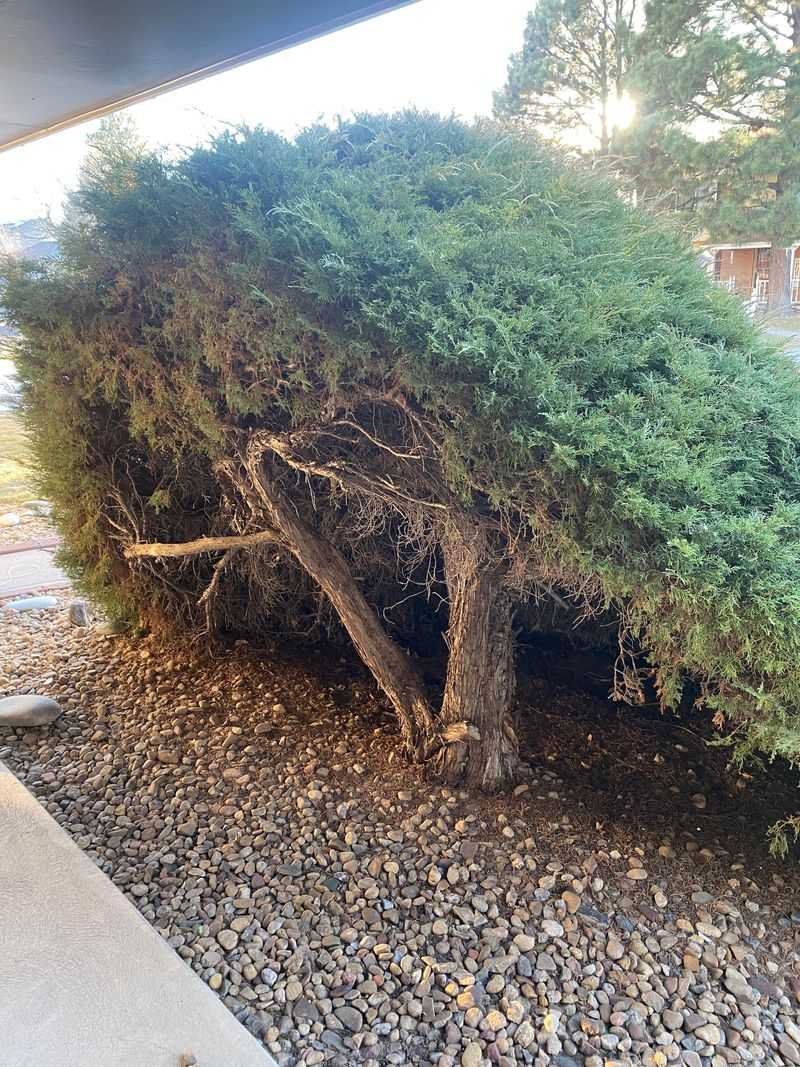
Junipers look tidy and evergreen from the outside, but crack one open and you will find a completely different story. The interior of a mature juniper is packed with dry, dead branches and old foliage that never fully breaks down.
That hidden layer of dry material is basically a bundle of kindling sitting right next to your home.
These shrubs are extremely popular in California landscaping because they are low-maintenance and drought-tolerant. That drought tolerance, however, comes with a trade-off.
The oils inside juniper foliage make the plant burn intensely and quickly. Fire can travel through a juniper hedge faster than most people expect.
Planting junipers near entryways or along the foundation of your home is a common mistake in fire-prone areas. Many California fire agencies specifically list junipers as high-risk plants for homes in wildland-urban interface zones.
Your California Garden Changes Every Week. Your Plan Should Too.
Gardening in California changes quickly throughout the season. Every Friday you’ll receive a simple weekly plan showing exactly what to plant, prune, fertilize, harvest, and protect so you never miss the right timing.
If you already have junipers close to your house, consider removing the dead interior material regularly or replacing them with less flammable alternatives. Spacing them farther from structures and keeping them well-watered during dry months can help reduce the danger they pose to your property.
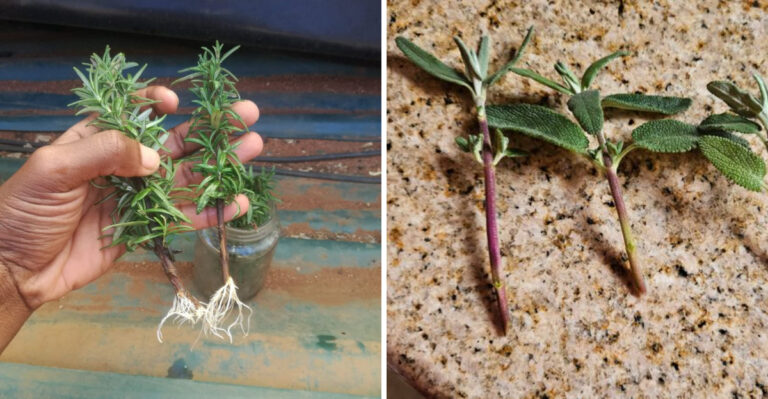
3. Rosemary Gets Woody With Age
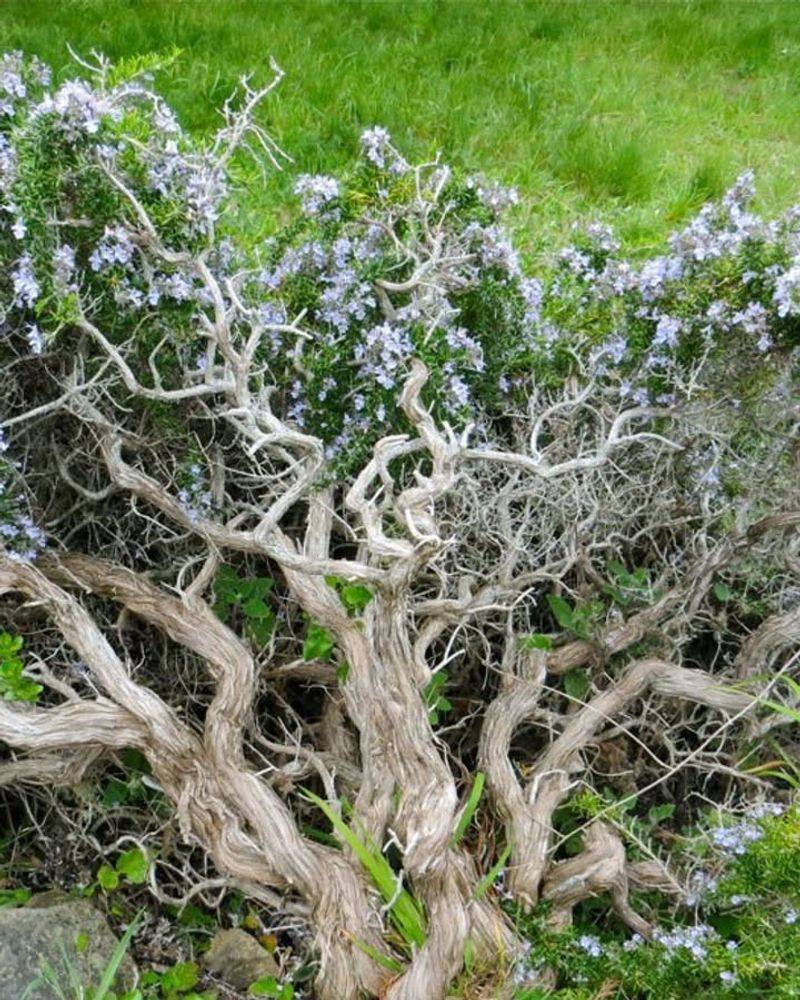
Rosemary is one of those plants that feels like a win at first. It smells incredible, it looks tidy when young, and it thrives in the dry California climate without much water.
Many homeowners plant it along walkways or near entryways because it is easy to maintain and adds a pleasant scent when you brush past it.
The issue shows up as the plant ages. Over time, rosemary develops thick, woody stems that hold a lot of dry material.
Older rosemary plants are significantly more flammable than younger ones. The essential oils in the leaves also make the plant burn hot and fast, which is a serious concern in fire zones across California.
Replacing older, woody rosemary plants with younger, well-watered ones can reduce the risk. Better yet, move rosemary away from entryways and place it farther into your yard where it has more space.
If you are in a designated fire hazard severity zone in California, check your local fire safe council guidelines before keeping rosemary close to your home. Pruning back old growth regularly and watering deeply can help slow how quickly it becomes a fire hazard near your property.
4. Lavender Can Dry Out Inside
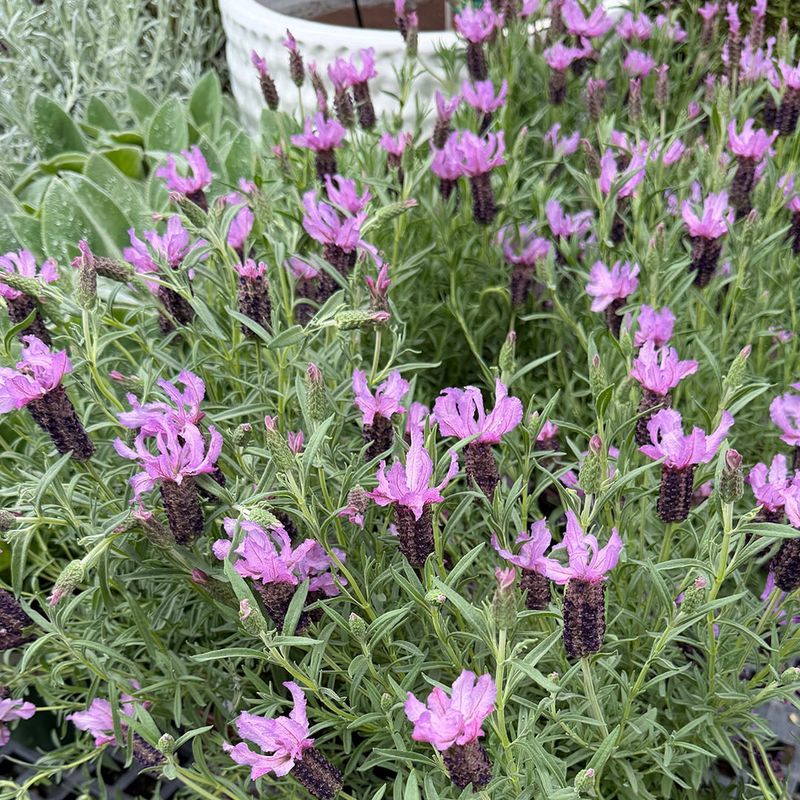
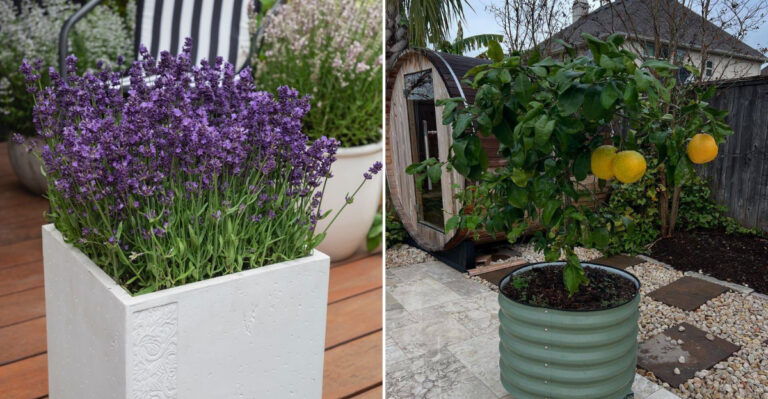
Lavender has a reputation for being a calm, low-fuss plant, and in many ways that is true. It handles drought well, it attracts pollinators, and it brings a soft purple color to any garden.
Homeowners all over California plant lavender near entryways, along pathways, and beside front porches because it looks and smells wonderful.
But lavender has a hidden vulnerability. As it matures, the inside of the plant dries out and fills with woody, brittle stems.
That dry core does not get much airflow, and it holds onto heat easily. During California fire season, that interior material can ignite quickly if an ember lands nearby.
The aromatic oils that make lavender smell so good also make it more flammable than you might expect. Regularly cutting back old growth and removing the dry inner stems helps reduce this risk.
Avoid letting lavender grow into a large, unmanaged mound near your front door. Give it space from structures and keep it trimmed to a manageable size.
In fire-prone parts of California, pairing lavender with a good irrigation schedule and routine pruning makes it a much safer choice for your yard without losing the beauty you love.
5. Manzanita Needs Careful Spacing
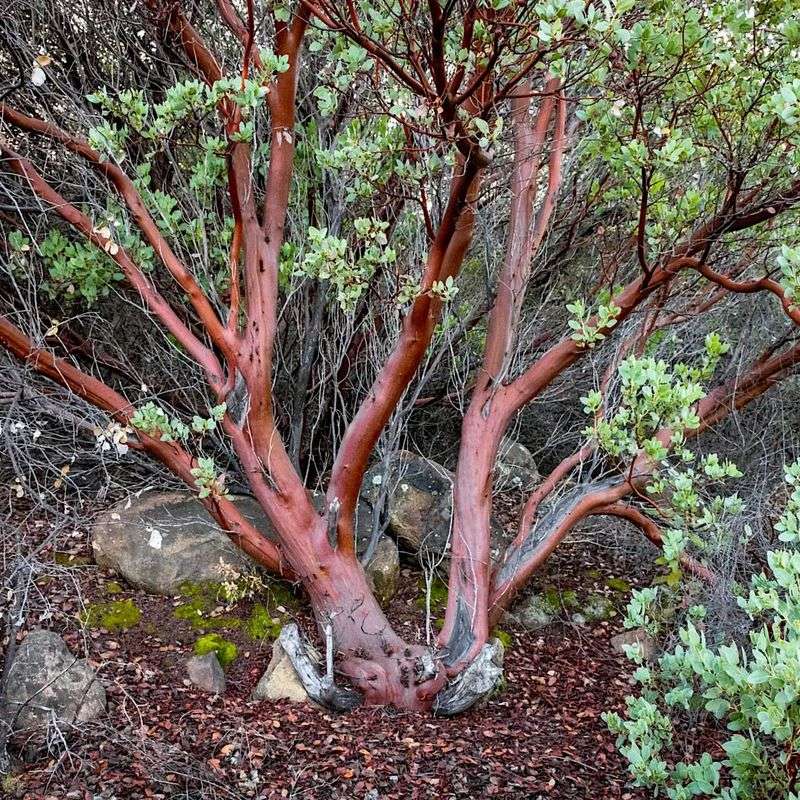
Manzanita is one of California’s most iconic native plants. Its smooth reddish bark, small glossy leaves, and delicate flowers make it genuinely beautiful in any landscape.
It is also incredibly drought-tolerant, which makes it a popular choice for water-wise gardening across the state.
Here is the catch though. Manzanita is well known as a fire-adapted plant, meaning it has evolved to survive and even benefit from fire.
That adaptation means it also burns readily. The oils in its leaves and the density of its branching make it a high-fuel plant, especially during California’s dry summer and fall months.
When manzanita is planted too close to an entryway or structure, it can act as a fire ladder, helping flames climb from the ground toward your home. Fire agencies in California often recommend keeping manzanita at least ten feet from structures and ensuring good spacing between individual plants.
Avoid letting it grow into a continuous hedge or thicket near your house. If you want to keep manzanita in your yard, place it in an open area with plenty of clearance.
That way, you get to enjoy its natural beauty without putting your home at unnecessary risk during fire season.
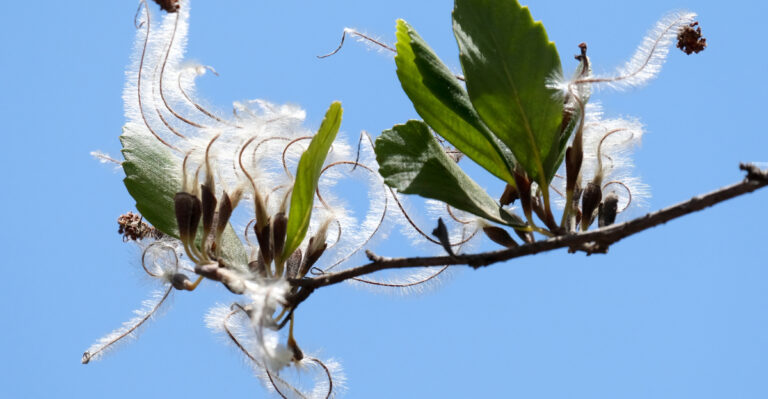
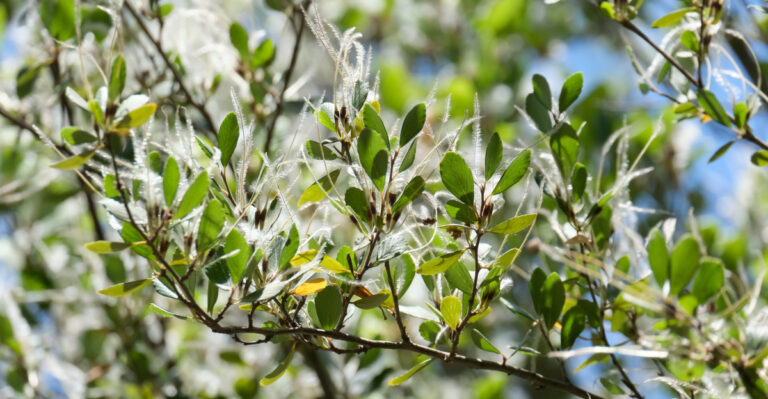
6. Chamise Burns Hot In Fire Zones
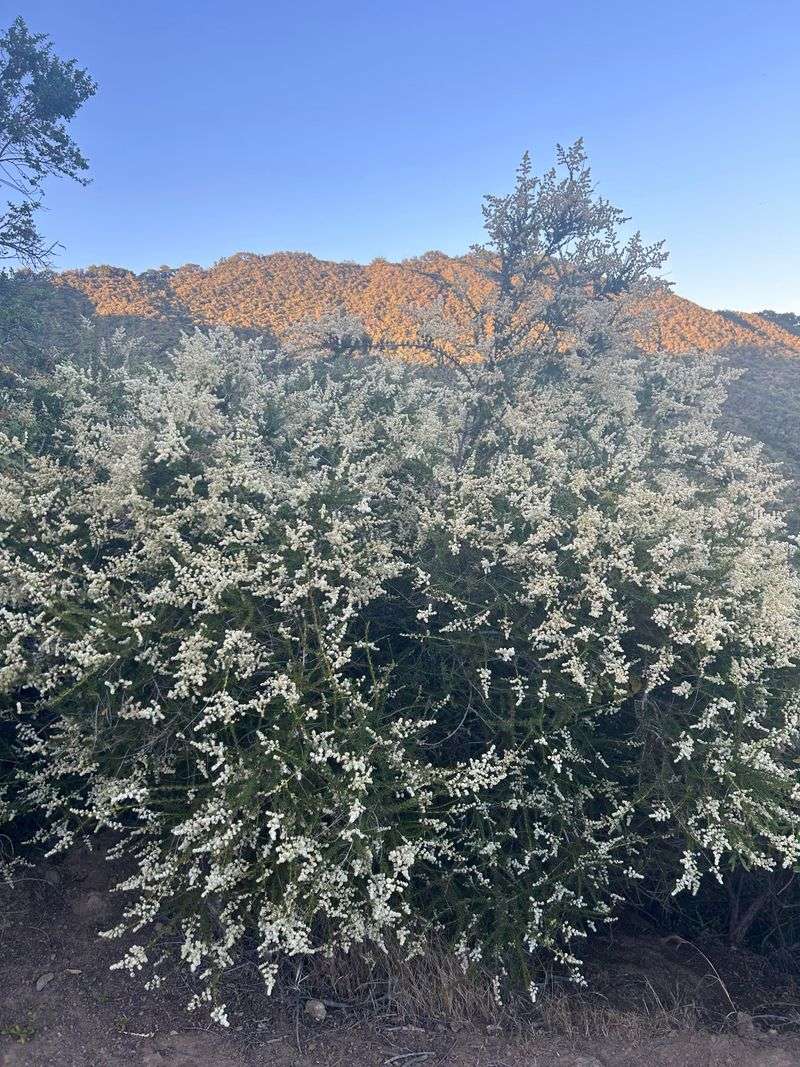
Chamise, also called greasewood, is one of the most common shrubs across California’s chaparral landscape. You have probably seen it covering entire hillsides with its small, needle-like leaves and clusters of white flowers.
It is a tough, resilient native plant that has lived in California for thousands of years.
But its nickname, greasewood, gives away its biggest problem. Chamise contains resinous oils that make it one of the hottest-burning plants in the chaparral.
During wildfires in California, chamise-covered slopes are known for producing intense flame lengths and rapid fire spread. Having it near your entryway is a serious concern.
Many homeowners in rural or semi-rural California areas find chamise growing naturally around their property. If it is within the defensible space zone around your home, especially near doors, gates, or pathways, it should be cleared or managed carefully.
California’s defensible space laws actually require clearing flammable native vegetation within a certain distance of structures. Chamise, given how intensely it burns, is near the top of the list of plants to address.
Replacing it with low-water, fire-resistant ground covers near your entryway is a smart and practical step toward protecting your home.
7. California Sagebrush Dries Fast
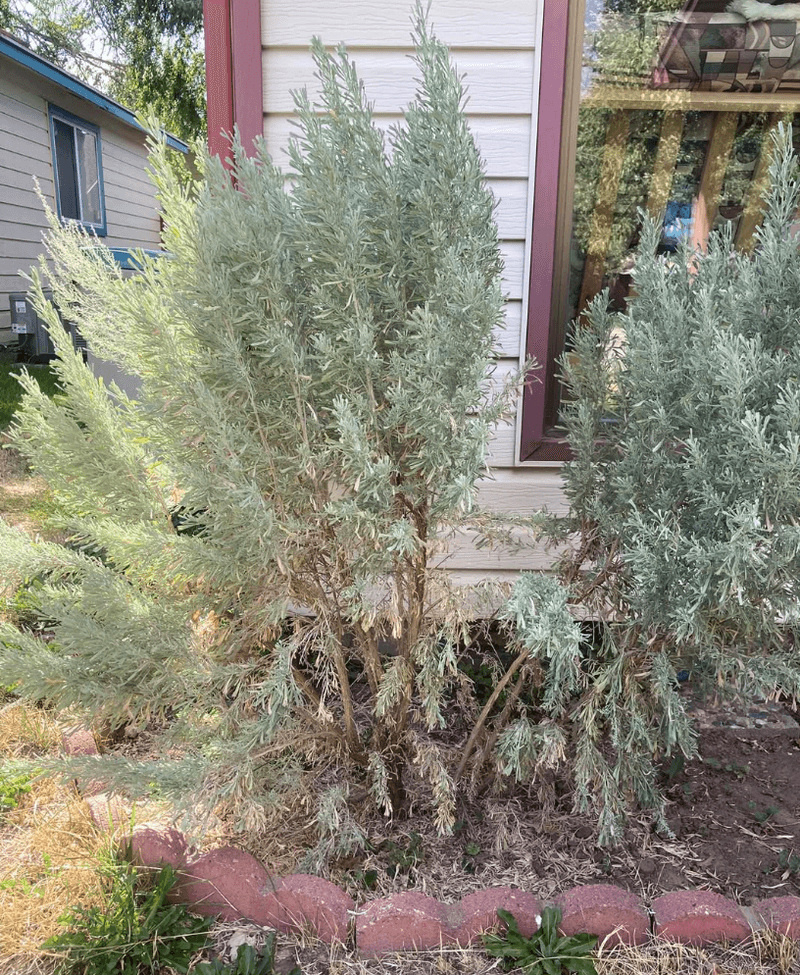
Walk through any coastal or inland area of Southern California and you will catch the unmistakable scent of California sagebrush. That soft, silvery-gray plant with feathery leaves is a true native gem, beloved by gardeners who want an authentic California look with minimal water use.
It is fragrant, wildlife-friendly, and undeniably beautiful.
Still, that same drought-hardiness that makes it so easy to grow also makes it a fire concern. California sagebrush dries out quickly in late summer and fall, turning from green to a pale, papery gray.
At that point, it is essentially tinder. A single spark or windblown ember can ignite a dry sagebrush plant almost instantly.
Planting sagebrush near your front door, driveway, or any entryway in a California fire zone is a risk worth reconsidering. The plant also tends to sprawl and can grow into pathways if not managed.
Trimming it back before fire season and keeping it well away from structures helps a lot. If you are in a high fire hazard severity zone in California, check whether sagebrush falls under your local defensible space requirements.
Using it as a mid-yard accent plant rather than a border shrub near your home is the safer approach for fire-conscious landscaping.
8. Toyon Can Grow Too Close
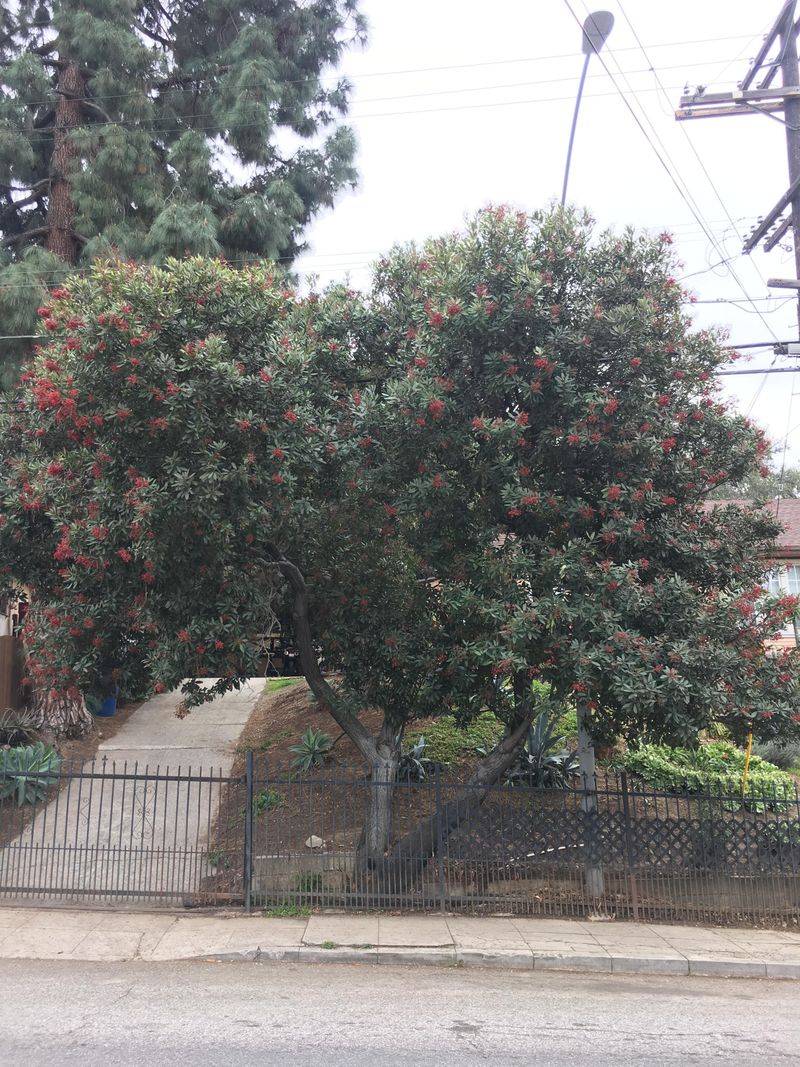
Toyon, sometimes called California holly, is one of the state’s most beloved native shrubs. Its bright red winter berries and glossy dark green leaves make it a festive and attractive addition to any California yard.
It is drought-tolerant, supports local wildlife, and has a long history tied to the landscape of Southern California.
So what is the concern? Toyon can grow surprisingly large, sometimes reaching fifteen feet or more in height.
When it is left unmanaged near an entryway or along a pathway, it can start to crowd the space and block access. Dense, mature toyon also holds a lot of dry interior wood that burns well in hot, dry conditions.
During California fire season, a large toyon shrub planted right next to a front door or gate creates a real obstacle and a fuel source at the same time. Pruning toyon regularly keeps it at a manageable size and reduces the amount of dead wood inside.
If yours has grown very large and is sitting close to your home, consider trimming it back or relocating it to a more open part of your yard. Keeping a clear buffer between toyon and any entry point is a simple but meaningful step in home fire safety across California.
9. Ceanothus Needs Room To Breathe
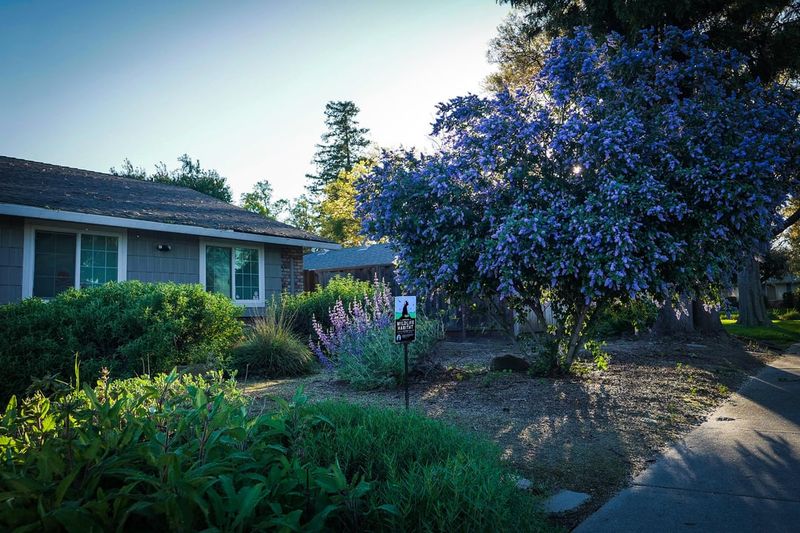
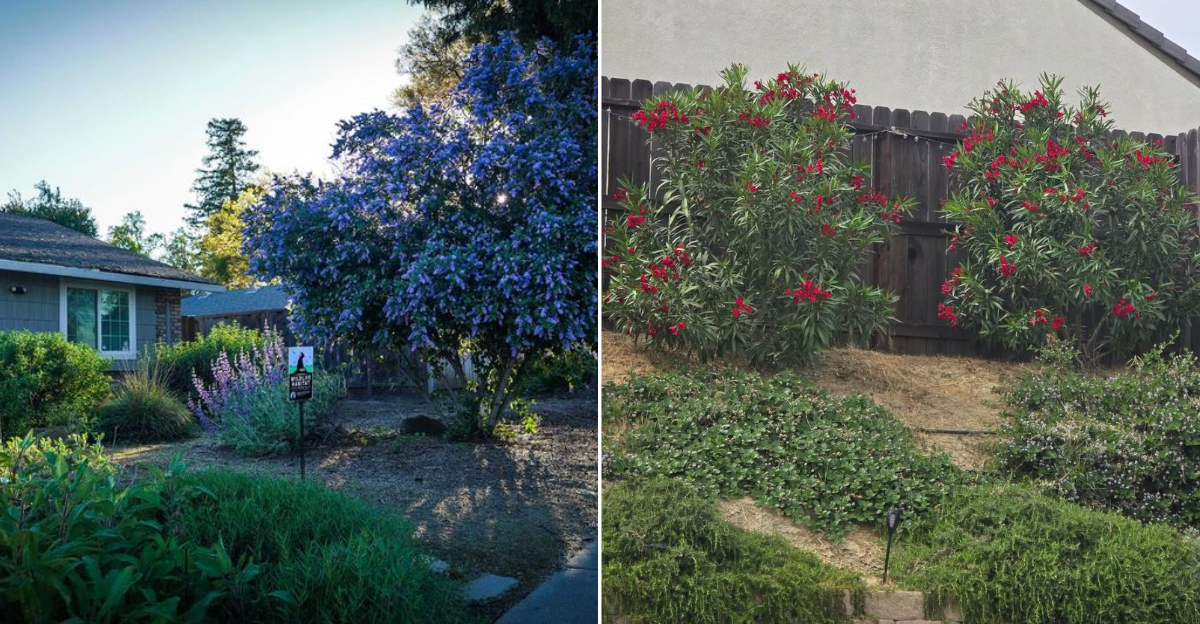
Ceanothus, often called California lilac, is one of the most eye-catching native shrubs in the state. When it blooms in spring, the clusters of blue, purple, or white flowers are absolutely stunning.
It is a favorite among California gardeners who want something beautiful, water-wise, and good for pollinators all at once.
The challenge with ceanothus is that it grows fast and can become very dense. Some species grow into large mounding shrubs that take up a lot of space quickly.
When planted too close to a home entryway, ceanothus can crowd walkways, block sightlines, and create a wall of dry vegetation by late summer.
Ceanothus is considered moderately to highly flammable, especially when it has not been pruned and the interior is full of old, dry branches. In California fire zones, this matters a great deal.
Giving ceanothus room to grow without crowding structures or pathways is key. Planting it at least six to ten feet from your entryway and any walls gives it space without putting your home at risk.
If you already have a large ceanothus near your front door, pruning it back and removing the dead interior wood before fire season is a smart and responsible move for any California homeowner.
10. Oleander Makes Dense Hedges
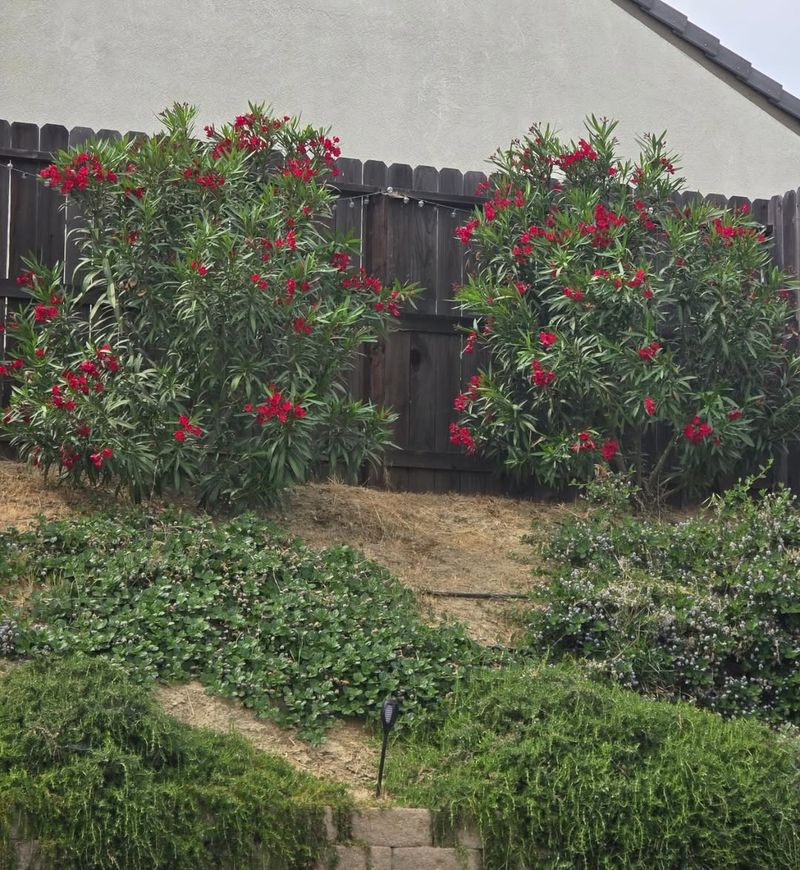
Oleander is practically everywhere in California. Drive through any suburban neighborhood, freeway median, or commercial property and you will spot those familiar clusters of pink, red, or white flowers.
It grows fast, stays green year-round, and requires very little care, which is exactly why so many people plant it as a privacy hedge near driveways and entryways.
But oleander is one of the most flammable shrubs you can plant near your home. It burns intensely and can spread fire rapidly along a hedge line.
When it grows into a thick, continuous wall near an entryway, it creates both a fire hazard and a physical barrier that can block emergency access to and from your home.
California fire agencies have flagged oleander as a high-risk plant for homes in fire hazard severity zones. Beyond the fire concern, dense oleander hedges can also hide the view from your front door, making it harder to see approaching threats.
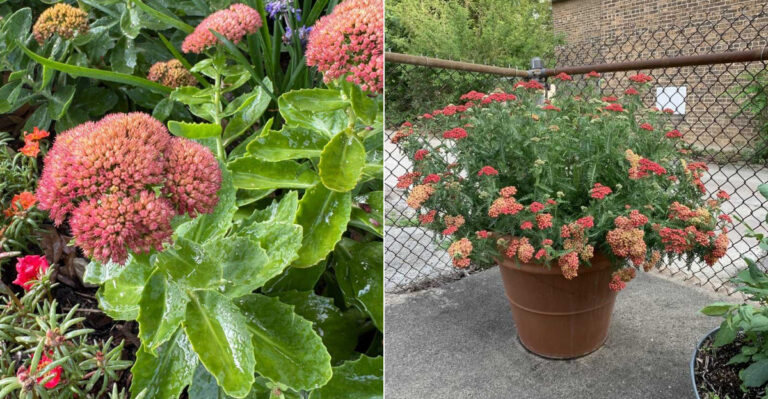
If you have oleander lining your driveway or bordering your front entrance, consider thinning it out or replacing it with fire-resistant alternatives like lantana or African daisy. Keeping any remaining oleander well-watered, pruned, and spaced apart reduces the risk considerably for your California home during fire season.