Michigan Trees Homeowners Can Be Fined For Cutting Down Without A Permit
Most Michigan homeowners assume the trees in their yard are entirely their business. That assumption is mostly correct, but there are situations where removing a tree without the right approval can result in fines that catch people completely off guard.
Local ordinances protecting certain trees exist across municipalities throughout the state, and they apply more often than most residents realize until they are already in the middle of a removal project.
The rules vary depending on where you live, what species the tree is, how large it is, and whether it sits within a protected zone on your property.
Some Michigan cities have taken these protections further than others, covering native species, heritage trees, or canopy coverage requirements that trigger permit requirements the moment a removal is planned.
Before you call a tree service or rent a chainsaw, knowing which trees in Michigan commonly fall under protection and what the process looks like for legally removing them can save you from a situation that gets expensive and frustrating fast.
1. Large Heritage Or Landmark Trees
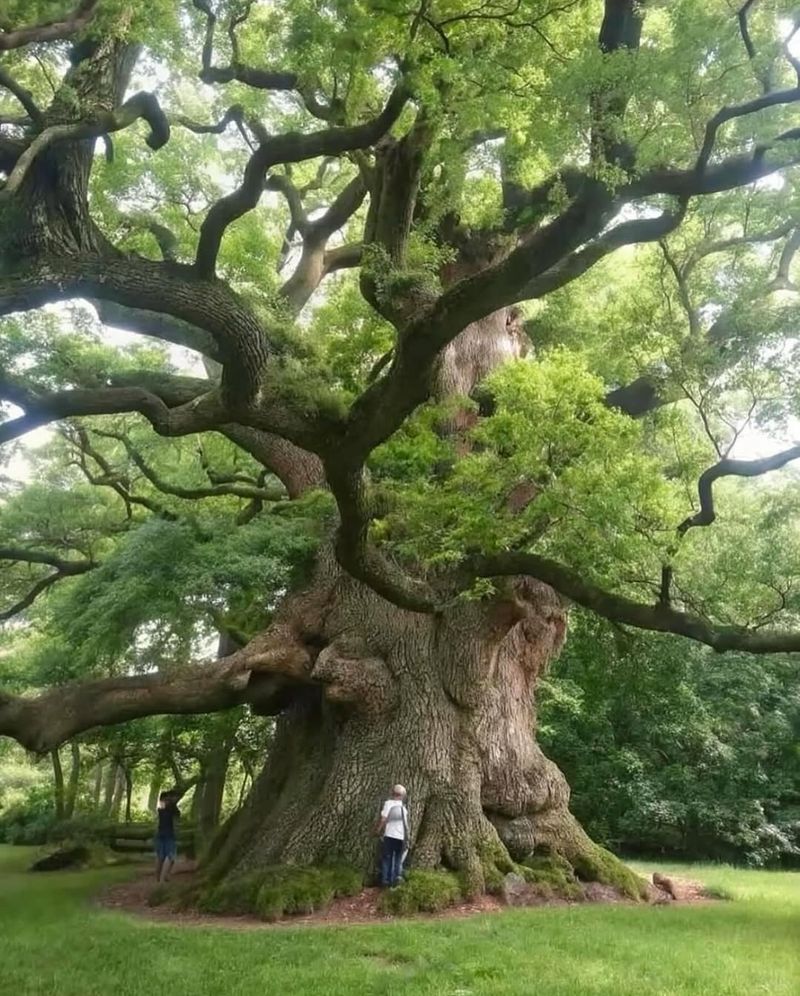
Some trees carry so much history that entire communities rally to protect them. Michigan cities like Ann Arbor, East Lansing, and Traverse City have passed local ordinances specifically protecting trees designated as heritage or landmark trees.
These are typically trees of unusual size, age, or historical significance, and they often appear on official municipal registers.
If your property happens to include one of these protected giants, removing it without a permit is a serious mistake. Fines can range from a few hundred dollars to several thousand, depending on your city or township.
Some municipalities even require you to replace the tree with multiple new plantings as part of the penalty.
Before any removal project, check with your local city or township planning office to see if your tree has any special designation. A quick phone call or website search can tell you everything you need to know.
Heritage tree programs exist to preserve Michigan’s natural character, and local governments take violations seriously. Treating these trees with respect is not just about following rules, it is about honoring the living history right in your own yard.
2. Street Trees In The Public Right-Of-Way
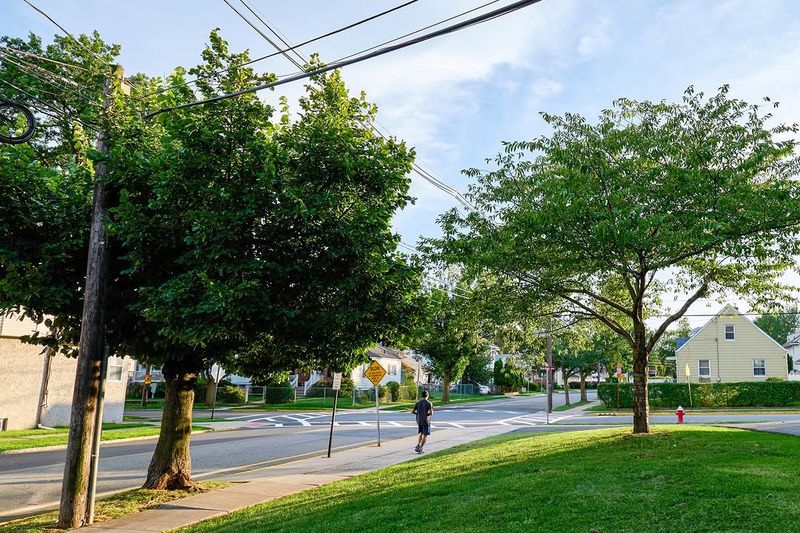
That tree sitting between your sidewalk and the road might feel like yours, but it almost certainly is not. Street trees planted in the public right-of-way are typically owned or regulated by your city or township, even when they sit directly in front of your home.
This surprises a lot of Michigan homeowners every single year. Removing or even heavily pruning one of these trees without getting permission first can result in fines and a bill for replacement.
Cities like Grand Rapids, Detroit, and Lansing all have specific programs managing street trees, and they take unauthorized removal seriously.
The right-of-way is public property, and that means public rules apply regardless of how close the tree is to your front door.
If a street tree is causing problems, like lifting your sidewalk or dropping branches near your home, the right move is to contact your local public works or urban forestry department. They can assess the situation and handle removal legally if necessary.
Your Michigan Garden Changes Every Week. Your Plan Should Too.
Gardening in Michigan changes quickly throughout the season. Every Friday you’ll receive a simple weekly plan showing exactly what to plant, prune, fertilize, harvest, and protect so you never miss the right timing.
Michigan communities invest real money in their urban tree canopies, and the rules protecting street trees reflect that investment. Acting on your own without approval is never worth the financial risk or the neighborhood friction it can cause.
3. Trees In Regulated Wetland Areas
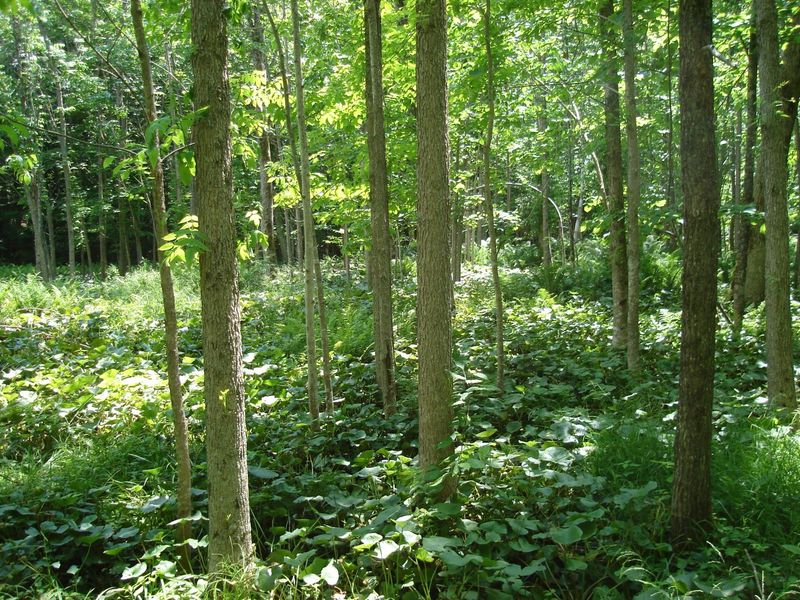
Wetlands in Michigan are among the most protected natural environments in the entire state.
Under the Michigan Natural Resources and Environmental Protection Act, removing trees from regulated wetland areas without proper permits is illegal and can trigger serious consequences.
The Michigan Department of Environment, Great Lakes, and Energy, known as EGLE, oversees these protections statewide.
Wetlands are identified by specific soil, vegetation, and water conditions, and they do not always look like the swamps you might picture. A low-lying corner of your backyard with certain tree species growing in moist soil could qualify as a regulated wetland.
Homeowners who remove trees in these areas without checking first have faced fines, restoration orders, and even legal action from state agencies.
Getting a wetland determination before removing trees near any wet or low area of your Michigan property is a smart first step. EGLE offers resources online, and local conservation districts can help you understand what rules apply to your specific land.
Wetland trees provide critical habitat, filter water, and prevent flooding, so the protections exist for very good reasons. Taking a few extra steps to verify your property’s wetland status can protect both your wallet and the natural environment around your home.
4. Trees Near Shorelines And Critical Dune Areas
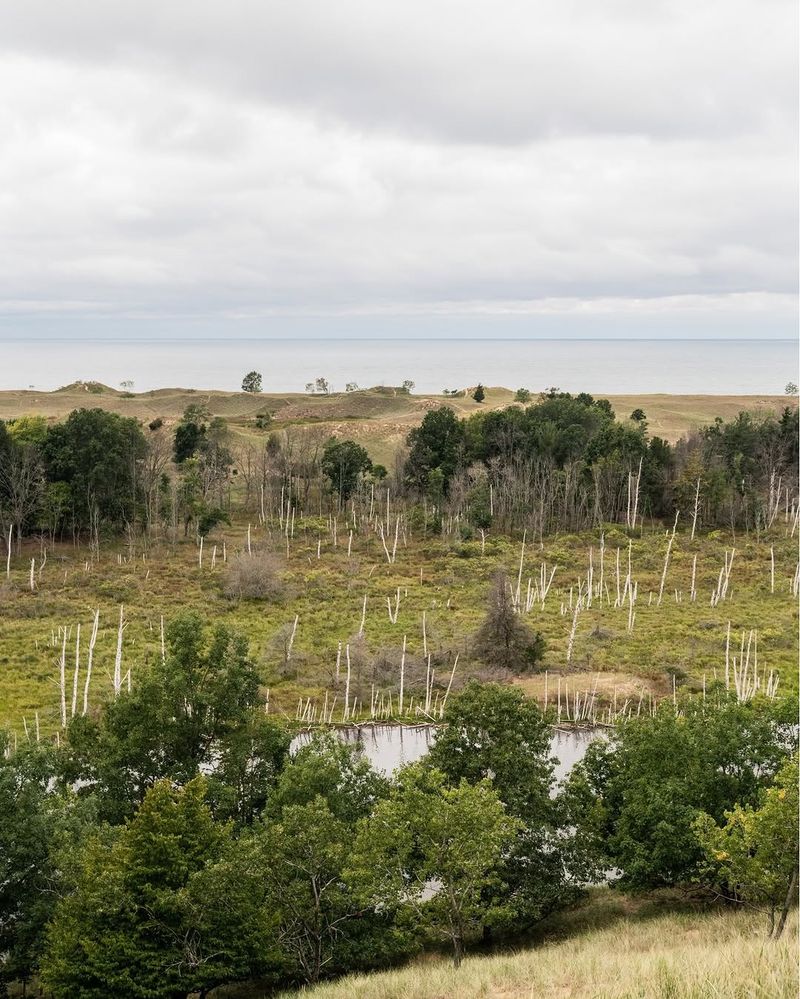
Living near one of Michigan’s Great Lakes is a dream for many residents, but it comes with a set of environmental responsibilities that inland homeowners never have to think about.
The Michigan Sand Dune Protection and Management Act and shoreline protection rules under EGLE restrict vegetation removal in critical dune areas and along protected shorelines.
Trees in these zones are not just pretty scenery, they are actively holding the land together.
Removing trees near a Great Lakes shoreline without proper permits can trigger fines and mandatory restoration requirements. The roots of shoreline trees prevent erosion, protect water quality, and provide habitat for birds and wildlife.
When those trees disappear, dunes can shift and shorelines can erode at a much faster rate, causing problems for the entire community and the lake ecosystem.
If you own shoreline property in Michigan and want to clear trees or vegetation, you need to contact EGLE before starting any work. A permit application may be required, and the review process takes time, so planning ahead matters.
Some shoreline areas have additional local protections layered on top of state rules, particularly in popular lake communities like Saugatuck, Charlevoix, or Petoskey.
Protecting these natural buffers is a shared responsibility, and the rules are strictly enforced along Michigan’s beloved Great Lakes coast.
5. Trees Covered By Local Woodland Ordinances
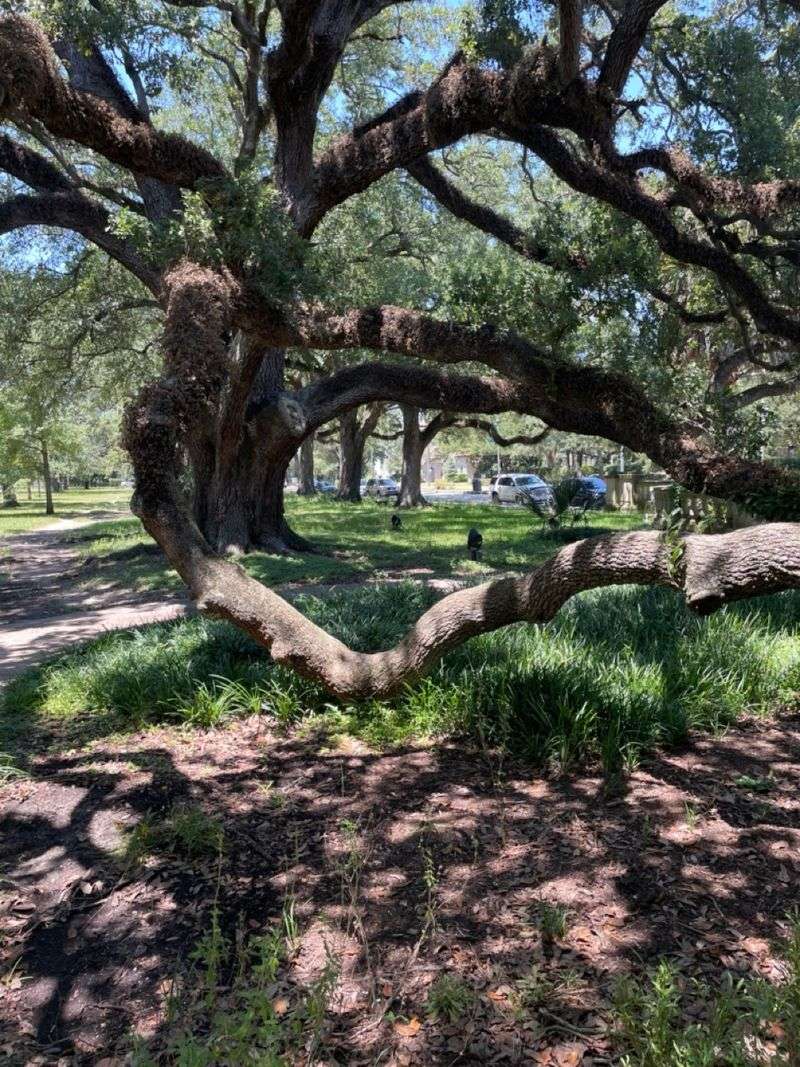
Not every Michigan municipality has a woodland ordinance, but many do, and the ones that exist can be surprisingly strict.
Communities like Bloomfield Township, Rochester Hills, and West Bloomfield have enacted woodland protection ordinances that regulate the removal of trees on private property, especially when development or large-scale clearing is involved.
These rules are designed to preserve the wooded character that makes many Michigan neighborhoods so appealing.
Under these ordinances, homeowners may need to apply for a permit before removing trees above a certain trunk diameter, often anywhere from four to six inches measured at chest height.
Some communities require a certified arborist assessment or a replacement tree plan before approving removal.
Violating these rules can result in fines per tree removed, and the amounts add up quickly when multiple trees are involved.
The key is knowing whether your township or city has a woodland ordinance in place before any tree work begins. Your local planning or zoning department is the best place to start.
Many Michigan communities post their ordinances online, making it easier than ever to check the rules from home. Hiring a licensed arborist who knows your local regulations is also a great way to stay compliant while still getting the work done.
Protecting Michigan’s woodlands is a community effort, and local ordinances give that effort real legal teeth.
6. Trees Restricted By HOA Rules
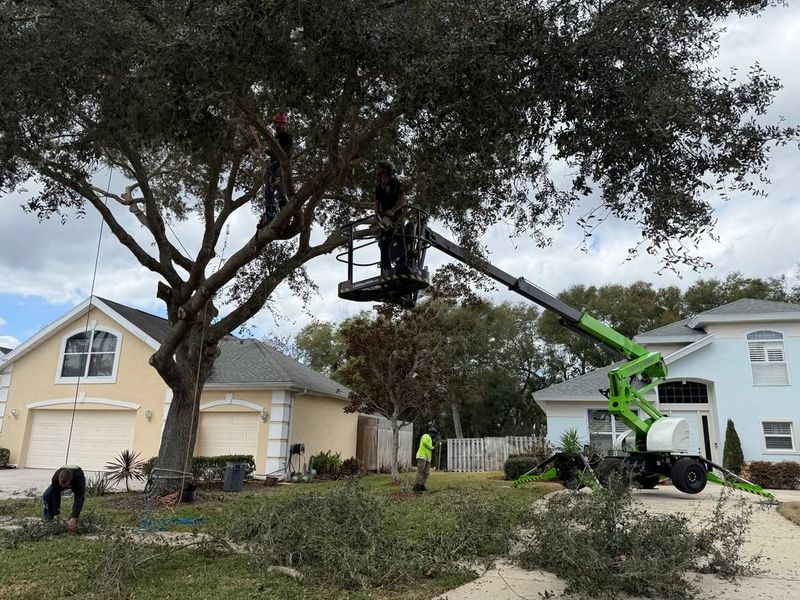
Homeowners associations in Michigan wield a surprising amount of authority over what you can do on your own property, and that includes cutting down trees.
Many HOA agreements include specific language requiring homeowners to get written approval before removing any tree that is visible from the street or common areas.
These rules exist to maintain the neighborhood’s aesthetic and protect shared property values.
Skipping the HOA approval process before removing a tree can lead to fines, legal disputes, and even forced replanting at your own expense.
Some Michigan HOAs charge hundreds of dollars per violation, and if the situation escalates, legal fees can make the total cost far higher than anyone expects.
The frustrating part is that many homeowners do not read their HOA documents carefully enough to know these rules exist until they are already in trouble.
Reviewing your HOA’s covenants, conditions, and restrictions before any landscaping project is always a smart move. Most HOAs have a formal request process, and approval can often be obtained in just a few weeks.
Bringing photos, an arborist report, or a clear written explanation of why the tree needs to go can help move the process along smoothly.
Michigan has thousands of HOA-governed communities, and tree removal policies are among the most commonly enforced rules in those neighborhoods. A little paperwork upfront beats a fine notice in your mailbox any day.
7. Trees On Properties With Conservation Easements
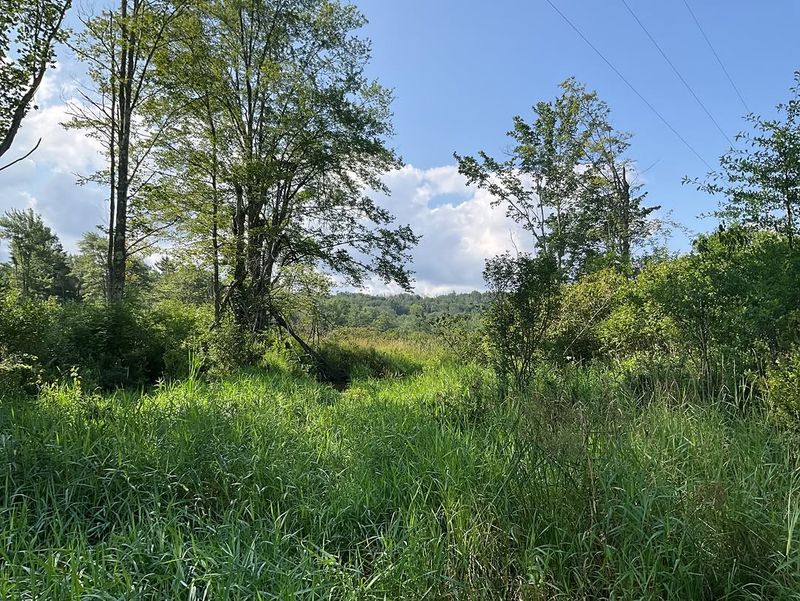
Conservation easements are legal agreements that permanently restrict certain land uses on a property, and they stay attached to the land even when ownership changes hands.
In Michigan, many properties near rivers, wetlands, farmland, and forests carry these easements, often established through organizations like the Michigan Nature Association or local land conservancies.
If your property has one, tree removal restrictions may be part of the deal.
Homeowners who purchase land with a conservation easement sometimes discover the restrictions only after they have already made plans to clear trees or modify the landscape.
Violating an easement can lead to legal action from the easement holder, restoration requirements, and financial penalties.
Because easements run with the land permanently, previous owners agreeing to them does not make them optional for anyone who buys the property later.
Checking for conservation easements before purchasing Michigan property is always wise, and your title company or real estate attorney can help identify any that exist.
If you already own land and are unsure, contact your county register of deeds or a local land conservancy to find out.
Some easements allow limited tree removal for safety or maintenance purposes, but that permission must be explicitly granted in the agreement.
Understanding what your easement allows is the only way to stay on the right side of these powerful legal protections that shape Michigan’s countryside.
8. Trees In Designated Historic Districts
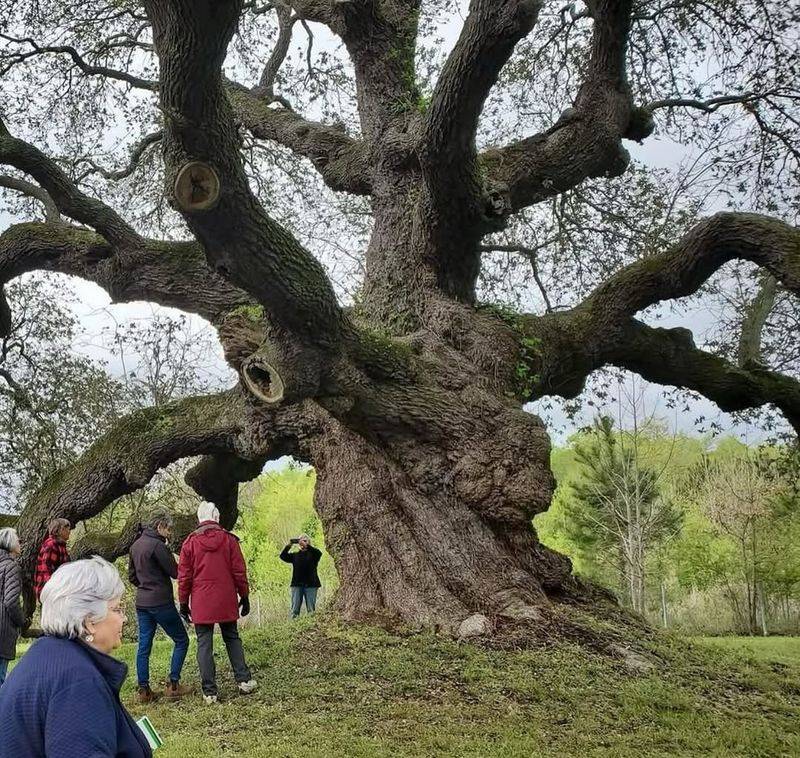
Historic districts bring charm, character, and a strong sense of place to Michigan communities, but they also come with a rulebook that covers more than just building facades.
In many of Michigan’s designated historic districts, landscape changes, including the removal of mature trees visible from public areas, require review and approval from a local historic preservation commission.
Grand Rapids, Kalamazoo, and Detroit all have active historic district commissions with real enforcement power.
The idea behind protecting trees in these districts is straightforward. Mature trees are considered part of the historic character of a neighborhood, just like original windows or period-appropriate fencing.
Removing a large, visible tree without approval can alter the visual identity of the district in ways the community has agreed to protect. Commissions can deny removal requests or require replacement plantings that match the neighborhood’s established look.
Homeowners living in or near a historic district in Michigan should always check with their local historic preservation office before making any significant landscape changes.
The review process is usually not overly complicated, and many commissions are genuinely helpful in guiding homeowners through the steps.
Getting approval in writing protects you legally and helps maintain the neighborhood character that likely attracted you to the area in the first place.
Respecting the rules of a historic district is really about respecting the shared story of your Michigan community.
9. The Reality Check: No Single Statewide Permit Law Exists
Here is something that catches a lot of Michigan homeowners off guard. There is no single statewide law in Michigan that requires a permit for all residential tree removal on private property.
The rules are completely local, meaning what applies in Ann Arbor may be totally different from what applies in a rural township two counties away. That patchwork of regulations is exactly what makes this topic so confusing and so important to research before acting.
What does exist at the state level are environmental protections tied to specific conditions, like wetlands, shorelines, and critical dunes.
Beyond those, the permit question comes down to your city or township ordinances, your HOA agreement, any conservation easements on your land, and whether your property sits in a historic or environmentally sensitive zone.
Checking all of these factors before removing a large tree is the responsible approach every Michigan homeowner should take.
A good starting checklist includes contacting your city or township zoning office, reviewing your HOA documents, checking for wetland or shoreline designations, and searching for any easements in your property records.
Hiring a certified arborist familiar with local Michigan regulations adds another layer of protection.
Taking thirty minutes to make a few phone calls or do some online research can prevent fines that might cost thousands of dollars.
Michigan’s tree rules exist to protect communities, natural resources, and property values, and following them is always the smarter path forward.