Ohio Pest Control Tricks That Leave Your Garden Helpers Unharmed
Ohio gardeners have been fighting the same battles for generations, and the old scorched earth approach to pest control has worn out its welcome.
Blast everything with chemicals, knock out the bad guys, and accidentally take out every beneficial insect in a ten foot radius in the process.
Sound familiar? The ladybugs, ground beetles, and parasitic wasps doing the heavy lifting in your garden are not coming back overnight, and without them, the pest problem you tried to solve comes roaring back twice as bad.
Ohio gardeners have gotten pretty crafty about hitting the troublemakers without torching the whole operation. Targeted, smart, and genuinely effective, these tricks work with your garden instead of against it.
Your tomatoes, your pollinators, and your wallet will all thank you. Pest control does not have to be a guessing game that costs you the good guys every single time.
1. Scout First And Spray Last
Picture this: you walk out to your garden one morning and spot a few chewed leaves. Before grabbing any product off the shelf, take a breath and take a closer look.
Ohio State University Extension and the principles of Integrated Pest Management (IPM) strongly recommend scouting your garden regularly before deciding whether any action is even needed.
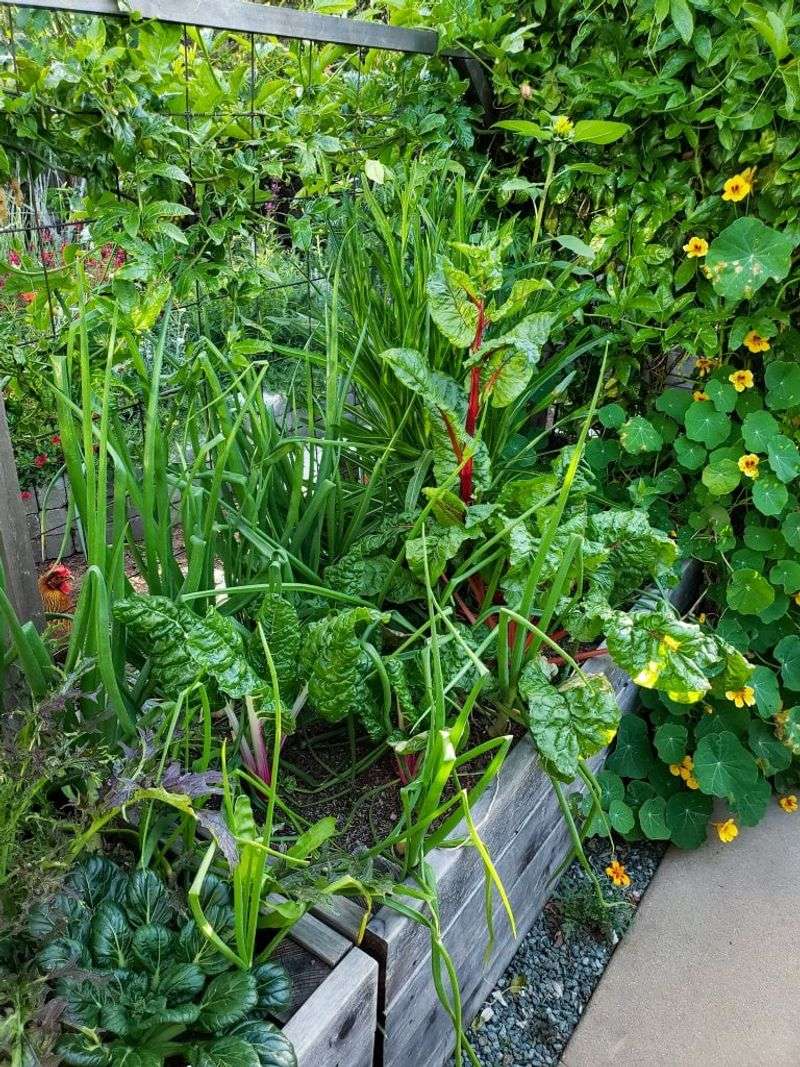
Scouting means getting hands-on with your plants. Flip over leaves and check the undersides, look along stems, notice patterns in leaf damage, and try to spot the actual insect responsible.
A caterpillar, an aphid colony, and a fungal problem all look different and require completely different responses. Misidentifying a pest can lead to treatments that do nothing useful and may harm beneficial insects in the process.
Not every insect you find signals a garden emergency. Ohio Extension guidance points out that some pest pressure is normal and that natural enemies often bring populations down on their own given enough time.
A handful of aphids on one plant may disappear within a week once lady beetles and lacewings move in. Deciding whether damage is truly serious enough to act on is one of the most valuable skills an Ohio gardener can develop.
Scout often, identify accurately, and treat only when the situation genuinely calls for it.
2. Let Beneficial Bugs Stay On Patrol
Spend a few minutes watching a garden carefully and you might notice something surprising: the pest problem is already being handled. Lady beetle larvae, which look nothing like the familiar spotted adults, are voracious aphid feeders.
Lacewing larvae, sometimes called aphid lions, are equally impressive hunters. Ground beetles patrol the soil at night, and hover fly larvae target soft-bodied insects hiding on plant surfaces.
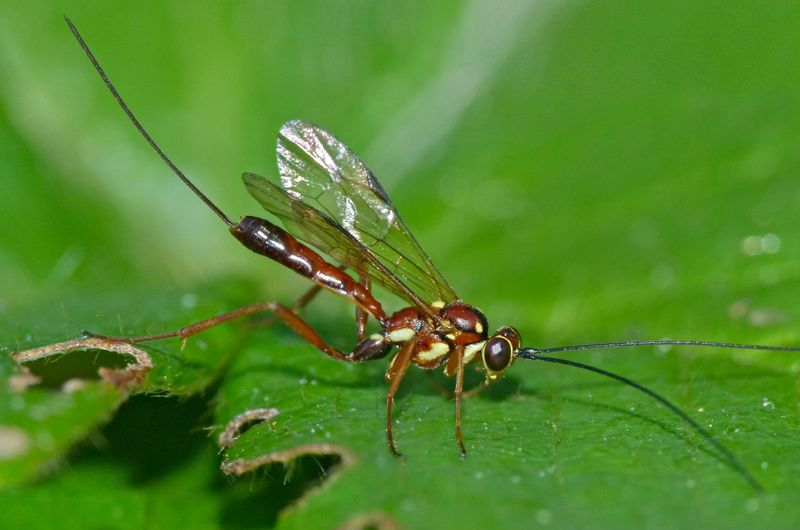
Parasitic wasps, though tiny and easy to overlook, are among the most effective natural pest managers in Ohio gardens. They lay eggs inside or on pest insects, and the developing young reduce pest numbers over time.
One visible sign that these wasps are working is the presence of aphid mummies, which are small, puffed-up, tan or brown aphid shells left behind after a parasitic wasp has done its job.
Your Ohio Garden Changes Every Week. Your Plan Should Too.
Gardening in Ohio changes quickly throughout the season. Every Friday you’ll receive a simple weekly plan showing exactly what to plant, prune, fertilize, harvest, and protect so you never miss the right timing.
Spiders, predatory mites, and even some species of true bugs also help keep pest populations from getting out of hand.
Ohio State University Extension notes that maintaining habitat for these beneficial organisms is one of the most practical and cost-effective strategies available to home gardeners.
Avoiding unnecessary broad-spectrum treatments gives these helpers the chance to do their work. When gardeners protect their beneficial insect populations, the garden develops a natural balance that reduces pest pressure season after season.
3. Treat Only The Trouble Spots
Blanket spraying an entire yard when only one plant or one corner of a bed has a pest problem is a bit like taking medicine for a headache that only affects one side of your head.
Spot treatment is smarter, safer, and far less likely to harm the beneficial insects working nearby.
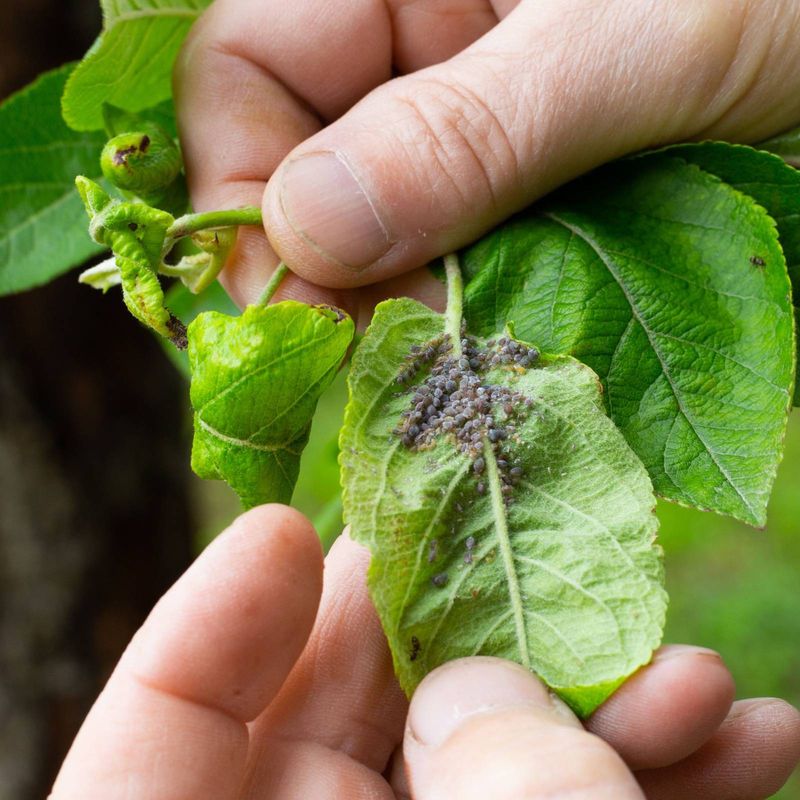
When you find a problem area, focus your response there. Heavily infested leaves can often be removed by hand and placed in a sealed bag.
A strong stream of water from a garden hose can knock aphids and spider mites off plant surfaces quickly and without any chemical exposure.
Pruning a small infested branch is sometimes the fastest fix available, especially on shrubs and small trees where the damage is contained to one section.
Targeting only the actual pest location protects the rest of the garden from unnecessary exposure. Beneficial insects tend to spread across a yard, and a broad treatment can reduce their numbers even in areas where no pest problem exists.
Ohio State University Extension IPM guidance consistently emphasizes using the least disruptive option at the smallest scale necessary.
Treating one plant instead of twenty, or one branch instead of a whole shrub, is the kind of practical, low-impact approach that keeps your garden helpers safe and your pest management effective without going overboard.
4. Skip Sprays When Flowers Are Open
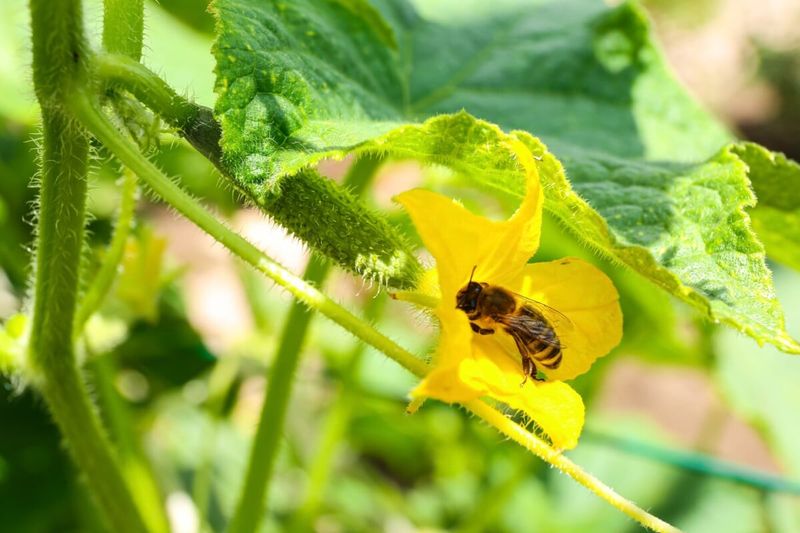
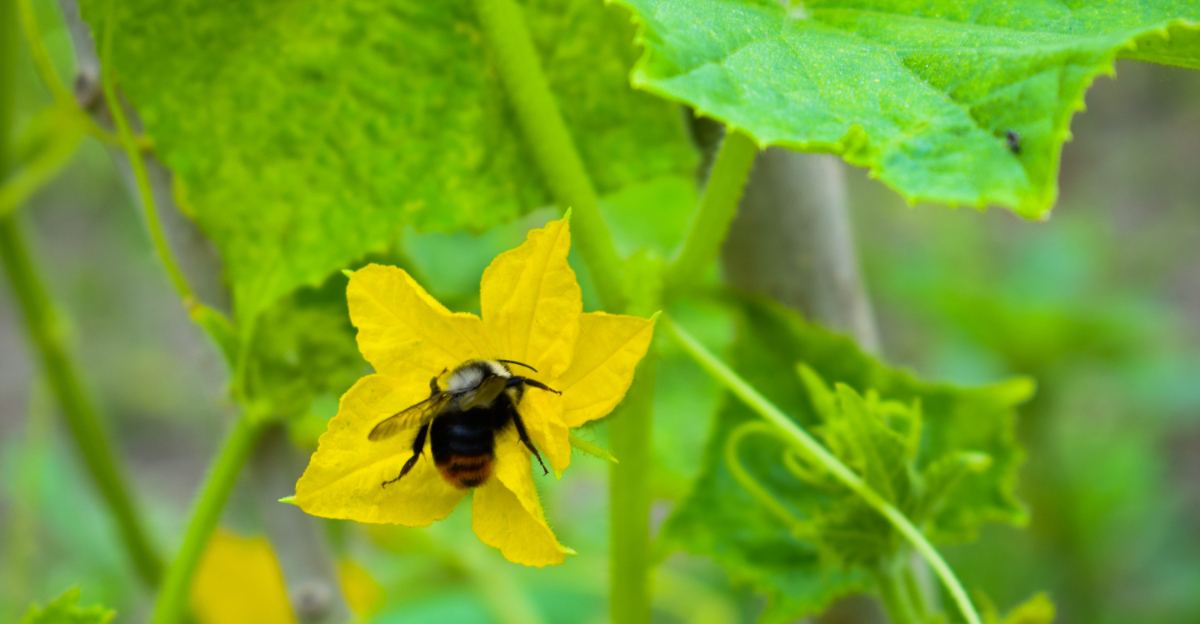
Open flowers are one of the busiest places in any Ohio garden. Bees, butterflies, hover flies, and many other pollinators visit blooms throughout the day to collect nectar and pollen, and those visits are essential for fruit and vegetable production.
Applying any pesticide product to a plant that is actively blooming puts those visitors at serious risk.
Timing is one of the simplest and most effective ways to protect pollinators. Ohio State University Extension recommends avoiding pesticide applications on blooming plants whenever pollinators are actively visiting.
Even products considered lower in risk can be harmful to bees if applied directly to flowers or if residues remain on blooms when pollinators arrive.
If treatment truly cannot wait, follow the product label exactly and avoid applying insecticides to open blooms whenever possible.
Evening or early morning timing can reduce exposure for some products, but it does not make spraying blooming plants risk-free.
Whenever possible, choose nonchemical options for plants that are currently flowering.
Hand removal, water sprays, and physical barriers can manage many common pests without putting pollinators in harm’s way.
Waiting until blooms have faded before applying any product is a straightforward step that costs nothing and protects the bees and butterflies that your garden depends on.
Vegetable gardeners especially benefit from this approach since pollinator activity directly affects how much fruit sets on squash, cucumbers, peppers, and many other crops grown across Ohio.
5. Choose Softer Products When Treatment Is Needed
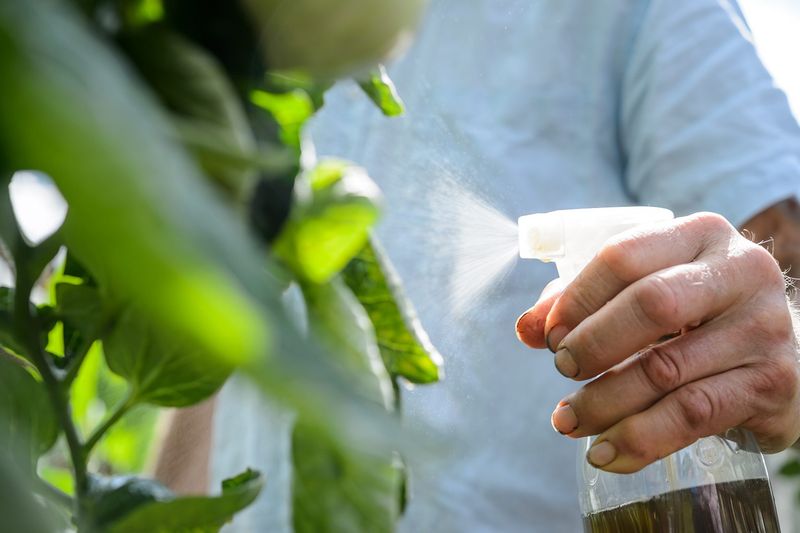
Sometimes scouting confirms that pest pressure is real and that natural enemies are not keeping up. At that point, choosing the right product matters just as much as deciding to act in the first place.
Lower-impact options are available and can be very effective when matched to the right pest and used correctly.
Insecticidal soap can work well against soft-bodied insects like aphids, whiteflies, and spider mites when it directly contacts the pest. It breaks down quickly and leaves little residue, which reduces risk to beneficial insects that arrive after the spray dries.
Horticultural oil can smother scale insects and mite eggs when applied at the right time and concentration. Sticky traps, physical barriers, and targeted hand removal are also solid choices for many common Ohio garden pests and carry minimal risk to garden helpers.
Reading the label every single time is non-negotiable. Even products marketed as natural or organic can cause problems if applied to the wrong pest, at the wrong rate, or under the wrong conditions.
Insecticidal soap, for example, can damage plant tissue in hot weather or when used on sensitive species.
Identifying the pest first, matching the product to that pest, applying only as directed, and avoiding overuse are the steps that make any treatment safer and more effective.
Ohio State University Extension IPM resources offer guidance on matching treatments to specific pests found in Ohio gardens.
6. Keep Dusts Away From Bees
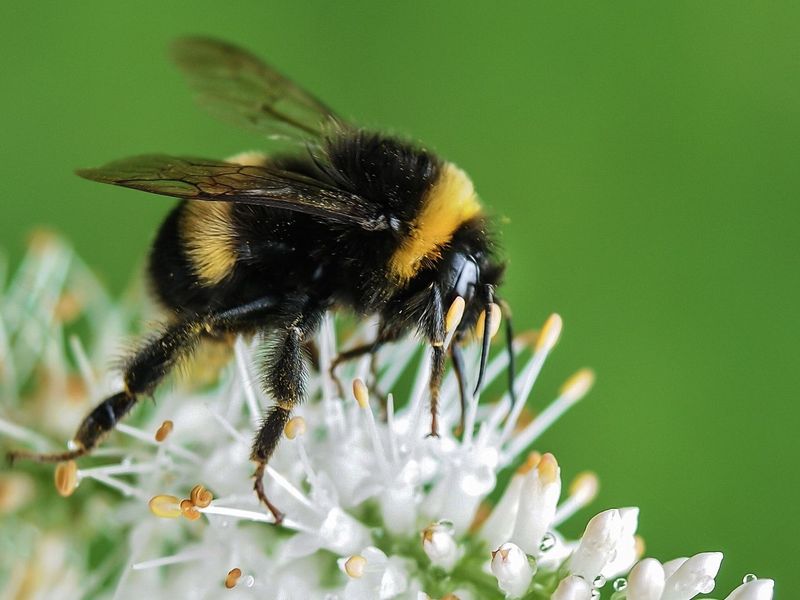
Not all pesticide formulations behave the same way once they leave the container. Dusts and wettable powders can cling to plant surfaces, including flower petals and pollen, in ways that liquid sprays often do not.
A bee that lands on a dusted flower can carry those particles back to the hive, which creates risks that extend well beyond a single plant or a single garden visit.
Wind is another factor that makes dusts tricky. Even on what seems like a calm day, light air movement can carry dust particles into nearby flowering plants, ground cover, and areas where beneficial insects are active.
Applying dusts on windy days increases drift significantly.
Ohio gardeners who choose to use any dust formulation should apply on still days, keep products well away from flowers and pollinator plants, and follow label directions carefully regarding where and how the product should be placed.
Reading the pesticide label is a legal requirement, not just good advice. The label includes information about where the product can and cannot be applied, what plants or conditions to avoid, and how to reduce risks to pollinators and other beneficial organisms.
Ohio EPA and Ohio State University Extension both emphasize label compliance as a core part of responsible pesticide use.
Choosing a granular or liquid formulation over a dust when options are available is often a straightforward way to reduce pollinator exposure without sacrificing pest management effectiveness.
7. Use Barriers Before Bottles
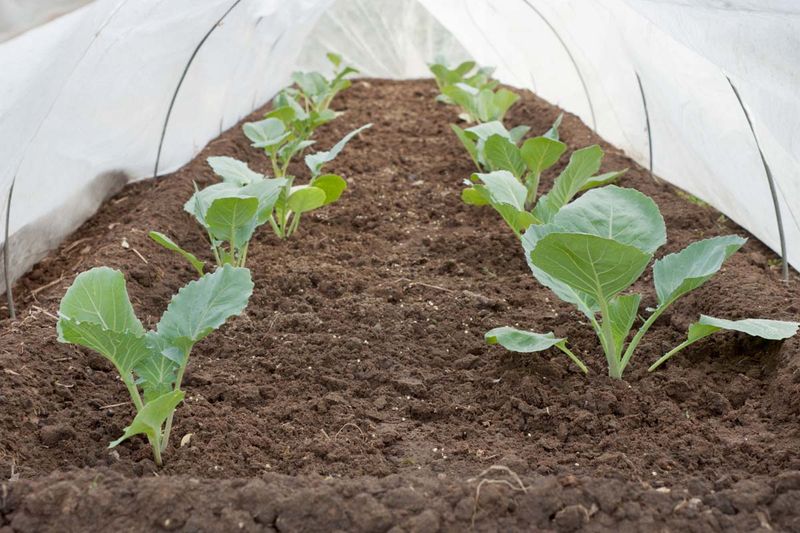
Row covers, netting, and collars cost very little and can prevent a surprising number of pest problems before they ever get started. A lightweight floating row cover over young brassicas keeps cabbage moths from laying eggs on the leaves.
A simple cardboard or plastic collar pressed into the soil around a seedling stops cutworms from reaching the stem at ground level. These are not complicated solutions, but they work reliably for many of Ohio’s most common garden pests.
Physical and cultural controls go beyond covers and collars. Handpicking larger insects like squash bugs, hornworms, and Colorado potato beetles removes pests quickly and precisely without affecting anything else in the garden.
Mulching reduces weed pressure and can make it harder for some soil-dwelling pests to reach plant roots. Proper plant spacing improves airflow, which helps prevent the moist conditions that many pests and diseases prefer.
Sanitation and crop rotation are two of the most underused tools in Ohio vegetable gardens. Removing plant debris at the end of the season eliminates overwintering sites for many common pests.
Rotating vegetable families to different beds each year breaks pest cycles that depend on finding the same host plant in the same location.
Ohio State University Extension vegetable gardening resources consistently recommend these cultural practices as a first line of defense, saving chemical options for situations where physical controls alone are not enough.
8. Grow Habitat That Brings Helpers In
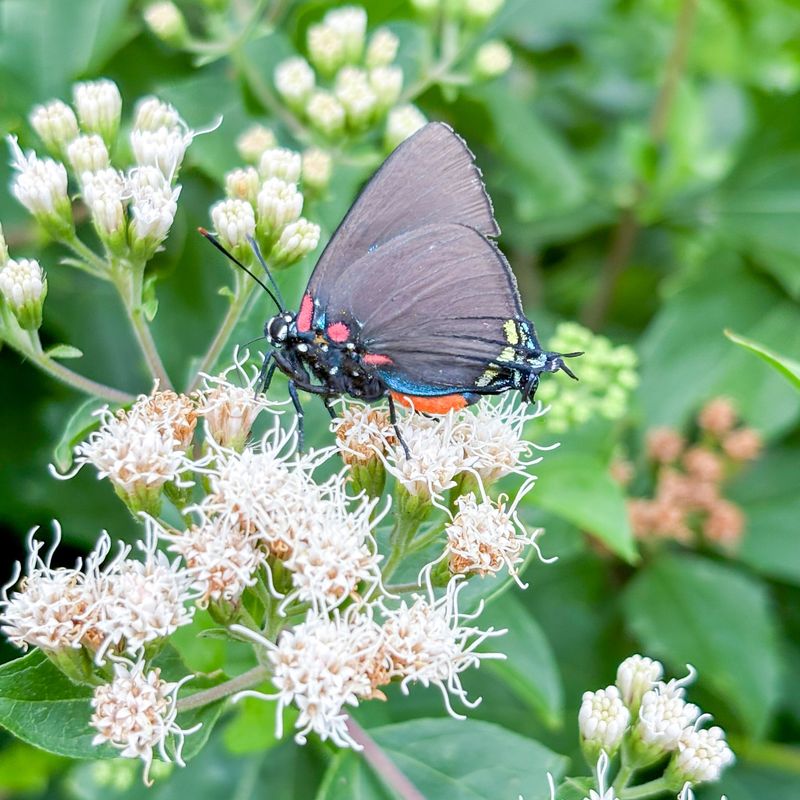
A garden that supports beneficial insects does not happen by accident, but it does not require a lot of extra work once it gets going.
Planting native Ohio species is one of the most effective ways to attract and keep bees, butterflies, predatory insects, and parasitoids on your property throughout the growing season.
Plants like purple coneflower, black-eyed Susan, wild bergamot, goldenrod, and native asters provide nectar and pollen from spring through fall.
Milkweed deserves a special mention. It is the only plant where monarch butterflies will lay their eggs, and Ohio is part of the monarch migration route.
Including common milkweed or butterfly weed in a garden or naturalized corner of the yard supports monarchs directly.
Ohio Department of Natural Resources and Monarch Watch both recognize Ohio as important habitat for this iconic butterfly during its migration.
Leaving some undisturbed areas in the garden also helps. Small brush piles, patches of bare soil, and clusters of native grasses give ground-nesting bees, overwintering beetles, and other beneficial insects places to shelter and reproduce.
Reducing pesticide use overall is perhaps the single biggest step toward building a garden that supports its own pest management system naturally.
When the habitat is right, the helpers show up, and the garden becomes a more balanced, productive, and enjoyable place to spend time all season long.