How To Care For Dieffenbachia Indoors In Michigan Homes
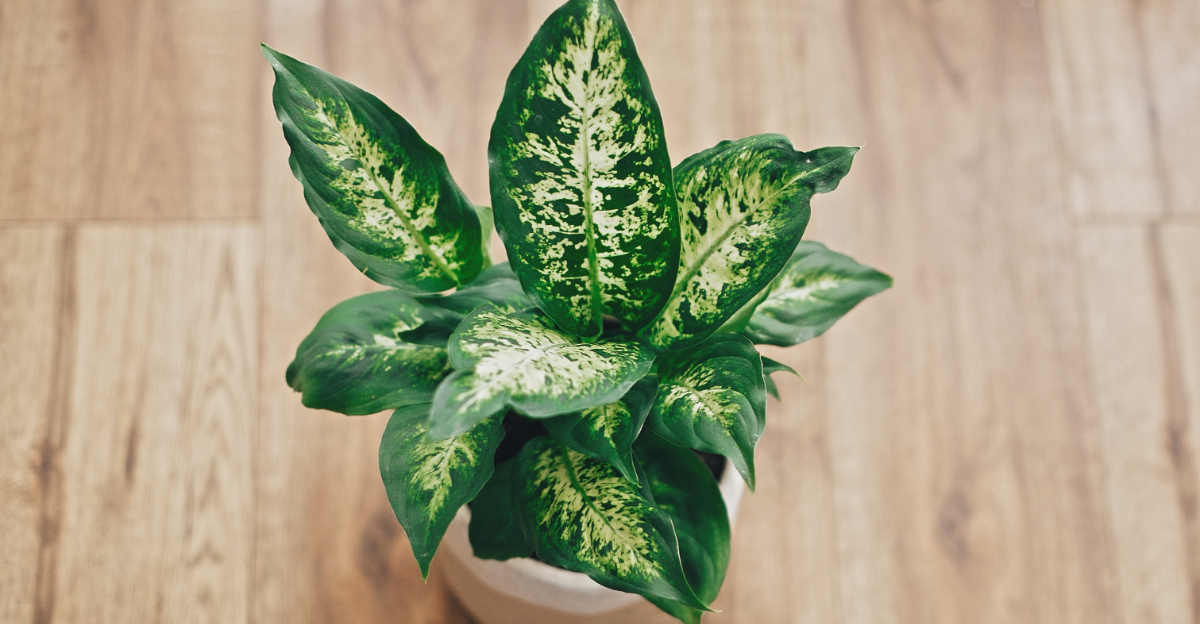
Dieffenbachia is a popular houseplant in Michigan homes thanks to its bold, patterned leaves and easygoing nature, but it still needs the right care to truly thrive indoors.
While it can adapt to typical home conditions, Michigan’s long winters and changing indoor air can affect how well it grows.
Heating systems can dry out the air, while lower light levels in colder months may slow growth. Many people keep dieffenbachia alive, but not everyone sees it stay full and vibrant year round.
Small adjustments in light, watering, and humidity can make a noticeable difference. Understanding how indoor conditions shift through the seasons helps you avoid common issues like drooping or yellowing leaves.
With a little attention, your dieffenbachia can stay healthy, balanced, and full of rich green color no matter what the weather is doing outside.
1. Provide Bright Indirect Light
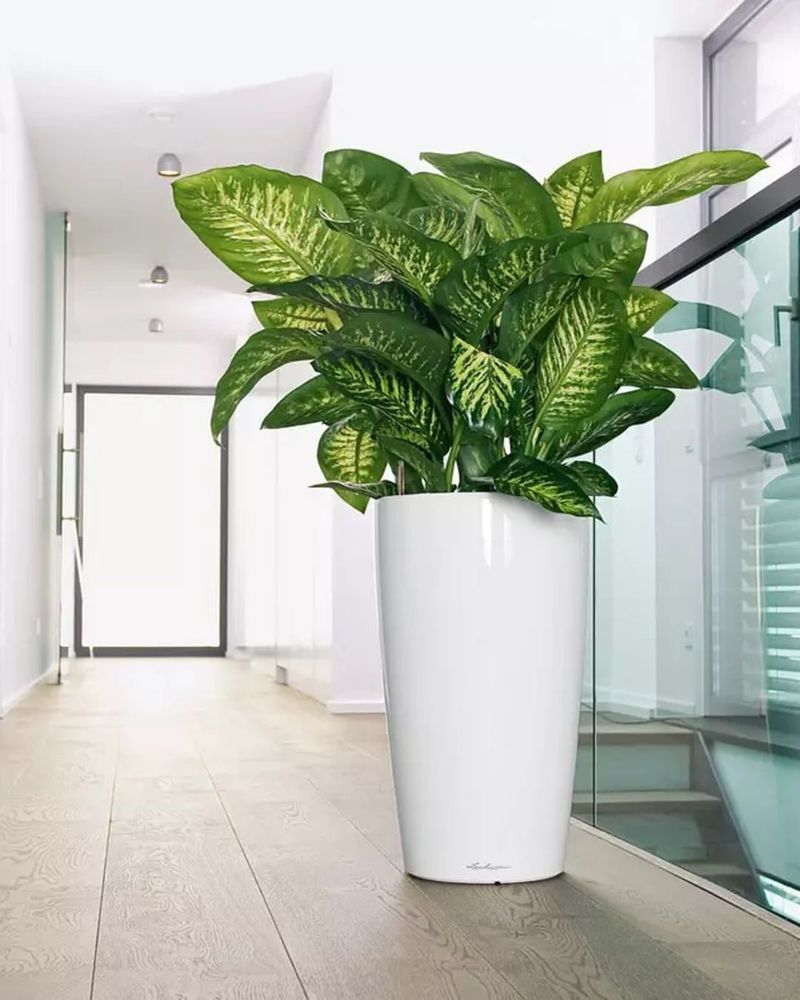
Sunlight is everything for a dieffenbachia, and getting it right in a Michigan home takes just a little planning. Place your plant near an east or south-facing window where it can soak up plenty of bright, filtered light throughout the day.
Sheer curtains work perfectly to soften harsh rays while still letting in enough brightness to keep those bold leaf patterns looking sharp.
Michigan winters are notoriously dim, with short days and heavy cloud cover that can last for months. During these darker months, your dieffenbachia may slow its growth, and that is completely normal.
Moving it closer to the brightest window in your home can help it stay healthy until spring sunshine returns.
Too little light causes the stems to stretch and reach, producing a leggy, unbalanced look that no plant lover wants to see. Direct sunlight, on the other hand, can scorch the large leaves and cause brown patches that are hard to reverse.
Finding that sweet spot of bright, indirect light is the single most important thing you can do to keep your dieffenbachia thriving inside a Michigan home year-round.
A grow light is a smart backup option during the darkest winter weeks when natural light just is not enough to keep your plant happy.
2. Keep Soil Evenly Moist, Not Waterlogged
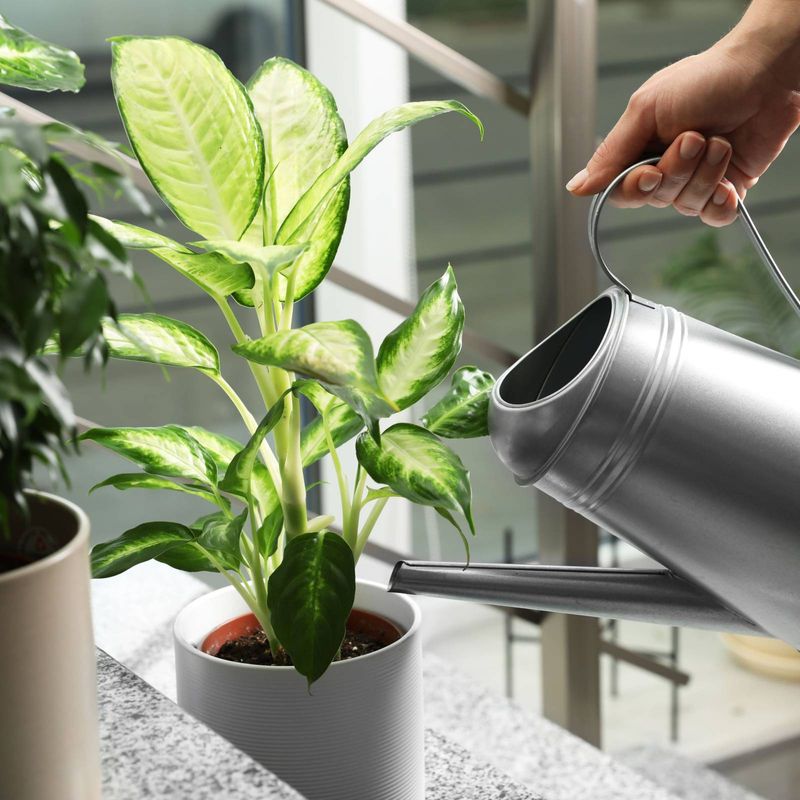
Watering a dieffenbachia correctly is honestly one of the trickiest parts of keeping this plant happy indoors. The golden rule is to water when the top one to two inches of soil feel dry to the touch.
Stick your finger into the soil before every watering session, and you will quickly develop a reliable routine that works with your Michigan home environment.
Michigan homes run heating systems for a large chunk of the year, which speeds up how quickly soil dries out in some rooms and slows it in others depending on airflow.
Always check the soil rather than following a fixed schedule, because conditions change from season to season.
During winter, the plant grows more slowly and needs water less often, so pulling back slightly on watering frequency is a smart move.
Root rot is one of the most common problems with indoor dieffenbachia, and it almost always comes from sitting in soggy soil for too long. Make sure your pot has drainage holes and never leave your plant standing in a saucer full of water.
Your Michigan Garden Changes Every Week. Your Plan Should Too.
Gardening in Michigan changes quickly throughout the season. Every Friday you’ll receive a simple weekly plan showing exactly what to plant, prune, fertilize, harvest, and protect so you never miss the right timing.
A well-draining pot paired with a consistent checking routine gives your dieffenbachia the steady moisture it loves without the risks that come with overwatering. Getting this balance right keeps your plant lush and full throughout every season.
3. Use A Well-Draining Potting Mix
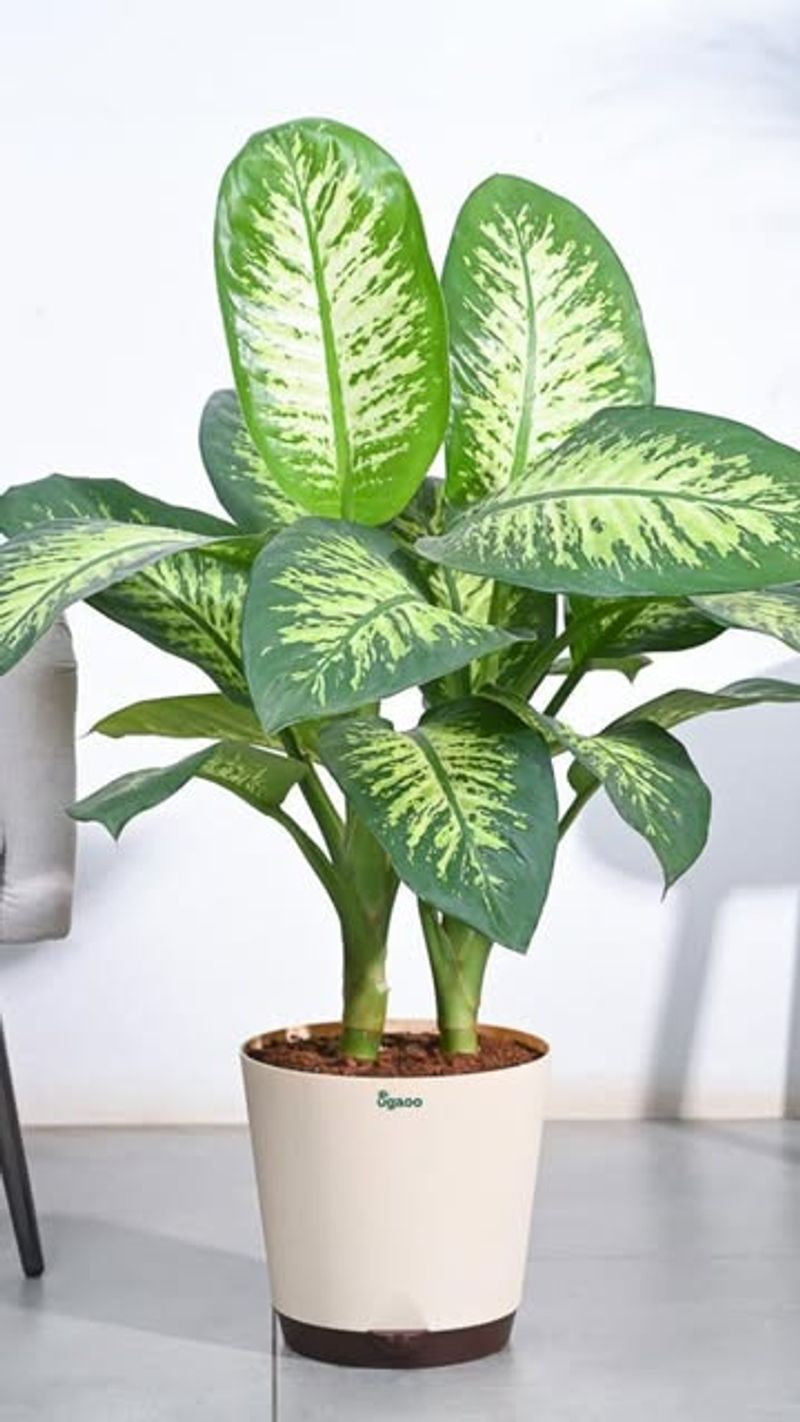
Not all potting soil is created equal, and your dieffenbachia will let you know pretty quickly if it does not like what it is planted in.
A standard houseplant potting mix works as a solid base, but adding perlite or coarse sand to the blend makes a huge difference in how well water drains through the pot.
A good ratio to aim for is about sixty percent quality potting soil, twenty-five percent peat moss or coconut coir, and fifteen percent perlite.
In Michigan, the cooler months slow down evaporation significantly, which means moisture lingers in the soil much longer than it would during warmer seasons.
A chunky, well-aerated mix helps prevent that excess moisture from building up around the roots and causing rot.
Coconut coir is a fantastic alternative to peat moss because it holds just enough moisture without becoming compacted over time.
Repotting your dieffenbachia every two to three years also gives you a great opportunity to refresh the soil completely and check the health of the roots.
Choose a pot that is only one to two inches larger in diameter than the current one, since oversized pots hold too much unused wet soil around the roots.
A properly mixed, well-draining potting blend is truly the foundation of a long-lived, thriving dieffenbachia in any Michigan home.
4. Maintain Consistent Indoor Temperatures
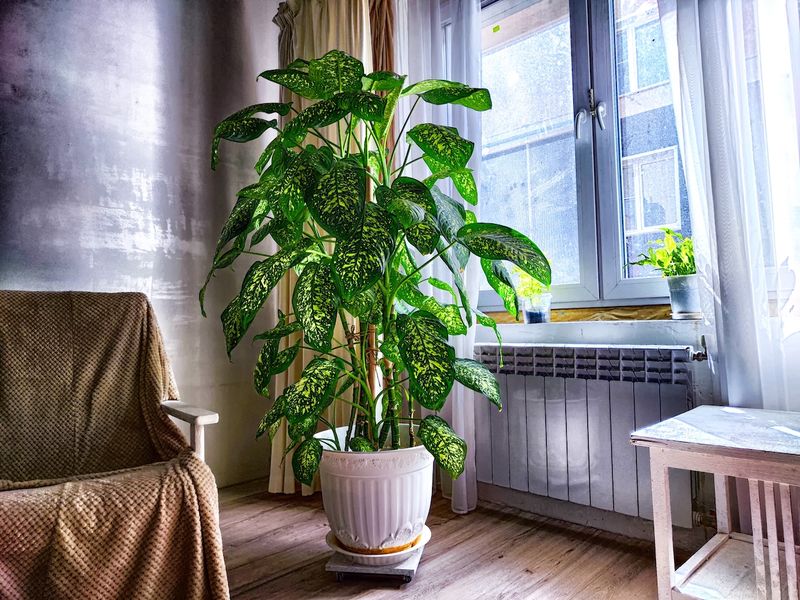
Dieffenbachia is a tropical plant at heart, and it genuinely loves warmth. Keeping indoor temperatures between 65 and 80 degrees Fahrenheit gives this plant the stable, comfortable environment it needs to grow consistently.
Michigan winters make temperature consistency a real challenge, so being mindful of where you place your plant in the house matters a great deal.
Cold drafts sneaking in around Michigan windows and doors during the winter months can stress your dieffenbachia fast.
Even a brief exposure to temperatures below 60 degrees Fahrenheit can cause leaves to droop, yellow, or drop, which is frustrating after all the care you have put in.
Keep the plant away from drafty windowsills, exterior doors, and any spots where cold air tends to pool during the coldest months.
Air conditioning vents in summer can be just as damaging as cold winter drafts, blasting the plant with chilled air that it simply does not tolerate well.
Position your dieffenbachia in a spot that stays comfortably warm throughout the year, away from both heating and cooling vents.
A room thermometer is a surprisingly useful tool for finding the most stable spots in your Michigan home. Consistent temperatures mean consistent growth, and your dieffenbachia will reward that stability with lush, full foliage that looks stunning in any room.
5. Increase Humidity During Michigan Winters
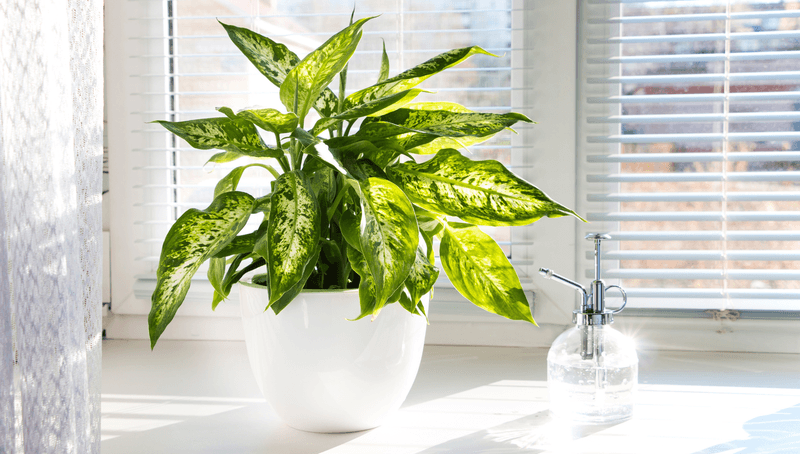
Michigan winters are rough on tropical plants because forced-air heating systems suck the moisture right out of indoor air.
Dieffenbachia thrives when humidity levels sit between forty and sixty percent, which is significantly higher than what most Michigan homes naturally provide during the heating season.
Dry air causes the leaf tips and edges to turn brown and crispy, which takes away from the plant’s beautiful tropical look.
A pebble tray filled with water placed beneath the pot is one of the simplest and most effective ways to add humidity around your plant.
As the water evaporates slowly, it raises the moisture level in the immediate area around the leaves without making the roots sit in water.
Grouping several houseplants together is another clever trick that works well, since plants naturally release moisture through their leaves and create a more humid microclimate.
Misting the leaves directly sounds appealing but can actually encourage fungal issues on dieffenbachia, so it is better to stick with passive humidity methods.
A small humidifier placed near your plants is the most reliable solution if your Michigan home gets particularly dry in winter.
Keeping humidity in the right range prevents that frustrating browning and keeps your dieffenbachia looking lush and vibrant from the first frost all the way through to spring.
Your plant will genuinely thank you for the extra attention during those long Michigan winters.
6. Wipe Leaves To Remove Dust
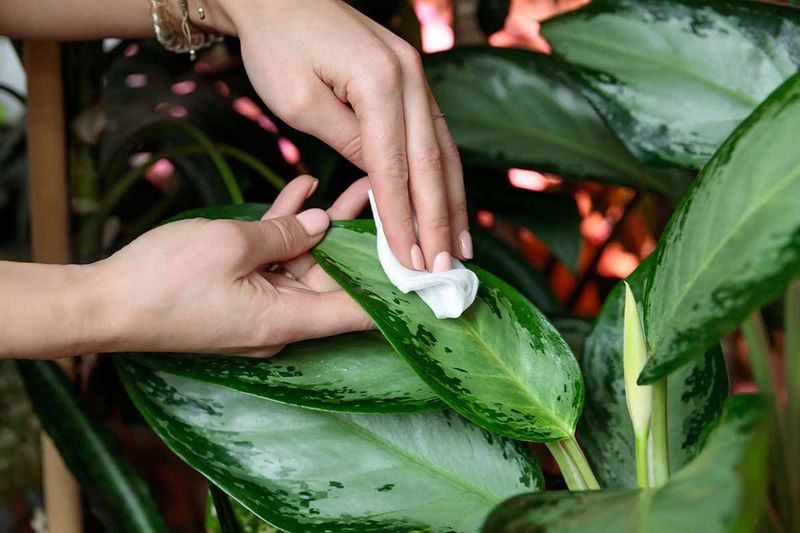
Here is something most plant owners overlook entirely: dust buildup on large leaves is a real problem for dieffenbachia indoors. Dust settles on the broad, glossy leaf surfaces and creates a thin barrier that blocks sunlight from reaching the plant cells that need it most.
In a Michigan home where winter light is already limited, every bit of light absorption counts for keeping your plant healthy.
Wiping down the leaves every couple of weeks with a soft, damp cloth removes that dusty layer and instantly makes the plant look more vibrant and polished.
Plain water works perfectly for this task, and you do not need any special leaf-shine products that can sometimes clog the tiny pores on the leaf surface.
Support the underside of each leaf gently with one hand while you wipe the top surface so you do not accidentally snap or stress the stem.
Cleaning the leaves also gives you a perfect opportunity to inspect each one up close for early signs of pests or disease. Catching a problem early makes it much easier to treat before it spreads to other plants in your collection.
Dieffenbachia plants with clean, dust-free leaves simply look healthier, grow better, and add more visual impact to your Michigan home decor. It takes just a few minutes but makes a surprisingly big difference in the overall health and appearance of your plant.
7. Feed Lightly In Spring And Summer
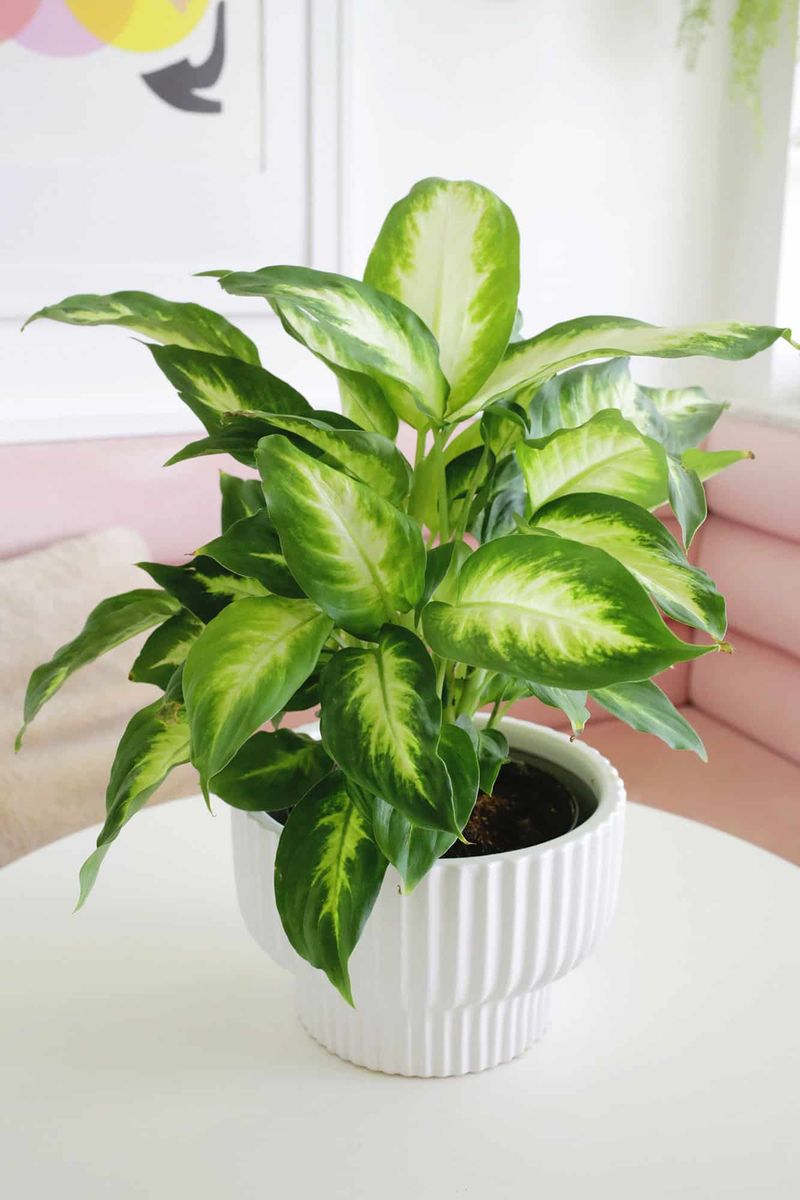
Feeding your dieffenbachia at the right time of year makes a noticeable difference in how full and lush it grows. Spring and summer are the active growing seasons, and that is when your plant is ready to use the nutrients you give it.
A balanced, diluted liquid fertilizer applied every three to four weeks during this period keeps the foliage looking rich, green, and full of color.
Always dilute the fertilizer to half the recommended strength, because dieffenbachia is sensitive to too much fertilizer and can develop brown leaf tips if it gets overfed.
Overfertilizing is a surprisingly common mistake, and the damage it causes can look a lot like drought stress or root problems.
Less is genuinely more when it comes to feeding this plant, especially during its first year in a new pot.
Michigan winters call for a full fertilizing break, since the plant naturally slows its growth during the low-light months and simply does not need the extra nutrients.
Feeding a slow-growing plant in winter can cause fertilizer salts to build up in the soil, which stresses the roots over time.
Flush the soil with clean water every few months to clear out any salt buildup. Resuming fertilizing in early spring, right as the days start getting longer in Michigan, gives your dieffenbachia a strong, energized start to the new growing season.
8. Rotate The Plant For Even Growth
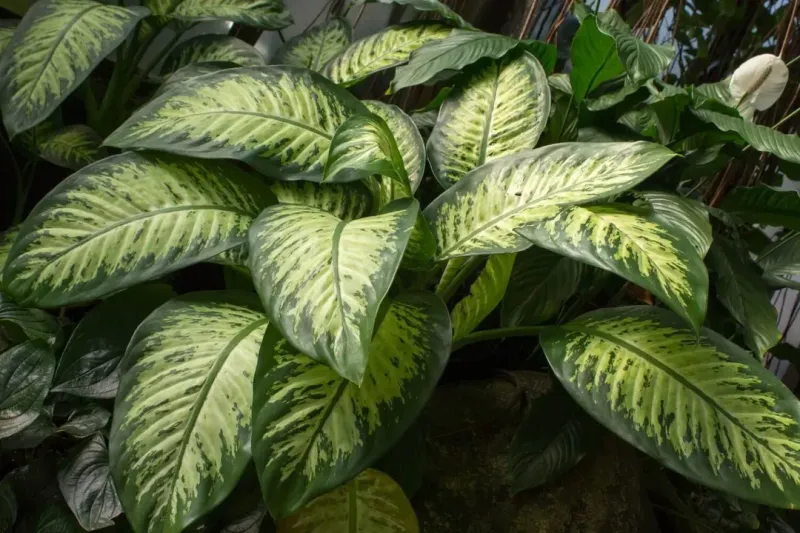
Plants always reach toward the light, and dieffenbachia is no exception to that rule. When a plant sits in the same spot facing the same direction for too long, one side gets significantly more light than the other, causing it to grow unevenly.
The result is a lopsided plant that leans awkwardly toward the window, which is not the look anyone is going for in their Michigan home.
Turning your dieffenbachia a quarter turn every one to two weeks is a simple habit that keeps growth balanced and the plant looking full from every angle. It takes about five seconds to do and makes a genuinely impressive difference over the course of a few months.
Set a reminder on your phone if you think you might forget, because consistency is what makes this tip actually work.
During the shorter days of Michigan winter, when light comes from a very specific angle and direction, rotating becomes even more important to prevent one side from becoming weak and sparse.
A plant that receives even light exposure on all sides develops a fuller, more symmetrical shape that looks much more impressive as a decorative piece in your living room or office.
Rotating is one of the easiest, zero-cost tips in this entire list, and the payoff in terms of plant shape and overall health is genuinely worth the small effort it requires every couple of weeks.
9. Watch For Common Indoor Pests
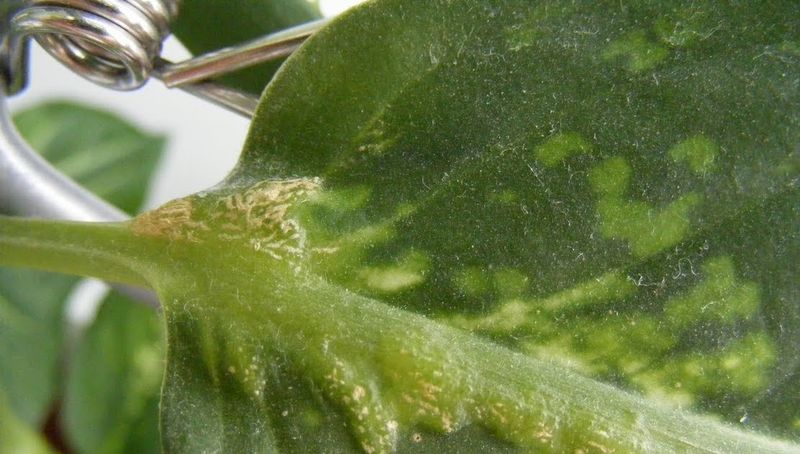
Spider mites, mealybugs, and aphids are the three most common uninvited guests that show up on indoor dieffenbachia plants, especially during Michigan winters when the air inside gets dry and warm from heating systems.
Dry indoor air is a perfect breeding ground for spider mites in particular, and they can multiply rapidly on a plant before you even notice anything is wrong. Checking your plant regularly is the best defense you have against a full-blown infestation.
Flip the leaves over and look closely at the undersides, because that is where most pests like to hide and lay eggs. Small white cottony clusters signal mealybugs, while fine webbing between leaves is a telltale sign of spider mites.
Catching either of these early means you can treat the plant quickly and effectively before the population explodes and spreads to other plants in your Michigan home.
Insecticidal soap spray or neem oil are both highly effective, natural treatments that work well without harsh chemicals in your living space.
Apply either treatment thoroughly, making sure to coat the undersides of every leaf, and repeat the application every week for two to three weeks to break the pest life cycle completely.
Keeping your dieffenbachia clean, well-hydrated, and in good overall health makes it naturally more resistant to pest problems. A healthy plant is simply a much harder target for insects than a stressed or neglected one.
10. Keep Away From Pets And Children
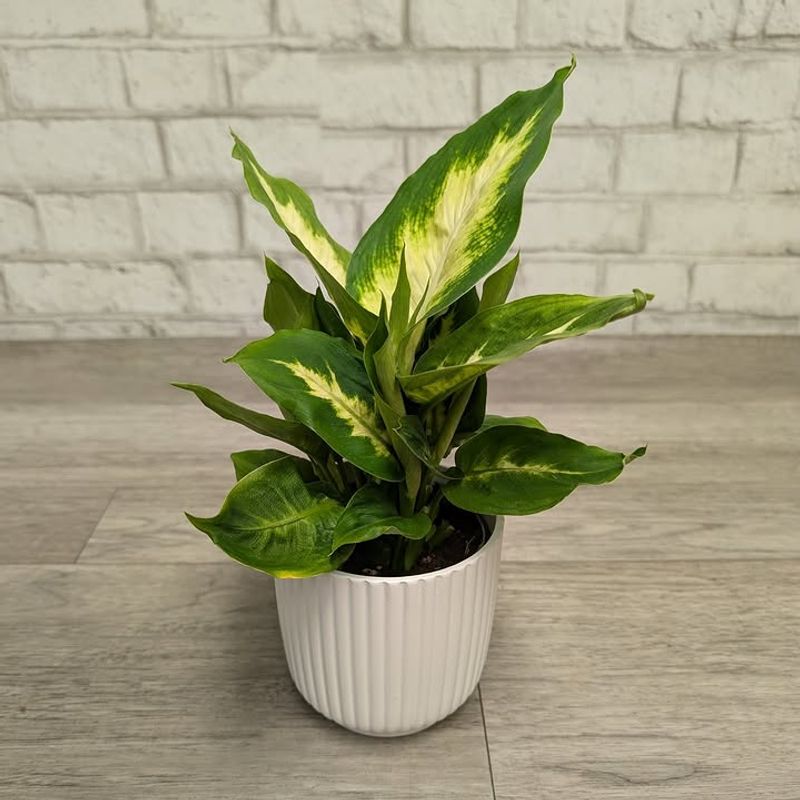
Dieffenbachia has a fascinating but important history behind its common nickname, Dumb Cane. The plant contains calcium oxalate crystals in all of its parts, and chewing on any part of it causes intense mouth and throat irritation that can make speaking temporarily very difficult.
That is exactly how it earned that memorable nickname, and it is a good reminder that this beautiful plant needs a thoughtful placement in any Michigan home with kids or animals around.
Cats and dogs are naturally curious creatures, and a large, leafy tropical plant sitting at floor level is practically an open invitation for them to investigate.
Place your dieffenbachia on a high shelf, a tall plant stand, or in a room that pets and young children do not have regular access to.
The goal is simply to enjoy the plant safely without any accidental contact that could cause discomfort.
When you prune, repot, or handle the plant in any way, always wear gloves to protect your skin from the sap, which can cause irritation on contact. Wash your hands thoroughly after any handling session just to be safe.
Keeping the plant elevated also has a bonus benefit: it often looks more dramatic and decorative when displayed at eye level or above.
With the right placement, your dieffenbachia becomes a stunning, conversation-starting feature of your Michigan home that everyone can admire safely from a comfortable distance.