The Native Michigan Shrub That Thrives In Standing Water Without Rotting
Wet spots in a Michigan yard are some of the hardest areas to plant successfully. Most shrubs that look promising at the nursery struggle once their roots sit in standing water for any length of time, and the cycle of planting, watching something decline, and starting over gets old fast.
What most gardeners do not know is that there is a native Michigan shrub specifically adapted for exactly those waterlogged conditions, one that does not just tolerate wet soil but genuinely performs better when moisture is consistently present.
This plant evolved alongside Michigan’s ponds, stream banks, and low lying areas where seasonal flooding is part of the natural rhythm rather than an exception.
Its root system handles prolonged saturation without the rot issues that end most shrubs planted in similar spots.
Beyond solving a drainage problem, it brings real seasonal interest to areas that would otherwise stay bare, and it supports local wildlife in ways that non native alternatives planted in the same space simply cannot replicate.
1. Buttonbush Is Native To Michigan (Cephalanthus Occidentalis)
Few shrubs have roots as deep in Michigan’s natural landscape as buttonbush. Known scientifically as Cephalanthus occidentalis, this native beauty has been growing wild across the state for centuries.
You can spot it along the edges of ponds, marshes, slow-moving streams, and flood-prone lowlands throughout Michigan without anyone planting it there.
Because it evolved right here in this region, buttonbush is perfectly matched to Michigan’s climate, soil types, and seasonal water patterns. It handles cold winters without complaint and bounces back strong every spring.
Nurseries and native plant societies across Michigan recommend it as one of the top choices for naturalized landscaping near water.
Choosing a plant native to Michigan is always a smart move for gardeners who want low-maintenance results. Native plants already know the local rules, and buttonbush is no exception.
It fits naturally into the ecosystem, supporting local wildlife and requiring far less care than exotic alternatives.
Whether you are restoring a wetland edge or simply filling a soggy corner of your yard, this Michigan native brings authenticity and beauty together in one tough, reliable package that keeps performing year after year.
2. Buttonbush Naturally Tolerates Flooded Soil Like A Champion
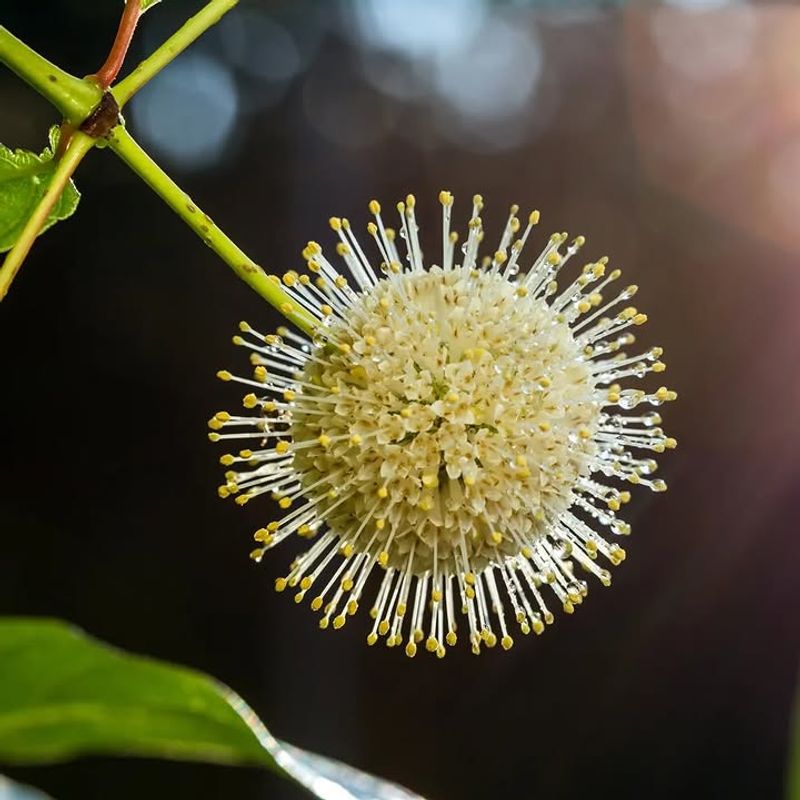
Standing water is a nightmare for most landscape shrubs, but buttonbush treats it like a welcome mat. Established plants can handle prolonged periods of saturated soil and even partial submersion without the root rot that plagues ordinary shrubs.
That kind of water tolerance is genuinely rare in the plant world, and it makes buttonbush one of the most valuable tools a Michigan gardener can have.
The secret lies in how this plant evolved. Growing naturally in Michigan’s wetlands and floodplains, buttonbush developed specialized root systems that function even when oxygen in the soil is limited.
Unlike typical shrubs that suffocate in waterlogged ground, buttonbush keeps growing and pushing out new leaves even when conditions seem impossible.
Gardeners who have struggled with low spots that flood after every heavy rain finally have a real answer. Planting buttonbush in those problem zones transforms frustration into a thriving, attractive landscape feature.
Your Michigan Garden Changes Every Week. Your Plan Should Too.
Gardening in Michigan changes quickly throughout the season. Every Friday you’ll receive a simple weekly plan showing exactly what to plant, prune, fertilize, harvest, and protect so you never miss the right timing.
Just remember that while young transplants need a little time to establish, once they settle in, they become remarkably self-sufficient.
Across Michigan, homeowners near lakes, rivers, and drainage areas have discovered that buttonbush handles the wet seasons with zero drama, making it one of the most practical and rewarding native shrubs available anywhere in the state.
3. Full Sun To Part Sun Brings Out Its Best Blooms
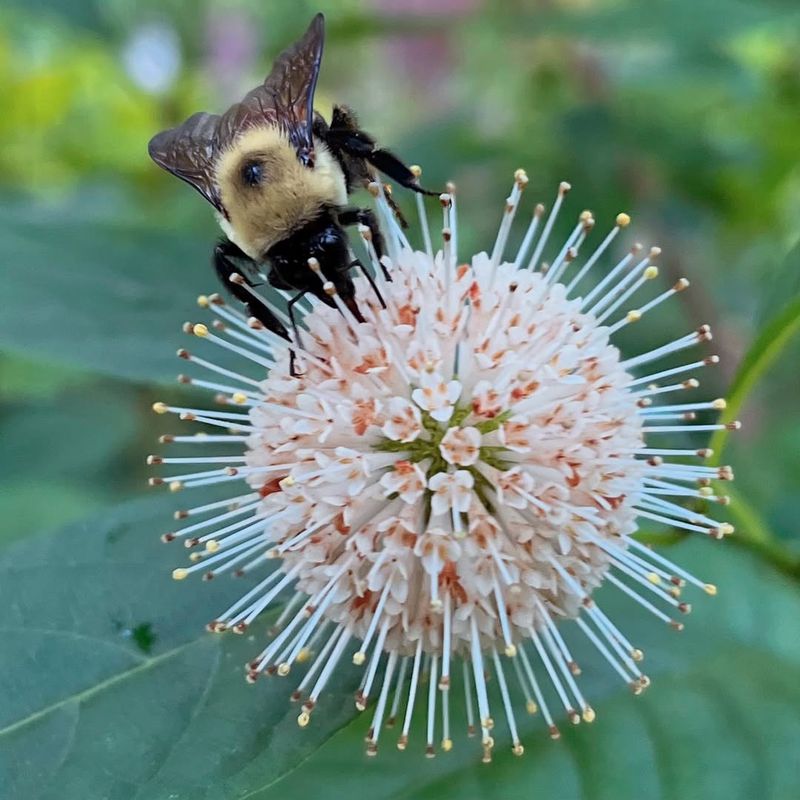
Sunlight is the key that unlocks buttonbush’s most spectacular side. When planted in full sun to part sun, this Michigan native produces its signature round white flowers in impressive numbers throughout the summer months.
More light simply means more blooms, and more blooms means more pollinators buzzing around your yard from morning to evening.
In spots with heavy shade, buttonbush still survives, but it tends to stretch toward available light and produces noticeably fewer flowers.
The growth becomes thinner and less full, which takes away from the natural, bushy appearance that makes this shrub so appealing in landscape settings.
For the best visual impact, aim for a location that gets at least four to six hours of direct sunlight daily.
Michigan gardeners planting near pond edges or open rain gardens are often working with plenty of natural sunlight, which puts buttonbush right in its sweet spot.
South or east-facing wet areas tend to produce the most vigorous plants with the fullest flowering displays.
If you are choosing between two planting spots and one gets more sun, always go with the sunnier option.
The difference in bloom production is dramatic enough that you will notice it within the very first growing season, and it only gets better as the plant matures and fills in over time.
4. Those Unique Round Flowers Pull In Pollinators By The Dozens
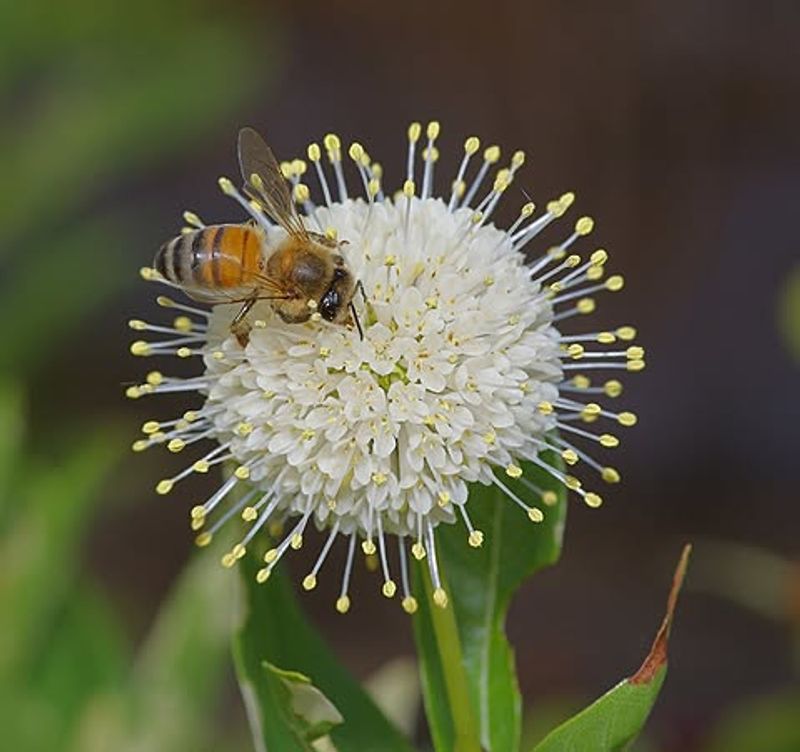
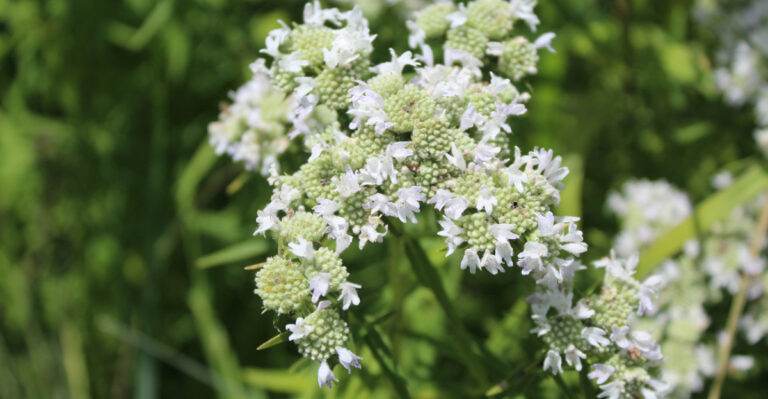
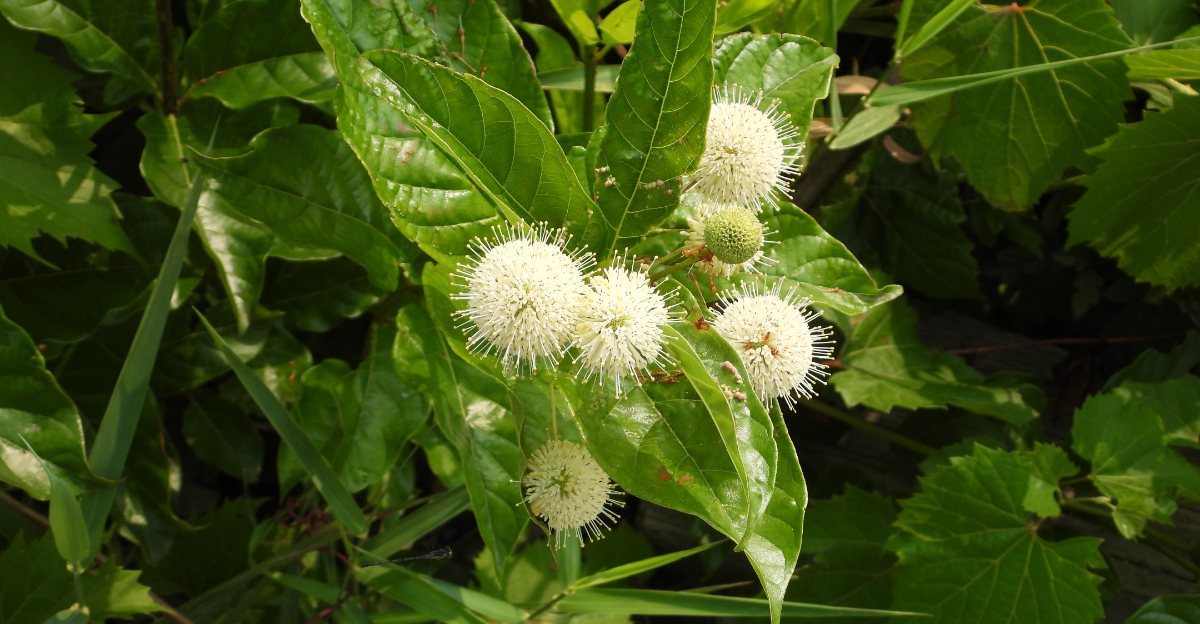
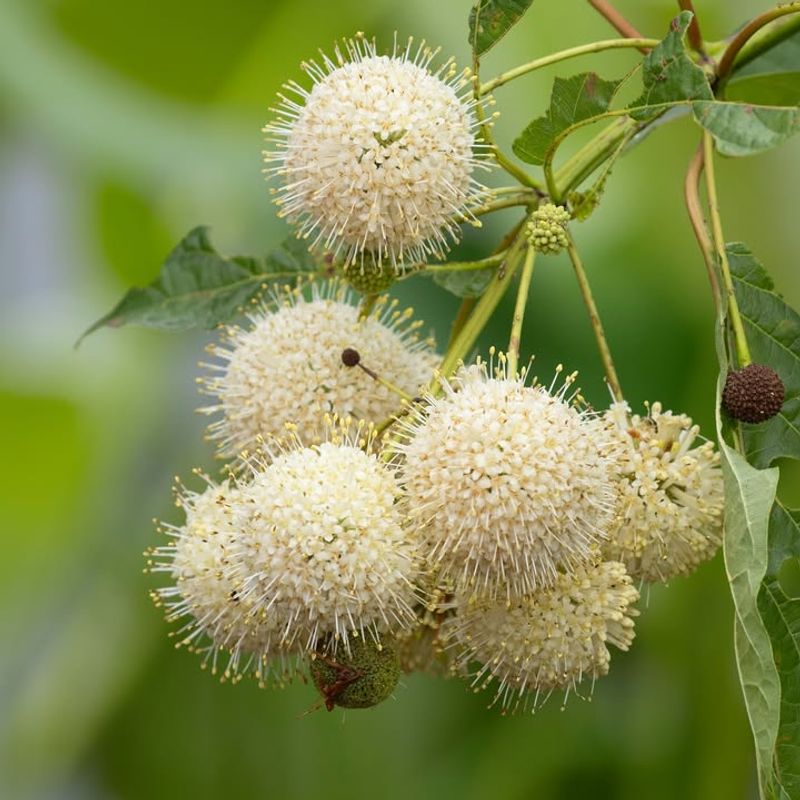
There is something almost magical about watching a buttonbush in full bloom on a warm Michigan summer afternoon. The flowers are unlike anything else in the native plant world, perfectly round white spheres that look almost like tiny fireworks frozen in place.
And pollinators absolutely cannot resist them. Bees, butterflies, sphinx moths, and hummingbirds all show up regularly when buttonbush is blooming.
The blooming period typically runs from late June through August, giving pollinators a reliable food source right in the middle of summer when some other native plants have already finished flowering.
That timing makes buttonbush especially valuable in pollinator gardens and wildlife-friendly Michigan landscapes.
Planting it alongside other native bloomers creates a continuous supply of nectar from spring through fall.
For gardeners who care about supporting local bee and butterfly populations, buttonbush is practically a must-have. Research has shown that native plants like buttonbush provide higher-quality nutrition for native pollinators compared to many exotic ornamentals.
The flowers also produce a light, pleasant fragrance that makes spending time near a blooming shrub genuinely enjoyable.
If you plant buttonbush near a seating area or garden path in Michigan, expect to share the space happily with a steady parade of winged visitors all summer long. It turns any wet corner of a yard into a living, buzzing wildlife magnet.
5. Buttonbush Creates Incredible Habitat For Michigan Wetland Wildlife
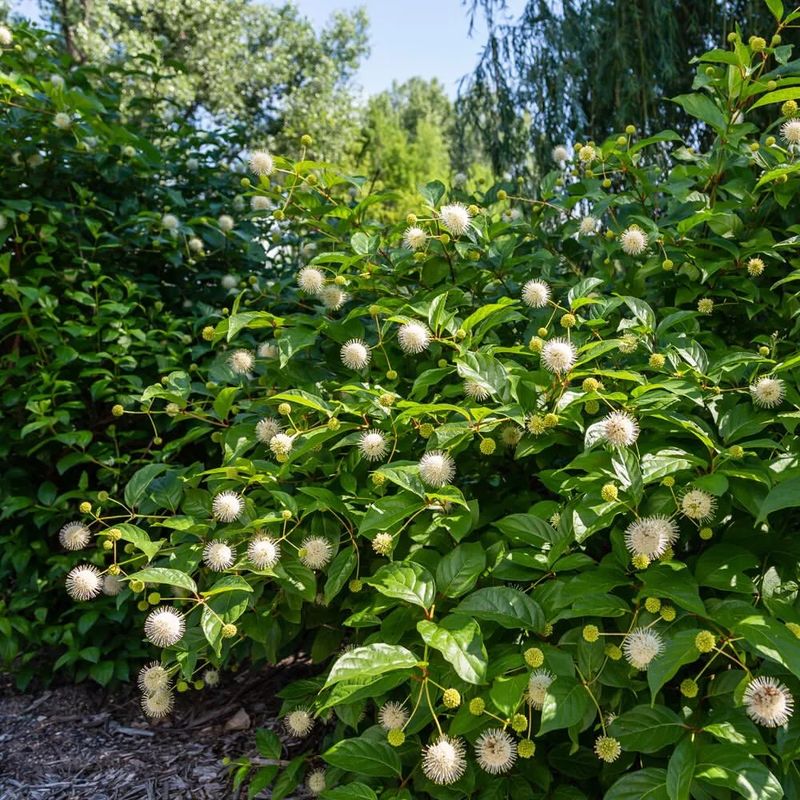
Beyond its good looks, buttonbush is a powerhouse for wildlife. Along Michigan’s lakes, rivers, and wetland edges, this shrub creates dense thickets that offer cover, nesting spots, and shelter for a wide variety of animals.
Birds use the branches for perching and nesting, while the water-edge habitat it creates attracts frogs, turtles, and aquatic insects in large numbers.
Waterfowl like wood ducks and mallards are particularly fond of buttonbush thickets. The dense growth near water provides exactly the kind of sheltered edge habitat these birds seek out during nesting season.
In Michigan, where waterfowl populations depend heavily on healthy wetland margins, planting buttonbush along shorelines contributes meaningfully to local conservation efforts.
The seeds that follow the flowers also serve as food for numerous bird species through the fall and into early winter. Songbirds, shorebirds, and even some waterfowl feed on buttonbush seeds as natural food sources become harder to find.
For Michigan homeowners who want their yard to genuinely support local wildlife rather than just look attractive, buttonbush delivers on every level. It is not just a pretty plant sitting at the water’s edge.
It actively builds habitat, feeds animals, and strengthens the natural web of life that makes Michigan’s wetland ecosystems so rich and worth protecting for future generations.
6. Rain Gardens And Low Spots Are Where Buttonbush Truly Shines
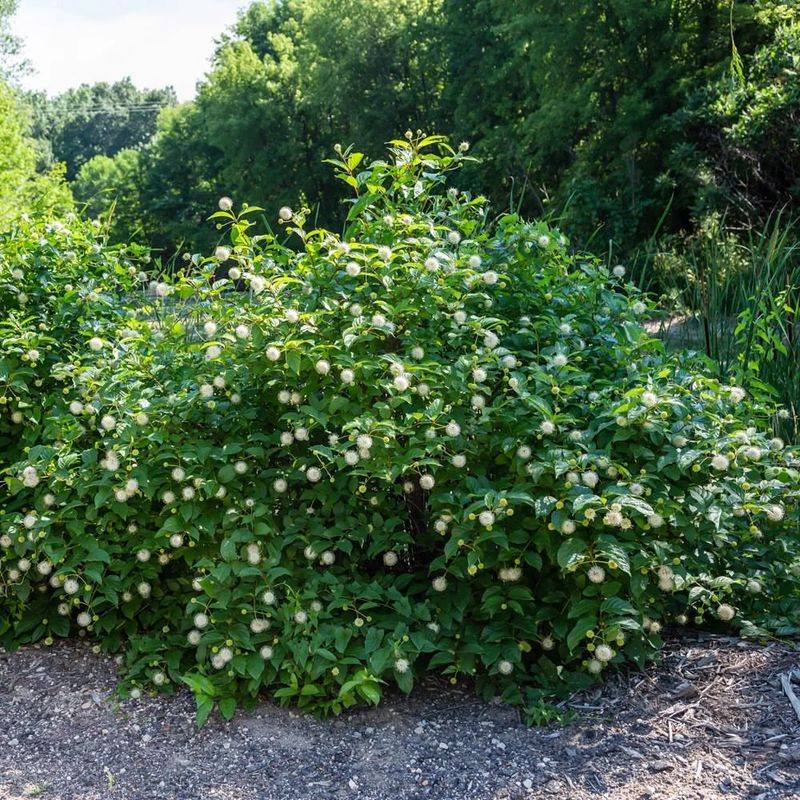
Rain gardens have become one of the most practical landscaping trends across Michigan, and buttonbush is one of the stars of that movement. When heavy rains roll through and low spots in yards collect water for days at a time, most plants suffer.
Buttonbush, on the other hand, takes those conditions in stride and keeps right on growing without skipping a beat.
Installing buttonbush in a rain garden helps manage stormwater runoff naturally. The plant’s roots absorb water, slow its movement, and help filter pollutants before they reach nearby streams or groundwater.
In Michigan communities near sensitive watersheds, this kind of natural water management is genuinely important for protecting local water quality long term.
Homeowners across Michigan who have converted chronically wet lawn areas into native rain gardens report dramatic improvements. Instead of a muddy, unusable patch of ground, they end up with a beautiful, wildlife-friendly garden feature that practically takes care of itself.
Buttonbush anchors these spaces with structure, seasonal blooms, and year-round visual interest even after the flowers fade. The winter seed heads add texture against snow, and the branching structure remains attractive even without leaves.
For anyone dealing with poor drainage in a Michigan yard, a rain garden anchored by buttonbush is one of the most rewarding investments a homeowner can make in their outdoor space.
7. Buttonbush Grows Much Larger Than Most Gardeners Expect
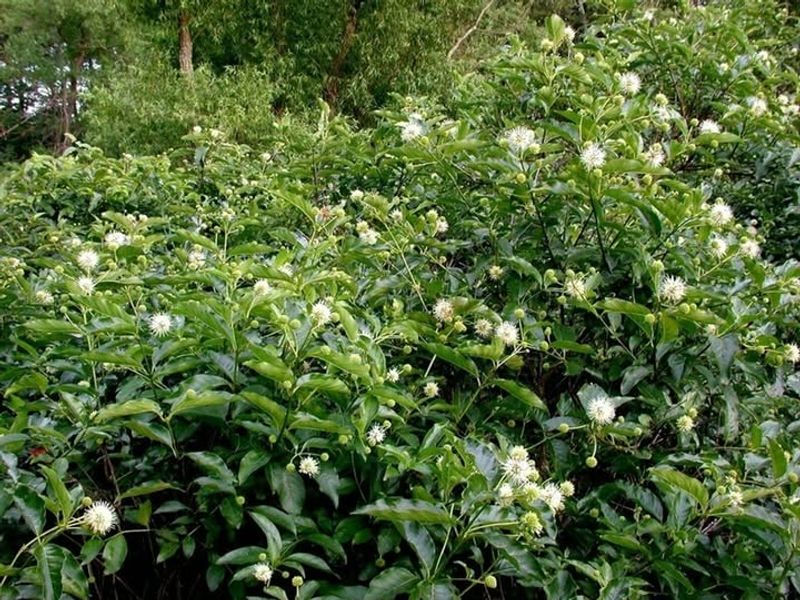
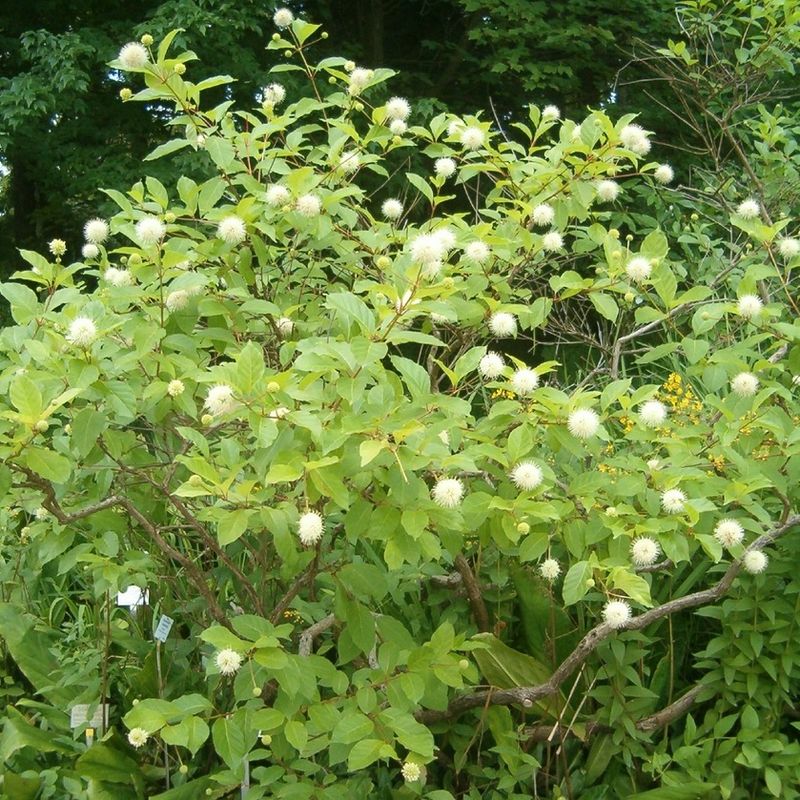
Walk up to a mature buttonbush in Michigan and you might be surprised by just how large it gets. While it is often described as a medium shrub, established plants in fertile, moist soil regularly reach six to twelve feet tall and spread just as wide.
That is a serious size, and it catches many first-time gardeners off guard when the plant takes off in its second or third year.
Giving buttonbush enough room from the start saves a lot of headaches later. Planting it too close to walkways, fences, or smaller plants leads to crowding and the need for heavy pruning.
In Michigan landscapes with open wetland edges or large rain gardens, this size becomes an asset rather than a problem, creating a bold, natural-looking focal point with real presence.
Pruning is an option if you need to manage size, and buttonbush responds well to it. Cutting it back in late winter before new growth begins keeps it more compact without harming the plant.
However, many Michigan gardeners who have the space simply let it grow naturally, enjoying the full, rounded form it develops over time. The bigger the shrub gets, the more flowers it produces and the more wildlife it supports.
If you have a large wet area to fill in Michigan, buttonbush will fill it beautifully and then some without much encouragement needed.
8. Even Flood-Tolerant Buttonbush Still Needs Some Root Oxygen
Buttonbush is tough, but even the toughest plants have their limits. While it handles flooding far better than almost any other landscape shrub in Michigan, it still performs best when water levels naturally rise and fall rather than staying completely stagnant and permanent year-round.
That natural fluctuation allows the roots to access oxygen during drier periods, which keeps the plant healthy and vigorous over the long term.
Planting buttonbush in a spot where water never fully recedes can gradually weaken the plant over several years. It may continue growing, but the vigor and bloom production tend to decline in permanently waterlogged conditions.
Michigan wetland edges, rain gardens, and floodplain zones where water moves in and out naturally are ideal because they mimic the conditions where this shrub evolved.
Think of buttonbush as a plant that loves getting its feet wet but also appreciates a chance to breathe. Seasonal flooding followed by periods of moist but not saturated soil is the sweet spot.
Across Michigan, the natural cycle of spring flooding and summer drainage creates exactly those conditions along streambanks and pond margins.
If you are creating an artificial planting site like a rain garden, designing it so water drains within two to four days after rain events gives buttonbush the best possible growing conditions and keeps it thriving and blooming beautifully for many decades ahead.