Low Maintenance Plants That Truly Thrive In Oklahoma
Oklahoma doesn’t exactly make gardening easy. The summers are brutal, the freezes come out of nowhere.
And just when you think you’ve figured out the rainfall, it disappears for six weeks. If you’ve ever watched a perfectly good plant give up sometime around July, you already know exactly what this state is capable of.
Here’s the thing though, the right plants don’t just survive Oklahoma, they actually seem to like it. They come back stronger after a dry spell, shrug off a late frost, and still manage to look good while everything else is struggling.
These are not high-maintenance plants that need constant attention and weekly watering. They are the ones that do the work for you.
Starting from scratch or rescuing a yard that has had a rough few seasons, this list is your shortcut to a garden that actually thrives in Oklahoma.
1. Lanceleaf Coreopsis Brings The Sunshine Even When Oklahoma Does Not
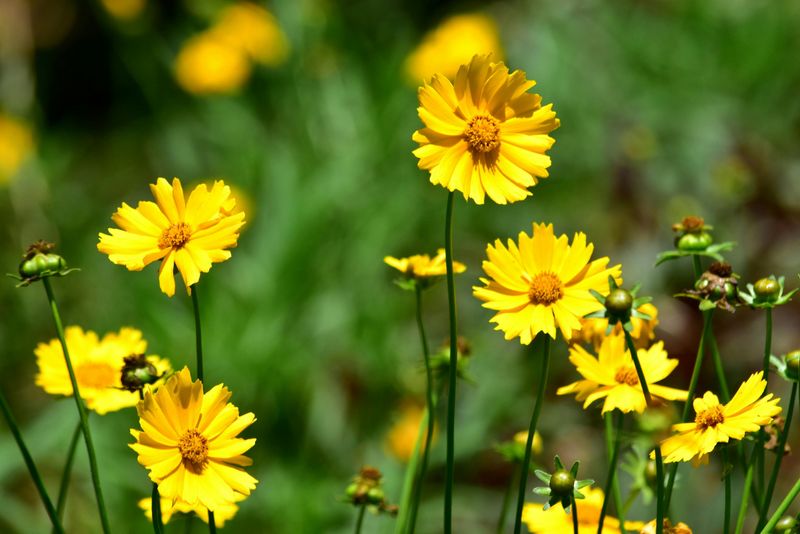
If there were a gold medal for cheerfulness under pressure, lanceleaf coreopsis would win it every time.
This sunny yellow wildflower has been brightening Oklahoma roadsides and backyard gardens for generations, and it shows no signs of slowing down.
It blooms heavily in late spring and keeps going well into summer, even when the heat becomes almost unbearable.
One of the best things about lanceleaf coreopsis is how little it asks from you.
Plant it in full sun, give it well-drained soil, and step back.
It handles drought like a champ, rarely needs fertilizer, and will actually spread on its own over time, filling in bare spots without any help from you.
Oklahoma gardeners love this plant because it attracts butterflies and pollinators while requiring almost no maintenance.
Deadheading spent blooms can encourage more flowers, but even if you skip that step, it keeps performing.
This plant is native to much of the central United States, which means Oklahoma’s climate is basically its home turf.
If you want color without the constant fuss, lanceleaf coreopsis belongs in your garden.
2. Mexican Hat Is Always The Best Dressed Plant In The Garden
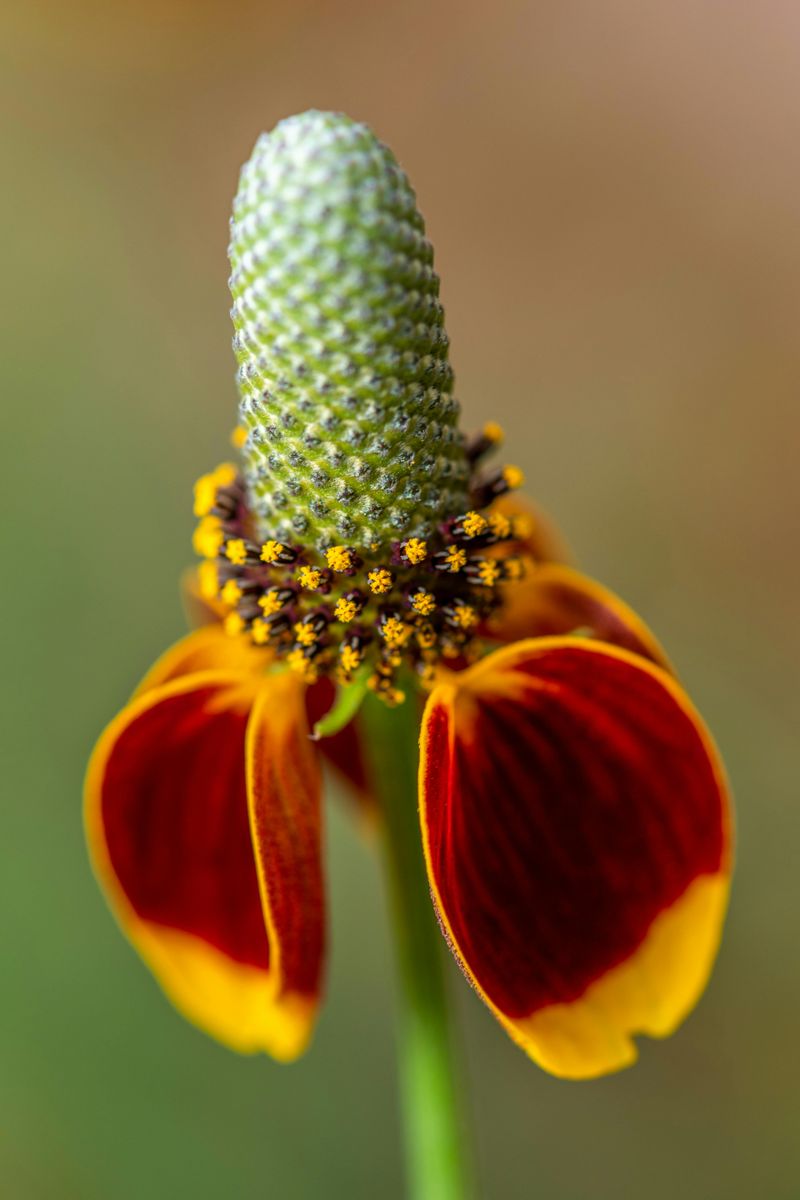
Mexican Hat showed up to the garden wearing the most dramatic hat in the room and has no intention of toning it down. That tall central cone surrounded by drooping red, yellow, and rust petals looks almost too interesting to be real.
In Oklahoma, where summer temperatures regularly push past 100 degrees, this plant does not even flinch.
Mexican hat is a native prairie wildflower, which means it evolved alongside Oklahoma’s tough climate.It thrives in poor, dry soils where most ornamental plants would struggle.
Once established, it rarely needs watering, and it self-seeds freely, meaning your patch will grow larger and more impressive each year.
Gardeners who want a low-effort, high-impact look often pair Mexican hat with other prairie natives like little bluestem or blanket flower.The combination gives a naturalistic, wildflower-meadow feel that is both beautiful and practical.
Your Oklahoma Garden Changes Every Week. Your Plan Should Too.
Gardening in Oklahoma changes quickly throughout the season. Every Friday you’ll receive a simple weekly plan showing exactly what to plant, prune, fertilize, harvest, and protect so you never miss the right timing.
Pollinators absolutely love the blooms, and the seed heads attract birds in the fall.If you have a tough, sunny spot in your Oklahoma yard that nothing else seems to want, Mexican hat will gladly take it over.
3. Blanket Flower Tucks Itself In And Comes Back Every Spring
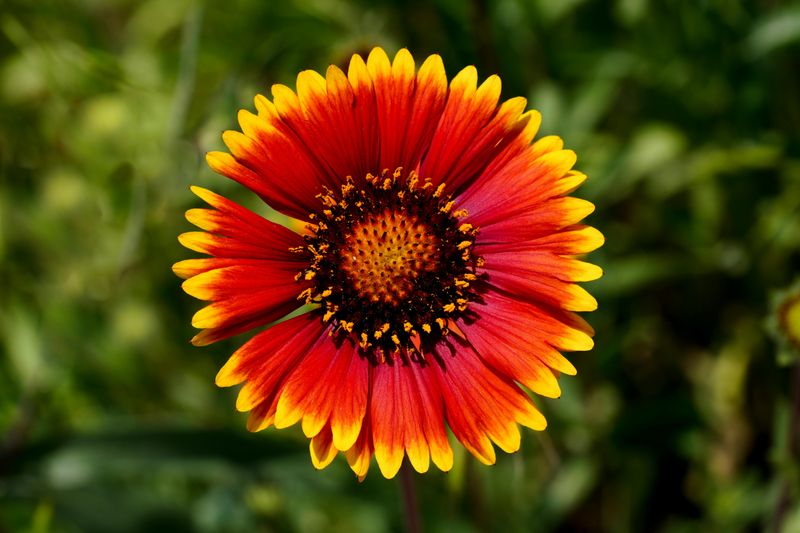
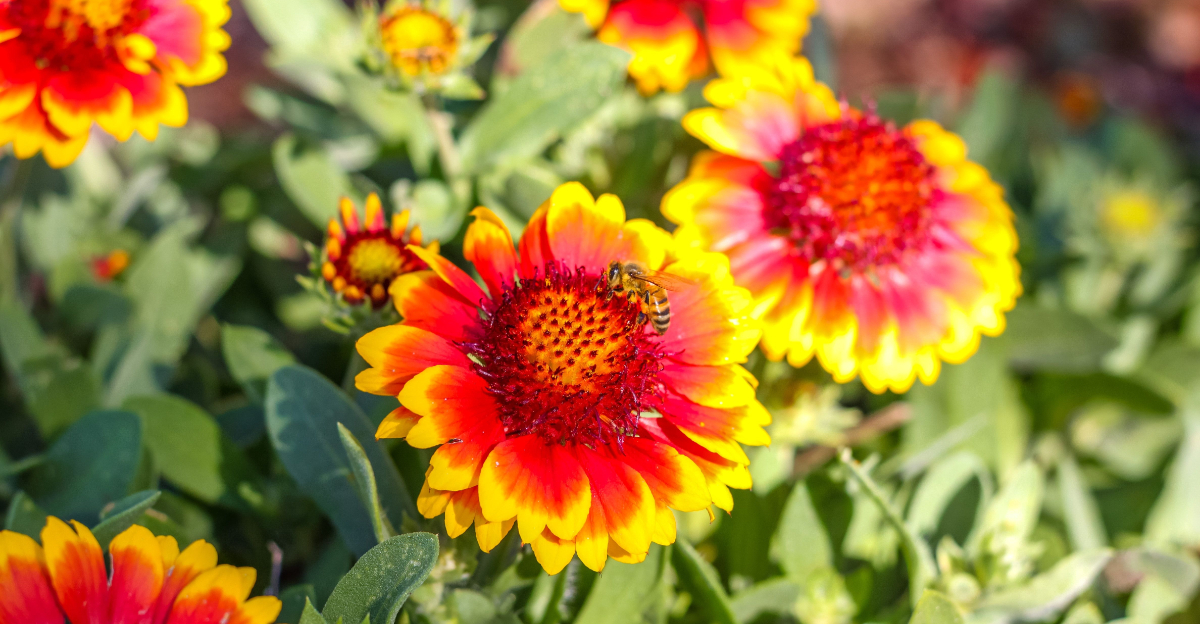
Blanket Flower lives up to its name. It spreads color across the garden like it is trying to cover every inch.
Deep reds, burnt oranges, and bright yellows, it is one of the boldest things you can plant in an Oklahoma backyard.
Native to the Great Plains, including Oklahoma, this tough beauty was practically designed for the state’s punishing summers.
Blanket flower loves full sun and well-drained soil, and it actually performs better when conditions are a little rough.Overwatering or overly rich soil can make it weak and floppy, so the less you fuss over it, the better it tends to look.
It blooms from late spring all the way through fall, giving you months of color without much effort on your part.
Beyond its good looks, blanket flower is a powerhouse for pollinators.Bees, butterflies, and even hummingbirds visit the blooms regularly throughout the season.
It reseeds itself generously, so you will likely have new plants popping up nearby each spring.Oklahoma gardeners who want reliable color year after year without replanting should absolutely give blanket flower a permanent spot in their landscape.
It earns its keep every single season.
4. Russian Sage Does Not Mind The Heat One Bit
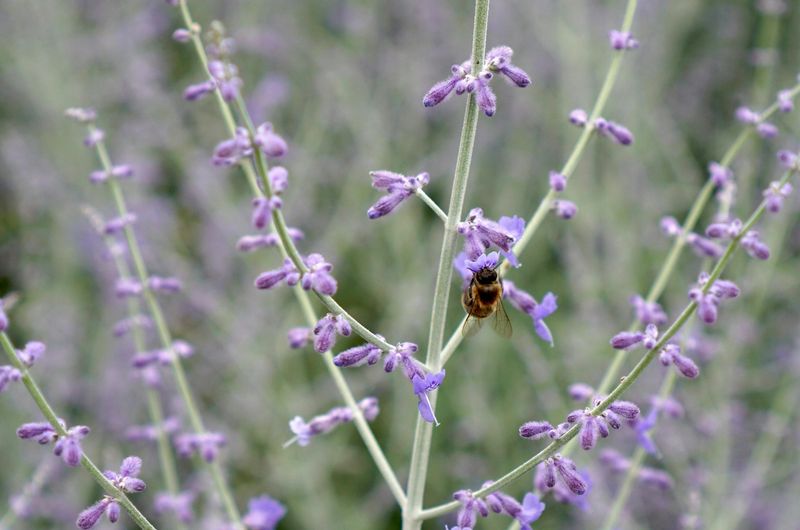
Russian Sage looks like it belongs in a Provence garden. Soft, feathery, lavender-blue, completely out of place in an Oklahoma summer.
Except it thrives there better than almost anything else.
This plant laughs at drought, shrugs off heat, and comes back stronger each spring without much encouragement.
Originally from central Asia, Russian sage made itself right at home on the Great Plains.Oklahoma’s hot, dry summers and rocky or clay-heavy soils are no problem for this resilient perennial.
It thrives in full sun and actually suffers when it gets too much shade or moisture, so plant it in your sunniest, least-watered spot.
The silver-gray stems and aromatic leaves add interest even when the plant is not in bloom, making it a great structural addition to any garden bed.Russian sage pairs beautifully with ornamental grasses, coneflowers, and other prairie-style plants.
Bees go absolutely wild for the flowers, and deer tend to leave it alone because of its strong scent.For Oklahoma gardeners who want something that looks refined but requires almost no attention, Russian sage is a perfect match.
5. Yarrow Grows Where You Stop Trying
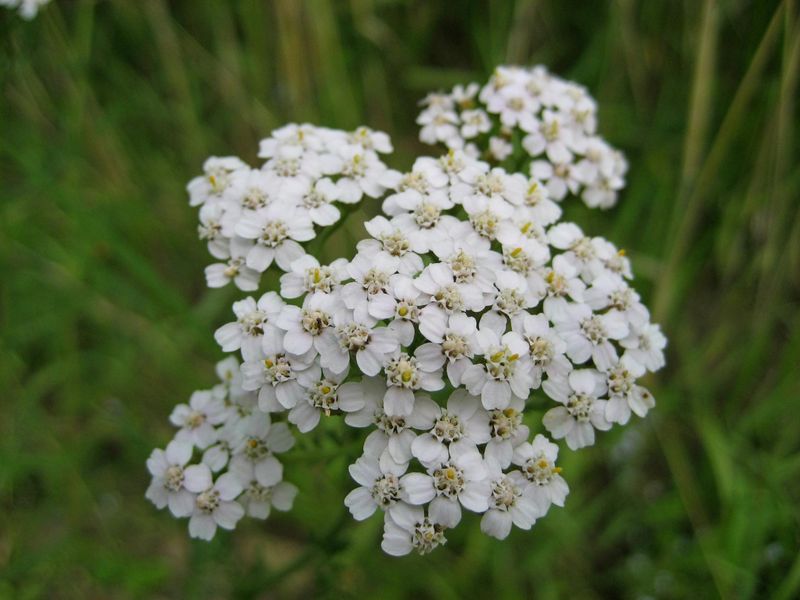
Yarrow has been around longer than most garden trends. Thousands of years longer, in fact.
And in Oklahoma, it is still one of the most dependable perennials a gardener can grow.
In Oklahoma, it shows up as one of the most dependable perennials a gardener can grow.
Flat-topped clusters of tiny flowers in white, yellow, pink, or red bloom from late spring through midsummer, attracting clouds of butterflies and beneficial insects.
What makes yarrow so well-suited to Oklahoma is its deep root system, which allows it to pull moisture from far below the soil surface during dry spells.
It handles full sun, clay soil, rocky ground, and stretches without rain without skipping a beat.
Plant it once, and it will spread steadily, filling in gaps and creating a lush, meadow-like effect over time.
Yarrow also works beautifully as a cut flower, holding its shape and color well in arrangements.
The dried seed heads add texture to winter gardens and provide food for birds.
One thing to keep in mind: yarrow spreads enthusiastically, so give it room or plan to divide it every few years.
For Oklahoma gardeners who want a plant with history, beauty, and serious toughness, yarrow checks every single box.
6. Stonecrop Grows Where Even Rocks Would Struggle
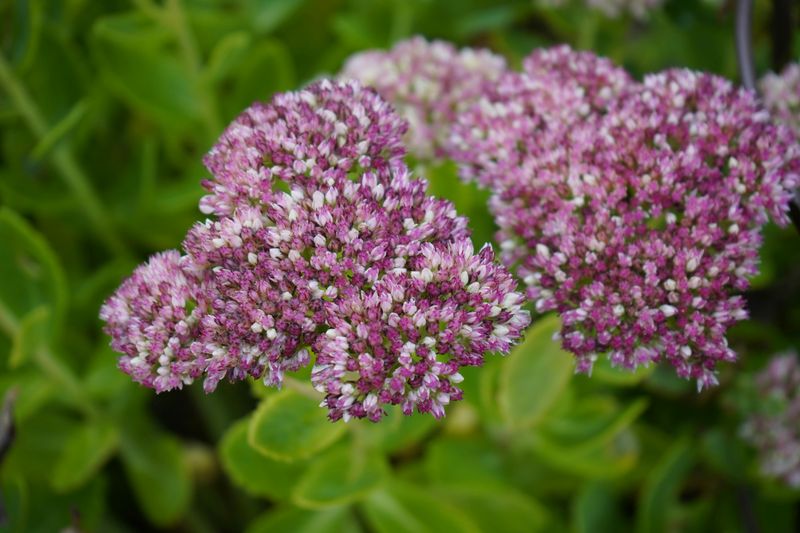
Sedum is the plant you bring in when everything else has already thrown in the towel.
Also called stonecrop, this succulent stores water in its thick, fleshy leaves, which means it can coast through Oklahoma’s longest dry spells without missing a beat.
From ground-hugging varieties that creep over rocks to upright types that form bold clumps, there is a sedum for almost every spot in your yard.
Oklahoma gardeners particularly love the taller varieties like Autumn Joy. It produces large rosy-pink flower heads in late summer and fall, right when most other plants are winding down.
Those blooms hold their structure even after frost, giving the garden something interesting to look at well into winter.
Full sun and well-drained soil are really all sedum needs to thrive.
Overwatering is actually the one thing that can cause problems with sedum, so if you tend to forget to water, you have finally found your plant.
Pollinators love the late-season blooms, and the plant rarely attracts serious pests.
Sedum also works well in container gardens, rock gardens, and slopes where erosion can be an issue.
For Oklahoma gardeners who want low-effort, high-reward planting, sedum is a genuine standout in any season.
7. Switchgrass Looks Wild On Purpose
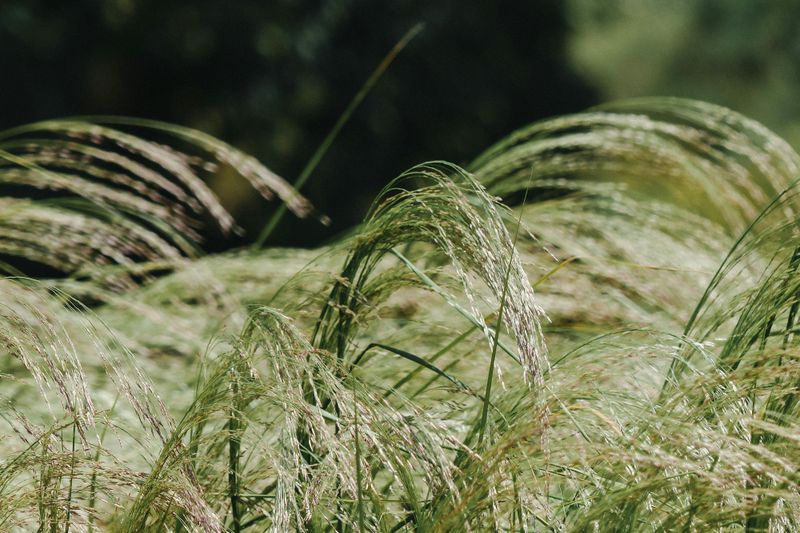
Switchgrass is one of those plants that earns respect the more you learn about it.A true native of the North American prairie, including the grasslands of Oklahoma, this ornamental grass evolved over thousands of years to handle exactly the kind of weather this state throws around.
Drought, heavy clay soil, flooding, and brutal summer heat are all in a day’s work for switchgrass.
In the garden, switchgrass adds incredible movement and texture.The fine-textured blades catch every breeze, and the airy seed heads that appear in late summer create a hazy, romantic effect that looks stunning against a clear Oklahoma sky.
Many varieties turn shades of gold, orange, and red in autumn, extending the visual interest well past the growing season.
Switchgrass is also a powerhouse for wildlife.Birds feed on the seeds throughout fall and winter, and the dense clumps provide shelter for small animals and beneficial insects.
It works beautifully as a backdrop for flowering perennials or as a standalone mass planting along fences and property lines.Oklahoma gardeners who want to create a naturalistic, low-maintenance landscape should put switchgrass near the top of their list.
Few plants offer this much beauty with this little effort.
8. Little Bluestem Shows That Good Things Come In Small Packages
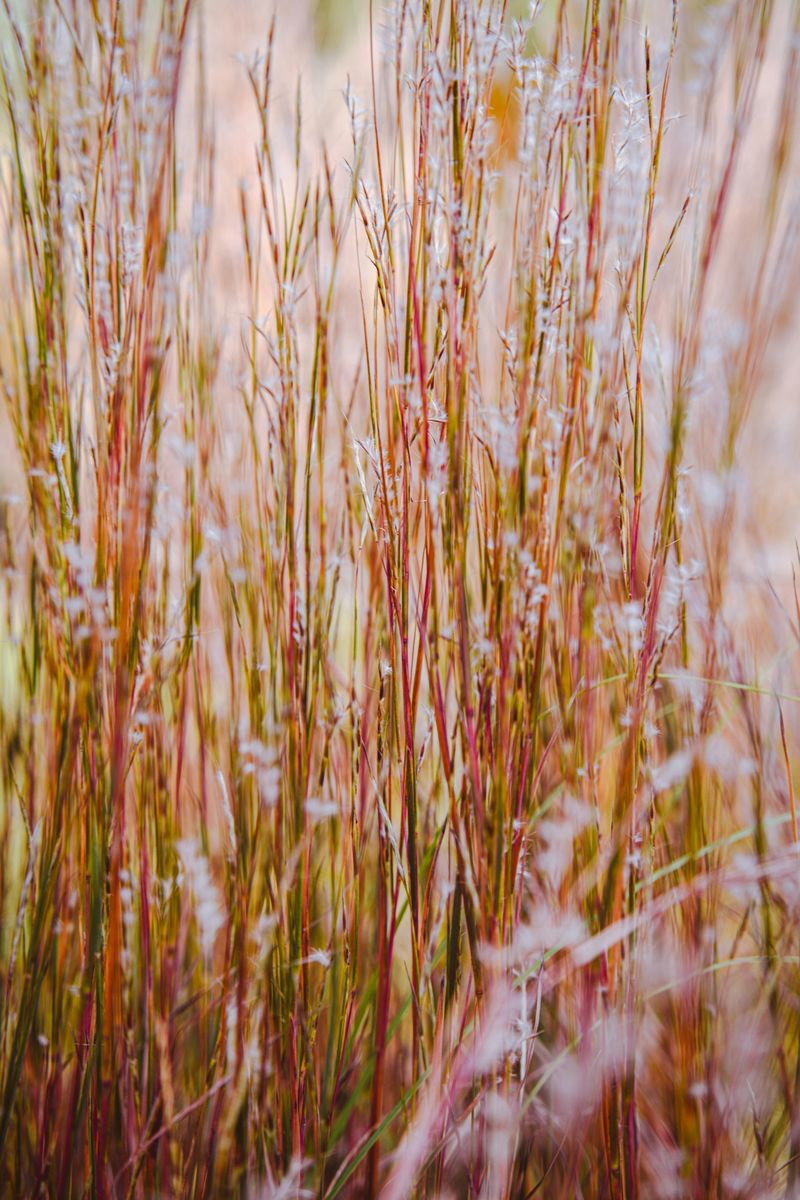
Most people walk past Little Bluestem without a second look. That is a mistake.
This native prairie grass goes from cool blue-green in spring to deep copper and russet red by fall.
Few plants offer that kind of year-round color change, and even fewer do it while asking almost nothing from the gardener.
As the official state grass of Kansas and a dominant species across the Great Plains, little bluestem is deeply at home in Oklahoma.It thrives in poor, dry soils and full sun, and it actually looks better when left alone rather than fertilized or overwatered.
Once established, it is remarkably self-sufficient and long-lived.
The fluffy white seed heads that appear in late fall add another layer of texture and attract birds that feed on the seeds throughout the colder months.Little bluestem works well as a border plant, in mass plantings, or mixed into a wildflower meadow.
It is also a host plant for several native butterfly species, making it an excellent choice for pollinator gardens.If you want a grass that earns its place in the Oklahoma landscape every single month of the year, little bluestem is the one to plant.
9. Juniper Shows Up Every Season Without Fail
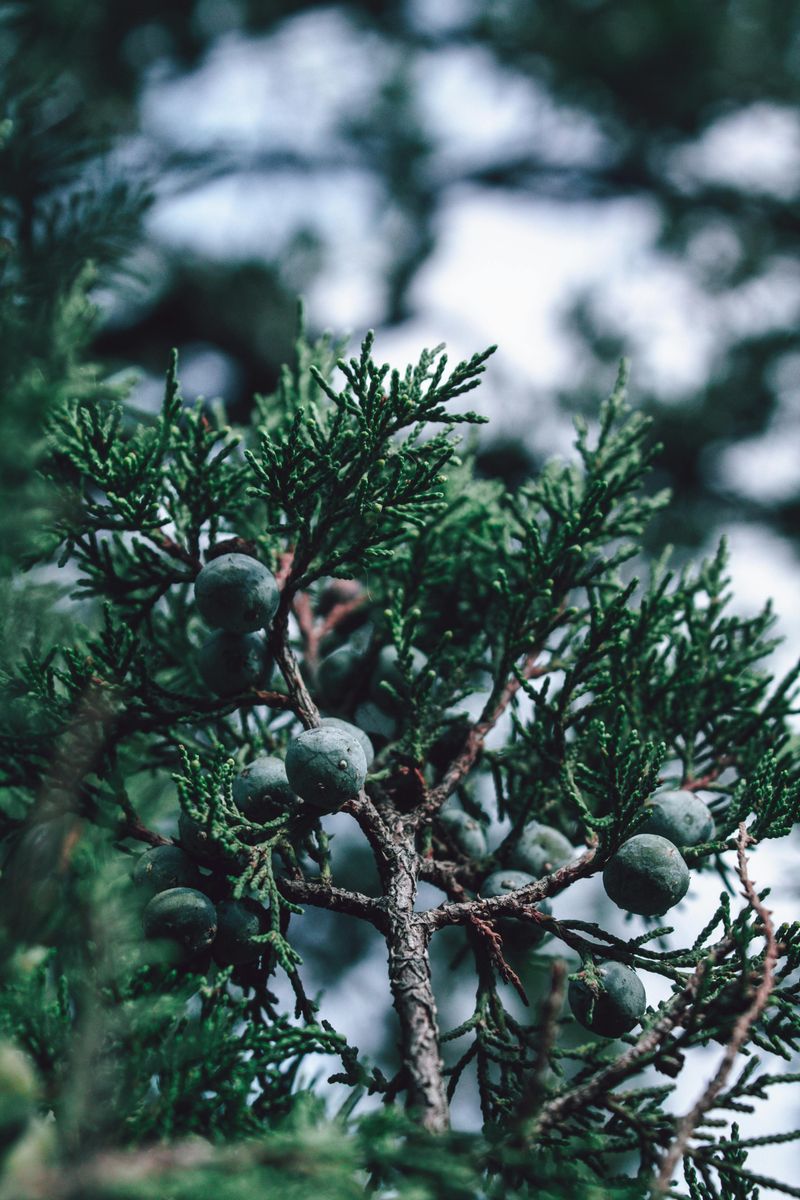
Give a Juniper a spot in the ground and step back. It will handle everything else.
From low ground covers to tall columnar windbreaks, there is a form for every corner of the yard.
Eastern red cedar, which is technically a juniper, is one of the most common trees in Oklahoma and a perfect example of just how well this genus handles the local climate.
Junipers tolerate poor soil, rocky ground, steep slopes, and prolonged drought without complaint.
Once established, they rarely need supplemental watering, which makes them a smart investment for water-conscious gardeners.
Beyond their toughness, junipers provide real wildlife value.
Cedar waxwings, robins, and many other birds feast on the small berry-like cones throughout winter.
The dense branches also offer nesting and shelter for a variety of species.
For Oklahoma homeowners looking for reliable screening, erosion control, or year-round structure in the landscape, junipers deliver without fail.
Few plants combine that level of durability with that kind of ongoing benefit for the local ecosystem.
10. Crape Myrtle Blooms Harder When Oklahoma Turns Up The Heat
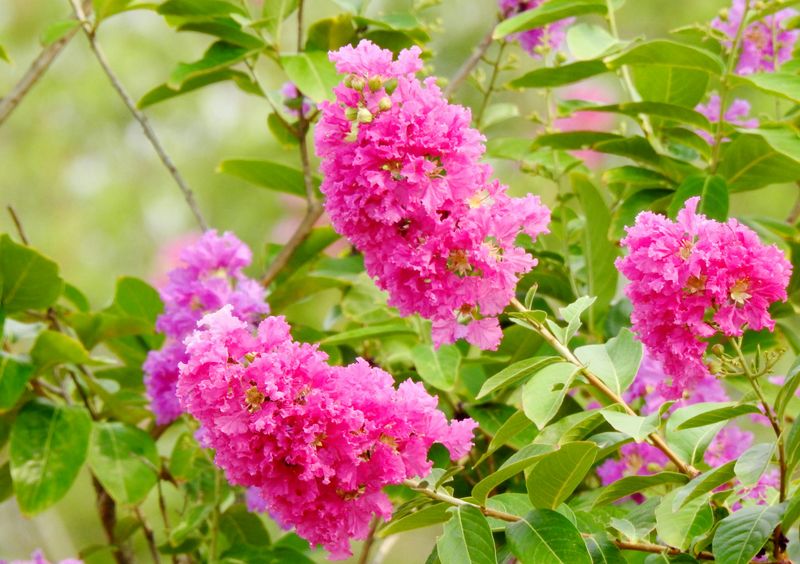
Walk through any Oklahoma neighbourhood in July and everything is struggling. Everything except the Crape Myrtle.
While other plants wave the white flag, it bursts into bloom and does not stop until summer is over.
These small to medium-sized trees produce massive clusters of crinkled blooms in white, pink, red, lavender, and deep purple. They keep flowering through the hottest stretch of summer without hesitation.
Originally from China and Korea, crape myrtles found a second home in the American South and the southern Great Plains, where the long, hot summers give them exactly what they need to perform at their best.
Oklahoma’s climate suits them perfectly, and they have become one of the most popular landscape trees in the state for good reason.
Crape myrtles are also surprisingly low-maintenance once established.
They handle drought well, tolerate Oklahoma’s clay soils, and put on a second show in the fall when their leaves turn shades of orange and red.
The peeling, mottled bark adds winter interest after the leaves drop.
One tip worth remembering: avoid the common practice of heavy topping, because it weakens the tree and ruins its natural shape.
Let them grow naturally, and they will reward you for decades.