10 Neatest Shrubs You Can Grow In A Maryland Yard
There’s a particular kind of satisfaction that comes from a yard that looks like someone cares about it, without looking like someone spent every weekend on it.
I didn’t always have that. For a long time my garden was a rotating cast of shrubs that grew too big, spread too far, or just looked untidy no matter what I did.
Then I started paying attention to what actually worked in Maryland’s specific mix of humid summers, cold winters, and soil that can’t quite make up its mind. The difference was immediate.
Some shrubs genuinely belong here, and once you plant them, your yard starts working for you instead of the other way around.
Maryland sits in a transition zone between the Mid-Atlantic and the South, which means it gets the best and occasionally the most challenging of both climates.
The shrubs that thrive here are the ones that handle summer humidity without sulking, tolerate winter cold without drama, and maintain a natural shape that doesn’t require constant intervention.
Here are ten that deliver on every count.
1. Inkberry Holly
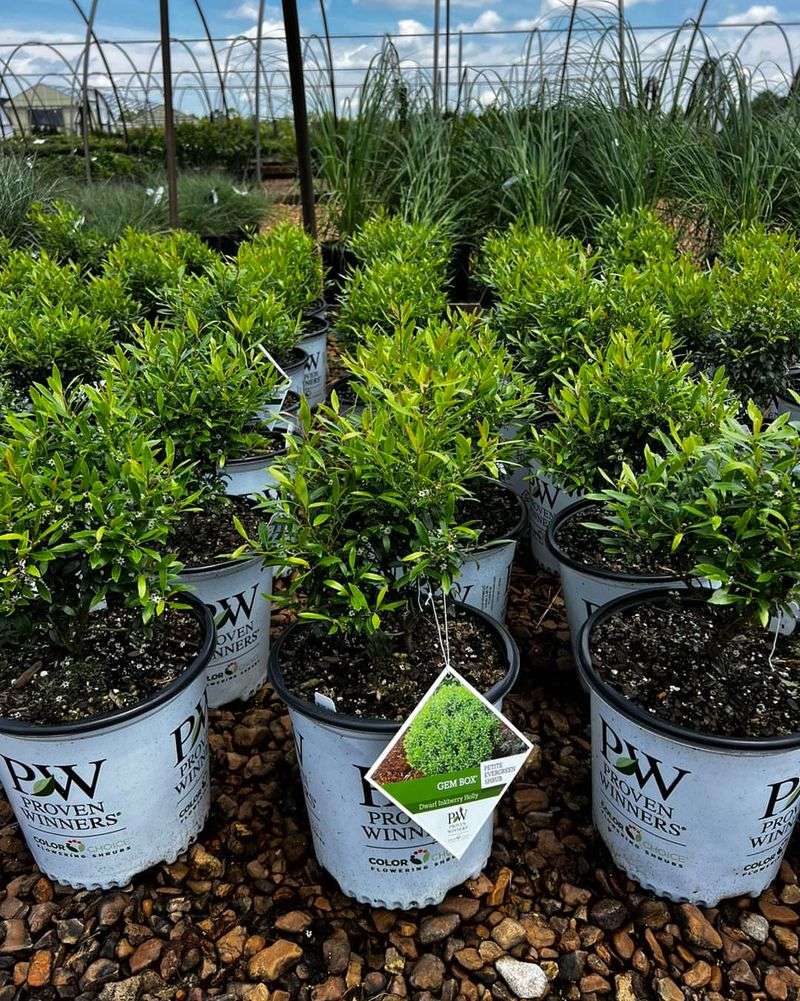
Most shrubs have a moment. Inkberry Holly has a whole year.
It is a native evergreen that holds its deep green foliage straight through Maryland winters, providing structure and color when everything else in the garden has gone quiet.
The naturally rounded form means it looks intentional without any pruning encouragement from you.
I planted three along a fence line four years ago and have touched them exactly once with a pair of shears. The small white flowers in spring are modest but reliable, and by fall the plant produces clusters of dark berries that birds locate with impressive efficiency.
Cedar waxwings, robins, and hermit thrushes visit regularly once the berries ripen.
Inkberry grows four to eight feet tall depending on the cultivar, with compact varieties like Shamrock and Gem Box staying on the smaller end.
It tolerates wet soil better than most shrubs, making it genuinely useful in low spots where drainage is inconsistent.
Plant it in full sun to part shade and let it do what it does best, which is look good without asking for much.
2. Virginia Sweetspire
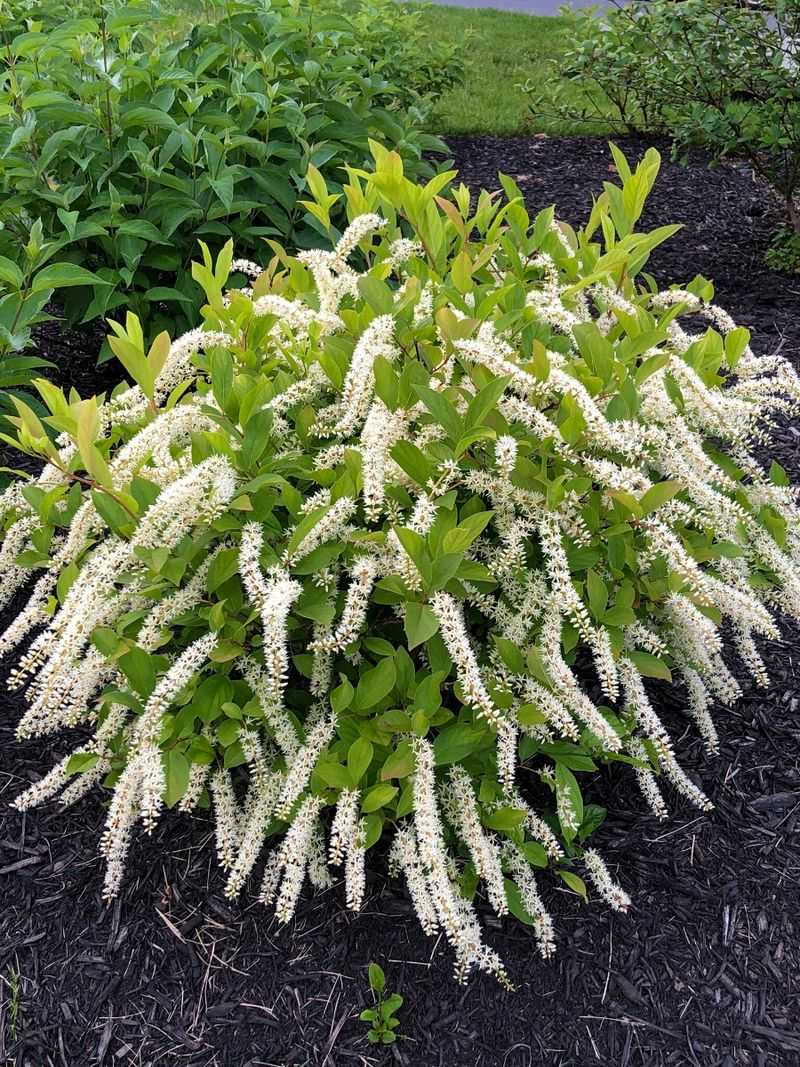
Nobody buys Virginia Sweetspire for the fall color.
They buy it for the summer flowers, enjoy those, and then get completely caught off guard in October.
It produces fragrant white flower spikes in June and July that arch gracefully and attract pollinators in impressive numbers.
Then autumn arrives and the foliage turns a combination of orange, red, and burgundy that stops people mid-conversation.
I’ve had neighbors ask what it is while standing directly in front of the plant label.
Virginia Sweetspire grows three to five feet tall and spreads slowly by suckers to form a tidy, arching clump.
It handles part shade to full sun and tolerates both wet and dry conditions once established, which makes it one of the most adaptable native shrubs available for Maryland gardens.
The compact cultivar Little Henry stays around three feet tall and suits smaller spaces without losing any of the visual impact.
Your Illinois Garden Changes Every Week. Your Plan Should Too.
Gardening in Illinois changes quickly throughout the season. Every Friday you’ll receive a simple weekly plan showing exactly what to plant, prune, fertilize, harvest, and protect so you never miss the right timing.
Plant it where you need reliable structure, reliable flowers, and at least one moment per year where your garden looks genuinely spectacular.
3. Mountain Laurel
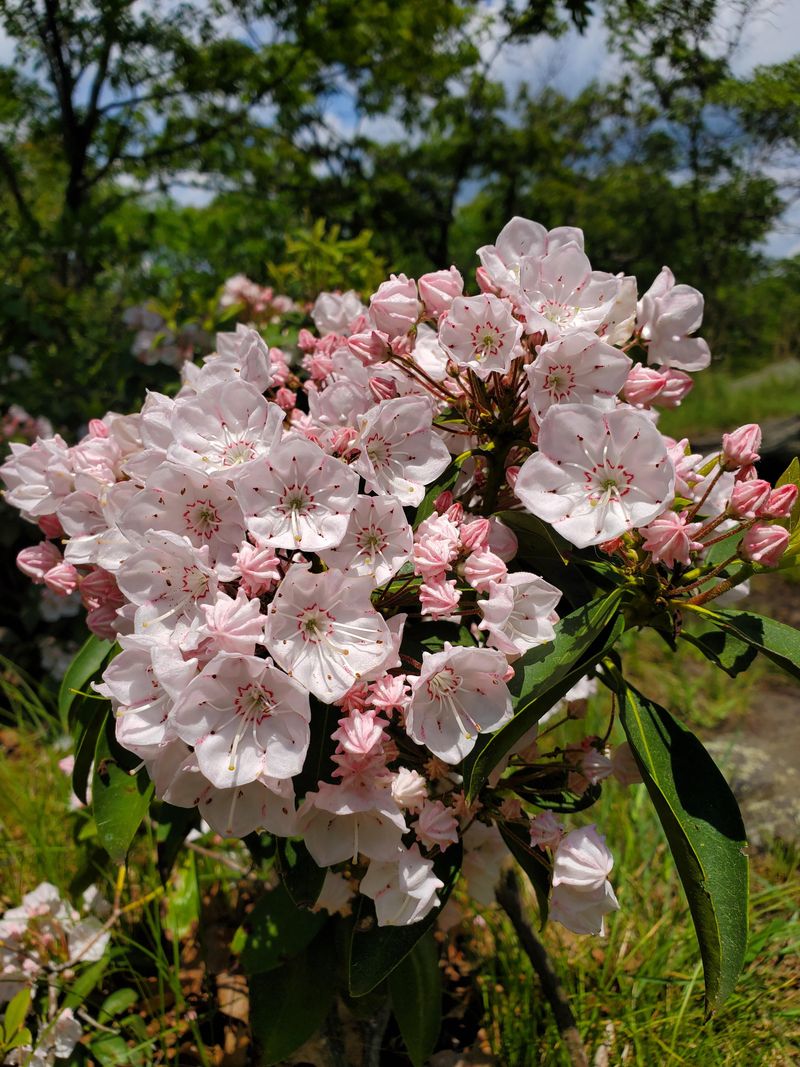
This is Maryland’s state flower, which should tell you something about how well it belongs here.
Mountain Laurel is a broadleaf evergreen that grows slowly, maintains a naturally neat rounded form, and produces clusters of distinctive cup-shaped flowers in May and June in shades of white, pink, and deep rose.
The flower buds are geometric and almost architectural before they open, which gives the plant two weeks of visual interest before the blooms even arrive.
It grows four to fifteen feet tall depending on the cultivar, with many garden varieties staying in the four to six foot range.
Mountain Laurel prefers acidic, well-drained soil and part shade, conditions that exist naturally under the oak and pine canopy common across much of Maryland.
Once established, it requires minimal intervention.
The evergreen foliage provides year-round structure, the spring bloom is genuinely showstopping, and the plant asks very little in return.
Give it the right spot and leave it alone. That’s the entire care plan.
4. Dwarf Fothergilla
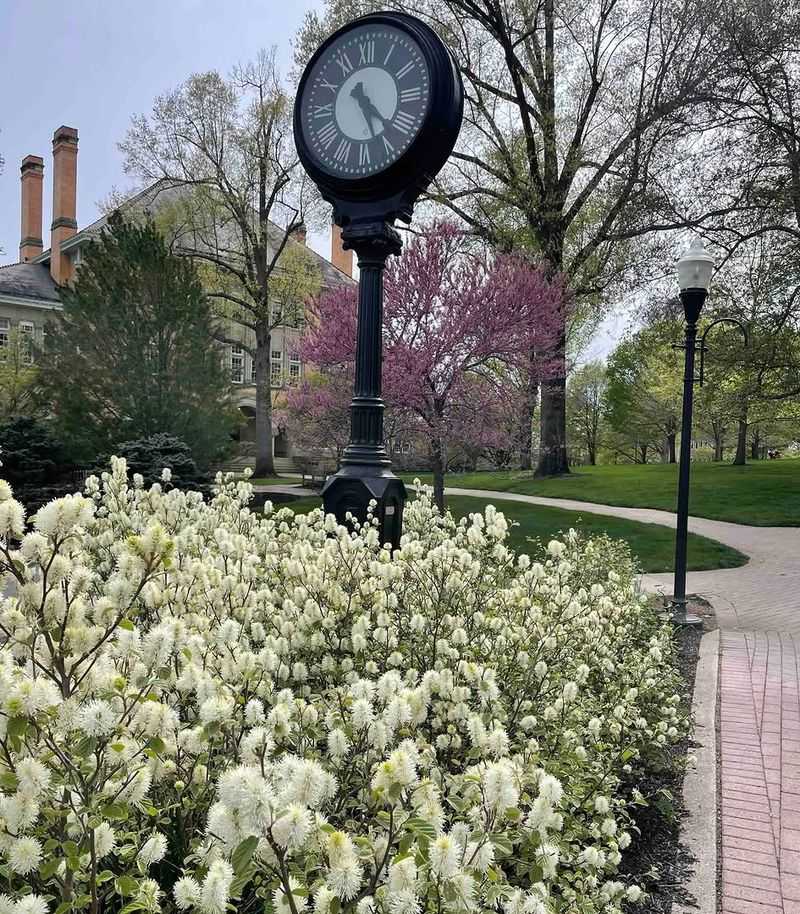
Dwarf Fothergilla is the shrub that makes people think you know what you’re doing.
It blooms in early spring before the leaves emerge, producing small bottlebrush-shaped white flowers with a faint honey scent that carries on warm April days.
Then the leaves come in, blue-green and textured, and hold that color through summer.
Then fall arrives and the whole plant ignites in a combination of yellow, orange, and red that genuinely competes with anything else in the garden.
Dwarf Fothergilla grows two to three feet tall and wide, making it one of the most useful small shrubs for Maryland gardens where space is limited.
It prefers acidic soil and part shade to full sun and establishes reliably without fuss.
The compact size means it works at the front of a border, beside a path, or in a foundation planting where larger shrubs would overwhelm the space.
Native bees visit the spring flowers heavily, and the plant supports several specialist bee species that depend on the genus.
Three seasons of genuine interest in a two-foot package is a reasonable return on a single planting decision.
5. Buttonbush
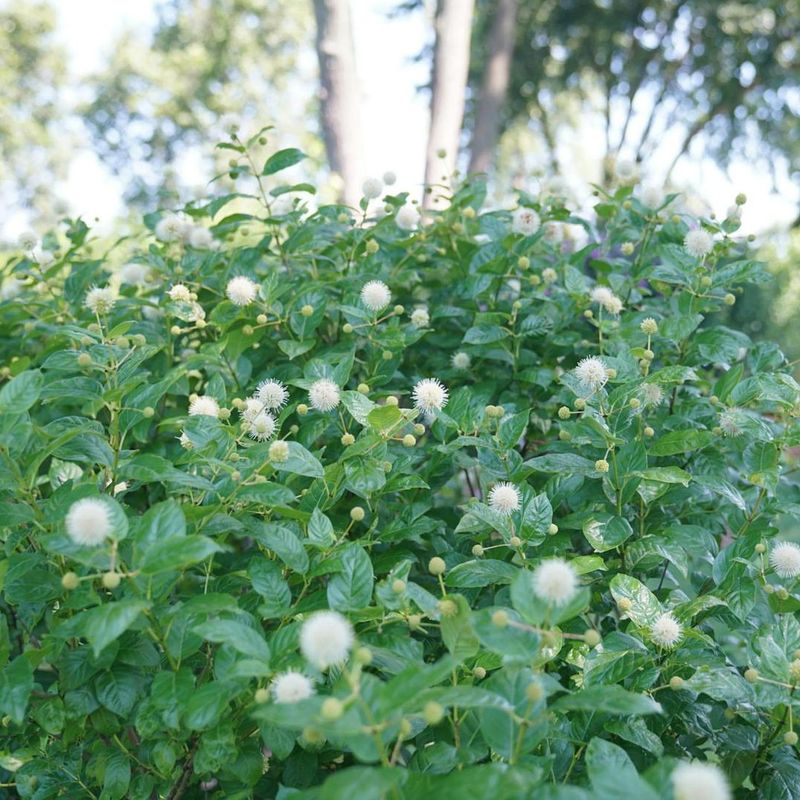
Most shrubs produce flowers that look like shrub flowers.
Buttonbush produces something that looks like it arrived from a different garden entirely.
Cephalanthus occidentalis blooms in July and August, covered in spherical white flower heads roughly an inch across that resemble something between a pincushion and a firework.
They’re unusual enough that guests consistently ask about them, and common enough among Maryland’s native flora that they support an impressive range of wildlife.
Buttonbush grows five to twelve feet tall and thrives in moist to wet soil, making it the right answer for spots near water features, rain gardens, or low areas that collect runoff.
It handles periodic flooding without complaint, which puts it in a category of useful shrubs that most gardens genuinely need but rarely plant.
Butterflies, native bees, and hummingbirds visit the flowers through summer.
Waterfowl and shorebirds eat the seeds in fall.
The plant leafs out late in spring, which can cause unnecessary concern in April, but by May it fills in completely and looks entirely intentional.
6. Spicebush
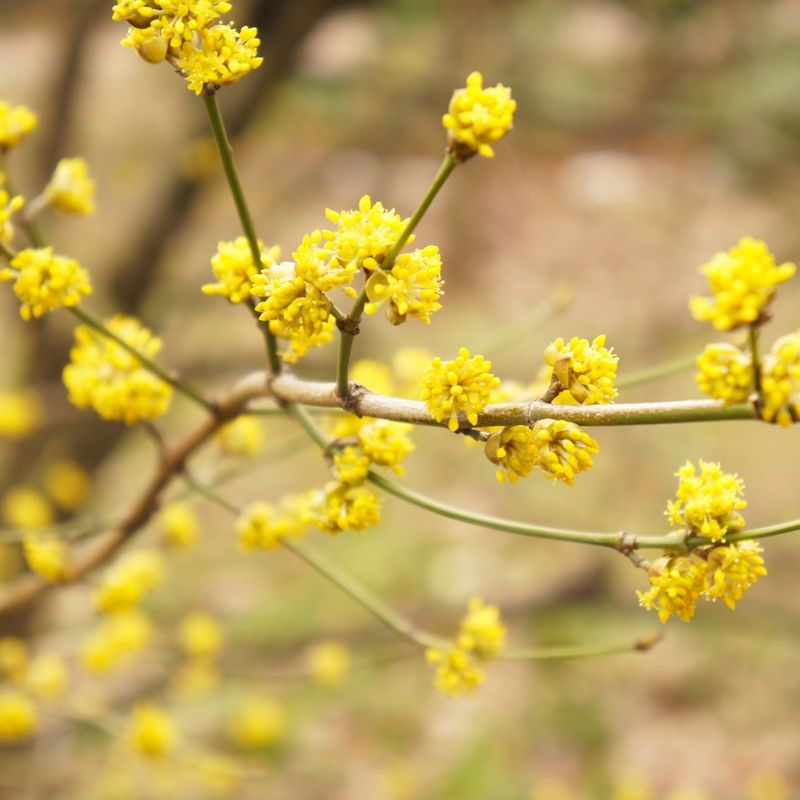
This is the kind of shrub that reveals itself gradually.
The earliest reward comes in March, when small clusters of yellow flowers appear on bare stems before any other native shrub has stirred.
The flowers are small but numerous, and on a sunny late-winter day the whole plant glows with a soft yellow that feels genuinely optimistic after a Maryland winter.
Crush a leaf in summer and the spicy, aromatic scent explains the name immediately.
Spicebush grows six to twelve feet tall in part shade to full shade, filling woodland garden spaces that are otherwise difficult to plant.
Female plants produce bright red berries in fall that disappear quickly once migrating birds locate them.
Wood thrushes, veeries, and other thrushes rely heavily on Spicebush berries during fall migration, making a mature plant one of the most wildlife-productive shrubs you can grow in Maryland.
It spreads slowly by suckers and self-seeding, naturalizing gradually without becoming aggressive.
Plant it at the back of a shaded border or along a woodland edge and let it settle into its role over several seasons.
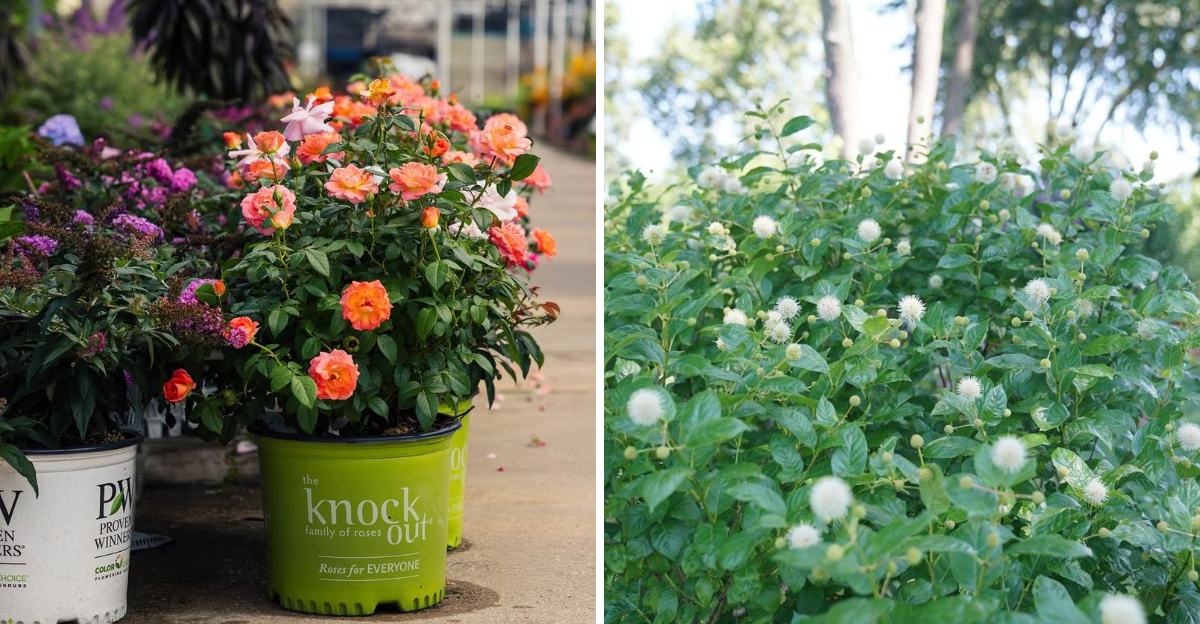
7. Knock Out Rose
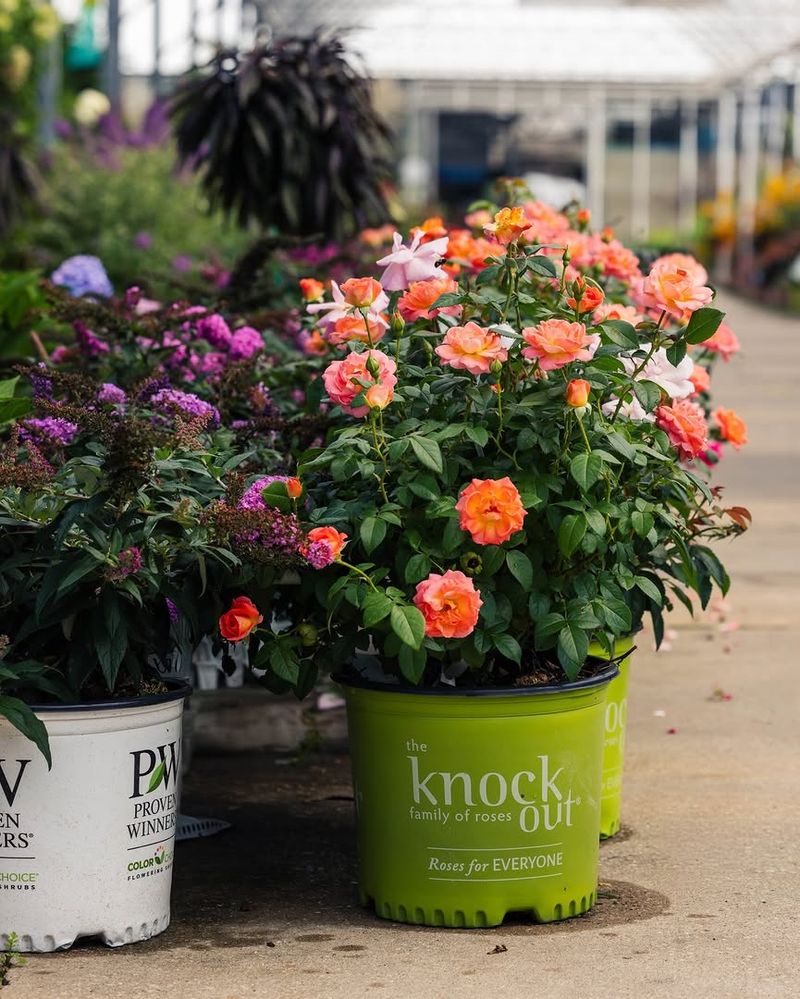
Rosa Knock Out changed what a lot of Maryland gardeners expected from roses.
It blooms from late spring through the first hard frost, producing cherry red flowers in continuous flushes without the frustration that traditional roses occasionally bring.
The plant grows four to six feet tall and wide, maintains a naturally rounded form, and shows strong resistance to black spot and other common rose issues in Maryland’s humid climate.
I planted one beside a sunny mailbox post three years ago mostly as an experiment.
It has bloomed every single month from May through November each year since.
The foliage turns orange-red in fall, adding a second season of interest after the flowers slow down.
Plant it in full sun with good air circulation and it rewards you with one of the longest bloom seasons available in any shrub category.
It fills its allocated space within two seasons and stays within it, which makes planning around it straightforward.
Pair it with ornamental grasses or low perennials at its feet and the combination looks deliberate and layered.
The rounded habit means no staking, no training, and no structural surprises as it matures.
It attracts bees and butterflies throughout the season and requires only a single hard cutback in late winter to stay tidy and productive.
8. Little Lime Hydrangea
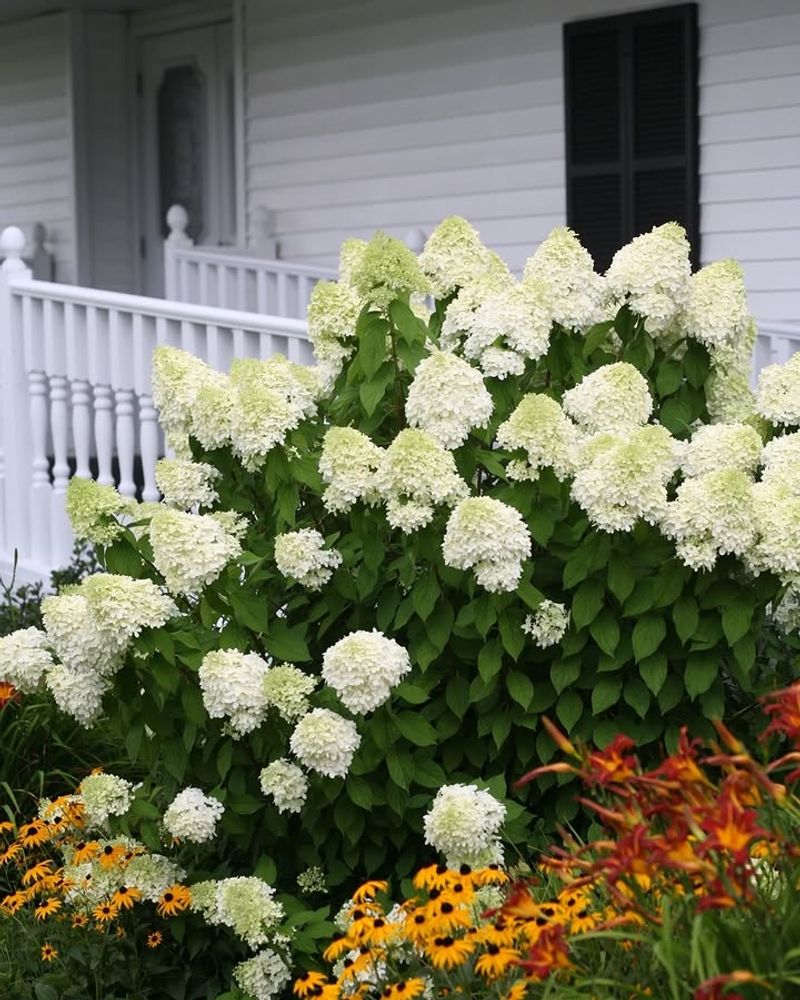
Full-sized panicle hydrangeas are spectacular until a summer rainstorm arrives and flattens them entirely. Little Lime Hydrangea solves that problem with a compact form that tops out around three to five feet tall, producing lime green flower panicles on sturdy stems that handle rain and wind without collapsing.
The flowers age through cream and soft pink as fall approaches, giving the plant a months-long display that changes character gradually rather than all at once.
Little Lime grows in full sun to part shade and adapts to most Maryland soil types with reasonable drainage.
It blooms on new wood, meaning a hard cutback in late winter encourages vigorous new growth and a strong flower display each summer.
The flowers attract bees and butterflies reliably through July and August when other shrubs have finished blooming.
In a mixed border, Little Lime provides reliable mid-season color and structural presence that carries the garden through the gap between spring and fall interest. It’s one of those plants that earns its space every single year without requiring much in return.
9. Drift Rose
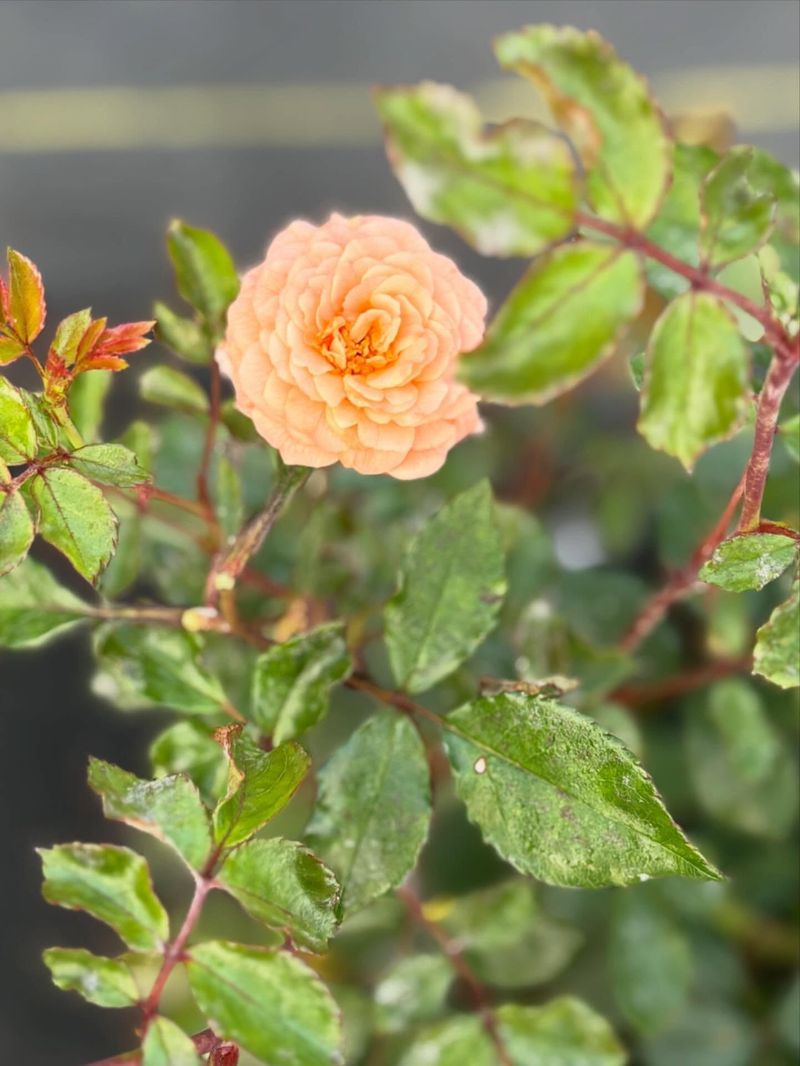
Rosa Drift is what happens when you take the best qualities of a groundcover and a rose and combine them into something genuinely useful.
It grows one to two feet tall and spreads two to three feet wide, producing continuous flushes of flowers from spring through fall in colors ranging from coral and pink to red and white.
The low, spreading habit makes it ideal for slopes, front borders, and spots where you want flowering coverage without height.
Drift Rose shows strong disease resistance in Maryland’s climate and requires minimal pruning to stay tidy. A light trim in early spring encourages fresh growth and sets up a strong first flush of flowers in May.
The foliage stays clean and compact through summer, giving the planting a finished look without any intervention.
In fall, the leaves flush slightly bronze before dropping, extending the visual interest well past the last bloom.
It layers beautifully with taller shrubs behind it, creating a tiered effect that looks considered and intentional.
The plant continues blooming in waves through the season, making it genuinely low involvement once established.
Pollinators visit regularly throughout the bloom period.
Plant it in full sun where the air circulates freely and it will cover its space with color for months at a stretch.
10. Carefree Beauty Rose
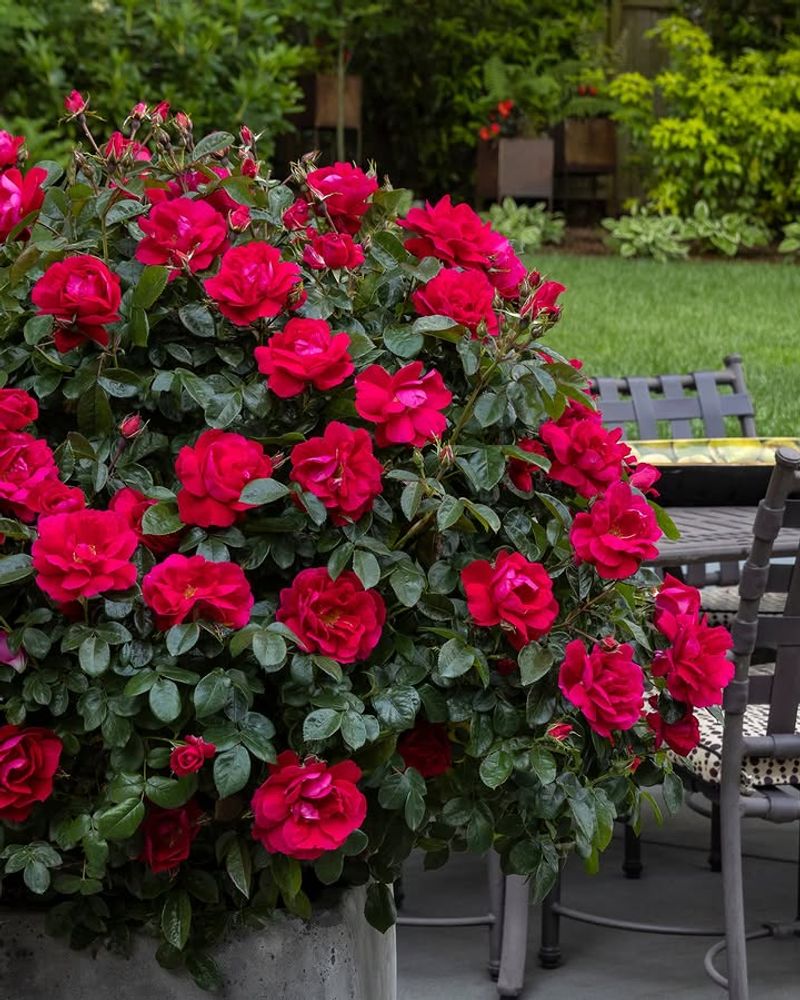
Rosa Carefree Beauty does exactly what the name suggests, which in the rose world is a meaningful claim. It grows four to six feet tall with an upright, arching habit that suits the back of a border or a sunny foundation planting.
The deep pink semi-double flowers appear in large clusters from late spring through fall, and the plant produces orange-red hips in autumn that birds find immediately useful.
Carefree Beauty shows excellent disease resistance and handles Maryland summers without the black spot and mildew issues that affect less adapted varieties.
It requires one pruning in late winter and occasional shaping through the season to maintain its upright form. Beyond that, it looks after itself.
The blooms have a loose, natural quality that looks more garden-grown than florist-perfect, which suits an informal border beautifully.
Bees work the open-faced flowers easily, visiting in steady numbers through the entire bloom season.
The fragrance is light but present on warm mornings, adding one more reason to plant it somewhere you pass regularly.
The combination of long bloom season, wildlife value, and genuine low maintenance makes it one of the most reliable flowering shrubs available for Maryland gardens.
Plant it where you want height, color, and the quiet confidence of a shrub that knows exactly what it’s doing.