9 Flowers You Should Always Plant Near Vegetables In Oregon
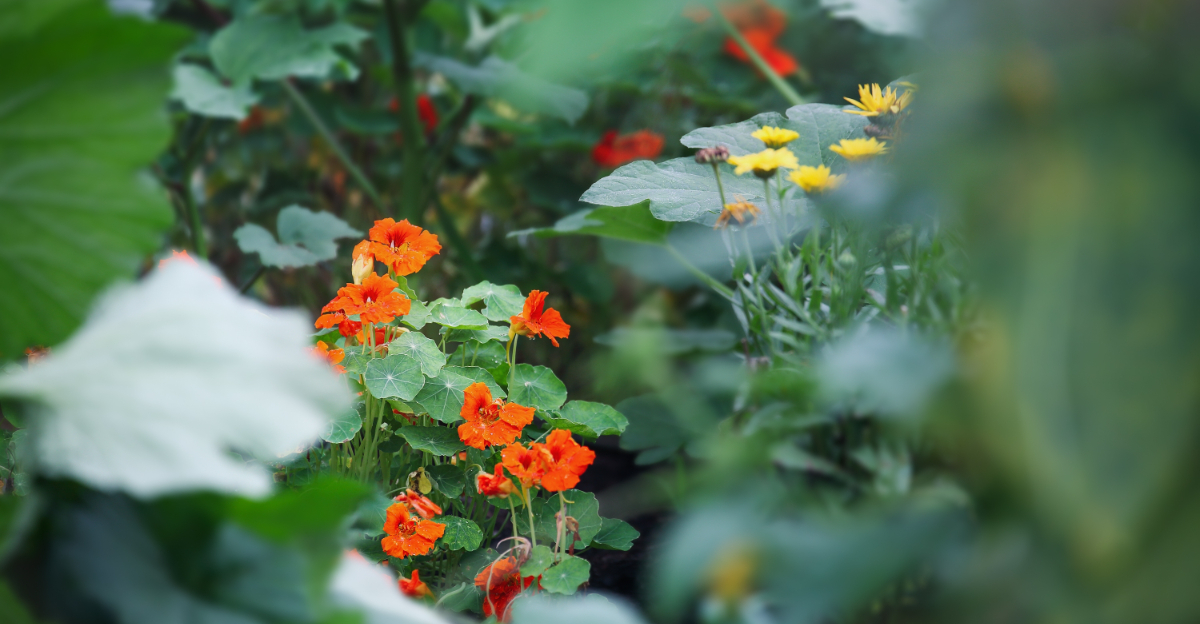
Flowers in a vegetable garden might seem like a decorative afterthought. Something pretty to look at between the tomato cages and the bean trellises.
But experienced Oregon growers know better. The right flowers planted near vegetables are quietly doing some of the most important work in the entire garden, and most of it happens without you lifting a finger.
We’re talking natural pest control, pollinator attraction, improved yields, and companion planting relationships that have been working for centuries. Some flowers confuse harmful insects with their scent.
Others lure in the beneficial bugs that prey on the pests you don’t want anywhere near your crops. A few improve the soil just by growing in it.
Your vegetable garden doesn’t just tolerate flowers near it. It genuinely performs better because of them.
Oregon’s long growing season gives you plenty of time to see exactly what a difference the right floral neighbors make, and once you do, you’ll never go back to a flower-free veggie patch again.
1. Calendula
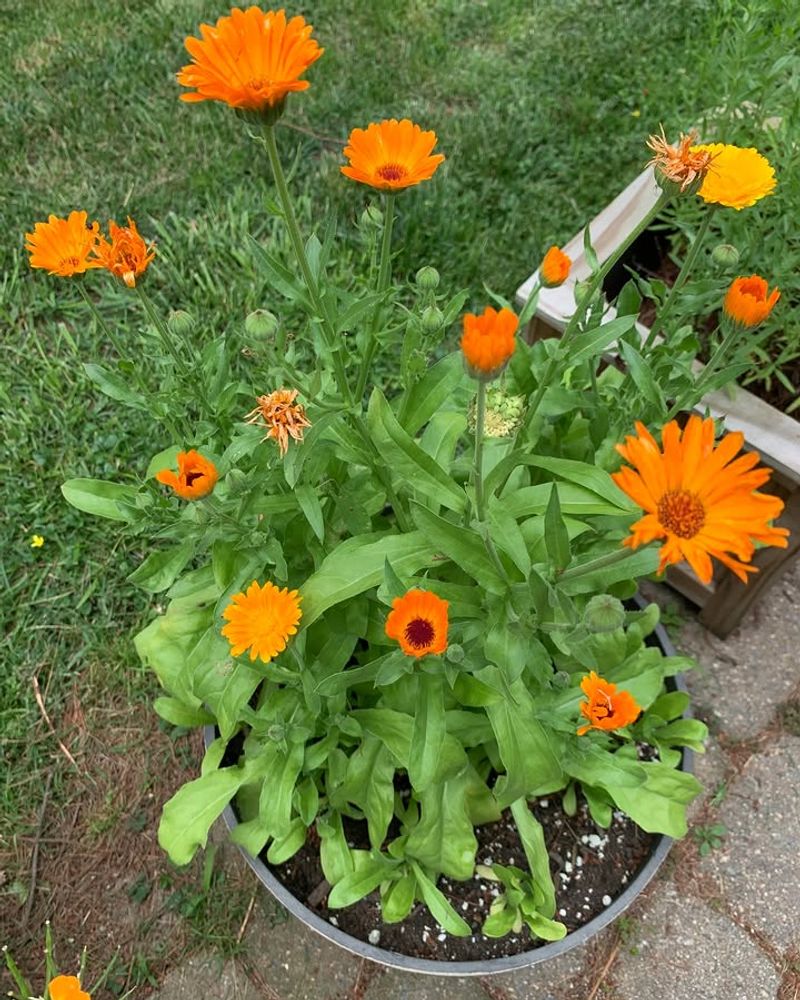
Nicknamed the “pot marigold,” calendula has been a garden favorite for hundreds of years, and Oregon gardeners absolutely love it. This cheerful flower is one of the hardest-working companions you can add to your vegetable beds.
It blooms for months, even in Oregon’s cooler, cloudier weather, making it a reliable presence from spring through fall.
Calendula produces a sticky resin on its stems that naturally traps aphids and whiteflies before they can reach your vegetables. Think of it like a natural sticky trap that works around the clock.
Pests get stuck on the plant, and your nearby tomatoes, beans, and greens stay protected without any chemical sprays.
Beyond pest control, calendula attracts pollinators like bees and hoverflies, which are essential for a productive Oregon vegetable garden. Hoverfly larvae also feed on aphids, giving you double the protection.
The flowers are edible too, so you can toss the bright petals into salads or use them as a garnish. Plant calendula along the borders of your beds or in between rows for the best results.
It is easy to grow from seed and reseeds itself every year, saving you money and effort season after season.
2. Nasturtiums
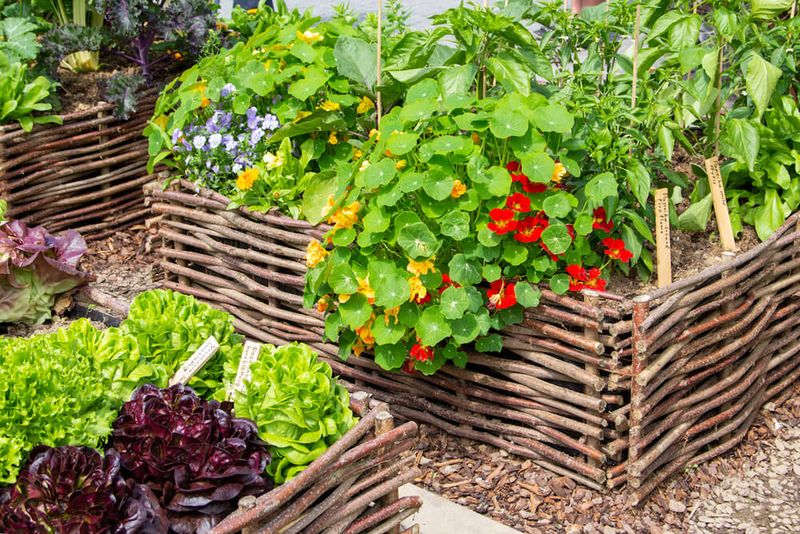
If there is one flower that earns its place in an Oregon vegetable garden through sheer usefulness, it is the nasturtium. These bold, round-leaved plants with trumpet-shaped flowers are practically built for companion planting.
They are easy to grow, fast to bloom, and serve as what gardeners call a “trap crop.”
Aphids absolutely love nasturtiums. They flock to them instead of heading to your kale, broccoli, or squash.
Once the aphids gather on the nasturtiums, you can remove those plants or let natural predators like ladybugs handle the job. It is a smart, chemical-free way to protect your vegetables in any Oregon garden.
Nasturtiums also attract cabbage moths and draw them away from your brassicas, which is a huge win for anyone growing cabbage, cauliflower, or Brussels sprouts in the Pacific Northwest. The flowers release a slightly spicy scent that confuses and deters many common pests.
Your Oregon Garden Changes Every Week. Your Plan Should Too.
Gardening in Oregon changes quickly throughout the season. Every Friday you’ll receive a simple weekly plan showing exactly what to plant, prune, fertilize, harvest, and protect so you never miss the right timing.
As a bonus, every part of the nasturtium is edible. The leaves taste peppery, and the flowers add a pop of color to salads.
Plant them around the edges of your beds or let them sprawl as a ground cover to keep weeds down at the same time.
3. Marigolds
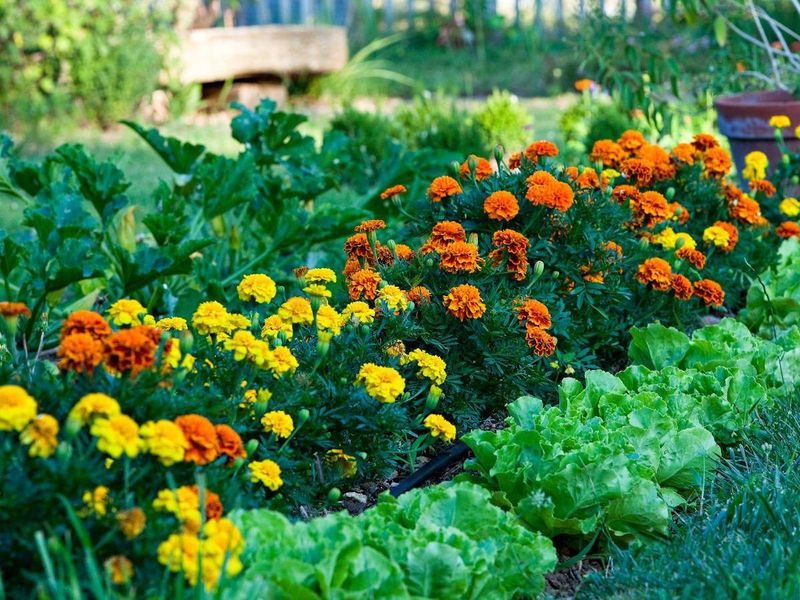
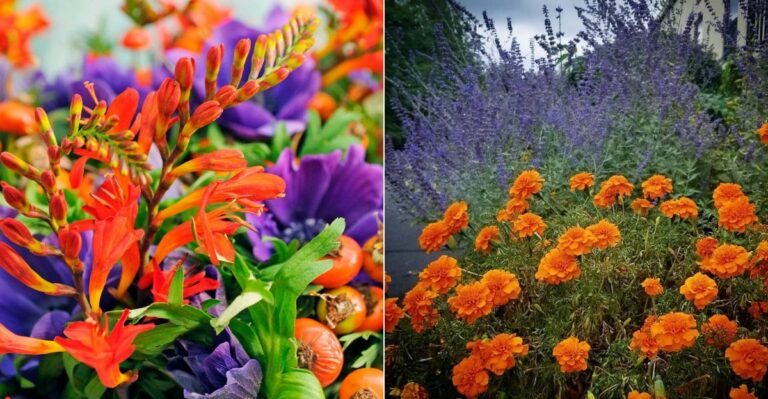
Ask any experienced Oregon gardener what single flower they would never leave out of their vegetable garden, and marigolds will almost always top the list. These tough, sun-loving flowers have earned a legendary reputation as pest fighters, and for very good reason.
Marigolds release a strong scent from their roots and foliage that underground pests simply cannot stand.
Nematodes are tiny worm-like creatures that live in the soil and attack vegetable roots. Planting marigolds nearby actually suppresses these harmful nematodes over time.
This is especially valuable in Oregon, where cool, moist soil conditions can encourage nematode populations to build up in vegetable beds year after year.
French marigolds are particularly effective and work great planted near tomatoes, peppers, and eggplant. They also repel whiteflies, thrips, and even some beetles that love to munch on vegetable leaves.
On top of all that pest-fighting power, marigolds bring in bees and butterflies, boosting pollination across your entire garden. They are drought-tolerant once established and bloom all season long with very little care.
Plant them in clusters throughout your vegetable beds rather than just along the edges for maximum protection. In Oregon’s long growing season, marigolds will reward you every single week.
4. Borage
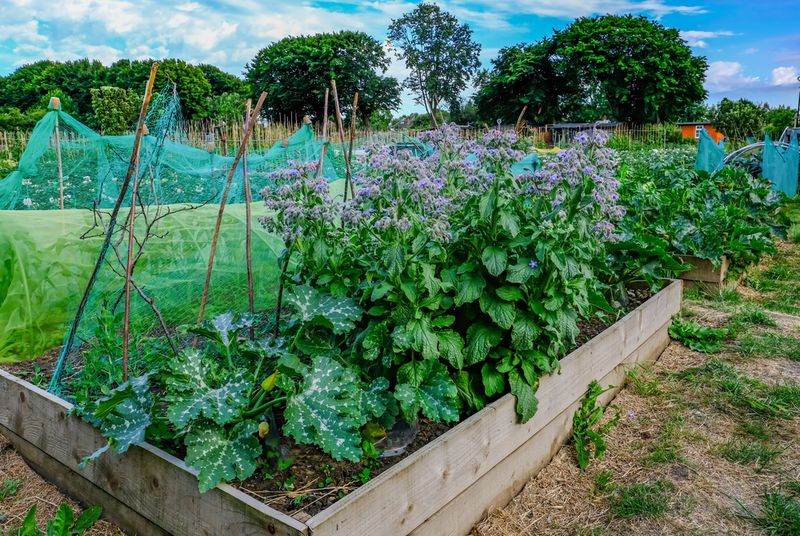
Star-shaped blue flowers, fuzzy leaves, and a cucumber-like scent make borage one of the most distinctive plants you can add to an Oregon vegetable garden. But borage is much more than just a pretty face.
It is a powerhouse companion plant that benefits almost every vegetable it grows near, especially tomatoes and squash.
Borage is known to repel tomato hornworms, one of the most destructive pests in Pacific Northwest gardens. These large green caterpillars can strip a tomato plant bare in just a few days.
Having borage nearby acts as a natural deterrent, keeping your tomato plants safer without any effort on your part.
Bees go absolutely wild for borage flowers. The bright blue blooms produce a lot of nectar and attract pollinators in huge numbers, which directly improves the fruit set on your squash, cucumbers, and beans.
Some gardeners in Oregon even claim that borage improves the flavor of nearby tomatoes, though scientists are still looking into that one. Borage also breaks up compacted soil with its deep taproot, improving drainage and aeration in heavy Oregon clay soils.
It reseeds itself freely, so once you plant it, you will likely have it coming back every year without doing a thing.
5. Zinnias
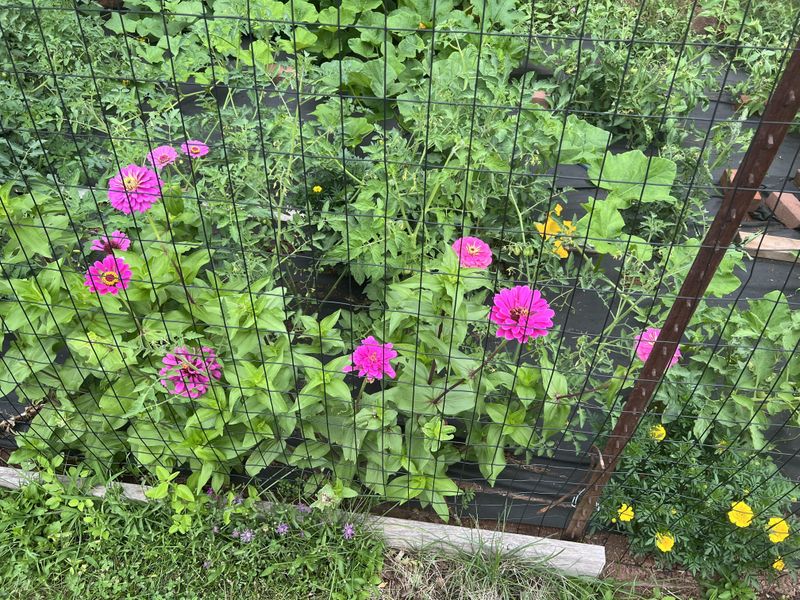
Few flowers bring as much life and color to an Oregon vegetable garden as zinnias. These heat-loving blooms come in nearly every color imaginable and grow quickly from seed, making them a favorite among both beginner and experienced gardeners across the state.
But zinnias are not just there to look good.
Zinnias attract a wide range of beneficial insects, including parasitic wasps and hoverflies, which prey on common garden pests like aphids, caterpillars, and whitefly larvae. By planting zinnias throughout your vegetable beds, you are essentially building a home base for the good bugs that protect your crops all season long.
Butterflies are also huge fans of zinnias, and while butterflies are not the most efficient pollinators, they still contribute to the overall health of your garden ecosystem. In Oregon, where cool springs can slow bee activity, having extra pollinators visiting your garden makes a real difference in fruit and vegetable production.
Zinnias thrive in the warmer inland areas of Oregon like the Rogue Valley and the Willamette Valley, where summer temperatures climb high enough for them to really take off. Plant them in full sun near beans, cucumbers, and melons for the best companion planting results this season.
6. Sunflowers
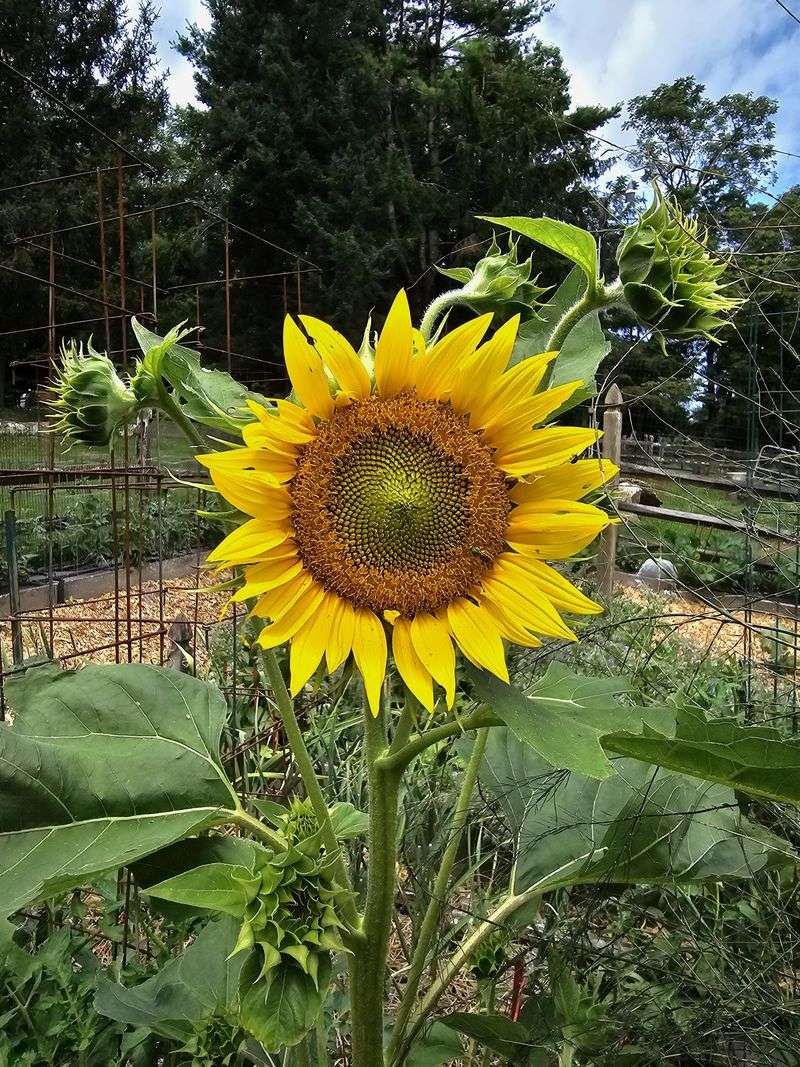
Towering above the rest of the garden, sunflowers are hard to miss. These iconic flowers do more than just look stunning in an Oregon vegetable patch.
They serve as living trellises, windbreaks, and pollinator magnets all at once. Planting them along the north side of your garden ensures they do not shade out your shorter vegetables while still providing all their benefits.
Sunflowers attract aphids, similar to nasturtiums, acting as a trap crop that pulls pests away from your vegetables. Ladybugs and other beneficial predators then move in to feed on those aphids, keeping your whole garden in balance naturally.
It is a simple system that works beautifully in Oregon’s diverse growing regions.
The deep roots of sunflowers help break up compacted soil and pull up nutrients from deep underground, which then become available to shallower-rooted vegetables when the sunflower stalks decompose. Birds also love sunflower seeds in the fall and will stick around to snack on harmful insects throughout the season.
In Oregon, sunflowers pair especially well with corn and squash, echoing the traditional Three Sisters planting method. They grow fast, require minimal care, and add serious height and drama to any vegetable garden from Ashland to Astoria.
7. Chamomile
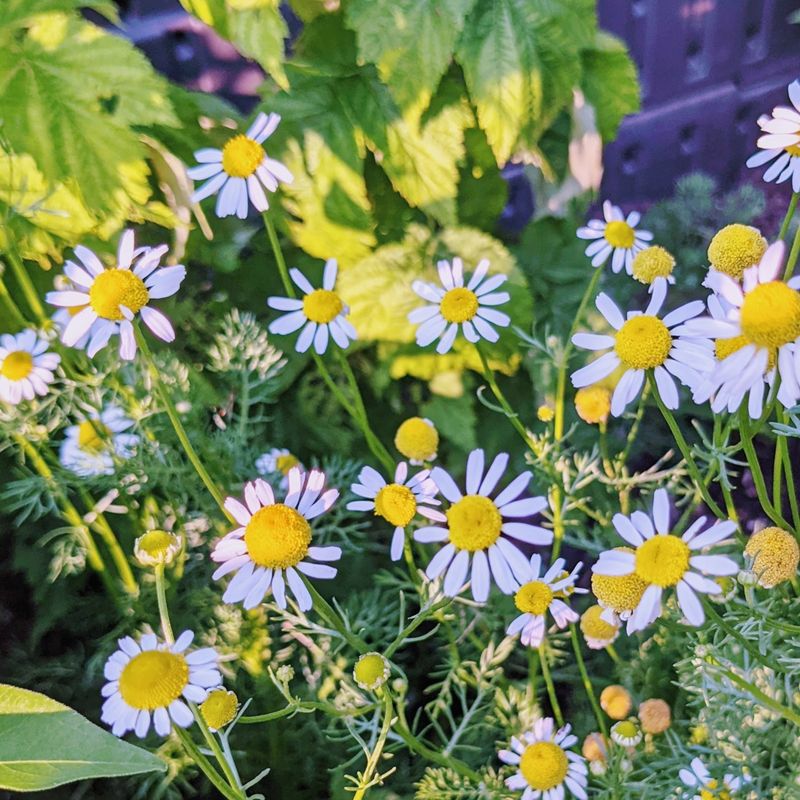
Small but mighty, chamomile is one of those plants that experienced Oregon gardeners quietly rely on every single season. Its tiny white flowers with sunny yellow centers look delicate, but this plant has a surprisingly strong impact on the vegetables growing nearby.
Ancient farmers called chamomile the “plants physician” because crops near it seemed to grow healthier and stronger.
Chamomile releases chemicals into the soil that can boost the growth of brassicas like cabbage, broccoli, and kale, which are staple crops in many Oregon gardens. It also attracts hoverflies and predatory wasps that target caterpillars and aphids, giving your vegetables a natural layer of defense throughout the growing season.
The scent of chamomile confuses and repels flying insects like aphids and whiteflies, making it an excellent plant to tuck in between rows of vegetables. It grows low to the ground and does not compete aggressively for space or nutrients, so it fits easily into any garden layout.
Chamomile also thrives in Oregon’s mild, moist spring climate and can handle partial shade, which makes it useful in spots where full sun is limited. Brew the leftover flowers into chamomile tea and use it as a gentle antifungal spray on seedlings to prevent damping-off in cool, wet Oregon springs.
8. Bee Balm
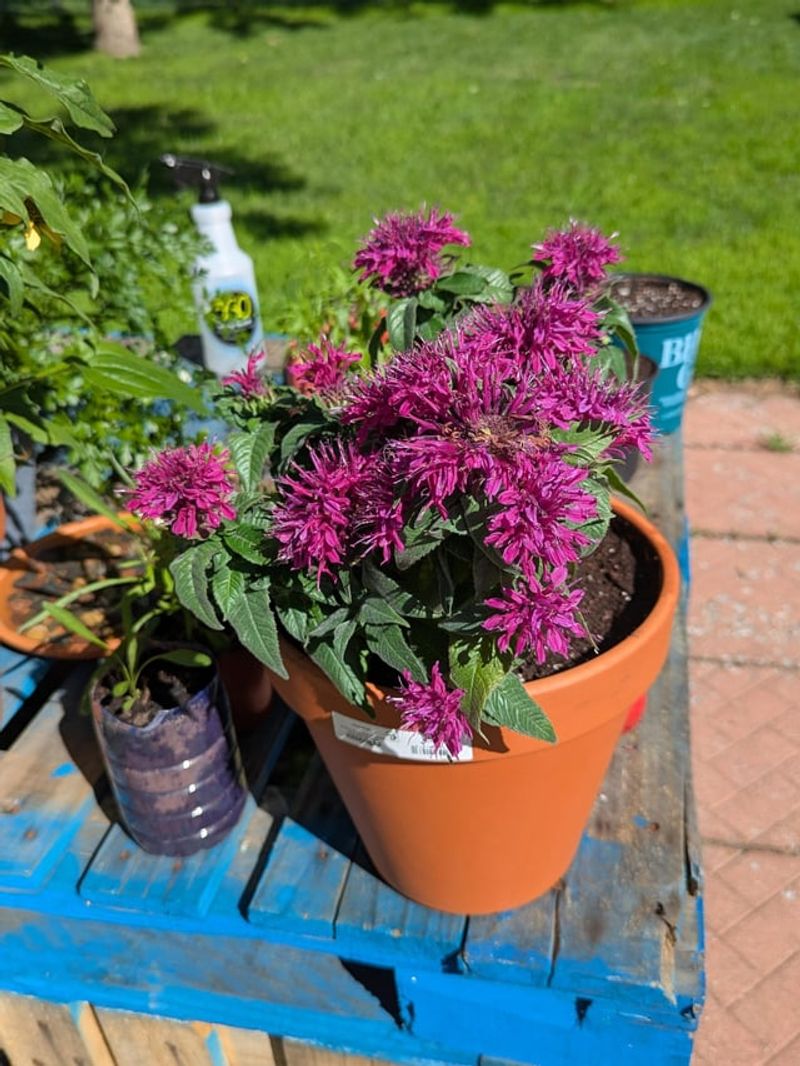
With spiky, wild-looking blooms in shades of red, pink, and purple, bee balm brings an almost untamed beauty to any Oregon vegetable garden. But the real magic of this plant lies in what it does for the insects that visit it.
True to its name, bee balm is absolutely irresistible to bees, especially native Oregon bee species that are critical pollinators for many vegetables.
Tomatoes, peppers, and squash all produce significantly better yields when pollinators visit regularly. Bee balm acts like a neon sign that draws in bumblebees, honeybees, and hummingbirds, all of which spread pollen across your vegetable plants as they move through the garden.
More pollination means more fruit, plain and simple.
Bee balm also contains aromatic oils that repel aphids, thrips, and mosquitoes, which is a nice bonus for gardeners who spend long evenings in their Oregon gardens. It belongs to the mint family, so it spreads enthusiastically over time.
Plant it in a container or in a dedicated bed section to keep it from taking over your vegetable rows. Bee balm is a perennial, meaning it comes back every year without replanting.
Once established in an Oregon garden, it is virtually maintenance-free and rewards you with stunning blooms and serious pollinator activity year after year.
9. Yarrow
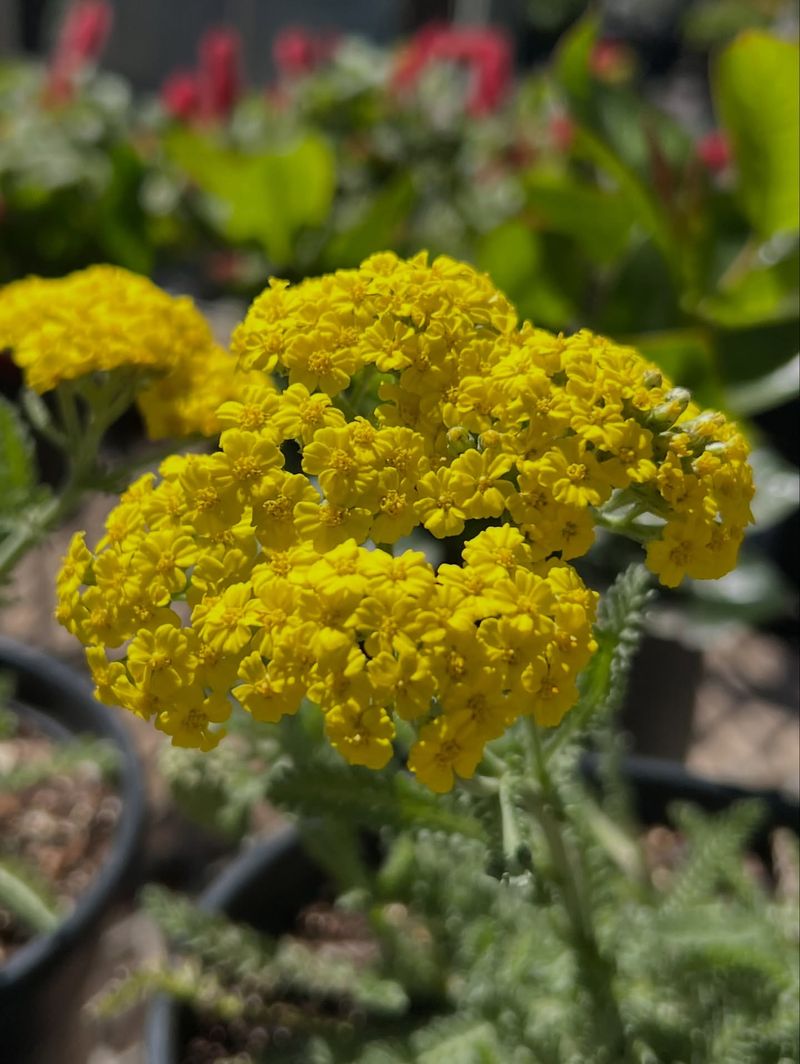
Yarrow has been used by farmers and herbalists for thousands of years, and its track record in the garden is genuinely impressive. This feathery, flat-topped flower is one of the best plants you can grow along the edges of your Oregon vegetable garden.
It pulls in an enormous variety of beneficial insects, including ladybugs, lacewings, and parasitic wasps, all of which prey on common garden pests.
What makes yarrow especially valuable is that it provides both nectar and shelter for predatory insects. Ladybugs, for example, need a place to rest and lay eggs near their food source.
Yarrow gives them exactly that, encouraging them to stick around and patrol your vegetable beds all season long. For Oregon gardeners dealing with aphid pressure on brassicas and beans, this is a serious advantage.
Yarrow is also drought-tolerant once established, which makes it a smart choice for drier parts of Oregon like Central Oregon and the Rogue Valley where summer irrigation is limited. It grows well in poor soils and does not need much fertilizer, so it never competes with your vegetables for nutrients.
The flowers come in white, yellow, and pink, adding soft color to garden borders from late spring through early fall. Plant yarrow along pathways or at bed edges for a low-maintenance, high-impact companion that works hard every single day in your Oregon garden.