What To Do With Your Pennsylvania Hydrangeas In May For Bigger Summer Blooms
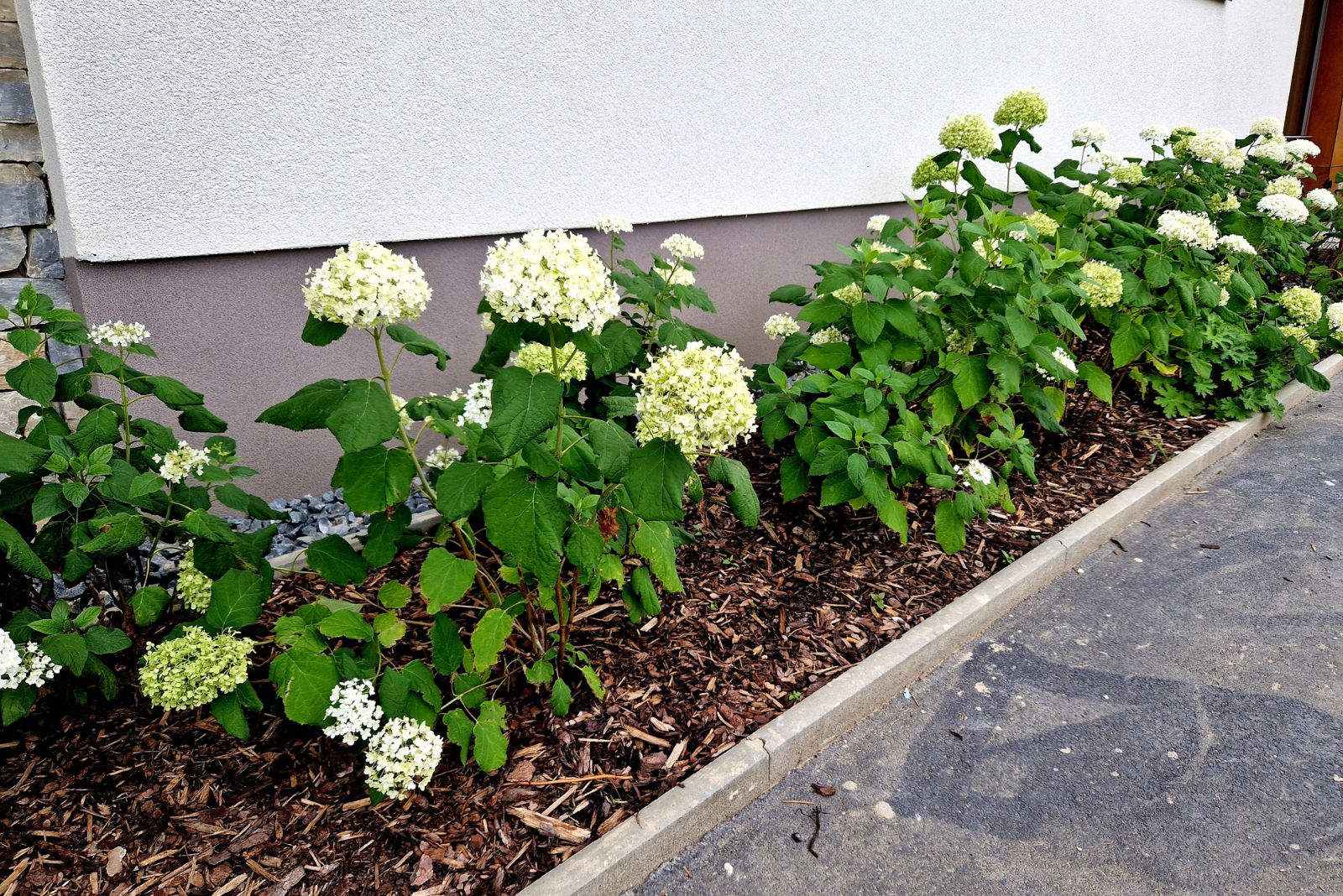
May is the month that quietly determines how good your Pennsylvania hydrangeas are going to look in July and August, and most gardeners don’t realize that until they’re already standing in front of a plant that underdelivered.
The connection between what you do right now and the blooms you get later in the season is direct and genuinely significant, which makes May one of the most important months in the entire hydrangea calendar.
The tricky part is that hydrangea care in May isn’t one-size-fits-all, and the type you’re growing changes almost everything about the right approach. What helps one variety produce bigger, more abundant blooms can actually set another type back in ways that affect the whole season.
Getting that distinction right before you start doing anything is the most important first step. Take the right steps with your Pennsylvania hydrangeas this month and the summer blooms you get in return will make the effort completely worth it.
1. Water Deeply During Dry Spells
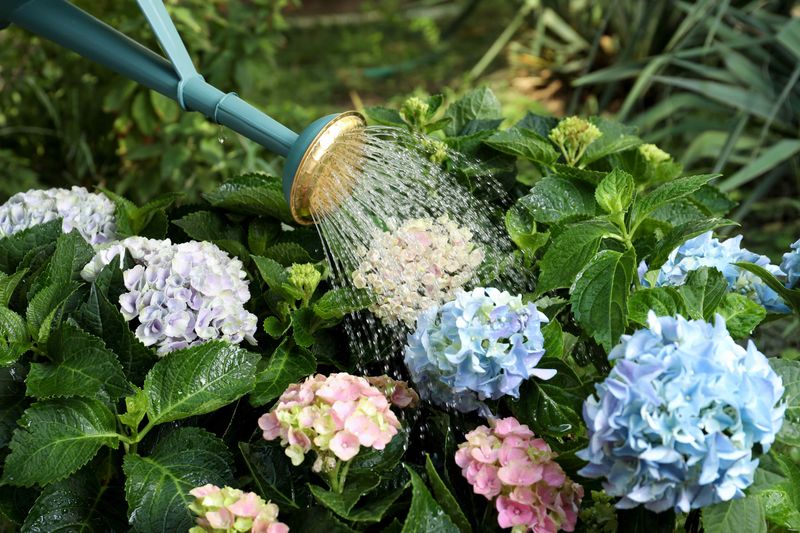
Consistent moisture is one of the most powerful tools you have as a Pennsylvania gardener in May. Hydrangeas are thirsty plants, and without enough water during dry stretches, their developing buds can struggle before summer even arrives.
Getting into a good watering routine now sets the stage for strong, healthy blooms later on.
When you water, aim low and go slow. Soaking the soil deeply around the base of the plant encourages roots to grow downward rather than staying shallow near the surface.
Shallow roots are more vulnerable to heat and drought, both of which Pennsylvania summers can deliver without much warning.
A good rule of thumb is to give your hydrangeas about one inch of water per week. If rain is scarce, grab the hose and water slowly at the base, keeping the leaves dry to reduce the chance of fungal issues.
Early morning is the best time to water so plants can absorb moisture before the afternoon sun heats things up.
Deep watering also helps plants build resilience. A well-hydrated hydrangea going into the warmer months will bounce back faster from heat stress and produce bigger, fuller flower heads.
Check the soil a few inches down before watering. If it feels dry and crumbly, it is time to give your plants a good, long drink.
Staying consistent with watering in May is one of the simplest things you can do to guarantee a showstopping display in your Pennsylvania garden all summer long.
2. Add Fresh Mulch Around The Base
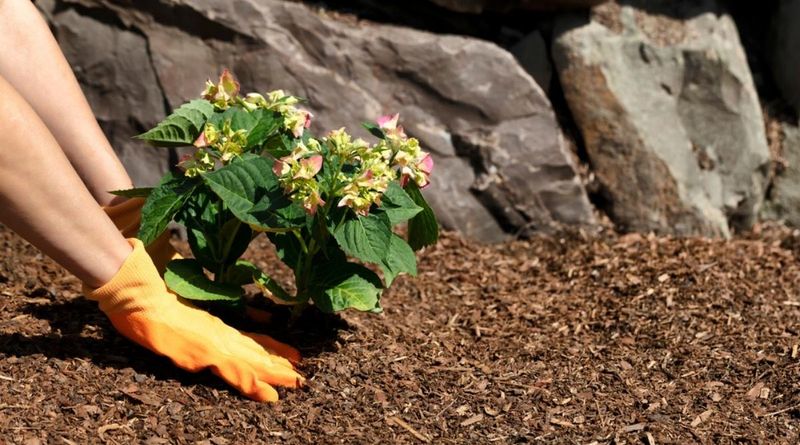
Spreading a fresh layer of mulch around your hydrangeas in May might seem like a small step, but it delivers some seriously big benefits.
Mulch acts like a protective blanket for the soil, keeping roots cool as temperatures begin to climb and helping the ground hold onto moisture between waterings.
For Pennsylvania gardeners, where spring weather can flip between warm and chilly days without much notice, mulch provides a stable environment that plants truly appreciate.
Aim for a layer about two to three inches thick around the base of each plant. Use organic options like shredded bark, wood chips, or straw.
Your Pennsylvania Garden Changes Every Week. Your Plan Should Too.
Gardening in Pennsylvania changes quickly throughout the season. Every Friday you’ll receive a simple weekly plan showing exactly what to plant, prune, fertilize, harvest, and protect so you never miss the right timing.
These materials break down slowly over time, adding nutrients back into the soil as they decompose. That is a bonus your hydrangeas will reward you for come bloom season.
One important tip: keep the mulch a few inches away from the main stem of the plant. Piling it directly against the base can trap moisture and create conditions where rot and pests can become a problem.
Think of it as giving the plant a cozy ring rather than a tight collar. Fresh mulch also helps suppress weeds that compete with your hydrangeas for nutrients and water. Less weeding means more time enjoying your garden.
In Pennsylvania, where summer can bring stretches of dry heat, well-mulched hydrangeas hold up much better than those left with bare soil around them.
Taking thirty minutes to mulch your beds in May is one of the smartest and easiest investments you can make for a gorgeous summer flower show.
3. Feed With A Balanced Fertilizer
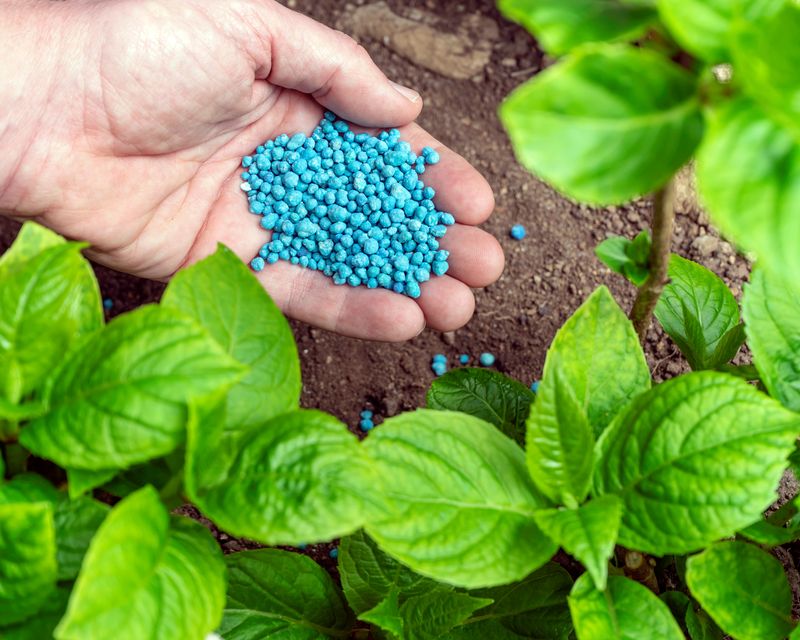
Feeding your hydrangeas in May gives them a gentle energy boost right when they need it most. After a long Pennsylvania winter, the soil may be low on key nutrients, and your plants are working hard to push out new leaves and develop buds.
A light application of a balanced fertilizer, something with equal parts nitrogen, phosphorus, and potassium, can support that growth without overwhelming the plant.
Look for a fertilizer labeled 10-10-10 or a slow-release granular formula designed for flowering shrubs. Slow-release options are especially practical because they feed plants gradually over several weeks rather than all at once.
That steady supply of nutrients encourages stronger stems, healthier foliage, and more flower buds forming throughout the season.
Apply fertilizer according to the package directions and water it in well after spreading. Avoid overdoing it, especially with nitrogen-heavy products.
Too much nitrogen pushes leafy green growth at the expense of flowers, which is the opposite of what you want. Moderation is key when feeding hydrangeas in spring.
Pennsylvania gardeners should time their feeding for early to mid-May, before the plants get too far into their growth cycle. Fertilizing too late in the season can actually interfere with the plant hardening off properly before colder weather returns in fall.
One well-timed feeding in spring, combined with another light application in early summer if needed, is usually all your hydrangeas require.
Give them the right nutrition now, and they will reward you with bigger, more vibrant blooms that last well into the warm Pennsylvania summer months ahead.
4. Remove Winter-Damaged Wood
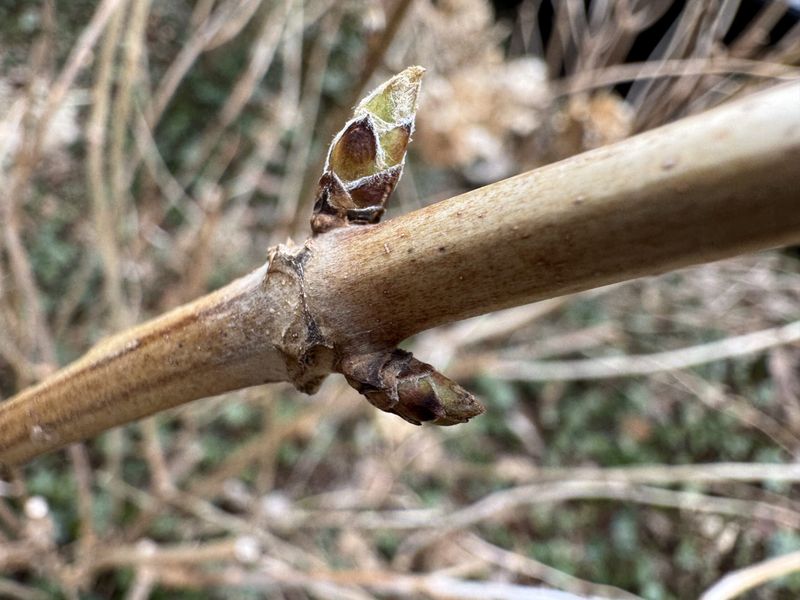
Walking out to your hydrangeas after a Pennsylvania winter and spotting brown, brittle stems is pretty common. The good news is that a little careful cleanup in May can make a real difference in how your plants look and perform.
Once you can clearly see new green growth emerging, that is your signal to start removing any wood that did not survive the cold months.
Use clean, sharp pruning shears to cut out stems that are brown all the way through with no signs of life. Scratch the bark lightly with your fingernail.
If you see green underneath, leave it alone. If it is dry and tan inside, go ahead and remove it at the base.
This simple test takes the guesswork out of the process and helps you avoid accidentally removing healthy growth.
Removing damaged wood is not just about looks. It helps redirect the plant’s energy toward the stems that are actively growing and budding.
Fewer struggling stems means more resources available for the healthy ones, which translates directly into bigger, fuller blooms by summer.
Work slowly and step back often to check your progress. You want to open up the plant a bit for better air circulation without going overboard.
Good airflow helps reduce the risk of fungal diseases, which can be a concern during Pennsylvania’s humid summer months. Keep your cuts clean and angled slightly so water does not pool on the cut surface.
A little careful grooming now sets your hydrangeas up for a much more impressive display when the warm weather fully settles in across Pennsylvania.
5. Protect Developing Buds From Late Cold Snaps
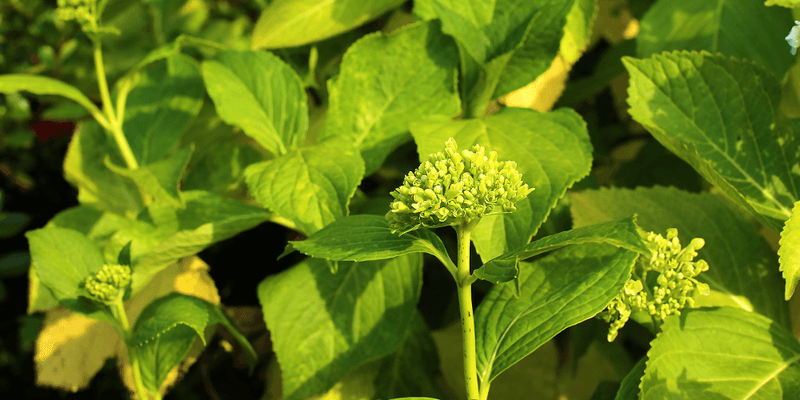
Anyone who has gardened in Pennsylvania for a season or two knows the weather has a mind of its own in May. One afternoon it feels like summer, and by morning the temperature has dipped close to freezing.
Those surprise cold snaps are one of the biggest threats to your hydrangeas right now, especially since tender new buds are just beginning to form and are extremely vulnerable to frost damage.
Keeping an eye on the forecast is one of the easiest things you can do during this time of year. When overnight temps are predicted to drop below 32 degrees Fahrenheit, cover your hydrangeas with a lightweight frost cloth, an old bed sheet, or even burlap.
Drape it loosely over the plant and secure the edges so it does not blow off in the wind. Remove the covering the next morning once temperatures rise again so the plant can breathe and get sunlight.
Container hydrangeas have an advantage here because you can simply move them into a garage or covered porch when a cold night is expected. For in-ground plants, the covering method works well and takes only a few minutes to set up.
A single hard frost hitting unprotected buds can set your bloom season back significantly. All those flower heads you have been looking forward to since last summer can be gone in one cold night.
Pennsylvania gardeners who stay alert in May and take quick action when needed are the ones who enjoy the fullest, most spectacular hydrangea displays come July and August. A little preparation goes a very long way.
6. Avoid Heavy Pruning Right Now
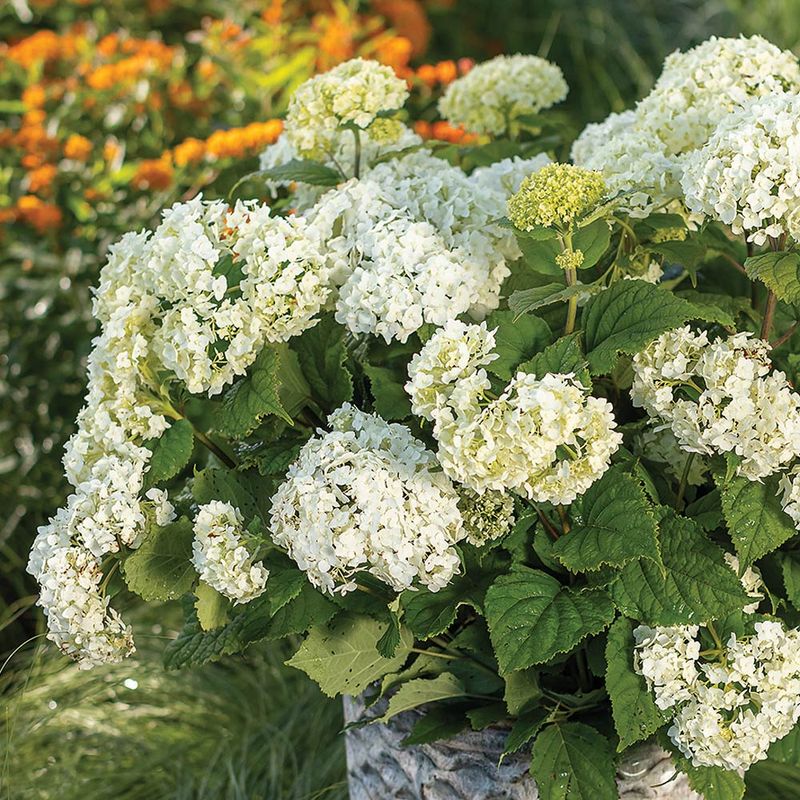
Grabbing the pruning shears and going to town on your hydrangeas might feel satisfying, but in May it can actually work against you. Many popular hydrangea varieties, including the classic bigleaf types that are common in Pennsylvania gardens, bloom on old wood.
That means the flower buds for this summer were actually set on last year’s stems. Cut those stems away now, and you are removing your blooms before they ever get a chance to open.
Restraint is the word of the month when it comes to pruning in May. The only cutting you should be doing right now is removing clearly damaged or non-viable stems, as covered in the winter damage section.
Beyond that, put the pruning shears away and let your plants do their thing. Trust the process, because healthy old wood is carrying the blooms you have been waiting for all year.
If you have smooth hydrangeas or panicle types in your Pennsylvania yard, those varieties do bloom on new wood and can handle more pruning.
But even then, major cutbacks are better done in late winter or very early spring before growth begins, not in May when the plant is actively pushing energy into new development.
A common mistake among newer gardeners is over-pruning out of habit or a desire to tidy things up. Resist that urge.
Take a photo of your plants now and compare it to how they look in full bloom later this summer.
Once you see what leaving the old wood intact can produce, you will never reach for those shears at the wrong time again. Your Pennsylvania hydrangeas will thank you with an incredible show.