Signs Your Florida Lawn Has Chinch Bugs, Not Drought (What To Do About Each One)
Your lawn is turning brown and the sprinklers have been running on schedule, so what gives? Half of Florida homeowners blame the heat, cut back on water, and accidentally hand chinch bugs the easiest victory of their lives.
These tiny troublemakers are masters of disguise and they have been fooling people for years because the damage looks almost identical to drought stress at first glance.
Dry patch or bug problem, wrong call and you are throwing time, money, and water straight into the ground with nothing to show for it.
Chinch bugs spread fast, and every day you spend second-guessing yourself is another few square feet of lawn gone. The frustrating part is that the fix for one makes the other dramatically worse.
Water a chinch bug problem and you have got a whole new headache on your hands.
Knowing exactly what you are dealing with before you do anything is the only move that makes sense here.
1. Check The Patch Pattern Before You Blame The Weather
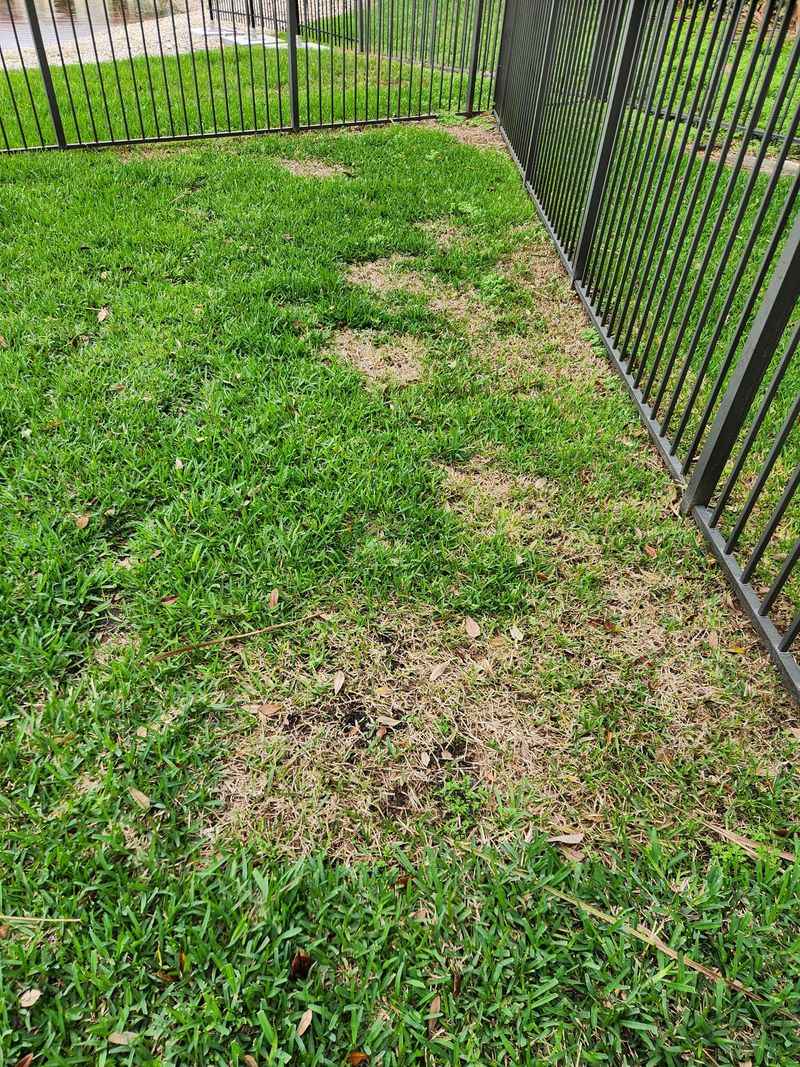
Walk your Florida lawn slowly on a bright morning and pay close attention to where the brown patches actually sit. Drought stress tends to follow predictable patterns.
You will often see dry-looking turf near slopes, sandy pockets, sidewalk edges, sunny corners, or areas where sprinkler heads may not reach well.
Chinch bug damage, by contrast, often appears as irregular, spreading yellow or brown patches that do not follow the sprinkler layout or shade lines neatly.
St. Augustinegrass is widely used in Florida lawns, and UF/IFAS identifies the southern chinch bug as its most damaging insect pest. That does not mean every brown patch is a chinch bug problem.
Compacted soil, tree root competition, poor drainage, and even mowing height can all create dry-looking spots that mimic pest damage.
Look at the shape and location of each patch carefully. Compare the damaged areas against your sprinkler zones.
If the dry spots line up with known irrigation gaps, drought stress becomes a stronger suspect. If patches seem to grow outward from a center point and do not match your watering schedule or shaded areas, a pest inspection is the smarter next move.
Local UF/IFAS Extension offices can help homeowners interpret confusing patch patterns when the clues do not point clearly in one direction.
2. Look For Trouble Where Brown Grass Meets Green Grass
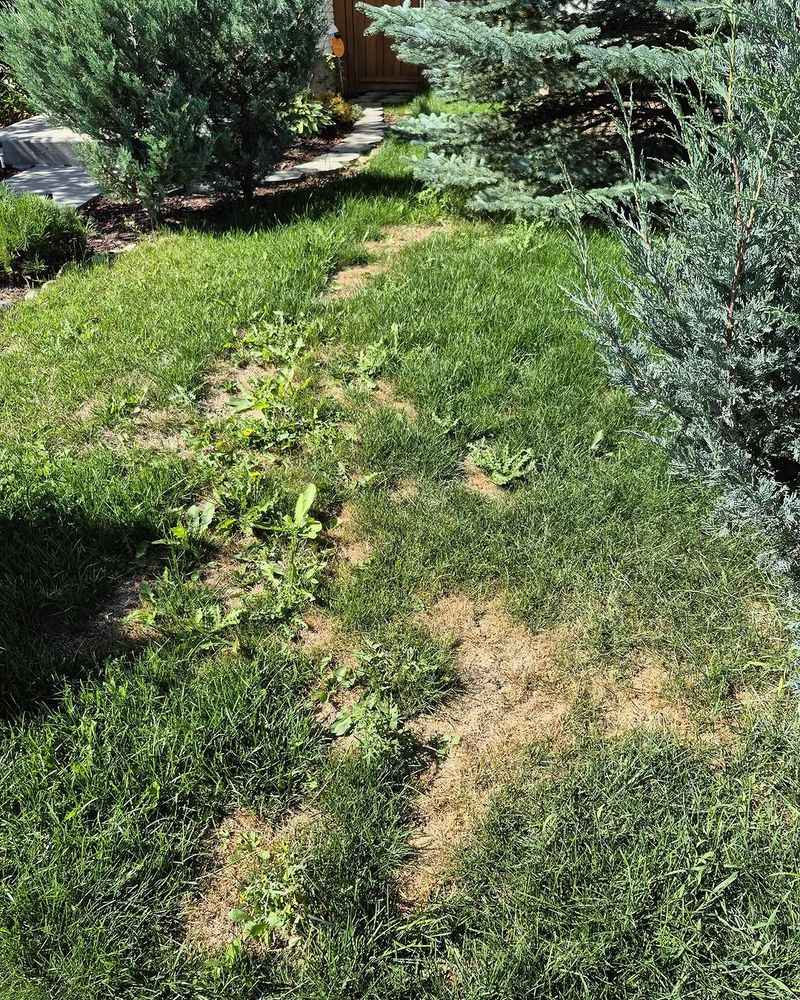
The border between healthy green turf and damaged brown turf is where the real clues hide. UF/IFAS guidance points homeowners toward the edge of the damaged area when checking for active chinch bug activity.
The center of a fully brown patch is usually the last place to find live insects because the feeding has already moved on.
Crouch down at the edge of the damaged area and part the grass blades near the soil surface. Look into the thatch layer carefully.
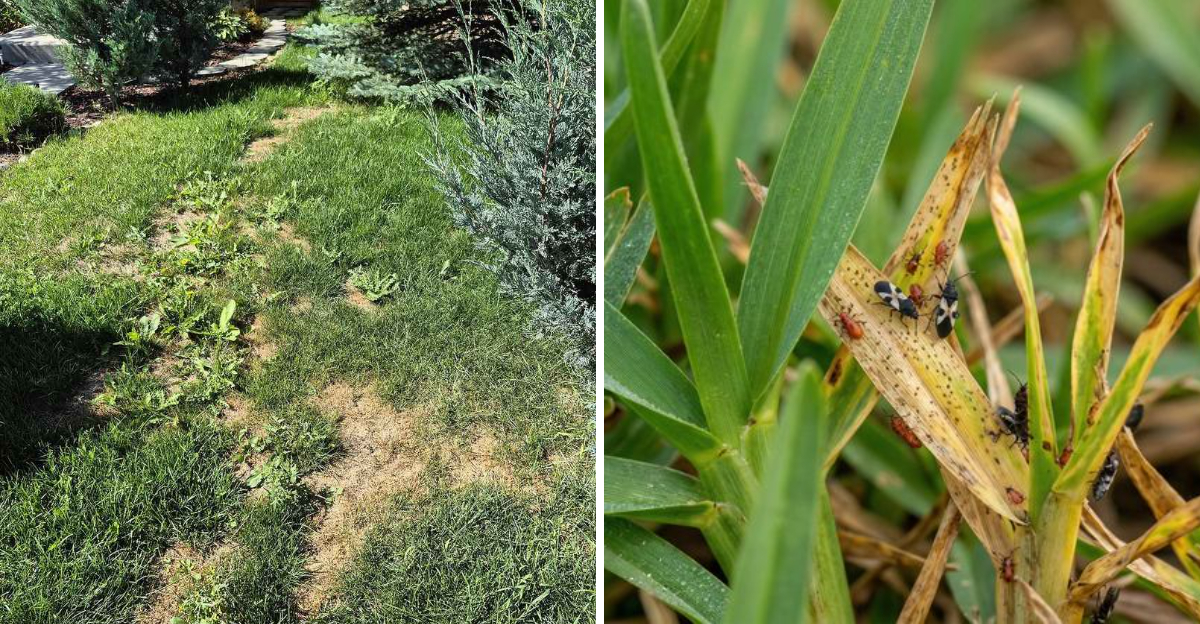
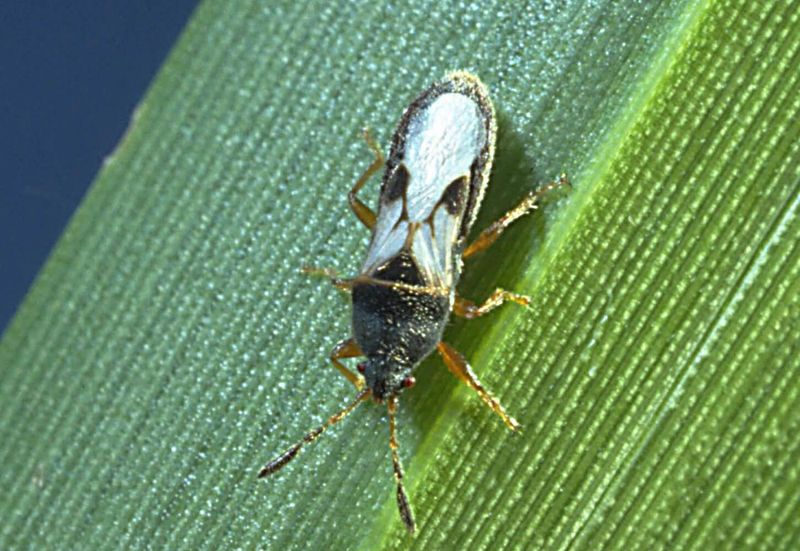
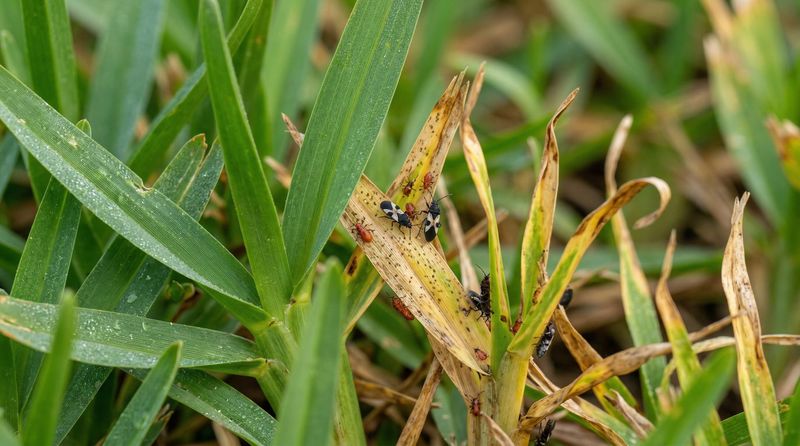
Adult chinch bugs are small, roughly one-fifth of an inch long, and have black bodies with white wings folded flat across their backs. Younger nymphs, called instars, may appear reddish or orange and are even smaller and faster-moving.
Your Florida Garden Changes Every Week. Your Plan Should Too.
Gardening in Florida changes quickly throughout the season. Every Friday you’ll receive a simple weekly plan showing exactly what to plant, prune, fertilize, harvest, and protect so you never miss the right timing.
Both stages tend to cluster near the base of grass stems and in the thatch.
Spotting a few insects does not automatically confirm a damaging infestation. Florida lawns host many small insects, and some are harmless or even helpful.
The goal at this stage is to note whether you are seeing what appears to be chinch bugs and in what numbers.
A confirmed identification matters before any treatment decisions are made, and your local Extension office can help you decide whether the level of activity justifies control.
If you are unsure what you are looking at, your local UF/IFAS Extension office can help with identification and next steps.
3. Test For Chinch Bugs Before You Treat The Lawn
Grabbing a bag of insecticide at the first sign of brown grass is one of the most common and costly lawn care mistakes Florida homeowners make. Before any product goes down, confirm what is actually causing the damage.
A simple field test can save you money, protect the environment, and get your lawn on the right recovery path faster.
One method supported by UF/IFAS is the flotation test. Press a metal can with both ends removed firmly into the soil at the edge of the damaged area, deep enough to seal the bottom edge into the turf.
Fill it with water and keep it topped off for several minutes. If chinch bugs are present in the thatch, they will float to the surface.
Check the water surface carefully for tiny black-and-white adults or reddish nymphs. Test at least two or three spots along the border of the damaged zone, not just one location.
A negative result does not always mean the lawn is pest-free, so also part the grass by hand and look closely at the thatch and soil surface.
Other problems, including drought stress, gray leaf spot, take-all root rot, nematodes, poor irrigation coverage, and some seasonal turf diseases, can create similar-looking symptoms.
Treating for chinch bugs when drought or disease is the real issue wastes resources and may stress the turf further. Confirm before you commit to any treatment plan.
4. Treat Confirmed Chinch Bugs With Targeted Control
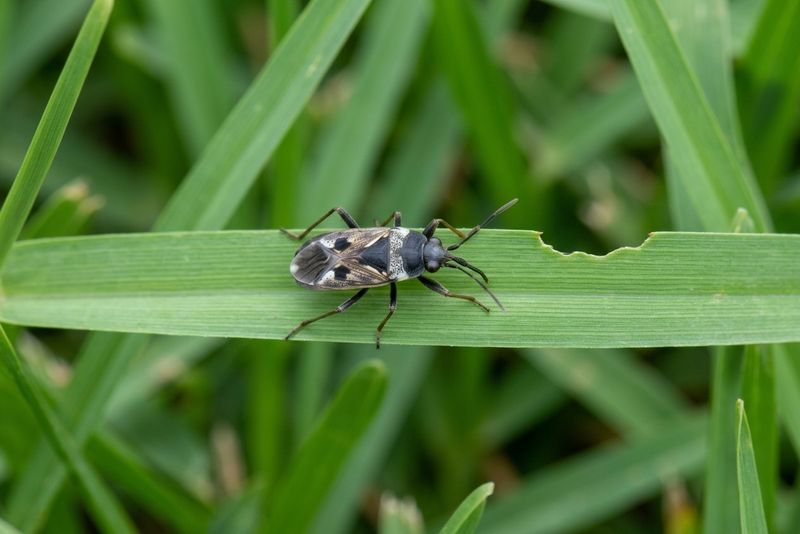
Once chinch bugs are confirmed, targeted treatment is the responsible next step. UF/IFAS recommends focusing applications on the active infestation zone, specifically the border between damaged and healthy turf, rather than treating the entire yard as a precaution.
Spraying areas where no activity exists wastes product and increases the risk of runoff into storm drains and waterways.
Choose an insecticide product that is labeled specifically for chinch bugs and for use on your turf type. Read the entire label before mixing or applying anything.
Applying any pesticide off-label is risky and can violate pesticide law.
Resistance is a growing concern with chinch bugs in Florida. Rotating between insecticide classes, as guided by your local UF/IFAS Extension office, can help reduce the chance of a resistant population developing over time.
Beyond chemical control, cultural steps matter just as much. Mow St. Augustinegrass at the correct height for the cultivar, often around three and a half to four inches for common Florida recommendations.
Avoid overfertilizing with nitrogen, which can contribute to thatch buildup and turf stress when paired with poor irrigation or mowing habits.
Managing thatch, improving irrigation coverage, and reducing heat stress all help the turf recover and become less hospitable to future infestations.
5. Fix Dry Spots Before Calling It A Pest Problem
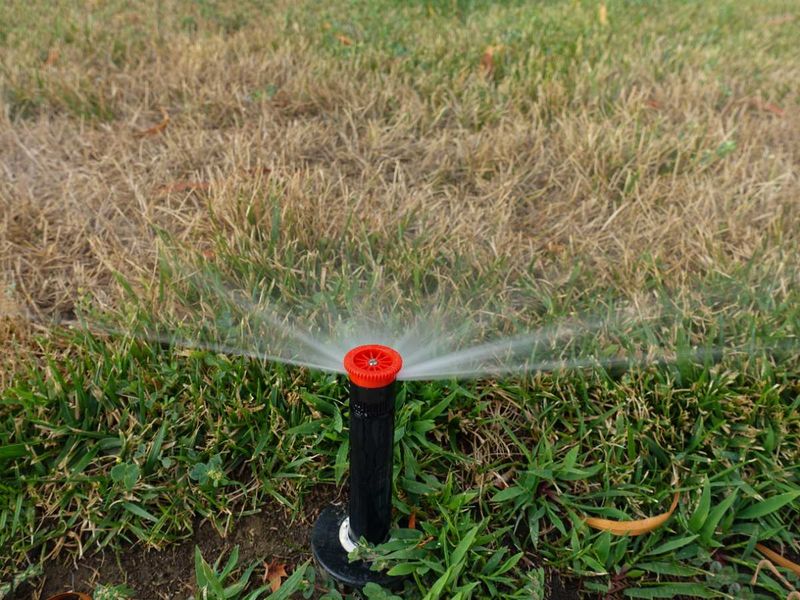
Not every dry-looking patch in a Florida lawn points to insects. Irrigation problems are surprisingly common and often go unnoticed for weeks.
Clogged or misaligned sprinkler heads, broken zone valves, compacted soil, steep slopes, sandy pockets, and competition from tree roots can all create dry spots that look alarming but have nothing to do with pests.
A simple screwdriver test can reveal a lot. Push a long screwdriver or thin soil probe into the ground in the dry area.
If it slides in easily to six or more inches, the soil has some moisture. If it stops after an inch or two and the soil feels hard and dry, irrigation is not reaching that spot effectively.
Compare several locations across your lawn, including areas that look healthy, to understand the full picture of your irrigation coverage.
Check each sprinkler head in the affected zone during a manual run cycle. Watch for heads that are clogged, tilted, blocked by overgrown grass, or spraying in the wrong direction.
Florida water management districts and local municipalities have specific watering restrictions that vary by county and season, so any irrigation adjustments must stay within those rules. A lawn can have both drought stress and active chinch bug pressure at the same time, so fixing dry spots does not replace a pest inspection if patches keep spreading after irrigation is corrected.
6. Water Drought-Stressed Turf The Right Way
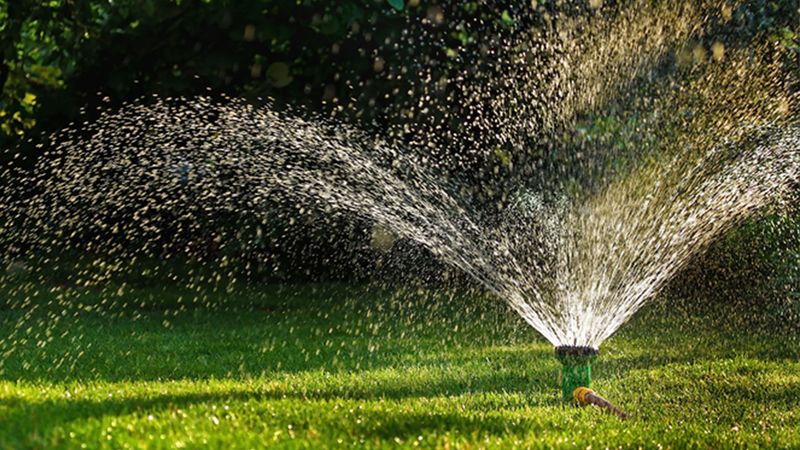
Shallow, frequent watering is one of the most widespread lawn care habits in Florida, and it often makes drought stress worse instead of better. Grass roots follow the water.
When homeowners water lightly every day, roots stay near the surface and become more vulnerable to heat and dry spells. UF/IFAS recommends deep, less frequent watering that encourages roots to grow deeper into the soil profile.
For most Florida lawns, watering when the turf shows early signs of stress, such as folded or wilted blades, a blue-gray tint, or footprints that stay visible, is a smarter approach than watering on a fixed daily schedule.
Apply about one-half to three-quarters of an inch of water when turf shows drought stress, then wait until stress symptoms return before watering again.
Water in the early morning when allowed by local rules, since that reduces evaporation compared with midday watering and gives turf time to dry.
Recovery from drought stress depends on several factors including turf type, how long the stress lasted, the season, and whether the grass crowns and roots are still viable.
St. Augustinegrass in South Florida may respond differently than the same grass in North Florida due to temperature and rainfall differences.
Follow local watering restrictions from your water management district at all times, and contact your county Extension office if stressed turf does not respond after several consistent watering cycles.
7. Reduce Thatch So Chinch Bugs Have Fewer Hiding Places
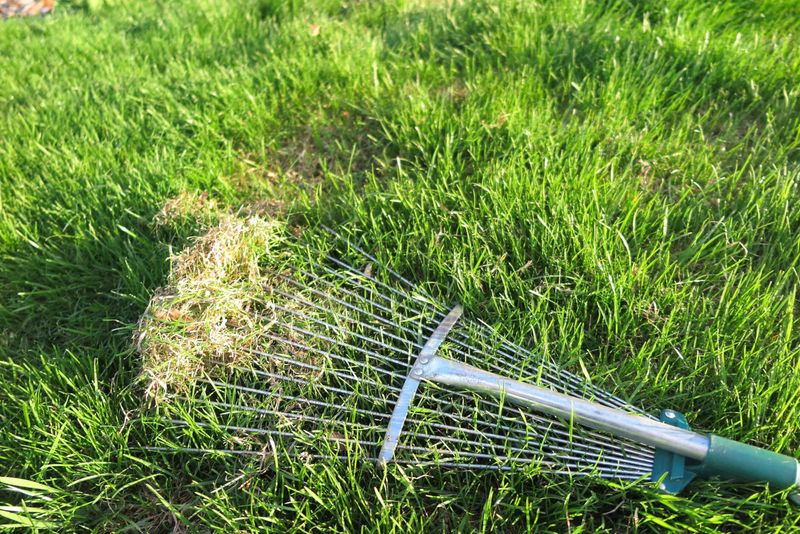
Thatch is the spongy layer of living and withered stems, roots, stolons, and organic matter that builds up between the soil surface and the green blades above.
A thin layer of thatch is normal and even helpful, but when it gets too thick, typically more than half an inch, it creates real problems.
Dense thatch can make chinch bug problems harder to manage because it gives insects more protected places near the grass stems.
Overfertilizing with nitrogen is one of the fastest ways to build up excessive thatch in a Florida lawn. Heavy nitrogen applications push rapid, lush growth that the lawn cannot break down fast enough.
Watering too frequently and mowing too short also contribute to thatch buildup over time. Keeping a consistent mowing schedule at the correct height for your turf type, following UF/IFAS turfgrass guidelines, helps maintain a healthier balance.
If thatch is clearly excessive, vertical mowing or dethatching may help, but timing matters. UF/IFAS advises against aggressive dethatching during peak summer heat or when turf is already stressed.
The safest approach is to address thatch gradually through proper cultural practices rather than one aggressive mechanical session. Reducing thatch also makes irrigation more effective because water can reach the soil surface more evenly.
A healthier, well-managed lawn is simply harder for chinch bugs to damage and faster to recover from drought stress when it occurs.
8. Call Extension Or A Lawn Pro When The Clues Do Not Add Up
Some lawn problems refuse to follow the script. Patches keep spreading even after irrigation is fixed.
No chinch bugs turn up during testing. Treatments do not seem to slow the damage.
When that happens, the honest answer is that something else may be going on, and guessing at solutions can make things worse.
Florida lawns can develop gray leaf spot, take-all root rot, and other turf problems that mimic both chinch bug damage and drought stress, while some diseases are more seasonal and need local diagnosis.
Nematodes, which are microscopic roundworms in the soil, are a serious and underdiagnosed problem in Florida’s sandy soils and can cause thinning, browning, and weak root systems that look just like other problems on the surface.
Herbicide drift or misapplication, soil compaction, and poor drainage can also create confusing symptoms.
Reaching out to your local UF/IFAS Extension office is one of the best steps a Florida homeowner can take when a lawn problem does not respond to standard care.
Many county offices offer diagnostic assistance, and some can connect you with turfgrass specialists.
A licensed lawn care professional with experience in Florida turf can also assess the situation in person. Accurate diagnosis prevents wasted water, unnecessary pesticide applications, and additional turf stress.
Your lawn deserves a real answer, not another round of trial and error on a hot Florida afternoon.