These Are The 10 Best Spring Flowers For A Sunny Ohio Garden
Most Ohio gardeners head into spring with big dreams and come out the other side with a yard full of disappointment. Wrong plants, wrong placement, scorched blooms by June.
Sound familiar? A sunny Ohio garden is a specific beast.
It demands plants that can handle the late frost sucker-punch in April, the humidity that rolls in by May, and the kind of relentless sunshine that turns the wrong flower into a crispy mess before summer even starts. But get the plant selection right?
Your garden becomes the one neighbors slow their cars down to look at. Ohio’s sunniest spots are actually a goldmine for some of the most spectacular spring bloomers on the planet.
The trick is knowing which ones truly thrive under that open sky rather than just survive it.
From ground-hugging spreaders to bold upright showstoppers, Ohio’s best spring flowers for full sun are about to completely change how you garden.
1. Let Golden Alexanders Wake Sunny Beds With Early Yellow
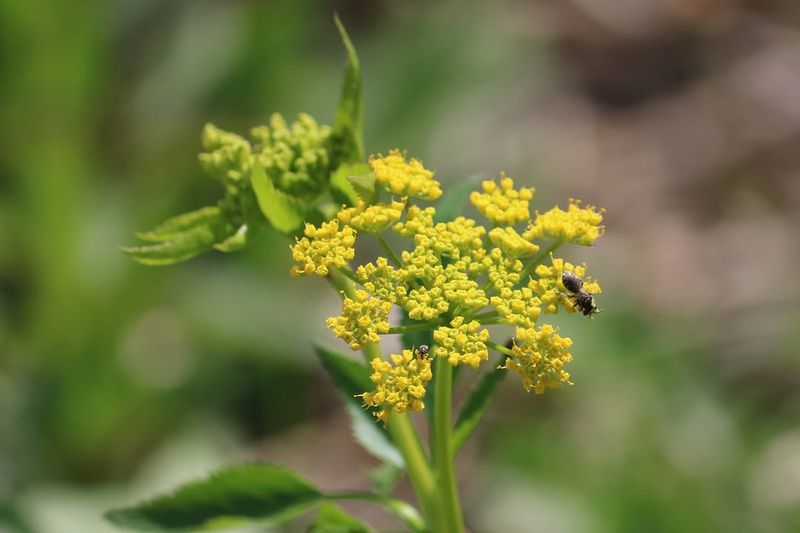
Before most spring flowers even think about opening, Golden Alexanders is already lighting up the garden with clusters of tiny, vivid yellow blooms.
Zizia aurea is a true Ohio native, and according to the Lady Bird Johnson Wildflower Center, it blooms from April through June, making it one of the earliest reliable color sources in a sunny native planting.
Golden Alexanders grows well in full sun to part shade and handles medium to moist soil with ease. Once established in an Ohio garden, it can manage average moisture conditions, though young plants appreciate consistent watering during dry spring spells.
It fits naturally in native borders, meadow-style beds, rain garden edges, and mixed sunny plantings.
One of its strongest qualities is its value for early pollinators. Ohio State University Extension notes that it supports specialist bees and serves as a host plant for black swallowtail butterfly larvae.
It may self-seed modestly in favorable spots, but it is not considered invasive.
In wetter parts of Ohio, like the northeastern corner, it tends to thrive with little extra effort. In drier central or western Ohio sites, give it a bit more water during establishment, and it will reward you with reliable early color every spring.
2. Plant Wild Columbine Where Morning Sun Meets Afternoon Relief
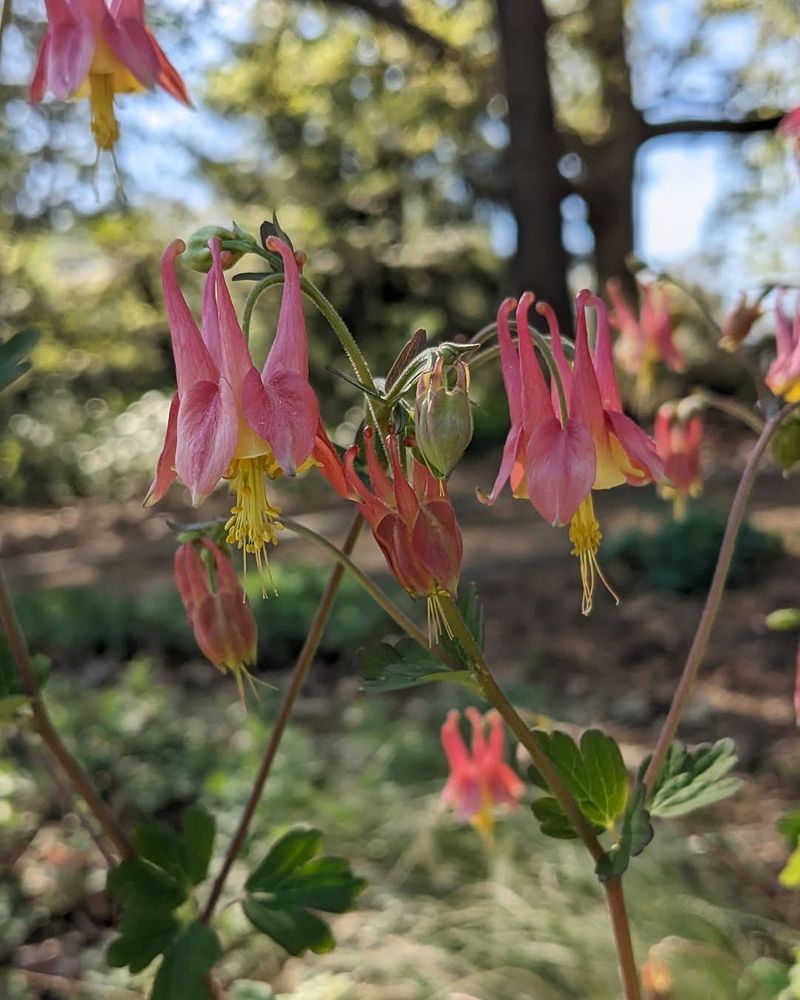
Few spring flowers stop people in their tracks the way Wild Columbine does. The red and yellow nodding blooms of Aquilegia canadensis hang like tiny lanterns, and hummingbirds find them irresistible.
According to the Lady Bird Johnson Wildflower Center, Wild Columbine blooms from March through June, making it one of the more generous spring performers in Ohio gardens.
It grows in full sun, part sun, or light shade, but in the hotter southern and central parts of Ohio, a spot with morning sun and some afternoon relief tends to keep the foliage looking fresher through the season.
It prefers well-drained soil and does not like sitting in heavy wet clay for extended periods.
Wild Columbine works well along woodland edges, in rocky outcroppings, sunny openings, and informal native beds. It self-seeds lightly, which means a small planting can gradually fill in a natural-looking space over a few seasons without becoming a problem.
Your Ohio Garden Changes Every Week. Your Plan Should Too.
Gardening in Ohio changes quickly throughout the season. Every Friday you’ll receive a simple weekly plan showing exactly what to plant, prune, fertilize, harvest, and protect so you never miss the right timing.
Ohio State University Extension and the USDA Plants Database both confirm it as native to Ohio.
Cut back the foliage after bloom if it starts to look ragged. New basal growth often appears, and the plant returns reliably each spring with very little fuss from the gardener.
3. Let Blue Wild Indigo Anchor The Border As Spring Turns Warm
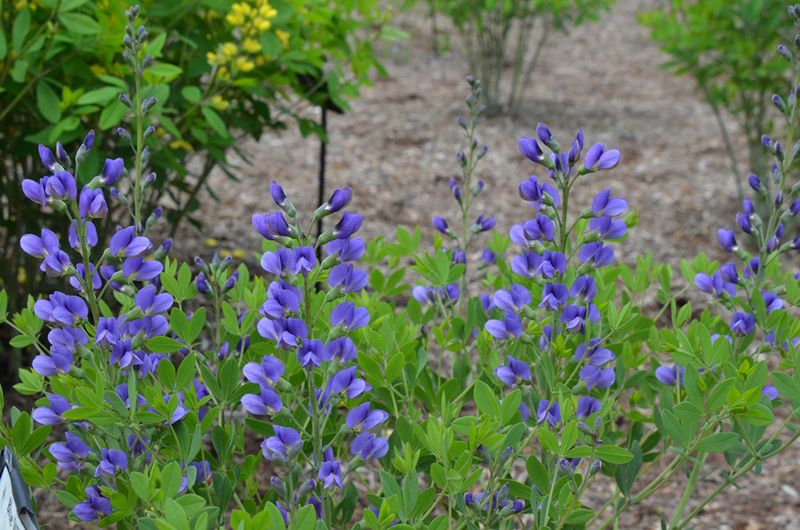
Some plants earn their place in the garden not just through flowers but through sheer presence.
Blue Wild Indigo, Baptisia australis, sends up bold upright spikes of blue to purple flowers in late spring to early summer, and the whole plant has a shrub-like structure that gives a sunny Ohio border real backbone.
The USDA Plants Database confirms it as native to Ohio and much of the eastern United States.
It thrives in full sun and develops an impressively deep root system over time. That root depth is what makes it so drought tolerant once established, and it is also why mature plants strongly dislike being moved.
Choose its permanent spot carefully before planting, and give it room to spread because a mature clump can reach three to four feet wide.
Blue Wild Indigo performs best in well-drained soil. In heavy Ohio clay, amending the planting area with compost or choosing a slightly raised bed can help prevent waterlogging.
It is not invasive, and while it may self-seed occasionally, it does not spread aggressively.
Early spring growth emerges late compared to many perennials, so mark its location to avoid accidentally disturbing the crown. The wait is worth it once those indigo spikes open in May and June.
4. Plant Ohio Spiderwort For Blue Blooms In May Sun
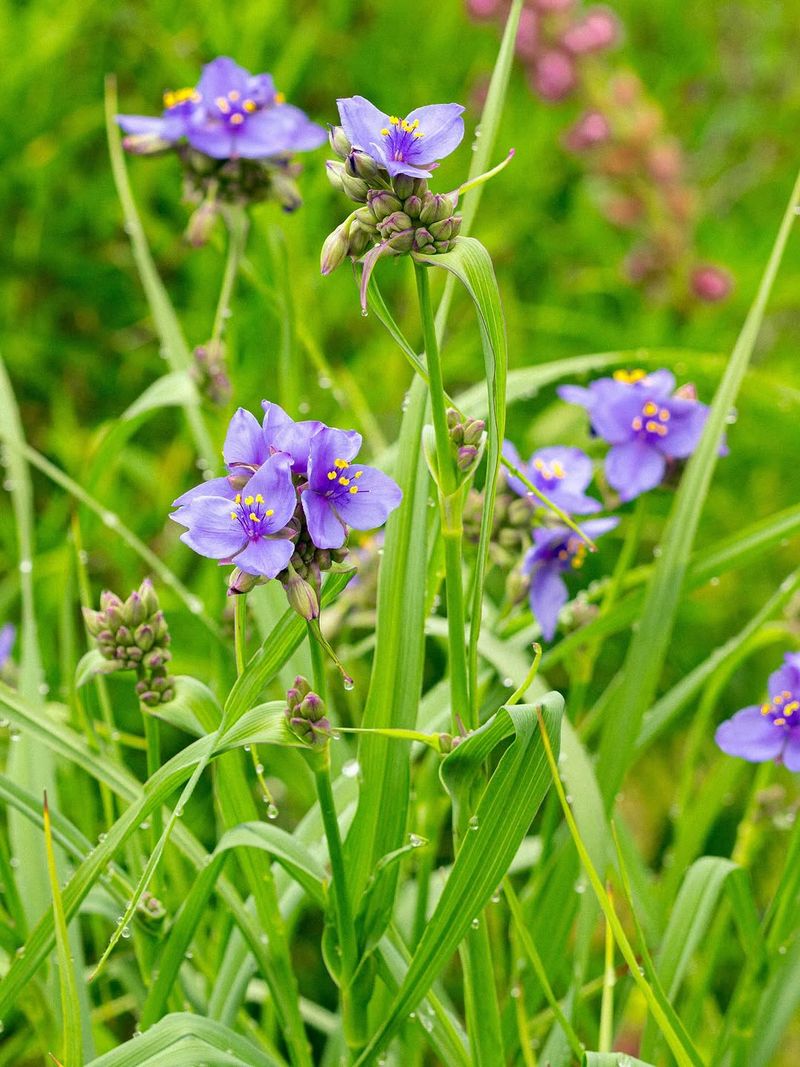
Named right in its botanical title, Tradescantia ohiensis is as Ohio as it gets. Ohio Spiderwort blooms from May into early summer with vivid blue to violet three-petaled flowers that open fresh each morning and close by afternoon.
That daily rhythm gives the garden a lively, ever-changing feel during late spring weeks when other plants are still ramping up.
It handles full sun to part shade and is well-suited to meadow-style gardens, pollinator beds, sunny borders, and informal native plantings. The Lady Bird Johnson Wildflower Center lists it as a strong pollinator supporter, particularly for native bees.
It prefers average to slightly dry soil once established and can handle the variable moisture conditions common in Ohio springs.
Honesty matters here: Ohio Spiderwort can self-seed and form expanding clumps in spots it likes.
That is not necessarily a problem in a relaxed native planting, but in a tidier garden design, cutting the stems back after the main bloom period helps limit self-seeding and often encourages a fresh flush of new foliage.
It is not listed as invasive by the Ohio Invasive Plants Council or the Ohio Department of Natural Resources. With a little seasonal management, it stays a productive and visually satisfying part of any sunny Ohio spring garden.
5. Use Downy Phlox To Paint Sunny Edges In Soft Pink
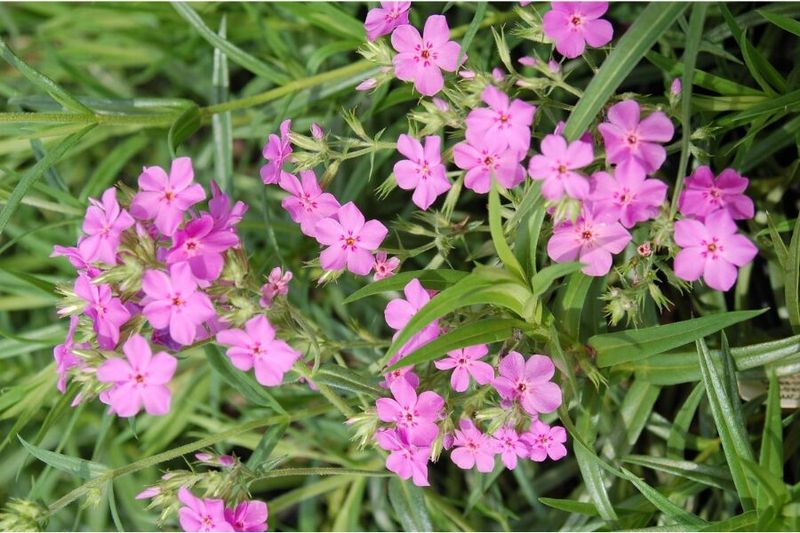
There is something quietly satisfying about a plant that delivers soft color without demanding constant attention. Downy Phlox, Phlox pilosa, does exactly that.
It blooms in late spring to early summer with soft pink to lavender flowers that cover the plant in a way that makes a sunny Ohio garden edge look intentionally designed rather than accidental.
It prefers full sun to part sun and well-drained soil, making it a natural fit for dry-ish edges, native borders, and pollinator plantings.
Ohio State University Extension and the Lady Bird Johnson Wildflower Center both recognize it as a native species with strong pollinator value, particularly for early butterflies and native bees attracted to its fragrant blooms.
Downy Phlox does not behave like an aggressive spreader. It may slowly form small colonies in conditions it finds favorable, but it stays manageable with minimal effort.
Good air movement around the plant helps prevent any moisture-related issues, especially in heavier Ohio soils where drainage is slower.
In northwestern or northeastern Ohio where clay content is higher, planting on a slight slope or in a raised bed edge helps the roots stay healthy through wet spring periods.
Once settled in, it comes back reliably and fills its spot with color that feels genuinely native to the Ohio landscape.
6. Tuck Wild Strawberry Along Sunny Paths For Low White Bloom
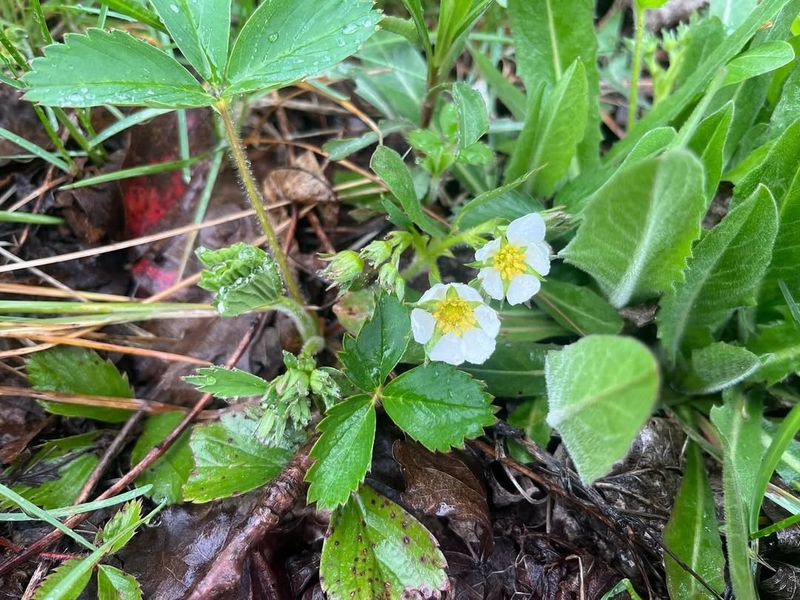
Low, cheerful, and genuinely useful, Wild Strawberry earns its spot at the front of a sunny Ohio garden without making a fuss. Fragaria virginiana blooms in spring with small white five-petaled flowers held just above a mat of toothed green leaves.
It is a true Ohio native, confirmed by the USDA Plants Database, and it works well along path edges, in open bed fronts, and in naturalized areas where a spreading low groundcover is welcome.
It spreads by runners, which is worth knowing before you plant it. In a tidy formal garden, those runners will need occasional edging to keep things neat.
In a relaxed native planting or along a gravel path edge, the spreading habit is an asset rather than a concern. It is not listed as invasive by the Ohio Invasive Plants Council.
Wild Strawberry prefers sun to part sun and average to well-drained soil. It tolerates some drought once established and handles the range of Ohio spring moisture fairly well.
Beyond its spring flowers, the small red fruits that follow attract birds and small wildlife, adding another layer of ecological value to the planting.
Native bees and early pollinators visit the flowers regularly. For a low-maintenance, wildlife-friendly front-of-border solution in a sunny Ohio garden, few spring options are as practical or as grounded in the local landscape.
7. Let Blue Eyed Grass Sparkle At The Front Of The Border
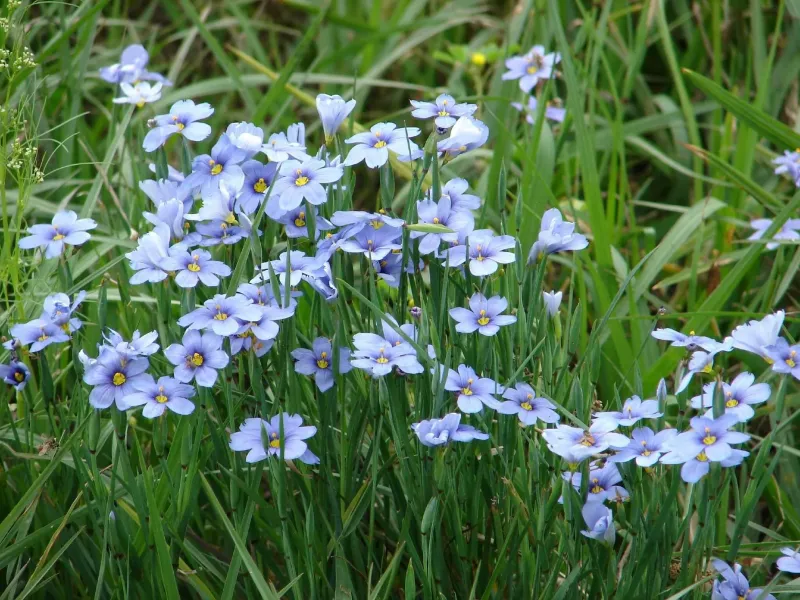
Despite what the name suggests, Blue Eyed Grass is not a grass at all. Sisyrinchium angustifolium is actually a member of the iris family, and when its small blue to violet flowers open in spring sunshine, the whole clump seems to shimmer.
It is one of those front-of-border plants that surprises visitors who expect something taller and gets admired up close instead.
It grows well in full sun to part sun and fits naturally at the front of native borders, along path edges, in rain garden margins, and in small sunny gaps where a low, refined plant is needed.
The Lady Bird Johnson Wildflower Center lists it as native across much of the eastern United States, including Ohio.
It prefers moist to average well-drained soil and may look stressed in very dry sites during hot Ohio springs.
Blue Eyed Grass stays low and tidy, typically reaching six to twelve inches in height. It may self-seed lightly in suitable spots, which can help it fill in gradually without any work from the gardener.
It is not listed as invasive, and its modest spread is generally considered an asset in native plantings.
In Ohio rain garden edges or bioswale borders where spring moisture lingers a bit longer, it tends to thrive especially well. Plant it in small groupings of three or five for the most visual impact in spring.
8. Plant Smooth Penstemon For Clean Late Spring Spikes
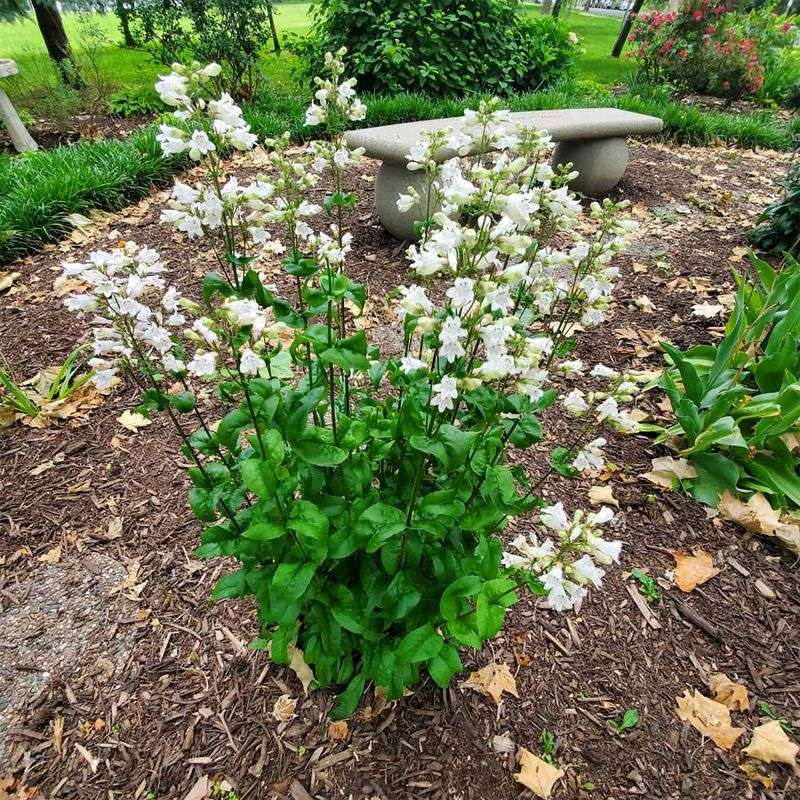
Clean, upright, and genuinely useful in a sunny Ohio border, Smooth Penstemon brings late spring structure that many gardens lack.
Penstemon digitalis, also called Foxglove Beardtongue, produces white to pale pink tubular flower spikes that rise above the foliage in May and June.
One important note: this plant is not common foxglove, Digitalis purpurea. The nickname refers only to the shape of the flowers, while Penstemon digitalis belongs to a completely different genus and is an Ohio native species confirmed by the USDA Plants Database.
Smooth Penstemon grows well in full sun to part sun and handles a range of soil types, from average garden soil to slightly dry or rocky conditions. It supports bumblebees and other native pollinators that are strong enough to push into the tubular flowers.
Ohio State University Extension recognizes Penstemon digitalis as a reliable native perennial for Ohio landscapes.
It may self-seed lightly in spots it finds favorable, but it is not aggressive and stays manageable in most garden settings. Rain garden edges, native borders, and sunny mixed perennial beds all suit it well.
Do not substitute common foxglove, Digitalis purpurea, for this plant. That species is non-native and behaves very differently in Ohio garden conditions.
Smooth Penstemon is the right choice here, and it delivers reliable late spring color season after season.
9. Add Sundrops For Bright Yellow Color As Spring Warms
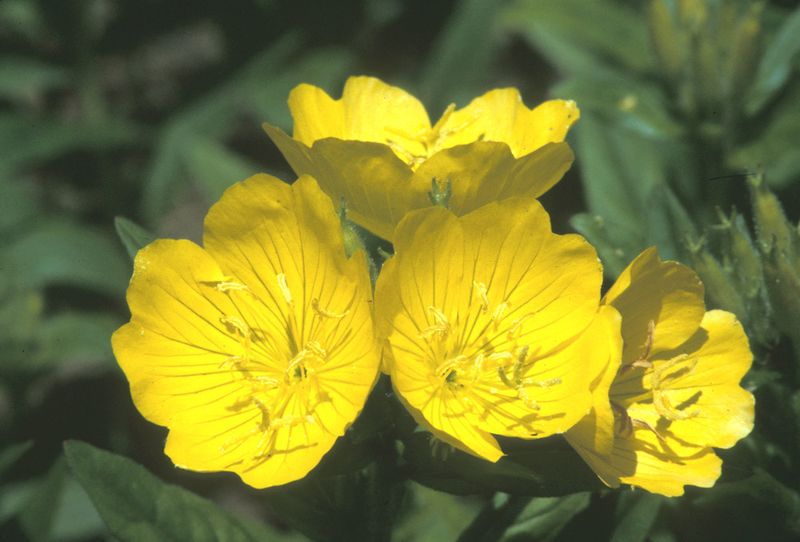
When late spring arrives and the garden needs a jolt of warm color, Sundrops delivers. Oenothera fruticosa opens its bright yellow cup-shaped flowers from late spring into early summer, and in full sun, the blooms practically glow.
It is a native or regionally native species recognized by the Lady Bird Johnson Wildflower Center and the USDA Plants Database as appropriate for Ohio garden use.
It prefers full sun and well-drained soil, and once established, it handles average to dry Ohio summer conditions without much extra watering.
That drought tolerance makes it especially practical in central and western Ohio where summer moisture can be unpredictable after the spring rains slow down.
Gardeners should know that Sundrops can spread by rhizomes or self-seed in conditions it finds favorable.
Placing it where a small, expanding colony is welcome, such as a meadow-style planting, a cottage garden, or a pollinator bed, makes the most of its spreading habit rather than fighting it.
In a more structured border, thinning the edges in early spring keeps it in bounds.
It is not listed as invasive by the Ohio Invasive Plants Council. Native bees and other pollinators visit the flowers regularly during the late spring bloom period.
For a reliable, sun-loving, yellow-flowering native perennial in Ohio, Sundrops is a genuinely practical and visually rewarding choice.
10. Use Field Pussytoes To Soften Dry Sunny Edges
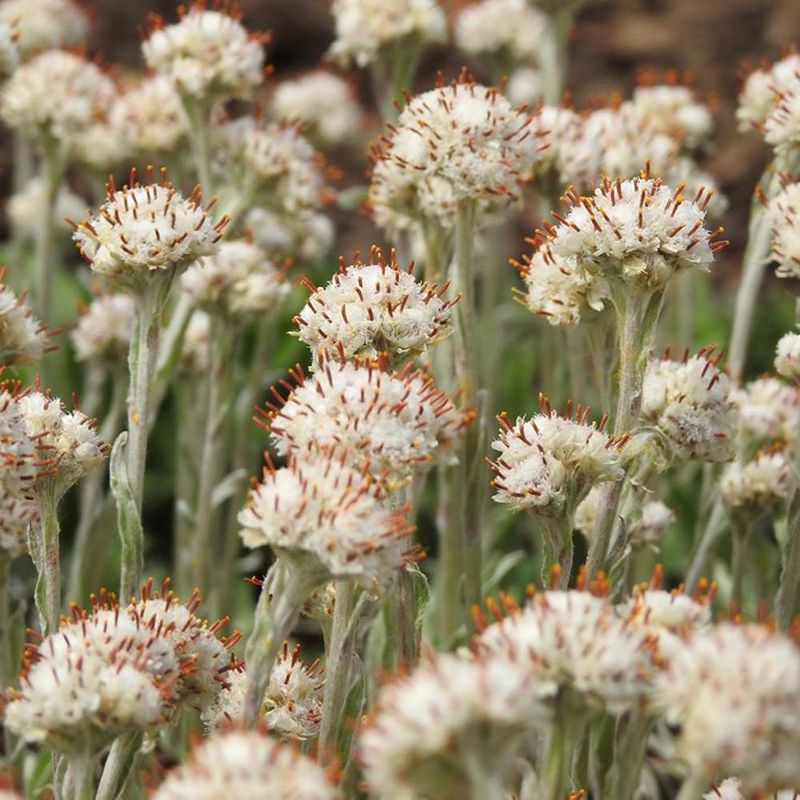
Dry, lean, and full of sun, some garden edges are just plain hard to plant. Field Pussytoes, Antennaria neglecta, was practically made for those spots.
This low Ohio native blooms in early to mid spring with small fuzzy white flower clusters that sit just above a mat of silvery gray-green foliage.
The whole plant stays close to the ground, making it one of the most undemanding front-of-border or edge plants available to Ohio gardeners.
It thrives in full sun and well-drained to dry soil. Rich, heavily amended, or consistently wet soil is not where this plant wants to be.
Lean, sandy, or rocky sites suit it far better, and it handles the dry edges along gravel paths, rock garden pockets, and open native borders without complaint.
Field Pussytoes is a documented host plant for the American lady butterfly, Vanessa virginiensis, which gives it ecological value well beyond its modest flowers.
The Lady Bird Johnson Wildflower Center and the USDA Plants Database both support its use in native Ohio plantings.
It spreads gently by low mats or small colonies over time, but it is not a pushy groundcover and is not listed as invasive. In dry sunny sites where most spring flowers struggle, Field Pussytoes fills in reliably, supports wildlife, and asks very little from the gardener in return.