Why Just One Bee Matters In Your California Garden
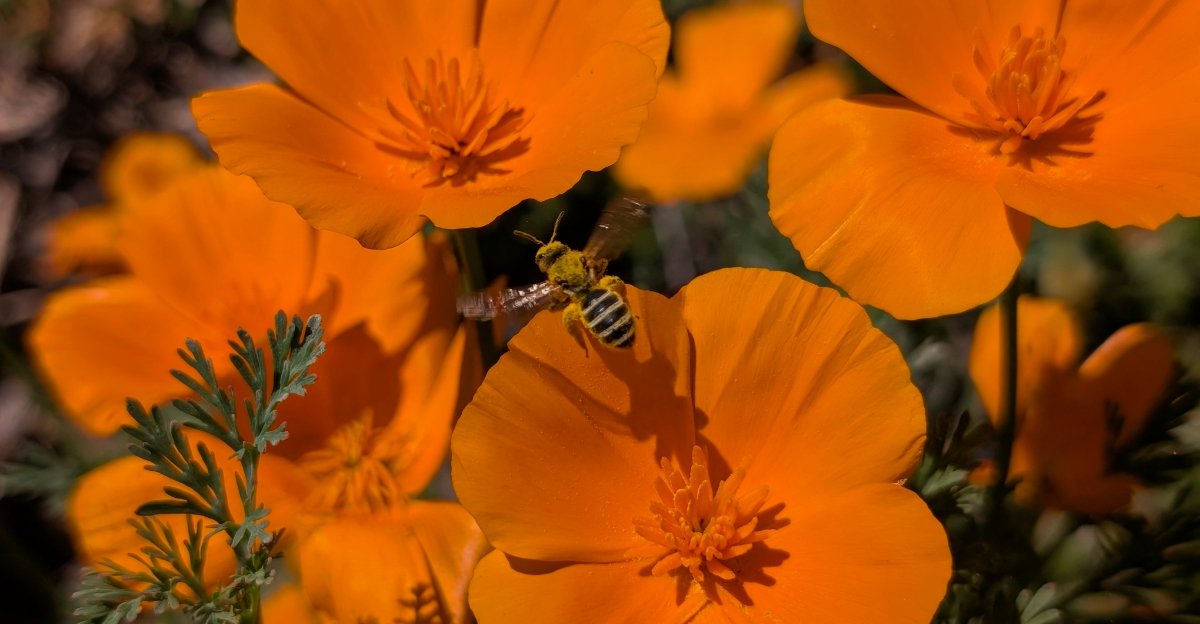
It’s easy to dismiss a single bee. One small insect buzzing around your garden doesn’t feel particularly significant when you’re thinking about the bigger picture of pollination, food systems, and ecological health.
But that one bee? It’s doing something in your garden right now that no amount of human intervention can fully replicate, and what happens to it matters more than most people stop to consider.
Bees are not interchangeable units in some giant pollination machine. Each one is navigating your garden, learning it, memorizing which flowers deliver and which ones don’t, and communicating that information back to the hive.
One forager can visit thousands of flowers in a single day. One healthy bee finding your garden can bring more bees.
And one less bee, multiplied across millions of gardens, across years of habitat loss and pesticide exposure, is how entire populations quietly collapse.
Your garden is a small piece of something much larger. That single bee humming around your tomatoes is proof that it’s working.
One Bee Can Visit Hundreds Of Blooms
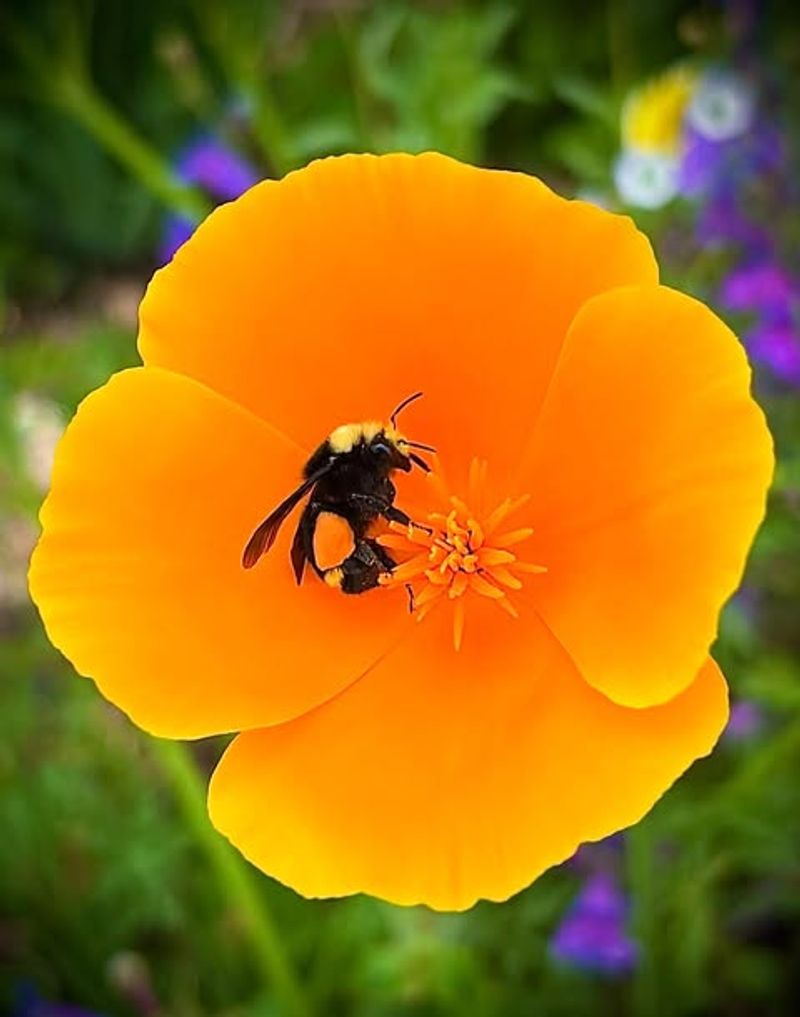
Picture a single bee leaving its nest on a warm California morning. Before it returns home, it may visit anywhere from 50 to hundreds of flowers in just one trip.
That is not a small number when you think about what each visit actually does for your garden.
Bees are built for this kind of work. Their fuzzy bodies pick up pollen with every landing.
Their legs have special pollen baskets that carry those tiny grains from flower to flower across your yard.
In California, where sunshine and warm weather stretch across so many months, bees have more time to work than in most other states. A single bee can make multiple trips in one day, covering a surprising amount of ground.
Each bloom it touches gets a little closer to producing fruit or seeds.
For home gardeners in places like Sacramento or San Diego, this means one bee flying through your yard is quietly doing the work of a tiny but tireless helper. You do not need a hive to benefit.
Even one visitor passing through your California garden can leave behind results you will actually see and taste.
Every Flower Visit Moves Pollen
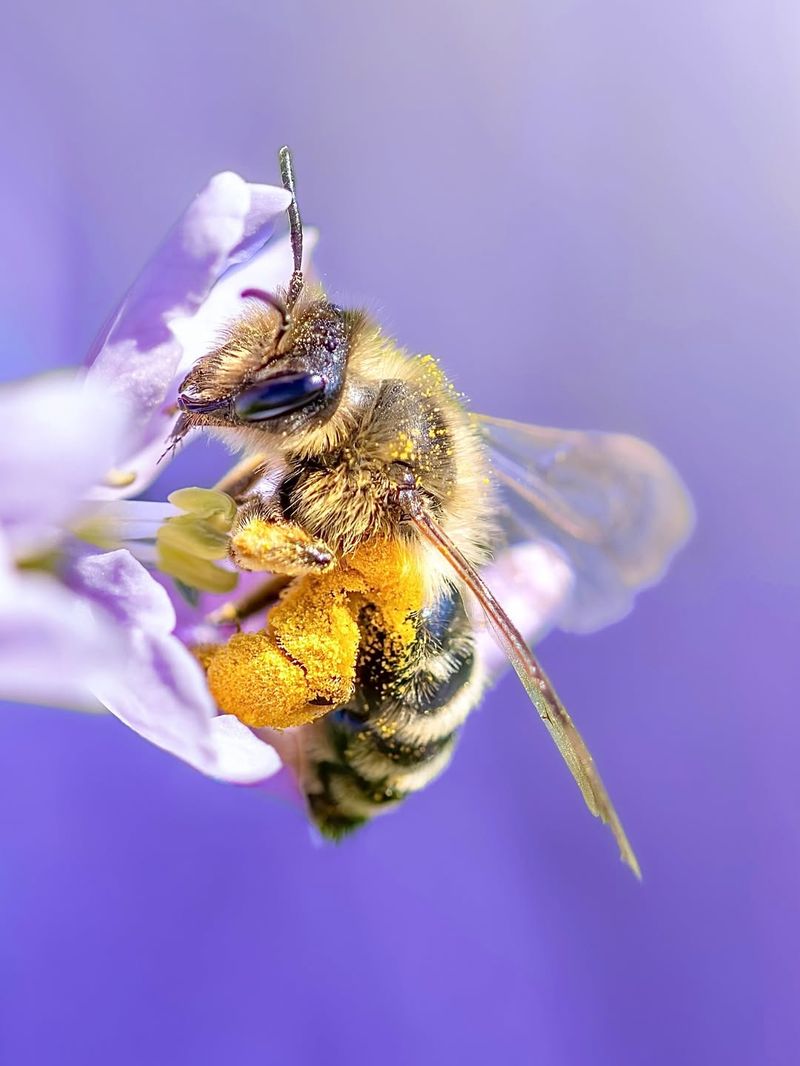
Pollen is basically a plant’s version of a love letter. It needs to travel from one flower to another for seeds and fruit to form.
Without something carrying it across the garden, most plants cannot complete that process on their own.
When a bee lands on a flower, it is not just drinking nectar. Its fuzzy body brushes against the flower’s pollen-covered parts.
Some of that pollen sticks to the bee’s legs and body, and then travels to the next flower it visits.
Did you know that bees actually use a kind of static electricity to help pollen stick to them? Their bodies build up a small electric charge as they fly, and flowers release pollen more easily when the bee lands.
Your California Garden Changes Every Week. Your Plan Should Too.
Gardening in California changes quickly throughout the season. Every Friday you’ll receive a simple weekly plan showing exactly what to plant, prune, fertilize, harvest, and protect so you never miss the right timing.
It is a perfectly matched system that has worked for millions of years.
In California gardens, this movement of pollen is what turns a blooming squash plant into an actual squash. It is what helps your strawberries fill out and your apple trees produce.
Every single flower visit a bee makes is a step in that process. One bee, one visit, and your garden gets a little closer to something delicious.
More Pollen Means More Fruit
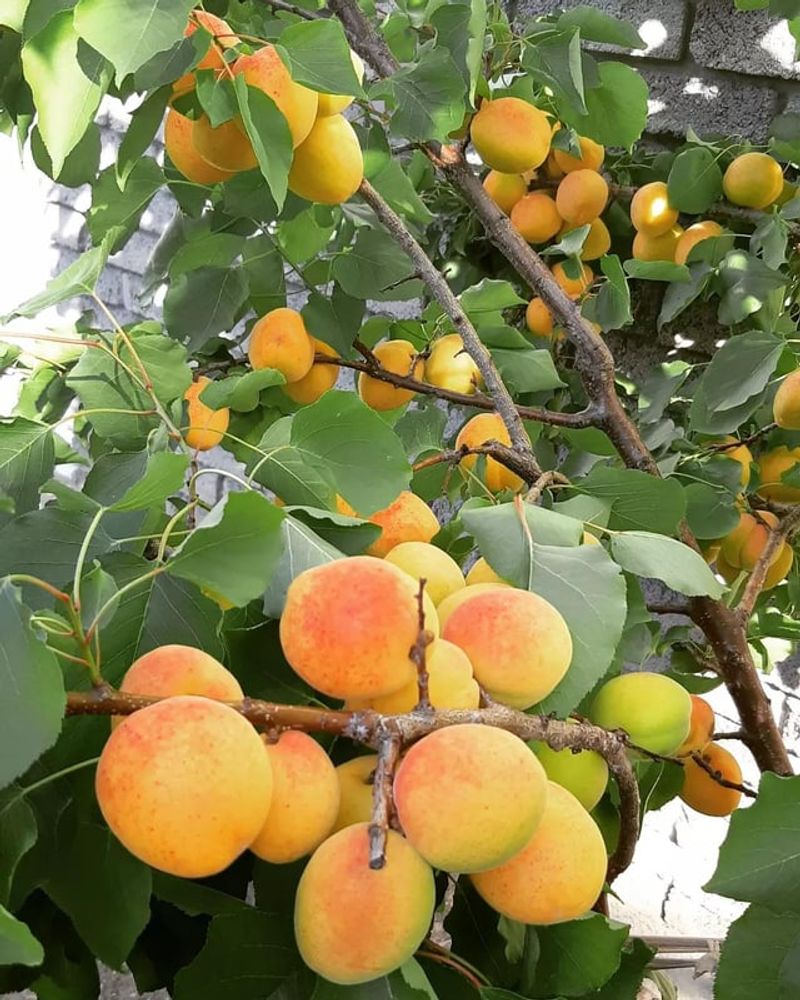
There is a direct line between bee activity and what ends up on your dinner plate. More pollen transfer means more fertilized flowers.
More fertilized flowers means more fruit. It really is that simple, and California gardens benefit from this every single growing season.
Studies have shown that crops with better pollination produce larger, more evenly shaped fruit. Strawberries that get good bee visits are fuller and sweeter.
Tomatoes pollinated well tend to be rounder and heavier. Even cucumbers and melons improve when bees are actively working nearby.
California is one of the top food-producing states in the country, and bees are a huge reason why. From the strawberry fields of Watsonville to the almond orchards of the Central Valley, bee pollination drives billions of dollars in crops each year.
But this same principle applies right in your backyard.
If you grow vegetables or fruit trees at home, attracting even one bee to your garden makes a noticeable difference in your harvest. Planting flowers near your vegetables is one of the easiest ways to bring bees in.
A little lavender or a patch of sunflowers can act like a welcome sign for the pollinators your garden needs most.
Small Bees Make Big Harvests
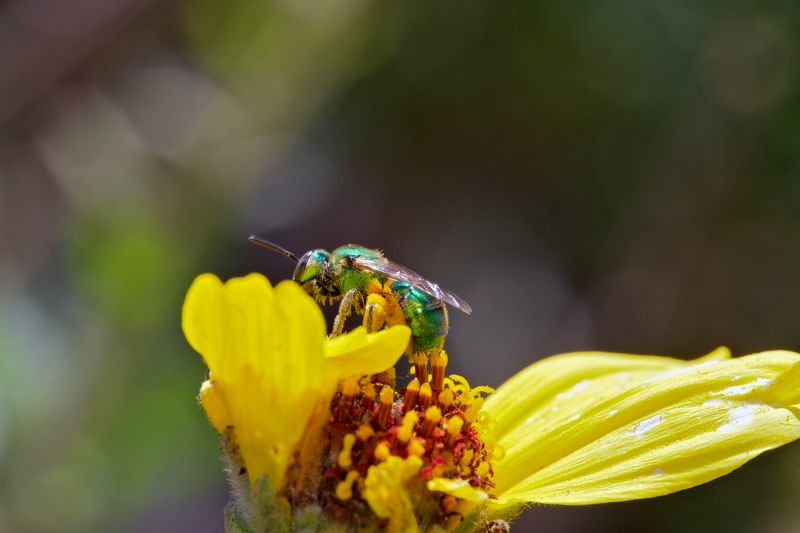
Not all bees are big and fuzzy. Some of the most effective pollinators in California are surprisingly small.
Sweat bees, mining bees, and mason bees are just a few of the tiny species that get serious work done in home gardens across the state.
Small bees often move faster between flowers than larger species. Their size lets them fit into tight blooms that bigger bees cannot reach as easily.
This means they end up pollinating a wider variety of plants, including some vegetables that really benefit from a more precise touch.
Mason bees, for example, are native to many parts of California and are incredibly efficient pollinators. A single mason bee can do the pollination work of roughly 100 honeybees over the course of a season.
That is a remarkable return for such a small creature.
If you spot a tiny bee in your garden, do not overlook it. It might be doing more for your harvest than you realize.
Leaving small patches of bare soil in your garden is one simple way to support ground-nesting native bees. You are not just growing plants, you are building a little ecosystem right outside your door in California.
Native Bees Work Fast
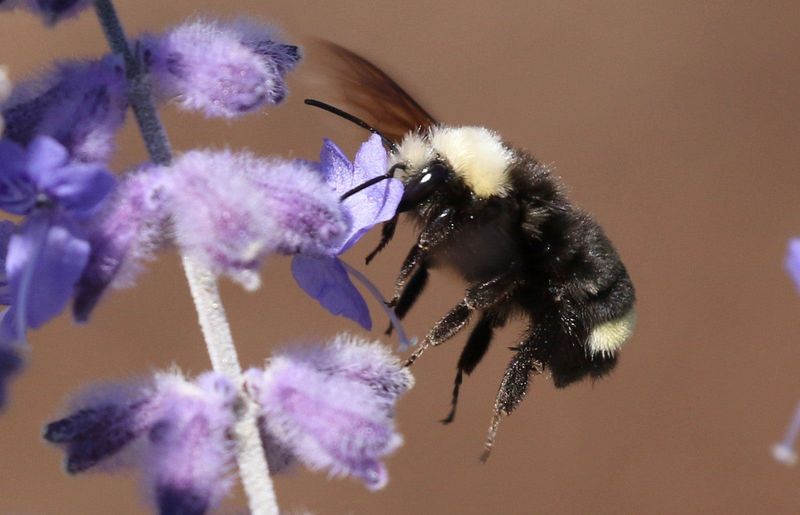
Speed matters in a garden. The faster pollen moves between flowers, the more productive your plants become.
Native California bees are remarkably quick workers, and their efficiency often surprises people who have never paid close attention to bee behavior.
Unlike honeybees, which are actually not native to North America, California’s native bees evolved right alongside local plants. That long shared history means they are perfectly matched to the flowers that grow here.
They know exactly where to find nectar and how to access pollen efficiently.
Bumble bees, which are native to California, use a technique called buzz pollination. They grab onto a flower and vibrate their flight muscles at a specific frequency, which shakes loose pollen that other bees cannot reach.
This method is especially useful for tomatoes, peppers, and blueberries.
Because native bees are so well adapted to California’s climate, they often start working earlier in the morning and stay active later in the day than non-native species. They also tend to be active during cooler months when other pollinators slow down.
Having even one native bee visiting your garden regularly means your plants are getting fast, reliable service from a pollinator that truly belongs in your local environment.
One Bee Feeds Many Plants
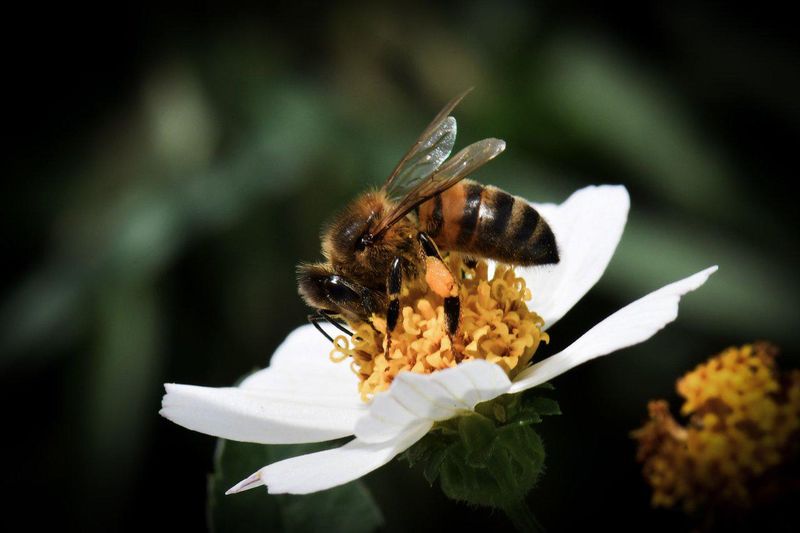
A single bee does not stick to just one plant. It moves around, crosses your yard, hops between flower types, and connects plants that might otherwise never share pollen.
This wide-ranging behavior is what makes even one bee so valuable to a diverse garden.
In a typical California backyard, you might have tomatoes growing next to herbs, flowers near fruit trees, and vegetables scattered throughout raised beds. A bee visiting all of these different areas acts like a bridge, linking plants together in ways that support the whole garden at once.
Some plants need cross-pollination, meaning pollen from one plant must reach a different plant of the same species to produce fruit. One bee traveling between two squash plants or two pepper plants can make that connection happen.
Without that visit, the flowers may bloom but never produce anything.
Gardeners in California cities like Los Angeles and Fresno often plant pollinator-friendly flowers specifically to attract more bees to their vegetable patches. Even a small pot of flowering herbs like basil or borage near your garden beds can draw bees in and keep them moving through the space.
One bee, working freely across your yard, feeds the productivity of every plant it touches.
Each Visit Supports The Garden
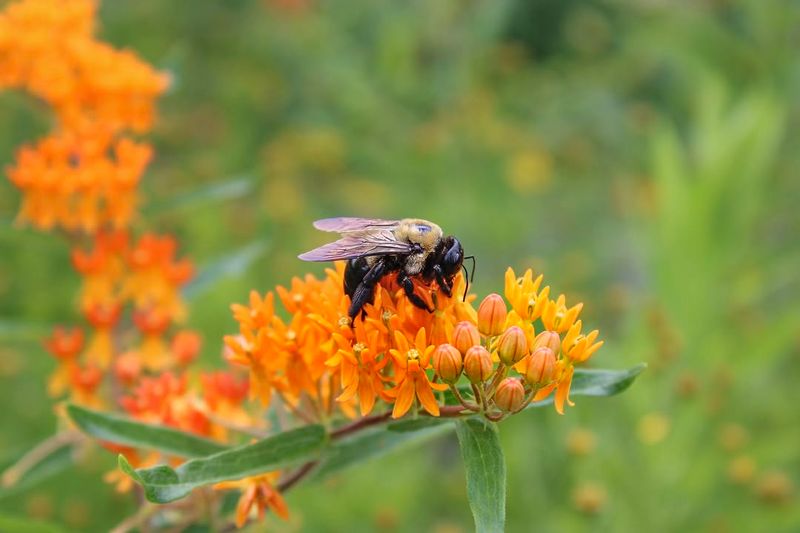
Every time a bee lands in your garden, something good happens. It sounds simple, but the cumulative effect of those individual visits is what keeps a garden healthy and productive over time.
One visit builds on another, and the results add up quickly.
When a bee visits a flower, it often triggers the flower to produce more nectar, which attracts more pollinators. It is a feedback loop that rewards gardens where bees feel welcome.
The more inviting your space is, the more visits you get, and the better your garden performs.
California gardens that include a mix of native plants, flowering herbs, and vegetables tend to attract the most bee traffic. Bees are drawn to variety.
A garden with only one type of flower is far less interesting to them than one with multiple colors, shapes, and bloom times throughout the season.
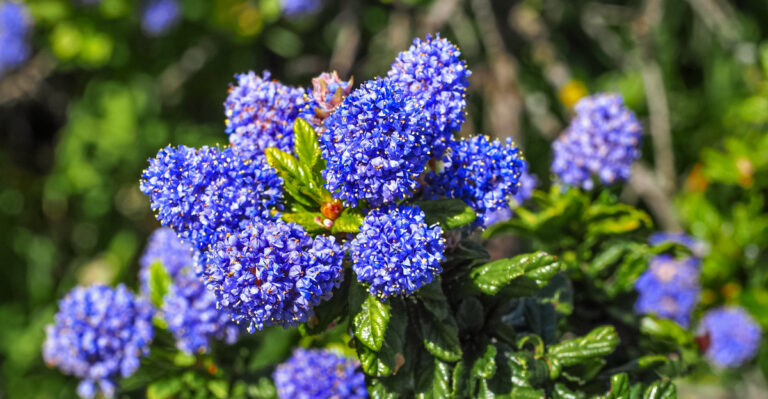
Practical tip: try planting flowers that bloom at different times of year so bees always have a reason to visit your California garden. Early bloomers like ceanothus, mid-season flowers like sunflowers, and late bloomers like asters create a consistent food source.
Each bee visit you encourage is an investment in a stronger, more productive garden for months to come.
One Bee Can Start A Chain Reaction
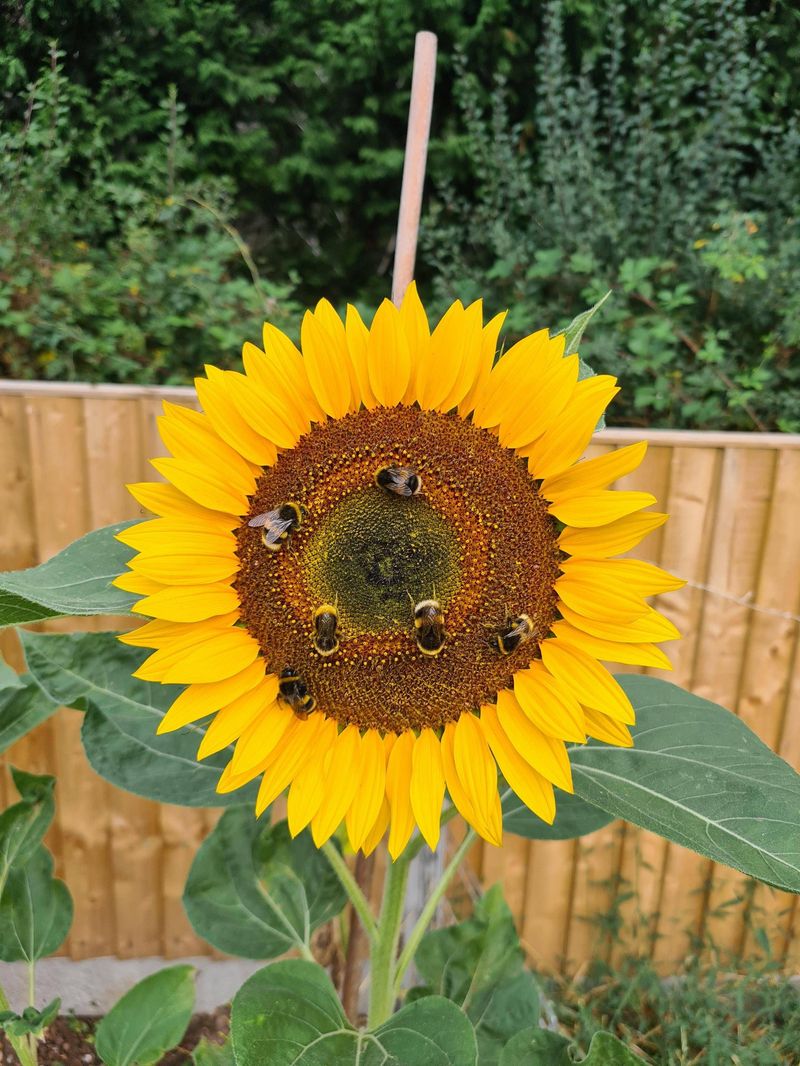
It starts with one bee. That bee pollinates a flower.
That flower becomes a fruit. That fruit drops seeds.
Those seeds grow into new plants. And those new plants attract more bees the following season.
One small visitor can set off a chain of events that transforms a garden over time.
This kind of chain reaction is exactly how healthy ecosystems build themselves. In California, where native plants and wildlife are closely connected, supporting even one bee in your garden can have ripple effects that reach far beyond your backyard fence.
Birds that feed on insects benefit when bee populations are healthy. Lizards and small mammals that eat seeds and fruit benefit when pollination is strong.
Even the soil improves when plants are productive and their roots grow deep. A single bee is the first link in a very long chain.
The good news is that you do not need a lot of space or money to start this process. A few native plants, a small water source, and a patch of garden left a little wild can be enough to welcome a bee and let that chain reaction begin.
In California, where the climate is generous and the growing season is long, one bee truly has the power to change everything in your garden.