These Heat-Tolerant Flowers Are Perfect For Planting In May In Texas
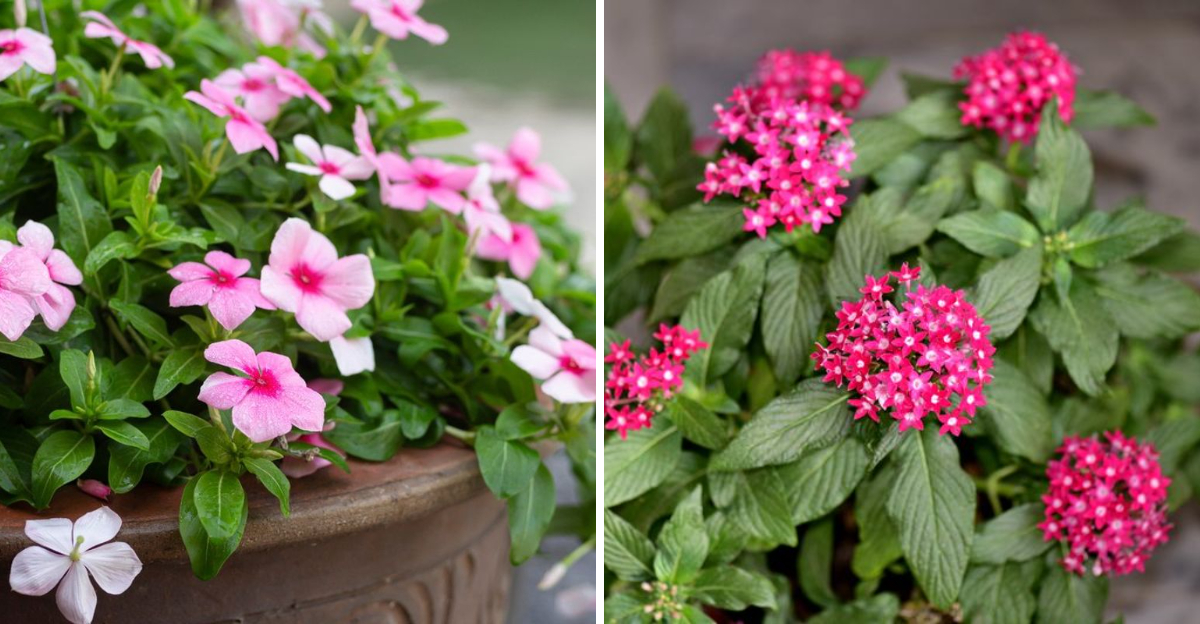
May in Texas is essentially a countdown. The pleasant gardening weather that made spring so enjoyable is on its way out, the thermometer is climbing with increasing confidence, and anyone who’s been through a Texas summer knows exactly what’s coming.
Planting the wrong flowers in May means watching them struggle through June and collapse entirely by July, which is a frustrating and expensive outcome that’s completely avoidable. The solution isn’t to stop planting – it’s to plant smarter.
There are flowers that were practically built for the kind of heat Texas delivers from June through September, and getting them established in May gives them just enough time to develop strong root systems before the real pressure begins.
They don’t just tolerate the heat; they bloom through it, hold their color, and keep your garden looking genuinely alive during the months when most plants are just trying to survive. These are the flowers worth putting in the ground this May.
1. Zinnia
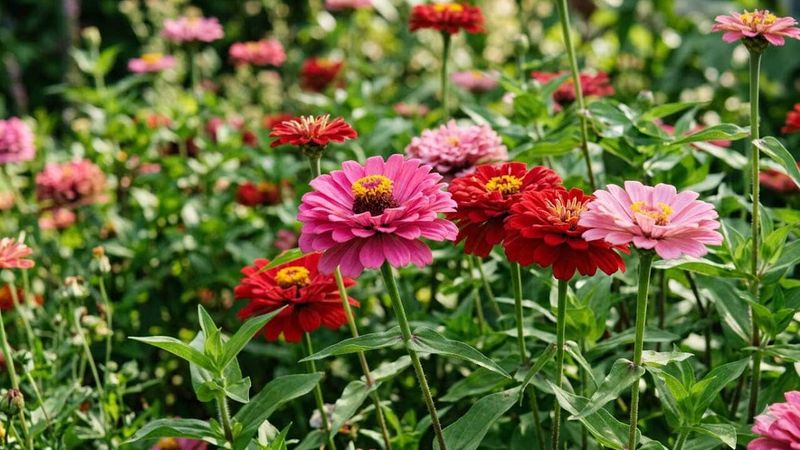
Few flowers bring as much color and energy to a Texas garden as zinnias. These fast-growing beauties go from seed to full bloom in just a few weeks, making them one of the most rewarding flowers you can plant in May.
They come in nearly every color imaginable, from hot pink and orange to deep red and soft lavender.
Zinnias love full sun, which makes them a natural fit for the Texas climate. They can handle intense heat without slowing down, and they actually bloom more when temperatures rise.
Plant them in well-drained soil and give them a good drink of water a few times a week, and they will reward you with non-stop blooms all summer long.
One fun fact about zinnias is that they are also excellent at attracting butterflies. If you want a garden that feels alive and buzzing with activity, zinnias are a great starting point.
They also work well as cut flowers, so you can bring some of that color indoors. Deadheading, which just means removing old blooms, keeps the plant producing fresh flowers continuously.
Even kids enjoy growing zinnias because results come so quickly. Whether you are planting a border, filling a flower bed, or adding pops of color between vegetables, zinnias are one of the most dependable choices for Texas gardeners looking to add serious visual impact without a lot of fuss or maintenance throughout the season.
2. Lantana
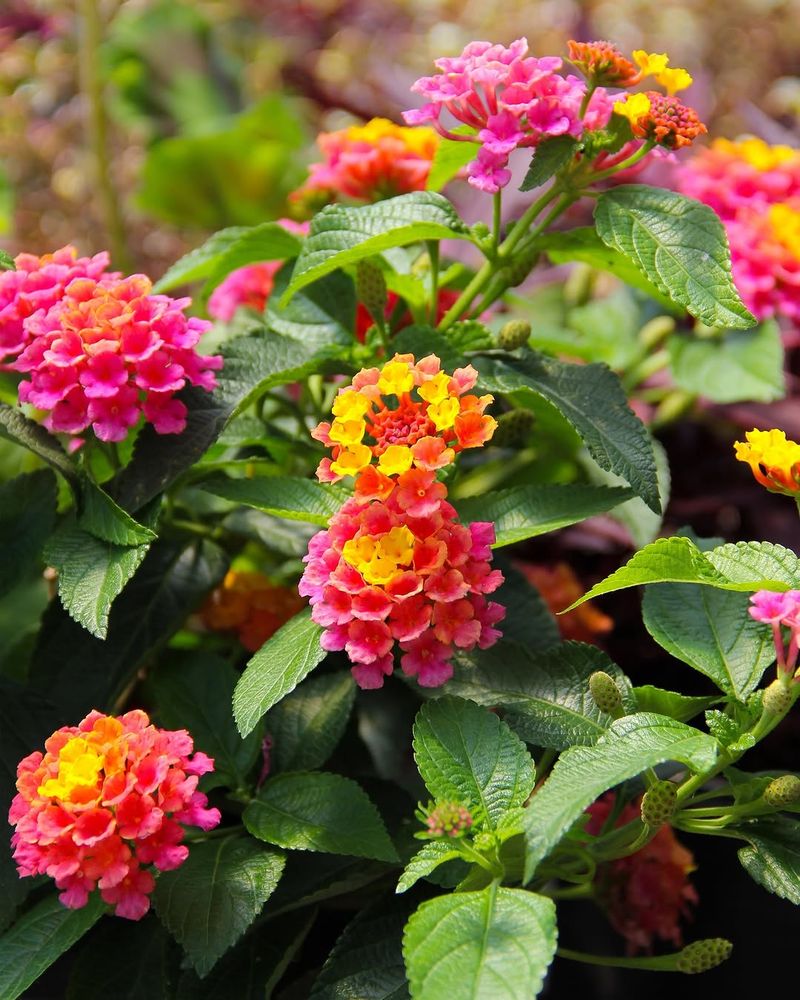
Walk through almost any Texas neighborhood in summer, and chances are you will spot lantana growing somewhere nearby. This tough, cheerful plant is a Texas favorite for good reason.
It thrives in full sun, handles dry spells like a champ, and produces clusters of tiny flowers in warm shades of orange, yellow, red, and pink all season long.
Lantana is incredibly low-maintenance, which is great news for busy gardeners. Once it gets established in your yard, it needs very little extra care.
Water it occasionally, give it plenty of sunlight, and it will just keep going. It even bounces back well after periods of drought, which is something every Texas gardener appreciates when summer gets brutal.
Your Texas Garden Changes Every Week. Your Plan Should Too.
Gardening in Texas changes quickly throughout the season. Every Friday you’ll receive a simple weekly plan showing exactly what to plant, prune, fertilize, harvest, and protect so you never miss the right timing.
One of the best things about lantana is how much wildlife it attracts. Butterflies absolutely love it, and you may also notice bees and other pollinators stopping by regularly.
Planting lantana near vegetables or fruit trees can actually help improve pollination in your garden. It spreads nicely as a ground cover or grows into a small, rounded shrub depending on the variety you choose.
Lantana also comes in trailing varieties that look gorgeous spilling out of hanging baskets or over garden walls. May is the perfect time to get lantana in the ground in Texas because the warm soil helps it establish quickly.
Once it takes hold, you will have a reliable, colorful, and wildlife-friendly plant that asks very little in return for a whole summer of beauty.
3. Moss Rose
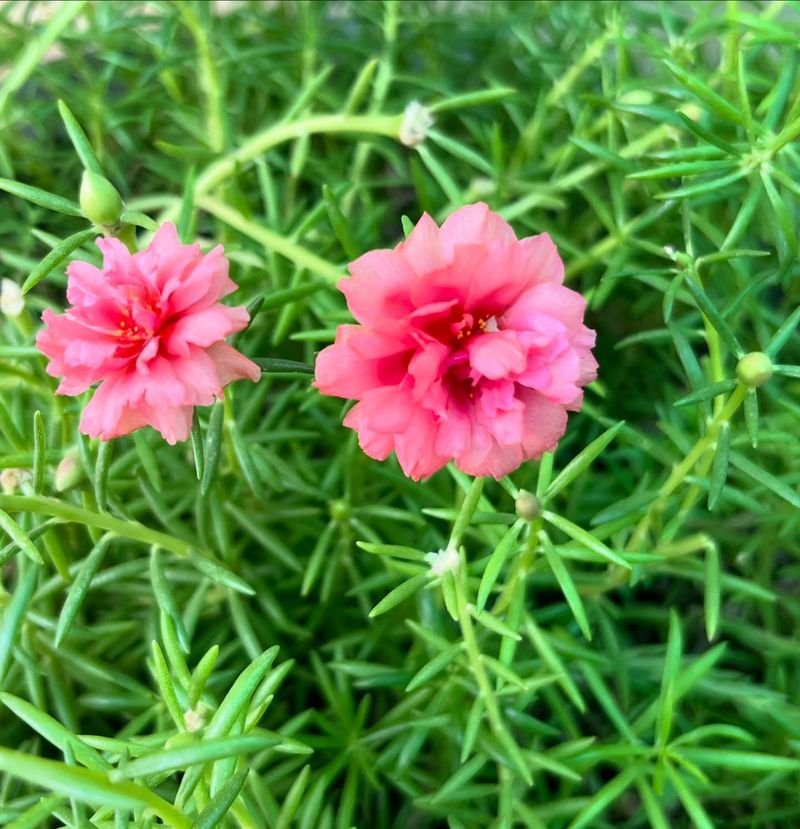
Moss rose is one of those plants that seems almost too good to be true. It thrives in hot, dry conditions where most other flowers would struggle to survive.
The blooms are bright and ruffled, looking almost like tiny roses in shades of pink, red, orange, yellow, and white. And the best part? It practically takes care of itself once it gets going.
Technically known as Portulaca grandiflora, moss rose is a low-growing succulent that stores water in its thick, fleshy leaves. This means it can go longer between waterings without losing its pep.
For Texas gardeners dealing with water restrictions or simply forgetting to water on hot days, moss rose is a true lifesaver. It loves poor, sandy, or rocky soil, so you do not need to fuss over soil preparation either.
Plant moss rose in spots that get full sun all day long, like along a driveway, on a slope, or in containers on a sunny patio. It spreads nicely and fills in bare spaces beautifully.
The flowers open up wide during the day when the sun is shining and close in the evening, which some people find charming. Moss rose is also an annual in Texas, meaning it completes its life cycle in one season, but it often self-seeds and comes back the following year on its own.
If you have a spot in your Texas yard that is too hot and dry for most plants, moss rose is exactly what you need.
4. Vinca
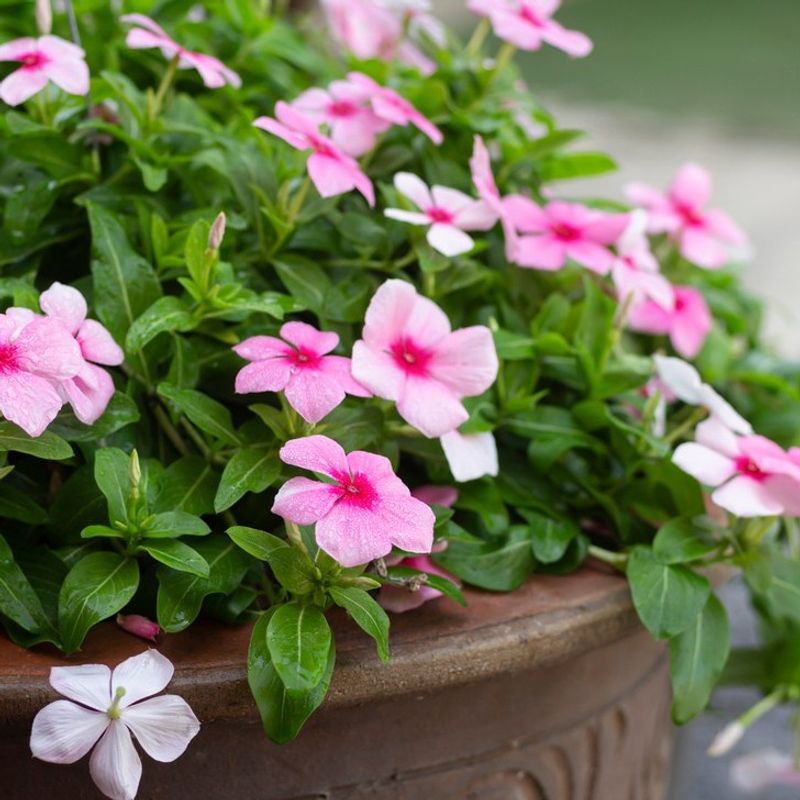
Vinca, also called annual vinca or Catharanthus roseus, is one of the most reliable summer flowers you can grow in Texas. It handles both heat and humidity without missing a beat, which is exactly what you need once May temperatures start creeping up.
The flowers are simple, five-petaled, and come in shades of pink, red, purple, lavender, and white, often with a contrasting eye at the center.
What makes vinca stand out from other summer flowers is its incredible staying power. While some plants slow down or stop blooming during the hottest weeks of summer, vinca keeps right on going.
It is also more resistant to root rot than many other flowers, which matters a lot in areas of Texas that get humid summer rains. Plant it in well-drained soil and a sunny spot, and it will perform beautifully all season.
Vinca works great in flower beds, borders, containers, and window boxes. It grows in a neat, mounded shape that looks tidy without much trimming.
Gardeners across Texas love using vinca to line pathways or fill in large areas of color because it spreads evenly and stays compact. You can find vinca transplants at most garden centers in Texas starting in May, making it easy to get started right away.
There is no need to start from seed unless you want to. For a flower that looks polished, performs consistently, and never seems to complain about the Texas heat, vinca is hard to beat.
5. Cosmos
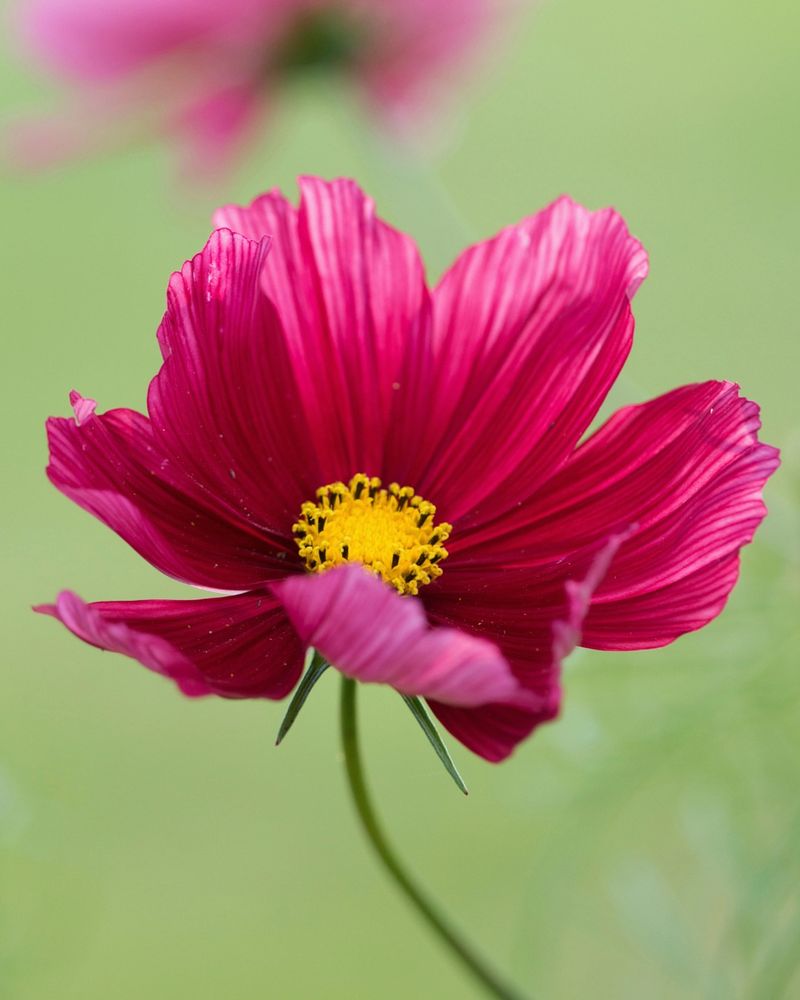
There is something wonderfully carefree about cosmos. With their feathery leaves and daisy-like flowers swaying in the breeze, they bring a relaxed, wildflower feel to any Texas garden.
They are easy to grow from seed, which makes them a popular choice for gardeners who want big results without spending a lot of money on transplants. Just scatter the seeds in a sunny spot and let them do their thing.
Cosmos are surprisingly tough despite their delicate appearance. They handle Texas heat well and actually prefer lean, not-too-rich soil.
Adding too much fertilizer can cause them to grow lots of leaves but fewer flowers, so less really is more with this plant. They also do not need much water once they are established, making them a smart pick for water-conscious Texas gardeners.
The flowers come in shades of pink, white, magenta, and bicolor combinations, blooming on tall, airy stems that can reach two to four feet high. They look stunning in the back of a flower bed or mixed in with other plants for a layered garden effect.
Cosmos also make beautiful cut flowers and last well in a vase. Pollinators like bees and butterflies are drawn to them, adding even more life to your outdoor space.
In Texas, planting cosmos in May gives them time to establish before the peak of summer heat. They are low-fuss, high-reward, and bring a relaxed charm to gardens that few other flowers can match.
6. Pentas
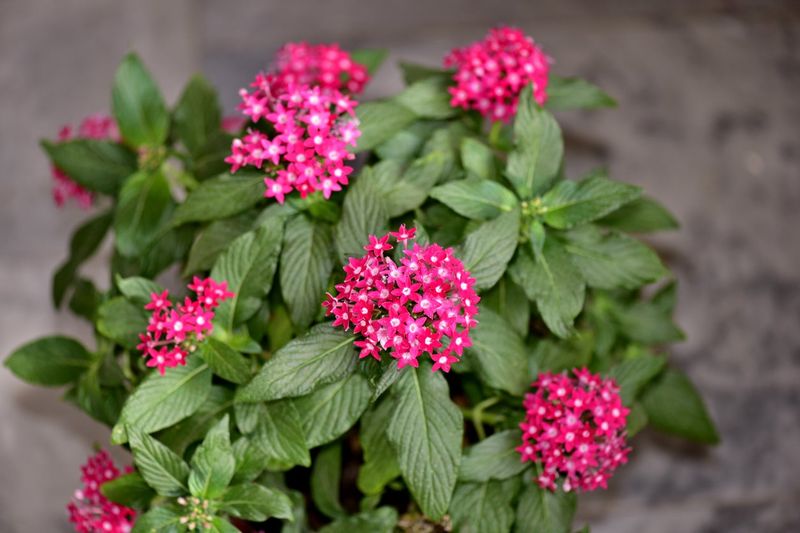
Pentas might just be the most wildlife-friendly flower on this entire list. Hummingbirds and butterflies are absolutely drawn to its star-shaped clusters of flowers, making it a go-to pick for Texas gardeners who want their outdoor spaces to feel like a mini wildlife sanctuary.
The blooms come in shades of red, pink, lavender, and white, and they hold up beautifully through the intense Texas summer heat.
Also known as Egyptian star flower, pentas is a tropical plant that genuinely loves warm weather. May is a great time to plant it in Texas because the soil is already warm and the conditions are just right for it to take off quickly.
It grows well in containers, raised beds, and in-ground garden spots alike, giving gardeners plenty of flexibility in how they use it.
Pentas prefers full sun but can handle a little afternoon shade, which is actually helpful during the hottest parts of Texas summer. Water it regularly but make sure the soil drains well, since pentas does not like sitting in soggy conditions.
Deadheading spent blooms encourages the plant to keep producing fresh flowers throughout the season. It pairs wonderfully with other summer bloomers like vinca or lantana for a layered, colorful garden display.
Pentas is also a great choice for planting near windows or seating areas where you can watch the hummingbirds and butterflies up close. For a flower that combines beauty, toughness, and wildlife appeal in one package, pentas truly delivers all summer long in Texas.
7. Globe Amaranth
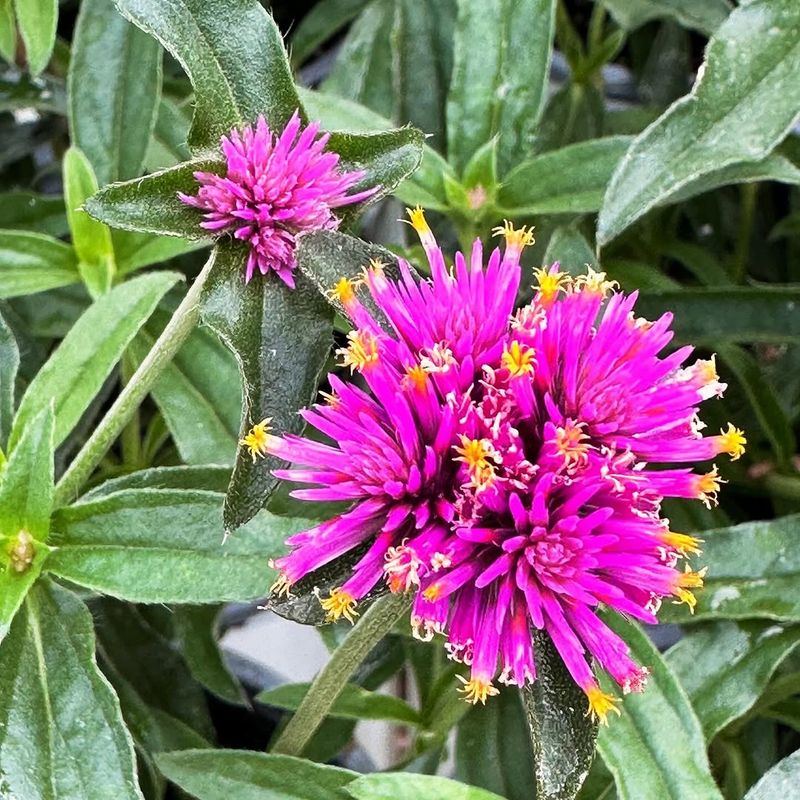
Globe amaranth looks like something out of a craft store, with its perfectly round, clover-like flower heads that seem almost too perfect to be real. But these sturdy little blooms are as tough as they come.
They handle drought, intense heat, and poor soil without losing their vibrant color, which makes them one of the best choices for Texas gardeners who want low-maintenance beauty all summer long.
The flowers come in deep purple, hot pink, magenta, red, orange, and white. They bloom on upright stems that grow about one to two feet tall, making them ideal for the middle or front of a flower bed.
One of the coolest things about globe amaranth is that the flowers hold their color even after they dry out, making them popular for dried flower arrangements. You get to enjoy them in the garden all season and then bring them inside once summer is over.
Plant globe amaranth in full sun and well-drained soil for the best results. It is not picky about soil quality, which is a bonus for Texas gardeners dealing with clay-heavy or sandy ground.
Water it to get it started, but once established, it handles dry stretches well. May is the ideal time to plant globe amaranth across Texas because the warm temperatures encourage fast, strong growth.
It also attracts butterflies and other pollinators, adding more life to your yard. If you want a flower that is tough, colorful, and practically effortless to grow in the Texas heat, globe amaranth belongs in your garden.