Things You Should Never Add To California Clay Soil No Matter What You Read Online
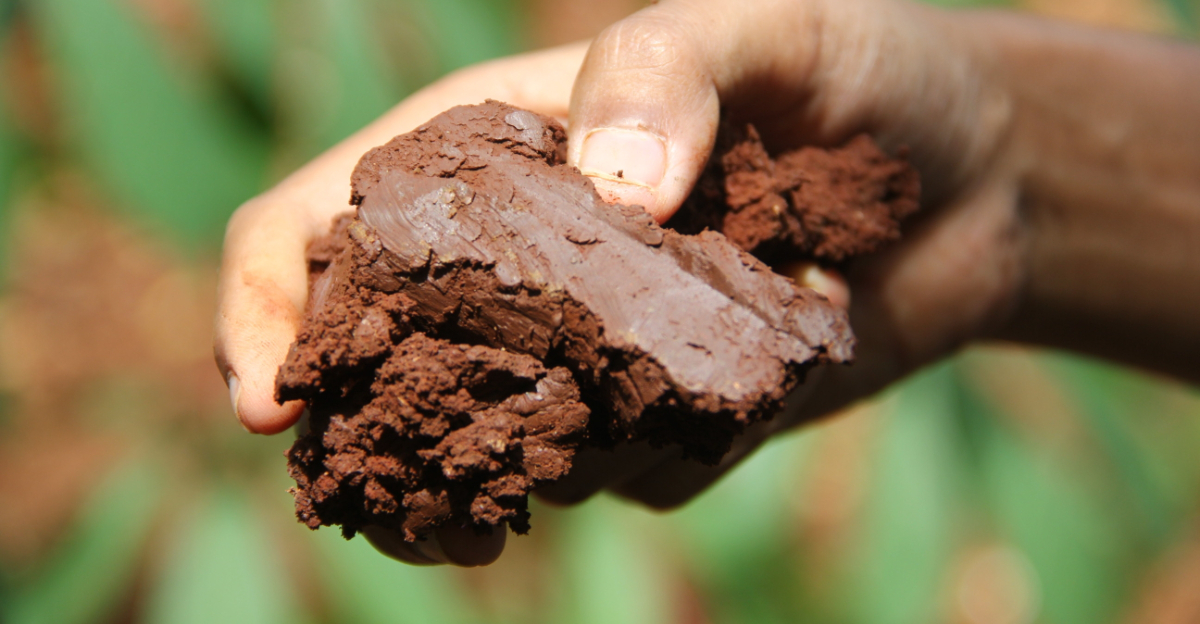
Clay soil advice on the internet is all over the place. Sand fixes it. Organic matter fixes it. Gypsum fixes it. Just till it really well and it’ll be fine. Some of this is genuinely helpful.
Some of it will make your clay soil dramatically worse, and the gardeners who found that out the hard way did not have a good season. A few of these well-meaning fixes are practically guaranteed to backfire in California’s specific climate conditions.
Clay soil already has a reputation for being the difficult one. Compacts easily, drains poorly, bakes hard in summer heat, and turns into a sticky nightmare after rain.
The instinct to throw everything at it and hope something works is understandable. But adding the wrong things doesn’t loosen clay.
It creates new problems on top of the old ones. Knowing what to avoid is genuinely just as important as knowing what actually helps, and a few of the most popular recommendations out there are doing California gardeners real harm.
1. Sand
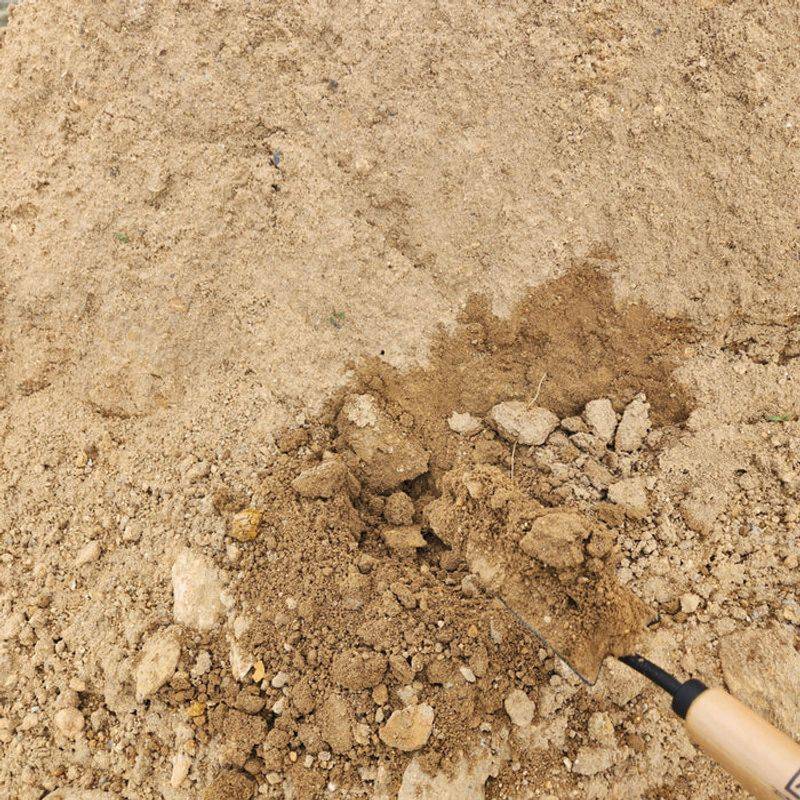
Everyone seems to think adding sand to clay soil is a smart move. It sounds logical, right?
Sand has big particles, clay has tiny ones, so mixing them together should loosen things up. But here is what actually happens: when you mix sand into California clay soil without adding enough of it, you end up with something that feels a lot like concrete.
The clay particles fill in all the spaces between the sand grains, and the mixture becomes harder and more compacted than the original soil ever was.
Gardeners in California have made this mistake for decades. The dry summers here bake that sand-clay mix into something almost rock solid.
Roots struggle to push through it, water barely moves, and plants suffer for it.
To actually improve clay soil with sand, you would need to add so much that it becomes impractical for most home gardeners. We are talking about changing the soil composition by more than 50 percent.
That is expensive, heavy, and exhausting work. Save yourself the trouble and skip the sand entirely.
There are much better ways to improve California clay soil that do not involve turning your garden bed into a sidewalk.
2. Gravel
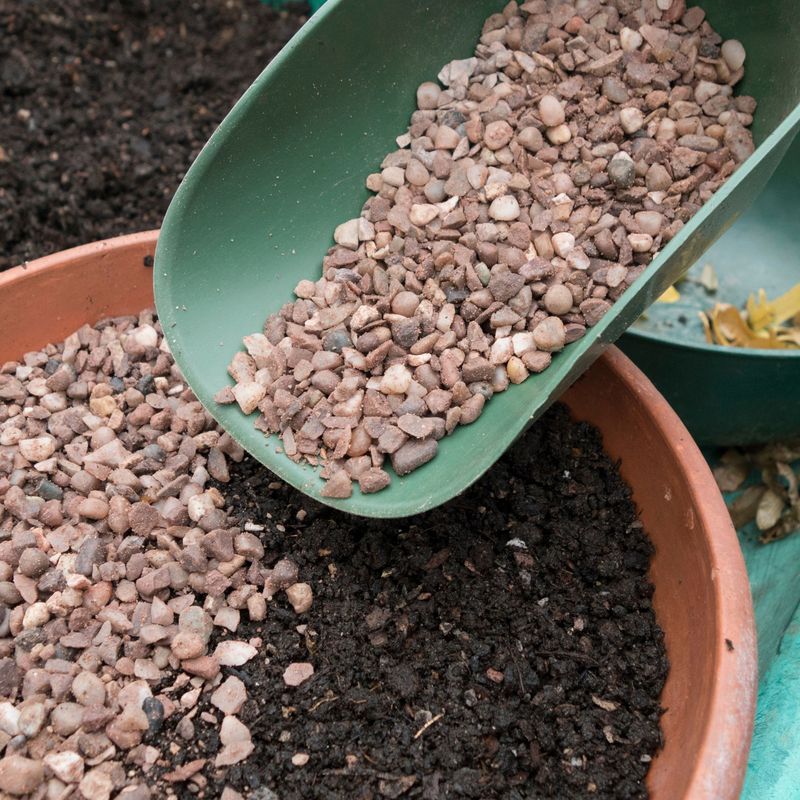
Gravel is another amendment that gets recommended online as a drainage solution for clay soil. People assume that because gravel is chunky and porous, it will help water move through heavy clay more easily.
That sounds reasonable on the surface, but the science tells a different story. Mixing gravel into clay soil does not improve drainage.
Instead, it creates what soil scientists call a perched water table.
Here is what that means for your California garden: water moving down through the clay soil hits the gravel layer and stops. It pools right above that layer because water does not move from fine-textured soil into coarse material easily.
Your plants end up sitting in waterlogged soil even longer than before, which is the opposite of what you wanted.
Your California Garden Changes Every Week. Your Plan Should Too.
Gardening in California changes quickly throughout the season. Every Friday you’ll receive a simple weekly plan showing exactly what to plant, prune, fertilize, harvest, and protect so you never miss the right timing.
California winters can dump a lot of rain in short bursts, and clay soil already drains slowly. Adding gravel makes the drainage problem significantly worse during those wet months.
It also takes up space that could be filled with organic matter, which actually does help clay soil over time. Gravel belongs on garden paths, not mixed into planting beds.
Skip it and focus on amendments that truly make a difference in California conditions.
3. Wood Chips Mixed Into Soil
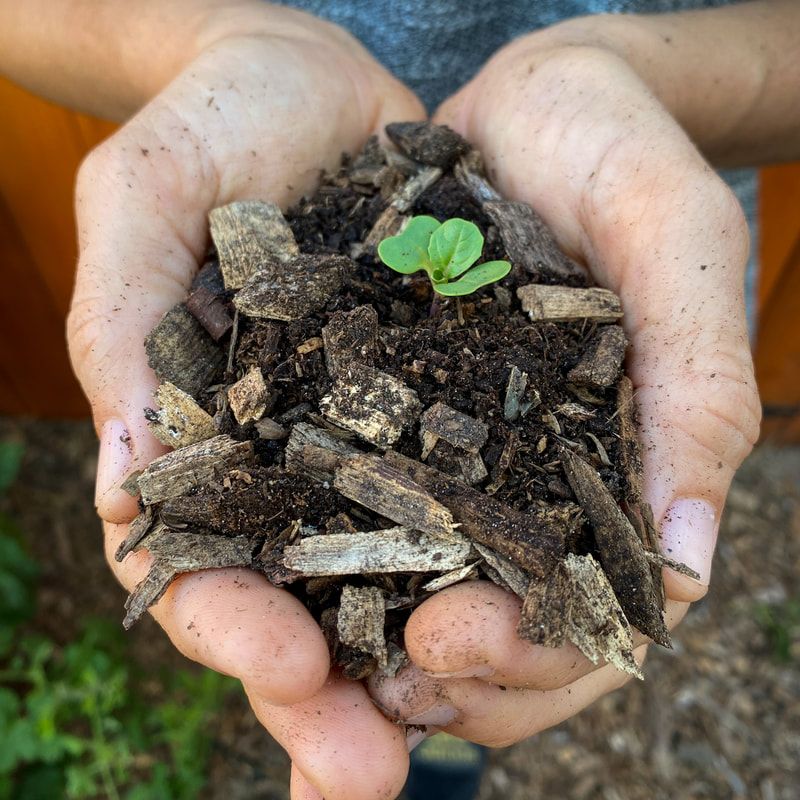
Wood chips on top of your soil as a mulch layer? Absolutely wonderful.
Wood chips mixed directly into your California clay soil? That is a recipe for a nitrogen crash that will leave your plants struggling for an entire growing season.
Fresh wood chips are full of carbon. When you bury them in soil, the microbes that break them down need nitrogen to do their job.
They pull that nitrogen straight out of the soil, which means your plants are suddenly starving for it.
This nitrogen robbery can last for months or even longer in California clay, where decomposition happens slowly because of the dense soil structure. You might plant vegetables or flowers expecting them to thrive, only to watch them turn yellow and grow at a snail’s pace.
That yellowing is a classic sign of nitrogen deficiency.
Surface mulching with wood chips is genuinely helpful. It keeps moisture in, moderates soil temperature during hot California summers, and slowly adds organic matter as it breaks down from the top.
But the moment you till those chips into the clay, you flip the benefit into a problem. Keep your wood chips where they belong: on the surface, not underground.
Your California garden plants will thank you for it.
4. Fresh Manure
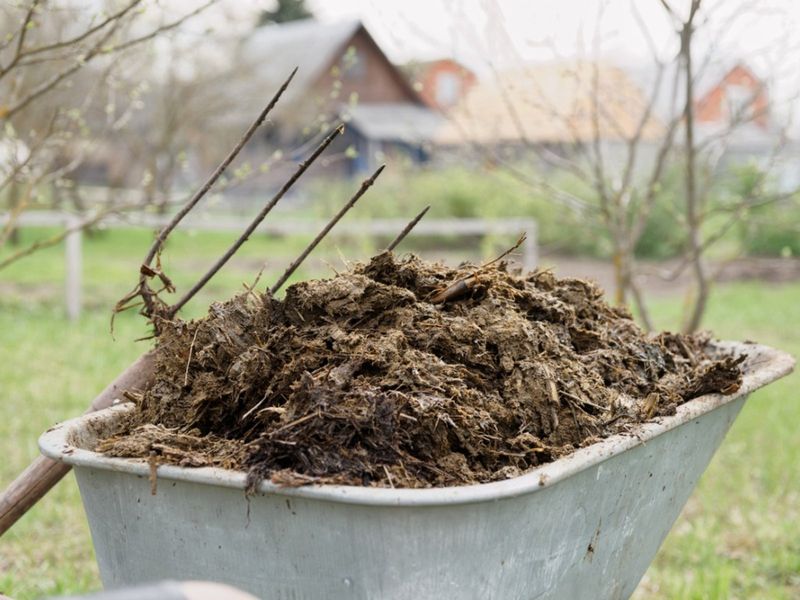
Fresh manure carries a reputation as an old-fashioned garden superfood, and in some ways it earns that reputation. But timing and soil type matter a lot, and California clay soil is not forgiving when you get it wrong.
Raw, uncomposted manure is loaded with salts, ammonia, and sometimes harmful bacteria like E. coli. When you add it directly to clay soil, those salts build up quickly because clay holds onto everything so tightly.
Salt buildup in California clay is a serious issue. The state already has many regions with naturally salty soil, especially in the Central Valley and coastal areas.
Adding fresh manure on top of that creates conditions where even salt-tolerant plants struggle. The ammonia in fresh manure can also burn plant roots, and in dense clay where roots cannot escape, that damage happens fast.
There is also a food safety concern if you grow vegetables. Fresh manure needs time to break down before it is safe around edible crops.
Composted manure that has been processed for at least 90 days is a completely different story and can genuinely improve clay soil over time. Always choose aged or composted manure for your California garden beds, and give it time to work its magic slowly and safely.
5. Too Much Compost
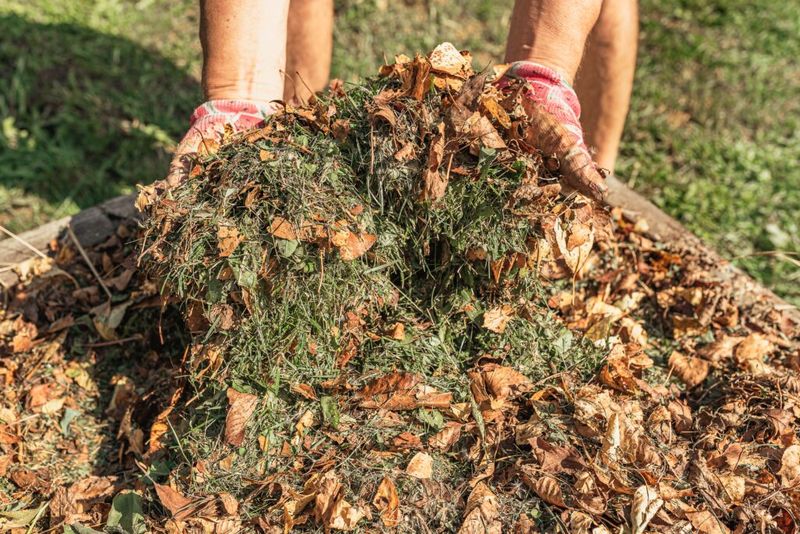
Compost is one of the best things you can add to California clay soil. But there is a point where too much of a good thing becomes a real problem, and many gardeners cross that line without realizing it.
Adding compost in excess creates a fluffy layer on top that holds moisture far longer than the clay beneath it. The result is an uneven soil profile where the top layer stays wet while the clay below stays hard and impenetrable.
Overly rich soil from too much compost can also attract pests. Fungus gnats, slugs, and certain root diseases love moist, organic-heavy environments.
In coastal California where fog keeps things damp already, piling on compost can tip the balance toward conditions that encourage these unwanted visitors.
Another issue is nutrient overload. Too much compost can push phosphorus levels sky-high in your California garden soil, which actually blocks plants from absorbing other nutrients like zinc and iron.
A soil test will show you exactly what is going on beneath the surface. The general rule for clay soil improvement is to add no more than two to three inches of compost per year and work it in gradually.
Slow and steady wins the race when it comes to improving California clay.
6. Peat Moss
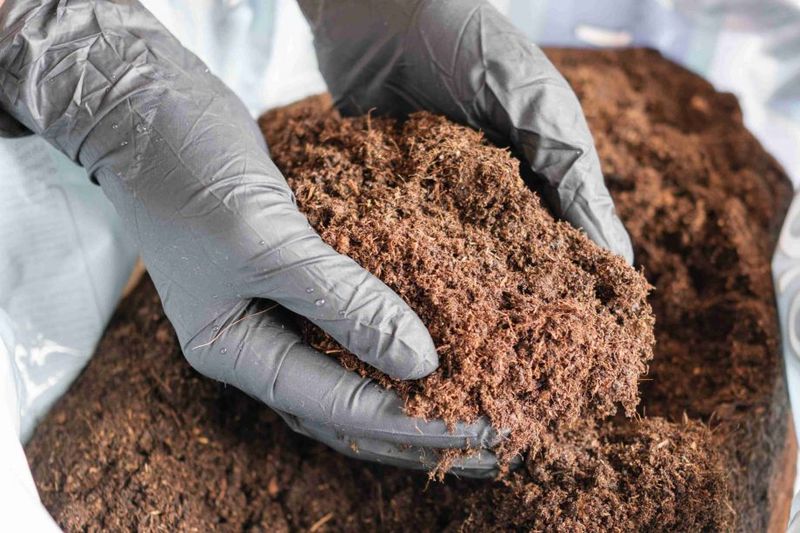
Peat moss shows up in a lot of gardening advice as a go-to soil amendment for improving texture and drainage. For sandy or loamy soils, it can work well.
But for California clay soil, peat moss creates more problems than it solves. The biggest issue is that peat moss is highly acidic.
California clay soils are often already slightly alkaline, especially in Southern California and the Central Valley. Adding peat moss shifts the pH in the wrong direction for most common garden plants.
There is also a water behavior problem. Peat moss repels water when it dries out completely.
During California’s long, dry summers, peat moss worked into clay soil can become hydrophobic, meaning water rolls right off it instead of soaking in. This makes irrigation less effective and forces you to water more to get the same results.
Beyond the garden performance issues, peat moss is not a sustainable choice. It comes from peat bogs that take thousands of years to form, and harvesting destroys those ecosystems.
California gardeners who care about the environment, and many do, have better options. Aged compost, worm castings, and locally sourced organic matter do a much better job of improving clay soil without the pH problems or environmental cost.
Skip the peat and choose smarter.
7. Gypsum Without A Soil Test
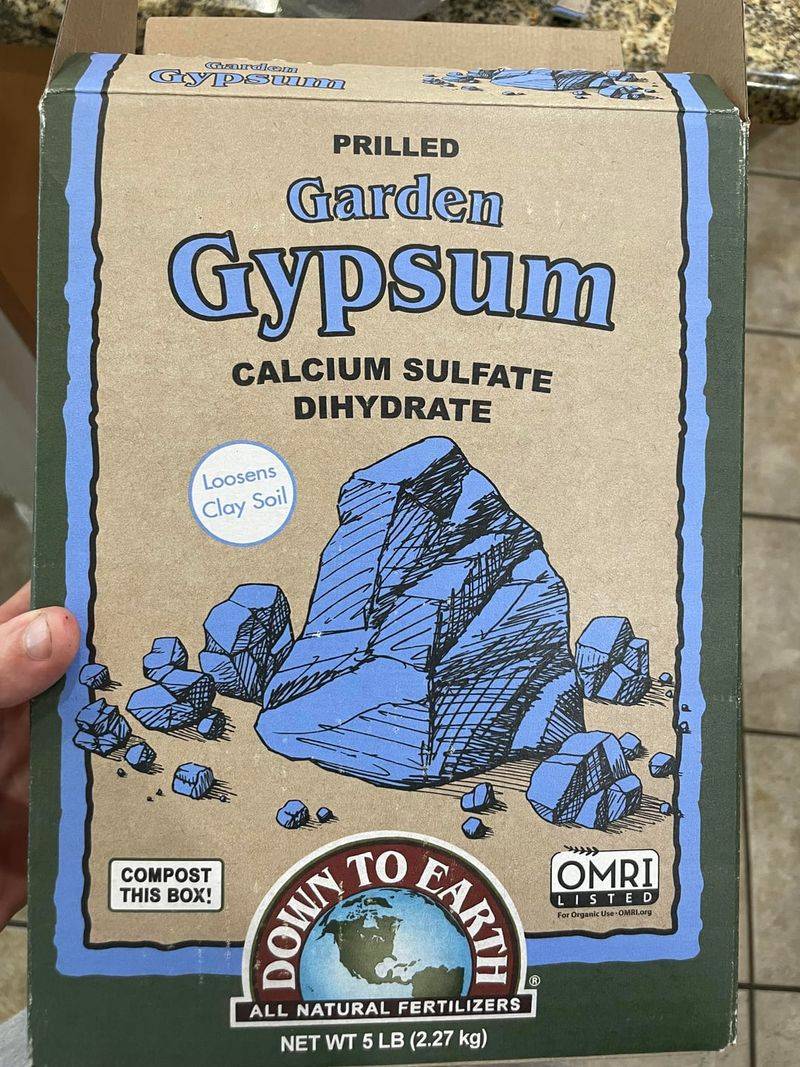
Gypsum has a solid reputation as a clay soil amendment, and in the right situations it genuinely works. Calcium in gypsum helps clay particles clump together into larger aggregates, which improves soil structure and drainage.
For sodic soils, which are soils with too much sodium, gypsum can be a game changer. But here is the catch: not all California clay soils are sodic.
And if your soil does not have a sodium problem, adding gypsum will not do much of anything useful.
Applying gypsum to soil that does not need it is essentially a waste of money and effort. Worse, if your soil already has adequate calcium levels, you can push the calcium-to-magnesium ratio out of balance.
That imbalance can interfere with how plants absorb magnesium, leading to deficiency symptoms that look like other problems and are hard to diagnose without testing.
A basic soil test from your local UC Cooperative Extension office costs very little and gives you real data about what your California garden soil actually needs. Gypsum is not a universal clay fix.
It is a targeted solution for a specific soil chemistry problem. Going in without testing is like taking medicine without knowing what is wrong.
Test first, then decide. Your California clay soil and your wallet will both benefit from that simple step.
8. Epsom Salt
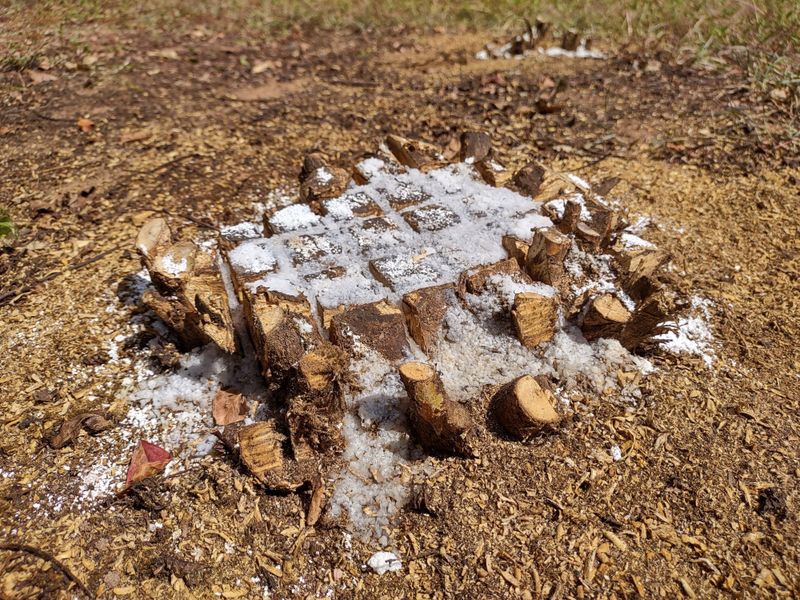
Epsom salt has gone viral in the gardening world. Social media posts claim it boosts plant growth, fixes yellowing leaves, and improves soil health.
The reality is much less exciting, especially when it comes to California clay soil. Epsom salt is magnesium sulfate.
It provides magnesium and sulfur to plants. But California soils, particularly clay soils in Southern California and the San Joaquin Valley, often already have plenty of magnesium naturally.
Adding more does not help and can actually cause harm.
When you add Epsom salt to clay soil regularly, the extra magnesium can displace calcium at the molecular level. Calcium is what helps clay particles bind together into a better structure.
Lose that calcium balance, and your clay soil becomes even more compacted and sticky than it already was. That is the opposite of improvement.
Epsom salt also adds sulfate, which contributes to salt buildup in the soil. In a state where water quality and soil salinity are already concerns in many growing regions, adding more salt-based products is risky.
Unless a soil test specifically shows your California garden is low in magnesium, Epsom salt has no business being in your clay soil. It is one of those internet trends that sounds helpful but simply does not hold up to the science.