When Ohio Gardeners Should Use Wood Ash And The 4 Plants That Benefit Most
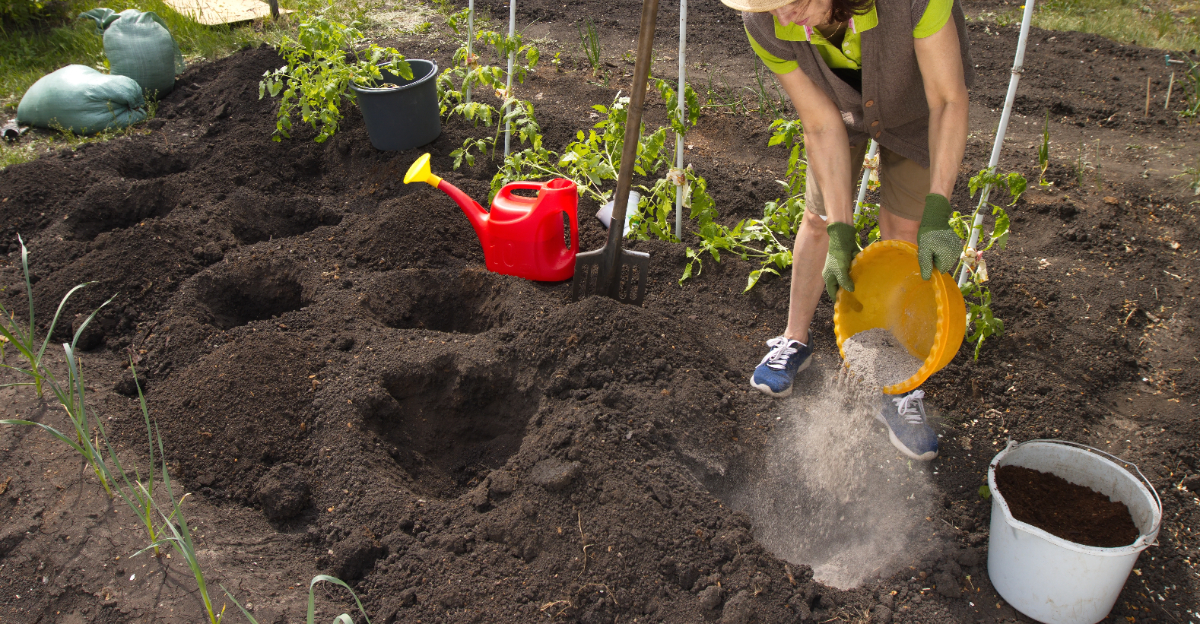
Wood ash has been sitting in a bucket next to Ohio garden beds for generations. Some gardeners swear by it.
Others have dumped it on the wrong plants and spent the rest of the season scratching their heads wondering what went wrong. The truth lands somewhere in the middle.
Wood ash is not a miracle amendment, but it’s not garden folklore either. Used in the right spot, on the right plants, at the right time, it does a solid job raising soil pH and adding a modest dose of potassium and calcium.
That’s genuinely useful in parts of Ohio where acidic soil works against certain crops and flowers. The catch is that wood ash is one of those inputs where a little goes a long way and a lot causes real problems fast.
Ohio soils vary county by county, and what works beautifully in one backyard can lock out nutrients in the next. So before you reach for that bucket, it’s worth knowing exactly which plants actually respond well to it and which ones you should protect from it entirely.
1. Test Your Ohio Soil Before You Spread Any Ash
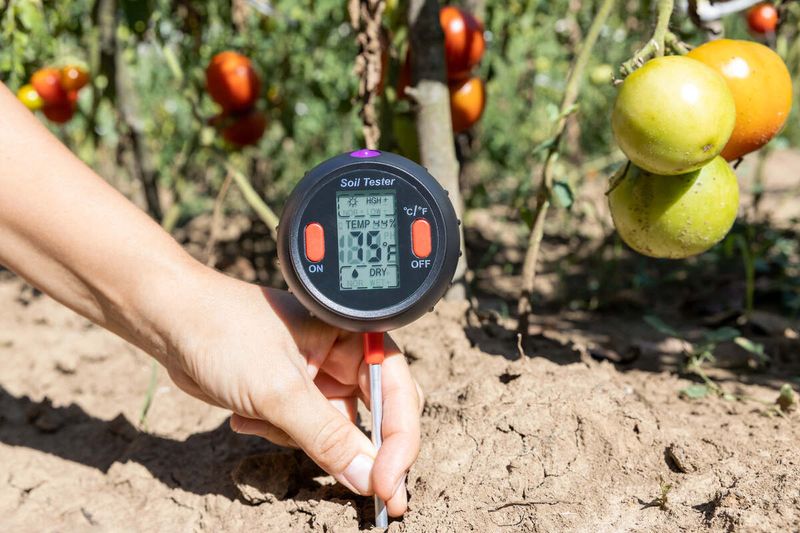
Grabbing that bucket of ash and heading to the garden without checking your soil first is one of the easiest mistakes Ohio gardeners can make. Soil testing should always be the first step before adding wood ash to any bed, raised planter, or established garden area.
Ohio State University Extension recommends regular soil testing to understand pH levels and nutrient availability before making any amendments.
Wood ash raises soil pH because it acts similarly to a liming material. If your soil pH is already at 6.5 or higher, adding ash may push it into a range where important nutrients like manganese, iron, and boron become harder for plants to absorb.
A soil test removes the guesswork and tells you exactly what your garden needs.
Many Ohio gardeners deal with varied soil conditions depending on location, drainage patterns, previous fertilizer use, and years of compost additions.
A vegetable bed in central Ohio may read very differently than a raised bed in a backyard that has received lime for years.
Contact your local OSU Extension office or use a certified lab to get a reliable soil test before applying ash anywhere in your garden.
2. Use Clean Wood Ash Only Where Soil Needs A Lift
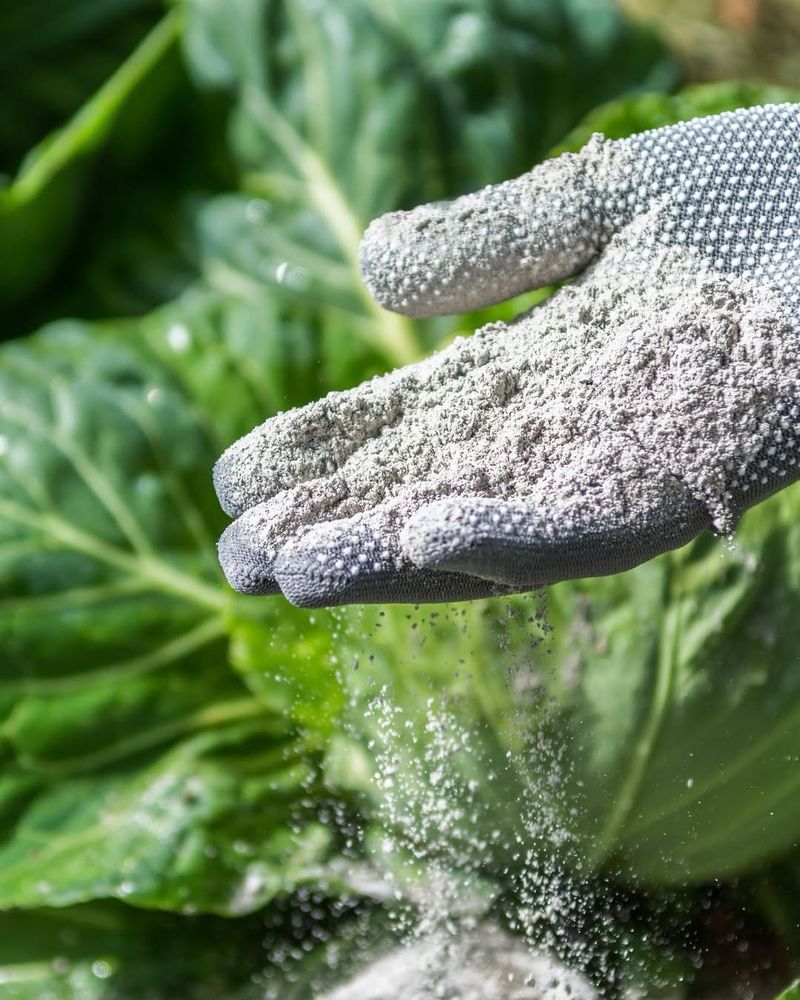
Not all ash belongs in the garden, and that is a point worth taking seriously before you empty any fireplace or fire pit. Only ash from clean, untreated, unpainted wood should ever be considered for garden use.
Ash from charcoal briquettes, burned trash, painted boards, pressure-treated lumber, glossy paper, or coated cardboard can contain harmful residues that have no place in a vegetable bed.
Clean wood ash contains calcium carbonate, potassium, and trace minerals that can benefit soil under the right conditions. Because wood ash raises soil pH and is more reactive than limestone, apply it cautiously and only according to soil-test guidance.
Your Ohio Garden Changes Every Week. Your Plan Should Too.
Gardening in Ohio changes quickly throughout the season. Every Friday you’ll receive a simple weekly plan showing exactly what to plant, prune, fertilize, harvest, and protect so you never miss the right timing.
Many Extension-style sources suggest light applications, often around one 5-gallon bucket, or roughly 15 to 20 pounds, per 1,000 square feet. Ash should be worked into the soil rather than left sitting on the surface in piles.
Do not mix wood ash with nitrogen fertilizers such as ammonium sulfate, ammonium nitrate, or urea, because the high pH can increase nitrogen loss as ammonia gas
Keep ash dry before use, since wet ash can become caustic and clump in ways that make even spreading difficult. Store it in a covered container if you are collecting it gradually.
Think of clean wood ash as a small, targeted soil amendment rather than a broad fix for any garden problem.
3. Keep Ash Away From Acid-Loving Plants
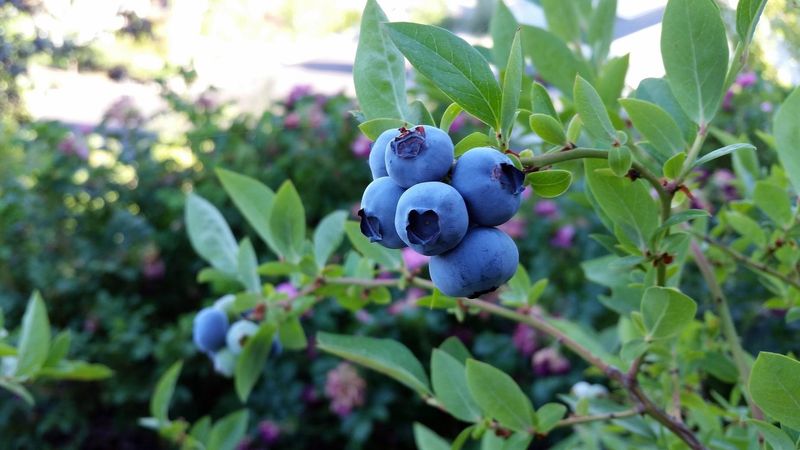
Some of the most popular plants Ohio gardeners grow actually need acidic soil to stay healthy, and wood ash can quickly push pH in the wrong direction for them.
Blueberries, azaleas, rhododendrons, and many other acid-loving plants prefer acidic soil, often well below the pH range used for most vegetables.
Some landscape plants, including certain hollies and pin oaks, can also struggle when soil pH rises too high. Adding ash around any of these plants, even once, can raise pH enough to interfere with nutrient uptake and slow growth noticeably.
The problem is not always visible right away. A blueberry bush that receives ash may begin showing yellowing leaves the following season as iron and manganese become less available at higher pH levels.
By the time gardeners notice the symptoms, the damage to soil chemistry has already been done and correcting it takes time and patience.
Ash does not belong around every shrub, perennial bed, or vegetable crop just because it is available. Ohio gardeners who grow blueberries or other strongly acid-loving plants should keep wood ash completely away from those areas.
Use extra caution around strawberries, which prefer slightly acidic soil and usually do not need pH-raising amendments unless a soil test calls for them.
If you are unsure whether a plant prefers acidic conditions, check with OSU Extension before applying any pH-raising amendment.
Protecting soil chemistry is far easier than trying to fix it after the fact.
4. Let Tomatoes Benefit Only When pH And Potassium Are Low
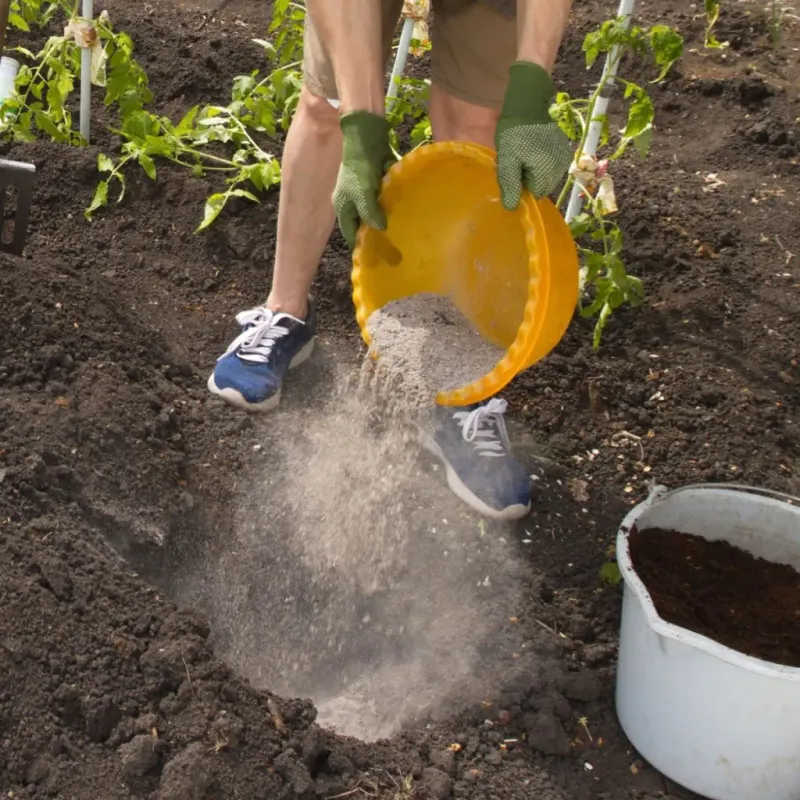
Tomatoes are the most popular vegetable in Ohio home gardens, and plenty of gardeners wonder whether wood ash can help them grow better.
The honest answer is that ash may help tomatoes only in specific soil situations, and it is not a general fix for every tomato problem you might encounter.
Tomatoes generally perform well in slightly acidic soil, and Ohio State University Extension recommends keeping tomato soil pH around 6.0 to 6.5 when managing blossom-end rot risk.
Some gardeners believe wood ash prevents blossom-end rot by adding calcium to the soil. That claim needs careful context.
Blossom-end rot in tomatoes is usually tied to inconsistent soil moisture that limits the plant’s ability to move calcium through its tissue, not simply a shortage of calcium in the ground.
Steady watering, mulching with straw or shredded leaves, and avoiding big swings between wet and dry soil are far more reliable strategies than adding ash.
If a soil test shows that your Ohio tomato bed has genuinely low potassium and a pH below 6.0, then a light ash application may be worth considering as part of a broader soil plan.
Always confirm with a test first and apply ash sparingly around the bed rather than directly against the stem.
5. Give Peppers Ash Only When The Soil Test Agrees
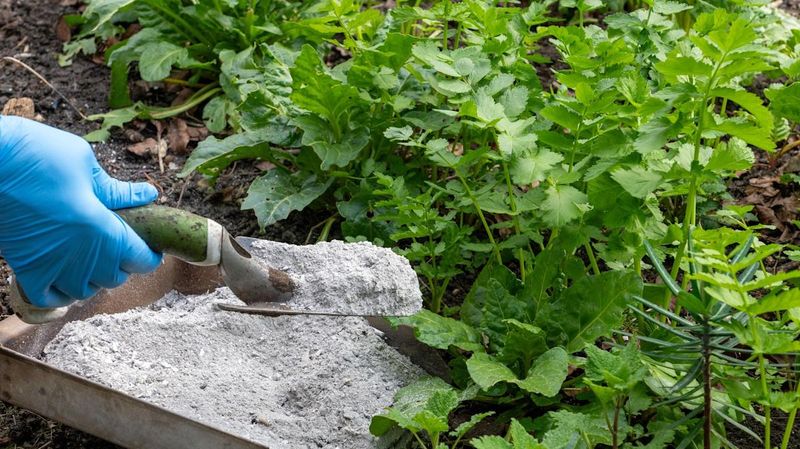
Pepper plants are particular about their growing conditions, and Ohio gardeners who have struggled with slow pepper growth know that soil quality matters from the very start of the season.
Capsicum annuum prefers warm, well-drained soil, and Ohio pepper guidance places the ideal pH range around 6.0 to 6.8.
Adding wood ash without a soil test risks pushing that pH too high, which can slow nutrient absorption and set plants back right when they should be hitting their stride.
Potassium plays a role in fruit development and overall plant health, and if a soil test shows that potassium is genuinely low in your Ohio pepper bed, then a light ash application might be one part of addressing that gap.
But ash is not a substitute for a complete soil fertility plan, and peppers do not need heavy doses of any single amendment.
Too much ash in one season can create imbalances that take more than one growing season to correct.
Practical pepper growing in Ohio also depends on timing. Soil should be reliably warm before transplanting, ideally above 60 degrees Fahrenheit.
Good drainage, consistent moisture, and wind protection all matter as much as soil nutrients. Use ash only when the numbers from your soil report clearly support it.
6. Use Ash Sparingly Around Established Asparagus Beds
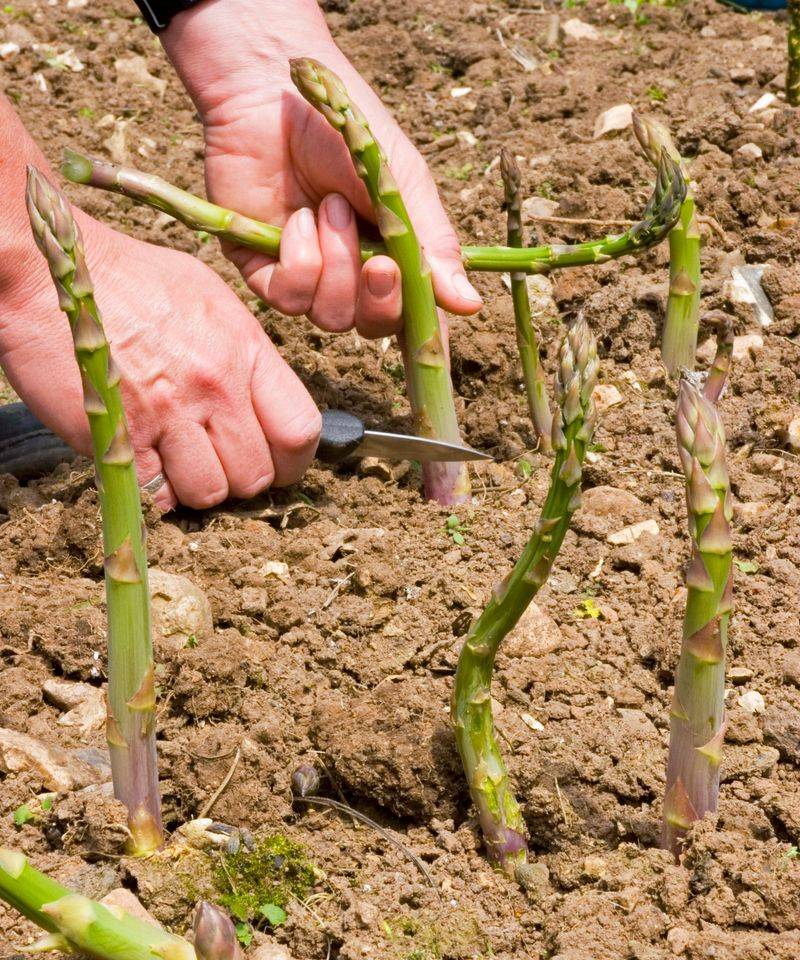
Few vegetables reward patience quite like asparagus. An established asparagus bed can produce spears for 15 to 20 years or more, which is exactly why any soil amendment decision around those crowns deserves careful thought.
Asparagus officinalis prefers a soil pH between 6.5 and 7.0, and if a soil test shows that your Ohio asparagus bed is sitting below that range, a modest wood ash application may be worth considering.
The word modest is key here. Asparagus crowns are sensitive, and heavy ash applications can push pH above the ideal range or create nutrient imbalances that affect fern growth and root energy storage.
Ash should never be piled directly against crowns. A light surface application that is then gently incorporated into the top few inches of soil is a safer approach.
A light surface application that is then gently incorporated into the top few inches of soil is a safer approach.
Asparagus beds benefit most from consistent weed control, annual compost additions, and proper harvest timing that allows ferns to grow fully each season and recharge the crowns.
Ash is not something most Ohio asparagus beds need every year.
Check your soil every two to three years, and let those results guide any decision about adding ash or other pH-adjusting materials to your long-term asparagus planting.
7. Help Beets Grow Where Soil Is Too Acidic
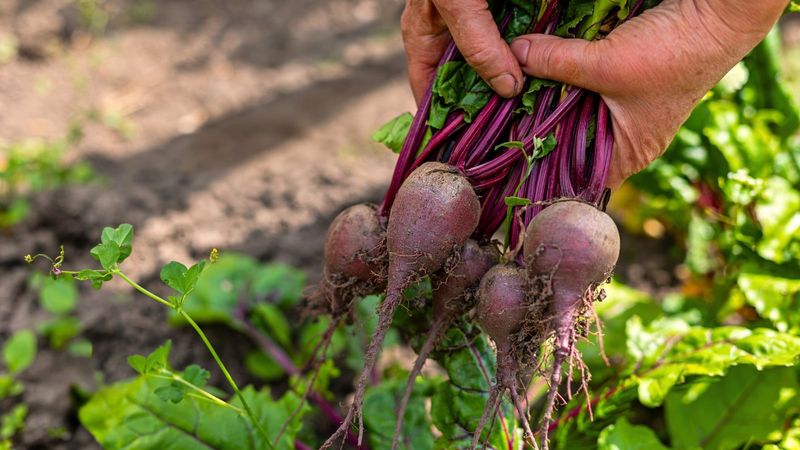
Beets are one of those vegetables that tell you a lot about your soil just by how they grow.
Stunted roots, poor germination, and uneven sizing are often signs that something in the soil is off, and in Ohio gardens with naturally acidic conditions, low pH can be part of the problem.
Beta vulgaris generally performs best in soil with a pH between 6.0 and 7.0, so if your soil test shows a reading below that range and potassium is also low, a careful wood ash application may help set up better growing conditions.
Ash is not the main factor in growing good beets, though. Loose, rock-free soil that allows roots to expand without resistance matters just as much as pH.
Beets also need steady moisture throughout the growing season because dry spells followed by heavy watering can cause roots to crack or develop uneven texture. Thin seedlings to proper spacing early so each plant has room to form a full, round root.
Ohio gardeners who direct sow beets in spring can plant once soil is around 40°F, though germination is generally stronger as soils warm into the 50°F to 85°F range.
If ash is used, apply it before planting and work it into the top several inches of soil so it has time to blend in before seeds go in the ground.