The Easiest Way To Add Color To Your Ohio Front Yard Without Replanting Every Year
Some front yards never seem to hit that sweet spot.
Spring flowers show off for a few weeks, summer heat starts calling the shots, and suddenly the whole space looks like it needs another shopping trip, another planting session, and a whole lot more effort than anyone signed up for.
That is why the smartest color in an Ohio front yard often comes from plants that know how to hold their own year after year.
You plant them once, give them a good start, and they keep coming back with fresh blooms, better size, and a lot less fuss than seasonal swaps.
It is one of the easiest ways to make a front yard look fuller, brighter, and more put together without starting from scratch every spring.
A few well-chosen perennials can do the heavy lifting, stretch color across the seasons, and save you from the constant replanting routine that gets old fast.
1. Let Perennials Take Over The Color Work
Forget the annual flower routine for a minute. Every spring, millions of gardeners load up their carts with petunias, marigolds, and impatiens, plant them in a rush, enjoy them for a few months, and then watch them fizzle out by October.
Next year, the whole cycle starts again. Hardy perennials break that loop completely.
Perennials are plants that come back year after year from the same root system. Unlike annuals, they do not need to be replanted each season.
You put them in once, give them a decent start, and they reward you with color, structure, and growth for years to come. Ohio’s climate, with its cold winters and warm, humid summers, is actually a good fit for a wide range of tough perennials.
Black-Eyed Susans, Purple Coneflowers, and Daylilies are three classic examples that thrive across most of Ohio without much fuss.
According to Ohio State University Extension, these plants handle Ohio’s variable weather well and establish reliably in average garden soil.
They bloom at different points in the season, which means you are not stuck with one short window of color.
For a front yard, perennials also give you more design control. You can plan for height, spread, and color combinations that hold up year after year.
Annuals are unpredictable because you are essentially starting over every time. Perennials let your yard build on itself, growing fuller and more established with each passing season.
That kind of progress is hard to beat.
2. Bring Back Front Yard Color Every Spring
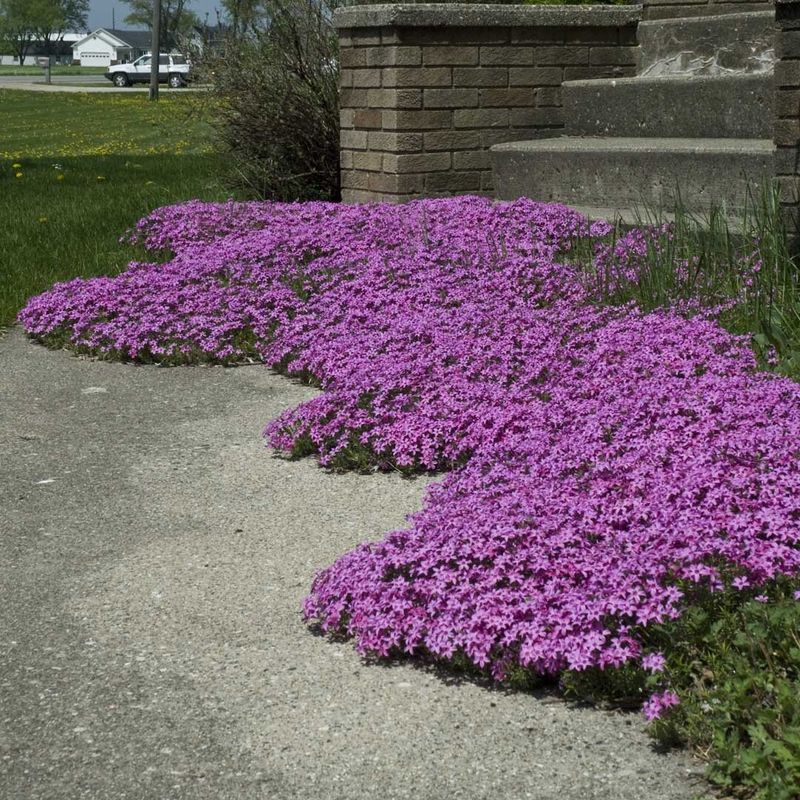
Spring in Ohio can feel like a long wait. Cold snaps linger into April, and the yard looks flat and tired after months of grey skies.
That is exactly why early-blooming perennials matter so much for a front yard that feels alive as soon as the season turns.
Creeping Phlox is one of the best early-season performers available to Ohio gardeners. It forms low, spreading mats that explode with pink, purple, or white blooms in April and May, right when the rest of the yard is still waking up.
Your Ohio Garden Changes Every Week. Your Plan Should Too.
Gardening in Ohio changes quickly throughout the season. Every Friday you’ll receive a simple weekly plan showing exactly what to plant, prune, fertilize, harvest, and protect so you never miss the right timing.
It handles Ohio winters without complaint and comes back thicker each spring. Planted along a border or cascading over a low wall, it creates a dramatic first impression from the street.
Bleeding Heart is another reliable early bloomer that adds elegant, arching stems covered in heart-shaped pink or white flowers. It prefers partial shade, making it a smart choice for spots under trees or on the north side of the house where other plants struggle.
Once it finishes blooming in late spring, its foliage holds the space until neighboring plants fill in.
The real advantage of relying on returning perennials for spring color is that you are not dependent on a nursery run every March. Your plants are already in the ground, already rooted, and already preparing to perform.
That kind of reliability takes the pressure off the start of the gardening season and lets you enjoy spring instead of scrambling through it every year.
3. Stretch The Bloom Season The Smart Way
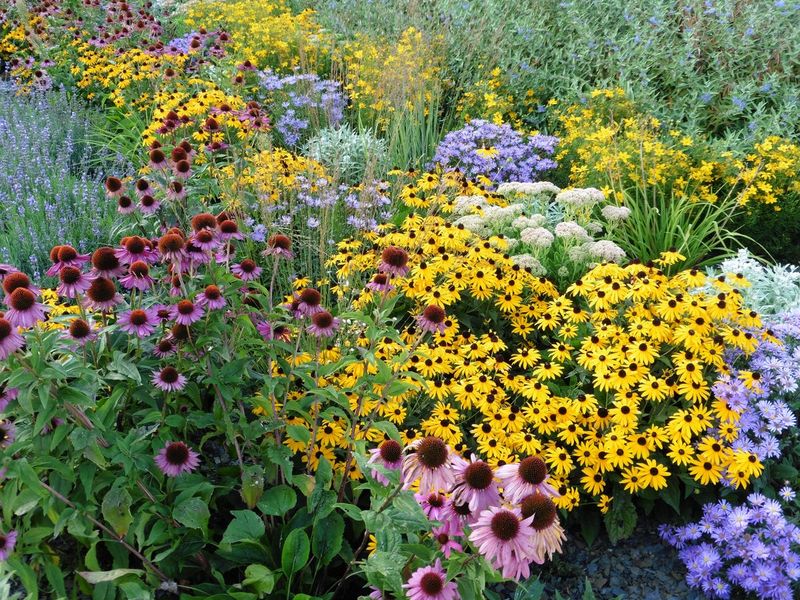
Most front yards hit their color peak in midsummer and then fade fast. By August, the blooms are thinning out, and by September, the yard looks like it gave up.
The fix is not more plants. It is smarter plant selection based on staggered bloom times.
Think of your front yard as a relay race. You want one group of plants handing off to the next so the color keeps moving through the season without a long gap.
Creeping Phlox and Bleeding Heart carry the spring leg. Coreopsis and Daylilies take over in early to midsummer.
Black-Eyed Susans and Purple Coneflowers push into late summer. Then Asters and Sedum step in to close out the fall season with purples and pinks that last into October.
Coreopsis, also called Tickseed, is especially useful for bridging the gap between late spring and midsummer. It blooms from late May through August in Ohio and tolerates heat and dry spells without much intervention.
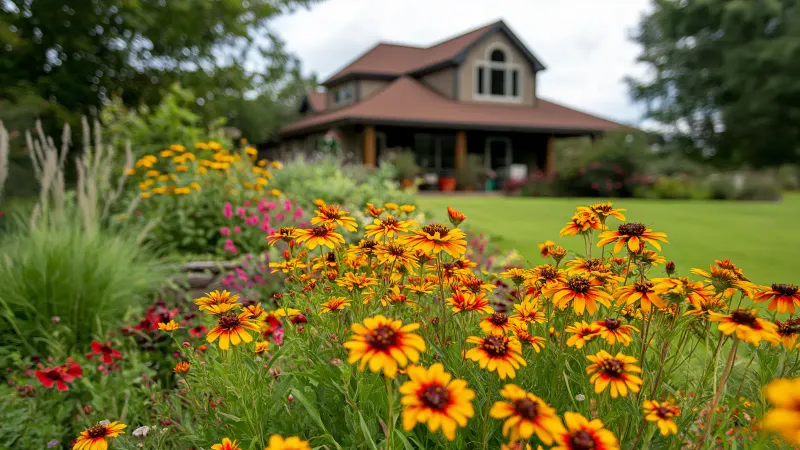
Its bright yellow flowers are cheerful and highly visible from the street, giving the front yard a warm, welcoming look right through the hottest months.
Planning for bloom sequence takes a little thought upfront, but once the plants are in place, the yard essentially manages its own color calendar. You are not chasing blooms or filling gaps with last-minute purchases.
The garden flows naturally from one season to the next, and your front yard stays interesting from April all the way through the first frost. That is a serious upgrade from a single midsummer burst.
4. Use Bold Foliage To Fill The Gaps
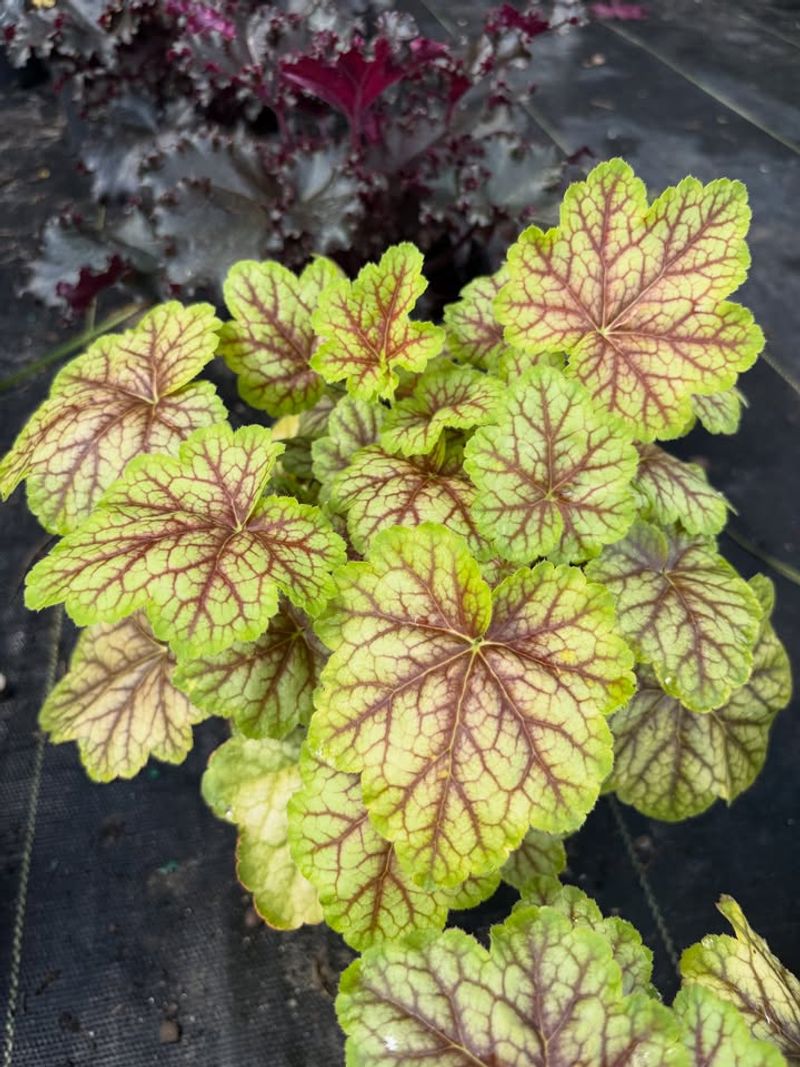
Flowers get all the attention, but foliage is the quiet engine that keeps a front yard looking good between bloom cycles.
When the Daylilies are done and the Coneflowers have not opened yet, the plants you can count on are the ones with standout leaves, interesting textures, or striking color that holds up all season long.
Hostas are the most well-known foliage perennial for Ohio gardens, and for good reason. They grow in a wide range of shade conditions, come in sizes from compact to enormous, and offer leaf colors that range from deep green to blue-grey to bright chartreuse.
Some varieties are edged in white or gold, giving them an almost decorative quality that reads well from the street. They do not bloom for long, but their foliage carries the bed from spring through frost.
Heuchera, commonly called Coral Bells, brings even more color flexibility. Modern varieties offer leaves in burgundy, caramel, lime green, and nearly black, giving you foliage that acts like a permanent color accent even without a single flower open.
Ohio State University Extension recommends Heuchera as a reliable performer in Ohio’s climate, particularly in partial shade locations where bold color can be hard to find.
Ornamental grasses add movement and texture in a completely different way. Varieties like Little Bluestem, which is native to Ohio, turn a warm copper-red in fall and hold that color well into winter.
Pairing grasses with broadleaf foliage plants creates visual contrast that makes the whole bed feel more polished and intentional, even on the days when nothing is in bloom.
5. Layer Your Beds For Bigger Color Impact
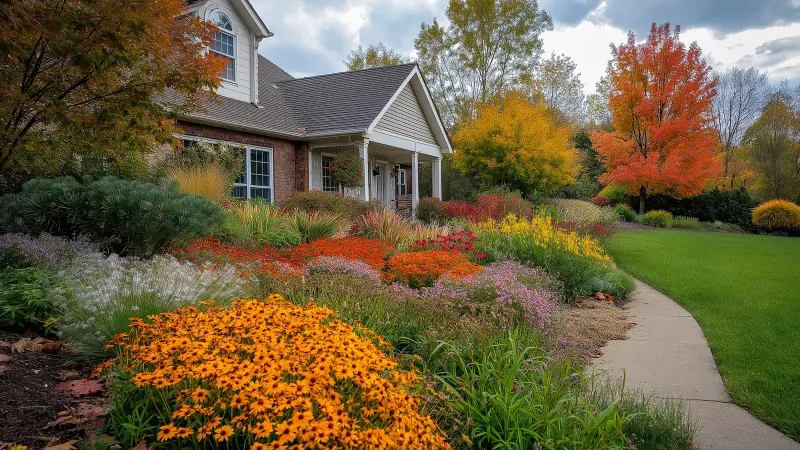
A flat garden bed where everything is roughly the same height does not read well from the street. It looks like a collection of plants rather than a designed space.
Layering changes that completely, and it does not require a landscape degree to pull off.
The basic rule is simple: tall plants go in the back, medium plants go in the middle, and low-growing plants go along the front edge.
For an Ohio front yard, that might mean placing ornamental grasses or tall Black-Eyed Susans along the back of the bed near the house foundation, mid-height Daylilies and Purple Coneflowers in the center, and low Creeping Phlox or Coreopsis along the front border closest to the sidewalk or lawn.
Layering does more than just look good. It also gives each plant better access to sunlight, which means healthier growth and more blooms.
Taller plants are not blocking shorter ones, and the whole bed stays productive rather than crowded. That kind of structure also makes the yard look fuller and more lush from a distance, even if you are working with a modest number of plants.
Repetition within layers helps tie the bed together visually. Planting the same variety in groups of three or five, rather than scattering individual plants randomly, creates bold patches of color that register clearly from a passing car or from across the street.
The goal is a front yard that looks intentional and generous, not sparse or accidental. Layering is the single most effective design tool for achieving that from the curb.
6. Rely On Plants That Keep Showing Up
Some plants are high-maintenance divas that need constant coddling to perform. Others just show up every year and do their job without drama.
For a low-effort Ohio front yard, the second group is exactly what you want to build around.
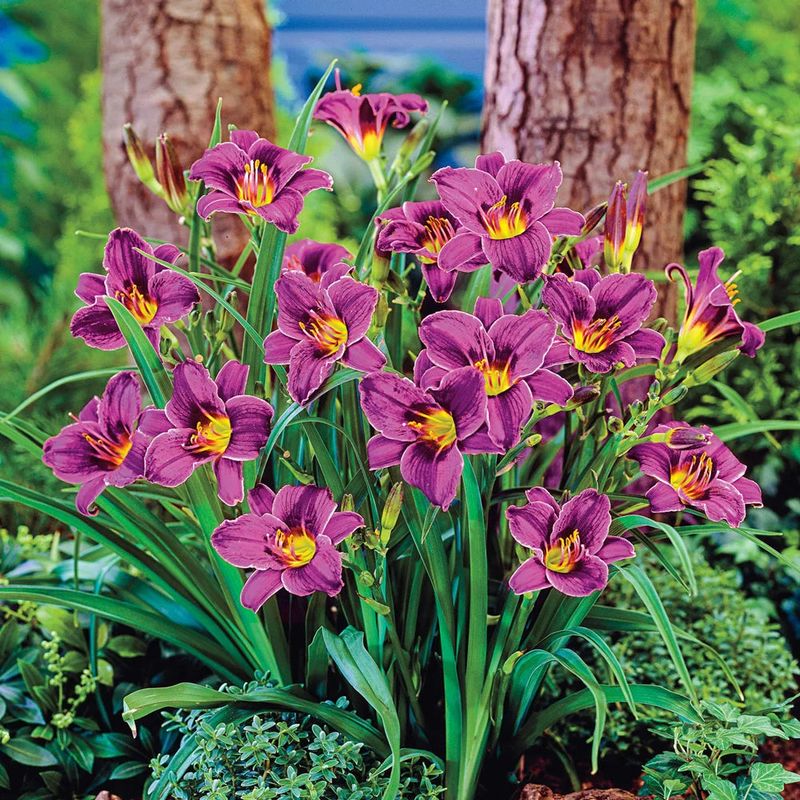
Daylilies are perhaps the most dependable perennial in the Ohio gardener’s toolkit. They spread gradually over time, filling in gaps without becoming invasive, and they bloom reliably from early to late summer depending on the variety.
Stella de Oro is a compact, reblooming type that flowers in waves from June through August, making it one of the most popular choices for front yard borders across the state.
Ohio State University Extension notes that Daylilies are among the most adaptable perennials for Ohio conditions, tolerating a range of soil types and light levels.
Purple Coneflower earns its place on this list not just for its rosy-purple blooms but for how little it asks in return. Once established, it handles drought, summer heat, and Ohio’s unpredictable spring weather without skipping a beat.
It also self-seeds lightly over time, meaning your planting gradually expands on its own without any extra work from you.
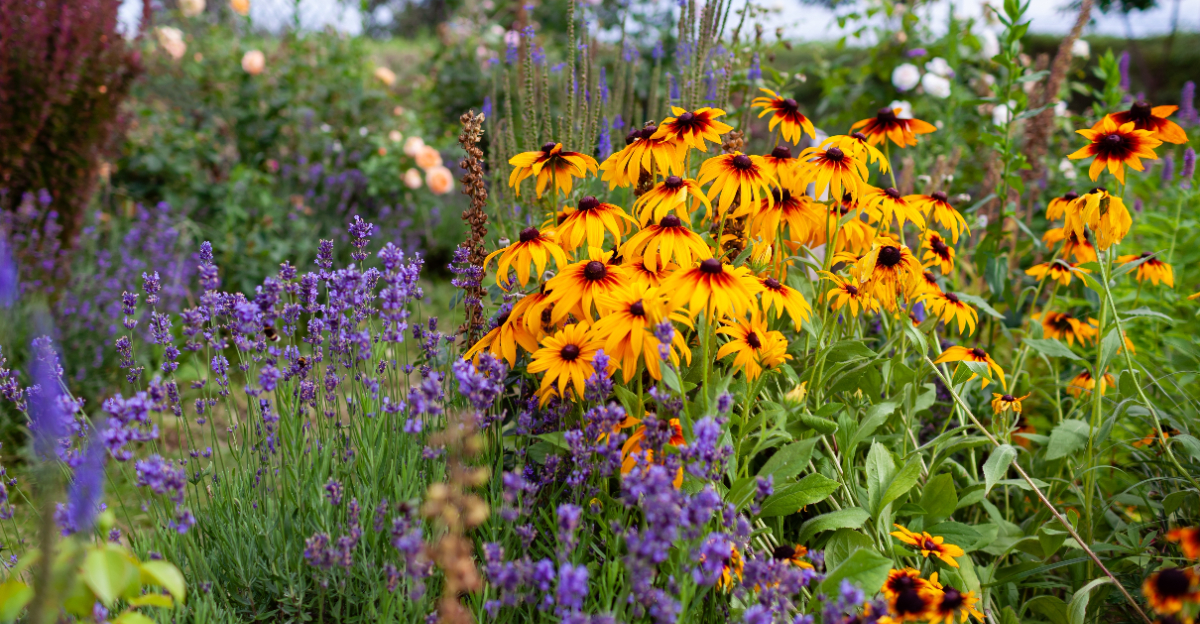
Black-Eyed Susan rounds out this reliable trio. Its golden-yellow blooms with dark centers show up in midsummer and last well into fall, attracting butterflies and bees while adding a warm, cheerful tone to the yard.
These three plants together give you a solid color foundation that returns faithfully each season, requires minimal intervention, and looks great without constant attention.
7. Cut Replanting Chores Without Losing Color
Switching from annuals to perennials is not just a gardening preference. It is a practical decision that saves real time and real money every single year.
Annual flowers have to be purchased, transported, planted, and eventually cleared out at the end of every season. Multiply that effort by even a modest-sized front yard and it adds up fast.
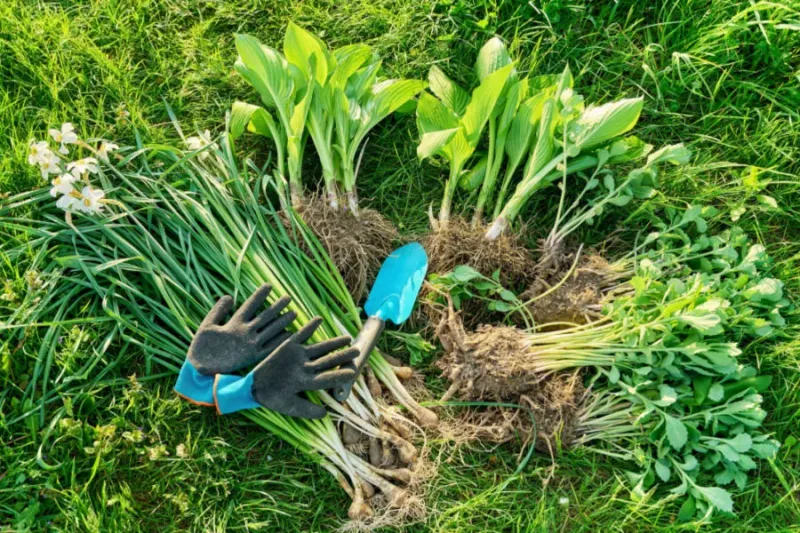
Perennials flip that equation. After the first year, your main jobs shrink down to a manageable list: cut back spent stems in fall or early spring, divide overcrowded clumps every few years, and pull the occasional weed.
That is a fraction of the labor involved in replanting from scratch. Most established perennial beds need only a few hours of attention each season to stay in good shape.
The cost savings are just as real. A flat of annual flowers can run anywhere from fifteen to thirty dollars, and most front yards need multiple flats to look full.
A perennial plant costs more upfront, sometimes two to three times the price of a single annual, but it pays for itself within two or three seasons. After that, it is essentially free color year after year.
Deadheading, which means removing spent flower heads, is one simple task that extends bloom time on many perennials without requiring much effort.
Coreopsis and Purple Coneflower both respond well to regular deadheading by producing more flowers throughout the season.
A quick pass through the bed every couple of weeks during peak bloom season keeps everything looking fresh and tidy without turning into a weekend project.
8. Give Your Ohio Front Yard Staying Power
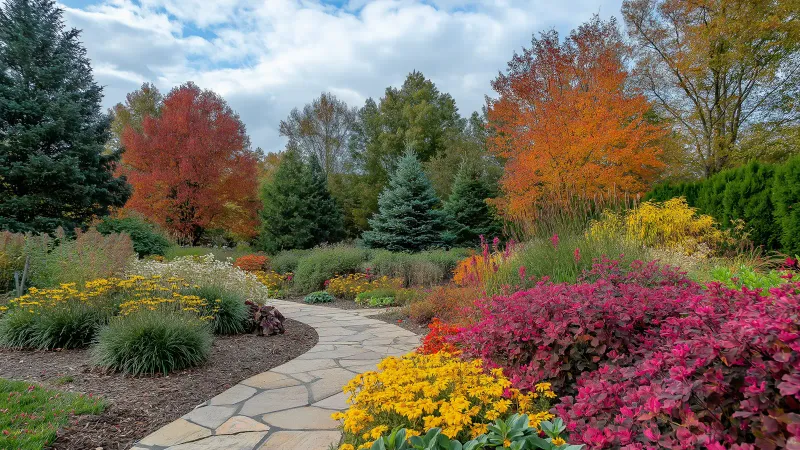
A front yard that looks great in July but falls apart by September is a common frustration for Ohio gardeners.
Building a yard with real staying power means thinking beyond the peak of summer and planning for a garden that holds its appeal from the first warm days of spring through the last weeks of fall.
Fall-blooming perennials are the key to extending that visual appeal deep into the season. Asters are among the best choices for Ohio, producing masses of purple, pink, or white daisy-like flowers from August through October.
They are native to North America, handle Ohio winters without trouble, and provide valuable late-season food for migrating pollinators.
New England Aster is a particularly robust species that thrives across the state and puts on a spectacular show when most other plants have already wound down.
Sedum, now more commonly called Hylotelephium, is another fall standout. Varieties like Autumn Joy develop broad, flat flower heads that open pink in late summer and deepen to rusty red as temperatures drop.
Even after the flowers fade, the dried seed heads hold structure in the garden through winter, giving the yard something to look at during the quietest months.
The real takeaway here is that a well-planned perennial front yard is not a one-and-done project. It is a living system that matures, fills in, and improves with time.
The plants you put in this year will be larger, fuller, and more colorful three years from now. That kind of long-term payoff is what separates a truly beautiful Ohio front yard from one that just gets by season to season.