10 Super Heat-Tolerant Plants For Arkansas Yards
Arkansas summers humbled me fast. My very first garden looked promising in May, full of color and hope, and completely unrecognizable by late July.
Arkansas heat did not care about my enthusiasm or my carefully read gardening blogs.
By July, my yard looked like it had given up on life entirely, and honestly, so had I.
But that sweaty, humbling summer turned out to be the best gardening lesson I ever got. Crispy leaves, drooping stems, and a whole lot of regret.
That summer taught me one very important lesson: you cannot fight Arkansas heat. You have to plant smarter.
Turns out, the right plants were out there all along. I just had to stop arguing with the weather long enough to find them.
After plenty of trial and error, I finally found the plants that actually love this punishing weather as much as locals love a good backyard barbecue.
These tough, gorgeous plants laugh in the face of triple-digit temperatures and come back looking fresher than ever.
Honestly, they thrive when everything else has already waved the white flag.
From seasoned gardeners to people who have struggled to keep even a cactus happy, this list is genuinely a game-changer.
Get ready to finally enjoy a yard that stays beautiful all summer long.
Your garden comeback story starts right here.
This summer, your yard is finally going to have its moment.
1. Pink Muhly Grass
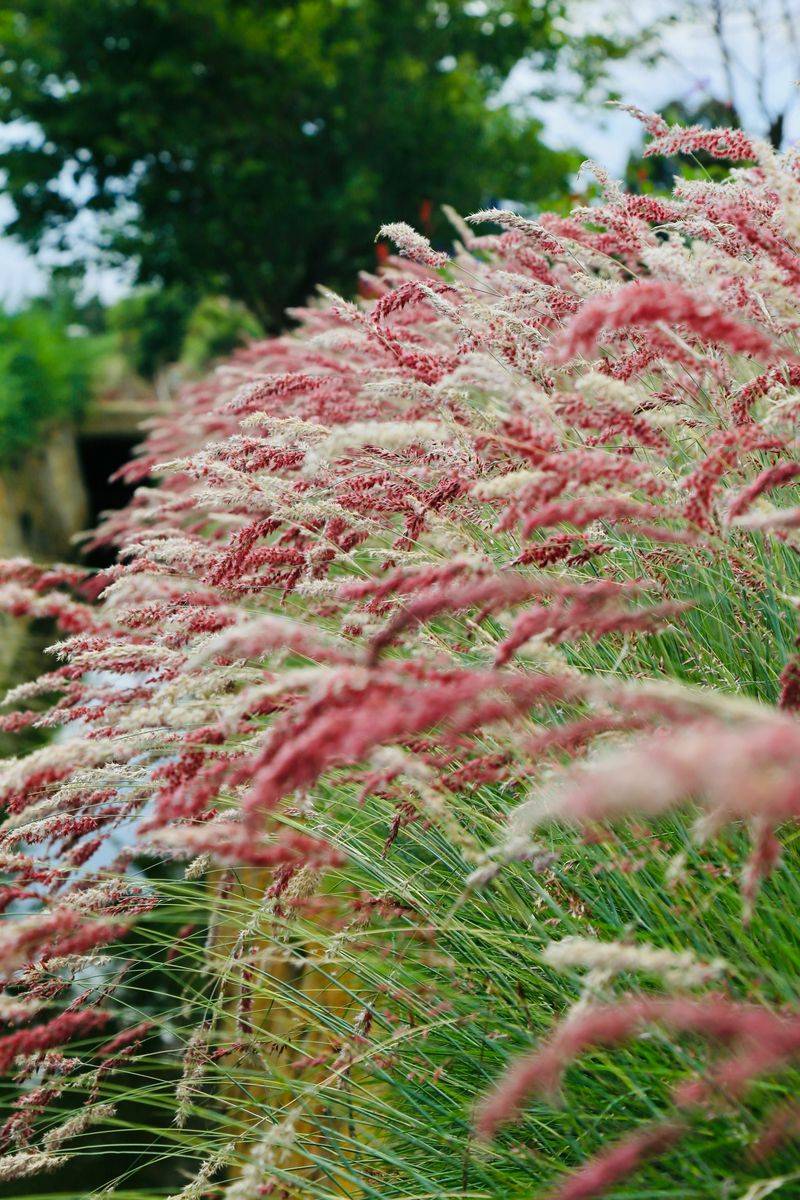
Few plants put on a show quite like pink muhly grass when autumn rolls around in Arkansas.
Those soft, cloud-like pink plumes can stop you in your tracks, making this ornamental grass one of the most eye-catching plants you can add to your yard.
It blooms from September through November, giving your landscape a burst of color right when most other plants are winding down.
Gardeners love this plant because it is incredibly tough once established.
It handles the brutal summer heat without missing a beat and actually prefers well-drained soil, so you do not need to fuss over it much.
Plant it in full sun and give it a good drink of water while it is getting settled, and it will pretty much take care of itself after that.
Pink muhly grass grows about two to three feet tall and wide, making it a great choice for borders, slopes, or anywhere you want low-maintenance color.
It also attracts birds and pollinators, adding even more life to your outdoor space.
For Arkansas homeowners who want beauty without constant upkeep, this grass is a smart and stunning pick.
2. American Beautyberry
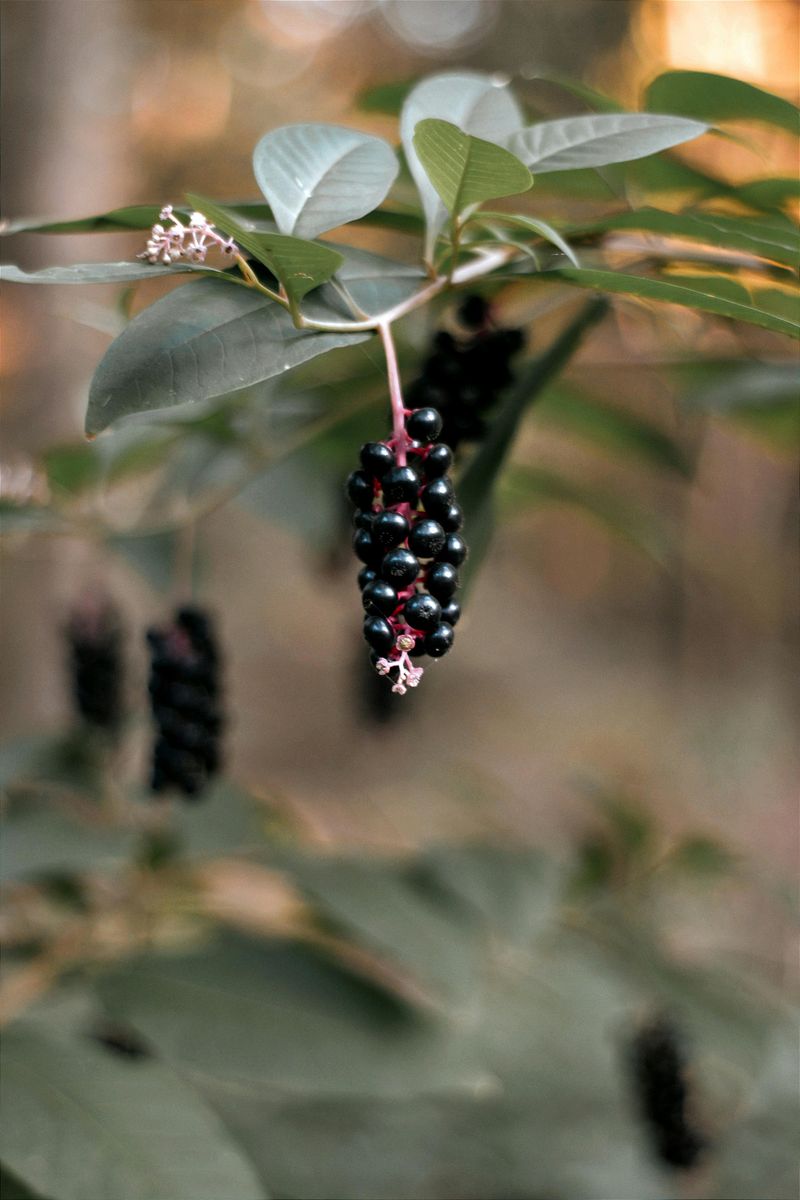
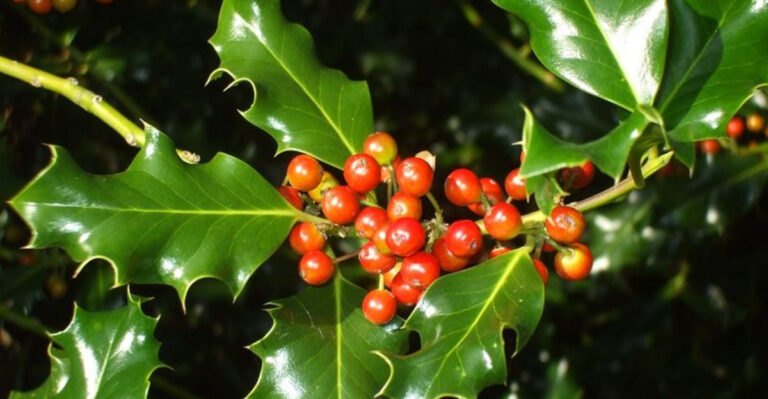
Imagine clusters of bright, electric-purple berries wrapping around long arching branches like nature’s own jewelry display.
Stop scrolling through plant catalogs, because nothing in there is going to top this.
That is exactly what American beautyberry brings to your yard every fall, and it is hard to find anything else quite like it in the plant world.
Native to the southeastern United States, this shrub has been growing wild across Arkansas for centuries.
Your Arkansas Garden Changes Every Week. Your Plan Should Too.
Gardening in Arkansas changes quickly throughout the season. Every Friday you’ll receive a simple weekly plan showing exactly what to plant, prune, fertilize, harvest, and protect so you never miss the right timing.
One of the best things about American beautyberry is its toughness in the heat.
It handles Arkansas summers with ease, growing happily in full sun or partial shade, which gives you a lot of flexibility when planning your landscape.
The shrub can reach six to eight feet tall, so it works well as a backdrop plant or a natural screen along fences and property lines.
Beyond its stunning looks, American beautyberry is a wildlife magnet.
Songbirds, mockingbirds, and even deer are drawn to the berries, making your yard feel like a little nature preserve.
The leaves also have a mild fragrance that some people say helps repel mosquitoes when crushed.
For Arkansas gardeners who want a plant that is native, tough, beautiful, and good for wildlife, American beautyberry checks every single box.
3. Coreopsis
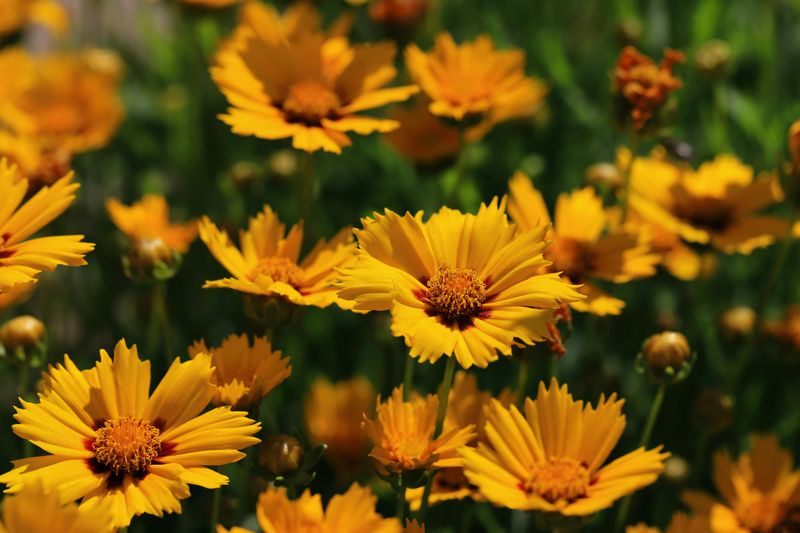
Cheerful, sunny, and almost impossible to discourage, coreopsis has earned its nickname as the tickseed for a reason.
Those bright yellow, daisy-like flowers just keep coming all summer long, even when the Arkansas heat is at its most punishing.
If you have ever driven past a roadside filled with golden blooms, there is a good chance coreopsis was part of that picture.
Arkansas gardeners appreciate this plant because it truly thrives on neglect.
Once established, coreopsis handles drought, heat, and poor soil without complaint.
You can plant it in full sun and forget to water it for a week during a July heatwave, and it will still greet you with fresh flowers.
That kind of reliability is rare and incredibly valuable in your summer garden.
Coreopsis comes in several varieties, including some with red, pink, or bicolor blooms, giving you options to mix and match in your beds.
It typically grows one to two feet tall, making it perfect for the front of borders or containers on patios.
Bees and butterflies absolutely adore it, so planting coreopsis is also a way to support local pollinators.
For a no-fuss, high-reward plant in Arkansas, coreopsis is hard to beat.
4. Blue Wild Indigo
Long before modern gardens existed, Native Americans were using blue wild indigo for dyes, medicine, and more.
This deep-rooted history adds a layer of meaning to an already impressive plant that thrives in Arkansas landscapes today.
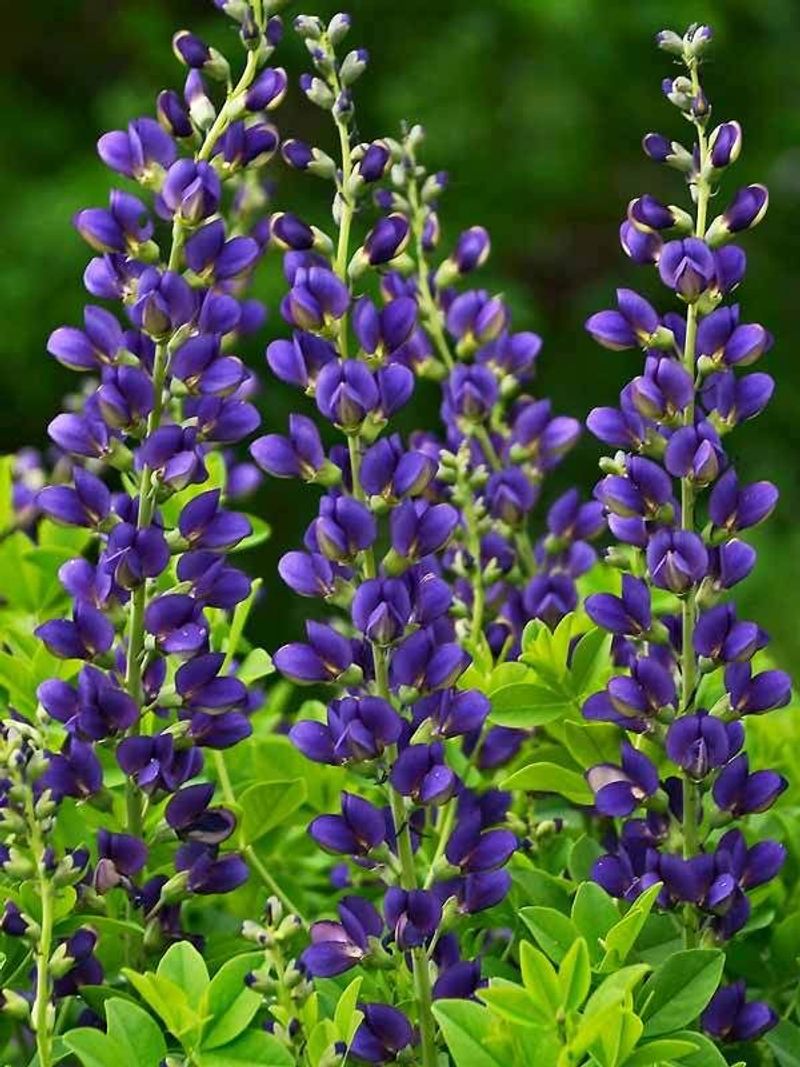
With tall spikes of blue-purple flowers rising up in late spring, blue wild indigo makes a bold statement wherever it grows.
What really sets this plant apart for Arkansas yards is its extraordinary toughness.
Blue wild indigo develops a deep taproot that lets it reach moisture far below the soil surface, making it naturally drought-resistant once established.
Every part of blue wild indigo is toxic if eaten, including the seed pods.
This is especially important to keep in mind if you have young children or pets who spend time in the garden.
Plant it in a spot that is easy to monitor, and enjoy it safely from a little distance.
It loves full sun and handles the intense heat of summer without needing extra care or additional water beyond the first growing season.
After the flowers fade, interesting dark seed pods take their place and rattle in the breeze, which kids especially seem to enjoy.
The plant grows two to four feet tall and wide, giving it a strong, structural presence in the landscape.
Bumble bees are particularly fond of blue wild indigo, making it a top choice for anyone who wants to support pollinators.
For a yard that needs a tough, native showstopper with history, this one truly delivers.
5. Bee Balm
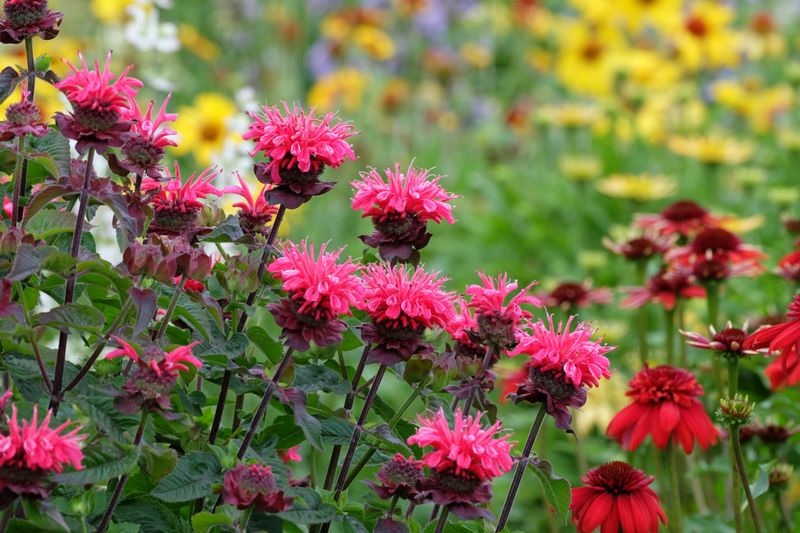
Walk past a patch of bee balm on a warm Arkansas morning and you will likely hear it before you see it. That sound, a warm buzzing hum mixed with the flutter of wings, is one of the best things a garden can offer.
Bees, hummingbirds, and butterflies all competing for a sip of nectar, and your yard gets to be the hottest spot in the neighborhood.
This wildly popular native perennial lights up summer gardens with shaggy, firework-like flowers in shades of red, pink, purple, and white.
It is one of those plants that makes a garden feel truly alive.
Bee balm belongs to the mint family, and like its relatives, it spreads enthusiastically once it gets comfortable.
Plant it in a spot with good air circulation to keep powdery mildew at bay, which can be a minor challenge during humid summers.
Full sun to partial shade works well, and regular watering during dry spells keeps it looking its best through the hottest months.
Beyond its beauty, bee balm has a long history as an herbal tea plant, and the leaves carry a spicy, oregano-like scent that many gardeners find irresistible.
It grows two to four feet tall and comes back reliably each year in Arkansas gardens.
For anyone who wants a garden that buzzes with wildlife energy while looking spectacular, bee balm belongs near the top of the list.
6. Wild Bergamot
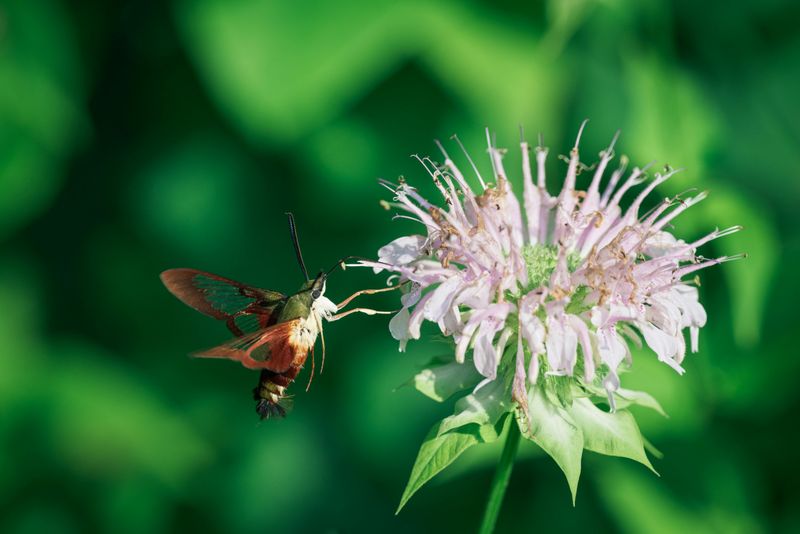
Wild bergamot is like the laid-back cousin of bee balm. It offers similar pollinator appeal with a softer, more meadow-like look that blends beautifully into naturalized landscapes.
Its lavender-pink flowers appear in summer and last for weeks, creating a gentle, airy feel in garden beds or wildflower areas.
Native to much of North America, it has strong roots in Arkansas’s natural history.
One of its standout qualities is exceptional heat and drought tolerance once established.
Wild Bergamot actually prefers dry to medium soil conditions, which means it performs well in the kind of fast-draining, rocky, or sandy soils that are common across parts of Arkansas.
Give it full sun and minimal supplemental water after its first year, and it will reward you season after season.
The fragrant foliage carries that signature bergamot scent, which is said to help deter some garden pests while attracting beneficial insects in large numbers.
Bumble bees, native bees, and painted lady butterflies are frequent visitors.
Wild bergamot grows two to four feet tall and spreads gradually to form attractive clumps over time.
For gardeners who love a natural, prairie-inspired look that practically cares for itself, wild bergamot is a wonderful and rewarding addition.
7. Cardinal Flower
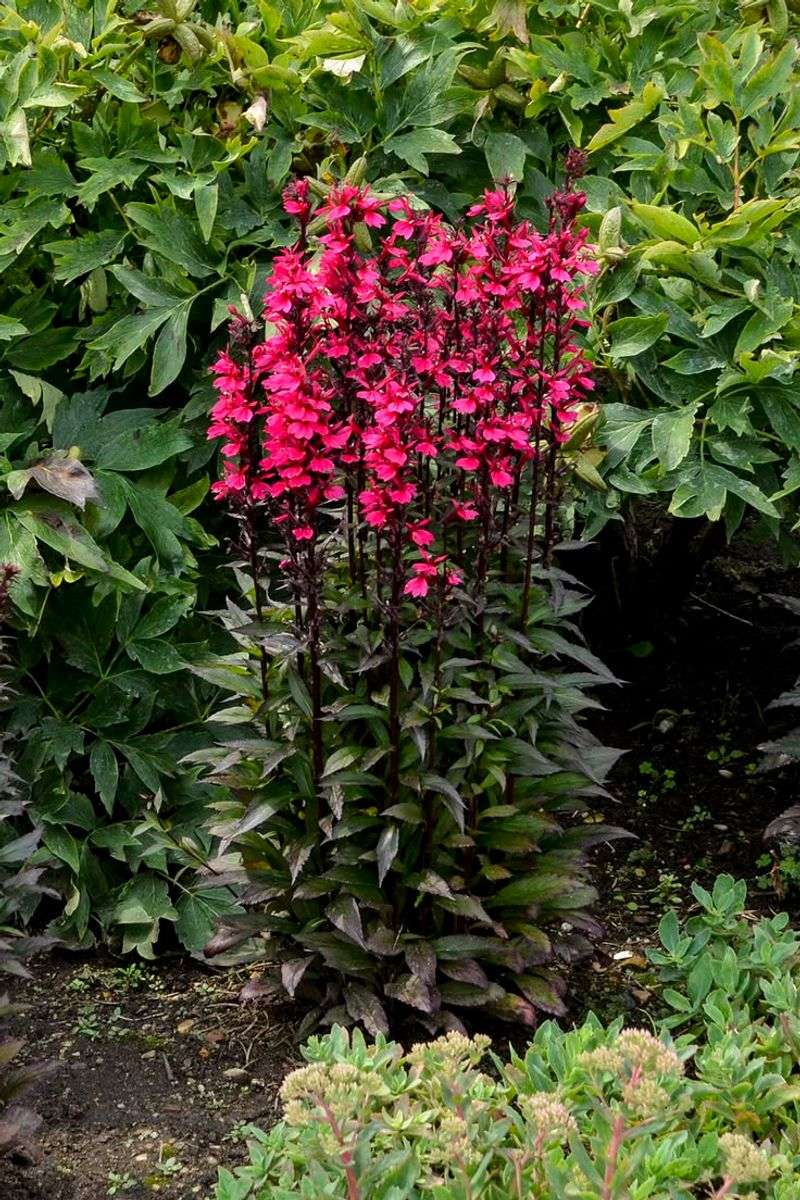
Ruby-red and almost impossibly vivid, cardinal flower is the plant that makes hummingbirds change their flight path just to visit your yard.
The tubular scarlet blossoms are perfectly shaped for hummingbird feeding.
Tiny hummingbirds hover around them with almost ridiculous precision.
Honestly, is there any faster way to make your backyard feel more alive in the middle of summer?
Few plants deliver that kind of wildlife magic quite so reliably.
Cardinal flower is native to Arkansas and naturally grows along stream banks and in moist woodland areas, which tells you it appreciates consistent moisture.
Unlike many heat-tolerant plants, cardinal flower actually likes to keep its feet a little wet.
Place it near a rain garden, low spot, or water feature and it will reward you like you gave it a five-star spa treatment.
Partial shade during the hottest part of the afternoon helps keep it happy through peak Arkansas summer heat.
Growing three to four feet tall with striking vertical flower spikes, cardinal flower adds dramatic height and color to any planting bed.
It self-seeds readily, meaning new plants will pop up around the parent plant each year, slowly expanding your display.
For gardeners with water features or low-lying areas in the yard, it is a stunning and ecologically valuable native plant.
Cardinal flower earns its place every single season.
If a plant this beautiful practically takes care of itself, why would you ever plant anything else?
8. Blazing Star
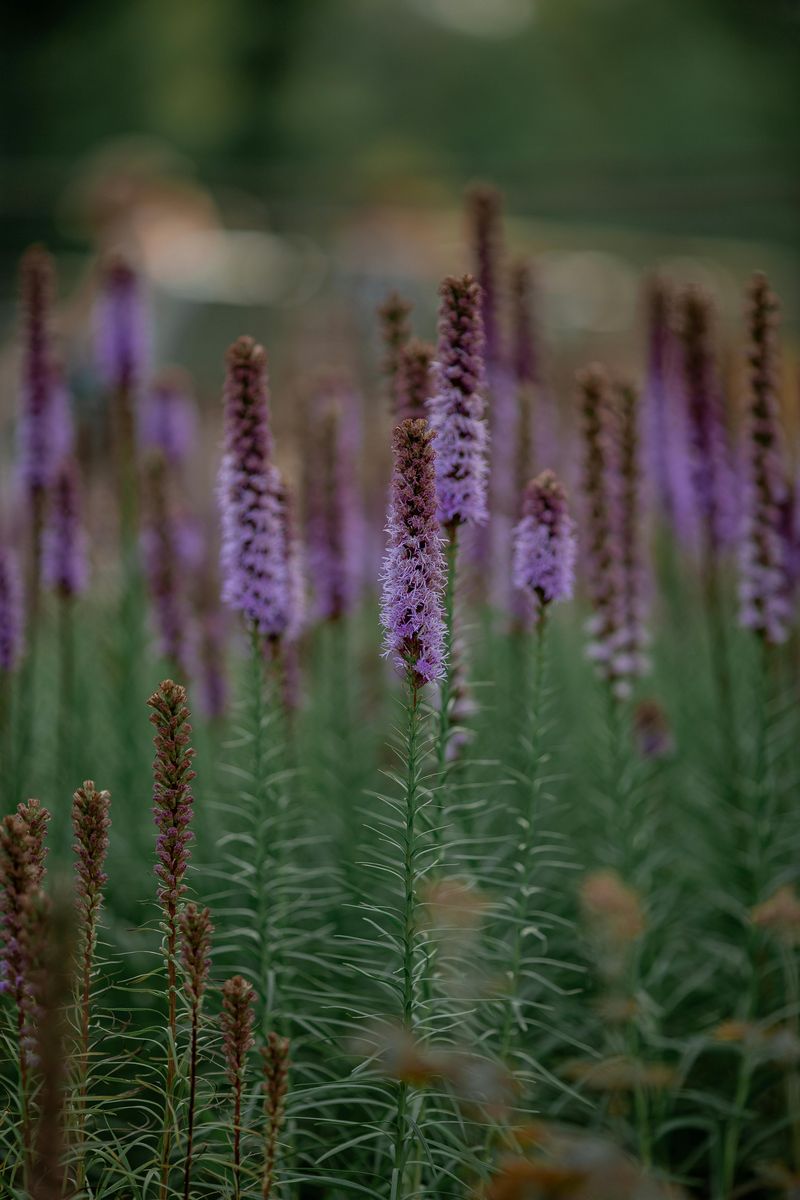
There is something almost magical about watching a blazing star spike open from the top down, unfurling its feathery purple flowers in a way that seems to defy the usual bottom-up pattern of most blooming plants.
This native prairie perennial is a true standout in Arkansas summer gardens, producing tall wands of rosy-purple flowers that butterflies simply cannot resist.
Monarch butterflies in particular are known to seek out blazing star during their migration.
Arkansas summers are no problem for this tough plant.
Blazing star grows naturally in prairies and open fields, so it is built for full sun, heat, and stretches of dry weather.
It stores energy in a corm underground, which helps it survive tough conditions and come back stronger each year without much help from the gardener.
Most varieties grow two to four feet tall, creating beautiful vertical interest in beds and borders.
Plant it in groups of three or more for the most dramatic effect, especially when combined with yellow coreopsis or ornamental grasses.
The dried seed heads also attract goldfinches in fall and winter, extending its value well beyond the blooming season.
For Arkansas landscapes that need a tough, showy, wildlife-friendly native, blazing star absolutely delivers on every promise.
9. Switchgrass
Switchgrass has been growing across the American plains and prairies for thousands of years, and there is a very good reason it has lasted that long.
This native ornamental grass is extraordinarily tough, handling heat, drought, wet soil, and everything in between with the kind of calm resilience that most plants could never manage.
For Arkansas yards that face a wide range of conditions throughout the year, that flexibility is incredibly valuable.
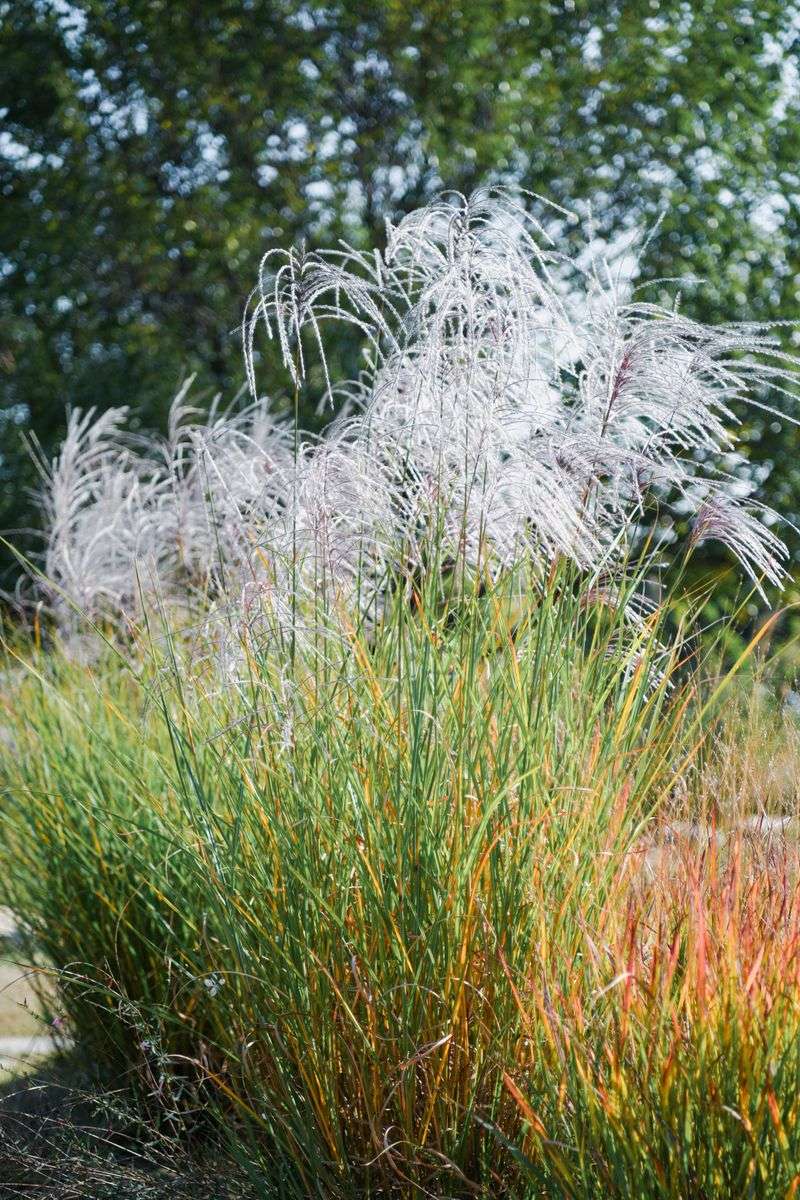
During summer, switchgrass forms upright, airy clumps of green or blue-green foliage that catch the breeze beautifully.
In fall, the whole plant transforms into a warm display of golden, orange, or reddish tones depending on the variety, making it a four-season performer in the Arkansas landscape.
The delicate seed heads that appear in late summer add a soft, cloud-like texture that looks stunning in evening light.
Popular cultivars like shenandoah and heavy metal are widely available at nurseries and offer predictable size and color.
Switchgrass grows three to six feet tall and provides excellent cover and food for birds throughout the colder months.
It also works well as a privacy screen, erosion control plant, or naturalistic border.
For a grass that works as hard as it looks good, switchgrass earns its spot in any yard without question.
10. Eastern Prickly Pear Cactus
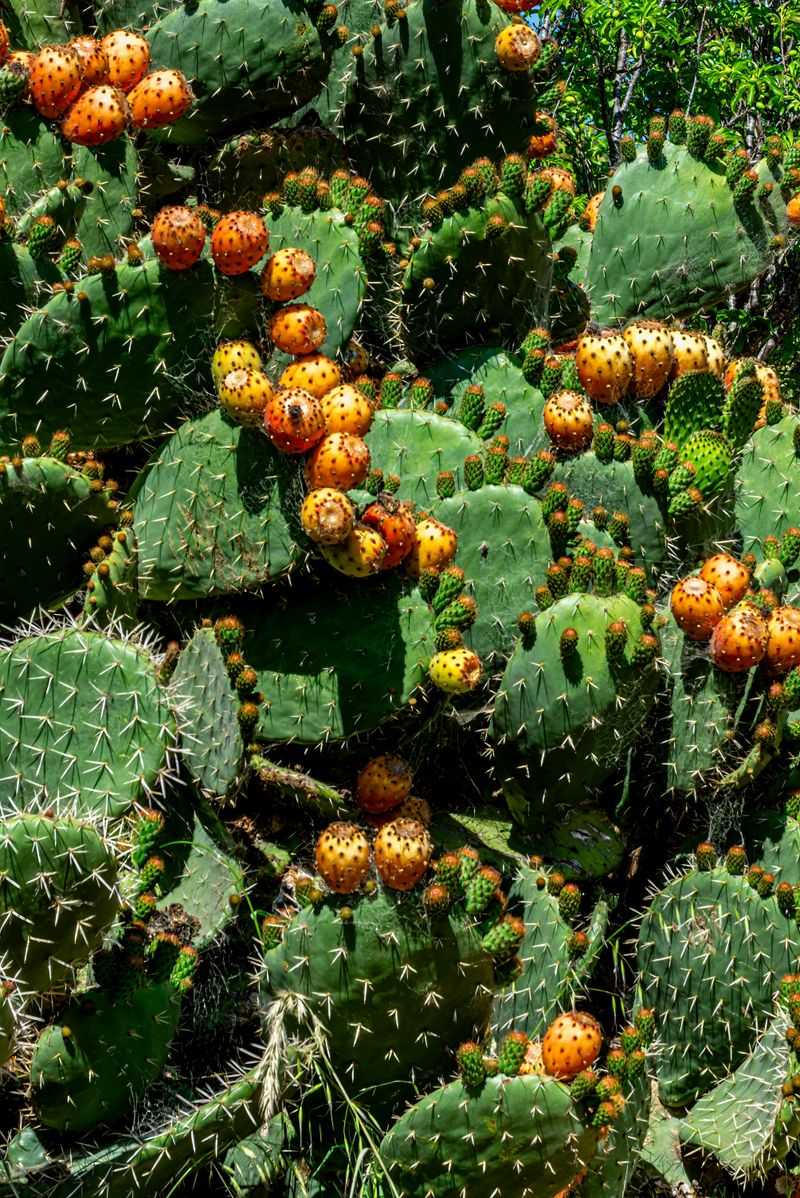
Anyone who said cacti belong only in the desert clearly never spent a summer in Arkansas.
Eastern prickly pear is a true native, growing wild across the state long before anyone thought to put it in a garden.
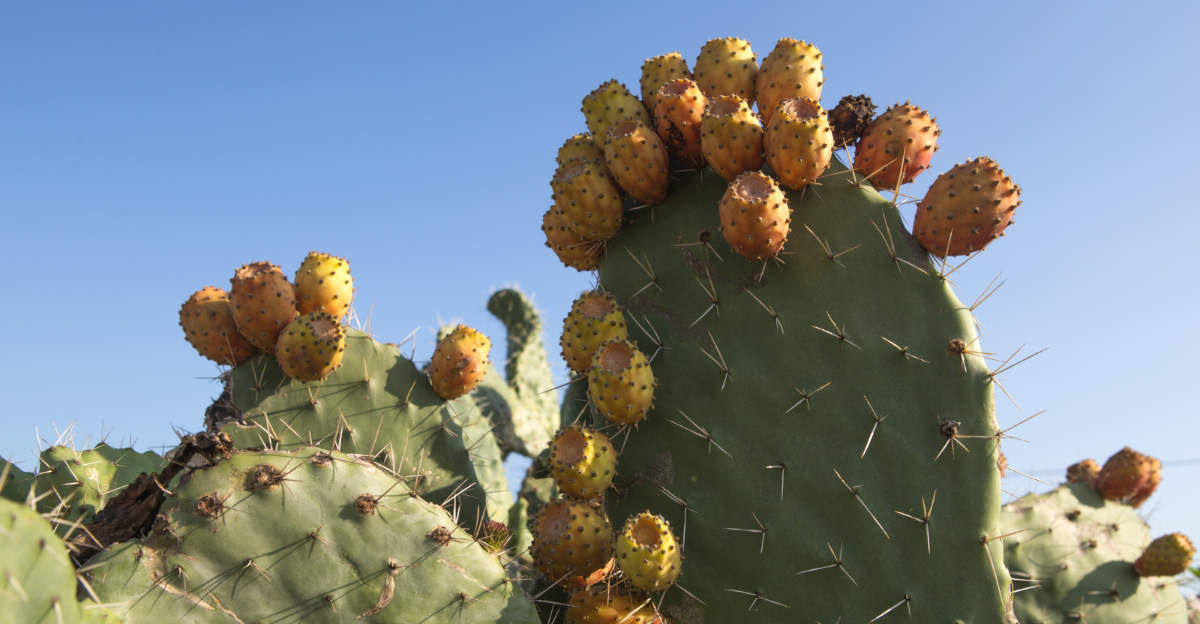
Come early summer, it bursts into bright yellow blooms that look almost too cheerful for something covered in spines.
Those flowers eventually give way to deep red fruit that is actually edible and has been used in jellies and syrups for generations.
Once planted in a sunny, well-drained spot, this cactus needs almost nothing from you.
No extra watering, no fussing, no special soil. It thrives in rocky areas, slopes, and sandy beds where other plants give up entirely.
Bees love the flowers, and the dense pads provide shelter for small wildlife.
The flat, paddle-shaped pads also add a striking sculptural quality that makes this plant look like a deliberate design choice rather than a survival strategy.
It stays relatively compact at one to three feet tall, so it fits neatly into borders without taking over the whole bed.
Just be sure to handle it with gloves, because those tiny hairlike spines called glochids are far sneakier than the large ones and love to embed themselves in your fingertips.
If you have a dry, sunny corner of your yard that has defeated every other plant you have tried, eastern prickly pear will make it look intentional.