10 Rare Plants New York Gardeners Are Racing To Collect This May And Where To Find Them
I never thought I would become the kind of person who sets an alarm for a plant sale.
And yet there I was, 7am on a Saturday, speed-walking through a Brooklyn nursery like I had somewhere important to be. New York gardening has a way of doing that to you.
The moment you discover that certain rare plants show up only in May and disappear within days, something shifts in you.
Consider yourself warned, because this hobby has no off switch.
Suddenly your garden looks like something out of a design magazine, and the hunt becomes completely addictive.
This city has a surprisingly rich underground of specialty growers, botanical garden sales, and hidden nursery gems.
Most gardeners walk right past them without knowing what they are missing.
Backyard gardener in Staten Island or container warrior on a Queens fire escape, this list was made for you.
The rarest finds of the season are waiting.
1. New England Asters Are Stealing The Show Across The Hudson Valley
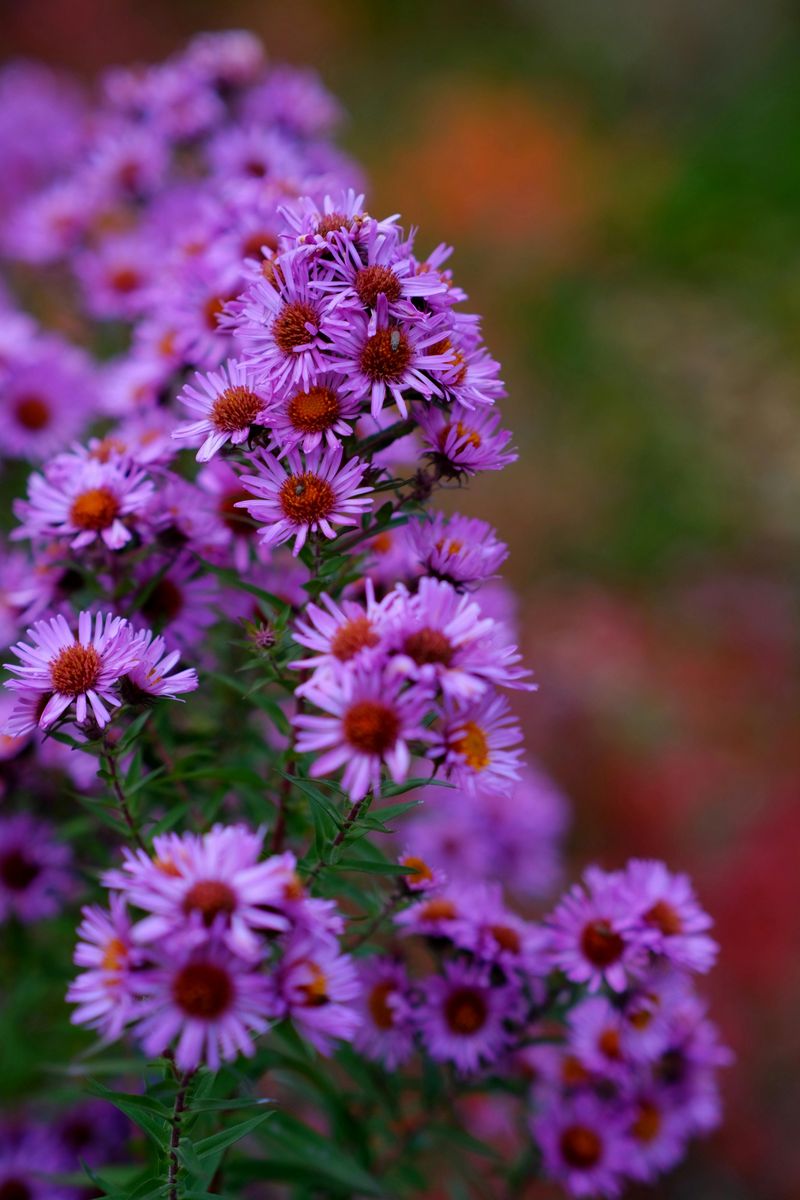
Few flowers can stop a person in their tracks the way a rare New England aster cultivar can.
Anyone can find the standard purple version at a garden center, but that is not what New York collectors are after this May.
The ones generating real excitement are hard-to-find cultivars like purple dome, a compact, deeply saturated variety that blooms later than most.
It holds its color longer than anything else in the fall garden, which is exactly why collectors are willing to drive two hours to find it.
Vibrant dome is another one serious collectors are tracking down, with flowers so intensely purple they look almost unreal against autumn foliage.
These are not the washed-out lavender versions sitting in plastic pots at big-box stores.
The ones generating real excitement are hard-to-find cultivars like purple dome, a compact, deeply saturated variety that blooms later than most.
It holds its color longer than anything else in the fall garden, which is exactly why collectors are willing to drive two hours to find it.
You can hunt them down at specialty native plant nurseries around the Hudson Valley and at events like the Brooklyn Botanic Garden plant sales.
Plant them in groups of three or more in full sun with slightly moist soil and prepare for the most impressive fall display your yard has ever seen.
2. White Swan Coneflowers Are Turning Heads From Long Island To Westchester
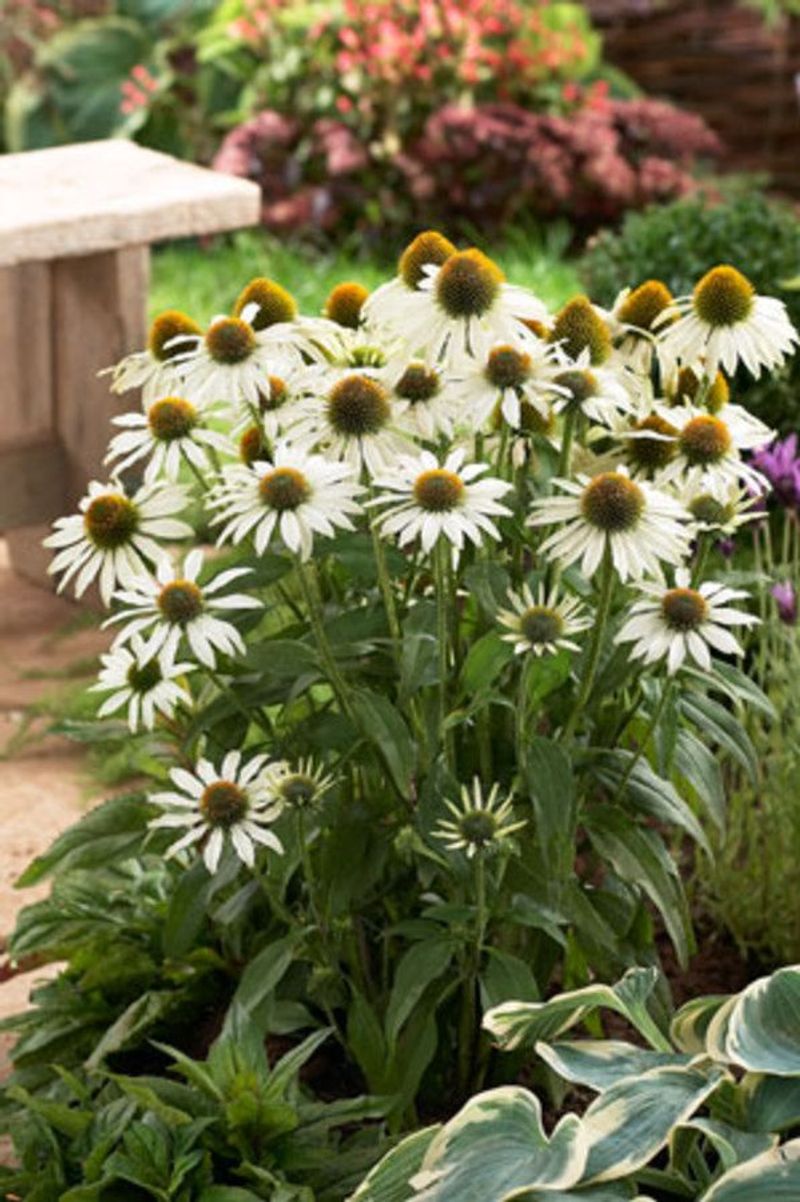
Have you ever seen a plant so unexpectedly elegant that it made you question every color choice you have ever made in your garden?
White Swan is that plant.
While everyone else is growing the standard purple coneflower, serious New York collectors are quietly tracking down this rare ivory-white cultivar that turns heads every single time.
Those clean, creamy white petals surrounding a warm amber-orange center create a combination so refined and striking it stops people mid-stride.
Most people cannot believe it is the same species as the roadside purple version they have always known. White swan makes the standard coneflower look like it was not even trying.
Your New York Garden Changes Every Week. Your Plan Should Too.
Gardening in New York changes quickly throughout the season. Every Friday you’ll receive a simple weekly plan showing exactly what to plant, prune, fertilize, harvest, and protect so you never miss the right timing.
White swan brings a completely different energy to the garden, cooler, more sophisticated, and somehow even more dramatic against green summer foliage.
It blooms from midsummer through fall, attracting bees, butterflies, and goldfinches just as enthusiastically as its purple relatives.
Extraordinarily tough, it shrugs off New York winters and summer heat without missing a single bloom. Finding it takes effort.
Most mainstream nurseries never stock it, and when specialty growers do bring it in, it disappears fast.
Your best bets are native plant sales across Long Island, Westchester, and the Capital Region this May. Show up early, because White Swan waits for nobody, and neither do the collectors who already know about it.
3. Cherokee Sunset Coneflowers Are Setting The Catskills Ablaze
Most gardeners walk right past the coneflower section at the nursery without a second glance.
That is exactly what the Cherokee sunset collectors are counting on.
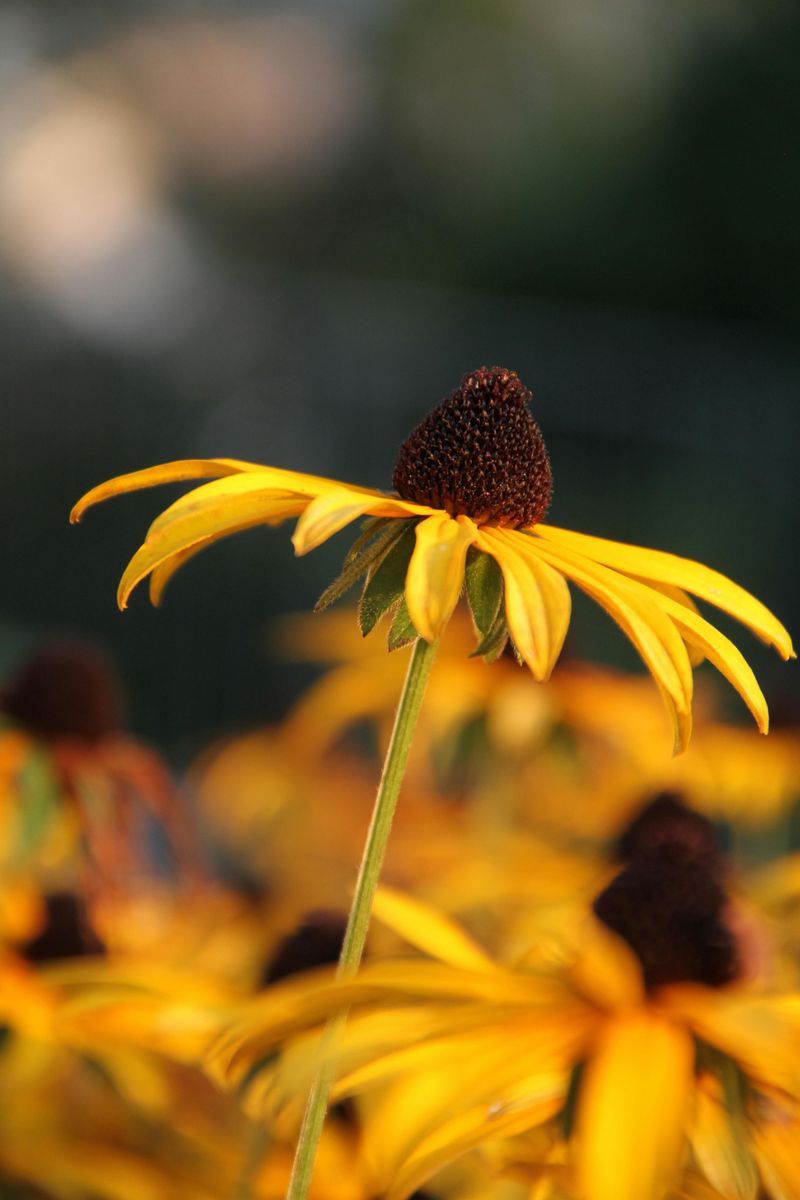
This extraordinary cultivar of the native coneflower family is one of the most visually striking plants you can grow in a New York garden, and finding it in quality nursery stock is genuinely half the fun.
Unlike the standard purple coneflower most people know, Cherokee sunset produces blooms in a breathtaking mix of gold, orange, bronze, and deep red, often on the same plant at the same time.
It looks less like a wildflower and more like someone painted each petal by hand.
New York gardeners who have discovered it tend to treat it like insider information, quietly snapping up every available plant before the general public catches on.
It handles New York summers and winters with remarkable toughness, returning reliably each year with an even fuller display.
Bees and butterflies absolutely swarm it from midsummer through fall, and the seed heads feed goldfinches well into the colder months.
Look for it at specialty native plant nurseries across the Catskills and at the New York Botanical Garden plant sales this May.
Get there early, bring cash, and do not say we did not warn you.
4. Franz Schubert Garden Phlox Is Hitting All The Right Notes In The Finger Lakes
Have you ever come across a plant with a story so good it makes you want to grow it before you even see it bloom?
Franz Schubert garden phlox is one of the oldest named cultivars still in circulation.
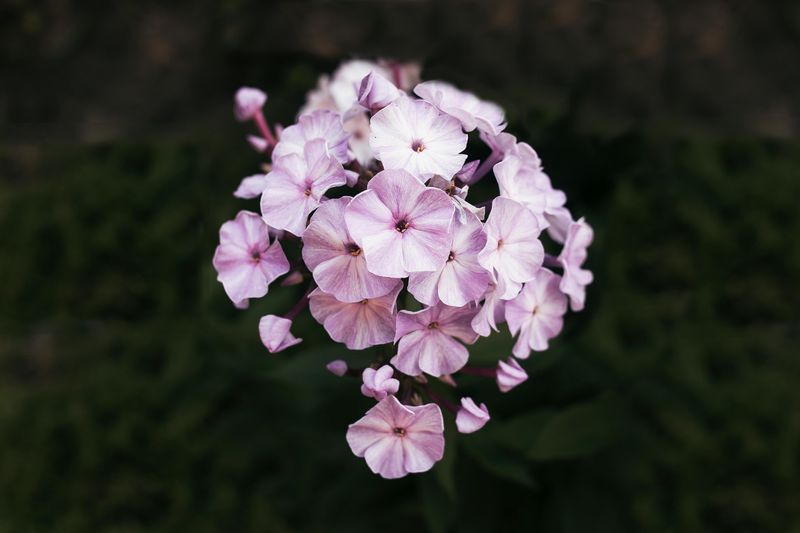
It is a soft lilac-pink heirloom with a deeper contrasting eye that gives it a look no modern cultivar has managed to replicate.
Serious collectors have been quietly passing it between themselves for generations like a well-kept family secret.
And once you see it growing in a garden, you will completely understand why nobody wanted to share it.
Most mainstream nurseries have never heard of it, and those that do stock it rarely have more than a handful of plants available at any given time.
Named after the legendary composer, this cultivar brings the same kind of understated, timeless beauty to a garden that his music brings to a room.
Its fragrant flower clusters bloom in midsummer and the scent alone, drifting across the yard on a warm evening, is worth every bit of effort it takes to track it down.
Hummingbirds and sphinx moths absolutely adore it. It thrives in New York’s climate, returning reliably each summer with an even fuller display.
Specialty perennial nurseries in the Finger Lakes region and plant sales at the New York Botanical Garden are your best starting points this May.
Find it once and you will spend the rest of the season wondering how your garden ever managed without it.
5. Sweet Goldenrod Is Making Central New York Look Like It Struck Gold
Let me defend sweet goldenrod for a moment, because this plant has been taking the blame for something it did not do.
Ragweed is the actual hay fever villain here, and it just happens to bloom at the same time, letting goldenrod take all the sneezing blame for centuries.
Goldenrod’s pollen is heavy and sticky, carried by bees rather than floating through the air, so most allergy sufferers have absolutely nothing to worry about.
Once you clear its name, you start noticing just how breathtaking it actually is.
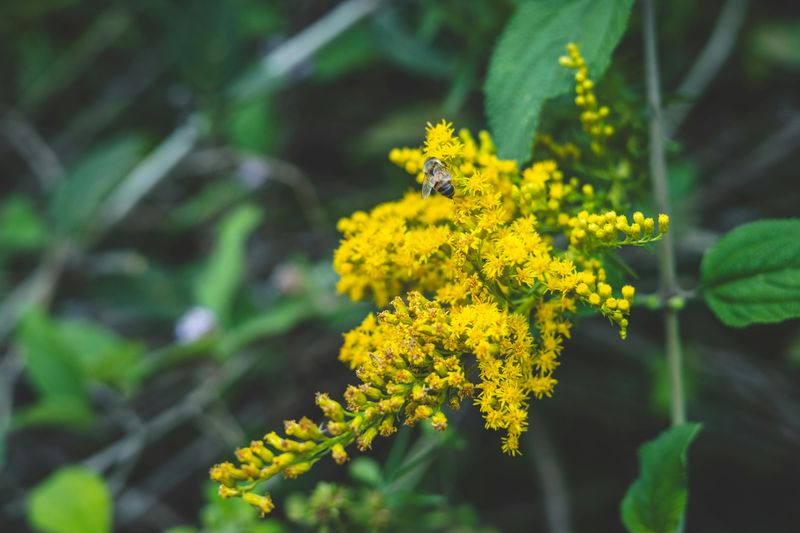
Those cascading sprays of tiny golden-yellow flowers light up meadows and roadsides like someone turned on a warm lamp from late summer through fall.
The anise-like fragrance is something else entirely, delicate, sweet, and completely unexpected from a wildflower.
Herbalists have treasured it for generations, and once you catch a whiff, you will understand why. Pollinators go absolutely wild for it, with dozens of bee and butterfly species treating a single plant like their personal buffet.
New York gardeners with a nose for the rare are quietly tracking it down at native plant nurseries in the Adirondack foothills and at restoration plant sales across central New York.
Give it full sun and average to dry soil, and it will spread into golden drifts that make the whole garden glow. Pair it with New England aster and your fall garden will look like it was professionally designed.
6. Bird’s-Foot Violet Grows Wild In The Hudson Valley
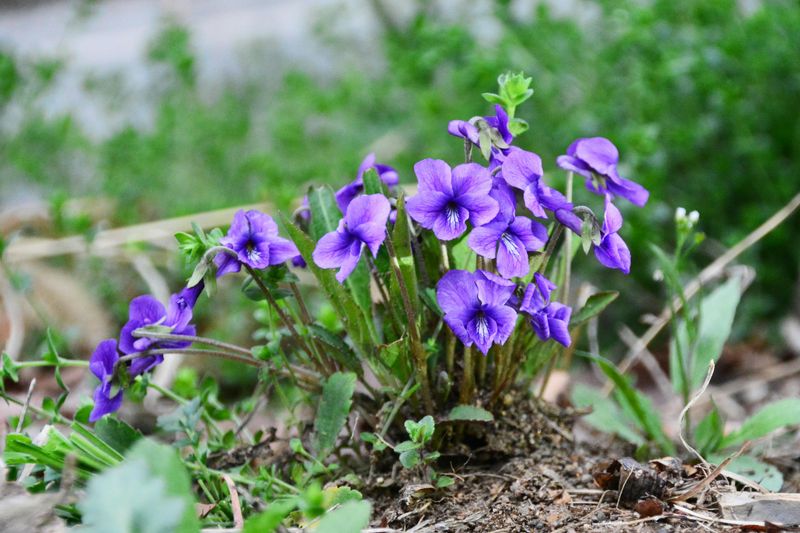
Some plants are pretty. Bird’s foot violet is an obsession.
This is the plant that serious native plant collectors in New York quietly trade tips about, the one that sells out at specialty sales before most people even know it was available.
Named for its deeply divided leaves that look remarkably like a bird’s tiny footprint, this wildflower has one of the most charming origin stories in the native plant world.
And then you see it bloom, and the name suddenly feels like the least interesting thing about it.
Its two-toned blooms in rich violet and pale lavender are so stunning they stop people mid-stride every single spring.
Unlike its common violet cousins that pop up uninvited in every lawn across New York, bird’s foot violet is genuinely difficult to establish and even harder to find at nurseries.
It demands well-drained, lean, sandy or rocky soil and absolutely refuses to perform in rich garden beds. For most gardeners that would be a dealbreaker, but for dedicated collectors it is exactly the kind of challenge that makes the hunt worthwhile.
Native to dry open woodlands and rocky outcrops across New York, it blooms in May with a display that feels almost too beautiful for something so small.
Pollinators, especially native bees and fritillary butterflies, seek it out eagerly.
Your best chance of finding it is at woodland specialty nurseries in the Hudson Valley and native plant rescue sales across upstate New York.
Move fast, because bird’s foot violet waits for nobody.
7. Serviceberry Is What Catskills Soil Is Telling You To Plant
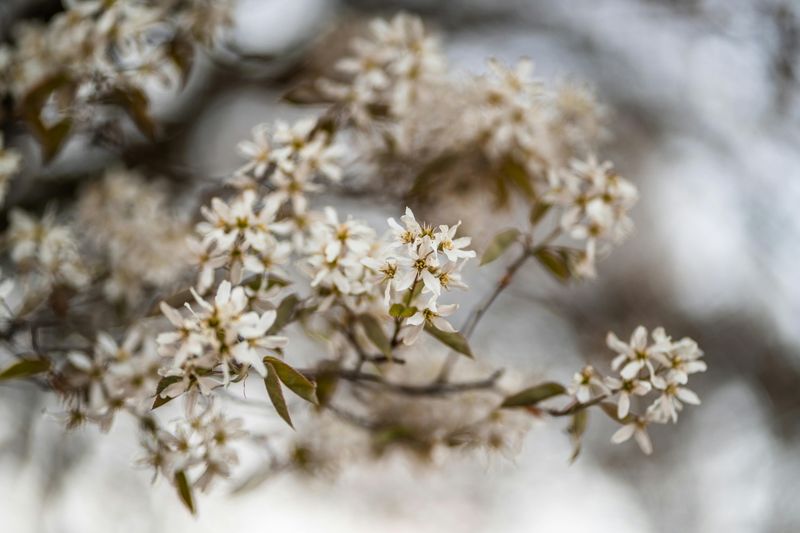
Before most trees even think about leafing out, the serviceberry is already putting on a full white flower show.
Also called Juneberry or shadbush, this native New York shrub or small tree is one of the earliest bloomers of the season, often flowering in April and May when little else is awake.
Gardeners from the Bronx to Buffalo are hunting for it right now because it is genuinely rare to find at mainstream nurseries.
Serviceberry has a long history in North America.
Indigenous peoples harvested its sweet, blueberry-like fruits for centuries and used them dried in pemmican.
Today, gardeners prize it for its four-season beauty, with spring flowers, summer berries, brilliant fall foliage, and attractive gray bark in winter.
Birds go absolutely wild for the berries, which usually ripen by June.
Finding serviceberry in New York takes a little effort, but native plant nurseries in the Catskills and specialty mail-order growers that ship to New York addresses are your best bets.
It grows well in full sun to partial shade and adapts to a wide range of soil types.
Plant one near a window and enjoy watching birds flock to it all summer long.
It is a plant that gives back to the garden in every single season.
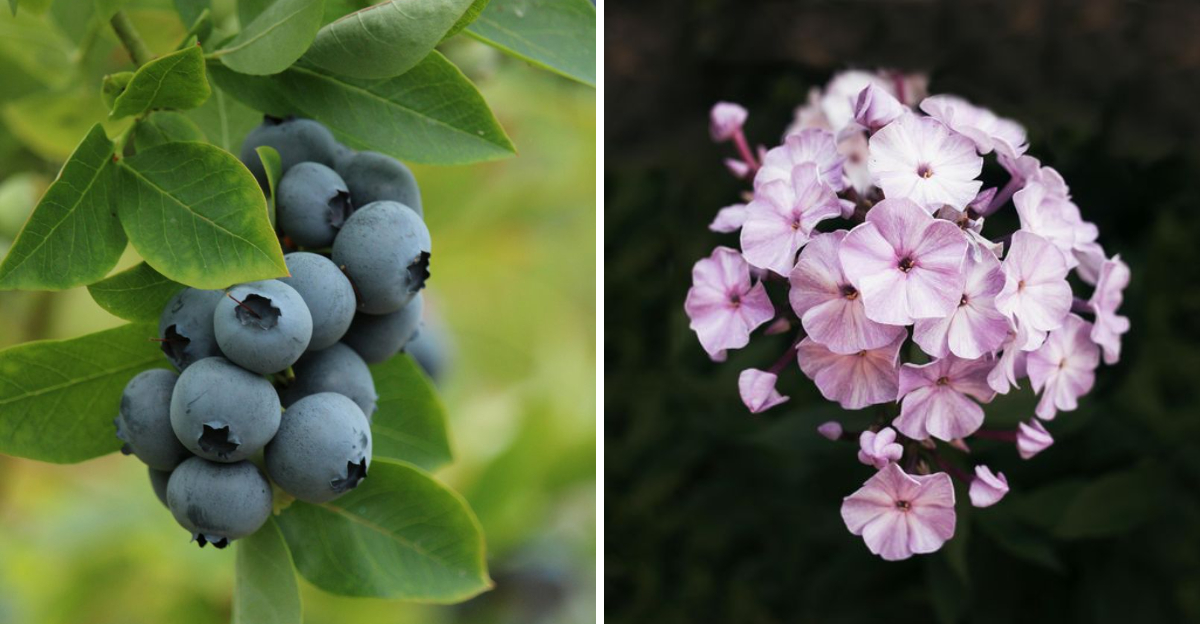
8. Jersey Highbush Blueberry Adds Natural Charm To Long Island Landscapes
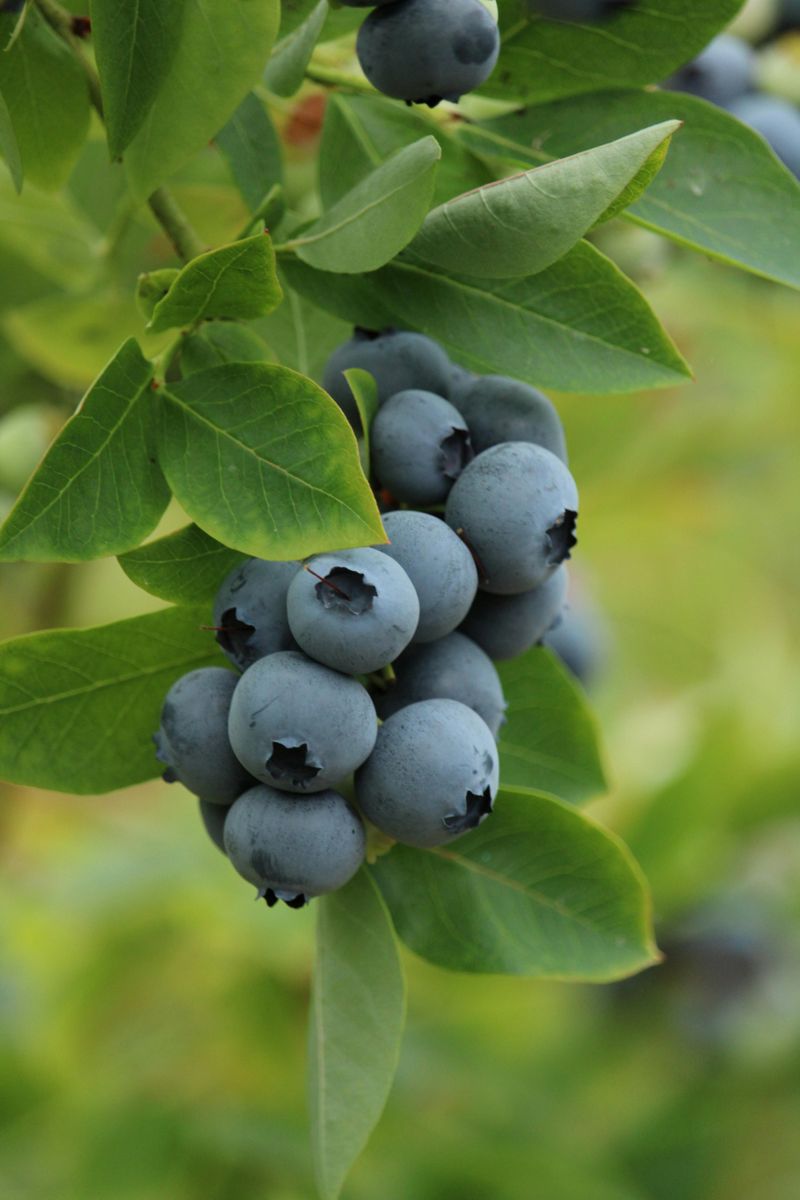
Have you ever tasted a blueberry so good it made every other blueberry you have ever eaten feel like a disappointment?
That is exactly what Jersey highbush blueberry collectors in New York have been quietly saying to each other for decades.
Dating back to 1928, Jersey is one of the oldest and rarest highbush blueberry cultivars still in existence. Tracking down authentic quality nursery stock in New York is the kind of challenge that separates casual gardeners from the ones who really mean business.
And trust me, once you taste the berries, every bit of that effort makes perfect sense.
Most garden centers have never stocked it.
The ones that do get it in rarely see it last more than a day before it is gone.
Modern commercial varieties are bred for shelf life and uniformity.
Jersey was bred for flavor, pure and unapologetic, and one taste of its deep, complex, almost wine-rich berries makes that difference impossible to ignore.
Beyond the extraordinary fruit, Jersey produces beautiful white bell-shaped spring flowers, fiery red and orange fall foliage, and supports more than 280 species of native bees throughout the season.
It thrives in New York’s acidic, well-drained soils, particularly across Long Island, the Catskills, and the Adirondack region.
Plant at least two different cultivars nearby for the best fruit production.
Amend your soil with coco coir or pine bark to get the pH right.
Genuine Jersey stock shows up at specialty fruit nurseries and native plant sales across New York this May, and when it does, it never stays on the shelf for long.
9. Wintergreen Is The Woodland Survivor Of Hudson Valley Winters
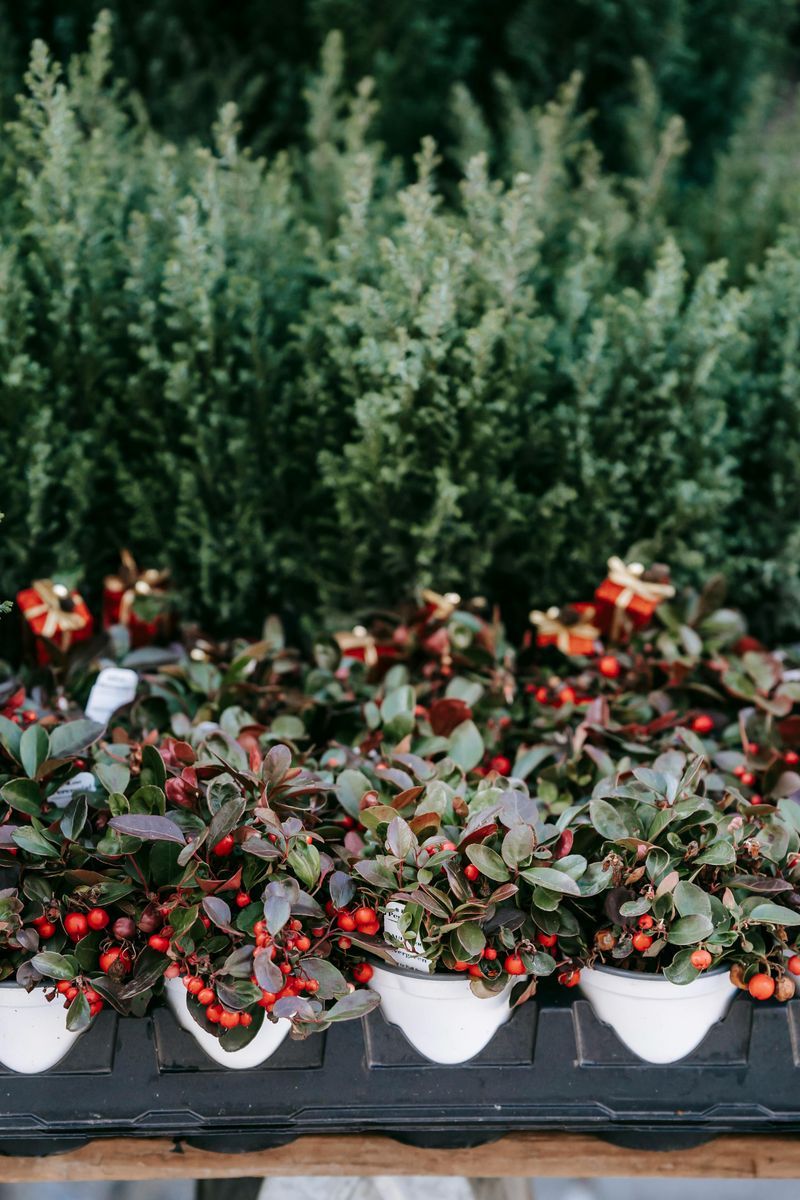
Wintergreen is one of those plants that feels like a secret the forest is keeping.Its small, glossy leaves stay green all year, and its bright red berries cling to the stems through winter and into spring, looking like tiny ornaments on the woodland floor.
Crush a leaf between your fingers and you get an instant burst of that unmistakable minty fragrance.
Native to the forests of eastern North America, wintergreen grows wild in many parts of New York, particularly in the Adirondacks and Catskills.It has been used for centuries as a flavoring and natural remedy, and its essential oil was once the primary source of wintergreen flavor before synthetic versions took over.
Today, it is prized as a ground cover for shady, acidic gardens where few other plants will grow.
New York gardeners with woodland settings or shady slopes are especially eager to find it this May because it solves a tricky gardening problem beautifully.Look for it at specialty shade plant nurseries and woodland garden sales in the Hudson Valley and Adirondack regions.
Wintergreen needs acidic, moist, well-drained soil and partial to full shade.Once established, it spreads slowly to create a dense, evergreen carpet that looks stunning paired with ferns and mosses throughout the year.
10. Flowering Dogwood Loves Staten Island Soil
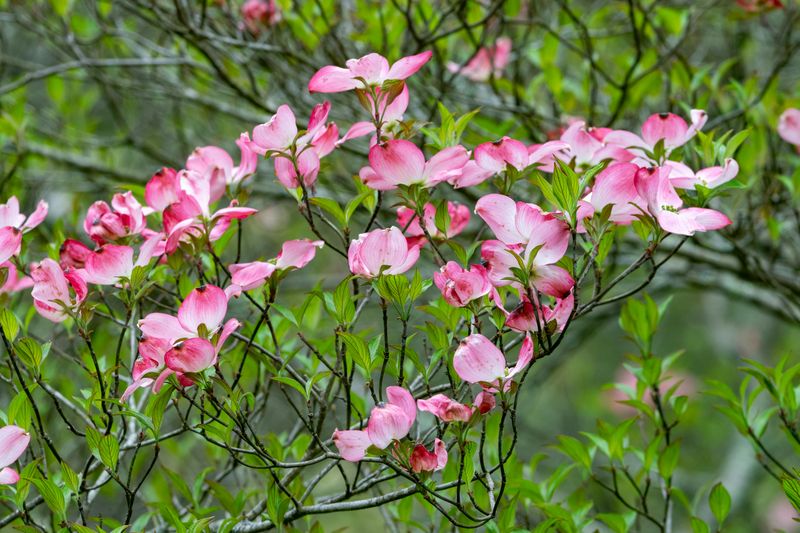
Flowering dogwood is the kind of tree that makes the whole neighborhood slow down in May.
Its large, creamy white or pink bracts surround tiny clusters of true flowers, creating a cloud of color that is hard to match in any spring garden.
Gardeners from Staten Island are searching high and low for healthy native specimens this season.
Native to the eastern United States, flowering dogwood is one of the most beloved trees in American horticulture.
In the wild, it grows as an understory tree beneath taller oaks and maples, which means it can handle partial shade beautifully.
Its berries ripen in fall and are an important food source for more than 35 species of birds, including robins, bluebirds, and cedar waxwings.
Finding a healthy, disease-resistant native flowering dogwood in New York requires going to reputable specialty nurseries rather than big-box garden centers.
Look for named cultivars bred for resistance to dogwood anthracnose, a fungal issue that affects many trees in the northeast.
The New York Botanical Garden and local arboretum plant sales are excellent places to start your search.
Plant it in well-drained, slightly acidic soil with morning sun and afternoon shade for the happiest, longest-lived tree in your yard.